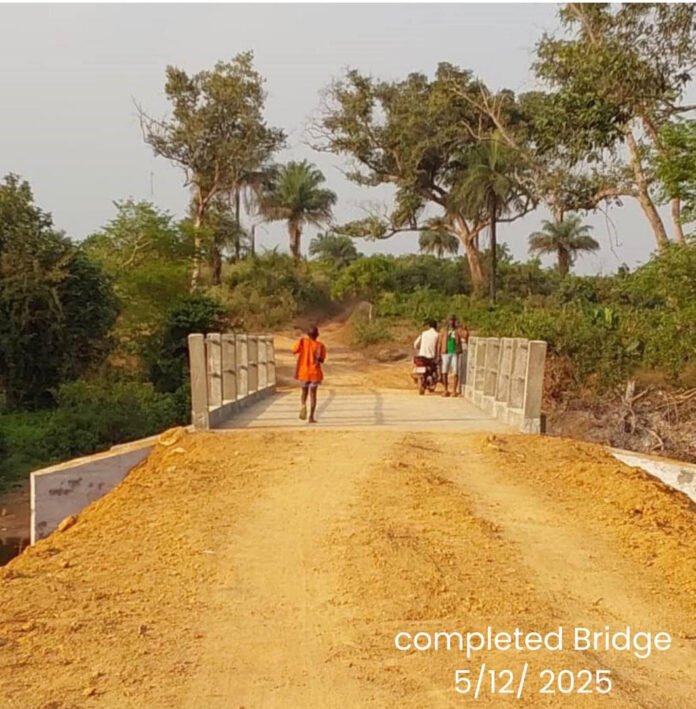
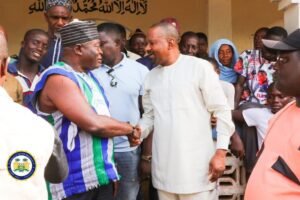
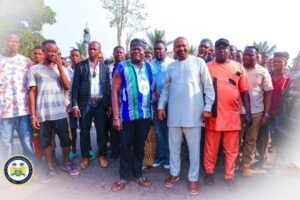
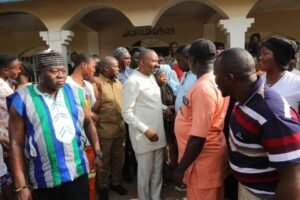
The Road Maintenance Fund Administration (RMFA) has announced the successful resolution of an outstanding audit issue concerning the incomplete construction of a 10-metre span bridge linking Kpangbama to Rotawa in Fakunya Chiefdom, Moyamba District.
According to the RMFA, the audit finding had highlighted concerns over unfinished works on the bridge project, which serves as a critical access point for communities within the chiefdom. In response to the observation, the Administration initiated corrective actions aimed at addressing the identified gaps and ensuring compliance with contractual obligations.
The RMFA stated that it enforced strict adherence to the terms of the construction contract while simultaneously strengthening its project supervision and monitoring mechanisms. These measures, officials noted, were designed not only to complete the outstanding works but also to reinforce institutional accountability in infrastructure delivery.
Authorities have now confirmed that all pending bridge works have been fully completed. The 10-metre span bridge is operational and providing safe and reliable passage along the Kpangbama–Rotawa route.
Community members in Fakunya Chiefdom are expected to benefit significantly from the completed project. The restored link is projected to enhance mobility, facilitate trade, improve agricultural transportation and strengthen social and economic connectivity across the Moyamba District.
The completion of the bridge marks an important step in closing the audit gap and demonstrates RMFA’s responsiveness to oversight mechanisms. It also underscores the Administration’s broader mandate of ensuring that public funds allocated for road maintenance and infrastructure projects are utilized effectively and transparently.
In its statement, the RMFA reaffirmed its commitment to transparency, accountability and diligent monitoring of all road maintenance and infrastructure initiatives nationwide. The Administration emphasized that lessons drawn from the audit finding have informed strengthened supervision frameworks to guarantee timely and satisfactory delivery of future projects.
The successful completion of the Kpangbama–Rotawa Bridge stands as a testament to RMFA’s resolve to correct deficiencies where identified and to prioritize infrastructure development that directly supports national growth and rural transformation.
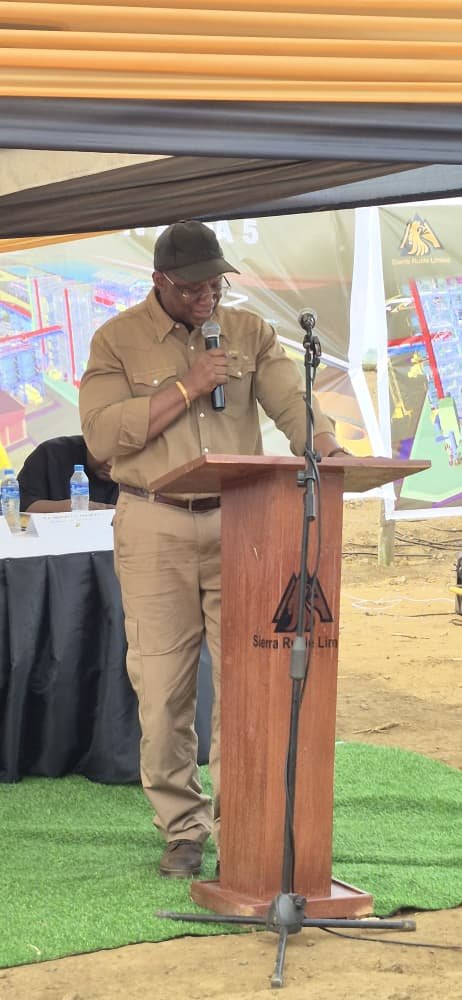
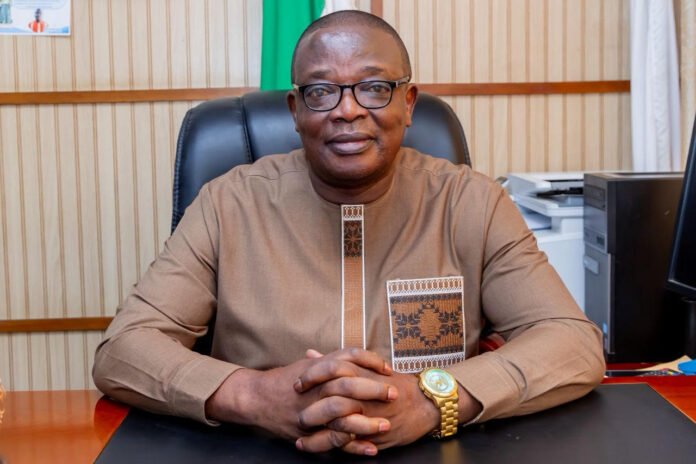
Minister of Mines and Mineral Resources, Julius D. Mattai
By Alvin Lansana Kargbo
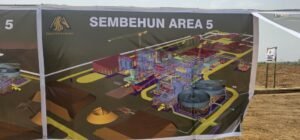
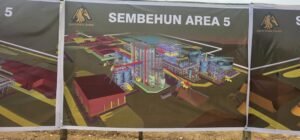
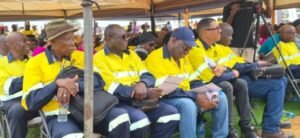
The Government of Sierra Leone, through the Ministry of Mines and Mineral Resources and the National Minerals Agency (NMA), has endorsed the formal commencement of development works at the Sembehun (Area 5) Rutile Expansion Project, underscoring its strategic role in national industrial policy and long-term economic diversification. The groundbreaking ceremony, held on Thursday, 26 February 2026, signals the transition of Sierra Rutile Holdings Limited into a new operational phase that Government officials describe as transformative for the mining sector and the broader economy.
Sembehun is widely recognized in the global mining industry as one of the largest and highest-grade natural rutile deposits in the world, a critical mineral that feeds the global titanium dioxide supply chain and supports industries from aerospace and advanced manufacturing to pigments and welding consumables. Definitive feasibility analysis projects the Sembehun deposits to contain more than 173 million tonnes of ore at high rutile grades, with an estimated annual output of roughly 175,000 tonnes of rutile at steady state over a 14-year mine life.
In remarks at the site in Bagruwa Chiefdom, Moyamba District, Alhaji Hadji Daboh, Director General of the National Minerals Agency (NMA), described the event as a historic milestone for Sierra Leone’s extractives sector. He said the project, now fully locally owned, marks the first large-scale mining operation under Sierra Leonean capital following the 2024 acquisition of Sierra Rutile by Leonoil Company Limited, a development the Government views as a strategic advancement in national empowerment and control over mineral resources.
The DG framed the Sembehun project as a tangible outcome of President Julius Maada Bio’s economic agenda, which seeks to shift mining away from export-oriented raw extraction toward value creation, skills development and community transformation. He emphasized that securing a $70 million syndicated financing line, including $40 million from Ecobank Sierra Leone, underscores growing investor confidence in Sierra Leone’s reform environment, fiscal stability and governance improvements.
With implementation projected to support infrastructure development, job creation and robust revenue streams, he said Sembehun could significantly bolster foreign exchange earnings and fiscal receipts over its life. Expected outcomes highlighted by the NMA DG include expanded local employment opportunities, enhanced training and skills development and infrastructure upgrades, ranging from transportation networks to energy and social services, in and beyond Moyamba District.
Minister of Mines and Mineral Resources, Julius D. Mattai, reiterated the Government’s commitment to harnessing Sierra Leone’s mineral wealth for broad-based development. Drawing from his own trajectory from miner to Minister, he framed the project as a definitive step in realizing a sector that benefits Sierra Leoneans at all levels, from ownership to operational participation and downstream economic impact.
Minister Julius D. Mattai emphasized the importance of a strong legal framework anchored on the Mines and Minerals Development Act 2023, he says has established a structured governance model to ensure transparency, accountability and equitable benefit sharing among investors, communities and the state. He affirmed inter-agency cooperation, particularly with the Environmental Protection Agency and the National Revenue Authority, to enforce compliance with environmental and fiscal obligations.
The Minister stressed that modern mining must conform to rigorous environmental and social standards. He said, in addition to regulatory compliance measures already approved, Sierra Rutile is expected to meet stringent conditions on land use, water resource protection and community engagement as part of its Environmental, Social and Health Impact Assessment and Management Plan, requirements overseen by the Environmental Protection Agency of Sierra Leone.
Alhaji Mohamed Babatunde Cole, Executive Chairman of Sierra Rutile Holdings Limited, described the groundbreaking as more than ceremonial; it represents operationalization of a long-anticipated mining phase that industry stakeholders have tracked for decades. Babatunde Cole underscored that relocation of a world-class processing plant from abroad was designed to optimize capital expenditure and accelerate deployment, while enhancing the company’s competitive standing in global rutile markets.
Sierra Rutile, historically one of the world’s leading producers of natural rutile and one of Sierra Leone’s largest private-sector employers, has faced operational challenges in recent years as existing deposits approached depletion. Officials indicate that Sembehun will extend the company’s productive life by more than a decade and help address an impending global supply shortage of rutile, which is expected as existing first-tier deposits worldwide decline.
As groundbreaking works transition into full project execution, the Government says it will remain vigilant in monitoring compliance, enforcing local content obligations and maximizing socio-economic impact. Officials describe Sembehun not simply as a mining investment but as a cornerstone of Sierra Leone’s long-term industrial development strategy, one that positions the nation to compete in critical mineral markets while promoting domestic capacity, transparency and shared prosperity.
Mining activity continues to shape both the economy and social structure of Kenema District, Eastern Province of Sierra Leone particularly in diamond-rich Tongo, the alluvial fields of Lower Bambara, Wando, Bojabu and Kandu Leppiemah Chiefdoms, the gold prospects of the Kambui Hills, and the controversial operations around Lowuma in Koya Chiefdom. But while minerals generate income for many households, emerging data reveal a troubling pattern: a significant proportion of children are involved in labour, including hazardous mining work.
According to a 2019–2020 household survey conducted by the African Programming & Research Initiative to End Slavery (APRIES), approximately 35 percent of children aged 5–17 years in Kenema District were engaged in child labour. This means that more than one in every three children in that age bracket was involved in some form of economic activity considered inappropriate or harmful. The Eastern Province average stood at 44.6 percent, while neighbouring Kono and Kailahun recorded higher rates of 52 percent and 41 percent respectively.
Within Kenema’s child labour population, about 7 percent were involved specifically in mining and quarrying activities. Though mining does not represent the largest share of child labour sectors, it remains one of the most dangerous. The same survey found that 20 percent of affected children were engaged in portering and 9 percent in fishing. In addition, 26.6 percent of children in Kenema District were estimated to have experienced trafficking meaning roughly one in four children had been moved or compelled into exploitative situations, often overlapping with labour in mining communities.
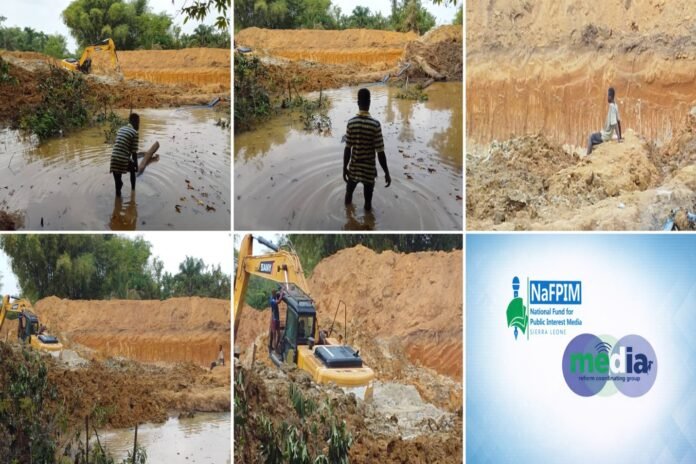
At an artisanal diamond site near Tongo, 17-year-old Abdulai Sesay said he earns between one hundred and two hundred on a lucky day carrying gravel for adult miners. “If there is no find, I go home with nothing,” he explained. He spends long hours shoveling and washing sediments from riverbanks, a method known as alluvial mining, where loose soil and gravel are excavated and sieved manually in search of diamonds. Without boots, gloves or helmets, children face exposure to collapsing pits, sharp tools and contaminated water.
The mother of a child miner in Lower Bambara Chiefdom, Hawa Sheriff, acknowledged that poverty drives many families’ decisions. “When there is no food, you cannot tell the child to sit at home,” she said. Like many households in mining areas, her family survives below the national poverty threshold and depends on irregular mining income. Although the Government promotes free quality education, indirect costs such as uniforms, learning materials and transportation remain barriers, pushing children into labour rather than classrooms.
Mining methods vary across the district. Artisanal and small-scale mining (ASM) dominates in rural chiefdoms, where individuals dig shallow pits using basic tools. Formal operations, such as the gold project under development in the Kambui Hills by JM Mining under an Environmental Impact Assessment (EIA) licence, are legally required to adhere to regulatory and environmental standards. However, illegal mining operations, including mechanized dredging near watercourses, continue to be reported, particularly around Lowuma in Koya Chiefdom, contributing to environmental degradation and increasing the vulnerability of children.
A district official from the National Minerals Agency (NMA), Ing Mohamed Gaima confirmed that hazardous child labour is prohibited under the Child Rights Act 2007 and labour regulations although it is regarded as cultural. “Our responsibility is to inspect licensed sites and enforce compliance,” he stated, noting that license holders who allow child labour risk sanctions or revocation. According to him they embark on sensitization drives to raise awareness. However, he admitted that monitoring dispersed artisanal sites remains a challenge.
Traditional leaders also recognize the gravity of the statistics. A Town Chief in Bomboma Village, Nongowa Chiefdom, Mohamed Sidie ,said that while children helping families has historically been normalized; hazardous mining work crosses a legal and moral line. “When one in three children is already in labour, we must intervene decisively,” he said, calling for strengthened chiefdom by-laws and community child protection committees.
Officials from the Ministry of Gender and Children’s Affairs expressed particular concern about the trafficking figures. “If 26.6 percent of children have experienced trafficking, that is not just a labour issue; it is a protection crisis,” a district representative emphasized. She stressed the need for psychosocial support, reintegration programs and accelerated learning opportunities for former child miners.
Teachers in mining communities report increased absenteeism during peak mining seasons, with some pupils permanently dropping out. The educational consequences, combined with health risks such as respiratory problems, musculoskeletal injuries and waterborne diseases, reinforce cycles of poverty and underdevelopment.
Experts agree that reducing child mining in Kenema requires coordinated enforcement, poverty alleviation and education support. Routine site inspections, conditional cash transfers to vulnerable households, school feeding expansion, vocational training for parents and formalization of artisanal mining with strict “No Child Labour” clauses are among the recommended measures.
If these interventions are implemented effectively, the district could see measurable declines in child labour prevalence, improved school retention rates and reduced trafficking figures. For Kenema’s children, statistics should not merely reflect hardship, they should become benchmarks for progress toward safer communities and protected childhoods.
The publication is supported by the National Fund for Public Interest Media (NaFPIM), through the Media Reform Coordinating Group (MRCG), with funding from the International Fund for Public Interest Media (IFPIM) and the United Kingdom.
On 20 February 2026, His Excellency the President appointed Edmond S. Alpha as substantive Chief Electoral Commissioner of the Electoral Commission of Sierra Leone (ECSL), subject to the approval of Parliament. That decision followed a consultation process that produced endorsement from 12 of the 14 registered political parties.
Despite participating in the consultation process, the main opposition, the All People’s Congress (APC), issued a press release rejecting the appointment, called on the government to rescind it, and gave a 48-hour ultimatum threatening to withdraw APC’s elected officials from Parliament, local councils and other governance structures.
The APC claims that the appointment constitutes an assault on the Agreement for National Unity, questions Mr. Alpha’s credibility and post‑election conduct, and asserts lack of good faith in implementing the Tripartite recommendations. Even if APC believes these charges to be legitimate, its 48-hour ultimatum is unjustifiable and without basis.
To start with, the President’s action was constitutional, lawful and consistent with the scope of the Agreement for National Unity. Paragraph C of the Agreement’s preamble is explicit and dispositive: the laws of the Republic of Sierra Leone, especially the Constitution of Sierra Leone (Act No.6 1991), are sacrosanct. Accordingly, an Agreement that expressly recognizes the Constitution’s primacy cannot be given an interpretation that makes the lawful exercise of a constitutional duty an “assault” on that Agreement. Clearly, the Agreement acknowledges its limitation by deferring to the Constitution.
The APC further contends that the appointment demonstrates bad faith in implementing the Tripartite recommendations and Agreement. Unarguably, there is overwhelming evidence of Government’s commitment to the implementation of the Tripartite recommendations and Agreement. This is not in dispute. It is therefore inconceivable that the APC desires to use an amorphous claim of “good faith” to invalidate a clear constitutional prerogative. In my view, “good faith” is not a superseding constraint that disempowers the President from performing duties entrusted by the constitution.
Our APC friends have also argued that the concerns raised by APC in its ultimatum press release had already been conveyed during the consultation. They assert that the APC has been consistent in its position and the ultimatum is not unreasonable. I pointed one of them to section 171(14) of the Constitution, which makes clear that after the consultation the President was not required to act in accordance with the advice of the APC or any political party. Additionally, the provision safeguards the exercise of that function by stating that the question of whether consultation was made shall not be inquired into in any court. Nonetheless, in the interest of transparency the public was informed of the approvals received from political parties during the consultation.
Consequently, it is my view that APC cannot accept to participate in the consultation process and later repudiate the result when the outcome is unfavorable. If APC remains unhappy with the appointment, it should have mobilized their MPs, participated in the parliamentary interview, presented its objections, canvassed other MPs and sought to block the confirmation through the debate and votes. Their absence from the parliamentary interview of Mr. Edmond S. Alpha, though it does not invalidate the process, it denies their electorate of representation.
Some critics have also argued that the appointment is premature because a constitutional amendment bill is currently before Parliament. This is simply a political and not a legal argument. The mere first reading of the bill does not suspend the existing provision of the constitution that the bill seeks to amend. Until an amendment is passed and comes into force, the Constitution remains in full effect.
Moreover, all parties have agreed that the bill is contentious because there is substantial disagreement on key provisions. The precise timing of the bill’s passage is uncertain. It may be passed this session or the next session depending on how the disagreements are resolved. It is therefore reasonable that the President may have considered it imprudent to maintain the Chief Electoral Commissioner in an acting capacity while an unpredictable legislative process plays out.
There are also operational reasons why a substantive appointment is essential. The ECSL has been in receipt of the Independent Management and Functional Review Report that requires long-term, decisive leadership to implement recommendations and manage structural reform. Substantive reform requires someone with secure tenure and the authority to make binding long-range decisions.
Equally, Sierra Leone is a little over two years away from a critical transition election. Preparing for free, fair and credible elections demands a stable leadership at the ECSL well in advance. Leaving the commission without a substantive Chief Electoral Commissioner would be a needless risk to institutional preparedness and public confidence.
APC must accept that democratic practice rests on lawful procedures and the will of the majority within those procedures. The President acted within the provisions of the 1991 Constitution and received endorsements from 12 of the 14 registered political parties in the consultation, a commanding expression of political support. The Agreement for National Unity does not suspend constitutional provisions governing appointments. Similarly, “Good faith” cannot displace constitutional powers.
Hence, sustaining democratic processes, respecting constitutional duties, and ensuring the ECSL has stable leadership are matters of national interest that transcend short‑term partisan calculations. APC must learn to resolve differences within the law so Sierra Leone can continue to move forward with stability and respect for the rule of law.
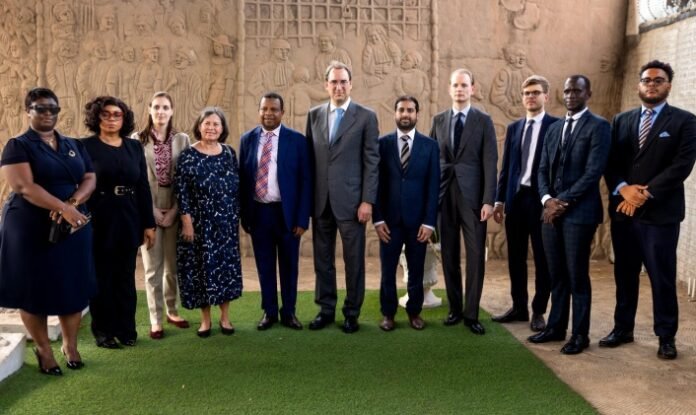
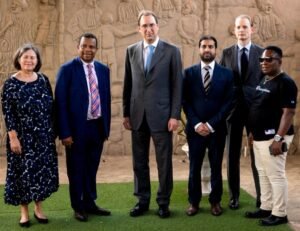
During their visit to Peace Museum, Austrian diplomatic delegation pose for picture at the Memorial Garden
By Amin Kef Sesay
Austria has reaffirmed its commitment to strengthening bilateral relations with Sierra Leone following the official opening of refurbished premises for the Austrian Honorary Consulate in Freetown and a series of high-level engagements focused on youth empowerment, diplomacy, regional security and international justice.
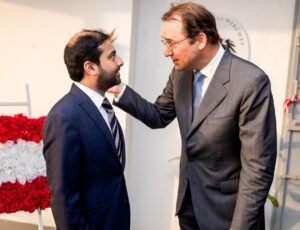
The new Honorary Consulate of the Republic of Austria – located on 18 Spur Road, Freetown—was formally inaugurated on Monday, February 23, 2026, by Austria’s Deputy Minister of European and International Affairs, His Excellency Dr. Nikolaus Marschik. The ribbon-cutting ceremony was attended by senior officials of the Government of Sierra Leone, members of the diplomatic corps and a visiting Austrian delegation, marking what Austrian officials described as a renewed and more visible diplomatic presence in the country.
Among those present on the Sierra Leonean side were the Deputy Minister of Foreign Affairs and International Cooperation, Hon. Francess Piagie Alghali, and the Minister of Planning and Economic Development, Kenyeh Barlay, alongside ambassadors, high commissioners and other diplomatic guests. The Austrian delegation comprised H.E. Dr. Nikolaus Marschik; H.E. Ursula Fahringer, Austria’s Ambassador to Sierra Leone (resident in Dakar, Senegal); Mr. Gilbert Schenkenbach, Adviser to the Ministry of European and International Affairs of Austria; Ms. Sophie Jenerwein, Secretary of Legation; Mr. Felix K. Bigl, Premier Secrétaire (Affaires Administratives) and Consul; and Mr. Ram Mahboobani Shankerdas, Austria’s Honorary Consul to Sierra Leone.
Speaking during the opening, Dr. Nikolaus Marschik described the occasion as “a fantastic and wonderful evening” in the history of relations between Austria and Sierra Leone, stressing that the visit went beyond ceremonial diplomacy to include intensive political and development engagements. “We really had interesting and intensive relations today. We had a political dialogue. We discussed bilateral issues. We discussed challenges in our respective neighborhoods. And we also discussed how we can together strengthen an international rules-based order, which is so important to Sierra Leone,” he stated.
Dr. Nikolaus Marschik outlined three key areas he said defined the day’s engagements. First, he pointed to the political dialogue held earlier, emphasizing that discussions covered both bilateral cooperation and wider regional dynamics. Second, he highlighted Austria’s longstanding support to youth development initiatives in Sierra Leone, particularly through Don Bosco programmes. Third, he said the opening of the refurbished honorary consulate premises represented a practical strengthening of Austria’s diplomatic footprint in Sierra Leone, anchored by the work of the Honorary Consul.
Commending Mr. Ram Mahboobani Shankerdas, Dr. Nikolaus Marschik said: “I really think that our Consul Ram is doing a fantastic job. I have seen you, we met yesterday evening when I arrived, and I’m really impressed by how professional, using your expertise and you really give an inspiration to us all.” He added that the upgraded consular presence was intended to enhance service delivery and deepen the day-to-day link between the two countries.
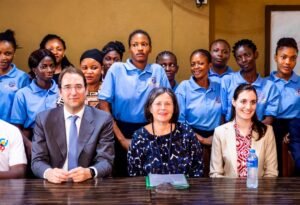
A major feature of the Austrian delegation’s visit was a tour of Don Bosco Fambul Technical and Vocational Institute in Freetown, where they witnessed vocational and technical training programmes designed to equip vulnerable youth, especially former street children, young mothers and those seeking a second chance, with practical skills in trades such as welding, carpentry, tailoring, ICT and other livelihood areas.
Explaining why Don Bosco was a central focus, Dr. Nikolaus Marschik told stakeholders: “We’re here to see what you’re doing and I really want to applaud and commend you, Father, and your team here at Don Bosco and the Don Bosco family for your important work. We were thinking what can we do to make a very small… contribution to your important work. And that’s why our embassy and our ambassador and our consul… were thinking of how can we support your important work and how can we come and look what you’re doing.”
He further referenced a component of Don Bosco programming supporting young women, noting that the institution was empowering “over 30 young women” to develop employable skills. “Don Bosco is helping and assisting and supporting about over 30 young women in getting to know, to learn, being IT experts, being tailors, being hairdressers. And it was really wonderful of seeing these young women so devoted to their work,” he said.
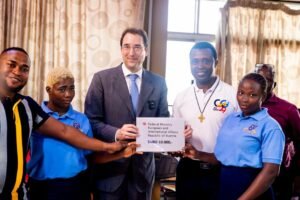
In a symbolic demonstration of Austria’s support for youth empowerment and skills development, Dr. Nikolaus Marschik announced a financial contribution to back Don Bosco’s ongoing work. “So we are bringing you a small financial support that I’m happy to give it to you. Father… here there’s a symbolic sum of 10,000 euros,” he disclosed, adding that investment in people remains central to Austria’s cooperation approach. “What you’re doing is investing into the most important what we have on earth and that’s people. People is the most important, and you are the most important, and if you have the chance to have a wonderful perspective, we are very happy to do it,” he said.
Welcoming the delegation, Rev. Fr. Edwin Ngeoyeh Tangie SDB, Rector and Director of Don Bosco Fambul Technical and Vocational Institute, described Don Bosco as “a beacon of hope” for vulnerable children and young people, stressing that international partnerships have a human impact beyond equipment and infrastructure. “The generous support from the Austrian people… does not simply buy equipment or pay for materials. It does something far more profound: it restores dignity,” he told the visiting team. He explained that beneficiaries gain not only technical competence but also renewed self-worth and independence, urging the delegation to look beyond the workshops and “look into the eyes of the students” to see hope and transformation.
Also speaking, Deputy Director Samuel Thomas Bojohn described Austria as one of Don Bosco Fambul’s longest-serving partners and recalled the consistency of support even during Sierra Leone’s civil war years. “Normally, we have been working with these vulnerable people. And during the difficult moments, especially during the war, it was the Austrian government that we have behind us… they have been the longest serving donors that have been working with us,” he said. While acknowledging that “10,000 euro” may appear modest externally, he emphasized its local impact: “For you, you say 10,000 euro donation is a small thing, but for us, it goes a long way to develop the minds of people of Sierra Leone,” he stated, while also referencing the broader Don Bosco infrastructure beyond Freetown, including facilities in rural communities on the peninsula.
A beneficiary of the programme, Kadija Bangura, credited Don Bosco’s skills training for transforming her life and enabling her to become financially independent. “I want to thank Don Bosco for transforming my life. Through their skill training programs, I have been equipped with skills… that I now use to support myself financially. I kindly call on the donors to continue their support as there are other young women like me in need of empowerment,” she appealed.
In her remarks during the consulate opening, Ambassador Ursula Fahringer thanked her team for making the event possible and expressed optimism that the visit would serve as a turning point in Austria–Sierra Leone relations. In an interview with journalists, she provided historical context, stating that Austria has maintained an honorary consulate in Sierra Leone since 1958, though it was temporarily closed in 2015 and later reopened in 2023 with the appointment of Mr. Ram Shankerdas as Honorary Consul. “We have had an honorary consulate in Sierra Leone since 1958. Then it was temporarily closed in 2015 and in 2023 we reopened it with Mr. Ram Shankerdas as an honorary consul. And now we offer these fantastic premises… in a super location and we are very happy for its generosity and the fantastic work… done here,” she said.
Ambassador Fahringer added that a second goal of the occasion was to facilitate Dr. Marschik’s visit to Sierra Leone. “We managed to convince our Deputy Foreign Minister to visit Sierra Leone on the occasion of the opening of this premises in Freetown today. We visited projects which are supported by Austria,” she noted.
Significantly, she described the delegation’s courtesy visit to Vice President Dr. Mohamed Juldeh Jalloh as a landmark engagement. “Our visit to the Vice President was the first bilateral visit of… a high-ranking Austrian delegation in this century,” she said, adding that the meeting addressed bilateral and multilateral issues as well as regional security dynamics, particularly the Sahel. “We exchanged on the situation in the region because His Excellency is an expert on the Sahel region… it was a very intensive meeting and it was a very enriching talk,” she stated.
The ambassador also highlighted discussions with Freetown Mayor Yvonne Aki-Sawyerr OBE, describing the exchange as a useful first comparison of urban governance challenges. “The mayor explained to us the challenges of a capital city and we also exchanged what the challenges are for Vienna… There are some similarities, we have about 2 million inhabitants, Freetown has about 2 million inhabitants… Bo… has about 300,000 inhabitants… Austria’s second city… about 300,000 inhabitants. But there are also differences… so it was a first exchange on what she is doing here and what are her biggest challenges,” she explained.
Delivering a message directly to Sierra Leoneans, Ambassador Fahringer praised the country’s resilience and urged young people to take ownership of national development. “You have had some difficult years behind you, but you are a very resilient population… You have a young generation which is creative. Go ahead and forge the future of your country,” she said.
The Austrian delegation later visited the Peace Museum at the Residual Special Court for Sierra Leone (RSCSL), where they were briefed on Austria’s historical contributions to the court’s work. Principal Defender Ibrahim Yillah acknowledged Austria’s consistent financial and material support since the institution’s establishment and highlighted the contribution of Austrian jurist Dr. Renate Winter, whom he described as instrumental in shaping jurisprudence related to children’s rights and in establishing the recruitment of children in armed conflict as a prosecutable war crime.
During the tour, the delegation visited the archive room, memorial garden and exhibition hall before Dr. Marschik lit the Flame of Justice, a symbolic gesture underscoring Austria’s continued commitment to accountability, human rights and the rule of law.
From diplomatic consultations and governance exchanges to youth empowerment support and justice-sector engagement, the series of activities signaled what officials framed as Austria’s evolving and multi-dimensional partnership with Sierra Leone. By reopening and upgrading its honorary consulate, supporting vocational training for vulnerable youth and reaffirming backing for international justice mechanisms, Austria projected a renewed diplomatic footprint grounded in political dialogue, development cooperation and shared global values—while Sierra Leone, in turn, marked the moment as both a strengthening of bilateral ties and a reminder of the enduring importance of investing in people and institutions for a stable and prosperous future.
vAustria’s Ambassador to Sierra Leone (resident in Dakar, Senegal); Mr. Gilbert Schenkenbach, Adviser to the Ministry of European and International Affairs of Austria; Ms. Sophie Jenerwein, Secretary of Legation; Mr. Felix K. Bigl, Premier Secrétaire (Affaires Administratives) and Consul; and Mr. Ram Mahboobani Shankerdas, Austria’s Honorary Consul to Sierra Leone.
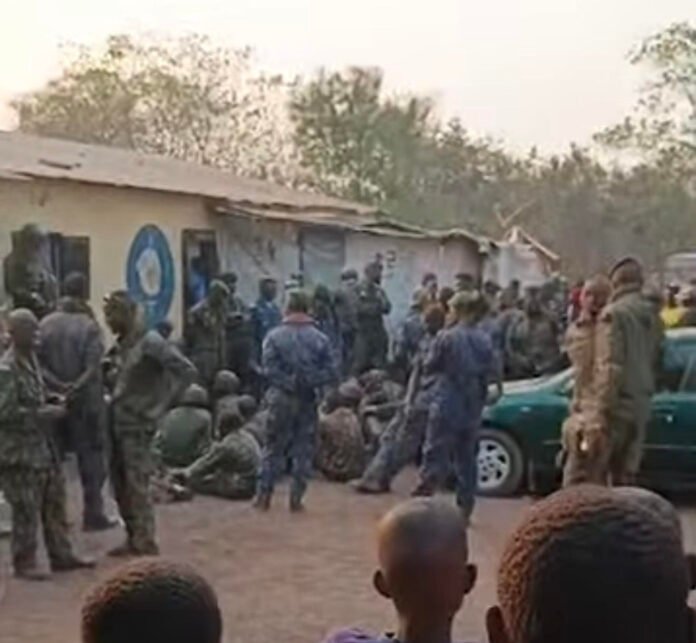
Tensions have emerged along the Sierra Leone–Guinea border following conflicting official accounts from both governments regarding an incident that occurred over the weekend in the Falaba–Faranah axis.
In a press release dated February 24, 2026, the General Staff of the Armed Forces of the Republic of Guinea stated that on Sunday, February 22, 2026, several dozen armed Sierra Leonean soldiers allegedly entered Guinean territory without authorization in the district of Koudaya, Sub-Prefecture of Sandénia, Prefecture of Faranah. According to the Guinean authorities, the location was approximately 1.4 kilometres inside Guinean territory, at coordinates 9°59’04.9”N, 11°11’17.6”W, where the soldiers reportedly erected a tent and hoisted the Sierra Leone national flag.
The Guinean Armed Forces said they were immediately deployed to the area upon receiving the alert and confirmed the presence of Sierra Leonean military personnel on the ground. The statement added that sixteen Sierra Leonean soldiers were apprehended and their equipment and materials seized. Guinean authorities further disclosed that the detained personnel and confiscated items had been handed over to the judicial police for investigation.
The release, signed in Conakry by Guinea’s Chief of the General Staff, General of Army Corps Ibrahima Sory Bangoura, commended the Guinean units involved for what it described as their responsiveness and professionalism. It also called on Guinea’s Defense and Security Forces to remain vigilant and mobilized to safeguard the country’s territorial integrity.
However, the Government of Sierra Leone has presented a different account of the incident. In a press release issued on February 24, 2026, by the Ministry of Information and Civic Education, authorities in Freetown confirmed that personnel of the Guinean Armed Forces crossed into the border town of Kaliyeréh in Sulima Chiefdom, Falaba District, on Monday, February 23, 2026.
According to the Government of Sierra Leone, members of the Republic of Sierra Leone Armed Forces (RSLAF) and the Sierra Leone Police (SLP) were deployed in the area at the time, engaged in the production of bricks for the construction of a border post and accommodation facility intended to enhance security operations. The Government stated that the Sierra Leone national flag had been hoisted within territory internationally recognized as belonging to Sierra Leone.
During the encounter, Guinean forces reportedly apprehended several members of the joint security team, including an officer, and transported them across the border into Guinean territory. Their arms and ammunition were also seized.
The Government of Sierra Leone disclosed that it is actively engaging through established diplomatic and security channels to ascertain the exact location and status of the detained personnel and to secure their safe and unconditional release. Authorities further indicated that the matter has been formally communicated to relevant national, regional and sub-regional bodies as part of efforts to ensure a peaceful and amicable resolution.
Officials in Freetown emphasized that the Government remains fully responsive to the situation and has constituted a fact-finding mission to establish the sequence of events and provide clarity on the circumstances surrounding the incident. The public has been assured that updates will be provided as verified information becomes available, underscoring the Government’s commitment to transparency and the maintenance of regional peace and stability.
By Alpha Mohamed Jalloh, Director, China-Africa Institute, University of Makeni
In recent years, the claim that China is placing African countries in a so-called “debt trap” has gained significant traction in global discourse. According to this narrative, China deliberately lends money to African Governments with the knowledge that they may struggle to repay, allegedly with the hidden intention of seizing strategic national assets. This is a serious accusation. But is it supported by credible evidence? Before accepting such a powerful claim, Africans must carefully examine the facts and think independently.
Data from respected international institutions such as the World Bank and the International Monetary Fund show that Africa’s external debt is owed to a wide range of creditors. These include multilateral institutions, private lenders and Eurobond holders, as well as bilateral partners, among which China is one. In many African countries, private creditors hold a substantial share of external debt, often at significantly higher interest rates than bilateral loans. Yet, the “debt trap” accusation focuses almost exclusively on China. If Africa is facing debt stress, it cannot logically or fairly be attributed to one partner alone.
Unlike many commercial loans that are driven primarily by short-term profit motives, Chinese financing in Africa has largely focused on infrastructure development. This includes roads and highways, railways, ports, power plants, hospitals and telecommunications networks. These are not luxury projects; they are foundational investments aimed at promoting long-term economic growth and improving the welfare of citizens.
For decades, Africa has struggled with electricity shortages, inadequate transportation networks and limited industrial capacity. Western commercial lenders have often been reluctant to finance large-scale infrastructure projects because the returns typically materialize over an extended period. China stepped into this gap, providing financing for projects that many others were unwilling to support. While not every project has performed perfectly and some may underperform due to institutional weaknesses, development by its nature involves risk. No country in history has industrialized without borrowing to build critical infrastructure.
A central pillar of the “debt trap” theory is the claim that China intends to seize African assets when countries fail to repay loans. However, there is limited evidence of China taking over sovereign assets in Africa due to loan defaults. In situations where repayment difficulties have arisen, restructuring, renegotiation, and payment extensions have been more common responses than asset seizure. This practical reality does not align neatly with the popular narrative.
Another concerning aspect of the “debt trap” argument is the underlying suggestion that African Governments are naive or incapable of making sovereign decisions. African leaders negotiate agreements. African Parliaments approve loans. African Governments determine their development priorities. If mistakes occur, African institutions must be held accountable. To portray Africa solely as a victim diminishes African agency and responsibility. The continent must not be reduced to a chessboard in global power competition.
Africa’s debt challenges are not new nor are they limited to engagement with China. They are influenced by multiple structural and external factors, including commodity price fluctuations, global financial shocks such as COVID-19, rising global interest rates, currency depreciation and domestic fiscal weaknesses. Those pressures affect countries regardless of whether they borrow from China, Europe, multilateral institutions or private markets.
None of that suggests that Chinese lending should escape scrutiny. Transparency, environmental standards, strong procurement processes and sound debt management are essential. African Governments must borrow responsibly and ensure that projects generate measurable economic returns. Accountability and good governance are non-negotiable.
However, reducing Africa’s complex financial realities to a simplistic “China debt trap” slogan does little to advance constructive dialogue or sustainable development. Africa needs roads, reliable electricity, digital connectivity and industrialization. Infrastructure requires financing. The more relevant question is not whether China is trapping Africa, but how African nations can strategically manage all partnerships, diversify their economies, and strengthen governance systems.
As Africans, we must examine evidence carefully, reject overly simplistic narratives and defend our sovereignty in both policy and thinking. Development remains our responsibility. Partnerships are tools. How effectively and efficiently we use those tools will shape Africa’s future.
In my humble submission, African Governments must also educate citizens on how loans are negotiated, structured and implemented on their behalf. Greater public understanding can help prevent misinformation, promote accountability and ensure that national development remains a collective endeavor grounded in facts rather than rhetoric.
Child labour remains a serious and growing concern in Kailahun District, where many children continue to work in hazardous mining activities despite national laws prohibiting such practices. Across Sierra Leone, an estimated 35.1 percent of children aged between 5 and 14 are engaged in some form of work, with many involved in what the International Labour Organization describes as the worst forms of child labour. In Kailahun, recent findings show that the situation has worsened over the past five years, particularly in dangerous mining environments.
Reports indicate that children in mining communities are exposed to harsh and risky conditions, including carrying heavy loads, inhaling dust and fumes, operating machinery and working in extreme weather. Data from a joint assessment by the Center on Human Trafficking Research and Outreach (CenHTRO) and the Conflict Management Development Associations (CMDA-SL) show that Kailahun recorded a sharp rise in hazardous child labour conditions between 2019 and 2024. Exposure to dust, fumes or gas increased by 33 percentage points, exposure to loud noise rose by 26 percentage points, and cases of children operating heavy machinery increased by 21 percentage points.
The overall prevalence of child labour in Kailahun also climbed significantly. The rate rose from about 35 percent at baseline to 46 percent at endline, representing an 11-percentage point increase. In terms of estimated numbers, the district saw a 32 percent rise in child labour cases, from approximately 64,265 children at baseline to 84,953 at endline. These figures point to a troubling trend in which more children are entering hazardous work instead of remaining in school.
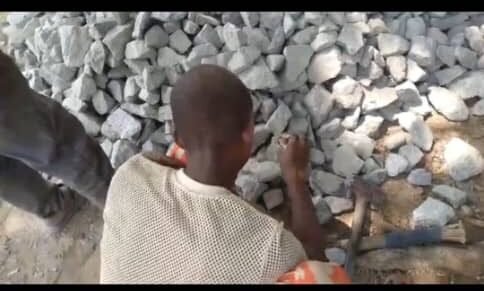
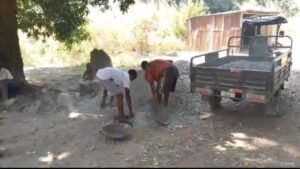
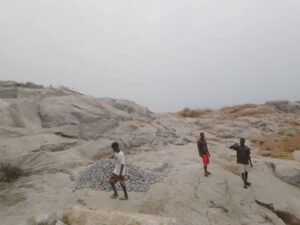
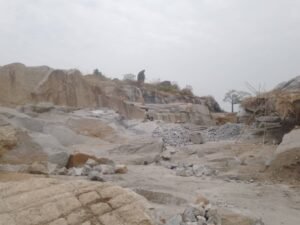
Interviews with children engaged in stone quarrying reveal that poverty remains the main driving factor. Fifteen-year-old Mohammed Mansary said he has been breaking stones for years to survive while attending school. Sixteen-year-old Steven Fornah explained that he sells broken stones for 40 Leones to support his schooling and avoid dropping out. He said the income, though small, helps him cover basic school expenses. Sorie S. Kargbo, who dropped out after his Basic Education Certificate Examination due to financial hardship, said he began quarry work before leaving school and hopes to return if he receives support. He described how he learned to burn stones before breaking them into smaller pieces for sale, adapting to the physically demanding work over time.
Although Sierra Leone has ratified key International Labour Organization conventions, including Convention 138 on minimum age and Convention 182 on the worst forms of child labour, enforcement remains weak. Mining is classified under international standards as one of the worst forms of child labour because of the risks it poses to children’s health, safety and moral development. National laws such as the Child Rights Act, the Mines Act and the Anti-Human Trafficking and Migrant Smuggling Act criminalize child labour, particularly in mining. However, implementation in districts like Kailahun remains inconsistent.
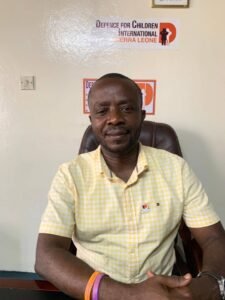
Abdul Manaff Kemokai, Executive Director of Children for Defense, said child mining continues largely in artisanal sites where monitoring is limited. He noted that while inspectors from the Ministry of Mines and the National Minerals Agency are mandated to ensure children are not involved in mining, prosecutions are rare and many cases stall at police level. He expressed concern that monitoring systems are weak and documentation of offenders is increasingly scarce.
Officials from the Ministry of Labour, Employment and Social Security acknowledge resource constraints. Abu Karim Conteh, Director of Occupational Health and Safety and former Director of Child Labour at the Ministry, said the last nationwide child labour survey was conducted in 2011 with support from the International Labour Organization. Since then, financial and human resource limitations have hindered follow-up surveys and regular inspections. In the regions, staffing is critically low, making effective monitoring of informal mining activities difficult.
Legal experts have also highlighted gaps between national laws and international standards. A report by Dr. Emmanuel Allicious Macpherson Sam, a legal practitioner, observed that while Sierra Leone has adopted several international instruments on child labour, inconsistencies and weak enforcement continue to undermine progress. He warned that in mining communities, children are exposed to serious health risks, including unsafe pits and poor sanitation, with long-term consequences for their education and well-being.
Advocates say urgent action is needed in Kailahun District to strengthen monitoring, prosecute offenders, and provide alternative livelihoods for families. They argue that without sustained government commitment and adequate resources, the gap between law and reality will continue to widen. For many children in Kailahun’s mining communities, the promise of education and a better future remains overshadowed by the daily struggle to survive in hazardous conditions.
The publication is supported by the National Fund for Public Interest Media (NaFPIM), through the Media Reform Coordinating Group (MRCG), with funding from the International Fund for Public Interest Media (IFPIM) and the United Kingdom.
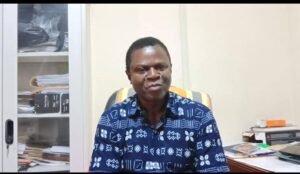
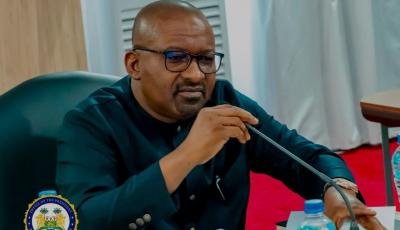
Kemokai, Defense for childrenAbu karim Conteh, Ministry of Labour
As internal political conversations intensify within the Sierra Leone People’s Party (SLPP) ahead of its next flagbearer contest, attention has increasingly turned to Vice President Mohamed Juldeh Jalloh and the constitutional implications of a potential bid for the party’s leadership. While political debates are expected in any vibrant democracy, a careful reading of Sierra Leone’s 1991 Constitution suggests that some of the arguments being advanced against his ambition rest more on political interpretation than constitutional mandate.
At the centre of the debate lies a straightforward but crucial question: if Vice President Juldeh Jalloh complies with internal party rules and resigns as Deputy Leader of the SLPP to contest for the flagbearer position, must he also resign as Vice President of the Republic of Sierra Leone?
A constitutional perspective indicates that the answer is no.
Sierra Leone’s constitutional order clearly separates party governance from state governance. While political parties serve as the vehicles through which candidates enter national elections, constitutional offices derive their authority from the electorate through the supreme law of the land. The Vice Presidency is not created by a party constitution; it is established under Sections 54 and 55 of the 1991 Constitution.
Section 42 provides that a presidential candidate shall be nominated by a political party. Section 41 further outlines that such a candidate must be a member of a political party. Those provisions define the entry requirements for participation in presidential elections. However, once elected, both the President and Vice President hold office by constitutional mandate, not by virtue of continued occupancy of party leadership positions.
The distinction between party nomination and constitutional tenure is fundamental.
Critics who argue that resignation from the SLPP Deputy Leader position would automatically dissolve Vice President Mohamed Juldeh Jalloh’s constitutional office appear to conflate internal party office with party membership. Yet the Constitution does not equate the two. The constitutional requirement is that a presidential or vice-presidential candidate be nominated by and belong to a political party. It does not stipulate that the officeholder must continuously hold a specific rank within that party.
That distinction was underscored in the legal and political controversy surrounding former Vice President Samuel Sam-Sumana. In that matter, the issue revolved around ceasing to belong to the political party that nominated him. The vacancy question arose from expulsion and the alleged loss of party membership. The emphasis was on belonging — not hierarchy.
Membership is the constitutional pivot.
Party office is internal structure.
If Vice President Mohamed Juldeh Jalloh were to resign as Deputy Leader to comply with Clause 16C of the SLPP Constitution, he would remain a member of the SLPP. He would not become independent. He would not sever ties with the party that nominated him on a joint ticket. Therefore, the constitutional link established under Section 42 would remain intact.
Section 55 of the Constitution clearly outlines the circumstances under which a Vice President shall cease to hold office. These include resignation from the office itself, removal through constitutional procedures or other clearly defined grounds. Resignation from party leadership is not listed among them.
In constitutional democracies, removal from state office cannot be inferred. It must be explicitly grounded in constitutional text.
To interpret internal party restructuring as a trigger for constitutional vacancy would risk undermining institutional stability. Political parties frequently undergo leadership changes, internal contests and structural adjustments. If each such development had the power to automatically destabilize constitutional offices, governance would become vulnerable to partisan manoeuvring.
The framers of the 1991 Constitution deliberately insulated constitutional offices from that kind of volatility.
Moreover, political ambition while in office is neither unusual nor constitutionally prohibited. Across democratic systems, incumbents routinely seek nomination or re-election while holding office. The Constitution regulates conduct, eligibility and removal not aspiration. Ethical or political debates about fairness are distinct from legal requirements.
Vice President Mohamed Juldeh Jalloh’s potential interest in the SLPP flagbearer position can therefore be viewed as part of the normal evolution of democratic leadership. Internal party rules may require him to resign as Deputy Leader in order to ensure a level playing field within the party contest. That is a matter of party governance. But it does not translate into an automatic constitutional obligation to relinquish the Vice Presidency.
There is also a broader institutional consideration at play. If resignation from party leadership were treated as constitutionally fatal to state office, political actors could weaponize party rules to indirectly influence national governance. Party executives would, in effect, gain leverage over constitutional tenure. That outcome would erode the separation between party authority and state authority; a separation that is vital for democratic resilience.
Sierra Leone’s constitutional supremacy clause makes clear that the Constitution prevails over any inconsistent law or rule. Party constitutions cannot expand the grounds for removal from constitutional office beyond what the national Constitution provides. Internal party compliance may be mandatory within the party structure, but it cannot override constitutional tenure.
In assessing this debate, it is also important to return to the will of the electorate. Vice President Mohamed Juldeh Jalloh was elected as part of a joint ticket nominated by the SLPP. His mandate flows from that electoral choice. So long as he remains a member of the party that nominated him, the constitutional foundation remains secure.
Political competition within the SLPP is a sign of internal democratic vitality. It reflects a party preparing for transition and renewal. Such processes should not be misconstrued as constitutional crises.
The rule of law requires precision. It requires reading what is written, not inserting what is politically convenient. Sections 41 and 42 address party membership and nomination. Sections 54 and 55 govern the Vice Presidency. None of these provisions require continuous occupation of party leadership as a condition for remaining in constitutional office.
From a constitutional perspective, therefore, Vice President Juldeh Jalloh’s potential pursuit of the SLPP flagbearer position does not automatically trigger resignation from the Vice Presidency. Compliance with party rules concerns internal office. Continuation in constitutional office is governed exclusively by constitutional provisions.
Sierra Leone’s democratic stability depends on maintaining that clarity.
In the final analysis, this debate should reinforce rather than weaken constitutional discipline. Ambition may be political. Party leadership may be contested. But constitutional office remains governed by constitutional text.
As the SLPP prepares for its internal processes, the broader national interest lies in ensuring that legal interpretation remains grounded in law, not factional contest. A mature democracy distinguishes between party rivalry and constitutional requirement.
On that measure, the constitutional framework appears clear: resignation from party leadership does not equate to resignation from the Vice Presidency.
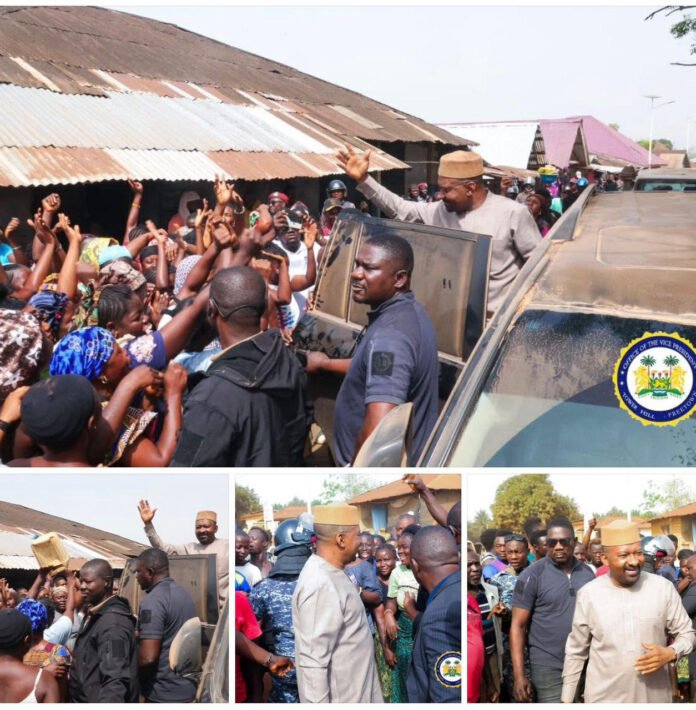
Vice President, Dr. Mohamed Juldeh Jalloh's visit to Mile 91
By Amin Kef (Ranger)
Vice President of the Republic of Sierra Leone, Dr. Mohamed Juldeh Jalloh, on Sunday, 21 February 2026, made a brief but impactful stop at the Mile 91 Ahmadiyya Muslim Mosque, where he joined worshippers for the Ashr prayer, in a gesture that underscored his continued commitment to faith, unity and grassroots engagement.
The unexpected visit formed part of his broader community interactions during his journey to Mattru Jong. Worshippers at the mosque were pleasantly surprised to see the Vice President step into the congregation and participate fully in the afternoon prayer. Dressed in a neatly tailored cream-coloured traditional kaftan and matching light brown Muslim cap, he stood shoulder to shoulder with fellow worshippers, reflecting the spirit of equality and unity that defines Islamic devotion.
For many present, the Vice President’s presence went beyond symbolism. Community members described the moment as one of shared reflection and humility, noting that his decision to pray alongside them reinforced a sense of accessibility in national leadership. They observed that such gestures strengthen public trust and bridge the gap between governance and ordinary citizens.
Following the prayer, Dr. Mohamed Juldeh Jalloh exchanged warm greetings with congregants and held brief conversations with elders and youths alike. Among those who welcomed him was Paramount Chief (PC) Bai Shebora III, who expressed appreciation on behalf of the community for the Vice President’s visit and described it as a sign of respect for local institutions and traditions.
Residents of Mile 91 expressed gratitude for what they termed a meaningful engagement, emphasizing that his willingness to participate in everyday religious life sent a powerful message of solidarity, shared values and national cohesion. As he departed the mosque, the atmosphere remained filled with admiration and inspiration, with many noting that the visit would be remembered as a moment of closeness between leadership and the people.
Earlier, on Saturday, 21 February 2026, the Vice President also transformed routine travel into moments of genuine community connection during stopovers en route to Mattru Jong. Rather than simply passing through towns along the way, he stepped out to interact directly with residents, reinforcing his reputation for grassroots outreach.
His first stop was at Luawa Community in Bonthe District, where women and children gathered eagerly to welcome him. Smiling and exchanging pleasantries, he encouraged residents to remain steadfast in promoting peace and national stability. Observers noted the excitement among children who waved enthusiastically, while women expressed appreciation for the opportunity to briefly share their concerns and aspirations.
Another stop at Abacha in Mattru Jong saw the Vice President interacting with market women in the bustling trading area. The marketplace slowed momentarily as traders gathered around to greet him, their cheers reflecting admiration and encouragement. Many described the encounter as uplifting, noting that such engagements reaffirm the bond between national leadership and local communities.
Throughout the engagements, Dr. Mohamed Juldeh Jalloh maintained a calm, approachable and attentive demeanor. By stepping into mosques, communities and marketplaces, he turned official travel into opportunities for meaningful dialogue, leaving behind renewed hope and a reinforced message of unity, peace and inclusive progress.