
Home Blog Page 84

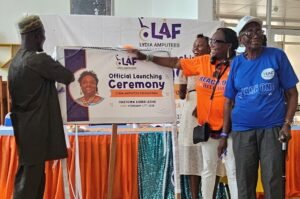
Lydia Amputee Foundation Launched to Promote Dignity, Skills Development and Inclusion for Amputees

Chief Executive Officer Lydia Amputee Foundation , Lydia Gray

By Alvin Lansana Kargbo

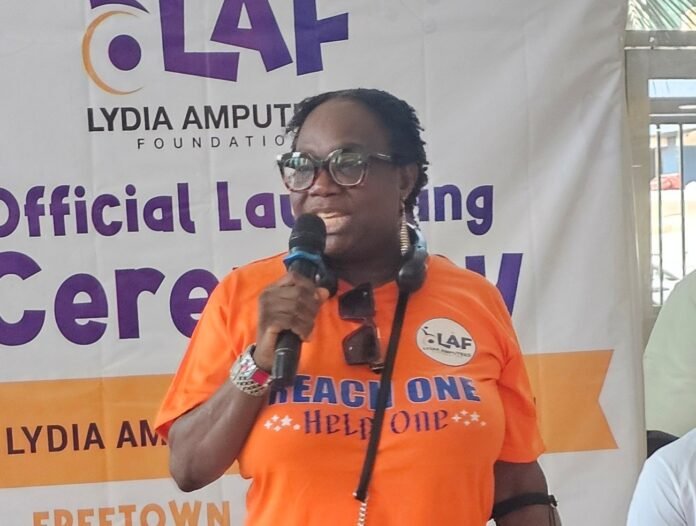
Lydia Amputee Foundation was officially launched on Tuesday February 17th, 2026 at the Freetown City Council Hall, marking a new initiative aimed at equipping amputees with skills, resources and psychosocial support to facilitate their reintegration into society and promote independence and dignity

The Foundation’s stated objectives include partnering with medical professionals, educators, clinical directors and disability advocates to advance prosthetics development, serve as a reliable resource for emerging prosthetic technologies and products, and contribute knowledge to prosthetic engineering. It also seeks to mobilize funding, technical expertise and institutional partnerships to improve the livelihoods of amputees across Sierra Leone.

Speaking at the launch, the Chief Executive Officer, Lydia Gray, described the event as the formalization of years of informal support to amputees and a milestone for innovation in disability support services. She said her engagement with amputees began while she was living in the United States, where she provided assistance to individuals on an ad hoc basis. Persistent requests from beneficiaries in Sierra Leone, she noted, prompted her to establish a structured organization to address the growing needs.

Lydia Gray disclosed that between 2020 and 2022 she provided personal financial support to individuals requiring medical treatment, basic necessities and livelihood assistance. Some beneficiaries attended the launch, underscoring the Foundation’s early impact.

The Chief Executive Officer identified common causes of limb loss among target beneficiaries, including road and motorcycle accidents, complications from conditions such as diabetes and sepsis, and injuries linked to past conflicts. She also shared her personal experience of losing her hand in a machine-related workplace accident approximately six years ago, noting that amputation was medically necessary to prevent life-threatening complications. According to her, the post-amputation period often involves psychological trauma, stigma, identity challenges and economic hardship, underscoring the need for comprehensive support systems.

The CEO emphasized that the Foundation’s launch represented the beginning of a long-term process of institutional growth and partnership development. She called for collaboration with Government agencies, private sector actors, development partners and civil society organizations to expand the Foundation’s reach and sustainability. The Chief Executive Officer said the organization aims to restore dignity, provide practical assistance and create economic and educational opportunities for amputees.

She reiterated that the Foundation stands for independence, hope and called on communities to replace stigma with inclusion and respect for persons living with disabilities. She said the Foundation’s programmes would prioritize safety, health, dignity and vulnerable groups, including children. Lydia Gray pledged accountability and transparency in the use of funds and invited public oversight to ensure that resources are directed solely toward programme implementation. She urged stakeholders to contribute to the initiative, emphasizing collective responsibility under the principle of “each one helping one.”

Delivering the keynote address, Albert Manley Mustapha, Public Relations Officer of the Single Leg Amputee Sport Association, criticized what he described as the persistent exclusion of persons with disabilities from decision-making and economic opportunities despite public commitments to inclusivity. He urged authorities and stakeholders to translate policy commitments into tangible participation and access.

Albert Manley Mustapha said persons with disabilities are capable contributors to society and should not be viewed as objects of pity. He called for changes in societal perceptions and encouraged amputees and other persons with disabilities to support one another through skills development, entrepreneurship and education. He stressed that empowerment, rather than charity, is critical to restoring dignity and building resilience.

Albert Manley Mustapha called on families, communities and institutions to provide sustained support and inclusion, arguing that people with disabilities can achieve comparable outcomes when given equal opportunities. He also appealed for financial, material and technical support from the private sector, international partners and Government to ensure the sustainability of the Foundation’s programmes. He noted plans for structured support initiatives designed to improve services and quality of life for amputees and other persons with disabilities.

The event concluded with a call for collective action under the theme: “Validation and Time for Transformation,” emphasizing the need for coordinated efforts to make inclusion a practical reality for people with disabilities in Sierra Leone.
Caritas Freetown Completes Two-Day Training on GBV Prevention in Western Rural Area

Caritas Freetown Completes Two-Day Training on GBV Prevention in Western Rural Area

By Ibrahim Sesay 

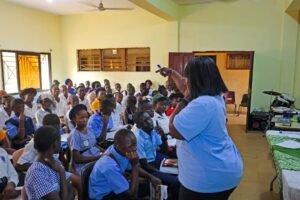
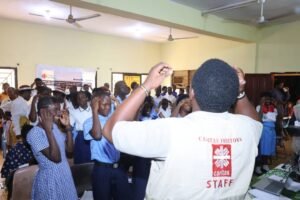
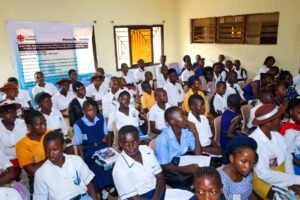
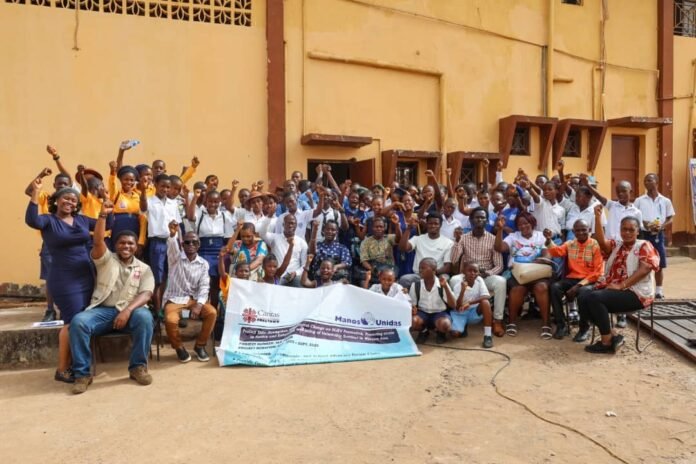
Caritas Freetown has completed a two-day training aimed at strengthening efforts to prevent Sexual and Gender-Based Violence (SGBV) in schools and communities across the Western Rural Area.

The training, held on February 16 and 17 at the Twin Hall in Hastings, brought together 100 Advocacy School Club members and 10 focal teachers from 10 schools. The initiative is part of a project sponsored by Manos Unidas and focuses on understanding SGBV, referral pathways, gender laws and sensitization skills.

Providing an overview of the project, Project Lead, Kumba Emmanuella Gando, said the intervention is being implemented in 10 targeted rural communities and 10 schools. She noted that the project seeks to address SGBV issues both in communities and within school environments by promoting behavioral and attitudinal change.

“We are focusing on how to address sexual and gender-based violence issues in communities as well as in schools,” she said. “You will be the ambassadors for your school. That’s why you are called Advocacy School Clubs, advocating to your colleagues.”

Kumba Emmanuella Gando encouraged participants to speak up against abuse and report incidents through the appropriate channels. She stressed that silence makes it difficult for authorities and focal teachers to intervene.

During her presentation, Alice Johnson Bah explained the Sexual Offenses Act and Child Rights Act of Sierra Leone highlighting the various types of sexual offenses and punishments attached.

Concluding her presentation, Alice Johnson Bah urged participants to speak up against sexual abuse and report it.

‎”Know your right. Respect your self. Protect your future by speaking up today of any abuse,” she added.

Participants described the training as impactful and empowering. Hassan Sesay of Pathway Academy Secondary School said the training built on previous knowledge he had gained through child protection programs.

“This training has added to my existing knowledge. With this knowledge, I will serve as an advocate and strengthen behavioral change within my school and community,” he said.

Isatu Kanu of Anthem of Africa Academy said the sessions deepened her understanding of the different forms of SGBV and the relevant laws.

“This training has helped me to learn about the various types of SGBV and the laws,” she said, adding that her parents have always encouraged her to report any incident of abuse.

Also speaking, Mohammed Ali Kanu, Principal of Anthem of Africa Academy, said school authorities conduct preliminary fact-finding whenever SGBV cases are reported to ensure fairness before escalating matters to the relevant authorities for proper investigation.

“One major challenge we encounter in the fight against SGBV, especially in Western Area Rural, is poverty,” he noted. “Victims mostly come from deprived homes and the perpetrators are most times their benefactors. Speaking up becomes a serious challenge.”

He commended Caritas Freetown for the initiative stating that the knowledge gained would help schools develop improved strategies for handling SGBV cases.

The training forms part of broader efforts to promote access to justice and improve the wellbeing of vulnerable women and girls in the Western Area. Participants are expected to conduct awareness-raising activities in their respective schools as peer advocates against SGBV.

President Bio Announces 25% Salary Increase for RSLAF, Launches National Defence Policy and Strategy

President Brigadier (Rtd.) Julius Maada Bio, Commander-in-Chief of the Republic of Sierra Leone Armed Forces (RSLAF)

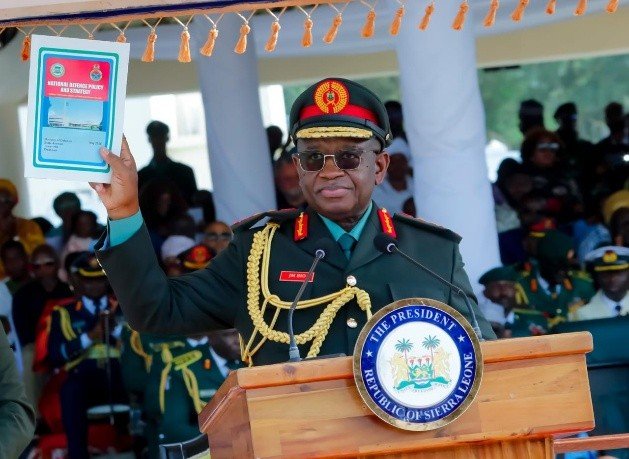
President Brigadier (Rtd.) Julius Maada Bio, Commander-in-Chief of the Republic of Sierra Leone Armed Forces (RSLAF), has announced a 25 percent salary increase for all ranks of the armed forces, effective April 2026.

The President made the announcement during the 17th Armed Forces Day celebrations, where he also officially launched Sierra Leone’s first home-grown National Defence Policy and Strategy. The new policy framework is aligned with national security priorities, development objectives and the Government’s Big Five Game Changers agenda.

Addressing the ceremony under the theme: “Rebuilding the RSLAF through Strategic Transformation for Enhanced National Security and Development in Sierra Leone,” President Bio said the salary increment reflects Government’s commitment to improving the welfare and morale of military personnel. He commended officers, men and women of the armed forces for their dedication and service to the nation.

In a move aimed at repositioning the military as an active contributor to national development, the President unveiled the establishment of Defence Enterprise Services. The initiative includes an Endowment and Loan Scheme for service personnel and the allocation of 10,000 acres of agricultural land to support production under the Feed Salone agenda.

President Bio also announced the approval for the operationalization of Explosive Management Services to support activities in the mining sector. In addition, he disclosed the creation of an Engineering Corporation within the RSLAF to strengthen national infrastructure delivery.

Among priority projects highlighted were the 52.3-kilometre Mile 91–Rosul Junction feeder road, a 1.5-kilometre paved road at the Armed Forces Training Centre and a 27-kilometre paved road in Kambia District. The President said those projects demonstrate the armed forces’ expanding role in supporting national development beyond traditional security functions.

On gender inclusion, President Bio revealed that female representation in the RSLAF has increased to 14.7 percent, up from single-digit levels at the start of his administration. He praised the progress made and called for sustained recruitment and promotion of women within the ranks to meet the statutory minimum 30 percent quota in line with the Gender Equality and Women’s Empowerment Act of 2022.

Reaffirming his commitment to veterans’ welfare, the President pledged the swift passage of the Military Veterans Bill currently before Parliament and directed that the legislative process be concluded by May 2026.

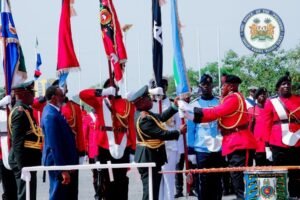
The ceremony was marked by military tradition, including the presentation of new Presidential and Regimental Colours, regarded as the highest symbols of honour for the Services, Formations and Units of the RSLAF.

President Bio concluded by noting that while the nation’s past lessons have been painful, the present demands responsibility and the future inspires confidence. He expressed optimism that Sierra Leone will remain peaceful, democratic and secure for generations to come.

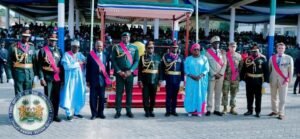
The event also featured the presentation of honours and awards to distinguished guests and serving officers in recognition of exemplary service.

Vice President Joins President Bio at 17th Armed Forces Day Parade, Launch of National Defence Policy

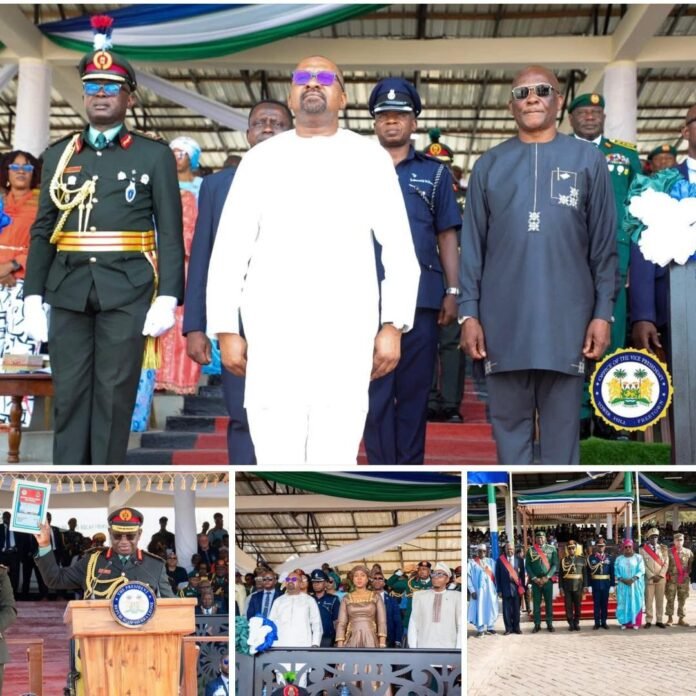
Vice President of the Republic of Sierra Leone, Dr. Mohamed Juldeh Jalloh, on Wednesday 18 February 2026 joined President Julius Maada Bio at the 17th Armed Forces Day Parade held at the Julius Maada Bio Parade Square in Wilberforce, Freetown.

The ceremony brought together the First Lady, the Chief Minister, senior Government officials, members of the diplomatic corps, serving and retired military personnel, veterans, families of fallen heroes and citizens from across the country to commemorate the annual national event.

Held under the theme : “Rebuilding the RSLAF Through Strategic Transformation for Enhanced National Security and Development in Sierra Leone,” the parade celebrated the courage, discipline and dedication of the men and women of the Republic of Sierra Leone Armed Forces (RSLAF), while reaffirming their role in safeguarding the nation’s peace, stability and democratic order.

Addressing the gathering, President Julius Maada Bio, who is also Minister of Defence and Commander-in-Chief of the Armed Forces, described Armed Forces Day as a solemn moment of honour, reflection and national pride. He paid tribute to officers and enlisted personnel for their bravery and sacrifice, noting that the peace and stability currently enjoyed by the country are secured through their vigilance and loyalty to the Constitution.

Reflecting on Sierra Leone’s civil war history, the President cautioned against any return to instability and firmly rejected unconstitutional changes of Government. He urged the armed forces to remain steadfast in their allegiance to democratic governance and constitutional rule.

A key highlight of the ceremony was the official launch of Sierra Leone’s first homegrown National Defence Policy and Strategy. President Bio said the new policy provides a clear framework for transforming the armed forces into a professional, disciplined and modern institution capable of responding effectively to emerging security challenges.

He outlined ongoing reforms within the military, including expanded peacekeeping commitments and improved welfare measures for personnel. The President announced approved salary increases for all ranks, effective April 2026, and reiterated his commitment to the passage of the long-awaited Veterans Bill.

President Bio also expressed appreciation to ECOWAS, the United Nations, the African Union and other international partners for their continued support in strengthening peace and security in Sierra Leone.

Observed annually on 18 February, Armed Forces Day honours military personnel, dead, retired and serving, who have defended the country, including those who served during the civil war and those currently deployed on peacekeeping and disaster-response missions at home and abroad. The celebration also incorporates the legacy of Myohaung Day, commemorating Sierra Leone’s 1945 victory in the Battle of Myohaung during the Second World War.

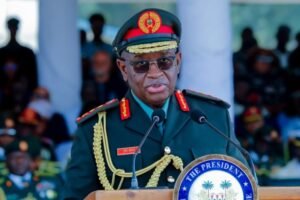
The ceremony concluded with the presentation of awards to distinguished officers and personnel for exemplary service. Among those honoured was the Chief of Defence Staff, Lieutenant General Idara Bangura, who was recognized for his leadership and commitment to advancing reforms within the armed forces.

The parade ended on a high note, underscoring the shared commitment of President Bio and Vice President Juldeh Jalloh to building a professional, disciplined and constitutionally loyal armed force dedicated to safeguarding Sierra Leone’s peace, sovereignty and national development.

From Swamp to Sustenance: How Women and Youth Are Transforming Agriculture in Falaba

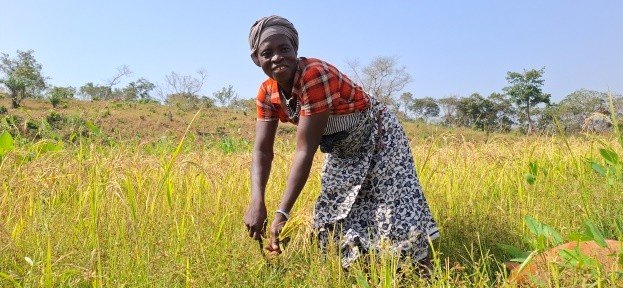
When the morning mist lifts over the inland valley swamps of Danyoro village in Mongo Chiefdom, Falaba District, it reveals more than green rice fields. It reveals a quiet transformation led by women, strengthened by youth and rooted in hope.

At the centre of this change is Adama Mansaray, a mother of five and the chairlady of her farmers’ group. Standing barefoot at the edge of a five‑hectare swamp, Adama recalls how life used to be before the Mercy Ships Austria‑funded project began.

“Before the project, we worked on individual farms, mostly upland,” she explains. “We always struggled with money, with labour and with low yields.”

Farming alone meant higher costs, limited tools and constant uncertainty. But that reality began to shift when inland valley swamp (IVS) farming was introduced with support from WFP and the Ministry of Agriculture and Food Security. For the first time, farmers like Adama were organized to work collectively sharing labour, resources and responsibility.

Through the project, Adama’s group received agricultural tools, quality seeds and conditional cash support while rehabilitating the swamp. Water control structures were rehabilitated, restoring the land’s ability to hold and regulate water for year-round rice cultivation. In total, 50 hectares of inland valley swamps were rehabilitated and over 600 farmers supported in 2025, laying the foundation for sustainable, climate‑resilient food production.

Today, Adama speaks with pride about the group’s plans for their rice harvest.

“We will keep some rice for food and seed,” she says, “and sell the rest to WFP’s home‑grown school feeding programme.”

The income will not stop at meeting immediate needs. The group has clear ambitions: to invest in a power tiller and a threshing machine to reduce labour burdens, increase efficiency and expand production. They also plan to establish a small internal loan system to help members pay college fees for their children; ensuring that the benefits of farming reach the next generation.

While women like Adama lead production, youth are powering knowledge and sustainability behind the scenes.

Twenty-two-year-old Hawa Sannoh, a trained community youth contractor, has been working closely with the Ministry of Agriculture and Food Security to provide extension services in the same communities. Having received training in the Technical Package for Rice Production, Hawa now supports farmers from land preparation through to harvest.

“I help farmers focus on proper seed selection, timely nutrient management and water control,” she explains. “These practices increase yields and make farming more sustainable.”

Her role bridges the gap between technical expertise and community practice ensuring that investments in land and inputs translate into lasting results.

Beyond rice, the project is improving nutrition and environmental resilience. Communities have been introduced to orange‑fleshed sweet potato (OFSP), with vines distributed and farmers trained on best cultivation practices to improve household diets and food security. At the same time, 5,000 economic trees have been planted to revegetate degraded water catchment areas; restoring ecosystems while providing future nutritional and income benefits.

For Adama, the impact of the project goes beyond hectares rehabilitated or trees planted. It is about dignity, unity and possibility.

“This project has brought us together,” she says. “Now we farm as one group, we plan together and we build a future together.”

With support from Mercy Ships Australia, what was once an undeveloped swamp has become a shared asset; feeding families, financing education, empowering women and anchoring hope in the fertile soil of Falaba. This supports the Government’s Feed Salone Strategy and strengthens the national food systems.

University Court Declines Renewal of Njala Campus Deputy Vice-Chancellor

By Ibrahim Sesay

Njala University has issued a formal clarification regarding the non-extension of the term of the former Deputy Vice-Chancellor for the Njala Campus, Dr. Alieu Mohamed Bah (Associate Professor), following what it described as widespread inaccurate reports circulating online.

In a Press Release dated 17th February 2026, the University explained that Dr. Alieu Mohamed Bah was appointed as Deputy Vice-Chancellor in 2022 in accordance with the Universities Act, 2021. Under Part IV, Section 10, Subsection 2(a) of the Act, the tenure for the position is three years. The University stated that his term has therefore expired in line with the provisions of the law.

According to the release, Dr. Alieu Mohamed Bah’s performance was reviewed for possible renewal by a five-member body known as the University Court Committee for the Renewal/Appointment of Deputy Vice-Chancellors. The Committee conducted what the University described as a comprehensive review process, which included appraisal reports submitted by Deans, the Student Union President, the Vice-Chancellor and Principal. A face-to-face interview was also held with Dr. Alieu Mohamed Bah as part of the evaluation.

Following deliberations on the Committee’s report, the University Court did not approve the renewal of his appointment. The establishment of the review committee, the statement noted, is provided for under Part V, Section 12, Subsection 1(i) of the Universities Act, 2021.

The University further disclosed that on 22nd January 2026, the University Court declared the position of Deputy Vice-Chancellor for the Njala Campus vacant and constituted a Search Committee to begin the process of appointing a new Deputy Vice-Chancellor. That action, the University emphasized, was taken in accordance with Part V, Section 12, Subsection 2(a) of the Universities Act, 2021.

Njala University reiterated its commitment to transparency, due process and strict adherence to the Universities Act, 2021 in the governance of its affairs.

SLAJ Unveils Maiden “InFocus” Newsletter, Showcases Reform Milestones and New Leadership Vision

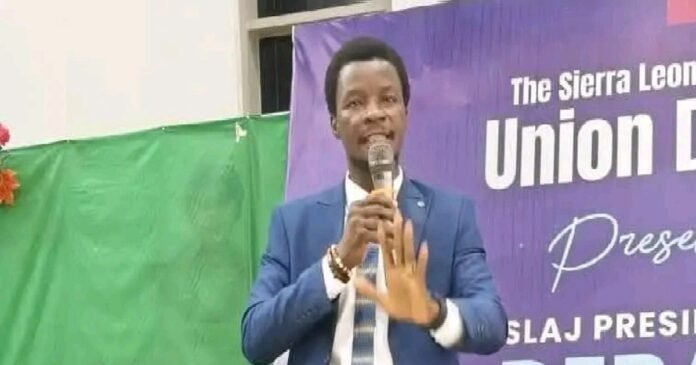
SLAJ President ,Alhaji Manika Kamara

By Amin Kef (Ranger)

The Sierra Leone Association of Journalists (SLAJ) has officially unveiled the maiden edition of its newsletter, SLAJ InFocus, marking a significant milestone in the Association’s efforts to strengthen internal communication, institutional transparency and professional development within the country’s media landscape.

The first edition of the newsletter, which covers the period June to December 2025, provides a comprehensive account of the Association’s activities, reforms, diplomatic engagements and capacity-building initiatives undertaken during the period.

In his welcome message, SLAJ President ,Alhaji Manika Kamara, described the publication as an important platform designed to document achievements, challenges and institutional progress while keeping members informed and engaged . He noted that the period under review was characterised by active advocacy, resilience and sustained efforts to defend press freedom and promote professionalism across Sierra Leone .

According to him, the newsletter reflects the Association’s commitment to projecting its values to the wider public and strengthening unity among journalists nationwide.

A central highlight of the publication is the historic leadership transition that took place in July 2025 at the Bintumani Hotel in Freetown. The ceremony, themed: “Celebrating Service, Honouring Partnership, Ushering in a New Era,” symbolized continuity, accountability and institutional renewal.

During his inaugural address, Alhaji Manika Kamara pledged to implement his ACTION Manifesto, Advocacy, Commitment, Transparency, Innovation, Organisation and Networking, aimed at consolidating gains and repositioning SLAJ for greater impact.

He outlined five key priorities for his administration: enhancing safety and welfare protections for journalists, strengthening capacity and professionalism through sustained training, promoting unity and inclusion within the Association, deepening national and international partnerships and reinforcing institutional systems for long-term sustainability .

He stressed that leadership within SLAJ is a shared responsibility and called on members, regional executives and partners to work collectively in safeguarding the integrity and credibility of the profession.

The newsletter also captures the valedictory address of outgoing President Ahmed Sahid Nasralla, who reflected on key milestones achieved during his tenure. Among them were the historic repeal of the criminal libel law, the enactment of the IMC Act 2020 and the establishment of the National Fund for Public Interest Media (NaFPIM).

Ahmed Sahid Nasralla also highlighted the development of major policy frameworks including the SLAJ Media Manifesto and the Gender Equality Policy for the Media, alongside strengthened partnerships both locally and internationally.

He described the Association’s reform journey as one driven by unity, strategic engagement and unwavering commitment to press freedom.

Beyond leadership matters, the newsletter documents a series of high-level courtesy visits and engagements undertaken by the new executive.

In October 2025, SLAJ paid a courtesy call on the Chinese Embassy in Freetown, where discussions focused on media training, exchange programmes and investment opportunities aimed at strengthening journalists’ professional capacity.

The Association also engaged the United States Embassy, with both sides reaffirming their commitment to press freedom and digital capacity building, including training in digital literacy and financial literacy for journalists.

Engagements with the British High Commission further reinforced long-standing collaboration, particularly around media reforms following the repeal of criminal libel and ongoing legislative review processes.

In a move to broaden international cooperation, SLAJ opened discussions with the Cuban Embassy aimed at fostering strategic media partnerships, professional exchanges and collaborative storytelling on Sierra Leone–Cuba relations.

On the domestic front, SLAJ engaged key state institutions including the Ministry of Information and Civic Education, the Independent Media Commission (IMC) and the National Telecommunications Authority (NaTCA).

During those engagements, the Association raised concerns regarding regulatory challenges affecting certain media institutions and reiterated its advocacy for a stand-alone constitutional chapter guaranteeing press freedom and freedom of expression.

Those discussions underscore SLAJ’s commitment to constructive dialogue with Government and regulatory bodies in protecting media independence while promoting compliance and professionalism.

The publication also chronicles SLAJ’s continued collaboration with the Sierra Leone Police, building on the historic 2021 Memorandum of Understanding aimed at improving relations between journalists and law enforcement agencies.

The Association reaffirmed its commitment to renewing and expanding the MoU to enhance mutual understanding, professional ethics and respect for democratic principles.

Capacity development remains central to SLAJ’s strategy. The newsletter documents a range of training workshops organized in partnership with development partners and institutions.

Those include training on transitional justice reporting, strengthening police communication capacity, environmental information access under the Right to Access Information Act, strategic communication workshops in collaboration with UNDP and audit reporting training with the Audit Service Sierra Leone.

Through those initiatives, SLAJ aims to equip journalists with technical knowledge and practical tools necessary to enhance investigative reporting, accountability journalism and professional standards nationwide.

The review of the Sierra Leone Broadcasting Corporation (SLBC) Act also featured prominently in the newsletter. SLAJ reiterated its support for transforming SLBC into an independent, financially autonomous public service broadcaster that serves all citizens impartially.

Alhaji Manika Kamara emphasized that a reformed SLBC would strengthen democracy by promoting editorial independence, diverse voices and improved working conditions for media professionals.

The newsletter further highlights courtesy visits to former SLAJ Presidents as part of efforts to reinforce institutional memory and continuity within the Association.

These engagements were described as symbolic affirmations of unity and respect for past leadership contributions, while seeking guidance for future reforms.

The unveiling of SLAJ InFocus signals more than the launch of a publication; it reflects a deliberate effort by the Association to institutionalize transparency, strengthen communication and preserve its reform legacy.

By documenting diplomatic engagements, advocacy initiatives, policy interventions and training programmes, the newsletter provides members and stakeholders with a structured account of the Association’s direction and priorities.

SLAJ continues to position itself as a leading voice in defending press freedom and advancing responsible journalism and the maiden edition of SLAJ InFocus stands as both a record of progress and a roadmap for the future.

With renewed leadership, strengthened partnerships and sustained reform advocacy, the Association appears poised to consolidate its gains and navigate the evolving media landscape with resilience and purpose.

SLCAA Concludes FASAP-RAMP Training to Boost Aviation Safety Oversight

By Amin Kef (Ranger)

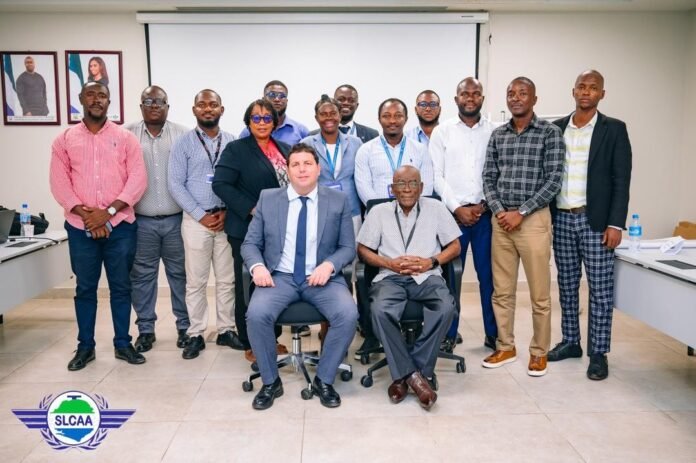
The Sierra Leone Civil Aviation Authority (SLCAA) has concluded a five-day FASAP-RAMP Onsite Training for Safety Inspectors, reinforcing the country’s commitment to aviation safety and regulatory compliance.

The intensive training programme was held from 9–13 February 2026 at the Freetown International Airport (FIA) Conference Room and brought together Safety Inspectors tasked with overseeing aircraft operations and ensuring adherence to international aviation standards.

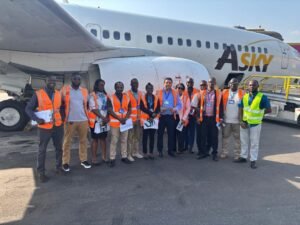
The exercise focused on strengthening technical expertise in ramp inspection procedures, aircraft ground safety oversight and compliance monitoring in line with global best practices. Participants underwent practical sessions designed to sharpen their inspection techniques, improve risk identification skills and enhance their understanding of regulatory frameworks governing aviation safety.

Ramp inspections are a critical component of aviation oversight. They involve detailed checks on aircraft while on the ground to ensure conformity with safety requirements, operational standards and airworthiness protocols. Through the FASAP-RAMP training, inspectors were equipped with updated knowledge and practical tools necessary to effectively monitor aircraft operations within Sierra Leone’s airspace.

Director General of the Sierra Leone Civil Aviation Authority, Musayeroh Barrie, described the training as a significant milestone for the institution. She noted that the successful conclusion of the FASAP-RAMP Onsite Training demonstrates SLCAA’s resolve to continuously strengthen its safety oversight systems and institutional capacity.

“The SLCAA has successfully concluded the FASAP-RAMP Onsite Training held from 9–13 February 2026 at the FNA. This milestone strengthens our safety oversight, enhances institutional capacity and reaffirms our commitment to international standards and regulatory excellence,” she stated.

According to the Authority, the programme forms part of broader efforts to align Sierra Leone’s aviation regulatory environment with standards set by the International Civil Aviation Organization (ICAO) and other global aviation bodies. By building the competence of frontline inspectors, SLCAA aims to improve operational surveillance and ensure that both domestic and international operators comply with prescribed safety requirements.

Officials emphasized that a well-trained inspectorate is essential for maintaining a safe and secure aviation ecosystem. The aviation sector plays a strategic role in national development, facilitating trade, tourism, and international connectivity. As such, maintaining high safety standards remains a top priority for the Authority.

The training concluded with a certificate presentation ceremony, marking another step in SLCAA’s ongoing drive to strengthen human resource capacity and reinforce operational safety across the aviation sector. Participants received certificates in recognition of their successful completion of the programme and their commitment to upholding aviation safety standards.

Industry stakeholders have welcomed the initiative, describing it as timely and necessary, particularly at a period when air travel continues to grow and regulatory scrutiny worldwide remains high. Enhanced inspection capacity is expected to contribute to improved compliance levels and bolster confidence in Sierra Leone’s aviation system.

The FASAP-RAMP Onsite Training underscores SLCAA’s broader strategy of continuous professional development, institutional strengthening and regulatory modernization. By investing in training and capacity building, the Authority seeks to ensure that Sierra Leone’s aviation industry remains competitive, compliant and responsive to emerging global safety demands.

With the completion of the programme, SLCAA has reaffirmed its unwavering commitment to promoting aviation safety, regulatory excellence and alignment with international best practices. The Authority maintains that safeguarding the travelling public and ensuring operational integrity within Sierra Leone’s airspace will remain central to its mandate.

NP (SL) Commissions New Fuel Station in Kailahun, Expands Eastern Footprint

NP (SL) Commissions New Fuel Station in Kailahun, Expands Eastern Footprint

By Alvin Lansana Kargbo

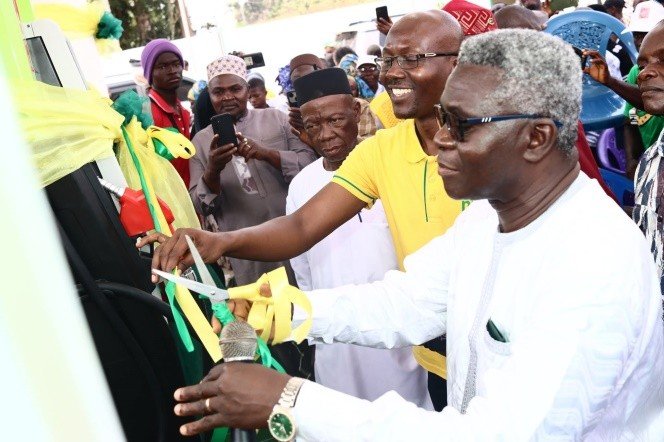
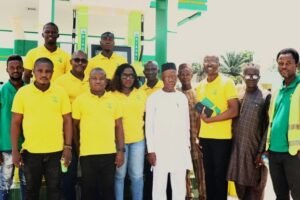
NP (SL) Limited has expanded its operations in eastern Sierra Leone with the commissioning of a new dealer fuel station in Konovulahun, Luawa Chiefdom, Kailahun District, a development expected to significantly improve access to petroleum products for motorists and commercial bike riders in the area.

The modern highway-side facility was officially opened in partnership with the Paramount Chief of Luawa Chiefdom, Mohamed Sama Kailondo Banya IV. The station is designed to meet safety standards while ensuring efficiency and convenience for customers.

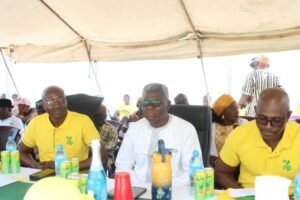
Addressing community members during the commissioning ceremony, the Paramount Chief described the investment as a major boost to local development. He urged drivers, bike riders and residents to treat the station as a shared community asset and to safeguard it, stressing that the facility was established to serve the collective interest of the people of Kailahun.

Sales Manager of NP (SL) Limited,  Manso A. Kamara, described the new outlet as another milestone in the company’s steady expansion across the country. He reaffirmed NP’s commitment to serving growing communities while maintaining professionalism, safety and high standards of customer care.

According to him, the company’s strategy is not only to ensure reliable fuel supply but also to contribute meaningfully to economic growth in host communities. He noted that expanding into districts such as Kailahun demonstrates the company’s confidence in the region’s commercial potential.

District authorities, transport union leaders and security representatives welcomed the commissioning, describing it as a strong signal of investor confidence in Kailahun District. They said the presence of a fully operational fuel station in Konovulahun would reduce transportation challenges, stimulate business activities and improve service delivery within the transport sector.

For residents, the station represents more than a new business establishment. Many see it as a symbol of inclusion in the country’s expanding petroleum distribution network and a partnership that will support community development for years to come.

NP (SL) Limited has consistently positioned itself as a leading petroleum marketing company in Sierra Leone. Beyond fuel sales, the company highlights its contributions to employment creation, improved service standards and national economic growth.

Over the years, NP (SL) Limited has built a reputation for reliability and innovation, supported by a growing nationwide network of service stations. The company is certified under ISO 9001:2015 for Quality Management Systems, ISO 14001:2015 for Environmental Management Systems and ISO 45001:2018 for Occupational Health and Safety Management Systems, reflecting its commitment to quality, environmental sustainability and workplace safety.

With sustained investments and a customer-centered approach, NP (SL) Limited continues to strengthen its footprint across Sierra Leone, reinforcing its role in powering communities and supporting national development.

Africell Launches Nationwide Ramadan Promotion, Rolls Out Le1 Billion in Cash and Rewards

#image_titleAfricell Launches Nationwide Ramadan Promotion, Rolls Out Le1 Billion in Cash and Rewards

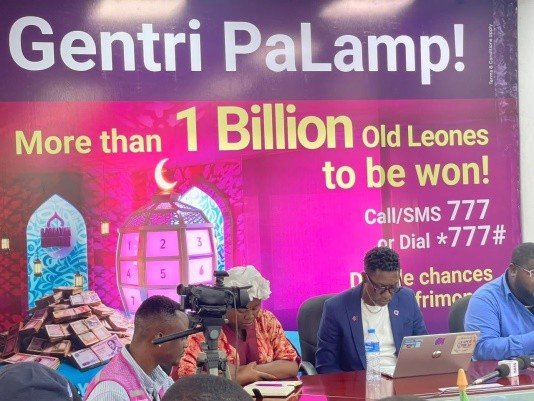
Africell Sierra Leone has officially launched its 2026 Ramadan Promotion Show, branded “Gentri PaLamp,” unveiling a prize pool exceeding Le1 billion in cash and assorted rewards for subscribers nationwide.

The launch ceremony took place on Tuesday, 17 February 2026, at Africell’s headquarters in Wilberforce, Freetown, marking the commencement of the telecommunications company’s annual Ramadan engagement campaign.

The 2026 edition is structured as a multi-platform entertainment and reward programme that integrates live television and radio broadcasts, digital interaction, community outreach initiatives and AfriMoney-powered promotions. The show is scheduled to run throughout the holy month of Ramadan, offering interactive gameplay, audience participation through short codes, social media challenges and nationwide promotional activations.

Welcoming guests at the launch, Africell’s Media Manager, Abdul Karim Sesay, said the 2026 Ramadan Show has been designed with enhanced creativity and a stronger subscriber-focused approach. He noted that the programme aims to deliver an improved viewing and participation experience while expressing appreciation to Africell’s growing customer base across the country.

Africell’s Marketing and Communications Manager, Kamanda Koroma, disclosed that this year’s edition will be larger in scope compared to previous seasons, with increased AfriMoney cash rewards and an expanded prize portfolio. He said prizes will include cash, smartphones, airtime, and other gift items.

Kamanda Koroma explained that participation will be open to subscribers who call or send SMS to short code 777, purchase Africell scratch cards or engage through AfriMoney-linked platforms. Selected participants will take part in a multiplier system where visual outcomes determine prize multipliers such as ×1, ×2 or ×3, applied to cash winnings and other reward categories.

Providing details on AfriMoney-linked promotions, AfriMoney Marketing Manager, John Konteh, announced the deployment of three branded rice trucks nationwide. One truck will serve Freetown and the Western Area, while two others will rotate across regional centres including Bo, Kenema and Makeni.

He introduced the AfriMoney Ramadan Bundle, priced at NLe10, which includes three cups of rice redeemable through vouchers at designated rice trucks, two minutes of on-net talk time, 250MB of data and 250 SMS, valid until midnight.

John Konteh further announced the Ramadan “Sunakati” initiative, which allows AfriMoney subscribers to make special requests by dialing 16113# and selecting the relevant option. According to him, AfriMoney will select 10 recipients daily throughout Ramadan, with winners announced on radio and on AfriMoney’s official Facebook page.

Highlighting the digital engagement component, Africell’s Digital and Social Media Manager, Fatmata Jaria Bah, said the campaign will feature daily keyword challenges announced during live broadcasts on Africell’s Facebook page. Participants are required to comment on the daily keyword and compile weekly sentences to qualify for weekly prizes of NLe2,000.

She added that keyword announcements may occur at any time during the live show to encourage continuous viewership and interaction.

Fatmata Jaria Bah also disclosed that customers who purchase data bundles via the MyAfricell App during Ramadan will receive a 50 percent bonus, alongside additional seasonal data packages. She encouraged subscribers to follow Africell’s social media platforms for real-time updates and participation opportunities.

The “Gentri PaLamp” Show will air from Monday to Friday across television, radio and Africell’s digital platforms, starting at approximately 7:45 p.m., with each episode running for about one hour and fifteen minutes. Participation is open to all Africell subscribers, irrespective of religious affiliation.

The show commenced on Wednesday, 18 February 2026, as Africell continues its annual Ramadan promotional drive combining entertainment, financial incentives and community outreach initiatives across Sierra Leone.