
Home Blog Page 946

QNET Feature…     In a time like this, choosing the Right Air Purifier is as Important as Masking Up and Hand Sanitising

Air quality-related sicknesses kill 7 million people globally every year. And now a recent study published in Cardiovascular Research estimates that about 15% of deaths worldwide from COVID-19 could be attributed to long-term exposure to air pollution. In Europe the proportion was about 19%, in North America it was 17%, and in East Asia about 27%.

The European Public Health Alliance has warned that people living in polluted cities are more at risk from COVID-19, because air pollution can cause asthma, chronic obstructive pulmonary disease, high blood pressure and diabetes. COVID-19 has more serious consequences on patients with pre-existing health issues that are in many cases caused by air pollution.

While quarantine orders around the world in the face of the pandemic have helped improve the air quality outside, it has increased the threat posed by indoor air pollution which in many places is worse than the outdoor air quality. During lockdowns people are spending more time indoors than ever, and hence it’s important to pay attention to the factors that increase the amount of particulate matter indoors. This includes smoking, burning candles, cooking fumes,exposure to mould, dust, and other volatile organic compounds, and using strong chemicals to sanitise surfaces. While your house may look clean because you dust and clean it every day, chances are it still has a very high concentration of pollutants and allergens.

Also, as economic activity resumes in many countries, and people are tentatively headed back to office buildings and other enclosed public spaces, they are still faced with the threat of aerosol transmission in closed spaces. According to the Centre of Diseases Control (CDC), SARS-CoV-2 viral particles spread between people more readily indoors than outdoors.

Managing indoor air quality is an important aspect of any health protection and recovery plans. This is reflected in the guidance from the World Health Organisation (WHO) on managing aerosol transmission, which recommends implementing high-quality air filtration, which could reduce infection risk by up to 47%.

The pandemic has enforced a new set of behaviours in us. Maintaining social distance, masking up, frequent hand washing, and sanitising isnow a part of our daily lives. If you already haven’t, it may be time to buy an air purifier for your home to add to an additional layer of protection.

Pick the right air purifier for your home

Every home is different, and the needs of each family vary depending on factors such as health requirements, pets, size of the home and its location, and sensitivity of the residents to allergens. Some points to consider:

  • Size and Space

An air purifier has to be the right fit for the room space. The best way of going about it is to match the size of your room and the coverage area of each purifier. Buying one that is too small for your room will mean that the purifier will be unable to clean the air completely

  • Filters

These are the heart and soul of any air purifier. Ensure that the layers of filters are the correct ones that effectively clean the air of particulates. Choose the type of filtration you need paying particular attention to specific contaminants. The quality of filters defines the performance of an air purifier for homes.

  • Particle Removal Rate

Choose an air purifier with a high enough particle removal rate for the room. Airborne particulates are small enough to be suspended in the atmosphere and may be a complex mixture of organic and inorganic substances. Airborne particulates include dust, dirt, soot, smoke, and liquid droplets emitted into the air.

  • Noise

Make sure you can live with the air purifier. This can be important if you spend a lot of time in the same room with the air purifier. In general, an air purifier with a noise rating of 50 decibels is appropriate for most living spaces.

To combat the growing challenges of indoor air pollution and its impact on health, direct selling company QNET launched the HomePure Zayn last year with a 5-Stage Purification System. Developed in Switzerland, manufactured in South Korea, and certified by the European Centre for Allergy Research Foundation (ECARF) and Intertek USA, HomePure Zayn combines the power of HPP+ Electrostatic, Ultraviolet (UV) Light, and an Ultra Plasma Ion Filter to form a powerful deterrent to bad indoor air quality. The HomePure Zaynprotects indoor living spaces from 99.8% of airborne particulates, allergens, viruses, bacteria, moulds, fungi, bad odour, and Volatile Organic Compounds (VOC).

5-Stage Purification System

  • Stage 1of the HomePure Zayn Purification System contains the prefilter, which is responsible for removing large particles such as dust, pet dander, and pollen.
  • Stage 2contains an Ultra-Plasma Ion Filter that dissolves and eliminates over 99% of viruses, bacteria, and germs in the air, as well as converts contaminants into safe H2O.
  • Stage 3utilises a HPP+ Filter that works to eliminate airborne particulates as small as 0.1 microns, microscopic organisms, viruses, bacteria, fungus, moulds, and dust mites. The filter also removes toxic vapours and other harmful gasses such as VOCs, formaldehyde, and carbon monoxide from the air.
  • Stage 4 comprises of an Activated Carbon Filter, which primarily functions to purify and eliminate unpleasant odours, gasses, and vapours in the area.
  • Stage 5 contains a UV Light that serves to eliminate germs, bacteria, and viruses that have not been dissolved by the ultra-plasma ion filter. The UV light contains excellent antibacterial capabilities and is safe for the human body.

HomePure Zayncovers an area of about 36 square metres, which is roughly the size of a one-bedroom apartment, making this an ideal companion for living spaces. Another unique feature that differentiates the Zayn from other air purifiers in the market is that it boasts an Electromagnetic Field (EMF) protection feature using an embedded Amezcua Card that protects users from the harmful effects of electromagnetic radiation from electronic devices.

HomePure Zayn is also very quiet and unintrusive. The noise level ranges between 30.6 dB(A) to 49.7 dB(A) depending on the speed settings. To put this in context, a modern refrigerator produces about 50 dB(A) when it is running.

HomePure Zayn is part of international e-commerce baseddirect selling company QNET’s Home & Living range of products. This rangealso includes the popular HomePure Nova water filter, boasting a 9-Stage Filtration System certified by the National Sanitation Foundation (NSF) International and Water Quality Association (WQA).

About QNET

QNET is one of Asia’s leading e-commerce based direct selling companies offering a wide range of health, wellness and lifestyle products that enable people to lead better lives. QNET’s business model pivoted upon technology and e-commerce has helped empower millions of entrepreneurs in more than 100 countries worldwide.

QNET is headquartered in Hong Kong and has a presence in more than 25 countries around the world through subsidiaries, branch offices, agency partnerships, and franchisees. QNET is a member of the Direct Selling Association in several countries, as well as the Hong Kong Health Food Association and the Health Supplements Industry Association of Singapore, among others.QNET is also active in sports sponsorships around the world. Some of the more prominent partnerships include being the Direct Selling Partner of Manchester City Football Club and the African Club League Championships of CAF. For more information, please visit QNET’s website at www.qnet.net.

US Department of State Honours Francis Ben Kaifala

By Amin Kef Sesay

On the 23 February 2021, the Chargé d’Affairs at U.S. Embassy in Freetown, Elaine .M. French, presented Francis Ben Kaifala with the Department of State International Anti-Corruption Champions Award.

The Anti-Corruption Commissioner was honored for his leadership which has enhanced efforts to fight corruption in the country, including the strengthening of anti-corruption laws and working to hold public officials accountable for corrupt acts.

Francis Ben Kaifala was one of 12 Anti-Corruption Champions from different countries recognized by United States Secretary of State, Antony J. Blinken, for changing the world for the better through their work to combat corruption and fight for transparency and accountability.  These champions are members of Government, the Press, Civil Society, and the Judiciary.

As President Biden has emphasized, “We must start with diplomacy rooted in America’s most cherished democratic values:  defending freedom, championing opportunity, upholding universal rights, respecting the rule of law, and treating every person with dignity.”  Combating corruption is a key part of that commitment.

The honorees are Judge Ardian Dvorani (Albania); Attorney General Diana Salazar (Ecuador); Ms. Sophia Henry Pretrick, Investigative Advisor for the Compliance Investigation Division of the Pohnpei State Auditor (Federated States of Micronesia); Mr. Juan Francisco Sandoval Alfaro, Chief of the Special Prosecutors Office against Corruption and Impunity (Guatemala); Mr. Ibrahima Kalil Gueye of the Organization for Positive Change (Guinea); Ms. Anjali Bhardwaj, Founder of NGO Satark Nagrik Sangathan (India); Ms. Dhuha Mohammed, Director General for Electronic Payments at the Central Bank of Iraq (Iraq); Mr. Bolot Temirov, investigative journalist and editor-in-chief of Factcheck.kg (Kyrgyz Republic); Mr. Mustafa Abdullah Sanalla, Chairman of Libya’s National Oil Corporation (Libya); Mayor Victor Sotto of Pasig (The Philippines); Mr. Francis Ben Kaifala, Commissioner of the Anti-Corruption Commission (Sierra Leone); and Mr. Ruslan Ryaboshapka, former Prosecutor General (Ukraine).

The selected honorees represent the many anti-corruption champions performing vital work around the world who often face threats, arrest, and persecution, while others may work in underfunded, undervalued, or otherwise challenging circumstances.

The award is an acknowledgment that all are making a difference.  While the Department of State International Anti-Corruption recognizes these 12 champions, they are honored to work hand-in-hand with many other reformers around the world, and celebrate all the unsung heroes who are striving to make a difference.

Reacting to the news of the Award, the ACC Commissioner thanked the US Government, particularly the US Embassy in Sierra Leone for the recognition, adding that “When a credible institution like the US Department of State recognises you for the work you do as Head of an Anti-graft Agency, you can only payback by continuing to put more robust efforts into the campaign in an impartial, fair and fearless manner”. He also expressed thanks and appreciation to the Government and people of Sierra Leone, especially President Bio, for the confidence reposed on him to lead the country’s anti-corruption efforts adding that the honour was for his staff and the people of Sierra Leone.

The public may recall that this outstanding recognition comes in less than one month when Commissioner Kaifala was elected member of the Africa Union Advisory Board on Corruption, with overwhelming majority due to his strong leadership and achievements in the fight against corruption in Sierra Leone, which is positively impacting the African continent.

Parliamentary Oversight Committee Commends M.R. Distilleries

By Amin Kef Sesay

During a working visit paid by the Parliamentary Oversight Committee on Trade, headed by Hon. Veronica Kadie Sesay, to MR Distilleries situated in Wellington in the East End of Freetown, from what members of the Committee saw and learnt they heaped a lot of commendations on the company for its adherence to the country’s labour laws, enhancement of female empowerment, sanitation and observance of COVID-19 protocols.

Pertinent discussions between the Parliamentary Committee and Management were held on varying issues including the implementation of the company’s Corporate Social Responsibility down to how the prevalence of COVID-19 has impacted on the company’s operations.

After a conducted tour of the facility and interaction with some workers, the Committee Chair, Hon. Veronica Sesay and her team, expressed satisfaction to see a combination of workers from both sexes in the employ of the company.

What this medium understood was that the Committee was impressed by the capital investment of the company in terms of the state-of-the-art machineries in the factory, the production level, and proper sanitary conditions.

The Committee’s Chair encouraged other potential investors to emulate the efforts of the company and promised to collaborate with them at all levels for the benefit of all.

Hon. Veronica admonished Management of the company to work with the MP in their Constituency and as well to fulfil their Corporate Social Responsibility in the communities where they operate.

Illicit Drug use, HIV & COVID 19 Infections Lead to Death

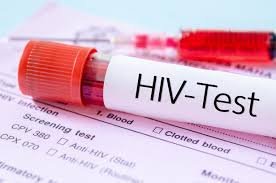
HIV Test

By Esther wright

“Peace starts with the inner person. But, within myself I do not have peace. Every time I think about my situation, I feel so bad and it affects me a lot.” Dutch, as he prefers to be called, is HIV-positive, and was once a drug user. He is now an agent for change in his community in Freetown.

Dutch lived in the ghetto for more than a decade. At age 17, he became addicted to drugs and feared no one, not even the Police.

Seven months ago, he discovered that he is living with Human Immunodeficiency Virus (HIV), when a Civil Society Organization visited his community and encouraged people to get tested.

“I felt so bad about it. I was so depressed and thought it was the end of the world for me. The street life was really not easy, but I never expected this. I had to accept the situation and decided to keep it to myself and the HIV counsellor,” Dutch says, with his fists tightly clenched.

As well as living a life on the street beset by challenges, Dutch now grapples with a new reality — the coronavirus crisis. Sierra Leone is currently experiencing the second wave of the Covid-19 pandemic. Authorities instituted a two-week lockdown, which began on 24 January, in Freetown, which has recorded more than half the country’s cases.

But for people living with HIV, the pandemic brings additional challenges, among them lack of access to treatment, disruptions in medical supplies, drug stock-outs, and stigma and discrimination.

Dutch says access to treatment has been problematic. “We are stigmatized by health workers in the hospitals. Because of this, most of us refuse to go for medication,” he says.

George, not his real name, is 27 years old and also living with HIV. He was previously a drug user, and contracted HIV while injecting substances.

“Before this time, I was smoking something we call ‘coke’ in our local language. We have a way to ‘fry’ it. We also had the powder called ‘bunker’, which more than 10 of us would use,” he says.

George echoes Dutch’s experiences. “We face self-stigma, which makes us refuse [to] go to health centres. We feel people or health workers who have seen us more than once, always take notice or talk negatively about us.”

In Sierra Leone, there is a severe level of stigma and discrimination against people living with HIV. People equate the virus to a death sentence and are fearful of those living with it. In some communities, lack of knowledge about the virus means people living with HIV are pushed aside completely, sometimes by their own families.


“This makes it hard for us to live a normal life, and many people have died because of this type of treatment,” George says.

The problems faced by people living with HIV during this pandemic are not limited to Sierra Leone. In South Africa, efforts to prevent and treat HIV stalled at the beginning of Covid-19.

Currently, South Africa has the most Covid-19 infections and deaths in Africa, with cases exceeding 1 400 000, and more than 40 000 deaths. Worst still, data from the country shows an increase in Covid-19 deaths for people living with HIV and tuberculosis.

Last year, about 690 000 people died from HIV-related causes around the world and 1.7-million people were newly infected. The World Health Organisation (WHO) has warned of a need to redouble efforts to avoid the worst-case scenario of half a million excess deaths in sub-Saharan Africa because of interruptions in HIV responses.

Although the HIV prevalence rate remains relatively low in Sierra Leone, disruptions in testing, tracking and treatment could have severe consequences. In 2019, UNAids estimated that 1.6% of adults aged 15 to 49 live with HIV in Sierra Leone.

“We need to reach out to the key populations with more intervention,” says Habib Kamara, the Executive Director of Social Linkages for Youth Development and Child Link, a Civil Society Organization implementing HIV responses in Sierra Leone for people who inject drugs.

Kamara knows that despite ongoing programmes like needle- and syringe-exchange pilots, the battle against HIV has a long way to go.

By helping people in key populations with appropriate HIV interventions, the Government will not only be helping individuals, but also help to prevent the spread of HIV among the general population.

During the pandemic, Kamara’s organization runs a drop-in centre, at which people in key populations, including those who use drugs, are able to collect their HIV medication without stigma or discrimination.

The WHO stresses that prioritizing key populations, with appropriate HIV interventions, affordable HIV prevention, testing and treatment services would have the biggest effect on the HIV epidemic and reducing new infections during the COVID-19 pandemic.

George agrees, but emphasizes that other barriers to accessing healthcare must be addressed.

“Someone like me finds it very difficult to take my medication, because it goes with food. When there is nothing to eat, it discourages me from taking my medicines,” he says.

In recent years, Sierra Leone has made some advances in fighting HIV, but the pandemic threatens to reverse those gains.

The Ministry of Health and Sanitation has set up “defaulter tracers” to trace clients refusing to visit health centres because of COVID-19.

Jasie Sesay is a reproductive health counsellor working at the Retroviral Syndrome department at the Lumley Government hospital in Freetown.

“When the pandemic started, we recorded up to 30% reduction in visits of patients on HIV medication. Some were thinking that if they came to the health centre, they would be tested positive for coronavirus,” Sesay says. “But we quickly changed from giving out daily medication to either monthly or quarterly doses.”

Other challenges persist. The country’s drug act, which came into force in 2008, criminalises the possession of drugs, and even harm-reduction efforts. This makes the fight against HIV among key populations an uphill task.

Peaceful Bye-Election in Constituency 010 Hangs in the Balance

By Foday Moriba Conteh

Information gathered by this news medium entails that there are allegations of the beating and stabbing of a young man in the Penguia Chiefdom in Kailahun last week ahead of the hotly contested Constituency 010 bye-election in Kailahun.

According to sources, the SLPP candidate took campaigners and Police Officers to Penguia Chiefdom on the day the incident happened. It is alleged that the young man’s legs were also broken by thugs.

The independent candidate contesting the election – Ibrahim Sylvester
Jusu Hengela, is said to be a young student from Njala University, who defected from the SLPP after the Constituency’s preferred candidate was rejected by the party.

It was further understood that President Bio himself had invited the SLPP candidates for the party’s symbol to Freetown, where he personally chose a lady called Zainab Kama Braima for the party’s symbol to contest the election, rather than respecting the local party
membership election process. That is what, they say, sparked the violence.

Again it was revealed that the President is said to have sent his personal delegation to ‘talk’ to the young independent candidate to step down from the contest.

The Political Parties Registration Commission (PPRC)  reported that the three candidates and representatives contesting the bye-elections in Constituency 010 in Kailahun District – John Allieu of the APC, Zainab Kama Braima of the SLPP, and the Independent Candidate -Ibrahim Sylvester Jusu Hengela  over the weekend pledged to continue their campaigns peacefully, ahead of the 27th February 2021 Parliamentary bye-election.

In their peace messages, all three candidates admonished their supporters to be law-abiding before, during, and after the elections.

The candidates advised their supporters and the electorate to report issues of concern to the relevant authorities and not to take the law into their hands. This, they say, is for the good of the Constituency on one hand and the country as a whole on the other.

Admonishing the candidates, the Chairman of the Political Parties Registration Commission- Mr. Abdullai Masiyambay Bangura, expressed the Commission’s disappointment at the way and manner the supporters of the candidates have conducted themselves during the campaigns. That, he says, is a total disrespect to the electorate, saying such must stop forthwith.

He advised the Police to bring the perpetrators and those who incited the violence to book, without fear or favour.

In his statement, the Chairman of the National Electoral Commission ,Mohamed K. Konneh, assured the candidates and the leadership of the parties that the elections will be conducted freely and fairly, and that the winner will be a winner for the people.

In his statement, the Assistant Inspector General of Police – East, Thomas Lahai assured all that his Force will professionally police the elections without fear or favour.

He advised the candidates and electorate to be law-abiding before, during and after the elections.

Other key stakeholders addressed the meeting, including representatives of Democratic Institutions, Office of National Security (ONS), Human Right Commission Sierra Leone (HRC-SL),National Commission for Democracy (NCD), National Elections Watch (NEW), Paramount Chiefs, Chiefdom Authorities, and the Sierra Leone Association of Journalists (SLAJ) – all added their voices to the call for a peaceful election.

Before the joint stakeholders meeting organized by PPRC and NEC , the PPRC held a similar meeting in Sandaru, Penguia Chiefdom, after a stakeholder meeting in Daru on Thursday 18th February 2021.

Decentralization Doesn’t Mean Central Government Holding & Pulling The Rope

By Amin Kef Sesay

Lately, there has been acrimony between Mayors and Chairpersons of the Local Councils and the Minister of Local Government and the Local Government Commission over the issue of whether the Local Government Act stipulates that it is the Minister and the Commission that should be responsible for recruiting staffs and assigning them to the different Local Councils or should this be the prerogative of the Local Councils themselves in consultation with the Commission.

To the Councils, it seems as if the central Government has given them the cow but wants to hold on to the rope. This, the Councils maintain is not in the spirit of the Local Government Act and definitely points towards attempt by the Central Government to maintain control of the Councils by recruiting, appointing and posting their key officials

It is very heartwarming that the Parliamentary Local Government Committee has come out with a clear ruling on the matter that will now leave the Minister and the Commission in no doubt where authority lies to recruit staffs of Local Councils.

When Sierra Leone emerged from more than a decade of conflict in 2002, it was one of the poorest countries in the world. It faced huge development challenges, with much of its infrastructure having been destroyed during the war.

The areas outside Freetown had traditionally been excluded and marginalized. In fact, the over centralized system of rule, which excluded the majority of the population, was one of the key causes of the conflict. There were internal and external pressures on the Government to be more inclusive to establish its legitimacy and reverse the conditions that led the country to conflict as contained in the Truth and Reconciliation Commission Report 2004.

The reestablishment of Local Governments, through the Local Government Act of 2004, was an important initiative in this direction undertaken by the Sierra Leone People’s Party (SLPP) Government of Abdul Tejan Kabbah. The legislative framework provided by the Act and the associated regulations for political, fiscal, and administrative decentralization (with some exceptions) provided a robust foundation for the establishment of decentralization through devolution of key functions from the central Government to Local Councils. They also provided a simple and easily understood system for intergovernmental transfers.

The Local Government Act of 2004 identifies Local Councils as the highest political authority in their jurisdiction. The legislation sets out a detailed political framework covering the election and composition of Councils; the qualifications of Councilors; procedures for the election of Mayors (urban) and Chairpersons (rural); powers to make and execute bylaws; the role and responsibilities of Ward Committees; and provision for citizen participation, transparency, and accountability.

Right from the start, there was the fear that the Act and its implementation leave open the possibility of the center dominating and manipulating the sub-national Governments by playing off the traditional authorities (chieftaincies) against the local authorities through a “divide and rule” strategy and by minimizing the autonomy of the Local Councils over the control of financial and human resources.

Important arguments in favor of decentralizing Government are that it: creates an efficient and reliable administration, intensifies and improves local development, better ensures the rights of the local population to have a voice in Government, and better protects minorities.

In facilitating growth at the rural levels, decentralization is intended to grant more autonomy or freedom to lower level. This helps the subordinates to do the work in the manner best suited for their department. When each department is doing to their best then productivity increases and it will generate more revenue which can be used for expansion.

Decentralization has a positive effect because the employees at the lowest level will become more proactive with their task and they may feel that they are important to the country because of their participation in planning, brainstorming, implementation and other activities at their own levels.

Govt. of Sierra Leone Remains Committed to various International Initiatives -Minister of Planning States

By Theresa Kef Sesay

On the  22 February 2021 the Minister of Planning and Economic Development, Dr. Francis Kai-Kai reminded the Africa Regional Review Meeting that the Government of Sierra Leone remains committed to various international initiatives aimed at improving governance systems, combating corruption, promoting inclusive development and delivering services for its people while calling on its development partners to scale up the percentage of Official Development Assistance (ODA) given to the Least Developed Countries (LCDs) to finance the SDGs and post COVID-19 recovery.

The Webinar meeting was in preparation for the Fifth United Nations Conference on the Least Developed Countries (LDC5) to be held in Doha in 2022.

During the session, Ministers and other high-level participants reflected on the progress achieved during the implementation of the Istanbul Program of Action (IPoA), while highlighting the remaining gaps, challenges and vulnerabilities.

They also discussed the impact of the COVID-19 pandemic on LDCs’ health care systems and its socio-economic consequences. The meeting discussed national recovery plans, identified lessons learned as well as policy recommendations for the next decade.

In his address, Dr. Kai-Kai noted that in line with Sierra Leone’s commitment, and to put the country in a proper trajectory to address its challenges, Government continues the implementation of the Medium-Term National Development Plan (MTNDP 2019-2023) with a people-centered and decentralized focus.

“This multi-sectoral plan is aligned to the IPoA Commitments, the SDGs, the AU Agenda 2063, and other internationally agreed Agendas that reflect Sierra Leone’s roadmap to growth and stability.

“We are half-way into the implementation of this plan and the mid-term review revealed strong local ownership and determination to achieve the stated objectives despite the setbacks caused by the pandemic,” said Dr. Kai-Kai adding that they believe that the full implementation of the MTNDP will put Sierra Leone in good stead to make progress on the SDGs and meeting the requirements of the AU Agenda 2063 (The Africa we want).

The Minister said as the Government of Sierra Leone applauds the support of the development partners in the fight against COVID-19, he called  the attention of the international community to the need for increased resource flows to finance the recovery efforts and achievements of the SDGs.

“The fact that we are holding this meeting virtually speaks to the magnitude of the worst public health emergency in recent times. Whilst there have been increased efforts at domestic resource mobilizations, such efforts have been hampered by the pandemic. There is therefore a need for our development partners to scale up the percentage of ODA given to the LDCs to finance the SDGs and post COVID-19 recovery…

“LDCs in fragile situations with huge debt burdens, weak health systems, and other structural vulnerabilities, and the challenge of meeting the social and economic needs of their populations, especially the youth and women, require support measures to help sail through these challenges,” Dr. Kai-Kai ended.

Minister Kai-Kai said, as Chair of the g7+ group of fragile and conflict-affected States noted that Sierra Leone is fully engaged in promoting peace and security as a necessary condition for growth and sustainable development. He said they would use the UN Observer Status accorded the g7+ to strengthen Sierra Leone’s advocacy work in favour of building peace and promoting good governance in their countries.

He noted that as the COVID-19 vaccine roll-out progressed globally, he hopes that LDCs would have access to the life-saving vaccines and COVID-19 infections would steadily decline to allow for a return to a new normal. He continued by saluting the frontline workers, globally, who continue to put their lives at risk to save humanity.

He concluded by thanking other participants, with the hope that the regional review meeting outcome would translate into concrete actions for the next decade.

European Union Trains Journalists on Environmental & Climate Change Reportage

By Foday Moriba Conteh

In order to equip journalists to report on environmental and climate change in the country, the European Union Delegation in Sierra Leone has on Monday 22nd February 2021 launched a five-day training Programme on reporting on environmental and climate change to benefit 15 selected journalists from various media institutions across the country at the New Brookfields Hotel Conference Hall in Freetown.

The training which is facilitated by the Economic Forum Sierra Leone started on Monday 22nd February 2021 will conclude with presentation of certificates by Ambassador Tom Vens to the trainees at the closing ceremony on Friday, 26 February 2021.

As a specialized hands-on training the programme is geared towards building the capacity of media practitioners in understanding the broader concepts of environmental and climate change issues as well as help to raise awareness and stimulate journalists’ interest on the need for enhanced environmental protection and biodiversity conservation in Sierra Leone.

Part of the training programme includes a two-day field visit to the Western Area Peninsular National Park, among others, to give journalists first-hand experience on contemporary environmental issues and their impact on local communities in Sierra Leone.

Among the topics journalists are receiving professional training on include: principles of environmental communication, draft Climate Change Policy of Sierra Leone, the Conference of Parties (COP 26) and Paris Agreement, Sierra Leone National Adaptation Programme of Action (NAPA) among others.

In 2020, Sierra Leone ranked below the regional average on the Environmental Performance Index (177/180). The country’s biodiversity, forests and fish stocks have seen significant deterioration over the past decade, and the impact on environmentally sensitive sectors such as agriculture and fisheries threatens the basis of 60% of the economy and the livelihood of 70% of people, thereby increasing conflict risks.

Furthermore, it appears that the habitat destruction correlates with zoonotic diseases such as the 2014/15 Ebola Virus disease, which renders the fragmentation of Sierra Leone’s forests a global public health issue.

Sierra Leone has made significant progress in tackling biodiversity conservation and environmental protection but remains particularly vulnerable to the ever-increasing frequency and impacts of climate change, including rising sea levels, severe floods, erratic and torrential rainfall, biodiversity loss and associated environmental risks.

Additionally, increased rural-urban migration, huge dependence on rainforest for agricultural purposes, inadequate disposal of waste among several other factors have exacerbated the problem and continue to negatively impact on the country’s sustainable development trajectory.

The EU’s development partnership with Sierra Leone increasingly focuses on programmes that contribute to sustainable economic diversification, among others through actions that support access to sustainable and clean energy, resilient food systems and the protection of ecosystems and biodiversity. To support these initiatives, the EU has earmarked a EUR 2.9 million project this year to kick-start the sustainable management of Outamba-Kilimi and Kuru Hills forest landscape.

As part of its EU climate diplomacy, the EU also wishes to step up its engagement with the Government of Sierra Leone, with influencers and with the media as important multipliers to raise awareness on the need to protect the environment.

The EU endeavors to support the essential role that media channels play in providing the public with accurate and factual information on domestic environmental issues, including on Government policy and response as regards climate change and environmental degradation.

In his statement, President of the Sierra Leone Association of Journalists, Ahmed Sahid Nasralla expressed appreciation to the European Union Delegation in Sierra Leone for the training which he described as not only important but a timely intervention in order to save the country’s environment.

He said journalists have the unique ability to help fast-track environment and climate change action through advocacy, education and raising awareness maintaining that to be able to do all of that, they must have knowledge on the complex subject matter, involving complex facts, terminology and policy language.

The Sierra Leone Association of Journalists President  noted that SLAJ  as an organization therefore views the training as a positive effort towards helping journalists develop interest and acquire the knowledge to be able to report, comment, analyze, and influence policy decisions on the environment and climate change issues.

On his part, Head of European Union Delegation in Sierra Leone, Ambassador Tom Vens said Sierra Leone has been identified as the third most vulnerable country to face the severe consequences of climate change which, he underscored, are as a result of manmade and also natural causes.

He said the EU recognizes the critical role of the media in disseminating information for the wider public to take appropriate measures, particularly on climate change and environmental issues.

“The media does not only have a responsibility to report disasters but also to improve transparency and accountability around environmental issues, and help ensure that policies are implemented to guaranty the protection of our people, their livelihoods and the safety of our environment,” he intimated.

Delivering the  keynote address, Minister of the Environment, Professor Foday Moriba Jaward, expressed profound gratitude and sincere appreciation to the European Union Delegation in Sierra Leone for the invaluable support given to the Economic Forum to provide a platform to train journalists on climate change reporting, which he said is a clear manifestation of their concern to support the global fight against climate change and regaining of the ecological functionality of the ecosystems in the country.

He said he is with the strong conviction that the five day training programme will help train journalists to increase their knowledge base and skills, to strengthen and professionalize local media coverage so that they can improve on the quality and quantity of reporting and provide local communities and their audience with quick and reliable information on environmental issues and climate change.

Govt. to Support & Train 7000 farmers on Mechanized Rice Production

By Foday Moriba Conteh

The Deputy Minister of Agriculture and Forestry, Sam King Brima has said that the Regional Rice Value Chain Project (RRVCP) will aptly work with the private sector in the Project locations to support the farmers in increasing rice production and productivity.

Minister Brima was speaking on Saturday 20th February during the second National Steering Committee meeting of the Sierra Leone Regional Rice Value Chain Project in the Ministry of Agriculture and Forestry.

“The project steering committee is generally required to provide oversight, direction, oversight, support and advice for the successful implementation of the project. It approves the Annual work plan and budget including the procurement plan,” he disclosed.

He noted that private sector has critical role to play in the implementation of the project especially with the introduction of the policy shift by the Ministry which will help leverage the growth of the private sector in the agriculture industry.

Commending the National Steering Committee members for their attendance, he noted that their contribution and guidance is integral for the successful implementation of the project, adding that the project has the potential to significantly contribute to rice production through smallholder farmers in the country considering the project locations of Mambolo\Samu and Bum chiefdoms.

He disclosed that the $34.12million is jointly funded by the Government of Sierra Leone, the Islamic Development Bank and Arab Bank for Economic Development in Africa (BADEA) and Sierra Leone is among the first 5 participating countries in the West Africa sub region over a five-year period.

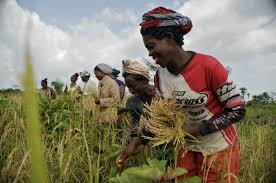
Giving an overview about the project objectives, the Project Coordinator of the Regional Rice Value Chain Project ,Abdulai Bun Wai reiterated that they are going to support and train 7000 farmers, 5000 in (Bonthe) and 2000 in Mambolo/Samu chiefdoms of (Kambia) on mechanized rice production through the agribusiness companies identified in the project locations.

Mr. Wai noted that they will take along the different value chain players for successful implementation of the project and Africa Rice is going to bring certified seeds, fertilizers including agrochemicals to support the farmers. He added that during the inception workshop the project divided the implementation into five segments from seeds and inputs, production, processing, marketing and access to finance.

“The project is going to support the Sierra Leone Agricultural Research Institute (SLARI), Seed Multiplication Program (SMP) and Sierra Leone Seed certification Agency (SLeSCA) to ensure that their capacity is built for efficiency. Africa Rice will bring breeder and Foundation seeds for the various institutions to multiple for the following year with a strong sense that the country will not import seeds again,” he noted.

He informed the gathering that the project will support the farmers to have access to finance, reconstruct the Tormabum processing mill, construction of dry floors and construction of markets in the project locations to create more linkages.

The various speakers at the meeting  made salient contributions towards the successful implementation of the project and called on the Project Coordinating Unit to be proactive to ensure the project objectives are meant to reduce the huge importation of rice in the country.

The meeting brought together various line Ministries and other partners in the agriculture sector to approve the annual work plan and budget including the procurement plan.

The annual work plan and budget including procurement plan was unanimously approved by NSC members for the 2021 planting season.

Stakeholders Laud Government’s Implementation of Road Projects

By Edward Vamboi

Stakeholders of Pujehun District have commended the leadership of Government on progress made on road construction projects in the District. The commendation was made on February 19, 2021 when President Julius Maada Bio visited the district on a Thank You Tour.

While expressing their gratitude to President Bio for embarking on several development projects in the District, speaker after speaker mentioned the construction of roads as key among the development projects that are easing the burden on its residents by revamping economic activities, beautifying the district and attracting more touristic attention to the district.

Speaking at a welcome event held in Zimmi Makpele, the Chairman of Pujehun District Council, Sheik Suaibu Sowa thanked President Bio and the Management of the Sierra Leone Roads Authority (SLRA) for speeding up the construction of roads in the district. He recalled that “the movement of people and goods had been previously challenged by the poor road networks in the district.”

Apart from the major road constructions, Chairman Sowa revealed that Government had launched another six lots of feeder roads to enhance access to remote communities in the district.

Pujehun District is located in the South of Sierra Leone, and shares boundaries with the East and neighbouring Liberia. It has over 40 thousand inhabitants, who are mostly engaged in farming and trade. There are ongoing road construction projects such as the Bo-Bandajuma road, a 103km road from Bandajuma to Liberia border, and a 25km road from Bandajuma to Pujehun Town in the district.

Addressing the people of Pujehun District, President Julius Maada Bio stated that his Government would soon commence the construction of the Zimmi-Kenema Road to ease the movement of people and goods in the two districts. “Apart from that, I have made arrangements for the construction of a 5km road in Zimmi Town to reduce the dust particles that my pupils inhale on their ways to school,” he revealed.

The two major roads – Bo-Bandajuma and Bandajuma-Liberia Border – are funded by the European Union and the Islamic Development Bank with counterpart funding from the Government of Sierra Leone. The construction activities are supervised by SLRA. Upon completion, the roads will connect Pujehun District to the wider South, East and neighbouring Liberia.