

By Alvin Lansana Kargbo
The Ministry of Basic and Senior Secondary Education has concluded a two-day national English Language Conference in Freetown with a commitment to implement sweeping reforms aimed at reversing declining performance in English in the West African Examinations Council (WAEC) examinations.
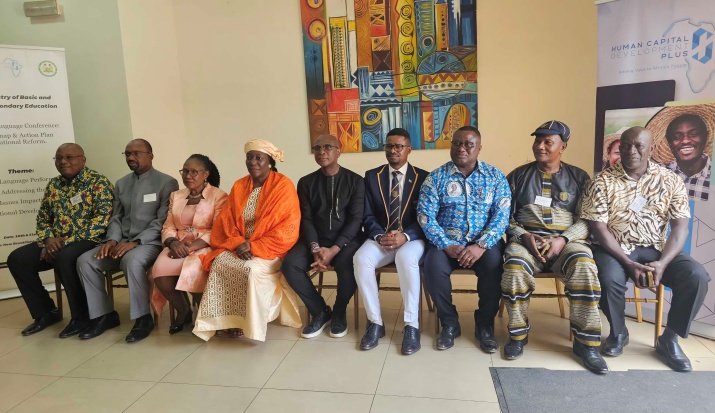
Held from March 30–31, 2026, at the New Brookfields Hotel under the theme: “English Language Performance – Addressing the Issues Impacting National Development”, the conference brought together policymakers, educators, development partners and other stakeholders to examine the causes of poor performance and propose practical reforms.
Discussions focused on identifying systemic challenges affecting English Language outcomes, including weak foundational literacy, gaps in teacher preparation, inadequate learning resources and inconsistencies in curriculum delivery. Participants reviewed WAEC Chief Examiners’ reports and assessed teaching methodologies across primary and secondary education.
The conference framework was built on five pillars: data-driven diagnosis, immediate remedial interventions, reforms in higher education admissions, long-term systemic changes and strengthened monitoring and accountability.
Delivering the keynote address, on the opening day, Minister of Basic and Senior Secondary Education, Conrad Sackey, said improving English proficiency is critical to human capital development and requires coordinated national action. He noted that while overall education indicators have improved, English Language performance continues to decline.
According to the Ministry, credit pass rates in English dropped from 19.71 percent in 2021 to 11.77 percent in 2025, despite a 43.7 percent increase in candidates obtaining five or more credits in WASSCE over the same period. The Basic Education Certificate Examination pass rate also rose from 69 percent in 2020 to 94 percent in 2025.
He attributed the decline largely to foundational learning gaps, citing early grade assessments that showed extremely low literacy levels among pupils. He noted that many junior secondary students remain below expected proficiency levels in English despite ongoing curriculum reforms and teacher training initiatives.
Deputy Minister of Technical and Higher Education, Sarjoh Aziz-Kamara, said poor English performance has significantly limited access to tertiary education, as many students who pass other subjects fail to meet the English requirement. He called for strengthened teacher training, curriculum modernization and the integration of technology in teaching, while cautioning against overdependence on digital tools.
Chief Executive Officer of Africa Human Capital Development Plus Ltd., Finda Koroma, described the situation as a national human capital crisis, linking English proficiency to employability and competitiveness. She highlighted systemic issues such as large class sizes, inadequate teacher preparation, limited resources and the disconnect between home languages and English instruction.
Chair of the Parliamentary Committee on Basic and Senior Education, Rebecca Yei Kamara, said Parliament would work closely with the Ministry to improve education quality. She warned that weak literacy skills have broad implications across professions and raised concerns about declining reading culture, social media distractions and the presence of unqualified teachers in classrooms.
Education stakeholder, Alphonso Manley, emphasized the need for better coordination between Ministries and higher education institutions, as well as adequate funding to ensure effective implementation of reforms.
In his closing remarks on the second day, Minister Conrad Sackey said the conference had generated frank and solution-oriented discussions, focusing on three central pillars: pedagogy, admissions and resources.
He stressed that while significant progress has been made in developing curricula across early childhood, basic and senior secondary education, greater attention must now be placed on how teaching is delivered. He called for inclusive and responsive teaching methods that address the needs of all learners, including those with learning difficulties.
On admissions, he underscored the need for a fair, transparent and equitable system that ensures all pupils, regardless of background, have access to higher education opportunities.
Addressing resource constraints, he highlighted the urgent need for trained teachers, adequate learning materials, improved infrastructure and sustainable financing, warning that reforms cannot succeed without sufficient investment.
He assured participants that the outcomes of the conference would be compiled into a comprehensive report to guide policy and implementation, describing it as a “living document” intended to drive measurable improvements in classrooms.
The Minister reaffirmed the Ministry’s commitment to translating discussions into action, pledging continued collaboration with partners, educators and communities to improve learning outcomes.
He urged stakeholders to maintain collective resolve, emphasizing that sustained cooperation and innovation would be essential to achieving lasting reform in the education sector.
The conference ended with a unified call for urgent and sustained action to reverse declining English language outcomes, with stakeholders agreeing that failure to address the crisis would continue to undermine education quality, workforce readiness and national development. Participants committed to supporting the implementation of the forthcoming national action plan, as the Ministry moves to translate policy discussions into measurable improvements in teaching, learning and student performance across the country.