

By Amin Kef (Ranger)
Secure Her Empowerment for Peace (SHE4Peace) has intensified calls for greater attention to men’s mental health, with experts, policymakers, advocates and youth leaders urging Sierra Leoneans to create safe spaces where men can openly discuss emotional challenges without fear of stigma.
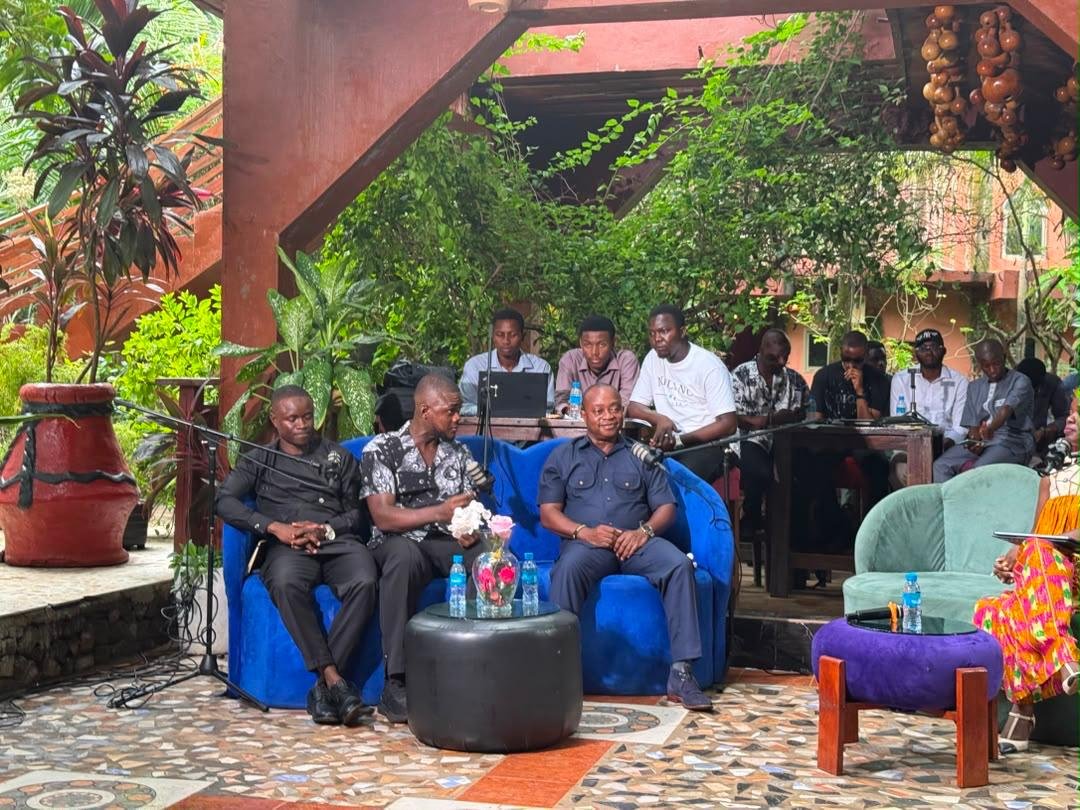
The appeal was made during the Elevate Men’s Seminar 2.0, held on Saturday, 27 June 2026, at Toma Resort under the theme, “It’s Okay to Say: I Am Not Okay,” with discussions centered on “Breaking the Silence: Youth Voices for Men’s Mental Health, Positive Masculinity and Social Transformation in Sierra Leone.”
Hosted by Augustine Kandeh, Programmes Manager of SHE4Peace, and moderated by Ariana Oluwole, the seminar featured a panel discussion, wellness and mindfulness sessions and interactive dialogue involving Government officials, mental health professionals, legal practitioners, journalists, youth advocates and community leaders.
Speaking in an exclusive interview, the Founder and Chief Executive Officer of SHE4Peace, Mariama Sahid, said promoting men’s mental health is essential to achieving genuine gender equality and sustainable peace.
She explained that although SHE4Peace remains committed to advancing women’s participation in leadership, peacebuilding and development, the organization also recognizes that men are indispensable partners in building stronger communities.
“We cannot advocate for peaceful families, inclusive communities and sustainable development while ignoring the mental wellbeing of men. When men struggle in silence, the effects are felt by women, children, workplaces and society as a whole,” she said.
Mariama Sahid noted that the Elevate Men’s Seminar was designed to provide a safe environment where men could openly discuss their struggles, access reliable information and receive support without fear of judgment. She emphasized that supporting men’s wellbeing does not diminish efforts aimed at empowering women but instead strengthens families and communities.
Director of Mental Health and Psychosocial Support Services at the Ministry of Social Welfare, Ansu Konneh, highlighted the importance of changing societal perceptions surrounding masculinity. He observed that many men have been conditioned to suppress their emotions, often resulting in emotional distress, substance abuse and family breakdown.
He disclosed that the Ministry is implementing a Positive Parenting programme, which has revealed increasing levels of family dysfunction caused largely by absent parenting and weakened family values. According to him, stronger mental health support for men will contribute significantly to healthier homes and more peaceful communities.
Legal practitioner and Founder of the Patriotic Advocacy Network Sierra Leone (PAN), Ansumana Keita Esq., shared his personal experience of losing his father at the age of thirteen, recalling how he was discouraged from expressing grief because he was expected to remain emotionally strong as the family’s only son.
He called for more platforms that encourage men to express their emotions freely while advocating for continued dialogue on legal and policy reforms affecting men. He also encouraged men to strengthen relationships within their social circles, noting that emotional isolation often contributes to mental distress.
Broadcast journalist and youth advocate Marina Terry stressed that men’s mental health should not be viewed solely as a men’s issue but as a family and national development concern. She urged women to recognize that men also experience emotional pain and should feel comfortable discussing their vulnerabilities with their partners.
Country Director of the Mental Health Coalition Sierra Leone, Joshua Duncan, encouraged men to reject harmful social expectations that discourage emotional openness. He maintained that true identity is shaped by purpose, contribution to society, and personal values rather than financial success.
Pharmacist and Founder of PN Pencil Sierra Leone, Buya Nabie Bangura, warned that substance abuse continues to threaten the wellbeing of many Sierra Leoneans across all age groups. He called for the establishment of a national mental health council to coordinate policies and institutionalize mental health interventions nationwide.
Youth leader and disability advocate Ishmail G. Kamara also urged society to become more inclusive by recognizing the unique mental health challenges faced by persons living with disabilities. He reminded participants that financial success alone does not define manhood, emphasizing that meaningful impact comes through service, strategic thinking, and positive relationships.
Supported by Freetown Innovation Lab 3, IBTK Foundation, RCBank, and several civil society partners, the seminar concluded with participants reaffirming their commitment to breaking the stigma surrounding men’s mental health and promoting positive masculinity.
Participants agreed that creating safe spaces for honest conversations, strengthening family values, and expanding access to mental health services are essential steps toward building healthier families, peaceful communities and a more inclusive Sierra Leone.