

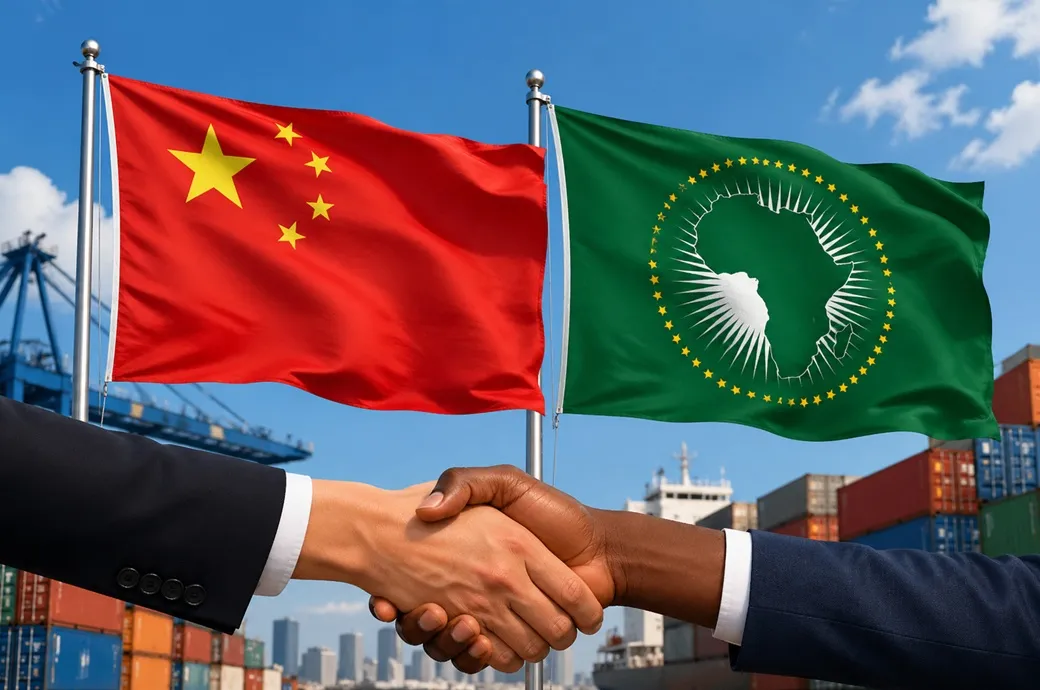
BEIJING, April 28, 2026 — China has announced a sweeping expansion of its zero-tariff policy to cover all African countries that maintain diplomatic relations with it, in a move aimed at deepening trade ties and boosting economic cooperation across the continent.
Chinese authorities confirmed on Tuesday that the policy will take effect on May 1, 2026, marking a significant shift in Beijing’s trade engagement with Africa. The decision brings an additional 20 African nations under the zero-tariff framework, reflecting what officials described as a strong commitment to high-standard economic opening and mutually beneficial partnerships.
According to a statement issued by the Customs Tariff Commission of the State Council, the zero-tariff treatment will apply to 20 African countries that are not classified as least developed countries but have established diplomatic ties with China. The policy will run for a two-year period, from May 1, 2026 to April 30, 2028.
Under the arrangement, qualifying goods will benefit from a preferential tariff rate of zero. However, authorities clarified that products subject to tariff quotas will only enjoy zero tariffs within the quota limits, while standard rates will continue to apply to out-of-quota volumes.
The latest expansion builds on China’s earlier initiative introduced in December 2024, which granted zero-tariff access on 100 percent of tariff lines to 33 least developed African countries with diplomatic relations with Beijing. With the inclusion of the additional 20 countries, the policy will now cover a total of 53 African nations.
Officials say the move is expected to significantly strengthen China-Africa trade relations, enhance investment flows, and support Africa’s broader development agenda. It also aligns with ongoing efforts to establish the China-Africa Economic Partnership for Shared Development agreement, which is currently under negotiation with several African countries.
China’s Ministry of Commerce described the policy as a “significant measure” that positions China as the first major global economy to offer unilateral, full-coverage zero-tariff treatment to all African countries with diplomatic ties. The ministry noted that the initiative represents an innovative and phased approach toward building a more structured and sustainable trade framework between China and Africa.
At a time when global trade faces increasing pressures from protectionist tendencies, Chinese officials emphasized that the zero-tariff expansion is designed to open wider access to its domestic market, thereby creating new opportunities for African exporters. The policy is also intended to provide long-term, stable and predictable conditions for trade and investment cooperation.
Authorities further indicated that the initiative forms part of China’s broader strategy to deepen economic engagement with developing regions while advancing its own high-level opening-up agenda.
The implementation of the zero-tariff regime is expected to inject fresh momentum into bilateral trade, facilitate greater market access for African products, and strengthen supply chain integration between China and African economies.
The announcement also aligns with the country’s long-term economic blueprint outlined in its 15th Five-Year Plan (2026–2030), which prioritizes institutional openness, improved trade quality, and a transparent investment environment.
As China moves to widen its economic partnerships across Africa, analysts say the expanded zero-tariff policy could play a pivotal role in reshaping trade dynamics, offering African countries increased access to one of the world’s largest consumer markets while reinforcing Beijing’s strategic economic presence on the continent.