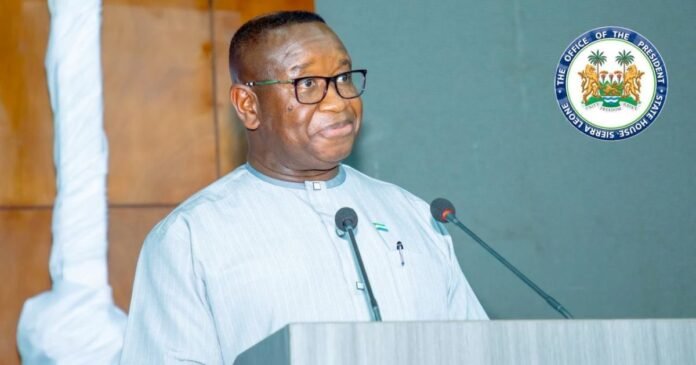
President Dr. Julius Maada Bio has officially declared January 18 as Sierra Leone’s National Day of Remembrance, marking the first time the nation has set aside a special day to honour victims of the civil war and reflect on the painful sacrifices that led to peace.
In a solemn national address delivered in Freetown on Sunday, 18 January 2026, President Bio said the country must “pause together to remember, to honour and to reflect,” stressing that the day is not only about emotion but about collective responsibility to protect peace and prevent a return to violence.
“This day calls not only for emotion, but for commitment. We declare, with one voice: Never Again,” the President stated, describing peace as a choice and remembrance as a tool to keep it alive across generations.
President Bio recalled that Sierra Leone’s civil war was officially declared over on January 18, 2002, after which the country established the Truth and Reconciliation Commission (TRC) to document the conflict, give victims a voice and guide national healing.
He noted that the TRC recommended January 18 be observed as a National Day of Reconciliation and Remembrance, but acknowledged that the recommendation remained unfulfilled for 24 years. The President said the nation has now chosen to give full meaning to that historic recommendation by formally recognizing January 18 as a day of national memory and moral reflection.
Speaking not only as Head of State but as a survivor of the conflict, President Bio described the Remembrance Day as deeply personal, revealing that members of his own family in Bonthe District suffered the war’s brutality and that some lost their lives.
He described the war as a tragedy that destroyed without discrimination, leaving permanent pain in countless families across the country.
The President outlined the scale of the conflict, stating that more than 50,000 Sierra Leoneans were killed, communities were uprooted, thousands suffered amputations and many citizens endured physical and sexual abuse, displacement and lasting psychological trauma.
In one of the most emotional parts of his address, President Bio asked for forgiveness on behalf of the nation and its leaders, past and present, while recognizing that victims and survivors must be allowed to heal in their own time.
He emphasized that acknowledging the truth is not about blame but about healing and prevention, adding that national unity cannot be rebuilt without forgiveness, dalogue and responsibility.
President Bio cautioned that war does not begin with bullets but with hatred, lies, intimidation and division. He warned that Sierra Leone faces new threats in the era of social media, where dangerous rhetoric can spread rapidly and inflame tensions.
He urged citizens to weigh their words carefully, reject incitement and verify information before sharing, stressing that democracy needs criticism but also demands responsibility.
“This is not a call for censorship,” he said, adding that the nation must keep empathy in politics and reject any form of politics that promotes hatred.
The President particularly challenged young people, many of whom did not witness the war, to understand that peace is not guaranteed.
He urged them to use their energy to build and strengthen the country, participate responsibly in public life and reject violence, emphasizing that the younger generation has inherited a duty to defend the peace others paid for with their lives.
President Bio paid tribute to individuals and institutions whose sacrifices supported Sierra Leone’s return to democracy and stability. He honoured the Armed Forces, Civil Defence Forces, women, teachers, health workers, journalists and civil society actors who stood for peace during the nation’s darkest years.
He also recognized the contributions of international partners and foreign soldiers from several countries, as well as regional leaders and humanitarian workers who supported Sierra Leone through the conflict.
The President announced that from 2026 onward, Sierra Leone will observe National Remembrance Day every January 18, accompanied by a Week of Remembrance dedicated to civic education, interfaith prayer, storytelling, reflection and peacebuilding.
He called on families to speak honestly with their children about the war, honour the survivors and safeguard dignity, while urging the nation to resolve disagreements through dialogue and reject tribal, regional, religious and political division.
During the address, President Bio led the nation in a minute of silence for those who lost their lives and offered prayers for peace, healing and unity. He pledged to continue protecting peace and strengthening state institutions so they never again fail the people.
“Peace is not something we inherited. It is something we earned through suffering and sacrifice,” the President said, calling on citizens to defend peace through their conduct, institutions and choices.
He concluded with a renewed call for national unity, reminding Sierra Leoneans that remembrance is not meant to reopen wounds but to safeguard the future.
“May the souls of all who were lost rest in peace. May the survivors find healing. And may God continue to bless and protect the Republic of Sierra Leone,” President Bio ended.
Orange Foundation Sierra Leone is rolling out a major Back-To-School donation programme aimed at easing the burden on struggling families and strengthening access to education for vulnerable children in Freetown. The initiative, which targets 2,000 pupils in selected schools across the capital, is designed to ensure that poverty does not become a barrier to learning at a time when the cost of school essentials remains a challenge for many households.
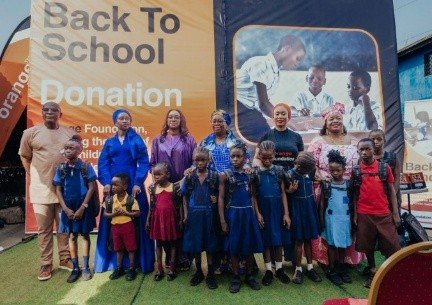
The programme officially began on Friday, 16 January 2026, at the Police Primary School in Kingtom, where 150 disadvantaged pupils received complete learning kits to support their preparations for the academic term. Each child was presented with an Orange Foundation-branded school bag stocked with exercise books, mathematical sets, pens, and pencils; materials described by organizers as essential tools for effective classroom participation and stronger learning outcomes.
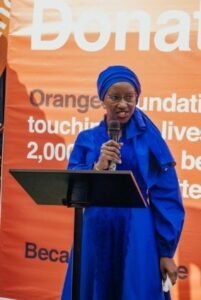
Launching the initiative, the Chief Executive Officer of Orange Sierra Leone, Madam Aicha Toure, said the intervention was meant to motivate children, promote regular school attendance and encourage pupils to stay focused on their studies regardless of their background. She stressed that the Foundation’s commitment goes beyond the distribution of items, emphasizing that education remains one of the strongest foundations for social progress, national development and long-term transformation.
Madam Aicha Toure described the Back-To-School campaign as a lasting promise to children and communities, noting that every child deserves the opportunity to learn without being limited by economic hardship. She encouraged the pupils to value and make good use of the materials provided, describing them as future leaders whose success will shape the direction of Sierra Leone. She also commended parents, teachers and community stakeholders for their continued efforts in safeguarding education, reminding them that every investment in a child’s education is an investment in the nation’s future.
In her remarks, the Director of Orange Foundation Sierra Leone, Madam Annie Wonnie Katta, said the programme reflects the Foundation’s unwavering dedication to improving the lives of vulnerable children through meaningful and sustainable support. She explained that the initiative aligns with the Government of Sierra Leone’s Human Capital Development Agenda, which prioritizes improved education outcomes and expanded opportunities for every child.
Madam Annie Wonnie Katta noted that education remains a key pillar of Orange Foundation’s work, alongside health and culture. She said the organisation continues to widen its support for pupils through donations, digital learning kits and other targeted educational projects that have reached thousands of children nationwide. She disclosed that Orange Foundation’s educational interventions have supported over 30,000 pupils across Sierra Leone, while similar initiatives implemented in 16 African countries have benefited more than 35,000 children.
According to Madam Annie Wonnie Katta, the current campaign will ensure that 2,000 children in Sierra Leone receive school materials this year, including the 150 pupils reached at the Police Primary School in Kingtom. She described the learning kits as “tools of hope” that will reduce pressure on families and help children concentrate fully on their education. She also reaffirmed the Foundation’s readiness to work with partners and institutions to ensure that no child is left behind because of financial hardship.
Delivering the keynote address, the Minister of Basic and Senior Secondary Education, Conrad Sackey, praised Orange Foundation Sierra Leone for supporting the education sector and described the intervention as timely, practical and impactful. He said Sierra Leone is at a critical moment where every child must be guided back into the classroom to avoid exclusion and long-term disadvantage.
Conrad Sackey stressed that keeping children in school is not the responsibility of Government alone but a shared national duty that must involve the private sector, families, communities and development partners. He noted that in many homes the lack of basic learning materials becomes the thin line between education and dropout adding that support such as the Back-To-School drive is essential in sustaining school attendance and restoring hope to families facing hardship.
“Beyond these supplies, I see the future of Sierra Leone in these children,” Conrad Sackey said, as he reaffirmed his Ministry’s commitment to promoting access, equity and equality in education. He commended Orange Sierra Leone and Orange Foundation Sierra Leone for reinforcing the principle that quality education must remain a right for every child, regardless of their circumstances.
The Back-To-School donation programme is expected to continue across other identified schools in Freetown as Orange Foundation Sierra Leone works towards meeting its target of supporting 2,000 vulnerable pupils in the capital this year.
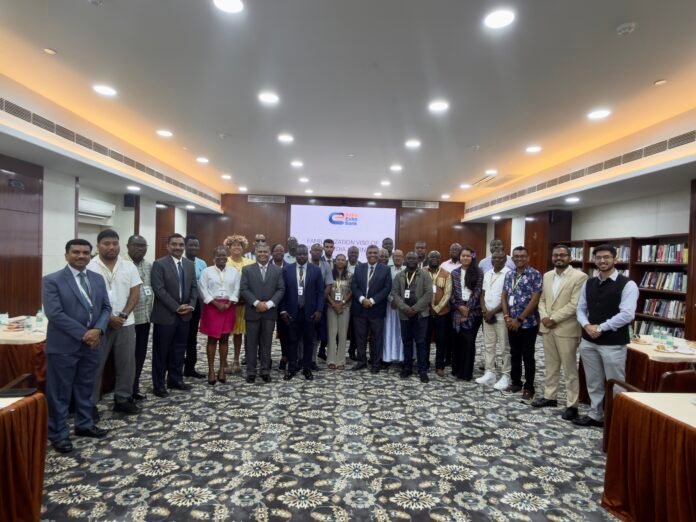
A high-powered delegation of 27 journalists from West Africa, Central Africa and Pacific Oceania on Monday, January 19, 2026, paid a familiarization visit to the Export–Import Bank of India (India Exim Bank) at the Centre One Building, Floor 21, World Trade Centre Complex, Cuffe Parade, Mumbai. The engagement formed part of a structured international media exposure programme designed to strengthen professional knowledge of development finance, international cooperation frameworks and India’s growing partnerships with friendly countries across the Global South.
Hosted under the theme: “Familiarization Visit of Foreign Media Journalists,” the programme brought visiting media professionals into direct engagement with senior officials of India Exim Bank, India’s premier export finance institution supporting trade growth, export promotion, overseas project financing and development cooperation through targeted financial instruments. The visit provided a practical opportunity for delegates to gain deeper insight into how development finance institutions operate and how international partnerships are structured to deliver long-term economic outcomes.
Among the visiting delegation were prominent Sierra Leonean media practitioners, including Alhaji Manika Kamara, President of the Sierra Leone Association of Journalists (SLAJ), Amin Kef Sesay (Ranger), Managing Editor of The Calabash Newspaper and Thomas Dixon, Managing Editor of The New Age Newspaper. The Sierra Leonean representatives joined colleagues from multiple countries across Africa and the Pacific, reflecting the international scope of the programme and the widening role of the media in explaining development cooperation and investment processes to the public.
The session at India Exim Bank featured in-depth presentations by senior bank officials, aimed at strengthening delegates’ understanding of the bank’s mandate, services and global footprint. T. D. Sivakumar, Chief General Manager, provided a broad overview of India Exim Bank’s foundation, institutional role and operational scope, explaining how the institution functions as a specialized export finance bank and a key instrument of India’s external economic engagement.
Kunal Gulati, Chief Manager, delivered a comprehensive presentation detailing the bank’s services, mechanisms and international engagement, highlighting examples of how the bank supports trade development, overseas project financing and strategic partnerships between India and developing countries.
Officials explained that India Exim Bank is India’s leading financial institution dedicated to promoting and financing the country’s international trade and cross-border investment. It was established under the Export-Import Bank of India Act, 1981and commenced operations in March 1982. Headquartered in Mumbai, Maharashtra, the bank is wholly owned by the Government of India and operates as a specialized development finance institution supporting India’s external economic strategy, offering long-term financing solutions and advisory services that conventional commercial banks may not fully provide, particularly for international trade and overseas development projects.
During the engagement, delegates were briefed on India Exim Bank’s core services, including financial assistance and advisory support designed to help Indian businesses expand internationally while enabling partner countries to access concessional credit to implement development priorities. Officials explained that the bank provides a wide range of financing instruments, including export credits through pre-shipment and post-shipment financing, Lines of Credit extended to overseas Governments and financial institutions to support the import of Indian goods and services, project finance for Indian companies implementing overseas projects or establishing export-oriented units, overseas investment finance for Indian equity participation in foreign joint ventures and subsidiaries and tailored SME financing products that enable small and medium enterprises to access international markets.
In addition to financial assistance, the bank also delivers advisory services through market research and trade studies that guide investment decisions, risk management support to mitigate trade-related risks such as political risk, credit risk and non-payment exposure and promotional initiatives including workshops, trade fairs, research publications and competitiveness support programmes. Officials said that combination of financing and advisory interventions is designed to strengthen trade systems while supporting long-term development outcomes in partner countries.
A key focus of the presentations was to demonstrate how development finance operates in real-world settings, especially in emerging economies where infrastructure expansion and public service investment remain pressing priorities. India Exim Bank officials emphasized that financing solutions such as Lines of Credit are often aligned with national development goals, linking capital support to sectors that improve livelihoods and build economic resilience. They highlighted that development finance is not simply about lending but about enabling systems that support sustainable national progress through infrastructure delivery, improved public utilities, trade expansion, investment growth and institutional strengthening.
The presentations further outlined priority sectors supported by India Exim Bank globally, particularly across developing partner countries. Those include agriculture and irrigation, water supply and sanitation systems, energy and power development, transport and infrastructure improvement, telecommunications and ICT expansion, healthcare and pharmaceuticals, education and capacity building and industrial growth and manufacturing development. Officials noted that those sectors remain central to long-term national development because they directly influence citizens’ quality of life and strengthen opportunities for investment, productivity, employment and national competitiveness.
Africa was highlighted as one of the most significant regions for India Exim Bank’s trade and development engagement. Officials explained that the bank has supported projects across the continent through Government-backed Lines of Credit, project export financing and structured development partnerships between India and African states.
In several African countries, Exim Bank-supported interventions have contributed to major improvements in infrastructure, rural electrification, water access, agricultural productivity and technology connectivity. Delegates were also briefed that for countries like Sierra Leone, such interventions have contributed to key areas including agriculture support, water and sanitation development, energy improvements and ICT expansion, strengthening national development priorities.
Beyond the formal presentations, the engagement included direct interactions between delegates and Exim Bank officials, covering issues such as how development projects are selected and prioritized, how financing agreements are structured, how sustainability and long-term viability are ensured, what monitoring and transparency mechanisms exist and how risk is managed within trade and development financing. The programme concluded with a questions-and-answers session that allowed visiting journalists to engage officials directly on areas of policy, financing structure and accountability.
Participants described the visit as a rare and high-impact opportunity to gain direct insight into the workings of a major international finance institution, noting that such exposure strengthens professional capacity to report accurately on bilateral financing arrangements and development cooperation agreements. Observers said the exchange in Mumbai was timely and necessary, reinforcing the need for stronger media literacy on financial institutions, international agreements and the policy processes behind major investments, especially at a time when development partnerships continue to shape economic transformation across Africa and the wider Global South.
Royal Fitness is strengthening its reputation as one of Sierra Leone’s most outstanding wellness destinations, as the facility begins 2026 with expanded programmes, enhanced services and a renewed drive to inspire healthier lifestyles. Located along the Peninsular Highway in Juba, Freetown, the modern gym has continued to attract growing attention for offering an elite fitness experience supported by professional coaching, internationally trusted equipment and an environment built for long-term personal transformation.
With lifestyle diseases, rising stress levels and physical inactivity increasingly becoming public health concerns, Royal Fitness is positioning itself as more than just a workout centre. The gym is steadily presenting fitness as a national lifestyle shift; one that promotes strength, discipline, confidence and improved wellbeing. The facility’s membership base has expanded steadily, with individuals, families and corporate bodies increasingly turning to Royal Fitness for structured training and wellness support.
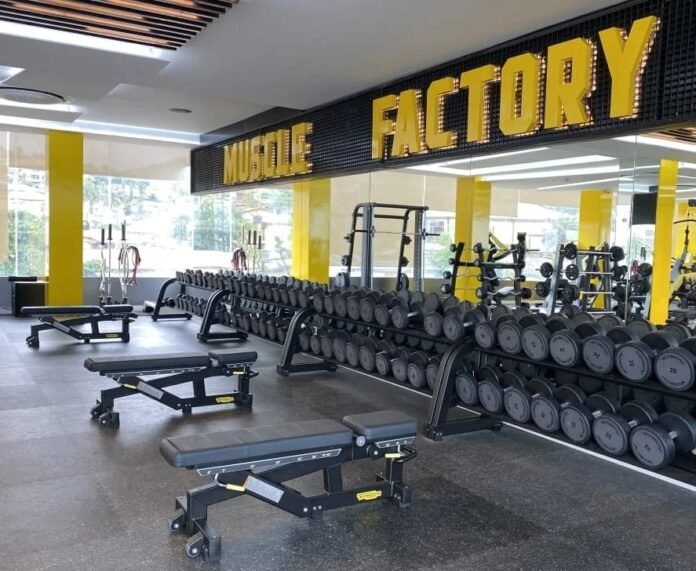
Visitors to Royal Fitness often describe the atmosphere as comparable to high-end fitness centres abroad. The facility has been designed to accommodate different fitness levels, from beginners taking their first steps in physical conditioning to experienced athletes seeking high-performance routines. Its layout features multiple workout zones equipped with advanced cardio systems, weight training stations and specialized spaces for group exercises such as aerobics, stretching and yoga.
Officials of the centre said the institution’s focus goes beyond cosmetic fitness goals, stressing that its primary mission is to help people adopt wellness as a consistent lifestyle.
“Fitness must not be seen as a luxury reserved for a few. It is essential for everyone. Our goal for 2026 is to keep Sierra Leoneans motivated to prioritize their health and begin a new journey of wellness,” a spokesperson noted.
A key factor behind Royal Fitness’ growing influence is its emphasis on expert guidance and strong member support. The gym provides certified trainers who work closely with clients to ensure safe, effective and properly monitored routines. Trainers assist members to develop exercise plans that match their specific targets, including weight loss, muscle building, endurance improvement, body sculpting and athletic conditioning. Management said the centre’s approach ensures clients remain consistent, accountable and protected from avoidable injuries.
In addition to physical training, Royal Fitness has introduced wider lifestyle-focused services designed to boost results and improve overall health outcomes. Members can participate in energetic group sessions such as spinning, Zumba and aerobics, while those seeking more individualized coaching can access personal training packages that address unique fitness needs. The centre has also introduced nutrition and diet counselling to help members balance exercise routines with healthy feeding habits, recognizing that nutrition remains one of the strongest foundations of lasting fitness success.
Royal Fitness has also invested significantly in premium equipment brands that are widely used in elite training environments globally. Among the gym’s standout machines are those manufactured by Technogym, a top Italian brand known for its digitally integrated systems that enable users to track and analyse progress while tailoring sessions for better performance. Technogym is internationally recognized for its association with Olympic-level training and sports standards.
Also featured is Panatta, another leading Italian brand respected for its ergonomic design and strength training equipment that supports natural movement and reduces injury risk. The gym further offers Arsenal Strength, a durable American-made brand popular among professional athletes and elite trainers for its power-focused conditioning systems.
Beyond the machines, Royal Fitness is nurturing a positive fitness culture centred on encouragement, professionalism and transformation. The facility maintains a clean and secure environment, while offering flexible membership options tailored to individuals, families and corporate groups; making premium wellness increasingly accessible to a wider population.
As the year progresses, Royal Fitness continues to project itself as a strong advocate for health consciousness in Sierra Leone, demonstrating that world-class fitness standards can thrive locally when vision, investment and expert service are combined.
For membership and registration inquiries, Royal Fitness can be reached on (090) 001000, reaffirming its commitment to delivering excellence in wellness and treating every client with royal care.
A high-powered delegation of 27 journalists from West Africa, Central Africa and the Pacific Oceania
By Amin Kef (Ranger)
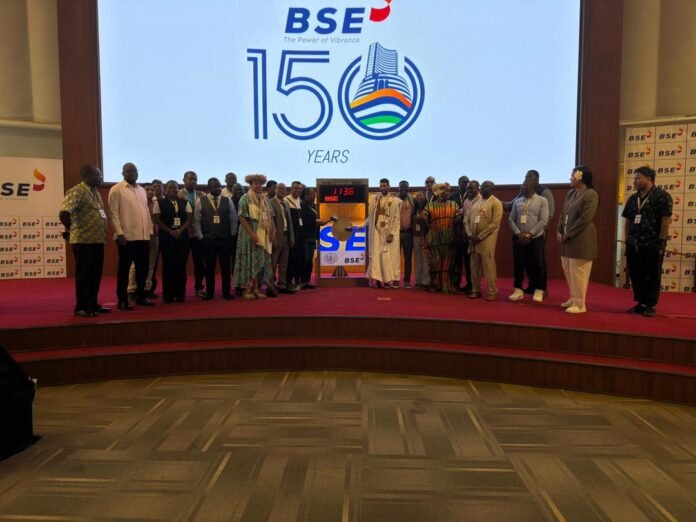
A high-powered delegation of 27 journalists from West Africa, Central Africa and the Pacific Oceania has completed a familiarisation visit to the Bombay Stock Exchange (BSE) on Tuesday, January 20, 2026 in Mumbai, as part of a structured international media exposure programme aimed at strengthening professional understanding of development finance, capital market systems, international cooperation frameworks, and India’s expanding partnerships across the Global South.
The engagement, held at the iconic BSE PJ Towers on Dalal Street, offered the visiting media professionals a rare opportunity to gain direct insight into the operational structure of one of India’s most respected financial institutions and to deepen their understanding of how capital markets contribute to economic growth, investor confidence, transparency and long-term stability.
Participants described the visit as both high-impact and highly informative, emphasising that such first-hand engagements are essential for journalists covering modern economic systems. Many noted that improved knowledge of stock exchange operations and financial regulation is crucial for public-interest reporting in their home countries, where citizens often depend on the media to interpret complex economic policies and development partnerships.
Among the visiting delegation were prominent Sierra Leonean media practitioners, including Alhaji Manika Kamara, President of the Sierra Leone Association of Journalists (SLAJ); Amin Kef Sesay (Ranger), Managing Editor of The Calabash Newspaper; and Thomas Dixon, Managing Editor of The New Age Newspaper. The Sierra Leonean representatives joined colleagues from multiple countries across Africa and the Pacific, reflecting the international scope of the programme and the growing recognition of the media’s role in shaping public understanding of development-focused cooperation.
During the session, Ms. Kamala K., Chief Regulatory Officer at BSE, delivered a detailed presentation explaining how the stock exchange in India operates and the strict regulatory systems that promote market discipline, transparency, accountability and investor protection.
She guided participants through the core processes that drive the exchange, including company listing requirements, trading operations, compliance monitoring, disclosure standards, and the role of regulation in strengthening trust and confidence within the capital market.
Ms. Kamala explained that strong regulatory oversight is fundamental to preventing market manipulation, ensuring accurate and timely information flow, and guaranteeing that listed companies meet governance obligations. She noted that these mechanisms are not only designed to protect investors but also to safeguard the reputation and credibility of the market as a whole.
She further highlighted that the Indian stock market contributes significantly to national economic growth by enabling businesses to raise investment capital, supporting private sector competitiveness, broadening job creation opportunities, and providing citizens with a platform to build wealth through informed investment.
The Bombay Stock Exchange, widely recognised as India’s oldest and one of its largest stock exchanges, serves as a central marketplace where people buy and sell shares of companies across several key sectors such as banking, telecommunications, manufacturing, energy, technology, and pharmaceuticals.
Participants were briefed on the major investment and trading activities carried out on the BSE platform, which include:
Shares (stocks), representing ownership in companies
Bonds and debentures, which are investment instruments used by institutions to raise funds
Mutual funds, offering pooled investment opportunities
Exchange-Traded Funds (ETFs), allowing diversified investment through a single product
Derivatives (futures and options), used for risk management and speculation
SME listings, supporting small and medium enterprises seeking capital
The journalists were also introduced to the meaning and national significance of the BSE Sensex, the exchange’s main market index. The Sensex tracks 30 top companies listed on the BSE and is widely seen as a key indicator of the overall health and direction of India’s stock market.
Officials explained that when the Sensex rises, it generally signals positive performance among major companies, while a decline may indicate market pressure influenced by economic events, global market trends, or investor sentiment.
A major highlight of the engagement was a special corporate communications session led by Mr. Prahlad Salian, Head of Corporate Communications at BSE, who spoke on what he described as the “Power of Vibrance” within India’s capital market ecosystem.
Mr. Salian noted that the “Power of Vibrance” reflects the energy, dynamism and resilience of the Indian market, driven by a combination of innovation, economic diversification, improved technology systems, and expanding investor participation across the country.
He stressed that modern stock exchanges are not only trading centres but also institutions of public trust. According to him, effective corporate communication is not merely about publicity, but about ensuring that accurate market information is accessible, understandable, and transparent to both experienced investors and first-time participants.
He further explained that communication plays a critical role in sustaining confidence during periods of market volatility, global uncertainty, or economic shocks. In such moments, he said, trust becomes the currency of stability, and clear messaging helps investors make informed decisions rather than reacting out of fear.
The session also explored broader issues driving the strength of India’s capital market and its wider economy. Observers highlighted that India’s growth is supported by a combination of factors, including a diverse market structure, a rapidly expanding consumer base, technological advancement, and improving financial inclusion.
Participants were informed that India’s market strength is reinforced by a broad base of domestic investors, increasing mutual fund participation, and a rising number of young investors adopting long-term investment culture.
Key points discussed during the engagement included:
India’s market is diversified across multiple sectors, making it more resilient
A strong technology ecosystem supports modern trading and investor access
Consumer market growth is driving corporate performance and confidence
Domestic investors are increasingly buying and holding local companies
The market has expanded significantly since liberalisation reforms in the 1990s
Millions of unique investors are now actively participating in capital markets
The delegation also discussed India’s digital identity and financial inclusion systems, including Aadhaar, described during the session as a unique identification mechanism that supports banking access, verification, and participation in modern financial services.
The visit featured an interactive question-and-answer segment, allowing participants to examine how India’s exchange system manages complex issues such as investor protection, compliance enforcement, and the relationship between economic growth and market performance.
Several journalists raised critical questions about the influence of domestic investors, mutual fund growth, the rising demographic of young investors, and how India’s market has remained stable despite global uncertainty.
Officials explained that investor confidence is strengthened by a combination of factors, including regulatory discipline, corporate governance expectations, transparency requirements, and technology-based monitoring systems designed to detect suspicious trading behaviour.
The familiarisation visit forms part of broader institutional engagements scheduled for the international media delegation in India, focusing on deepening cooperation, strengthening professional exposure, and improving media capacity to report on development finance and global economic partnerships.
Observers say such engagements reinforce the importance of informed journalism in promoting transparency, strengthening public understanding of international cooperation, and supporting national conversations about investment, economic reforms, and sustainable development.
The journalists expressed appreciation to the organisers for the opportunity and pledged to apply the knowledge gained to improve development-focused reporting that informs citizens, strengthens accountability, and supports responsible public debate across Africa and the Pacific.
As India’s market continues to position itself as a centre of innovation, resilience and global financial relevance, officials say exchanges like the BSE will remain critical not only for securities trading but also for supporting national transformation and expanding economic opportunities.
The start of a new year often brings renewed goals, fresh routines, and a desire to feel more energised after months of work pressure, screen time, and daily stress. As people reset their priorities in January, wellbeing routines that support clarity, balance, and sustained energy are becoming an essential part of how they approach the year ahead.
Research from the American Psychological Association shows that prolonged stress can affect both mental focus and physical vitality, reinforcing the importance of intentional wellness habits as individuals transition into a new year.
A study published by ResearchGate suggests widespread issues with rest. The research found that the prevalence of poor sleep quality among young people (university students) in Africa was high at over 63%. Only 39% of the population surveyed were getting sufficient sleep.
As part of this renewed focus, QNET highlights its Amezcua wellness range, designed to support everyday energy and balance. For nearly two decades, Amezcua has been a core wellness category within QNET, backed by research in global biofield science, a field that explores how subtle energy influences focus, resilience, and overall well-being.
The range includes the Amezcua Bio Disc 3, designed to fit easily into everyday hydration habits, whether placed under a glass of water or in a refrigerator, and the Amezcua Chi Pendant 4, worn around the neck as part of a daily wellness routine. The Amezcua e-Guard X complements the range by supporting personal well-being in environments with increased exposure to digital devices.
Trevor Kuna, Official Spokesperson at QNET, said:
“As people step into a new year, energy and clarity matter more than ever. Simple, consistent wellness habits can help set the tone for the months ahead. Amezcua products are designed to support that daily intention in a practical way.”
Dr Beverly Rubik, biophysicist and member of the QNET Scientific Advisory Board, added: “Energy plays a fundamental role in how we think, feel, and perform. When people support their personal energy balance, they often experience improved clarity, resilience, and overall vitality, which is especially important when establishing new routines at the start of the year.”
This renewed focus on energy and recovery aligns with broader global wellness trends. The Global Wellness Institute notes sustained consumer interest in practices that support daily energy, hydration, and recovery, particularly during periods of lifestyle reset such as the beginning of a new year.
Health experts at Cleveland Clinic also emphasize that intentional rest and recovery routines can help improve sustained energy levels and mental clarity over time.
Customer Voices — Starting the Year Recharged
“Using the Bio Disc 3 with my meals, drinks, and water has made a real difference to how I feel day to day. I feel more balanced and comfortable, and it has become part of my daily routine. It has helped me start the year feeling more energized and steadier.”
— Rosette Lebika, Independent Distributor
For more information about QNET and the Amezcua wellness range, visit: https://www.qnet.net
####
About QNET
QNET is a prominent lifestyle and wellness company that uses a direct selling business model to offer a wide selection of exclusive products that enable individuals to embrace a healthier, more balanced life.
Since 1998, QNET’s innovative products and e-commerce-driven business model have helped build a global community of satisfied customers and microentrepreneurs, who are driven by the mission of RYTHM – Raise Yourself To Help Mankind. Popular product brands offered by QNET include the Bernhard H. Mayer range of luxury watches and jewellery, HomePure range of home care products, the Amezcua wellness range, Physio Radiance personal care range, and QVI branded holiday packages.
QNET proudly holds memberships in the Direct Selling Association in several countries, the Hong Kong Health Food Association, the Health Supplements Industry Association of Singapore, and more.
QNET is also active in several global sports sponsorships including in its role as the official direct selling partner of the Manchester City Football Club and the Confederation of African Football (CAF), underscoring its commitment to excellence and global reach. Discover a world of new possibilities with QNET by visiting www.qnet.net.
India Exim Bank Hosts 27 Journalists from West & Central Africa and Pacific Oceania
By Amin Kef (Ranger)
A high-powered delegation of 27 journalists from West Africa, Central Africa and Pacific Oceania on Monday, January 19, 2026, paid a familiarization visit to the Export-Import Bank of India (India Exim Bank) at the Centre One Building, Floor 21, World Trade Centre Complex, Cuffe Parade, Mumbai. The engagement formed part of a structured international media exposure programme designed to strengthen professional knowledge of development finance, international cooperation frameworks, and India’s growing partnerships with friendly countries across the Global South.
Hosted under the theme “Familiarization Visit of Foreign Media Journalists,” the programme brought visiting media professionals into direct engagement with senior officials of India Exim Bank—India’s premier export finance institution that supports trade growth, export promotion, overseas project financing, and development cooperation through targeted financial instruments.
Participants described the visit as a rare and high-impact opportunity for journalists to gain direct insight into the operations of a major international finance institution and better interpret complex economic and policy frameworks for public-interest reporting in their home countries.
Among the visiting delegation were prominent Sierra Leonean media practitioners, including Alhaji Manika Kamara, President of the Sierra Leone Association of Journalists (SLAJ); Amin Kef Sesay (Ranger), Managing Editor of The Calabash Newspaper; and Thomas Dixon, Managing Editor of The New Age Newspaper.
The Sierra Leonean representatives joined colleagues from multiple countries across Africa and the Pacific, reflecting the international scope of the programme and the growing recognition of the media’s role in shaping public understanding of development-oriented partnerships.
During the interactions, delegates noted that the exposure tour was strategically significant, particularly for journalists reporting on governance, development, infrastructure, and international relations. They emphasised that understanding development finance institutions is essential for accurate and balanced reportage on projects funded through bilateral credit facilities and international cooperation agreements.
T D Sivakumar, Chief General Manager and Kunal Gulati, Chief Manager
The session at India Exim Bank featured in-depth presentations by senior bank officials.
T. D. Sivakumar, Chief General Manager, provided an overview of India Exim Bank’s foundation, mandate, and operational scope. His presentation offered a broad explanation of how the institution functions as a specialised export finance bank and an important instrument of India’s global economic engagement.
Kunal Gulati, Chief Manager, delivered a comprehensive presentation on the bank’s services and global footprint, highlighting practical examples of how India Exim Bank supports trade development, project financing, and long-term partnerships between India and developing countries.
Their presentations helped visiting journalists understand the bank’s mechanisms for supporting trade and development—particularly through credit systems and structured financing arrangements that facilitate sustainable investments in partner countries.
India Exim Bank is India’s leading financial institution dedicated to promoting and financing the country’s international trade and cross-border investment. It was established under the Export-Import Bank of India Act, 1981, and commenced operations in March 1982.
Headquartered in Mumbai, Maharashtra, the bank is wholly owned by the Government of India and operates as a specialised development finance institution supporting India’s external economic strategy. Its creation responded to the need for a dedicated institution capable of providing long-term financing solutions and advisory services that conventional commercial banks may not fully provide—especially for international trade and overseas project development.
During the engagement, the journalists were briefed on India Exim Bank’s core services, including financial assistance and advisory support designed to help Indian businesses expand internationally while enabling partner countries to access concessional credit for development.
Officials explained that the bank provides a wide range of financing tools, including:
Export Credits, including both pre-shipment and post-shipment financing for exporters
Lines of Credit (LoCs) extended to overseas governments and financial institutions to facilitate imports of Indian goods and services
Project Finance for Indian companies executing overseas projects or setting up export-oriented units
Overseas Investment Finance to support Indian equity investments in foreign joint ventures and wholly owned subsidiaries
SME Financing, with tailored products and advisory support for small and medium enterprises to access international markets
In addition to financial support, India Exim Bank plays a strong advisory role through:
Market research and trade studies that assist businesses and policymakers to identify opportunities
Risk management services to mitigate trade-related risks such as political risk, credit risk, and non-payment exposure
Promotional initiatives, including workshops, trade fairs, research publications, and competitiveness support programmes
A major focus of the programme was strengthening journalists’ understanding of how development finance operates in real-world settings—especially in emerging economies where infrastructure expansion and public service investment remain pressing priorities.
India Exim Bank officials emphasised that financing solutions such as Lines of Credit are often structured around national development goals, linking capital support to areas that improve livelihoods and build long-term economic resilience.
Journalists were introduced to how Exim Bank’s interventions contribute to economic growth through:
Trade finance and export support
Structured project export financing
Advisory services for investment promotion
Development cooperation tools that support priority sectors
Officials highlighted that development finance is not simply about lending, but about enabling systems that lead to sustainable national progress through infrastructure, access to services, trade expansion, and institutional strengthening.
The presentations outlined key sectors that India Exim Bank supports globally, particularly in developing partner countries. These include:
Agriculture and irrigation
Water supply and sanitation systems
Energy and power development
Transport and infrastructure improvement
Telecommunications and ICT expansion
Healthcare and pharmaceuticals
Education and capacity building
Industrial growth and manufacturing development
These areas were described as essential pillars of long-term national development because they directly shape citizens’ quality of life and expand opportunities for trade, investment, and employment.
Delegates noted that for African and Pacific nations, such development-focused financing arrangements can make a significant difference by helping governments and institutions build and expand services in underserved communities.
A key highlight of the engagement was the emphasis placed on India’s long-standing commitment to South–South cooperation, where development support is framed around partnership, shared priorities, and mutual benefit.
Officials explained that India Exim Bank plays a strategic role in India’s economic diplomacy by supporting development projects across Africa, Asia, Latin America, and the Pacific, with financing arrangements that encourage trade relations and strengthen long-term collaboration.
For the visiting journalists, the engagement offered a clearer connection between international policy frameworks and the realities of development on the ground—showing how financing cooperation can translate into improved public utilities, increased trade opportunities, and wider economic transformation in partner nations.
Africa was highlighted as one of the most significant regions for India Exim Bank’s trade and development engagement. The bank has supported many projects across the continent through:
Government-backed Lines of Credit
Project export financing
Development partnerships between India and African states
In several African countries, Exim Bank-backed projects have supported national infrastructure, expanded rural electrification, improved water access, increased agricultural productivity, and strengthened technology connectivity.
For countries like Sierra Leone, such financing interventions have contributed to key sectors including agriculture support, water and sanitation development, energy improvements, and ICT expansion—strengthening long-term development goals.
Beyond technical presentations, the programme was marked by strong interaction between the visiting journalists and Exim Bank officials. Delegates engaged the officials on issues such as:
How development projects are selected and prioritised
How financing agreements are structured
Sustainability and long-term project viability
Accountability, transparency, and monitoring mechanisms
Risk management in trade and development financing
The interactive session concluded with a lively questions-and-answers segment that participants described as one of the most valuable moments of the visit, allowing journalists to clarify concepts and deepen their understanding through direct engagement.
Observers said the exchange was timely and necessary at a time when global development discussions increasingly demand stronger media literacy on financial institutions, international agreements, and the policy processes behind major investments.
The visit also reflected a growing international recognition that journalists play a major role in ensuring public understanding of development finance initiatives. As international partnerships expand and new infrastructure projects emerge, accurate reporting becomes essential for:
Public accountability
Citizen awareness and engagement
Informed national dialogue
Strengthening transparency around international agreements
Organisers of the programme said the exposure tour was designed to improve the depth and quality of media reporting on development finance while helping foreign journalists understand India’s institutional approach to global cooperation.
The delegation’s presence in Mumbai also reflected the broader importance of people-to-people engagement as a pillar of diplomacy—bringing journalists closer to the institutions shaping development outcomes across regions.
The Mumbai engagement formed part of a wider familiarization tour designed to expose foreign journalists to India’s major institutions, development strategy, and policy priorities. Delegates are expected to return to their home countries with improved insight, stronger professional capacity, and renewed ability to report on international cooperation with balance, clarity, and accuracy.
For many participants, the India Exim Bank session was more than a formal institutional engagement—it was a practical learning opportunity that revealed how development funding influences national projects and impacts everyday lives.
The visit ended with renewed appreciation from the delegation for India’s openness in promoting international engagement and institutional learning. Many participants described the programme as a valuable platform for professional growth and international understanding.
As development partnerships continue to influence economic transformation across Africa and the wider Global South, institutional engagements such as the India Exim Bank familiarization visit remain important in strengthening cooperation, improving information exchange, and supporting responsible journalism that advances informed public discourse.
The Export–Import Bank of India (India Exim Bank) was widely described during the engagement as a key pillar in India’s financial system—supporting exports, promoting trade competitiveness, and expanding development cooperation through strategic financing instruments, advisory services, and long-term partnerships.
Minister of Employment, Mohamed Rahman Swaray Labour and Social Security,
The Government of Sierra Leone, through the Ministry of Employment, Labour and Social Security and the Sierra Leone Immigration Department, has announced a new nationwide permit replacement process targeting all non-citizens currently holding valid residence and work permits.
In a Press Release issued in Freetown on Thursday, 16th January 2026, authorities informed all foreign nationals living and working in Sierra Leone that they are now required to submit their existing valid Residence and Work Permit documents for replacement with newly introduced Biometric Residence and Work Permit Cards.
According to the statement, the replacement exercise is expected to be completed within forty-five (45) days and will be carried out at no cost to the applicants.
“This replacement initiative forms part of ongoing measures to improve the security, integrity and effective harmonization of data relating to Resident and Work permits,” the release stated.
Government officials explained that the introduction of biometric permits is part of a broader modernization drive aimed at strengthening immigration management and labour regulation. The Biometric Residence and Work Permit Cards are expected to improve efficiency in tracking legal residency and employment status, while also supporting national efforts to enhance data accuracy and reduce vulnerabilities associated with paper-based systems.
The Press Release further clarified that all holders of valid permits must submit their current Residence and Work Permits along with proof of payments within the stated period. The deadline for compliance has been set for on or before 1st March 2026.
Authorities stressed that foreign nationals should treat the notice as urgent and comply within the timeframe to avoid challenges in validating their legal status in the country.
To ensure easy access for applicants, the Ministry and Immigration Department outlined both physical and online options for submissions.
For those submitting in person, applicants are expected to visit either:
The Ministry of Employment, Labour and Social Security – Work Permit Office located at New England Ville, Freetown, or
The Sierra Leone Immigration Department – Residence Permit Office, located at 14 Gloucester Street, 4th Floor, Freetown.
The release noted that applicants submitting online must ensure they upload their current permits and proof of payment as part of the submission process.
In addition, the public has been encouraged to call the official help line for clarification and assistance. The listed call centre contact is +232 30 300003.
The biometric permit replacement process is expected to enhance national immigration compliance and data coordination between relevant Government institutions. Observers say it may also support stronger labour monitoring and improved regulation of foreign employment in Sierra Leone.
The Ministry of Employment, Labour and Social Security and the Sierra Leone Immigration Department called on all affected non-citizens to cooperate fully, emphasizing that the move is intended to strengthen national systems while maintaining a transparent and accessible process for foreign residents and workers.
The Government has not indicated any extension beyond the stated deadline, urging applicants to complete the replacement process early to avoid last-minute congestion and delays.
Sierra Leone’s political landscape since 2007 has been shaped by two opposing models of presidential power. Ernest Bai Koroma constructed a system of highly centralized, personalized control, a style that earned him the label of a “democratic dictator” formally legitimate yet intensely autocratic. In contrast, his successor, Julius Maada Bio, operates a visibly fragmented power structure, sharing authority among party barons, technocrats and family. This has led many to question whether he is truly in charge of his own Government. Their distinct approaches have deeply influenced their parties, governance and the nation’s trajectory.
The core difference lies in their execution of power. Ernest Bai Koroma’s leadership was defined by a vertical integration of authority. A former insurance executive, he ruled with a CEO’s top-down mindset, systematically neutralizing opposition to ensure the All Peoples Congress (APC) became an extension of his personal authority. His message, witnessed in the Bai Bureh Hall in Port Loko in 2017, was clear; ministerial power was a direct grant from him. This created strict party discipline but fostered dependency and stifled dissent.
President Julius Maada Bio, a former military brigadier who surprisingly championed a return to democracy, employs a horizontal, coalitional style. Power is distributed among figures like former party chairman Prince Alex Harding, technocrats like Chief Minister David Sengeh and even the First Lady, Fatima Maada Bio, who each wield significant autonomous influence. While this can be more inclusive, it fuels perceptions of a weak central authority and internal competition, often making the Government appear disjointed and slow to act.
Their leadership styles have created dramatically different party cultures. Under Ernest Bai Koroma, the APC became an efficient machine of loyalty, where personal allegiance was the primary currency. He created a potent, election-winning force, but this hollowed out the party’s institutional depth. His influence remains potent, as seen in his decisive role in handpicking Samura Kamara as the party’s 2018 flagbearer, proving the APC’s internal democracy is still subject to his shadow.
In contrast, Julius Maada Bio’s Sierra Leone People’s Party (SLPP) operates as a competitive coalition of interests. Factions maintain notable autonomy, which allows for broader representation but often erupts into public factionalism and policy inconsistency. This model risks fragmentation and internal sabotage, as different power centers champion conflicting agendas, weakening the party’s cohesive narrative and electoral appeal.
Their philosophical differences translated into distinct policy legacies. Ernest Bai Koroma’s centralized authority enabled a focus on large-scale infrastructure, roads, energy and state rebuilding. Proponents credit this with making Sierra Leone one of Africa’s fastest-growing economies before the Ebola crisis. However, this centralized control also concentrated opportunities, fueling widespread allegations of corruption and crony capitalism.
Maada Bio’s administration has prioritized human capital development, notably through the Free Quality School Education program. This reflects a more social-democratic, distributive agenda. However, governing by coalition has struggled with economic turbulence, including protests over the cost of living. The diffuse power structure also complicates accountability; when multiple figures like the Chief Minister or First Lady hold sway, it becomes difficult for citizens to assign clear credit or blame to the presidency itself.
The Koroma-Bio dichotomy presents Sierra Leone with a core political dilemma. Koroma’s model delivered clarity, stability and tangible projects but at the cost of stifling internal democracy and encouraging authoritarian tendencies. Bio’s model offers a more pluralistic and participatory form of power but battles perceptions of weakness, inefficiency and internal conflict.
Neither model has successfully married effective governance with robust democratic deepening. Koroma’s strongman legacy is now under severe stress with his recent treason charges, which threaten to overshadow his achievements. Meanwhile, Bio’s experiment in shared governance faces its ultimate test amid economic hardship and the approaching 2028 elections. The future of Sierra Leone’s democracy may depend on a synthesis, a leader who can provide decisive direction without monopolizing power, building institutions robust enough to outlast any single individual. The nation’s path forward lies in navigating between the perils of over-concentrated authority and the chaos of power that is too widely diffused.
The National Civil Registration Authority, in collaboration with the International Organization for Migration, has announced that it will issue National Identity Cards and birth certificates to Sierra Leoneans who travelled out of the country and later returned through the Migration Protection, Return and Reintegration Programme for Sub-Saharan Africa.
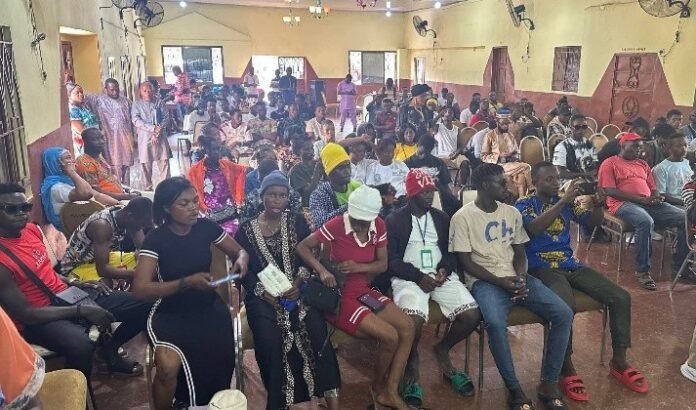
That disclosure was made on Friday, 16 January 2026, at the Scout Hall in New England Ville, Freetown, where officials revealed that 700 National Identity Cards and approximately 300 birth certificates will be provided to returnees as part of efforts to restore their legal identity and strengthen their reintegration process.
Funded by the European Union, the initiative forms part of a broader programme designed to support returning migrants through skills development, entrepreneurship training and access to employment opportunities. The project aims to promote sustainable reintegration by ensuring returnees are equipped with market-driven skills while also providing the legal documentation required for full participation in national life.
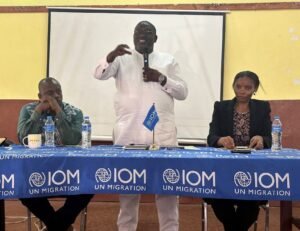
Speaking at the event, Director General of the National Civil Registration Authority, Mohamed M. Massaquoi, said the Government has a responsibility to identify, protect and care for Sierra Leonean citizens wherever they may be. He commended the International Organization for Migration for its continued support in facilitating safe return and reintegration for migrants, adding that Sierra Leone’s legal framework has evolved in a way that makes it increasingly necessary for every citizen to possess basic legal documents such as a National Identity Card and a birth certificate.
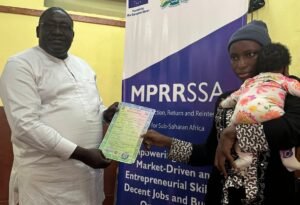
Mohamed M. Massaquoi stressed that national identification is essential not only for national security but also for the personal protection of citizens. He disclosed that 292 identity cards will be issued to returnees, as the first batch, free of charge. He also revealed that birth certificates are being provided for children of returnees who previously lacked documentation, noting that 85 certificates are currently available. He encouraged beneficiaries to make responsible use of the opportunity, describing the intervention as a critical step toward rebuilding lives and restoring full civic recognition.
International Organization for Migration Officer in Charge, Dr. Pauline Macharia, explained that the programme is structured to support returning migrants and ensure their sustainable reintegration into society. She said the organization has maintained continuous engagement with migrants before and after their return by providing protection services, documentation support and reintegration assistance. While acknowledging that migration is not necessarily negative, Dr. Pauline Macharia emphasized the need for safe and regular migration pathways, warning that irregular movement often exposes migrants to serious risks and undermines their chances of rebuilding stable livelihoods.
Deputy Commissioner of the National Youth Commission, Emerson Kamara, praised the collaboration between the International Organization for Migration and the National Civil Registration Authority, describing it as an important intervention that restores dignity and strengthens the sense of belonging for those who have returned home. He said providing National Identity Cards to returnees is not just a bureaucratic process but a meaningful step that reconnects individuals to the state and the opportunities they deserve.
Emerson Kamara cautioned that unsafe and irregular migration makes reintegration more difficult and called for stronger engagement with returnees to help them regain stability and rebuild their lives. He reaffirmed the National Youth Commission’s readiness to play its role in the partnership and urged a shift in the migration narrative toward safe and legal pathways, supported by expanded opportunities for young people in Sierra Leone.
Beneficiaries also shared personal accounts of hardship and survival, offering a human perspective to the programme’s importance. Joseph Moyeba recounted travelling through Niger under extremely difficult conditions and expressed gratitude to the International Organization for Migration and the National Civil Registration Authority for assisting him to obtain a National Identity Card. He advised young people to focus on opportunities within Sierra Leone and avoid risky journeys, especially those undertaken without proper travel documents.
Mariatu Kamara narrated her experience in Nigeria and her unsuccessful attempts to cross into Tunisia, which she said ended in arrest and deportation. She welcomed the issuance of her National Identity Card and warned young people against irregular migration, describing the journey as dangerous, unpredictable and filled with uncertainty.
Participants at the ceremony expressed satisfaction with the programme, noting that the intervention has eased access to legal documentation for returnees and their children. Many described the issuance of National Identity Cards and birth certificates as a crucial step that will strengthen returnees’ long-term reintegration and help them regain full access to services and opportunities across Sierra Leone.