
Home Blog Page 102

Orange SL Expands Network Coverage with New Site Launch in Mathonkra, Tonkolili District

Orange SL cutting ribbon during the launch of new site in Tonkolili District

By Foday Moriba Conteh

In a bold move toward bridging Sierra Leone’s digital divide, Orange Sierra Leone on Friday, 31st October 2025, commissioned a new network site in Mathonkra, Tene Chiefdom, Tonkolili District, a region that had long struggled with poor communication access. The launch stands as a powerful testament to the company’s continued commitment to digital inclusion, rural connectivity and national development.

Despite difficult terrain and poor road infrastructure, Orange Sierra Leone’s Chief Executive Officer, Sekou Amadou Bah, led his team through the challenging route to personally oversee the commissioning. His presence in Mathonkra underscored the company’s resolve to connect even the most remote communities to reliable and high-speed mobile services.

Welcoming the guests, the Paramount Chief of Tene Chiefdom praised Orange Sierra Leone for being the first telecommunications company to bring reliable connectivity to the area. He recalled the hardship residents faced, often walking miles or climbing hills just to make phone calls.

“This is a day of joy for the people of Mathonkra and the entire Tene Chiefdom,” he declared. “For too long, we lived in silence unable to communicate with our loved ones or conduct business. Today, Orange has brought us closer to the rest of the country.”

The Chief described the new site as a transformative development that would boost access to education, healthcare and livelihood opportunities. He also called on residents to protect the site from vandalism and ensure it remains a community asset for generations to come.

Also addressing the gathering, Hon. Daniel Fornah, Member of Parliament for Tonkolili District, lauded Orange Sierra Leone for prioritizing inclusivity in its service delivery. Drawing on his 18 years of experience in the telecommunications industry, Hon. Daniel Fornah described the project as “a remarkable step in breaking the long-standing digital isolation of Tonkolili.”

“For many years, companies viewed Tonkolili as unviable for telecommunications investment,” he said. “Today, Orange has proven that narrative wrong.”

He explained that the site’s launch would not only connect communities but also serve as a catalyst for economic growth and employment creation. “Connectivity expands opportunity; it empowers businesses, strengthens education and improves health outcomes,” he noted.

The MP further commended the Minister of Communication, Technology and Innovation, Madam Salima Bah, for her visionary leadership in steering national ICT expansion. He reaffirmed his commitment to support initiatives that promote digital inclusion across Tonkolili District and beyond.

In his remarks, CEO Sekou Amadou Bah described the launch as “a major milestone in Orange’s journey to connect and empower every community across Sierra Leone.”

He thanked the Government of Sierra Leone, the National Telecommunications Authority (NaTCA) and the Ministry of Communications, Technology and Innovation for their steadfast support in implementing the company’s deep-rural network expansion strategy.

“This launch is more than an expansion of our mobile network; it is about creating access: access to education, business opportunities and a better quality of life for all,” Sekou Amadou Bah said.

According to the CEO, the new network site will provide faster internet speeds and stronger connectivity to thousands across Tonkolili, including areas such as Magburaka, Bumbuna, Mile 91 and Yele. He emphasized that digital connectivity empowers youth, facilitates financial inclusion and drives innovation and entrepreneurship.

Highlighting the company’s progress, Sekou Amadou Bah revealed that Orange Sierra Leone operates over 616 sites nationwide, 70% of which are powered by green energy solutions in line with Orange Group’s global net-zero carbon emissions goal by 2040.

“In 2025 alone, we have built 40 new sites,” he disclosed. “We’ve invested over US$50 million to modernize our network, ensuring all sites are 4G-enabled and 5G-ready. This is a testament to our confidence in Sierra Leone’s digital future.”

He reaffirmed Orange’s position as a development partner committed to supporting Government efforts to build a connected, inclusive and sustainable economy.

“Together, we are building more than a network; we are building bridges of opportunity that connect people and communities,” Sekou Amadou Bah maintain.

In his closing remarks, CEO Sekou Amadou Bah extended appreciation to the people of Tonkolili for their warm reception and partnership.

“Long live the people of Tonkolili District, and long live our beloved Sierra Leone. Una tenki!” he declared, drawing loud applause from the crowd.

Delivering the keynote address, Madam Salima Bah, Minister of Communication, Technology and Innovation, reiterated the Government’s unwavering commitment to expanding digital access nationwide. She emphasized that communication is no longer a privilege, but a basic human right, essential to education, innovation and development.

“Connectivity should not be for a few privileged people in urban areas,” Minister Salima Bah stated. “Every Sierra Leonean, regardless of location or income, deserves the right to communicate and access information.”

She applauded the local leadership of Mathonkra for supporting the project and urged communities to take ownership of the new infrastructure.

“This site is a major investment worth thousands of dollars,” she said. “If you protect it, the company will reinvest and expand more. When they profit, they pay taxes and create jobs; that’s how national growth happens.”

Minister Salima Bah linked the initiative to President Julius Maada Bio’s digital inclusion agenda, launched in 2018, which seeks to ensure that every chiefdom in Sierra Leone has reliable mobile and internet access.

“This Government believes that communication drives education, business and development,” she noted. “When our people are connected, our nation moves forward.”

The Minister highlighted that the launch represents a long-term investment in human capital; improving access to online education, e-health services and digital finance for residents. She also announced that her Ministry plans to expand such projects, including ICT training, digital literacy programs and the installation of technology-equipped schools and health centers in underserved communities.

“Mathonkra is just the beginning,” she added. “We will continue to partner with the private sector to ensure that no community is left behind in the digital revolution.”

The event, which drew a large turnout of community elders, youth groups, local leaders and company officials, was filled with excitement and hope. Residents expressed gratitude for the life-changing project, describing it as a step toward inclusion and modernization.

The ceremony culminated in the official activation of the new network site, symbolizing the start of a new era for Mathonkra and the surrounding areas.

THE ECOWAS Regional Railway Masterplan

Ing. Dr. Albert Forde, Director-General, Sierra Leone Railways Development and Regulatory Authority (SLRDRA)

By Ing. Dr. Albert Forde, Director-General, Sierra Leone Railways Development and Regulatory Authority (SLRDRA)

The first article of my railway series provided an in-depth background on the development and closure of our former national railway infrastructure. The second article provided a justification why Sierra Leone needs a national railway system. It also highlighted the strategic relevance and urgency, and some of the expected benefits of a national railway system, particularly in the agriculture sector. For instance, the article highlighted the relevance of a national railway system in the implementation of the “Feed Salone” strategy, through the efficient and reliable transport of agricultural products from farms to domestic and international markets. This, the article highlighted, would facilitate trade between Sierra Leone and its neighboring countries, Guinea and Liberia. And it is in this spirit of facilitating trade and transport of people between member states that the ECOWAS has developed the Regional Infrastructure Masterplan, which includes a regional railway masterplan. The railway network of the ECOWAS regional infrastructure masterplan is shown in the map. The key aim of the regional railway masterplan is to link all capital cities of member states by rail. This article, therefore, provides a detailed information on the regional railway masterplan, including the factors contributing to the lack of development of railways in the region.

The ECOWAS Commission, in the past decade, has worked closely with Member States in the development of roadmaps to guide the evolution of the railway sector. In this regard, the ECOWAS railway master plan was published in 2016. The plan provides a basis for the railway sectorial plan of the ECOWAS Regional Infrastructure Master Plan that was validated by Heads of States and Governments in December of 2021. The plan proposes an integrated network that doubles the existing capacity from 10,188 km to approximately 21,610 km. A key benefit of a fully implemented regional railway masterplan is that it will ensure access to landlocked countries and inland areas, thereby unlocking productivity by providing access to a reliable integrated transport system. According to the regional railway masterplan, the Dakar-Bamako and Abidjan-Ouagadougou rail corridors are projected to require a capacity increase from 10 million to over 20 million metric tonnes by 2040. It is stated that this level of traffic would justify the construction of a modern railway or the complete and total rehabilitation of all the existing tracks. It is further stated that new rail connections will be required by new ports as well as by major port expansions. The corridors where this approach is most applicable are the Lomé-Ouagadougou-Niamey, Abidjan-Ouagadougou and Tema -Ouagadougou corridors.

A 2016 railway study completed by the ECOWAS PPDU( Project Preparation and Development Unit) brought to attention the fact that the only existing regional connections that remained were the Dakar – Bamako (formerly transrail), and the Abidjan – Ouagadougou – Kaya link (Sitarail), which is a part of the Boucle Ferroviaire linking to the 1,542km Cotonou – Niamey – Ouagadougou rail line. Other operational lines identified include, national connections of Guinea Conakry – Kankan (650km), Liberia’s Buchanan – Sanniquellie (240km), Ghana’s Tema – Kumasi/Tarkwa (600km), Togo’s Lomé – Blitta (267km), and Nigeria’s Lagos – Kano (1343km). The combined effect of deteriorating or absent regional railway infrastructure and interconnections among Member States has been identified as a structural impediment to the free movement of people and goods, hobbling the economic resilience and productivity of the region, as well as contributing to the abysmal operational performance of railways in Africa. The railway study, therefore, recommended the facilitation of regular discussions among railway experts drawn from Member States and the ECOWAS Commission to iron out long-term harmonization of regulatory issues and align regulatory, technical, and operational standards to minimize the potential of the development of a rail network that lacks interoperability.

In addition, the lack of uniform standards is considered a significant challenge in the region; as the metric gauge lines are mostly used in French countries, while the cape and standard gauge are predominant in English speaking countries. Another structural factor contributing to the lack of development of railways in the region is the overwhelming focus of national transport sector plans on road transport infrastructure alone. A key reason cited as evidence is that roads can be easily constructed, operated, and maintained. Rail transport infrastructure, on the other hand, requires careful planning, hands-on operation, and maintenance. It should be noted that while investments in road transport are crucial, overall, a multi-modal transport system offers far reaching benefits that cannot be met by road transport exclusively. Therefore, ECOWAS transport policy makers have the responsibility to ensure a systematic development of all transport modes including railway, river, and air transport to support regional commerce and integration.

To conclude, while railway connections within the ECOWAS sub-region are underdeveloped, there are several ongoing regional and national projects to develop modernized and interconnected networks, with the aim of linking landlocked countries to seaports, such as the Ghana(Tema)-Burkina Faso(Ouagadougou) railway. There are other projects being planned to create an extensive network across member states. The focus of these initiatives is to create jobs, improve connectivity for trade and transport of people, and to enhance economic integration within the ECOWAS sub-region. To ensure our national railway masterplan aligns with the ECOWAS regional railway masterplan, there are proposed lines that connect Freetown to both Conakry and Monrovia; and proposed lines to Bamako(Mali) from the Port of Freetown and a proposed port at Sulima, in the Southern region. Furthermore, our railway regulatory and operational framework will be developed to align with the regional frameworks.

Africell’s Docuseries Shortlisted for Prestigious Indielab Innovation Awards

Woman posing with a suitcase in Freetown

Africell’s original docuseries, One Week in…with Pelumi Nubi, has been shortlisted in the ‘Branded Entertainment’ category at the Indielab Innovation Awards 2025, receiving international recognition for its innovative approach to media and storytelling.

Based in London, the Indielab Innovation Awards is a highly respected event in the creative industry that celebrates excellence across television, film, and digital media. The Branded Entertainment category specifically honors companies that leverage storytelling to enhance brand identity and forge meaningful connections with audiences.

This nomination, alongside the work of renowned documentarian Louis TherIndielab Innovation Awards 2025oux, underscores Africell’s emergence not only as a leading telecommunications provider in Africa but also as a bold creator of original African content.

One Week in…with Pelumi Nubi follows adventurer and travel content creator Pelumi Nubi as she immerses herself in the culture and daily life of Sierra Leone and The Gambia. Through her journey, viewers are introduced to the warmth, creativity, and resilience that characterize both countries, highlighting their potential as emerging tourism destinations.

Africell Sierra Leone’s Chief Executive Officer, Mr. Shadi Gerjewi, expressed pride in the nomination, stating, “This recognition reflects our commitment to using creativity to tell authentic African stories. Being shortlisted at the Indielab Innovation Awards is a testament to Africell’s willingness to take creative risks. We aim to present African narratives in fresh and engaging ways, distinguishing ourselves from competitors who often play it safe.”

Mr. Gerjewi pointed out that Africell’s previous projects, such as You Sabi Salone, align with this vision of promoting Sierra Leone’s image on the global stage through innovative storytelling. “This nomination demonstrates that our approach resonates with audiences and industry peers alike. It shows that with creativity and imagination, African stories can inspire the world,” he added.

Hon. Nabeela Tunis, Minister of Tourism and Cultural Affairs, congratulated Africell and Pelumi Nubi, describing the nomination as “a celebration of hope and renewal” and a testament to Sierra Leone’s cultural and creative growth. “Pelumi’s documentary serves as a visual testament to Sierra Leone’s cultural vibrancy and resilience, beautifully aligning with the 2025 national theme ‘The Year of Ecotourism: Connecting Culture, Conservation, and Communities,’” she stated.

The Minister commended Africell for its significant contributions to the arts and tourism industries, noting the company’s role as a valuable partner in rebranding Sierra Leone’s international image. “On behalf of His Excellency the President, I extend heartfelt gratitude to Africell and Pelumi for showcasing the vibrant spirit of Sierra Leone. This creative collaboration helps the world see our country in a new light,” she remarked.

Africell continues to invest in creative storytelling, local content development, and cultural promotion, supporting national efforts to attract visitors and investment through positive global exposure.

The winners of the Indielab Innovation Awards 2025 will be announced in London on November 13. Regardless of the outcome, Africell’s nomination, alongside Grammar Productions, marks a significant milestone for Sierra Leone’s tourism and creative industries, affirming the company’s dedication to connecting people, cultures, and communities through technology and storytelling.

Vice President Lauds President Bio’s Strong Political Will to End Sierra Leone’s Kush Crisis

Vice President, Dr. Mohamed Juldeh Jalloh

By Amin Kef (Ranger)

Sierra Leone’s Vice President, Dr. Mohamed Juldeh Jalloh, has reaffirmed the Government’s unwavering commitment to eradicating the growing threat of drug and substance abuse in the country, particularly the widespread consumption of Kush a synthetic and highly addictive drug wreaking havoc among the youth.

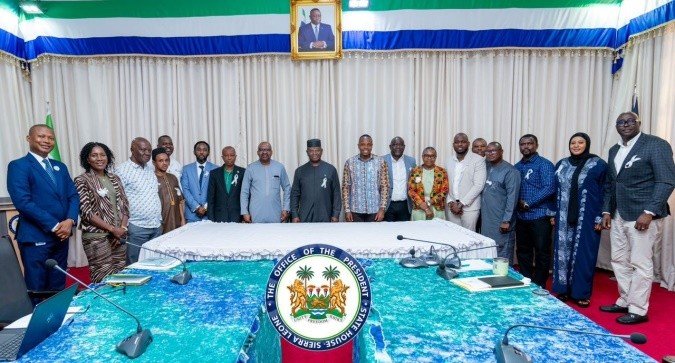
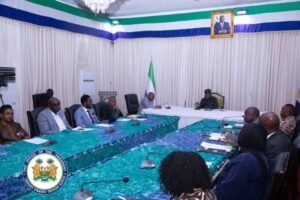
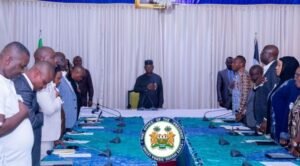
Speaking during a high-level stakeholders’ meeting held on Thursday, 30th October 2025, at State House in Freetown, the Vice President described the Kush epidemic as “one of the gravest threats to Sierra Leone’s social stability, public health, and national security.” The meeting, chaired by His Excellency President Dr. Julius Maada Bio, was convened to review the one-year progress report of the National Taskforce on Drug and Substance Abuse.

Addressing ministers, security chiefs, justice sector leaders, and representatives from civil society, Dr. Juldeh Jalloh emphasized that the country’s collective response must now enter a more decisive phase. “Our efforts so far, coupled with the challenges ahead, should deepen our resolve against the scourge of Kush and all forms of drug and substance abuse,” he said.

He thanked President Bio for convening the meeting and for his leadership in championing the fight against drug abuse. “Your Excellency, as I mentioned, this meeting serves to present firsthand reports on government interventions at various levels from law enforcement and compliance to treatment and social reintegration and to evaluate how far we have come in this collective effort,” he noted.

The Vice President disclosed that over the past year, several ministries and agencies have taken significant steps in addressing the crisis. Law enforcement bodies, he said, have intensified operations to disrupt supply routes and dismantle criminal networks involved in the Kush trade. He also highlighted the efforts of the Attorney General and Minister of Justice, Hon. Alpha Sesay, in strengthening prosecution mechanisms to ensure accountability and support the broader national response.

Vice President Jalloh commended the judiciary, under the leadership of Chief Justice Hon. Komba Kamanda, for instituting measures to fast-track drug-related cases, ensuring that justice is both swift and deterrent. He equally recognized the contribution of the Deputy Speaker of Parliament, Hon. Ibrahim Tawa Conteh, who reaffirmed Parliament’s readiness to collaborate with stakeholders to enact legislative reforms aimed at strengthening the national framework against drug and substance abuse.

The meeting also featured a touching testimony from Michael Tamba Komba, a recovering addict who shared his personal journey of recovery and community-led advocacy. His story, the Vice President observed, underscored both the human impact of the Kush crisis and the hope that rehabilitation and reintegration remain possible.

Dr. Jalloh noted that despite commendable progress, several challenges persist, including gaps in prosecution, dedicated funding, and cross-border control. He pointed out that although border security has improved, illicit substances continue to find their way into the country, posing serious risks to national security and public health.

The Vice President reaffirmed the Taskforce’s readiness to intensify its work with all relevant institutions. “Your Excellency, I wish to assure you, on behalf of the National Taskforce, that with your continued leadership, support, and further directives, we will overcome these challenges and win this fight against Kush,” he declared.

He concluded by expressing optimism that the deliberations and recommendations from the meeting would strengthen coordination and pave the way for a renewed, strategic approach to ending the Kush scourge once and for all.

The event brought together senior government officials, members of the judiciary, law enforcement leaders, parliamentarians, and representatives from civil society, marking a pivotal moment in Sierra Leone’s fight against drug and substance abuse, a fight the government insists it is determined to win.

IRN Launches “Pipul en Pawa” Governance Program to Strengthen Citizen Engagement and Accountability

Guest pose after IRN launched new governance program 'pipul en pawa'

By Alvin Lansana Kargbo

The Independent Radio Network (IRN) on Friday, 31st November 2025, launched its new governance radio program titled: “Pipul en Pawa” at the New Brookfields Hotel in Freetown. The program forms part of a wider European Union–funded media development initiative implemented by a consortium of international and national partners led by BBC Media Action Sierra Leone.

According to Edward Kargbo, Country Director of BBC Media Action Sierra Leone, the project aims to strengthen community media, enhance the independence of the national broadcaster and promote press freedom in Sierra Leone. The consortium includes the International Federation of Journalists (IFJ), the World Association of News Publishers (WAN-IFRA) and local partners such as the Media Reform Coordinating Group (MRCG) and the Sierra Leone Association of Journalists (SLAJ).

He said the initiative builds on previous efforts to improve the media landscape in Sierra Leone in line with the country’s National Action Plan, emphasizing community media viability and the autonomy of SLBC. He noted that while BBC Media Action serves as lead agency ensuring project coordination and compliance, each partner plays a distinct role; IRN leads on program design and community media grants, MRCG advances SLBC reforms and SLAJ strengthens institutional capacity and defends media freedom.

He added that the project prioritizes gender inclusion by providing women journalists with technical training and leadership development as well as promoting digital literacy among young journalists through internships and mentorship. Overall, he said, the goal is to build a resilient, independent and inclusive media ecosystem capable of fostering accountability and citizen engagement.

IRN National Coordinator, Ransford S.C. Wright, said the network was moving “from planning into action” with the rollout of Pipul en Pawa, which will air across IRN’s member stations nationwide. The program will broadcast from 7–8 p.m. on Mondays, with additional time slots across districts, supported by online streaming and podcast platforms. Ransford Wright revealed that 12 member stations were formally engaged after a rigorous selection process, while others voluntarily committed to broadcast the program at no cost.

He stated that Pipul en Pawa seeks to connect citizens with power by creating space for both public voices and leadership perspectives. Ransford Wright highlighted that the program reflects IRN’s strategy to produce governance-focused content that strengthens democratic participation. He described the launch as a milestone in IRN’s evolution into a multimedia hub, while reaffirming radio’s enduring relevance as Sierra Leone’s most trusted and accessible medium.

The IRN National Coordinator emphasized that the program will include women, youth and persons with disabilities to ensure representation and inclusivity. He thanked BBC Media Action and the European Union for their partnership, describing the initiative as “a platform for citizen engagement and accountability.”

Umaru Fofana said he was pleased that the show was ready to air, confirming that five episodes had been completed before launch. He noted that the production team aimed to set new standards for quality journalism by combining accurate reporting with engaging storytelling.

He also explained that Pipul en Pawa was designed to demonstrate that governance goes beyond elections adding that many national challenges arise between elections and such issues require continuous public dialogue and scrutiny. Umaru Fofana cautioned that social media alone cannot bridge the country’s information gaps, stressing that the program would focus on verified, fact-based reporting to counter misinformation.

He revealed that each episode will feature the voices of ordinary citizens alongside decision-makers and hinted at plans for community town halls to create direct dialogue between leaders and the public. “Radio remains the most accessible medium in Sierra Leone,” he said, adding that the program’s blend of radio and digital platforms would expand reach and impact.

IRN Board Chairman, Andrew Kromah, described Pipul en Pawa as the embodiment of IRN’s mission to give voice to the people. He said the initiative comes at a time when citizens are demanding greater accountability and participation in national governance. He recalled IRN’s evolution from election coverage to broader civic engagement, highlighting its role during the Ebola and COVID-19 crises.

Andrew Kromah reaffirmed IRN’s commitment to delivering credible, inclusive content to all regions of Sierra Leone and commended BBC Media Action and the European Union for their support. He urged producers to keep the stories “real and relatable,” ensuring that the program truly reflects the lives and concerns of ordinary citizens.

Dr. Fredline M’Cormack-Hale, President of the 50/50 Group, officially launched the program, describing Pipul en Pawa as a timely initiative that reminds citizens that real power lies with them. She underscored the importance of radio as Sierra Leone’s most influential medium, noting that while two-thirds of citizens access radio regularly, a gender gap persists in listenership.

The 50/50 Group President cited data showing that 69% of Sierra Leoneans believe the media should investigate and report on Government mistakes and corruption, arguing that the program directly aligns with public demand for accountability and transparency. Dr. Fredline M’Cormack-Hale emphasized that governance should be participatory and inclusive encouraging citizens to critically engage with Government and opposition promises alike.

She concluded that Pipul en Pawa represents a vital bridge between citizens and the state, combining investigative journalism, digital storytelling and public dialogue to strengthen democracy in Sierra Leone.

The Pipul en Pawa program will begin airing in the first week of November across IRN’s nationwide network, offering citizens a new platform to express their views, question leaders and participate in shaping national governance.

Women Alliance Hosts Multi-Stakeholder Dialogue on Gender, Environment and Climate Justice

Woman speaking to stakeholders during Multi-Stakeholder Dialogue on Gender, Environment and Climate Justice in Freetown

By Alvin Lansana Kargbo

The Women Alliance on Natural Resource Governance (WANRG) on Saturday, 1st November 2025, held a multi-stakeholder dialogue session on gender, environment and climate justice with Ministries, Departments and Agencies (MDAs) at the Amnesty International Sierra Leone Conference Center in Freetown.

The dialogue, held under the theme: “Empowering Women and Girls to Sustain the Planet,” sought to strengthen collaboration among state institutions and Civil Society to promote gender inclusion and women’s leadership in climate action and environmental governance.

The session formed part of the Alliance’s ongoing project titled: “Promoting Women and Girls’ Participation in Environment, Gender and Climate Justice in Sierra Leone,” a two-year initiative that began in July 2024 and runs until July 2026. The project targets women and girls in vulnerable communities across Bo, Kenema, Kono and Freetown and aims to build knowledge and leadership among young women to become climate ambassadors in their schools and communities.

According to Project Coordinator, Gloria Spencer, the project’s objectives are to enhance awareness among young people on gender and environmental issues and to strengthen a unified, young women–led movement capable of advocating for climate justice. She outlined five core activities: community outreach and training on relevant national laws, establishment of peer educators in schools, integration of climate and gender education into syllabuses, facilitation of dialogues with MDAs and consistent monitoring and evaluation.

Gloria Spencer said the organization’s approach includes engaging schools in Freetown, as well as other chapters across the provinces. She added that multi-stakeholder dialogue sessions like this one aim to foster learning exchanges with Government institutions while advocating for gender-sensitive environmental policies and increased women’s participation in decision-making.

Speaking on the role of legislation in gender empowerment, Joseph Dennis Koroma, Assistant Director at the Ministry of Gender and Children’s Affairs, emphasized the mandatory nature of women’s inclusion under the Gender Equality and Women’s Empowerment (GEWE) Act of 2022. He stated that the country must ensure women’s meaningful participation in climate action, with at least 30 percent representation at all decision-making levels, including local land governance bodies.

He explained that women already make up about 42.8 percent of civil servants at Grade 7 and above and over 54 percent in the broader civil service. He stressed that inclusion should go beyond symbolic representation to leadership roles supported by training, mentorship and budgetary planning. He called on institutions to operationalize gender frameworks rather than treat them as aspirational goals, stating that “compliance is not optional; it is a duty to country and humanity.”

Lahai Kpaka, Information Officer at the Ministry of Environment and Climate Change, highlighted the critical role women play in protecting and preserving the environment. He said environmental stewardship must move beyond conferences to community-level action, encouraging both men and women to work jointly toward sustainability.

The Information Officer explained that the Ministry oversees key agencies such as the Environmental Protection Agency (EPA), the National Protected Areas Authority (NPAA) and the Sierra Leone Meteorological Agency, which collectively manage issues from forest protection to weather forecasting. He said the Ministry is developing major policy documents, including a national climate framework and a plastic management policy to strengthen environmental governance.

He further encouraged community-based initiatives such as tree planting, waste management and recycling, adding that women’s participation in those activities is vital for long-term climate resilience. Citing inspiration from the late Professor Wangari Maathai’s Green Belt Movement, Lahai Kpaka urged for similar women-led environmental actions in Sierra Leone.

In her contribution, Bintu Kamara, Program Manager of the 50/50 Group Sierra Leone, called for practical and gender-responsive approaches to climate mitigation, adaptation and resilience. She warned that climate change disproportionately affects women, particularly those with disabilities, rural women and female farmers and said policies must reflect this intersectionality.

She highlighted the growing impact of extreme weather on women’s health, livelihoods and economic security, noting projections that by 2050, more than 150 million women and girls globally could be pushed into extreme poverty due to climate change. Bintu Kamara said Sierra Leone’s dependence on land-based livelihoods makes women especially vulnerable.

She criticized weak enforcement of policies that guarantee women’s access to land and finance, noting persistent barriers at the community level. The Program Manager also cited a knowledge gap in climate literacy, with studies showing only about 36 percent of women compared to 65 percent of men having a clear understanding of climate adaptation and mitigation. She urged for stronger education and awareness programs to enable women to lead local climate actions.

Bintu Kamara called for improved coordination between Civil Society and Government institutions, adequate resourcing of the Ministry of Environment and the establishment of viable alternative livelihoods to reduce dependence on environmentally harmful practices such as charcoal burning and illegal mining.

She concluded that achieving gender-responsive environmental governance requires not just policies but consistent monitoring, enforcement and investment in women’s leadership at all levels.

The multi-stakeholder dialogue ended with participants reaffirming their commitment to collaborate in advancing gender inclusion, environmental protection and climate resilience through education, policy implementation and community action.

Mayor Yvonne Aki-Sawyerr Attends C40 World Mayors Summit in Rio

Mayor Yvonne Aki-Sawyerr at C40 World Mayors Summit in Rio

By John Baimba Sesay, Senior Manager, Communications, C40 Freetown Co-Chair Office

Her Worship Yvonne Aki-Sawyerr OBE, Mayor of Freetown and Co-Chair of C40 Cities, has arrived in Rio de Janeiro for the 2025 C40 World Mayors Summit. The event, co-hosted by Mayor Aki-Sawyerr Freetown Mayor and C40 Co-Chair, London Mayor and C40 Co-Chair Sadiq Khan alongside Rio de Janeiro Mayor, Eduardo Paes, brings together leaders from nearly 100 C40 cities, as well as business executives, philanthropists, to accelerate climate action ahead of COP30.

Spanning from 3–5 November in Rio de Janeiro, the Summit represents a pivotal moment for city-led climate action. Drawing on two decades of C40 Cities’ leadership, it will showcase innovative solutions from across the globe, demonstrate the impact of results-driven collaboration and build momentum ahead of COP30.

During her time in Rio, Mayor Aki-Sawyerr will represent Global South cities across a series of high-level engagements. She will participate in the C40 Steering Committee Meeting, reflecting on the network’s 20-year journey while advocating for stronger city-national partnerships and direct access to climate finance.

The Mayor will further speak at sessions on climate finance, resilience, migration and just transitions, emphasizing that equitable access to climate funding and inclusive green jobs are essential for building a fair and sustainable future. Her interventions will highlight some of the innovative solutions adopted by Freetown as a model for other cities in the Global South tackling climate challenges.

Mayor Aki-Sawyerr’s engagements will culminate in the World Mayors Summit Closing Plenary, where she will join global leaders in charting the path for city-led action toward COP30.

The Summit also launches the COP30 Local Leaders Forum, co-hosted by Bloomberg Philanthropies and the COP30 Presidency. The Forum highlights the critical role of local leadership in global climate negotiations, showcasing scalable, city-led solutions and ensuring that local priorities shape the outcomes of COP30.

Over 986,000 Girls to Receive Free HPV Vaccine in Nationwide Health Campaign

The Ministry of Health, through its Expanded Programme on Immunization (EPI), is set to roll out a nationwide campaign targeting more than 986,000 girls aged 11 to 18 years for free vaccination against the Human Papillomavirus (HPV). The single-dose vaccine, which protects against cervical cancer, will be administered across the country from November 17 to 23, 2025.

Speaking at a stakeholders’ engagement in Freetown, the EPI Manager, Desmond M. Kangbai, said the campaign aims to protect adolescent girls before exposure to HPV, which is the primary cause of cervical cancer. He emphasized that both in-school and out-of-school girls will be included in the immunization drive.

Recognizing that most eligible girls are enrolled in educational institutions, Desmond M. Kangbai, revealed that the Ministry is collaborating with the Ministry of Basic and Senior Secondary Education and the Ministry of Technical and Higher Education to ensure smooth implementation in schools and higher learning institutions.

Dr. Desmond M. Kangbai explained that extensive microplanning activities are ongoing across all 16 districts, focusing on community, facility and district levels to collect data and strengthen coordination for effective campaign rollout.

Highlighting the devastating impact of cervical cancer, Desmond M. Kangbai, stated that approximately 512 women in Sierra Leone are diagnosed with the disease annually, with more than half of them losing their lives. “Cervical cancer is the second most common cancer among women in Sierra Leone and the most effective prevention method is vaccinating girls before they are exposed to HPV,” he noted.

He assured the public that the HPV vaccine is safe, effective and prequalified by the World Health Organization (WHO), adding that it has been approved by the Pharmacy Board of Sierra Leone for national use. The vaccine also offers protection against other HPV-related infections, including genital warts.

Desmond M. Kangbai called on school authorities, community leaders, religious figures, political representatives, journalists and the private sector to help disseminate accurate information and encourage public acceptance of the vaccine.

“If we are to eliminate cervical cancer in Sierra Leone, vaccination must be our key strategy, supported by early screening and the promotion of safe sexual practices,” he stressed. “This national effort requires the collective commitment of everyone, parents, families and community influencers alike.”

Desmond M. Kangbai

BBC Media Action Concludes Investigative Journalism Fellowship on Natural Resource Governance

Participants of BBC Media Action's investigative reporting fellowship program

By Ibrahim John Sesay

The BBC Media Action Sierra Leone has successfully concluded its year-long natural resource governance project; an investigative reporting fellowship focused on the extractive industries in Sierra Leone. The closing ceremony was held on Tuesday, October 28, 2025, at the Atlantic Lumley Hotel in Freetown, marking the end of a transformative initiative that strengthened media capacity in promoting accountability and transparency in the country’s natural resource sector.

Funded by the Deutsche Gesellschaft für Internationale Zusammenarbeit (GIZ) GmbH on behalf of the German Federal Ministry for Economic Cooperation and Development (BMZ) and co-funded by the European Union (EU), the project was designed to enhance journalists’ skills in data-driven storytelling, ethical reporting and investigative journalism.

The fellowship brought together 30 journalists from across Sierra Leone, representing both print and broadcast media institutions. Participants underwent intensive online and in-person training facilitated by BBC Africa Eye investigative journalist and producer, Tamasin Ford. The modules covered environmental reporting, data analysis, fact-checking, interviewing, storytelling techniques and digital safety. Fellows were also mentored by senior journalists and resource governance experts who provided practical guidance throughout their investigative projects.

Speaking at the closing ceremony, the Country Director of BBC Media Action Sierra Leone, Edward Kargbo, commended the participants for their hard work and dedication, noting that their investigations have demonstrated the crucial role of journalism in promoting good governance in resource-rich countries. “Through this fellowship, we have seen the transformative power of journalism in holding institutions accountable and amplifying community voices,” Edward Kargbo stated. He added that the fellowship has inspired a new generation of journalists to pursue fact-based reporting that drives reform and strengthens public trust.

Joining virtually, BBC trainer, Tamasin Ford, praised the fellows for their outstanding commitment and creativity, particularly those who investigated cases at Sierra Rutile, Lake Sonfon, Yele and Rokel River. “What they produced was great,” she said, noting that their work reflected a deep understanding of the environmental and social issues surrounding resource extraction.

In his remarks, Joseph Kamara, Technical Adviser representing GIZ, reaffirmed his organization’s commitment to supporting media development and natural resource governance in Sierra Leone. He expressed satisfaction with the project’s outcomes, emphasizing that “a vibrant and independent media sector is essential for sustainable development” and urging journalists to continue serving as watchdogs for the public interest.

President of the Sierra Leone Association of Journalists (SLAJ), Alhaji Manika Kamara, commended the fellows for their compelling investigative stories, describing them as evidence of what the media can achieve when given the right tools and resources. “What we have seen here today shows that if the media has the necessary support, we can do the unthinkable,” he remarked. He thanked BBC Media Action and GIZ for investing in journalists and urged continued support for community radio stations and the National Fund for Public Interest Media.

Alhaji Manika Kamara also cited the work of Yeanor Kabia, President of the Sierra Leone Reporters Union, whose investigation into Lake Sonfon exposed the exploitation of local communities. “Indeed, Lake Sonfon is gone. Nothing the people are benefiting from; it’s just exploitation,” he lamented, calling for stronger accountability in the sector.

Throughout the fellowship, participants produced groundbreaking stories on illegal mining, environmental degradation, revenue mismanagement and community displacement. Several of these reports were published in newspapers and broadcast nationwide, sparking public discussion and policy interest.

One fellow, Benedict Abu-Bakar Conteh from Makeni, described the experience as life-changing. He said the training deepened his understanding of the extractive sector and strengthened his confidence to pursue in-depth, evidence-based reporting. Mabinty Kamara, Editor of Politico Newspaper, also lauded the mentorship component, saying it offered invaluable editorial feedback that improved the quality of her investigations.

The closing event featured a panel discussion moderated by Marian Tina Conteh, Training Coordinator of BBC Media Action Sierra Leone, with contributions from Emmanuel Gbondo Esq. of the National Movement for Justice and Development, Abdul K. Dumbuya of the Conservation Society Sierra Leone, and Fatmata Kuyateh from the Environmental Protection Agency. A short documentary showcasing fellows’ fieldwork and story highlights was screened to warm applause from the audience.

BBC Media Action expressed gratitude to GIZ, the European Union, and all partners for their continued collaboration and reaffirmed its commitment to strengthening Sierra Leone’s media landscape. As the fellowship concludes, many of the trained journalists are expected to continue producing impactful stories that promote transparency, amplify citizens’ voices, and drive positive change across Sierra Leone.

Uncompromising Leadership: Government Draws Battle Line Against Drug Syndicates

President Dr. Julius Maada Bio

By Amin Kef (Ranger)

In a decisive move to curb the growing menace of drug and substance abuse, particularly the widespread consumption of Kush, His Excellency President Dr. Julius Maada Bio has announced a series of far-reaching measures designed to strengthen Sierra Leone’s national response. The announcement came during a high-level stakeholders’ meeting on Thursday, 30 October 2025 at State House convened to review the one-year report of the National Taskforce on Drug and Substance Abuse.

Addressing Ministers, security chiefs, justice sector leaders and representatives from Civil Society, President Bio described the Kush epidemic as “one of the gravest threats to Sierra Leone’s social stability, public health and national security.” He said the country’s efforts so far, coupled with the challenges ahead, should “deepen our resolve against the scourge of Kush and all forms of drug and substance abuse.”

“We are confronted with a profound national urgency,” the President declared. “The time has come for every institution and every citizen to stand united in this fight.”

President Bio outlined five major measures aimed at accelerating national action against Kush:

  1. Establishment of a Special Fund:
    A dedicated Special Fund will be created to support the five pillars of the national anti-Kush campaign ; Prevention, Care and Treatment, Social Support, Law Enforcement and Community Engagement. The Fund will ensure a consistent and sustainable flow of resources for implementation across Ministries, Agencies and communities.
  2. Creation of a Special Court:
    A Special Court will be established to handle drug and substance abuse cases exclusively. It will be staffed with designated Judges and Magistrates to fast-track prosecutions, ensuring swift justice and reinforcing the rule of law against drug traffickers and dealers.
  3. Formation of a Special Security Unit:
    A joint Special Security Unit will be formed, combining personnel from the Operational Support Division (OSD) of the Sierra Leone Police and the Republic of Sierra Leone Armed Forces (RSLAF). The unit will intensify nationwide raids on drug peddling hotspots, dismantle criminal networks and conduct immediate arrests.
  4. Issuance of a New Practice Direction:
    The Honourable Chief Justice will issue a new Practice Direction to guide judicial proceedings and sentencing in drug-related cases, ensuring consistency, fairness and strict penalties across the justice system.
  5. Comprehensive Legislative Review and Asset Seizures:
    The Office of the Attorney General and Minister of Justice has been directed to fast-track the review of all laws related to drug and substance abuse. The review will introduce stronger penalties, tighter enforcement mechanisms and asset seizure provisions to disrupt and dismantle the financial networks supporting the illegal drug trade.

In a stern warning to corrupt public officers, President Bio stated unequivocally that any official found aiding or colluding with drug traffickers would face severe consequences.

“Any public official, whether at the police, airport, seaport or border, found colluding with traffickers will face the full force of the law. No sacred cows!” he declared.

The President emphasized that defeating the Kush scourge requires a collective national effort that goes beyond Government action. He called on all sectors of society, parents, teachers, religious leaders, communities and the private sector to play active roles.

“Parents must recognize the warning signs and act early; teachers must watch attentively over our students; communities must protect one another; religious leaders must promote healing, not stigma and businesses should open doors to recovering addicts,” he said.

“Every Sierra Leonean must declare: ‘Not in our country, not in our communities, not in our homes and not on our streets.’”

President Bio expressed deep sympathy to families who have lost loved ones to drug abuse and reaffirmed his Government’s commitment to expanding rehabilitation and social support services for victims.

“Our collective efforts must bring hope, comfort and restoration to every affected family and community,” he said. “Together, we will overcome. Together, we will build a healthier, safer and brighter Sierra Leone for all.”

The meeting featured a touching testimony from Michael Tamba Komba, a former RSLAF footballer who once played for a Liberian club. Michael Tamba Komba revealed that he began using Kush in 2016 but has since been rehabilitated through Government intervention. He now leads a youth-focused outreach initiative, Kick Start, which helps young people recover from drug and substance abuse.

President Bio’s declaration marks a significant escalation in Sierra Leone’s national strategy against Kush, underscoring his administration’s commitment to protecting public health, enforcing the law and restoring dignity and hope to communities ravaged by addiction.