The Parliament of Sierra Leone has temporarily suspended its earlier directive ordering mobile network operators Africell and Orange Sierra Leone to reinstate their data promotions within 24 hours, following appeals from both companies citing technical and operational challenges.
During a follow-up engagement, representatives from the two leading telecoms explained that the abrupt reversal of data packages could cause significant system disruptions and affect ongoing service improvements. They assured lawmakers of their continued commitment to providing affordable, reliable and high-quality digital connectivity for Sierra Leoneans.
Parliament has since agreed to hold another hearing to further examine the issues raised by the mobile companies, ensuring that decisions are made in a balanced and informed manner that benefit both consumers and service providers.
The earlier 24-hour order, issued on Friday, November 7, 2025, came amid public outcry over recent data price adjustments. However, industry experts have noted that the changes were influenced by global inflation, foreign exchange volatility and the rising cost of network maintenance and energy, which have impacted telecom operations nationwide.
Africell and Orange have consistently played a central role in Sierra Leone’s digital development, investing heavily in infrastructure, local employment and innovative services such as mobile money and e-learning platforms. Both companies reaffirmed their commitment to supporting Government efforts in expanding digital inclusion while ensuring long-term sustainability.
Observers say Parliament’s decision to pause the directive demonstrates a mature and cooperative approach to resolving regulatory and consumer challenges. Many believe that sustained dialogue between regulators, policymakers and the private sector will foster a fairer, more transparent and competitive telecommunications environment for all Sierra Leoneans.
Both Africell and Orange remain focused on delivering greater value to their millions of subscribers, expanding service coverage and strengthening Sierra Leone’s standing as one of West Africa’s fastest-growing digital economies amid the ongoing debate.
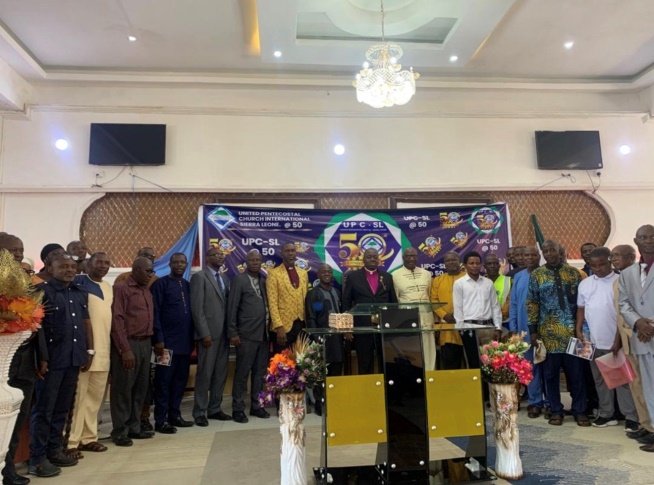
Members of United Pentecostal Church International (UPCI) celebrates its 50th anniversary
The United Pentecostal Church International (UPCI) is celebrating its 50th anniversary this week with a week-long conference that honors five decades of spiritual leadership, evangelism and community service across Sierra Leone and beyond.
The commemoration officially commenced on Wednesday, November 5, 2025, at the church’s headquarters on Cookle Bay in Freetown. The event brought together church leaders, members and distinguished guests to reflect on the UPCI’s remarkable journey and chart a renewed vision for the future of its mission.
The roots of the United Pentecostal Church in Sierra Leone trace back to the early 1970s when Reverend Okeefe, an American missionary, first arrived in Liberia before traveling to Sierra Leone. His goal was to establish a Bible college and a church, working in partnership with Sierra Leoneans who shared his vision.
In Liberia, Reverend Okeefe met Saidu Jalloh, a Sierra Leonean who soon became his close associate. Together, they journeyed to Freetown, where they began their ministry. Pastor Saidu Jalloh later became the first Sierra Leonean convert and an instrumental figure in the early church-planting movement.
Their ministry began at Juba Hill, with Pastor Jalloh serving as Dean of the Bible College and Treasurer of the mission. Working alongside young men such as Gassim, who later moved to England and Egerton Jones, who also pursued studies abroad, they laid the groundwork for what would become one of Sierra Leone’s enduring Pentecostal institutions.
Despite early progress, the church later faced internal disputes that required the intervention of both the Sierra Leone Council of Churches (CCSL) and the courts. A subsequent court ruling temporarily suspended several UPCI assemblies, leaving only the Aberdeen Road branch, which operated on a family compound, to continue uninterrupted.
During this turbulent period, new congregations emerged in areas such as Bendembu, Dwazak Farm and Gory Street, ensuring the church’s survival and continued outreach.
Under the leadership of Pastor Katie M. E. Leden, the UPCI entered a new era of growth. New church structures were constructed in Calaba Town, Lumley, Aberdeen and Tengbeh Town. Leadership transitions also strengthened the church’s foundation, with Pastor Jalloh overseeing the Western Area and Pastor Malie leading efforts in Makeni.
This phase of expansion and renewal positioned the UPCI as a leading force in Sierra Leone’s Pentecostal community, blending spiritual guidance with social outreach.
During the anniversary celebration, Bishop Dr. Rashid Turay, General Superintendent of UPCI Sierra Leone, welcomed guests and expressed gratitude to God for five decades of ministry. He described the milestone as a moment of thanksgiving and reflection on the church’s endurance through trials such as civil war and the Ebola epidemic.
“This is a great time in God’s presence,” Bishop Turay declared. “We thank God for 50 years of unwavering faith, for our lands and properties, and for the countless lives transformed through our ministry.”
He highlighted the church’s contributions to community development, education, and spiritual empowerment, emphasizing that the anniversary was not only a celebration of the past but also a call to greater service.
Reverend Randy Adama, Africa Regional Director of UPCI, paid glowing tribute to the church’s founding fathers. He described the golden jubilee as a time of rejoicing, renewal, and liberty, urging members to embrace the true biblical significance of the number fifty—a symbol of freedom and restoration.
“This is a season of jubilee,” Reverend Adama said. “We must thank God for the dedication and vision of our founders and remain steadfast in our mission to spread the gospel despite the moral challenges facing our world.”
He also called on the church to rise as a moral compass for society, particularly amid growing issues such as drug abuse, same-sex marriage, and abortion, stressing that the church must play an active role in protecting the next generation.
In his goodwill message, Bishop Akintayo Sam-Jolly, President of the Pentecostal Fellowship of Sierra Leone, commended the UPCI for its remarkable contributions over the past fifty years. He attributed the church’s success to God’s grace and the steadfast faith of its members.
“Fifty years of ministry is no small achievement,” Bishop Sam-Jolly noted. “It is God’s grace that has brought you this far. But even as we celebrate, we must remain vigilant. The moral and spiritual fabric of our nation needs strengthening, and the church must lead that transformation.”
He urged the UPCI to continue partnering with other Christian institutions to address social and moral challenges and to empower young people to live purposeful lives grounded in faith and service.
As the United Pentecostal Church International marks its 50th anniversary, the week-long celebration stands as both a testament to endurance and a call to renewal.
From humble beginnings at Juba Hill to a nationwide network of congregations, the UPCI’s legacy reflects unwavering faith, community service, and a commitment to shaping lives through the power of the gospel.
With renewed purpose, the church now looks ahead to the next fifty years determined to deepen its spiritual impact, expand its outreach, and continue serving as a beacon of hope in Sierra Leone and beyond.
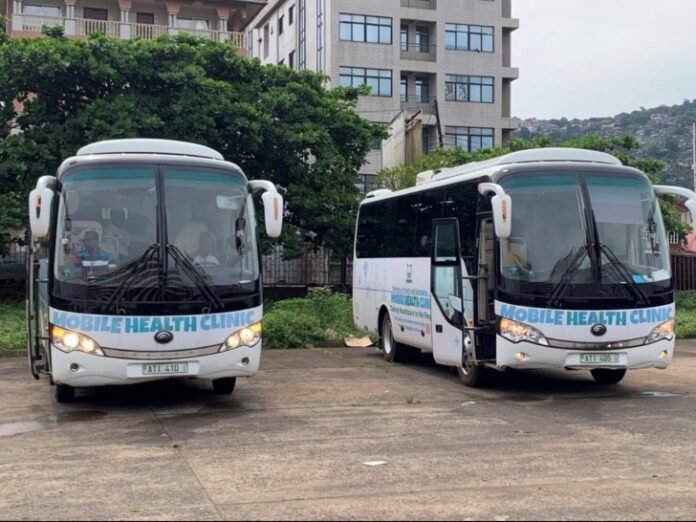
The Ministry of Health, in collaboration with the Ministry of Youth Affairs, has launched an innovative “Hospitals on Wheels” initiative to deliver essential medical assistance to victims of the ongoing Kush crisis. The program seeks to bring healthcare services directly to affected communities, ensuring that no one is left behind.
The official launch took place on Saturday, November 8, 2025, at the Youyi Building Car Park in Freetown, marking a new approach to community-based healthcare delivery in Sierra Leone.
Speaking to journalists about the initiative, Dr. Yeabu Kargbo, Medical Superintendent and Manager of the Hospitals on Wheels Program, explained that the mobile clinics are designed to provide free medical services to youth impacted by Kush abuse. She revealed that the clinics will be staffed by specialists from Saint Michael’s Hospital in Lakka and will initially operate at youth farms in Hastings.
According to Dr. Yeabu Kargbo, the program aligns closely with Sustainable Development Goal 3 (Good Health and Well-being), which aims to ensure healthy lives and promote well-being for all. By taking healthcare directly to vulnerable groups, she noted, the initiative helps reduce health disparities and advance equitable access to medical services.
Dr. Yeabu Kargbo disclosed that the program is being implemented in collaboration with the Ministry of Youth Affairs and supported by funding from the United Nations Population Fund (UNFPA). She recounted that two months earlier, the Minister of Youth Affairs had approached her to explore ways of providing free healthcare to youth affected by Kush addiction ;a call that led to swift action.
She recalled providing emergency healthcare to Kush victims at both the SLPP and APC party offices in Freetown, an experience that highlighted the urgent need for mobile health services during crises.
“Our team is ready to respond to cases beyond emergencies, including trauma and wound care,” Dr. Yeabu Kargbo stated. “We have six medical doctors deployed at various locations and we aim to treat at least 500 victims during this initial phase.”
She further emphasized that many of the affected youth are battling substance use disorders, stressing that they should not be criminalized but rather treated with dignity and compassion. She assured that the medical team is well-prepared to provide follow-up care, especially for wound management and that they have adequate supplies of essential medicines to support recovery.
Ahmed Kamara, Component Manager at the Ministry of Youth Affairs, described the initiative as a joint national response to the growing health crisis among young people. He explained that while the Ministry of Health provides transportation and medical supplies, the Ministry of Youth Affairs is responsible for organizing the outreach and mobilizing communities.
The Component Manager noted that the program remains a top priority for the Minister of Youth Affairs, who is committed to ensuring that it is sustained and expanded to reach more affected individuals. As a mental health specialist himself, Ahmed Kamara joined the mobile clinic team to deliver free psychosocial and mental health support to victims.
“This is not just about treatment; it’s about hope, rehabilitation and giving our young people a second chance,” he said.
The Hospitals on Wheels initiative represents a critical intervention in Sierra Leone’s ongoing effort to address the human and social impact of the Kush epidemic. By combining medical care, mental health support and community engagement, the program underscores the Government’s determination to promote healing, recovery, and resilience among affected youth.
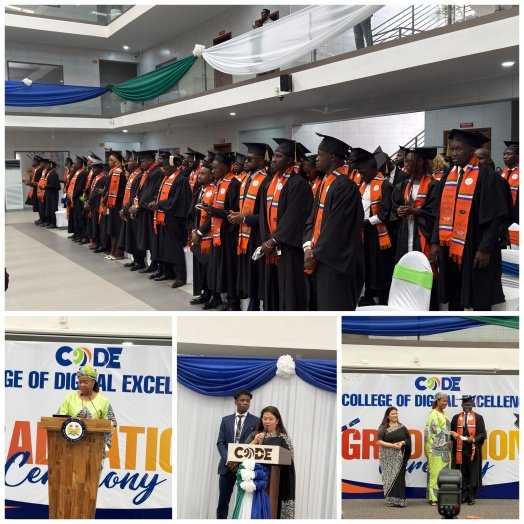
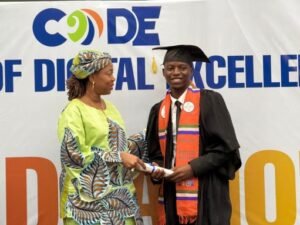
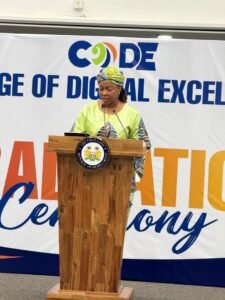
The College of Digital Excellence (CODE) made history on Saturday, November 8, 2025, when it held its first-ever graduation ceremony at Choithram International School in Freetown. The event celebrated 102 pioneering graduates and marked a defining moment in Sierra Leone’s march toward digital empowerment and innovation.
Founded in April 2021 during the COVID-19 pandemic by the Choithram Group, CODE was established to equip young Sierra Leoneans with digital and entrepreneurial skills. Its training covers coding, design, innovation and entrepreneurship building a workforce ready to compete globally and transform the nation’s digital landscape.
Delivering the opening address, CODE’s Director and Co-founder, Niharika Agnani, described the day as a milestone for both the graduates and the nation. “Today marks a milestone not only for our graduates but for Sierra Leone’s growing digital future,” she said. Niharika Agnani praised the graduates’ resilience and encouraged them to use their skills to create meaningful change, noting that digital excellence is about “using technology to transform lives.”
She commended Her Excellency Dr. Fatima Maada Bio, the First Lady of Sierra Leone and President of the Organisation of African First Ladies for Development (OAFLAD), for her tireless advocacy for women’s empowerment and education. “Your Excellency, your presence here reinforces our shared vision of a Sierra Leone where every young person, regardless of gender, has access to the tools and knowledge to shape their own future,” she remarked.
Niharika Agnani also saluted Dr. Isata Mahoi, Minister of Gender and Children’s Affairs, for advancing gender inclusion in technology. “You are pioneers; the trailblazers who will define what this institution stands for,” she told the graduates.
Guest speaker Dr. Walton Ekundayo Gilpin, Managing Director of Rokel Commercial Bank, urged the graduates to pursue excellence, innovation and integrity as guiding principles. “Excellence does not just mean being good; it means going beyond the ordinary,” he said. “The future belongs to those who combine intellect with purpose and innovation.”
Dr. Walton Ekundayo Gilpin emphasized that true excellence lies not just in academic success but in applying knowledge to solve real problems. He called on the graduates to embrace technologies such as artificial intelligence, data analytics and digital finance to drive national development. “You are the generation that will lead Sierra Leone into this new digital era. Embrace it with confidence and creativity,” he urged.
Minister of Gender and Children’s Affairs, Dr. Isata Mahoi encouraged graduates to become job creators rather than job seekers. “No nation can grow without its people being developed. Empowerment begins with education and skills,” she said.
She commended CODE for complementing President Dr. Julius Maada Bio’s Human Capital Development Agenda, which focuses on education, innovation and inclusion. “As you graduate today, make sure you become job creators and not job seekers. Let this cohort change that narrative by using your knowledge to innovate, build and employ others,” she advised.
Dr. Isata Mahoi also celebrated CODE’s progress in closing the gender gap in technology, revealing that 32 out of 132 graduates were women; a figure expected to rise in future years. She further linked that progress to the First Lady’s “Hands Off Our Girls” campaign, which empowers young women to pursue education and leadership.
His Excellency, Shri Baisnab Charan Pradhan, the High Commissioner of India to Sierra Leone, congratulated the graduates, calling their success a milestone for Sierra Leone’s digital future. He praised the Choithram Group for investing in education and healthcare and reaffirmed India’s commitment to supporting Sierra Leone through initiatives like the Indian Technical and Economic Cooperation (ITEC) programme and Indian Council for Cultural Relations (ICCR) scholarships.
“Graduation is not the end of learning; it is the beginning of your role as contributors to nation-building,” he said. He encouraged the graduates to apply their knowledge in ways that advance innovation, governance and community development, urging them to carry forward values of discipline, integrity and service.
Delivering her keynote address, First Lady, Dr. Fatima Maada Bio, congratulated the graduates, describing them as “torchbearers of Sierra Leone’s digital future.” She noted that Sierra Leone’s investments in human capital and digital literacy under President Bio’s leadership demonstrate the country’s readiness to embrace the Fourth Industrial Revolution.
“This institution is not just a beautiful building; it is a house of excellence, a place where the future of Sierra Leone is being shaped,” she said.
Dr. Fatima Bio emphasized that technology must be used to promote inclusion, justice and dignity. “Technology is not just about innovation; it is about inclusion and justice. Ask yourselves, what problem will I solve, whose life will I improve and what legacy will I leave behind?” she challenged the graduates.
Encouraging them to lead with courage and compassion, she said, “One day, Sierra Leone will have a female President because leadership is not about gender; it’s about vision, courage and purpose.”
Representing the graduating class, Mohamed Kamara and Fatmata Bah delivered emotional valedictory speeches reflecting the journey of transformation and discovery they had shared.
Mohamed Kamara described the day as a celebration of growth and purpose. “Our journey at CODE has not only been about acquiring knowledge but about finding purpose, building character and learning to serve our communities,” he said. He urged his peers to use their education to solve real challenges. “Let us not just dream, but act. Let us use what we have learned to make a meaningful impact.”
Fatmata Bah’s speech focused on resilience and human-centered innovation. “At CODE, we didn’t just learn about systems and codes; we learned resilience, teamwork and what it truly means to rise again stronger,” she said. She urged her fellow graduates to pair technology with compassion. “The world we are stepping into is powered by technology, but it is waiting for people with heart people with courage, creativity and compassion.”
She concluded with a powerful declaration: “Digital excellence isn’t just the name of our college; it’s who we are. Wherever we go, let’s light up our communities with purpose and innovation. We didn’t just finish school; we launched.”
The graduation ceremony brought together dignitaries, educators, parents and students all united by a shared belief in the power of education and technology to transform lives. From the stirring speeches to the emotional reflections of the graduates, the event underscored Sierra Leone’s growing confidence in its youth-driven digital future.
As the graduates threw their caps into the air, it symbolized more than the end of a chapter; it marked the birth of a new digital generation. CODE’s first graduating class represents the spirit of innovation, resilience and excellence that will define Sierra Leone’s path toward sustainable development.
Through visionary leadership, strong partnerships and a commitment to inclusive education, the College of Digital Excellence has not only empowered 102 young Sierra Leoneans but also ignited a movement; one that places technology, creativity and human potential at the heart of the nation’s transformation.
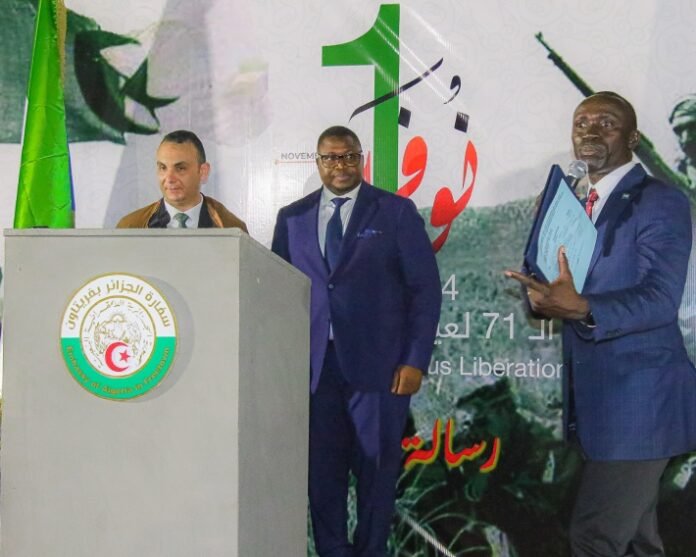
The Embassy of the People’s Democratic Republic of Algeria in Sierra Leone has commemorated the 71st Anniversary of the Outbreak of the Algerian Revolution of November 1st, 1954, with a colourful National Day Reception held on Monday, 3rd November 2025, at the Radisson Blu Mammy Yoko Hotel in Freetown.
The grand ceremony brought together senior Government officials, members of the diplomatic corps, business leaders and members of the media fraternity. The Minister of Foreign Affairs and International Cooperation, Alhaji Timothy Musa Kabba, served as the Guest Speaker, while the Algerian Ambassador to Sierra Leone, His Excellency Abdelhafid Hachem, hosted the occasion.
Ambassador Abdelhafid Hachem, in his address, underscored the deep historical and ideological bond between Algeria and Sierra Leone, describing both nations as symbols of resilience against colonial rule and injustice. “This celebration reflects our shared history and solidarity as two nations that stood firmly for freedom, dignity and justice. It is this historical solidarity that continues to shape and strengthen our partnership,” he said.
He highlighted the 54-year-long bilateral relationship between the two nations, built on cooperation, mutual respect and solidarity. “Our strong and enduring ties continue to serve as a foundation for our shared commitment to peace, development and progress,” the Ambassador added.
The envoy recalled the landmark visit of His Excellency President Julius Maada Bio to Algeria in January 2024, describing it as a turning point in the two countries’ bilateral relations. The visit, he noted, paved the way for new economic cooperation and the signing of a joint communiqué that reaffirmed the two countries’ dedication to closer collaboration.
Ambassador Abdelhafid Hachem also emphasized that the reopening of the Algerian Embassy in Freetown in 2025 symbolizes Algeria’s renewed commitment to strengthening ties with Sierra Leone. He further noted that both countries’ shared presence at the United Nations Security Council enhances their ability to consult on regional and global matters.
Reaffirming Algeria’s support to Sierra Leone’s education sector, he disclosed that his country continues to provide scholarships and training opportunities to deserving Sierra Leonean students, contributing to human capital development and capacity building.
In his keynote address, Minister Alhaji Timothy Musa Kabba praised Algeria’s heroic struggle for independence, describing the anniversary as a profound symbol of national resilience and unity. “This celebration stands as a powerful and enduring testament to the resilience, unity and unwavering determination of the Algerian people in the pursuit of freedom,” he said.
He added that Algeria’s revolutionary spirit continues to inspire the African continent, emphasizing its steadfast commitment to sovereignty, self-determination and social progress. “The Algerian Revolution inspired many African countries, including Sierra Leone, to resist colonialism and champion the ideals of Pan-Africanism,” the Minister remarked.
The Foreign Minister further stated that the representation of both Sierra Leone and Algeria at the United Nations Security Council, as well as their active roles within the African Union Peace and Security Council and the Committee of Ten on UN Security Council Reform, reflect the trust and confidence the international community and African nations have in their leadership and diplomacy.
The event concluded with a toast to the enduring friendship between the Republic of Algeria and the Republic of Sierra Leone, reaffirming both nations’ shared vision for peace, progress and Pan-African solidarity.
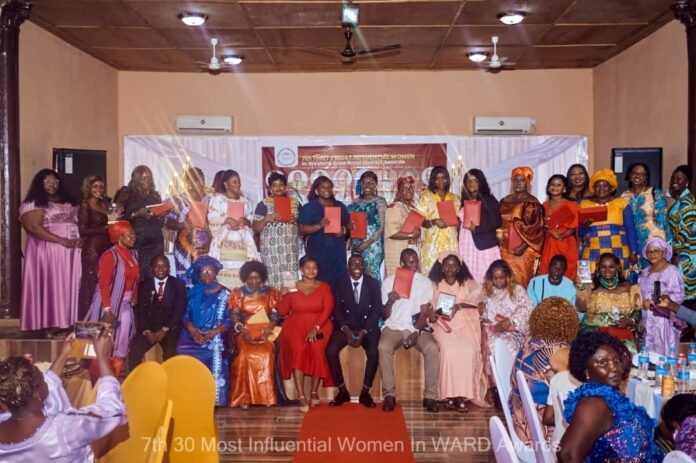
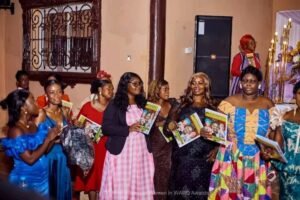
Attendees and awardees pose for picture at the “30 Most Influential Women in Western Area Rural District” Awards organized by Advocacy for Women and Youth Employment (AWYE)
By Ibrahim John Sesay
The Advocacy for Women and Youth Employment (AWYE) brought together community leaders, families and well-wishers at Carew Hall in Waterloo to celebrate the outstanding achievements of rural women during the 7th Edition of the “30 Most Influential Women in Western Area Rural District” Awards; an evening filled with inspiration, pride and recognition of women driving change in their communities.
Themed: “Celebrating Rural Women of Excellence,” the prestigious event brought together award recipients, community leaders, entrepreneurs, farmers, teachers, market women and Government officials, all united in recognizing women’s remarkable impact on community development across the Western Area Rural District.
In his welcome address, AWYE’s Executive Director and Chairman of the Awards, Ibrahim Marvel Kamara, expressed profound appreciation to all honorees for their dedication and service to their communities. He explained that the awards were designed to spotlight women who continue to show leadership, resilience and innovation in their respective fields.
“The journey to this 7th edition began months ago with a call for nominations that attracted over 213 submissions,” Ibrahim Marvel Kamara said. “After a careful vetting process, 50 outstanding women were shortlisted and through public voting, we are proud to celebrate the final 30 phenomenal women whose stories of strength and transformation continue to inspire us all.”
He emphasized that rural women play a vital role in driving local development, particularly in sectors such as agriculture, education, entrepreneurship and governance.
The President of the Western Area Rural District Influential Women Network, Hon. Haja Miatta Amara, presented her executive members and lauded the honorees for their contributions. “We can be strong only when we support each other,” she remarked.
Launching the official award magazine, Madam Hawa Sallay Samai, Executive Secretary of the Independent Commission for Peace and National Cohesion, praised the organizers for documenting the achievements of the honorees. “This is not just an ordinary magazine; it is a legacy that will live for ages,” she said, encouraging women to obtain copies and celebrate their peers.
Professor Fredline M’Cormack-Hale, current President of the 50/50 Group, congratulated the awardees for their steadfast commitment to community service. “As President of the 50/50 Group, I am honored to celebrate you. More women, better politics; better politics, more women,” she said, urging women to aspire to leadership positions.
In her goodwill message, Dr. Aminata Sesay, President of the Eminent Women Network, shared the organization’s regional work across Sierra Leone, Liberia, Guinea and Nigeria, emphasizing the importance of women’s participation in governance and election monitoring.
Madam Marcella Samba Sesay, Executive Director of the Campaign for Good Governance (CGG), commended AWYE for recognizing rural women, often overlooked in favor of their urban counterparts. “You have been identified as leaders and influencers in your communities,” she said. “Lead with passion and continue to drive awareness and transformation.”
Delivering the keynote address, Dr. Nemata Majeks-Walker, Founding President of the 50/50 Group, expressed pride in the consistency of AWYE’s vision. “Our rural women are builders; we must continue to invest in and support them,” she said. “When rural women succeed, our nation stands tall.”
Award recipients, moved by the recognition, thanked AWYE for acknowledging their contributions, describing the honor as a motivation to do more and mentor younger women.
The 7th Edition of the 30 Most Influential Women Awards once again underscored AWYE’s commitment to promoting women’s empowerment and amplifying the voices of those transforming lives in rural Sierra Leone.
At the close of the event, honorees and participants urged stronger collaboration among women leaders, Government institutions and Civil Society to advance gender equality and promote rural development across the nation.
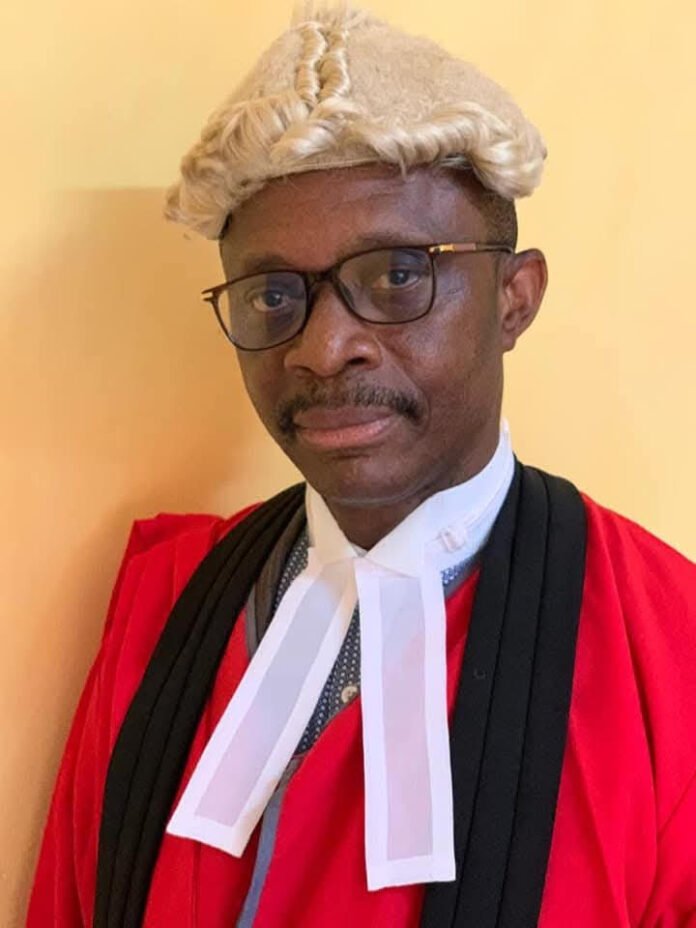
Delivering a landmark judgment at the Main Law Courts Building on Siaka Stevens Street in Freetown, Court of Appeal Judge, Honourable Justice Aiah Simeon Allieu (JA), has sentenced 35-year-old Nigerian national, Newton Johnson, to thirty (30) years’ imprisonment for unlawful collection and possession of cocaine.
The conviction was handed down on Friday, 7th November 2025, marking a strong statement against the rising tide of drug-related offences in Sierra Leone.
Newton Johnson, an engineer by profession, was arraigned on two counts, Collecting a Prohibited Drug Without Lawful Authority and Unlawful Possession of Drugs, contrary to Sections 7(b) and 8 of the National Drug Control Act, 2008 (Act No. 10 of 2008). He was found guilty after he consistently pleaded guilty to both charges, despite being given multiple opportunities to reconsider his plea.
According to State Counsel, O.V. Robin Mason, the convict was arrested on 9th November 2024 in Freetown after being found in possession of 2.9 kilograms of cocaine. Following his arrest and interrogation, Newton Johnson was charged with two counts under the National Drug Control Act after the police concluded their investigations.
During the mitigation plea, Defence Counsel, Alimamy Bangura, appealed for leniency, citing his client’s cooperation with law enforcement since his arrest. He described Newton Johnson as a young man and a father of two who had not wasted the Court’s time, urging Honourable Justice Aiah Simeon Allieu to temper justice with mercy.
However, in his ruling, Honourable Justice Aiah Simeon Allieu underscored the Court’s responsibility to protect society and uphold the law amid an alarming increase in drug trafficking and abuse within Sierra Leone and the sub-region. He lamented that drug-related activities have become a national menace threatening public health and the future of the country’s youth.
“The inflow and distribution chains must be completely identified and terminated and the Court has a role to play in achieving this national fight,” Honourable Justice Aiah Simeon Allieu declared. “We are more than committed to eradicating this menace that seeks to destroy the lives of our youthful population.”
Honourable Justice Aiah Simeon Allieu consequently sentenced Newton Johnson to thirty (30) years’ imprisonment on count one and ten (10) years on count two, with both sentences to run concurrently effectively placing him behind bars for three decades.
The conviction serves as a stern warning to drug traffickers and reinforces the Judiciary’s resolve to support the Government’s broader campaign against illicit drug use and trafficking across Sierra Leone.
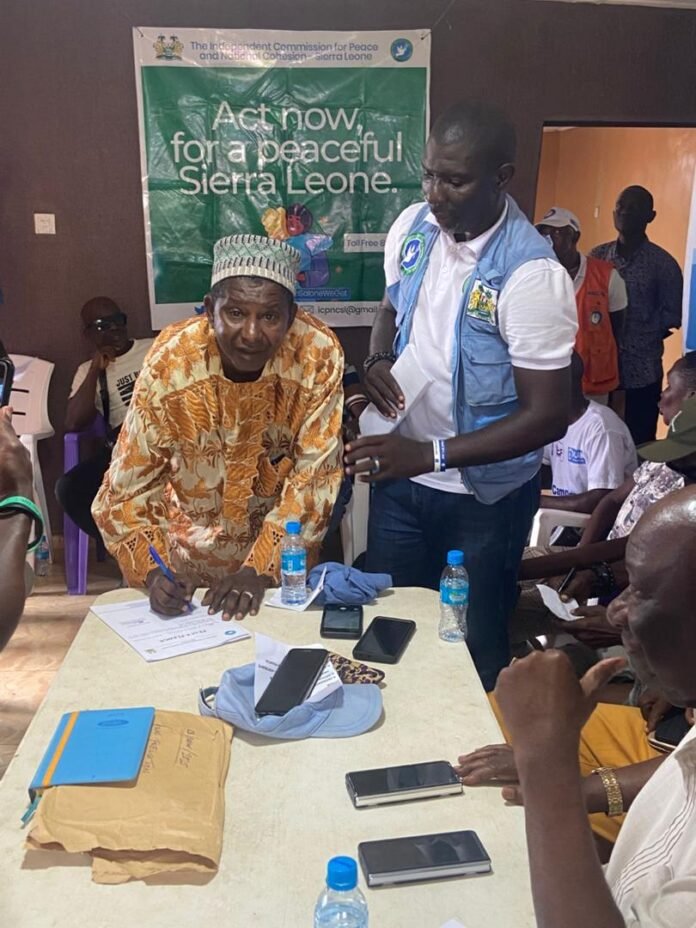
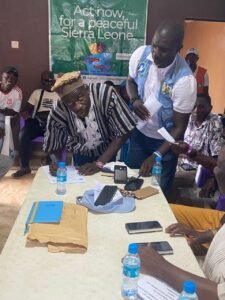
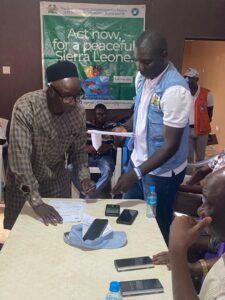
chieftaincy candidate signing a Peace Pledge in Bakeh Loko Chiefdom, Port Loko District
By Alvin Lansana Kargbo
Marking a historic step toward promoting peaceful elections and social stability, the Independent Commission for Peace and National Cohesion (ICPNC) on Thursday, November 6, 2025, facilitated the signing of a Peace Pledge by all chieftaincy candidates in Bakeh Loko Chiefdom, Port Loko District.
The event marked the first time in Sierra Leone’s history that candidates in a traditional leadership contest have formally committed themselves to peace through a binding agreement.
The signing ceremony, which took place under the supervision of the Resident Minister of the Northwest Region, Ambassador Umaru Bum Wurie, drew participation from key stakeholders, including Ambassador Francis Patterson, ICPNC Northwest Regional Coordinator; Charles M. Kallie, Senior District Officer (SDO) of Port Loko; Civil Society representatives, traditional authorities, district security sector members and chieftaincy aspirants from the Bakeh Loko Chiefdom.
Speaking at the event, Ambassador Francis Patterson announced that the signing of the Peace Pledge represents a milestone in Sierra Leone’s commitment to conflict prevention and inclusive governance. He explained that the initiative aims to unite all aspirants around a shared commitment to peaceful conduct before, during and after the polls.
“While most candidates are peaceful, disturbances often come from their supporters,” Ambassador Francis Patterson said. “The Peace Pledge provides a clear framework of accountability to deter violence and encourage civility in the process.”
He explained that the Peace Pledge, co-signed by aspirants, district and regional authorities, the police and the ICPNC, establishes a foundation for accountability and fairness. “Political parties must distance themselves from any supporter who violates the pledge. This is a binding document designed to uphold peace and integrity in the chieftaincy process,” Ambassador Francis Patterson said.
Emmerson Kolo, representing the Port Loko District Civil Society Organizations (CSO) Forum, commended the ICPNC for introducing the Peace Pledge into the chieftaincy process, describing it as a, “historic breakthrough”, in Sierra Leone’s peacebuilding efforts.
He noted that while the country’s progress on the global peace index is commendable, such gains must be safeguarded through consistent commitment by institutions and individuals. “Peace is not just an event; it’s a daily responsibility. Every candidate, supporter and stakeholder must contribute to this process,” Emmerson Kolo said.
He cautioned that post-election periods often pose the highest risk of conflict and urged both winners and losers to act responsibly. “Winners must be inclusive and losers must seek redress peacefully,” he said, emphasizing that peace and development are inseparable “twins.”
Charles M. Kallie, Senior District Officer of Port Loko District said the signing of the Peace Pledge demonstrates the district’s commitment to maintaining peace and setting a national precedent for traditional elections.
He underscored that Port Loko must continue to be seen as a “district of peace,” warning that the administration would not tolerate any actions that could disrupt the process. He urged aspirants to channel grievances through the appropriate administrative mechanisms.
“The Peace Pledge will help reduce post-election petitions, which are time-consuming, costly and hinder development,” he stated. He linked political stability directly to improved governance, noting that past disputes and politicization had affected council revenues and services in health and education.
Delivering his address, Ambassador Umaru Bum Wurie, Resident Minister for the Northwest Region, described the signing as a defining moment in Sierra Leone’s democratic evolution. He said the Peace Pledge not only promotes unity and reconciliation but also strengthens confidence in local governance.
“This initiative reinforces the principle that leadership is a sacred trust. It should unite rather than divide communities,” he stated. He emphasized that Government remains committed to ensuring chieftaincy elections are free from political interference, a practice that has helped reduce disputes in recent years.
Ambassador Umaru Bum Wurie cautioned against intimidation and coercion, urging candidates to allow voters to make free and fair choices.
“The Paramount Chief is the president of the chiefdom,” he said. “Those elected must govern inclusively, treat opponents as partners and bring everyone together after the results are announced.”
He concluded by calling on chiefs, stakeholders and community members to uphold peace and reconciliation, stating that unity and mutual respect would consolidate local governance and strengthen national cohesion.
The Bakeh Loko Peace Pledge marks a significant milestone in Sierra Leone’s pursuit of sustainable peace and inclusive democracy. With the involvement of local authorities, Civil Society and the ICPNC, the initiative sets a precedent for future chieftaincy and national elections demonstrating that lasting peace begins at the community level through accountability, respect and unity.
Lithin Kumar Nasani, Founder and Chief Executive Officer of VLN Solutions Private Limited
By Amin Kef (Range)
In a year marked by groundbreaking recognition and regional acclaim, Lithin Kumar Nasani, Founder and Chief Executive Officer of VLN Solutions Private Limited, continues to distinguish himself as one of Africa’s most innovative technology entrepreneurs. His name has become synonymous with digital transformation, sustainability and leadership excellence across the continent’s rapidly evolving ICT landscape.
At the upcoming SLEY African Business Awards 2025, organized by Hipz Multimedia, Lithin Kumar Nasani will receive the Successful Young Entrepreneur Award under the international business category. The event, scheduled for November 29, 2025, at 5:00 PM, celebrates business leaders shaping Africa’s future through innovation and enterprise. VLN Solutions Private Limited, his flagship technology company, is also nominated for Best Software Company, underscoring its impact in developing scalable digital systems that have redefined financial technology and enterprise solutions in Sierra Leone and beyond.
Adding to this streak of honors, Lithin Kumar Nasani and his company were recently recognized at the 9th Edition of the Environmental Care and National Climate Awards, presented by Shout Climate Change Africa. VLN Solutions received the Digital Innovation for Sustainability Award and the ICT Excellence and Green Technology Award, applauding its commitment to sustainable digital transformation. The recognition highlighted VLN Solutions’ pioneering work in ICT-driven environmental initiatives and platforms such as SaloneBly.com, which promotes e-commerce among Small and Medium Enterprises (SMEs) while encouraging eco-friendly business practices.
“These awards are not just milestones,” Lithin Kumar Nasani said, “they are reminders that technology must serve humanity, drive sustainability and create opportunities for all.”
His accomplishments continue to attract continental attention. The African Consulting Group, organizers of the National Professional Awards 2025, has named him ICT Guru of the Year, citing his exceptional leadership, innovation and contribution to Sierra Leone’s socioeconomic development. A formal presentation of the award will take place on December 6, 2025, at the Radisson Blu Hotel in Freetown. Additionally, Salone Bly, his e-commerce platform, will receive Institutional Recognition for Professional Excellence, acknowledging its role in empowering local merchants and promoting digital inclusion.
Over the years, Lithin Kumar Nasani has earned a stellar reputation as a leading technology consultant and digital transformation strategist. His company, VLN Solutions Private Limited, has engineered several critical national ICT systems, including digital banking platforms for Rokel Commercial Bank, the National Revenue Authority (NRA) ITAS payment system and smart solutions for companies like NP (SL) Ltd, Bloom Bank Africa, Lapo Microfinance SL and Seacoach Express. Through his leadership, these projects have advanced Sierra Leone’s financial inclusion goals, enabled real-time interbank transactions and revolutionized e-commerce and utility payment systems.
Lithin Kumar Nasani’s extensive portfolio reflects his dual commitment to innovation and impact. His work bridges technology and development, ensuring that digital tools create tangible benefits for citizens, businesses and institutions. With over a decade of experience across Africa and Asia, he continues to lead initiatives that blend fintech, automation and green technology to solve local challenges through scalable solutions.
As Sierra Leone positions itself as a digital hub in West Africa, the achievements of leaders like Lithin Kumar Nasani demonstrate the transformative power of homegrown innovation. From software design to national digital systems, his contributions are shaping a future where technology drives inclusion, efficiency and sustainability.
From being honored for excellence at Rokel Commercial Bank to receiving continental accolades for leadership and innovation, Lithin Kumar Nasani’s journey is a testament to resilience, foresight and purpose.
Amid the continent’s ongoing digital transformation, his success story stands as an inspiration to Africa’s next generation of tech leaders; a powerful reminder that innovation, guided by vision and integrity, can drive both business growth and national progress.
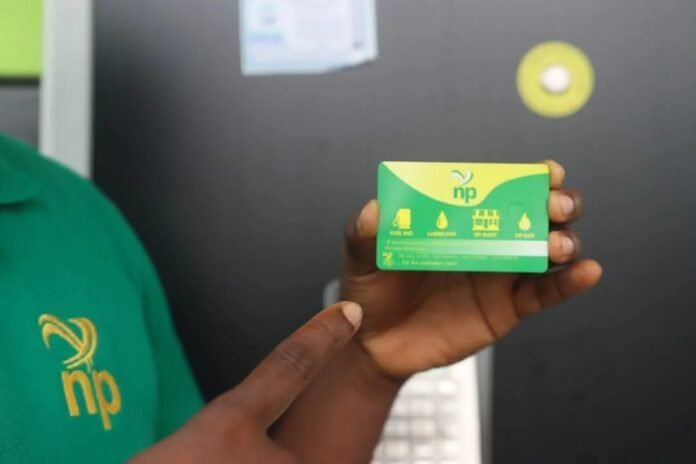
NP (SL) Limited, one of the nation’s most successful and proudly indigenous companies, continues to redefine innovation and customer satisfaction with operationalizing the NP Energy Pass Card, a digital, cashless payment solution designed to transform fuel purchasing across Sierra Leone.
The Energy Pass Card, a cutting-edge convenience initiative, is reshaping how both individuals and institutions buy fuel. It offers speed, transparency and security, marking a major leap toward modernizing the petroleum retail experience. Customers can now purchase fuel with a simple card swipe, eliminating the challenges of cash handling, theft and shortages.
For corporate clients, especially fleet operators, the system provides real-time tracking of fuel consumption, empowering companies to monitor and manage operational costs more effectively.
Over the years, NP (SL) has built an enviable reputation as a trusted and consistent distributor of petroleum products nationwide. Its extensive network of Filling Stations ensures nationwide accessibility to petrol, diesel, lubricants and cooking gas. The introduction of the Energy Pass Card has now elevated this commitment to an entirely new level, aligning the company with global digital trends and the Government’s digital economy agenda.
Through the Energy Pass Card, NP (SL) ensures full accountability in every transaction. Users receive instant SMS alerts and detailed digital statements, helping them monitor usage conveniently. Corporate clients can easily set consumption limits for drivers or staff, thus enhancing efficiency and reducing misuse.
NP (SL)’s success stems from its indigenous ownership and management, a point of pride for Sierra Leone. It remains a 100% Sierra Leonean-owned enterprise, demonstrating that local companies can compete with multinational giants through integrity, innovation and strategic leadership.
The company’s triple ISO certification, ISO 9001 (Quality Management), ISO 14001 (Environmental Management) and ISO 45001 (Occupational Health and Safety), is testament to its dedication to global standards of safety, quality and environmental responsibility.
Beyond fuel, NP (SL) promotes clean energy solutions through its NP Gas product, providing eco-friendly cooking alternatives that reduce reliance on firewood and charcoal. This effort directly contributes to the fight against deforestation and climate change.
As one of Sierra Leone’s largest private sector employers and taxpayers, NP (SL) continues to play a central role in national development. Its workforce, comprising pump attendants, technicians and senior professionals, is predominantly Sierra Leonean, trained to uphold the company’s values of professionalism, discipline and customer care.
Through its Corporate Social Responsibility (CSR) initiatives, NP (SL) has supported projects in education, health and environmental sustainability, affirming its reputation as a socially responsible corporate citizen.
The Energy Pass Card joins a suite of NP (SL)’s innovative tools, including the NP Smart Card, which enables secure, cashless transactions across its stations nationwide, from Cotton Tree and Campbell Street to Aberdeen, Regent and Brookfields. Both cards allow instant recharge and recovery via OTP authentication, ensuring uninterrupted service for users.
NP (SL)’s expansion beyond Sierra Leone, into Guinea, Liberia, Ivory Coast and The Gambia, demonstrates its growing influence as a regional petroleum powerhouse. Each subsidiary upholds the same operational standards and customer-centric approach that define the NP brand.
With continuous investments in technology, logistics and infrastructure, such as the modernization of the Kissy Terminal, NP (SL) has enhanced its storage and distribution efficiency, guaranteeing reliable fuel availability nationwide. The company’s Integrated Management System (IMS), built on six strategic pillars, reinforces environmental protection, regulatory compliance and operational excellence.
Guided by its timeless slogan, “NP- Your Partner for Life,” NP (SL) remains steadfast in fueling Sierra Leone’s economic growth, empowering its people and setting new standards for indigenous enterprise across West Africa.
The NP Energy Pass Card is more than a payment solution; it is a symbol of how innovation, integrity and patriotism can converge to power a nation’s progress.