
Home Blog Page 173

Sierra Leone Women’s Cricket Team Qualifies for Top-Tier ICC Africa Competition

Sierra Leone’s Senior Women’s Cricket Team has etched its name in history by officially qualifying for Division One of the ICC Africa T20 International (T20I) Qualifier, after a stunning run of four consecutive victories in the ongoing ICC Women’s T20 World Cup Africa Division Two tournament in Gaborone, Botswana.

The national side, nicknamed the Ladies Patriots, delivered a commanding performance throughout the group stages, defeating host nation Botswana by five wickets on Wednesday and overcoming Malawi by six wickets on Thursday. The Malawi victory shattered a long-standing barrier that had kept Sierra Leone from ascending to the elite Division One level of African women’s cricket.

Saturday’s final against Rwanda will offer Sierra Leone the chance to clinch its second gold medal in just three months—a remarkable feat that signals a new era of dominance for women’s cricket in the country.

Leading the individual performance charts is Emma Kamara, who is currently the tournament’s top run-scorer, amassing 134 runs in three innings at an impressive average of 67.00. Team captain Aminata Kamara has also made her mark, topping the batting strike rate table with 156.36 across her three innings.

This latest achievement echoes the team’s earlier triumph in Gaborone, where they won the North West Africa Cricket Council (NWACC) Women’s Championship earlier this year. Their 2025 campaign is fast becoming a landmark chapter in Sierra Leonean sporting history.

Beyond the scoreboard, this qualification marks a significant cultural milestone. For a nation where women’s sports have often battled for attention and resources, the success of the Ladies Patriots is a powerful statement of resilience, determination, and national pride. The team has defied logistical challenges, limited training opportunities, and a lack of high-profile exposure to rise among the continent’s top cricketing nations.

Their promotion to Division One also places them within reach of a dream once considered distant: participation in the ICC Women’s T20 World Cup. It’s a step that could pave the way for global recognition and inspire a new generation of female athletes back home.

With the final against Rwanda looming, the team is not only vying for another title but also seeking to solidify its reputation as a formidable force in African cricket. A win would further amplify calls for increased investment in women’s sports and cricket infrastructure in Sierra Leone.

As celebrations begin across the country, the message is clear: Sierra Leone’s women cricketers are not just playing to win—they are playing to change the game.

Congratulations to the Queens of the Crease!


Stats SL Engages Stakeholders Ahead of 2026 Census

By Alvin Lansana Kargbo

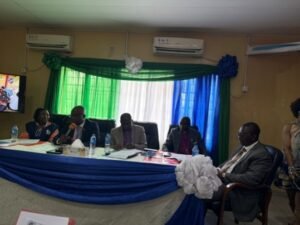
Statistics Sierra Leone (Stats SL) has officially launched the Users and Producers Data Consultation Workshop, a key step toward the successful execution of the 2026 Population and Housing Census (PHC). The two-day workshop, which began on Thursday, July 24, 2025, at the New Brookfields Hotel in Freetown, concludes today and brings together Government officials, development partners, researchers, civil society organizations and private sector actors to shape the country’s largest data-gathering exercise.

Designed to ensure inclusivity and responsiveness, the consultation is a critical phase in the preparatory process for Sierra Leone’s eighth national census since independence. Supported by the United Nations Population Fund (UNFPA), the broader UN system and the World Bank, the initiative aligns with international best practices as outlined by the United Nations Statistical Division (UNSD).

The upcoming 2026 census is expected to provide detailed data on demographics, housing conditions, living standards and other key socioeconomic indicators; data essential for national development planning, policymaking, poverty alleviation, humanitarian response and progress tracking toward the Sustainable Development Goals (SDGs).

During the opening ceremony, Rev. Dr. Jonathan Titus-Williams, Deputy Minister of Planning and Economic Development, described the census as “far more than a statistical routine.” He emphasized, “It is fundamental to effective governance, equitable development and making informed policy decisions. Without accurate, timely, and internationally comparable data, we risk excluding our most vulnerable populations and misunderstanding the true scale of national challenges.”

Rev. Dr. Titus-Williams reaffirmed the Government’s commitment to the process, noting that under the leadership of President Julius Maada Bio, “a solid legal and institutional framework backed by coordination teams and resource mobilization” is already in place.

Providing an update on implementation, Statistician General, Andrew Bob Johnny, disclosed that the overall census budget is estimated at $37.97 million. Of that total, the Government of Sierra Leone has committed $22.33 million, while donor pledges currently stand at only $233,917; leaving a funding gap of $15.4 million.

Andrew Bob Johnny identified Main Enumeration and Data Analysis as the most underfunded component, with a projected cost of $10.9 million and no current financial backing. Additional shortfalls were noted in Cartography ($2.5 million), Census Publicity ($1.12 million) and Planning, Coordination & Logistics ($736,000). However, the IT Equipment component, budgeted at $14.3 million, has been fully funded by the Government.

He also detailed the procurement plan, which includes 98 ESRI licenses with 200 hours of implementation support, updated satellite imagery, 40 vehicles, 38 motorbikes, 200 laptops and 20 Starlink internet devices. Emphasizing the importance of this preparatory phase, Andrew Bob Johnny warned, “Mistakes at this stage could take ten years to correct.” He stressed the need for the questionnaire to reflect real national priorities, from maternal mortality reduction to agricultural access and called for comprehensive stakeholder engagement.

UNFPA Country Representative, Samuel Palmer, reaffirmed the Agency’s ongoing commitment to Sierra Leone’s statistical development. “Strong data is the foundation for good policy,” Samuel Palmer stated, referencing the successful 2019 Demographic and Health Survey as a model. He noted that effective census data will help address development challenges such as gender-based violence and family planning.

Chairman of Stats SL, Moses Williams, welcomed participants as “the brain” of the census, underscoring the critical role of their contributions. “If any component fails, the entire process risks collapsing,” Moses Williams cautioned. He encouraged open, inclusive discussions around issues such as gender, disability, education, health and agriculture, expressing hope that the workshop would lead to finalized planning tools and a stronger grasp of stakeholder data needs.

Participants are expected to complete an online questionnaire outlining their specific data requirements and preferred output formats. Stats SL will use this input to refine census tools and develop a user-centered dissemination strategy. Feedback not provided during the workshop can also be submitted in writing before a designated deadline.

Each session is moderated and outcomes will be documented to inform the final structure of the census. The full inventory of user data needs will be published on the Stats SL website and circulated to partners.

The Users and Producers Consultation Workshop signals a new phase in Sierra Leone’s drive to modernize its data systems. With broad participation and transparent engagement, Stats SL is setting the foundation for a 2026 census that not only counts people but counts for them.

With the workshop entering its final day, stakeholders remain optimistic that their contributions will shape a truly inclusive and transformative national census.


No Paper Forms! Housemates Salone Goes Fully Digital for Season 4

Housemates Salone, Sierra Leone’s most popular and culturally influential Reality Television Show, is officially back for its fourth season and it promises to be the most impactful edition yet.

Producers John Konte and Phebean Swill have confirmed that applications for Housemates Salone Season 4 are now open exclusively online at www.africell.sl/housemates for a non-refundable fee of NLe1, 000. They stressed that no physical forms will be available in any office or shop and Afrimoney is the only accepted payment method.

How to Apply for Housemates Salone Season 4:

  1. Visit the official website: africell.sl/housemates
  2. Fill out the online application form
  3. Pay the NLe1,000 application fee using Afrimoney only

Applicants must ensure their Afrimoney accounts are active before applying, as no other payment platforms will be accepted.

A Platform for Fame, Strategy and National Spotlight

Now regarded as Sierra Leone’s biggest and most-watched Reality Show, Housemates Salone brings together contestants from across the country to live under one roof and compete in weekly tasks, social challenges and public voting eliminations all in a high-stakes journey toward fame, recognition and success.

More than just entertainment, the show is a social experiment that tests contestants’ personality, emotional intelligence and ability to engage viewers. Every season, it sparks national conversations and gives rising stars a platform to launch their careers in media, entertainment and beyond.

NLe1, 000,000 Grand Prize + Trip to Dubai

This year, the stakes are higher than ever. Executive Producers Ambassador Anthony Navo Jr. (CEO of AYV) and Shadi Gerjawi (CEO of Africell) have announced a whopping NLe1,000,000 grand prize (equivalent to One Billion Old Leones), plus an all-expenses-paid round trip to Dubai for the ultimate winner.

But Housemates Salone Season 4 isn’t just about the money — it’s about restoring values in Sierra Leonean Reality Television.

“Clean Game” — A New Era for Reality TV

Season 4 comes with a bold and transformative theme: “Clean Game”.

The producers say the show is taking a strong stand against the negative trends that have tainted some Reality TV platforms in recent years — including nudity, vulgar language, corruption and indecency. This season aims to restore dignity and respect to the game by emphasizing smart strategy, authentic character and meaningful interactions.

“We’re not only increasing the prize, but we’re also setting a new standard,” said Amb. Antony Navo Jr. “We want bold, smart and unforgettable Sierra Leoneans who can compete with integrity. This is about redefining what it means to be a Reality TV star.”

Housemates Salone — A Cultural Phenomenon

From its first season, Housemates Salone has captured the imagination of Sierra Leoneans across all regions and backgrounds. With millions of viewers tuning in and engaging across multiple platforms, it remains a powerful platform for youth expression, national pride and entertainment innovation.

The show has also launched the careers of many public figures and media influencers; a testament to the opportunities it creates for young Sierra Leoneans with talent and ambition.

Don’t Miss This Life-Changing Opportunity

Applications for Housemates Salone Season 4 opened on Monday, July 21, 2025 and will remain open for a limited time. Aspiring housemates are urged to apply early to secure their place in what promises to be the most exciting and impactful season yet.

If you think you’ve got what it takes, this is your moment.
Apply now and prepare to live the experience of a lifetime: strategy, fame, challenges and the chance to win NLe1, 000,000 and travel to Dubai.

Stay tuned by following AYV, Africell and Housemates Salone on all major social media platforms.


Crackdown Begins on Public Nuisance and Urban Lawlessness

By Amin Kef (Ranger)

The Government of Sierra Leone has intensified efforts to restore law and order, improve road safety and rejuvenate the capital city through coordinated interventions led by a newly formed Taskforce on Indiscipline and Lawlessness. These updates were unveiled during the Ministry of Information and Civic Education’s weekly Press Briefing held on July 22, 2025 in Freetown.

The multi-sectoral session featured detailed presentations from key Ministries and Government Agencies, including the Ministry of Internal Affairs, Sierra Leone Police (SLP), Sierra Leone Road Safety Authority (SLRSA), Freetown City Council (FCC) and Sierra Leone Roads Authority (SLRA), among others.

Delivering a keynote update, the Minister of Internal Affairs, Retired AIG Morie Lengor, announced that the Taskforce on Indiscipline and Lawlessness was established following President Julius Maada Bio’s directive to restore order, particularly in the capital city. The Taskforce includes representatives from SLP, FCC, SLRSA and SLRA.

Retired AIG Morie Lengor disclosed that one of the Taskforce’s first major actions was the enforcement of a ban on commercial motorbikes within the Central Business District (CBD), citing repeated disruptions to public order. In partnership with the FCC, the Taskforce has identified and cleared 23 major streets of illegal street trading activities. Additionally, a new initiative targeting noise pollution in residential neighborhoods has commenced, with citizens now able to report violations using a toll-free number (900) available across all mobile networks.

Deputy Inspector General of Police and Taskforce Head, Sahr Y. Senesi, reaffirmed that the country remains peaceful and stable. He noted that a strategic meeting held on April 17, 2025, at the Freetown City Council brought together key transport and trade unions to facilitate the clearing of the identified 23 streets. Union leaders were charged with sensitizing their members on the rationale and objectives of the Taskforce.

DIG Sahr Y. Senesi further reported that key areas such as Model Junction, Jui Junction, Shell and Wilkinson Road have now been successfully cleared. He emphasized a marked improvement in national security, citing a significant reduction in crime; 8,567 cases were reported in the first quarter of 2025, compared to 3,785 in the second quarter, reflecting a drop of 4,782 cases.

In addressing road safety concerns, Augustine Kaitongi, Director of Road Safety and Enforcement at SLRSA, announced the launch of a Highway Management Unit (HMU), tasked with removing abandoned and broken-down vehicles from the nation’s highways. He commended SLRA for allocating a holding site at Mile 91 for towed vehicles, improving highway safety and traffic flow.

The SLRSA has also rolled out a Mobile Licensing Vehicle initiative under the leadership of Executive Director, James Bio. That innovation allows citizens to obtain driver’s licenses without additional costs and includes a 24-hour toll-free line (844) for requesting licenses, lodging complaints or reporting road traffic accidents. The initiative is expected to boost public access to licensing services and reduce the risk of corruption.

Augustine Kaitongi also revealed that the Ministry of Transport and Aviation will soon organize a national consultation on a proposed Vehicle Age Policy. The policy aims to regulate the importation of old vehicles and raise overall road safety standards.

From the Freetown City Council, Information, Education and Communication Officer, Koma Hassan-Kamara, highlighted the underlying causes of increasing disorder in the capital, attributing it to ongoing rural-to-urban migration. She lauded the Taskforce’s work as both timely and necessary, noting that FCC had faced challenges in enforcing order in the city for over two years.

Madam Koma Hassan-Kamara also announced the imminent launch of the FCC’s CBD Regeneration Project, a citywide beautification and renewal initiative. The project will focus on upgrading infrastructure, installing streetlights and introducing parking controls across central Freetown. It will be implemented in collaboration with SLRA and SLRSA, forming a central pillar of Freetown’s broader urban transformation strategy.

With the Government continuing its coordinated approach to restoring discipline and modernizing the capital, these multi-agency efforts signal a renewed focus on public order, safety and sustainable urban development.

Banks and Mobile Operators Directed to Enroll Customers in NIN-Linked Payment System

By Amin Kef-Ranger

During the weekly Press Conference held on July 22, 2025 by the Ministry of Information and Civic Education, Minister Chernor Bah provided important updates on critical identity verification measures aimed at strengthening Sierra Leone’s financial and telecommunications sectors.

Minister Chernor Bah announced that, in line with the Bank of Sierra Leone’s directive, all citizens are required to register and link their bank accounts with their National Identification Number (NIN). Effective immediately, new bank accounts must be linked to a NIN upon opening, while existing account holders have until December 31, 2025, to complete this mandatory linkage.

In addition, starting October 1, 2025, the National Telecommunications Authority (NaTCA) will deactivate mobile phone numbers that are not registered and linked with a valid NIN. That initiative is intended to enhance financial security, protect users and enable smooth digital transactions across the country.

The Minister also disclosed that commercial banks and mobile network operators have been instructed to enroll NIN-linked customers into the National Payment Switch system. This platform facilitates seamless transactions between bank accounts and mobile wallets, promoting greater financial inclusion and convenience.

Chernor Bah urged all Sierra Leoneans to act promptly to comply with those requirements to avoid service disruptions and contribute to the country’s digital transformation efforts.

The Press Conference featured presentations from various Government Ministries, Departments and partner Agencies, reflecting a coordinated approach to implementing those reforms.

President Bio Welcomes Gates Foundation, IFAD & Partners to Bolster Agricultural Transformation

President Dr. Julius Maada Bio has on 23 July 2025 welcomed a high-level delegation from the Bill & Melinda Gates Foundation, the International Fund for Agricultural Development (IFAD) and other key partners in a show of strong international support for Sierra Leone’s flagship agricultural initiative, Feed Salone.

The delegation included Donald Brown, Associate Vice President of IFAD; Enoch Chikava, Director of Agricultural Delivery Systems at the Gates Foundation; representatives from the Alliance for a Green Revolution in Africa (AGRA) and the Africa Agriculture Transformation Initiative (AATI) led by McKinsey & Company.

During the courtesy call at State House, Enoch Chikava commended President Bio’s leadership and vision, particularly his Government’s commitment to food security and agricultural transformation through the Feed Salone programme.

“We are impressed by the direction your Government is taking,” Enoch Chikava said. “Development cannot be orchestrated from outside. The country must have its own capacity to deliver its goals. That is why we are here; to support local capacity building and work hand in hand with Sierra Leone to make Feed Salone a success.”

Enoch Chikava lauded the Ministry of Agriculture and Food Security for its leadership and reaffirmed the Gates Foundation’s readiness to collaborate more deeply in strengthening Sierra Leone’s agricultural value chains.

Echoing those sentiments, IFAD’s Donald Brown praised President Bio’s efforts to prioritize agriculture as a driver of national development. “Sierra Leone is charting a new course and IFAD stands ready to align with your vision. Agriculture can truly serve as a regional economic powerhouse through ECOWAS and Sierra Leone is showing the leadership needed in that space,” Donald Brown stated.

In his response, President Bio expressed appreciation for the visit and for the continued partnership from international development actors. He reiterated that agriculture remains central to his administration’s development agenda not just as a means to ensure food security but also as a key sector for creating jobs, reducing poverty and enhancing revenue generation.

He informed the delegation about the establishment of a Presidential Council on Agriculture, describing it as a strategic mechanism to fast-track the implementation of Feed Salone and ensure inter-sectoral coordination at the highest level.

“We are ambitious and deliberate in our approach,” the President said. “We cannot do this alone. That is why we value strategic partnerships with institutions like the Gates Foundation, IFAD, AGRA and McKinsey’s AATI. We need the private sector and technical partners to bring their expertise to the table to help us achieve our national goals.”

President Bio also emphasized the importance of modernizing agricultural practices and embedding food security in Sierra Leone’s national culture. “Agriculture must move from traditional to mechanized and data-driven systems. We must empower our farmers with knowledge, tools and market access to transform the sector,” he added.

He concluded by assuring the visiting partners of his Government’s unwavering political will to ensure the successful implementation of Feed Salone and expressed deep gratitude for their support and collaboration.

The visit marks a significant step in strengthening multi-stakeholder cooperation in Sierra Leone’s agriculture sector, which remains a top priority for the Bio-led administration as it seeks to build resilience, boost productivity and enhance rural livelihoods.

NP (SL): The Trusted Name in Petroleum Supply and Customer Satisfaction

By Amin Kef (Ranger)

NP (SL) Limited, Sierra Leone’s premier petroleum marketing company, continues to distinguish itself as a beacon of excellence and reliability in the country’s energy sector. Renowned for its commitment to quality, innovation and unmatched customer service, NP (SL) Ltd remains at the forefront of delivering petroleum products that power homes, businesses and institutions across Sierra Leone and the sub-region.

Established with a vision to provide the best in petroleum marketing, NP (SL) has built a formidable reputation as a trusted and customer-oriented supplier of petrol, diesel, lubricants and NP Gas. Its operations are underpinned by an unwavering focus on efficiency, product availability and the seamless integration of cutting-edge technologies to enhance service delivery.

NP’s leadership in the industry is evident in its early and consistent adoption of smart technologies. From user-friendly fuel dispensing pumps that ensure customers receive accurate quantities, to the deployment of GPS tracking and Video Tracking Systems (VTS) for fleet monitoring and operational transparency, the company is redefining how petroleum services are delivered in Sierra Leone.

One of NP’s landmark innovations is the NP Energy Pass Card; a digital payment solution that has revolutionized fuel purchases. The card not only promotes financial security and convenience by allowing cashless transactions but also provides real-time SMS alerts and online/offline top-up capabilities. This technology aligns with Sierra Leone’s broader goal of transitioning to a cashless economy and exemplifies NP’s proactive embrace of digital transformation.

Complementing its innovation drive, NP (SL) Ltd also introduced Mobile Fuel Tanks, a strategic solution to guarantee fuel supply in key Government institutions. These tanks, installed at critical points like the Parliament of Sierra Leone and supplied to the Sierra Leone Police Force, have ensured operational continuity during crucial times, particularly when national functions demand reliable fuel access.

Behind NP’s sustained growth is its commitment to customer satisfaction. The company’s modern infrastructure, including calibrated dispensing pumps and feedback mechanisms, ensures transparency, accuracy and responsiveness. This customer-first approach has cultivated widespread trust and loyalty, reinforcing NP’s slogan as “1st for Customer Care.”

Equally important is NP (SL) Ltd’s role in advancing Sierra Leone’s Local Content Policy. As a wholly Sierra Leonean-owned company with a 100% local workforce, NP not only fuels the economy but also serves as a major employer and promoter of skills development. By empowering citizens and fostering inclusive economic growth, the company has become a key player in national development.

NP (SL) Ltd has also established a regional footprint, extending its operations into Liberia, Guinea, Côte d’Ivoire and The Gambia. This cross-border presence demonstrates its ambition to become a dominant regional player while exporting the same level of professionalism, product quality and service excellence that have become synonymous with its brand.

The company’s flexible credit systems for Ministries, Departments and Agencies (MDAs) have further enhanced its role in supporting public sector efficiency. By accommodating budgetary delays, NP (SL) has ensured that essential services are not interrupted due to fuel shortages; a testament to its strategic importance in national service delivery.

Moreover, NP (SL) Ltd’s commitment to safety and operational standards is reflected in its routine emergency drills, quality assurance protocols and continuous investment in modern infrastructure. These measures reinforce its standing as a responsible corporate entity dedicated to environmental safety and community well-being.

As one of Sierra Leone’s top taxpayers, NP (SL) contributes significantly to the national revenue base, further underlining its role as a key socio-economic partner to the Government and people of Sierra Leone.

Now under the leadership of Dr. Mohamed S. Kanu, an experienced executive with a proven track record in petroleum marketing across West Africa, NP (SL) is poised to reach new heights. With his strategic vision and a renewed focus on digital growth, sustainability and enhanced customer engagement, the company is expected to consolidate its leadership position and chart a future of even greater impact.

Sierra Leone’s ongoing development is matched by NP (SL) Ltd’s unwavering commitment to fueling growth, fostering innovation and promoting inclusive progress both nationally and throughout the West African region.


$2 Million China-Funded Project Launched to Deliver Over 14,000 Desks, Chairs to Schools & Tertiary Institutions

By Foday Moriba Conteh

The People’s Republic of China, in partnership with the Government of Sierra Leone and the United Nations Development Programme (UNDP), on Wednesday, July 23, 2025, unveiled the “China Education Project” under the theme: “Access to Education through the Provision of Furniture to Schools and Tertiary Institutions”. Funded by the Global Development Fund (GDF), the $2 million initiative will deliver over 14,000 desks and chairs to schools and tertiary institutions nationwide, reinforcing Sierra Leone’s commitment to inclusive and quality education.

The unveiling ceremony took place at The View Hotel, located in the historic Freetown City Council Building on Wallace Johnson Street. The event was attended by senior Government officials, international development partners, diplomats, educators and students.

Delivering the keynote address, UNDP Resident Representative, Fredrick Ampiah, described the project as a milestone in the collective efforts to enhance educational access and quality in Sierra Leone. He highlighted that the project directly contributes to Sustainable Development Goal 4 (SDG 4) on Quality Education and supports the nation’s Medium-Term National Development Plan (2024–2030), especially under the Human Capital Development pillar.

“This project is a shining example of what partnerships for development can achieve,” Fredrick Ampiah said. “It’s not just about furniture; it’s about transforming learning environment and investing in Sierra Leone’s future.”

He emphasized that although initiatives like the Free Quality School Education (FQSE) program have significantly boosted school enrolment, by over one million between 2019 and 2023, challenges such as inadequate infrastructure and limited learning resources persist. The China-funded project aims to bridge that gap by improving the physical learning conditions in primary, secondary and tertiary institutions.

“These desks and chairs are not mere donations,” he added. “They are building blocks for student success, symbols of dignity and crucial to unlocking the nation’s human capital.”

Fredrick Ampiah also outlined several ongoing UNDP initiatives designed to support skills development and educational advancement:

  • The UniPod – Timbuktoo Innovation Hub at Fourah Bay College promotes tech entrepreneurship as part of a $1 billion Pan-African initiative aimed at supporting 1,000 tech startups over the next decade.
  • Technical training programs for over 400 youth, particularly young women, in fields such as mechanical engineering, solar installation and construction.
  • Curriculum development in partnership with the Ministry of Technical and Higher Education for market-relevant skills training.
  • Support for youth-focused MSMEs under the Growth Accelerator Programme, including STEM Garage in Bo and CIJ Digital Hub.
  • Equipping dedicated skills centers for persons with disabilities, ensuring inclusivity across education sectors.

He concluded by expressing appreciation to the Chinese Government and the relevant Sierra Leonean Ministries for their ongoing collaboration. Fredrick Ampiah also called on other development partners to join in efforts to elevate education and youth empowerment in the country.

Minister of Basic and Senior Secondary Education, Conrad Sackey, underscored the symbolic importance of the initiative by recalling a story from ancient China about Confucius, who overcame poverty through education and discipline.

“This moment is about more than furniture,” Conrad Sackey said. “It’s about hope, dignity and the right of every child to learn in an environment that nurtures their potential.”

He reiterated the national significance of the donation, linking it to the Free Quality School Education program spearheaded by President Julius Maada Bio and the Big Five Game Changers, which prioritize Human Capital Development.

The Minister also reflected on the transformational power of a simple desk: “When a child sits on the floor, their dreams lie low. But when they sit upright at a desk, something changes. Their eyes meet the future. Their hands hold hope. Their mind begins to believe.”

He thanked China and UNDP for standing by Sierra Leone during times of global donor fatigue and reaffirmed the country’s commitment to using education as a pathway toward equality and national progress.

Chinese Ambassador to Sierra Leone, His Excellency Wang Qing, emphasized that the initiative is part of China’s Global Development Initiative (GDI) launched by President Xi Jinping in 2021. The $2 million investment falls under the Global Development and South-South Cooperation Fund and will deliver nearly 15,000 sets of desks and chairs across nine districts.

“This is a tangible demonstration of our commitment to Sierra Leone’s development, particularly in Human Capital and education,” Ambassador Wang Qing stated. “This is not just aid; it is a partnership rooted in trust and mutual growth.”

He confirmed that procurement and distribution plans are already in motion, with deliveries expected in batches over the next three to four months. Ambassador Wang Qing acknowledged the efforts of Sierra Leonean Ministries and the UNDP offices in both Beijing and Freetown for ensuring the smooth execution of the project.

He also highlighted China’s broader development cooperation in Sierra Leone. Recent collaborations with UNICEF led to the establishment of special baby care units that benefited over 600,000 pregnant women and newborns. Between 2020 and 2024, China and UNFPA partnered to build nine reproductive health centers that provided cervical cancer screening for more than 700,000 women and girls.

On the education front, he noted that the Chinese Government has awarded scholarships to around 20 Sierra Leonean students this year alone and over 500 students applied for MOFCOM training programs. “Education is the cornerstone of national development,” he said. “We are proud to support Sierra Leone’s journey toward a more prosperous future.”

Delivering the official launch statement, Presidential Adviser on Human Capital Development, Professor Alpha T. Wurie, brought a deeply personal perspective to the event. Reflecting on his own educational journey, he described beginning school in 1958 in a bamboo classroom with no furniture.

“We must remember that Sierra Leone has endured conflict, displacement and destruction. From 1991 to 2002, many of our schools were decimated,” he said. “Furniture was burned for firewood. Our institutions were scattered. Yet here we are today rebuilding, together.”

Professor Alpha T. Wurie praised President Bio’s bold leadership in prioritizing Free Quality Education, noting that this policy isn’t just about access but about equity. He highlighted historic firsts in inclusion, such as the introduction of Braille exams for blind students and interpreted public exams for the hearing-impaired.

“Even in the face of global economic pressures, Sierra Leone continues to invest in its children,” he declared. “That is a measure of true national commitment.”

He acknowledged China’s longstanding support, particularly during emergencies like the Ebola epidemic and COVID-19 pandemic. “From medical supplies to food aid, China has been a reliable partner,” he said. “Today, with this furniture donation, they send a powerful message; that every child, regardless of background, deserves a seat at the table of learning.”

Professor Alpha T. Wurie also mentioned recent investments in higher education institutions like Milton Margai and Eastern Technical Universities, affirming that Sierra Leone is making strides in expanding technical and university education to meet the demands of a modern economy.

The event closed with a strong call for continued collaboration. Stakeholders were unanimous in their belief that with shared vision, mutual respect and strategic investment, Sierra Leone can build an education system that leaves no child behind.

With over 14,000 desks and chairs soon to arrive in schools across the country, the China Education Project represents more than infrastructure it is a bold commitment to a generation of learners, dreamers and future leaders.

Ambassador Hachem Abdelhafid: Embassy Opening Marks New Era in Algeria–Sierra Leone Relations

His Excellency Hachem Abdelhafid, Ambassador of the People's Democratic Republic of Algeria to Sierra Leone

By Amin Kef (Ranger)

In an exclusive interview with The Calabash Newspaper, His Excellency Hachem Abdelhafid, Ambassador of the People’s Democratic Republic of Algeria to Sierra Leone, has hailed the recent inauguration of Algeria’s Embassy in Freetown as a “strategic milestone” in the evolving diplomatic relationship between the two nations. The interview, conducted at the newly opened Algerian Embassy at 23 Spur Road, Freetown, on July 24, 2025, offered comprehensive insights into Algeria’s foreign policy priorities, regional cooperation and shared continental aspirations with Sierra Leone.

Ambassador Hachem Abdelhafid underscored that the establishment of resident embassies in both capitals was formalized through a joint communiqué signed by Presidents Abdelmadjid Tebboune of Algeria and Julius Maada Bio of Sierra Leone during the latter’s visit to Algiers in January 2024. “This move reflects our shared commitment to strengthening our historic ties of brotherhood and solidarity,” he stated.

Having assumed his role in January 2025, Ambassador Hachem Abdelhafid became Algeria’s first resident Ambassador to Sierra Leone. He described the assignment as a personal and professional honor, emphasizing the immense potential of Sierra Leone’s political, economic and scientific sectors.

The official inauguration of the Algerian Embassy in June 2025, followed by the opening of Sierra Leone’s Embassy in Algiers earlier in January, signals a significant diplomatic advancement. Ambassador Abdelhafid presented his credentials to President Bio on June 5, 2025. “President Bio expressed enthusiasm about the progress in our relations,” he revealed, adding that both countries are aligned in various multilateral forums, including the UN Security Council, the C-10 Committee and the African Peer Review Mechanism (APRM).

Ambassador Hachem Abdelhafid described President Bio’s 2024 state visit to Algeria as a “symbolic and strategic initiative” that reaffirmed Algeria’s Pan-African identity and expanding geopolitical footprint. “Algeria views Sierra Leone as a sister nation, united by common struggles for sovereignty and development,” he said.

In recent years, Algeria has taken deliberate steps to expand its diplomatic presence across Africa, opening Embassies in Sierra Leone, Botswana, Rwanda, Burundi, Djibouti, Zambia and soon Benin. This broader outreach reflects Algeria’s neo-Pan-Africanist strategy to foster regional unity and development.

Both nations are now focusing on key areas of cooperation, including economic development, education, agriculture, renewable energy and diplomacy. Ambassador Hachem Abdelhafid said they are working on finalizing twelve draft bilateral agreements covering trade, vocational training, sports, visa exemptions and the reactivation of the Joint Commission, whose last session was held in 1988.

Reflecting on Algeria’s 63rd Independence Day celebrated on July 5, Ambassador Hachem Abdelhafid paid tribute to the 1.5 million martyrs who died in the country’s liberation struggle. “Our independence is a globally recognized triumph of the human spirit,” he said.

Since independence in 1962, Algeria has made considerable strides in social and economic development, especially under the leadership of President Abdelmadjid Tebboune. The Ambassador highlighted achievements such as constitutional reforms in 2020, improved human rights and stronger democratic institutions, including enhanced representation of women in governance.

Algeria has also taken on greater continental responsibilities, notably its election to the African Union Commission’s Vice Presidency and its seat on the AU Peace and Security Council. The country remains a staunch advocate of reforms in Africa’s peace architecture, the Western Sahara issue and Palestinian rights.

Ambassador Hachem Abdelhafid noted that Algeria is preparing to host the Intra-African Trade Fair (IATF) in September 2025, an event expected to boost intra-African commerce. He also emphasized Algeria’s leading role in counterterrorism, with President Tebboune serving as the African Union’s Coordinator on Preventing and Combating Terrorism and Violent Extremism.

Diplomatic relations between Algeria and Sierra Leone were established in 1971, with significant support from Algeria during the 1979 OAU Summit hosted in Freetown. Although civil wars in both countries disrupted progress in the 1990s, the Ambassador emphasized that relations were kept alive through mutual support in multilateral platforms.

A turning point came in 1999 when Algeria, then chair of the OAU, partnered with ECOWAS to support peace and reconciliation in Sierra Leone. More recently, the January 2024 visit by President Bio to Algeria injected fresh momentum into bilateral ties. This was followed by high-level visits, including those of Algeria’s Prime Minister, Nadir Larbaoui to Freetown and Sierra Leone’s Foreign Minister Timothy Musa Kabba to Algiers.

Despite solid political engagement, the Ambassador acknowledged that trade volumes between the two countries remain modest. Algeria’s exports to Sierra Leone consist mainly of cement, sugar and mineral water, while Sierra Leone exports fruit juices. “There is enormous untapped potential in trade, agriculture and industry,” he noted.

Ambassador Hachem Abdelhafid highlighted that energy is a priority area, with discussions underway involving Algeria’s Sonelgaz and Sonatrach to support Sierra Leone’s power generation and supply of petroleum products at preferential rates. In the security domain, he pointed to the recent visits by Sierra Leone’s Chief of Army Staff, General Lavahun Peter Kakowou, to Algeria to strengthen military ties, including equipment and counter-terrorism support.

Educational cooperation has also grown. Algeria offered 15 scholarships to Sierra Leonean students from 2019 to 2020, with 12 more scheduled for the 2025–2026 academic year. A proposed maritime agreement is also being finalized to boost trade connectivity.

Ambassador Hachem Abdelhafid mentioned that Algerian investors are exploring opportunities in Sierra Leone, particularly in agriculture, energy and infrastructure. He also highlighted the two countries’ close cooperation on the global stage, especially on UN Security Council reform through the African Union’s Committee of Ten (C10).

The Ambassador concluded by emphasizing the shared vision of Algeria and Sierra Leone in advocating for Africa’s rightful place in global decision-making bodies. “Both countries are committed to correcting historical injustices by pushing for Africa’s representation with at least two permanent and several non-permanent seats on the UN Security Council,” he said.

The deepening partnership between Algeria and Sierra Leone has prompted Ambassador Abdelhafid to express optimism about the future. “We are entering a new chapter built on a foundation of historical solidarity, mutual respect and a collective ambition to shape a more just, prosperous and united Africa,” he stated.

Orange SL Leads Government Delegation on Tour of Newly Reopened Orange Digital Center

By Foday Moriba Conteh

The Chief Executive Officer of Orange Sierra Leone, Sekou Amadou Bah, together with the Management team of the company, on Monday, 21st July 2025, led a high-powered Government delegation on an official tour of the newly relocated and reopened Orange Digital Center (ODC), situated on Alpha Wurie Drive, Hill Station, Regent Road in Freetown. The visit underscored the Government of Sierra Leone’s strong commitment to digital transformation and youth empowerment. The delegation included the Minister of Youth Affairs, Ibrahim Sannoh, the Minister of Information and Civic Education, Chernor Bah and David Manley, who represented the Ministry of Communication, Technology and Innovation.

They were warmly welcomed by Sekou Amadou Bah, Chief Executive Officer of Orange Sierra Leone;  Annie Wonnie-Katta, Director of  Orange Sierra Leone Foundation and Danetta Younge, General Secretary of the company. The Orange team guided the officials on an extensive tour of the state-of-the-art facilities, including the Fab Lab, Orange Fab and the Coding School all of which are designed to nurture innovation, entrepreneurship and digital literacy among Sierra Leone’s youth.

During the tour, the Ministers had the opportunity to interact directly with beneficiaries of the Center’s programs, including students living with disabilities who are currently enrolled in free digital courses at the facility. Their presence served as a powerful testament to Orange’s commitment to inclusivity and equal access to education. The delegation also met with the finalists of the Orange Social Venture Prize (OSVP) who are preparing to pitch their innovative business ideas today Friday 25th July, 2025at the  Orange Digital Center (ODC).

These young entrepreneurs are competing for the National Prize of NLe 200,000 and the Tech-Queen Prize of NLe 120,000, a bold initiative aimed at encouraging local solutions to local challenges through technology.

In her address during the recent tour of the Orange Digital Center (ODC), Annie Wonnie-Katta, Director of the Orange Sierra Leone Foundation, briefed the visiting Government delegation on the operations and impact of the Digital Center as well as broader initiatives of the Orange Foundation.

She explained that the Orange Digital Center, originally opened in February 2023 at its former location on Wilkinson Road, has now been relocated to Alpha Wurie Drive on Hill Station. The facility is designed to promote digital skills and drive innovation among Sierra Leonean youth.

“The Orange Digital Center offers four core programs: a coding school, solidarity FabLab (a digital manufacturing workshop), an Orange Fab start-up accelerator and training modules through Orange Digital Ventures,” Annie Wonnie-Katta stated. She emphasized that all programs are offered free of charge and are open to the public, with the overarching goal of democratizing access to digital technologies and empowering young people to become digital entrepreneurs.

She noted that since its inception, the Orange Digital Center has trained over 5,000 young people in a variety of digital and tech-based courses. Beyond training, she added, the Center is also focused on job insertion, helping participants transition into meaningful employment or entrepreneurial ventures.

Between January and June 2025 alone, Annie Wonnie-Katta revealed that a total of 338 participants benefitted from different training programs at the center. These courses form part of the Foundation’s broader mission to equip Sierra Leonean youth with practical, market-relevant skills and to cultivate innovation-driven mindsets.

Key training modules included:

  • Basic ICT Training – 112 participants
  • Entrepreneurship for Beginners – 100 participants
  • Scratch Coding for Beginners – 47 participants

Additionally, in partnership with Coursera, the center offered a variety of specialized online courses:

  • Foundations: Data, Data Everywhere – 14 participants
  • Foundations of Project Management – 13 participants
  • Introduction to Data Engineering – 12 participants
  • Cyber security for Everyone – 8 participants
  • Programming in Python and Data Analysis – 23 participants
  • Developing an Entrepreneurial Mindset: First Step Towards Success – 9 participants

She proudly disclosed that 118 participants (65 males and 53 females) from the January to June 2025 training cohort have already secured jobs through the Orange Digital Center’s job placement program.

Annie Wonnie-Katta reaffirmed Orange Sierra Leone Foundation’s commitment to bridging the digital divide in the country and expanding opportunities for marginalized populations, particularly women and young people. “Our work is about inclusion, access and empowerment,” she concluded, “so that Sierra Leone’s future leaders and innovators are equipped for the demands of the digital age.”

Speaking during the tour, the Minister of Youth Affairs, Ibrahim Sannoh, commended Orange Sierra Leone for its Digital Center, which he described as a vital platform for empowering young people across the country.

“This center represents hope and opportunity for the youth of Sierra Leone,” he stated. “It is encouraging to see private sector investment aligning so closely with the Government’s vision for innovation, job creation and inclusive growth.”

The Minister pledged to strengthen collaboration with Orange to ensure broader access to digital tools and skills by young people, especially for women and persons living with disabilities. He notably recommended a young woman named Rosamond, who resides under the Juba Bridge, to be considered for support and enrollment into the digital center.

Following his recommendation, Rosamond was officially admitted to the Orange Digital Center (ODC) on Wednesday, 23rd July 2025. She is now enrolled in a one-month foundational course in basic computer skills. Upon completion, she will undergo an assessment and be placed in a specialized digital program tailored to her interests and performance.

Minister of Information and Civic Education, Chernor Bah, also commended Orange Sierra Leone for establishing the Digital Center, describing it as a crucial initiative in equipping young people with essential digital skills, especially in today’s technology-driven world.

He emphasized the importance of preparing the youth for the digital age, noting that such initiatives help bridge the gap between education and employment. The also pledged to strengthen collaboration between his Ministry and Orange to ensure broader access to digital literacy and civic education opportunities across the country.