
Home Blog Page 184

NP (SL) Slashes Fuel Prices in Strategic Cost Restructuring to Benefit Customers Nationwide

By Amin Kef-Ranger

NP Sierra Leone (NP-SL), has taken a major step to ease economic pressures across the country by announcing a significant reduction in fuel pump prices. The company has set the new retail price at Le 25 per litre for petrol and Le 24 per litre for diesel signaling a transformative change in its operational approach.

This price reduction follows a strategic realignment by NP (SL), which has transitioned key operational costs, previously shouldered solely by the company, to its customers. These costs include the replacement of dispenser parts, infrastructure upgrades, procurement of essential equipment, and other maintenance expenses at Filling Stations.

While this change represents a reallocation of responsibilities, the benefit to end-users is already being felt. Commercial drivers, transport unions and small business operators across the country have welcomed the announcement, praising the price drop as a critical relief amid rising costs and economic hardship.

What makes NP (SL)’s intervention even more impactful is its nationwide footprint. With a robust presence in both urban and rural regions, the company’s fuel pricing strategy is expected to offer widespread economic relief. From Freetown to the most remote towns, communities are now positioned to experience the ripple effects of this customer-centric initiative.

Despite the shift in cost responsibilities, NP (SL) has reaffirmed its commitment to maintaining high service standards. The company has assured customers that technical support and expert guidance will remain readily available at its facilities, ensuring smooth operations and uninterrupted service delivery.

Industry observers and the general public have lauded NP (SL)’s bold decision as a reflection of its patriotic corporate leadership. Renowned for its customer-focused innovations, such as the NP Energy Pass Card, which streamlines secure and cashless fuel transactions, NP (SL) continues to set the benchmark for excellence in the petroleum sector.

In addition to operational reform, NP (SL) remains a certified and tax-compliant entity, a reputation that has earned it ISO certification and respect as one of Sierra Leone’s most responsible corporate taxpayers. Its contributions to national revenue continue to support essential government programs and infrastructure development.

A local transport operator at the Kissy Road Filling Station described the development as “a thoughtful and forward-looking gesture,” anticipating reduced transport fares and commodity prices as immediate outcomes. Key sectors such as agriculture, healthcare and logistics, highly dependent on affordable fuel, are also expected to benefit significantly.

The decision has triggered widespread discussion across media and civic platforms, with many calling on other players in the petroleum industry to follow NP (SL)’s example. Stakeholders have also urged Government support for local companies willing to implement similar customer-friendly reforms.

Reiterating its promise of reliability and quality, NP (SL) has assured customers that neither the integrity of its products nor the consistency of its supply chain will be compromised.

As the effects of the price cut begin to permeate the economy, NP (SL)’s strategic shift is being viewed as more than a business decision; it is a bold, pragmatic and timely contribution to national recovery efforts.

With this move, NP (SL) once again reaffirms its role as a trusted economic partner, leading by example in demonstrating how corporate responsibility can drive progress and positively impact the lives of ordinary Sierra Leoneans.

Ellen Johnson Sirleaf Graces Nalafem Summit in Freetown, Urges Women to Lead with Purpose and Courage

By Foday Moriba Conteh

Africa’s first elected female president, Her Excellency Ellen Johnson Sirleaf, delivered a stirring keynote address at the Nalafem Summit held on Wednesday, July 2, 2025, at the Brookfields Hotel in Freetown, Sierra Leone.

Speaking as Guest of Honor, the former Liberian President emphasized that true power is not found in titles or positions but in service, purpose and the legacy one leaves behind.

“I sleep well at night,” she said candidly. “Not because there are no challenges, but because I know I have done no wrong. Yet, as I lay down, I still wonder: what’s the next target? What young girls are suffering in silence? What more can we do to transform lives?”

The summit, hosted by Nalafem under the theme: “From Representation to Power: Women Leading in Crisis and Peace”, brought together 100 female leaders from across Africa including Ministers, Parliamentarians, youth activists and survivors of conflict and gender-based violence.

In an intimate conversation with Aya Chebbi, the Tunisian-born Founder and President of Nalafem, Ellen Johnson Sirleaf discussed the courage it takes to lead, particularly as a woman. “Courage,” she said, “is the ability to stay the course even when you’re the only woman in the room. It’s seeing barriers and choosing to rise above them.”

She urged women to remain unapologetically themselves. “Be a woman. Stand tall in that identity. You don’t have to change who you are to be accepted. In fact, when you own your values, you command respect.”

Ellen Johnson Sirleaf reflected on Liberia’s Ebola crisis. “Cremation was not a Liberian tradition,” she said solemnly, “but it was a necessary choice to stop the spread of the disease. It was deeply painful and culturally unpopular but leadership sometimes demands difficult decisions to save lives.”

She also emphasized that women express power differently. “When I assumed office, I didn’t feel powerful. I felt responsible to rebuild a nation, to restore hope, to educate former child soldiers and to mend a broken society. Power is service. That’s what many don’t understand.”

The former President called on current leaders to prepare the next generation and to “exit with grace” when the time comes. “Progress may be slow, but it is happening. Today, more women can stand up and say, ‘I have a voice.’ Even in rural or traditionally conservative communities, women are breaking barriers.”

She urged women leaders to reach back and uplift others. “If you’re at the top and don’t look back to bring someone with you, you’ll find yourself alone and your leadership incomplete.”

To young women aspiring to lead, Ellen Johnson Sirleaf offered sobering but empowering advice: “Power will not always be recognized in you the same way it is in a man. But power with purpose changes things. Don’t chase power for power’s sake. Earn it. Own it. And use it to create a legacy that lifts others.”

She concluded with a rallying call: “Africa must unite. By 2050, we must be an equal partner on the global stage. We must take our place and speak for ourselves.”

Also contributing to the summit via video, H.E. Amina J. Mohammed, Deputy Secretary-General of the United Nations and a Nalafem Champion, described 2025 as a pivotal year for accelerating global progress toward gender equality. “Women are no longer asking for a seat at the table,” she declared. “They are creating new tables more diverse, inclusive and transformational.”

She called on women to remain bold, united and steadfast in shaping the future.

Speaking during the opening of the summit, Yvonne Aki-Sawyerr, Mayor of Freetown Municipality, shared a deeply personal journey underscoring her steadfast commitment to community service and crisis leadership. She recounted founding a children’s trust during Sierra Leone’s civil war in 1999 and returning home to fight Ebola in 2014, describing how moments of crisis compelled her to turn concern into decisive action. “The transition from concern to action is crucial,”

Yvonne Aki-Sawyerr said, emphasizing that true leadership is born of empathy and courage despite personal sacrifice.

Reflecting on her tenure as Mayor, Yvonne Aki-Sawyerr spoke passionately about shifting Freetown’s development agenda beyond rebuilding infrastructure toward transforming lives. With her renewed vision, “Transform Freetown: Transforming Lives,” Yvonne Aki-Sawyerr aims to create 120,000 decent jobs for women and youth by 2028, prioritizing empowerment and community impact. “When women lead, we don’t diminish opportunities; we create new ones and enrich what already exists,” Yvonne Aki-Sawyerr asserted. She also addressed the persistent barriers women face in leadership and urged young women to believe in themselves and claim their rightful place in shaping Africa’s future. “Our leadership is an act of faith, service to God and to our people. We must claim our rightful space with self-belief, competence and perseverance,” Yvonne Aki-Sawyerr declared.

The Nalafem Summit, convened by the Nalafem Collective and supported by the Mayor of Freetown, Her Worship Yvonne Aki-Sawyerr OBE, continues to serve as a powerful platform for both emerging and established women leaders to reflect, strategize and inspire a new era of feminist leadership across Africa.

Day two of the summit featured a high-level panel discussion under the theme: “Opening the Learning Village Mentorship & Sponsorship: Building a Pipeline of Women Leaders.” The session was moderated by Dr. Syeda Re’em Hussain, Advocacy and Programs Lead at Nalafem, and brought together prominent voices in women’s leadership and empowerment, including:

  • Lesego Otlhabanye (Botswana), Program Manager for Governance, African Leadership Academy
  • Dalree De Lange (South Africa), Senior Programme Officer, Graça Machel Trust
  • Serah Makka (Nigeria), Executive Director for Africa, ONE Campaign
  • Baindu Massaquoi (Sierra Leone), Programme Specialist, UN Women

The summit, held under the theme “From Representation to Power: Women Leading in Crisis & Peace,” focuses on advancing the leadership of African women beyond tokenistic participation toward meaningful political, social and economic influence.

With participants drawn from across the continent, the gathering galvanized a new generation of transformative women leaders. The summit reinforced a bold call to action centering mentorship, cross-border collaboration and purpose-driven leadership as the key to building a resilient, inclusive future for Africa.

NRA Board Briefs President Bio on Progress and Challenges in Meeting Fiscal Targets

President Julius Maada Bio today received a high-level delegation from the National Revenue Authority (NRA) Board at State House, during which members updated him on the institution’s current performance and strategies to improve revenue generation.

Leading the delegation, NRA Board Chairman, Kabineh Kallon, expressed gratitude for the opportunity to brief the President and congratulated him on his recent election as Chairman of the Authority of ECOWAS Heads of State and Government. He acknowledged the challenges the Authority continues to face but affirmed its unwavering commitment to mobilizing domestic revenue to support national development.

Commissioner-General, Jeneba Kamara, echoed that resolve, assuring the President that the NRA remains focused on strengthening its operations despite logistical and operational constraints. She outlined efforts being made to boost compliance and enhance overall efficiency in revenue collection.

In response, President Bio thanked the delegation for their dedication and described the NRA as the “breadbasket of the nation.” He emphasized that a functioning state depends heavily on robust revenue mobilization and encouraged the Board to intensify efforts to secure resources that will finance Government priorities.

“Your role is central to the country’s growth. Without adequate revenue, the Government cannot deliver services or invest in development,” the President stated.

Board Member, Memuna Rogers, also addressed the gathering, highlighting progress made in enforcing compliance and broadening the tax base. She said the introduction of new strategies aimed at encouraging voluntary compliance will be pivotal in achieving next year’s revenue targets.

The visit served as a reaffirmation of the NRA’s strategic role in supporting Sierra Leone’s economic transformation and its continued commitment to meeting revenue goals vital for sustainable development.

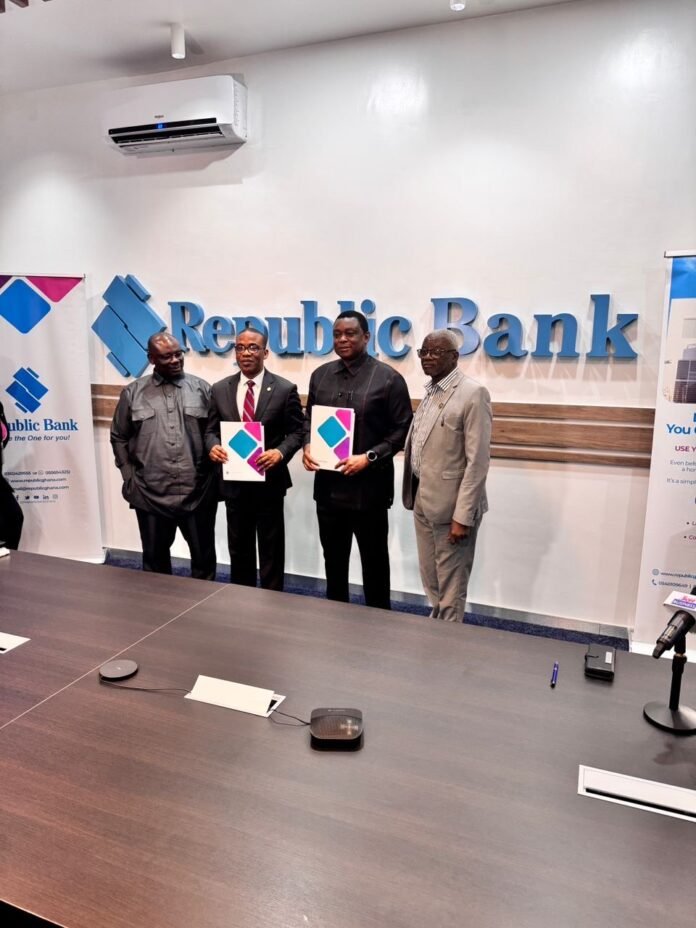
Sierra Leone Commercial Bank and Republic Bank Ghana Forge Strategic Partnership to Advance Regional Banking Excellence

Sierra Leone Commercial Bank Limited (SLCB) has taken a transformative step in its growth trajectory through the signing of a landmark technical cooperation agreement with Republic Bank Ghana. This alliance represents a strategic move to strengthen regional integration and enhance the capabilities of SLCB as it positions itself as a leading financial institution in West Africa.

Far beyond a symbolic gesture, the partnership is built on a foundation of substantive collaboration. It aims to facilitate the transfer of knowledge, build technical expertise, and reinforce institutional capacity – key pillars in SLCB’s mission to evolve into a modern, resilient, and innovation-driven bank.

The signing ceremony was held in Accra, Ghana, and brought together senior executives and board members from both institutions. Republic Bank Ghana was represented by its Managing Director, Board Chairman, and other top-level executives. SLCB’s delegation included its board chairman, managing director, director of finance, and head of the company secretariat, reflecting the high-level commitment to this cooperative endeavour.

This partnership is designed to drive operational excellence, digital innovation, and sustainable banking practices. By leveraging Republic Bank Ghana’s regional experience and technical know-how, SLCB expects to deliver enhanced value to its customers and play a more active role in shaping the future of Sierra Leone’s financial services landscape.

With this strategic alliance, both banks reaffirm their shared vision of advancing banking standards across the region. The collaboration is poised to yield tangible benefits not just for the two institutions but for their customers, employees, and the broader economies they serve.

Mayor Aki-Sawyerr Inspires Action at 4th Nalafem Summit for Female Empowerment

By Alvin Lansana Kargbo 

Freetown Mayor, Yvonne Aki-Sawyerr, has successfully hosted the 4th Nalafem Summit, bringing together 100 influential leaders from across Africa to push beyond symbolic representation and champion transformative female leadership in politics, peacebuilding and crisis response. The two-day event, held at the New Brookfield Hotel and concluding today, convened under the theme: “From Representation to Power: Women Leading in Crisis & Peace,” focused on empowering African women to secure and sustain power amid systemic barriers.

Founded by prominent Pan-African activist Aya Chebbi, the Nala Feminist Collective or Nalafem, has quickly grown over four years into a vital political home for young feminist leaders across the continent. Aya Chebbi’s opening remarks set a powerful tone, celebrating Sierra Leone’s resilience as a nation that overcame war, resisted colonization and nurtured a new generation of determined women leaders. Aya Chebbi honored the countless women whose leadership journeys begin in the toughest conditions, from rural classrooms to refugee camps and called for unity and collective resistance against patriarchal and colonial systems.

Aya Chebbi highlighted the urgent need for structural transformation, pointing out that Africa currently has only two female presidents and that women under 35 make up less than two percent of Parliamentarians continent-wide. “Representation alone is not enough. We need systems that not only protect women but empower them to lead and sustain power despite backlash and harassment,” Aya Chebbi declared. She further emphasized sexual and reproductive health rights as fundamental to women’s autonomy and leadership potential. In a poignant political statement, Aya Chebbi condemned efforts to silence female voices and expressed solidarity with women activists facing punishment, calling for their protection and release. She also announced the launch of “Nala Notes,” a new initiative acknowledging the emotional and physical labor borne by African women leaders.

Mayor Yvonne Aki-Sawyerr shared a deeply personal journey underscoring her steadfast commitment to community service and crisis leadership. She recounted founding a children’s trust during Sierra Leone’s civil war in 1999 and returning home to fight Ebola in 2014, describing how moments of crisis compelled her to turn concern into decisive action. “The transition from concern to action is crucial,” Yvonne Aki-Sawyerr said, emphasizing that true leadership is born of empathy and courage despite personal sacrifice.

Reflecting on her tenure as mayor, Yvonne Aki-Sawyerr spoke passionately about shifting Freetown’s development agenda beyond rebuilding infrastructure toward transforming lives. With her renewed vision, “Transform Freetown: Transforming Lives,” Yvonne Aki-Sawyerr aims to create 120,000 decent jobs for women and youth by 2028, prioritizing empowerment and community impact. “When women lead, we don’t diminish opportunities; we create new ones and enrich what already exists,” Yvonne Aki-Sawyerr asserted. She also addressed the persistent barriers women face in leadership and urged young women to believe in themselves and claim their rightful place in shaping Africa’s future. “Our leadership is an act of faith, service to God and to our people. We must claim our rightful space with self-belief, competence and perseverance,” Yvonne Aki-Sawyerr declared.

Kenyan policy advisor and feminist leader Rose Wachuka challenged attendees to completely reimagine power structures. Rose Wachuka called for a shift from celebrating “the first woman” in leadership roles to establishing female leadership as the norm. “Representation is not power. We need to move from symbolic gestures to structural change that truly redistributes power,” Rose Wachuka urged. Rose Wachuka emphasized that Africa needs leaders grounded in the realities of daily life, from access to clean water to managing border challenges and stressed the importance of electing leaders based on character and tangible impact rather than populist appeal.

The summit’s collective message was clear: women’s leadership must no longer be exceptional but essential. The 4th Nalafem Summit stands as a rallying point for African women determined to claim, build and sustain power, transforming their communities and the continent as a whole.

MAFO Exposes Dire Conditions in Falaba Schools and Calls for Urgent Intervention

Missionary Church of Africa Primary School, Kondedalema Community, Neya

By Foday Moriba Conteh

The Movement Against Food Insecurity Organization (MAFO) has sounded the alarm over the deteriorating state of education in Kulor-Saradu and Neya Chiefdoms in Falaba District, calling on the Government, Civil Society Organizations (CSOs) and development partners to take immediate and coordinated action.

During a recent engagement with education stakeholders in Falaba, MAFO presented findings from a comprehensive study on the challenges facing 14 underperforming schools across several remote communities. The research was conducted under the Education Priorities 2022–2026 Sector Plan, with support from AVSI and funding from the European Union (EU).

The study utilized focus group discussions (FGDs) and key informant interviews (KIIs), targeting 463 respondents, including pupils, teachers, school leaders, School Management Committees (SMCs), Community Teachers Associations (CTAs), community leaders and officials from the Ministry of Basic and Senior Secondary Education (MBSSE) and Free Quality School Education (FQSE) Secretariat.

The communities covered in Kulor-Saradu included Bumbukoro, Bandapirie, Fayia, Gbanworia, Sankarama, Nerekoro, and Sendia, while in Neya Chiefdom, the study reached Tenaselia, Kondedalema, Manian, Kemoya, Banboria and Tagbadu.

Key Findings and Recommendations:

MAFO’s findings revealed serious systemic and structural challenges impacting the quality and accessibility of education in the region:

  • Teacher Absenteeism: High levels of absenteeism were recorded, often due to a lack of incentives for teachers working in remote communities. MAFO recommended the provision of remote area allowances for all affected teachers to boost retention and morale.
  • Infrastructural Deficiencies: Many schools lack proper buildings and learning facilities. The organization urged the Government and partners to invest in inclusive educational infrastructure and improve road access to these hard-to-reach areas.
  • School Feeding Program Challenges: With widespread food insecurity in Falaba, school children depend heavily on feeding programs. MAFO noted that poor road networks and high food costs exacerbated by cross-border trade with the Republic of Guinea have disrupted school feeding schemes and urged greater support for their sustainability.
  • Economic Pressures & Child Labour: Many children were reported to skip school to work on family farms or gardens, with parents unaware of the long-term harm. MAFO called for stronger community sensitization on the importance of continuous schooling.
  • Severe Teacher Shortages: MAFO observed that most schools had only one teacher, resulting in overcrowded classrooms and poor learning outcomes.
  • Cross-Border Trade Concerns: Due to currency exchange rate disparities, many farmers prefer selling their produce in Guinea, leading to local food shortages and worsening poverty levels among Sierra Leonean households.

MAFO warned that if these issues are not addressed urgently, the population risks falling deeper into poverty, hunger, and long-term underdevelopment.

“As a civil society organization working in education, we are calling on the Government, CSOs, and development partners to urgently implement our recommendations to safeguard the future of children in Falaba District,” the organization stated.

The report has sparked concern among stakeholders and is expected to prompt further dialogue and action on improving educational access and quality in Sierra Leone’s most marginalized communities.

Ansarul Islamic Primary School, Gbanworia Community-Kulor

Government, Karpowership Seal One-Year Electricity Supply Extension Deal

By Amin Kef-Ranger

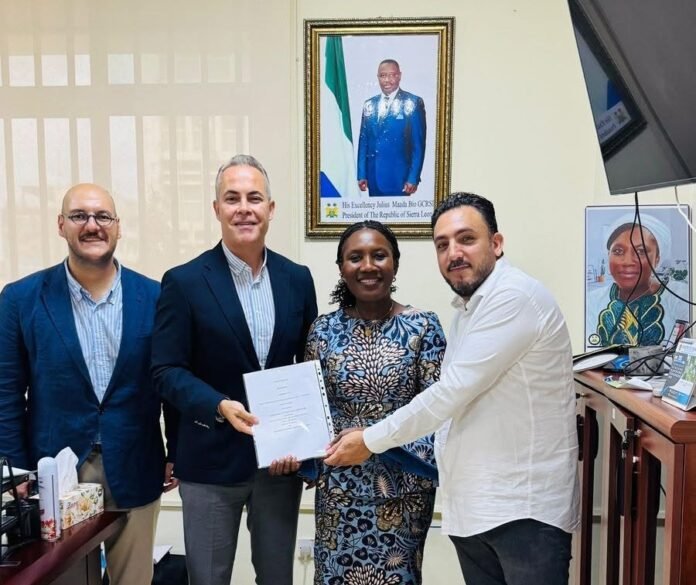
In a significant development for Sierra Leone’s energy sector, the Government of Sierra Leone through the Ministry of Energy (MoE) has officially renewed its contract with Karpowership, ensuring continued and improved electricity supply in Freetown. The agreement, signed on June 30, 2025, extends the existing power generation deal by one year and includes commitments to enhanced output and financial restructuring.

The agreement was finalized by representatives from the Ministries of Finance and Energy, along with the Electricity Distribution and Supply Authority (EDSA) and Karpowership’s management team. Under the new terms, Karpowership will provide 25 megawatts (MW) of electricity during the rainy season and ramp up to 45MW in the dry season critical periods that determine power demand and supply stability.

The contract extension follows the conclusion of the original five-year agreement on the same day, June 30, 2025. As part of the renewed deal, officials confirmed that while the core structure of the initial agreement remains in place, minor adjustments have been introduced to enhance cost-efficiency and operational effectiveness.

In a related move, the government and Karpowership reached a negotiated settlement on outstanding payments owed by Sierra Leone. This includes a restructuring of the national debt to the company, which stakeholders described as a breakthrough in ongoing financial discussions and a sign of mutual cooperation.

A spokesperson for Karpowership expressed appreciation for the Government’s continued trust, reaffirming the company’s commitment to providing uninterrupted and reliable power to the people of Sierra Leone. “We are grateful for the confidence placed in us and remain dedicated to delivering on our obligations,” the spokesperson stated.

The Ministry of Energy also extended its gratitude to Karpowership for its consistent support, noting that the partnership continues to be instrumental in advancing the country’s socio-economic development. The Ministry highlighted that stable electricity remains a cornerstone of the government’s national development agenda, supporting both domestic needs and commercial activities.

Energy analysts and civil society actors have welcomed the announcement, citing the extension as a timely and strategic move to ensure steady power generation and distribution—particularly in Freetown and other urban centers where demand is high.

Both the Ministry and Karpowership reaffirmed their joint dedication to supporting the country’s socio-economic growth and advancing national energy goals in line with the government’s broader policy objectives.

The announcement comes as Sierra Leone continues efforts to expand and stabilize its energy supply, with electricity access seen as a critical pillar for development and service delivery nationwide.


Vice President Calls for Stronger African Economies at International Financing Conference in Spain

By Amin Kef-Ranger

Vice President of Sierra Leone, Dr. Mohamed Juldeh Jalloh, has called for a bold transformation in Africa’s development financing strategy, urging a decisive move away from heavy reliance on traditional aid toward stronger domestic revenue generation and private sector-led investment. Speaking on behalf of President Julius Maada Bio at a high-level side event during the Fourth International Conference on Financing for Development (FFD4) in Seville, Spain, Dr. Mohamed Juldeh Jalloh outlined a comprehensive vision for Sierra Leone’s economic future centered on sustainable financing and sectoral reforms.

The side event, organized by the advocacy platform Global Citizen Now, brought together international development actors, Government officials and private sector leaders to address the critical financing gaps confronting the Global South. Under the theme: “Strengthening Domestic Resource Mobilization in Sierra Leone: Scaling up Mineral Wealth Management and Promoting Innovative Agritech Farms,” Dr. Mohamed Juldeh Jalloh presented Sierra Leone’s ambitious plans to boost domestic revenue through strategic transformation of its mining and agricultural sectors.

Highlighting Sierra Leone’s wealth of minerals including diamonds, gold, bauxite and iron ore, Dr. Mohamed Juldeh Jalloh emphasized that the true benefit of those resources depends on good governance, transparency and value addition. “What matters is governance,” he stated firmly. He detailed the Government’s bold reforms aimed at building a mining industry that is inclusive, accountable and contributes meaningfully to education, health and infrastructure development. “We extend an open invitation to investors worldwide to partner with us in creating a mining sector that delivers shared prosperity,” he added.

Turning to agriculture, which employs the majority of Sierra Leone’s population, Dr. Mohamed Juldeh Jalloh described a dynamic shift from traditional small-scale farming to modern, technology-driven agribusiness. He highlighted innovations such as drone-assisted land mapping, digital farm platforms, precision irrigation and climate-smart devices as key drivers of a new era of productivity. The Vice President underscored the vital role of youth and women in agriculture and encouraged investment across the entire value chain from production to processing and export. “We welcome visionary partners to co-invest in unlocking the full potential of Sierra Leone’s agricultural sector,” he said.

Dr. Mohamed Juldeh Jalloh stressed that effective domestic resource mobilization requires more than just taxation; it calls for creating a robust business environment supported by innovative financing mechanisms. Sierra Leone is actively exploring blended finance models to de-risk private investment, green and blue bonds for sustainability projects and a diaspora investment framework to attract capital from abroad. “Our capacity to finance our development must begin at home,” he asserted during a multi-stakeholder roundtable he co-chaired with Estonia’s President Alar Karis. The session focused on practical strategies to increase public funding for critical sectors such as health, education, renewable energy and women’s empowerment.

Speaking on the importance of strengthening tax systems, boosting regional trade and enhancing accountability, Dr. Mohamed Juldeh Jalloh urged Governments across the Global South to broaden their tax bases and build public trust. “We must improve compliance and build confidence in our institutions to create resilient economies,” he explained. He praised the roundtable discussions as “vibrant and forward-thinking” and credited participants for producing actionable recommendations to support sustainable development.

Dr. Mohamed Juldeh Jalloh’s interventions at FFD4 showcased Sierra Leone’s rising leadership in international development discourse, particularly in advocating for self-reliant, equity-driven and sustainable financing frameworks. His message aligns with a broader continental push to recalibrate Africa’s development trajectory toward greater resilience and inclusive growth amid a challenging global environment. The Vice President’s call for reforms and innovative partnerships reflects a deep commitment to securing a prosperous future not only for Sierra Leone but for the entire continent.

NP (SL) Fuel Price Reduction Reflects Strategic Shift in Overhead Costs Benefiting Customers

By Amin Kef-Ranger

NP Sierra Leone Limited, NP (SL) Ltd, has announced a significant reduction in the pump prices of its petroleum products, a development that stems from a strategic restructuring of its operational model. The company has transferred its overhead costs, previously borne entirely by (NP)SL),to its customers marking a new chapter in its approach to service delivery. This includes customers now taking responsibility for expenses such as the replacement of parts on fuel dispensers at Filling Stations, procurement of equipment, infrastructure upgrades and other key operational costs.

The shift in cost structure has enabled NP (SL) to lower its retail fuel prices to Le 25 per litre for petrol and Le 24 per litre for diesel, with the new rates effective immediately. The announcement comes at a critical time as individuals and businesses across Sierra Leone grapple with rising living costs and economic uncertainty. The reduction is already being welcomed by commercial drivers, transport operators and small business owners, who see it as a timely intervention that will help ease financial strain and enhance productivity.

What makes this move even more impactful is NP (SL)’s wide-reaching presence across the country. With an extensive and well-established network of Filling Stations and distribution points in both urban and rural communities, the price drop is expected to deliver widespread economic relief. By extending its benefits far beyond the capital city, NP (SL) ensures that the positive effects of this strategic shift are felt in every corner of Sierra Leone.

Despite transferring certain operational costs to its customers, NP (SL) L remains committed to maintaining high standards of service. The company will continue to provide technical advice and expert support to ensure smooth operations and efficiency across its nationwide network. This balance of cost-sharing and continued partnership underscores NP (SL)’s position as a forward-thinking and responsible entity within the petroleum sector.

The company’s decision has been widely praised by both the public and industry observers as a sign of corporate patriotism and leadership. NP (SL) has long been recognized for its customer-focused approach and innovative solutions, including the successful launch of the NP Energy Pass Card, a digital platform that enhances security and ease in fuel purchasing.

Beyond its business strategies, NP (SL) is also celebrated as a certified and tax-compliant company. One of the key reasons behind its ISO certification is the company’s consistent fulfillment of its tax obligations, a commitment it continues to uphold with integrity. By contributing significantly to Government revenue, NP (SL) not only fuels the nation’s engines but also helps drive public development efforts.

A transport operator at NP’s Kissy Road Filling Station called the company’s new pricing model “a thoughtful and forward-looking gesture,” noting that the lower fuel costs would soon reflect in reduced fares and lower commodity prices. Sectors such as agriculture, healthcare and logistics, all heavily dependent on affordable fuel, are expected to benefit as well.

The move has sparked positive conversations across media platforms, with calls for other industry players to emulate NP (SL)’s example. Citizens and economic stakeholders have also urged continued policy support from Government authorities to enable more local businesses to adopt similarly impactful strategies.

In reaffirming its commitment to quality and service, NP (SL) assures its customers that product standards and supply reliability will not be compromised. As Sierra Leoneans begin to feel the ripple effects of the price reduction, NP (SL)’s decision stands as a powerful example of how thoughtful corporate leadership can contribute meaningfully to national recovery and growth.

With this strategic realignment and renewed focus on shared responsibility, NP (SL) is once again demonstrating its place as a trusted partner in the economic journey of Sierra Leone.

Mandingo Union UK & Ireland Re-elects Alhaji Ibrahim Sheriff as Chairman

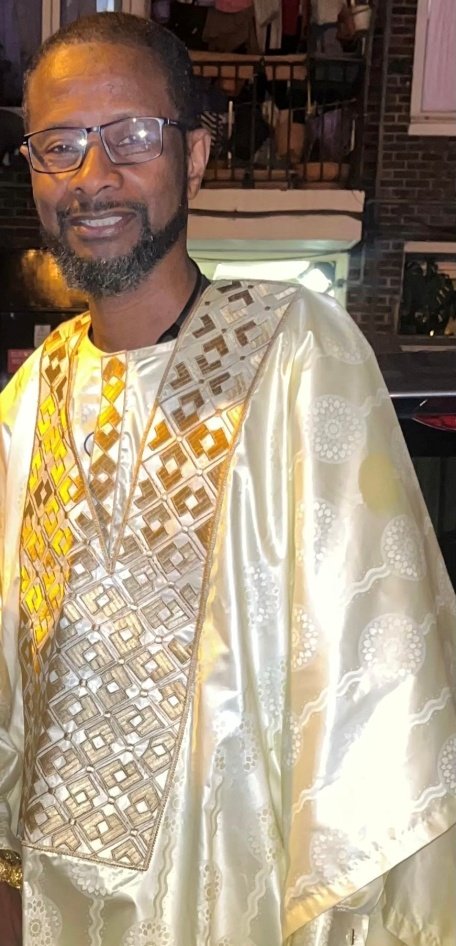
Alhaji Ibrahim Sheriff, Chairman, Mandingo Union for the United Kingdom and Ireland

By Foday Mahmood Mansaray

The Mandingo Union for the United Kingdom and Ireland has reaffirmed its confidence in Alhaji Ibrahim Sheriff by re-electing him unopposed as Chairman for a second consecutive term during its annual elections held on Sunday, 29th June 2025. The election was conducted by trustees of the Union, Sheik Baimba Conteh, Karamo Daboh and Ismael Kallon who oversaw a smooth and transparent process that culminated in Alhaji Ibrahim Sheriff’s continued leadership.

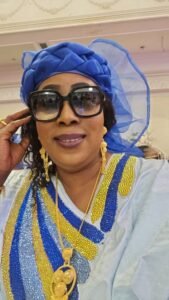
Other executive members elected include Mariama Seray Sannoh as Vice Chairperson and Foday Mahmood Mansaray as Assistant Secretary General.

Formed in August 2014, the Mandingo Union UK & Ireland has grown into a dynamic diaspora organization with over 100 registered members, of which more than 90 are actively involved. The Union is committed to promoting peace, unity and progress among individuals of Mandingo heritage both in the UK and globally. It also serves as a support system, offering emotional, moral and financial assistance during significant life events such as weddings, naming ceremonies, bereavements and natural disasters.

In keeping with the Union’s constitution, Alhaji Ibrahim Sheriff dissolved his Executive ahead of the elections to allow an open nomination process. However, an overwhelming majority endorsed him to continue, highlighting his dedication, strategic leadership and steadfast commitment to the Union’s mission.

Alhaji Ibrahim Sheriff is widely respected for his inclusive leadership style, strong listening skills and focus on collective well-being. His working relationship with Vice Chairperson, Mariama Seray Sannoh, has been noted as a pillar of the Union’s strength and unity.

With 95% of members backing his re-election, the result reflects broad satisfaction with the Union’s direction under Alhaji Ibrahim Sheriff’s leadership.

The Mandingo people, also known as the Mandinka, are part of the larger Mande ethnic group with deep historical roots in West Africa, particularly in Sierra Leone, Mali, Senegal, Gambia, Guinea, Ivory Coast and Guinea-Bissau. The Mandingo Union UK & Ireland plays a crucial role in preserving cultural identity, promoting community cohesion and advocating for the welfare of Mandingo descendants in the diaspora.

In his address, Alhaji Ibrahim Sheriff thanked members for their trust and described the re-election as a reflection of the Union’s enduring unity and purpose.

“This is not only an honour, but a testament to the faith, confidence and unity we continue to share as a people,” he said.

Under his leadership, the Union has achieved several notable milestones, including:

  • Registering as a UK charity in 2017
  • Awarding five-year scholarships to children in Sierra Leone
  • Providing annual Ramadan donations of rice and cash to mosques across Sierra Leone
  • Supporting healthcare for individuals and institutions
  • Contributing to bereavement and charity fundraisers in the UK

“These initiatives reflect not just our size, but our unity, compassion and unwavering commitment to helping others,” he added.

Looking ahead, Alhaji Ibrahim Sheriff unveiled an ambitious plan to establish a permanent Community Centre for the Mandingo Union UK. The envisioned facility will serve as a hub for community services; offering support for the elderly, youth and those facing immigration, housing or employment challenges. It will also include a religious space for prayer and spiritual reflection.

“This centre will be more than just a building; it will be a home for our people, a place of support, guidance and togetherness,” Alhaji Ibrahim Sheriff declared. “Though led by the Mandingo Union it will be open to all, embracing unity beyond tribe or background.”

He concluded by urging continued support from the membership:

“I cannot do it alone. I need your ideas, your time, your energy. Together, we’ve built something powerful. Now, together, let us build something permanent.”

With a renewed mandate and a clear vision, Alhaji Ibrahim Sheriff’s leadership continues to inspire confidence as the Mandingo Union UK & Ireland strengthens its legacy of service, solidarity and community empowerment.

Mariama Seray Sannoh, Vice Chairperson
Foday Mahmood Mansaray, Assistant Secretary General