Home Blog Page 232

Alhaji Musa Tarawallie Strengthens Education with Le 30,000 Donation to Fadugu DEC Primary School

In a remarkable display of generosity and commitment to education, renowned humanitarian and dedicated member of the Sierra Leone People’s Party (SLPP), Hon.Alhaji Musa Tarawallie,  donated Le 30,000 to the District Educational Council (DEC) Primary School in Constituency 045 within Fadugu, Kabala District. The donation, made on Wednesday, March 5, 2025, is specifically aimed at constructing a protective fence around the school, addressing a critical safety concern for its pupils.

The DEC Primary School is situated dangerously close to the bustling Fadugu-Kabala Highway, exposing young learners to potential accidents as they navigate their way to and from school. Recognizing the urgent need to enhance student safety, Hon. Alhaji Musa Tarawallie took the initiative to provide the necessary funds for this essential infrastructure. The construction of the fence will serve as a safeguard, ensuring that children can focus on their studies in a secure environment, free from external risks.

Expressing her heartfelt gratitude, the Headmistress of DEC Primary School, Madam Juliet Conteh, lauded Alhaji Musa Tarawalie’s benevolent gesture. She described the donation as a historic milestone for the school, noting that previous efforts to secure funding for a protective fence had been unsuccessful. With this financial support, she assured that construction would commence promptly, with a dedicated committee set to oversee the project’s smooth implementation.

The official handing-over ceremony was conducted by the Chairman of Constituency 045, Alhaji Wurie Bah, a representative of the SLPP, who reaffirmed the party’s commitment to supporting local communities and prioritizing education. He emphasized that ensuring the safety and well-being of schoolchildren aligns with the broader vision of national development.

DEC Primary School holds significant historical value, having nurtured many prominent individuals, including the late S.B. Marah, who later served as a teacher at the school. Established in 1950, the school has been a beacon of knowledge and transformation in the region. With the addition of this protective fence, its legacy of producing future leaders is further secured.

Alhaji Musa Tarawalie’s philanthropic contribution underscores his unwavering dedication to education and community development. His generosity has not only addressed an urgent infrastructural need but has also inspired hope among students, teachers and parents alike. As construction begins, the people of Fadugu celebrate a leader whose actions continue to positively impact lives, ensuring a safer and brighter future for the next generation.

Attorney General Highlights Major Developments in Sierra Leone’s Constitutional Review & Justice Sector Reforms

Attorney General and Minister of Justice, Alpha Sesay Esq.

Attorney General and Minister of Justice, Alpha Sesay Esq., during a breakfast morning program on AYV Television on Tuesday 4 March 2025, provided critical updates on the ongoing constitutional review process and key reforms within Sierra Leone’s justice sector. The Attorney General took the opportunity to highlight the progress made in these areas, as well as President Julius Maada Bio’s steadfast commitment to transforming the country’s justice sector.

Alpha Sesay Esq. traced the origins of the constitutional review process, explaining that it began as a collaborative effort aimed at ensuring that Sierra Leone’s constitution remains dynamic and responsive to the country’s evolving needs. He also outlined some of the key amendments and proposals currently being debated, which aim to strengthen democratic governance, fortify the rule of law and expand citizens’ rights.

“The constitutional review process is crucial in ensuring that our legal framework reflects fairness, inclusivity and justice for all Sierra Leoneans,” stated the Attorney General. “The amendments we’re considering will pave the way for a more transparent, accountable and stronger governance system,” he furthered

He went on to highlight President Bio’s commitment to reforming Sierra Leone’s justice sector, underscoring the advancements made in tackling challenges such as access to justice, legal procedures and overall judicial efficiency. While acknowledging the strides made, he noted that there is still much to be done to guarantee that every citizen has access to a fair and efficient legal system.

“This administration is deeply committed to enacting meaningful reforms in the justice sector,” added the Attorney General. “Our goal is to build a system where justice is not only done but is also seen to be done. We want to ensure our courts are accessible, impartial and responsive to the needs of the people.”

The Attorney General also emphasized the importance of public engagement throughout the review and reform process. He noted that citizen involvement is critical to creating a system that works for everyone, reiterating that transparency and accountability are the fundamental principles guiding the ongoing constitutional review.

“It’s always great to engage with the citizens we serve,” he said. “The input of the people is vital in ensuring the reforms reflect the aspirations of all Sierra Leoneans.”

With the nation continuing its journey towards stronger democratic governance and a more efficient justice system, the Attorney General reaffirmed the Government’s commitment to ensuring that the constitutional review process and justice sector reforms remain inclusive, transparent and focused on enhancing citizens’ rights and freedoms.

The session ended with him calling on all Sierra Leoneans to actively engage in the ongoing review process and contribute to shaping the future of the country’s legal and governance systems.

First Lady Fatima Bio Stands with Koidu Miners in Call for Better Working Conditions

First Lady of the Republic of Sierra Leone, Dr. Fatima Maada Bio
#image_title

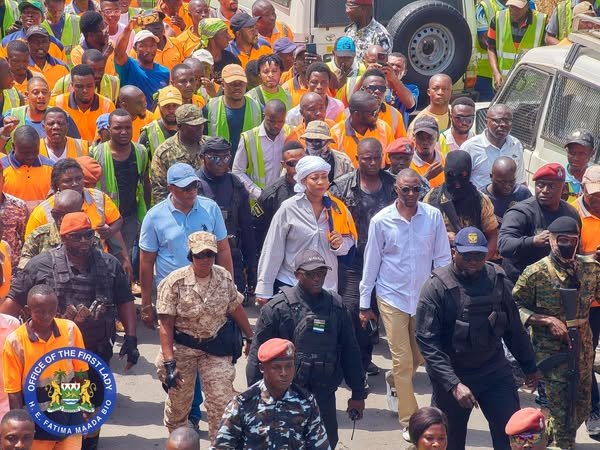
The First Lady of the Republic of Sierra Leone, Dr. Fatima Maada Bio, stood in solidarity with workers of Koidu Limited mining company during a peaceful protest on Tuesday March 4, 2025 in Koidu City, Kono District. The demonstration, organized by employees advocating for improved working conditions, better wages and enhanced safety measures, underscored the growing concerns within the mining sector.

Dr. Fatima Maada Bio’s presence at the protest reflected her deep commitment to workers’ rights and her advocacy for fair treatment and dignity for all laborers across the country. Addressing the demonstrators, she reaffirmed her support for their cause and called on the Management of Koidu Limited and relevant authorities to engage in constructive dialogue with the employees.

“I joined my brothers and sisters working at the Koidu Limited Mining Company in Koidu City to peacefully protest. Our collective action aimed to urge Koidu Limited to enhance working conditions and provide better services for all employees,” she stated.

The workers’ key demands included formal recognition of their union, living allowances, a 30% salary increment, overtime compensation, provision of incentives, access to safe drinking water and the freedom of financial choice. Holding placards and chanting, the demonstrators peacefully conveyed their demands, while security personnel ensured order and facilitated discussions between the workers and company representatives.

Dr. Fatima Maada Bio emphasized the importance of fair labor practices and corporate responsibility, acknowledging the vital role mining workers play in Sierra Leone’s economy. She assured them that their concerns had been heard and that steps would be taken to find sustainable solutions benefiting both employees and the industry.

Following the protest, the First Lady announced that she had received a message from Koidu Holdings Limited indicating that the company would formally respond in writing, agreeing to the demands presented by the workers.

“However, I want to make it clear that I will not leave Kono if those demands are not met. If we do not receive a satisfactory response by the end of the day, we will have no choice but to peacefully march to Koidu Holdings Limited tomorrow,” she declared.

She urged workers to maintain peace while awaiting the company’s formal response. In the event that their demands are met, she encouraged a spirit of harmony and cooperation between employees and Management.

“Our aim is not to nurture grudges or create discord within our community; rather, we seek to enhance the conditions of service for each and every one of you,” she added.

Dr. Fatima Maada Bio’s involvement in the demonstration reinforced the legitimacy of the workers’ concerns and underscored her leadership in promoting social justice and economic equity. As a vocal advocate for human rights and social development, she continues to champion initiatives aimed at improving the livelihoods of Sierra Leoneans, particularly vulnerable communities. Her engagement in Koidu highlights her unwavering dedication to ensuring that the voices of workers are heard at the highest levels of governance.


WHH Sierra Leone Concludes Regional Symposium on Nutrition-Smart Community Program

Welthungerhilfe (WHH) Sierra Leone

By Foday Moriba Conteh

Welthungerhilfe (WHH) Sierra Leone and its partners concluded a one-day Regional Nutrition-Smart Community Program Symposium on Thursday, 6th March 2024. The symposium held under the theme: “Improving Scalability and Sustainability of Food and Nutrition Security in Africa through Government-Led Policy Reforms,” brought together participants from four African countries: Sierra Leone, Malawi, Burundi and Ethiopia.

The event, hosted at the New Brookfields Hotel in New England Ville, Freetown, focused on the Nutrition-Smart Community Program, a community-driven, multi-sectoral approach to tackling malnutrition. The initiative aims to enhance food and nutrition security, as well as hygiene practices, particularly among children, adolescent girls, breastfeeding mothers and women.

In his welcome address, Octave Emmanuel Bananeza, Country Director, Welthungerhilfe (WHH) Sierra Leone, called for greater collaboration in addressing food insecurity and malnutrition in Sierra Leone and across Africa. He emphasized the urgency of scaling up interventions to strengthen resilient food systems and combat the growing threat of hunger.

Welthungerhilfe (WHH) Sierra Leone Country Director referenced the findings of the 2024 Global Hunger Index (GHI), which revealed minimal progress in reducing hunger worldwide. The report assigned the world a moderate hunger index score of 18.3, while classifying Malawi, Sierra Leone and Ethiopia as facing serious levels of hunger, with Burundi categorized as alarming, Octave Emmanuel Bananeza revealed. He stressed that climate change, poverty and economic shocks continue to undermine livelihoods, making collective action more urgent than ever.

He further disclosed that since WHH began operations in Sierra Leone in 2003, the organization has prioritized tackling hunger and malnutrition through resilient food systems, nutrition and health programs, WASH (Water, Sanitation and Hygiene), land rights, biodiversity protection and economic empowerment initiatives. The Nutrition-Smart Community (NSC) Africa Program, funded by the German Government, he pointed out, has yielded promising results across its target countries. According to Octave Emmanuel Bananeza, the percentage of households with sufficient crop variety in their nutrition gardens for at least 10 months per year has risen from 27% to 70%, while sanitation practices have improved from 30% to 60%.

However, he acknowledged that external factors play a significant role in shaping food security outcomes emphasizing the need to scale and sustain interventions by aligning efforts with Government-led policy reforms that focus on agricultural production, market access, value chain strengthening, land rights, climate resilience and governance.

He expressed gratitude to the Government of Germany/BMZ, the Government of Sierra Leone and other donors such as Irish Aid for their commitment to expanding the NSC initiative. Octave Emmanuel Bananeza also acknowledged the dedication of all stakeholders working towards improving nutrition security in the country.

Deputy Minister of Agriculture and Food Security II, Sahr Hamore, commended Welthungerhilfe (WHH) and its partners for their continued support to vulnerable households through community-driven projects that equip individuals with knowledge, resources and support to enhance food security and nutritional outcomes.

He outlined five key strategic objectives that the Ministry of Agriculture and Food Security is pursuing under the leadership of the Minister, Dr. Henry Musa Kpaka to achieve President Julius Maada Bio’s vision of a food-sovereign Sierra Leone. Those, according to him, include import substitution by increasing local food production to reduce dependency on imports, increasing export earnings by making agriculture a major source of foreign exchange and job creation for women and youth by establishing formal jobs with sustainable wages.

Sahr Hamore highlighted the Ministry’s achievements since launching the Feed Salone Strategy Initiative, which aims to boost food production and ensure year-round availability. Among the key milestones, he stated, are the expansion of rice and food crop cultivation to over 30,000 hectares, the initiation of a 4,500-hectare irrigation scheme to support sustainable rice production and the development of over 3,000 hectares of Inland Valley Swamps for rice and food crop cultivation.

He intimated how a $28 million credit facility has been created to provide financial support to farmers and agribusinesses maintaining that the Ministry has introduced digital soil mapping to enhance agricultural productivity, facilitated the establishment of a rice processing center and developed a Food Security Early Warning System to prevent food crises.

Furthermore, according to the Deputy Minister, the Government has launched a biometric National Farmers’ Registry to streamline farmer support programs, ensuring that resources reach those who need them most.

Jens Kraus-Massé, German Ambassador to Sierra Leone, emphasized the critical role of international cooperation in tackling food insecurity and malnutrition, underscoring Germany’s commitment to strengthening partnerships with African nations to address global challenges such as climate change and food security.

“I have never seen a project so directly addressing SDG 2, achieving food security, improving nutrition and promoting sustainable agriculture, than this regional initiative,” Ambassador Jens Kraus-Massé stated. He highlighted the importance of collaborative efforts, referencing Germany’s new Africa policy guidelines, which prioritize partnerships between Africa and Germany to solve global problems.

In his keynote address, Andrew L. Sorie, the Permanent Secretary of the Ministry of Health underscored the importance of Government-led policy reforms in scaling up food and nutrition security in Sierra Leone. He stressed the need for collaborative efforts between the Ministry of Health, the Ministry of Agriculture and key stakeholders to strengthen nutrition interventions, particularly for children and vulnerable populations.

Andrew L. Sorie further outlined the Government’s policy and regulatory framework, including the National Nutrition Policy (2023–2030), which provides strategic guidelines for community well-being and food security. In addition, he highlighted ongoing awareness and education programs aimed at promoting nutrition education in schools and communities.

He informed how the Ministry of Health has launched public campaigns to promote breastfeeding, balanced diets and essential micronutrients, and is urging partners to support the operationalization of the Sierra Leone National Food-Based Dietary Guidelines.

In his closing remarks, the Permanent Secretary extended his appreciation to all stakeholders for their dedication to advancing food security in Sierra Leone. “On behalf of the Minister of Health, I congratulate you all for your unwavering commitment. Your efforts are essential in shaping a future where no child goes to bed hungry,” he said.

The symposium, attended by policymakers, development partners and agricultural experts, provided a platform for discussing strategies to improve nutrition and food security in Sierra Leone and the broader West African region.


Orange SL Donates 100 Tarpaulins to Support Shelter Needs of Persons with Disabilities

Orange Sierra Leone
Orange Sierra Leone

In a remarkable demonstration of corporate social responsibility, Orange Sierra Leone on Friday, February 28, 2025, donated 100 durable tarpaulins to the National Commission for Persons with Disability. The official handing-over ceremony took place at the Ministry of Social Welfare’s Conference Room in New England, Freetown. The event was attended by the Minister of Social Welfare, Melrose Karminty, representatives from the National Commission for Persons with Disability, officials from Orange Sierra Leone and various disabled groups.

During the ceremony, Piloya Grace Nollah, Director of Hands-on Development and Social Transformation at the National Commission for Persons with Disability, highlighted the challenges faced by persons with disabilities, particularly during the last rainy season. She recalled how her office received numerous complaints about leaking roofs and flooding in the shelters of disabled persons across the country, prompting her to reach out to Orange Sierra Leone for assistance. She commended the company for its swift response and commitment to supporting vulnerable groups.

Expressing her appreciation, Zainab Kamara of the Empowerment for Disabilities and Social Integration Group praised Orange Sierra Leone for its dedication to alleviating the struggles of marginalized communities. She emphasized that businesses like Orange Sierra Leone have a pivotal role to play in social development and stressed that the company’s support extends beyond providing physical shelter; it also demonstrates empathy and compassion for the vulnerable.

Speaking at the event, Dannetta Younge, General Secretary of Orange Sierra Leone, reaffirmed the company’s unwavering commitment to Corporate Social Responsibility (CSR). She noted that the donation aligns with Orange Sierra Leone’s core values, particularly its emphasis on care, responsibility and boldness. Dannetta Younge reiterated that the company’s CSR initiatives are deeply embedded in its mission to support and uplift the communities it serves, making it more than just an investor in Sierra Leone.

She also acknowledged the dedication of Minister Melrose Karminty in advocating for the rights and inclusion of persons with disabilities. Dannetta Younge assured that Orange Sierra Leone remains committed to supporting impactful initiatives that enhance the lives of disadvantaged groups.

Minister of Social Welfare, Melrose Karminty, expressed her profound gratitude to Orange Sierra Leone for its ongoing support and commitment to national development. She noted that since her appointment, this was her first engagement with a mobile network operator (MNO) that has actively pursued CSR initiatives aimed at supporting vulnerable communities. She commended the company for its sense of responsibility and its tangible demonstration of humanitarian values.

The donation of these tarpaulins is expected to provide much-needed relief to persons with disabilities across Sierra Leone, ensuring better shelter conditions and improved living standards. Orange Sierra Leone’s contribution stands as a testament to the power of corporate partnerships in driving social change and fostering inclusive development.

NP (SL) Remains the Trusted Choice for Premium Petroleum Products and Exceptional Service

NP (SL) Limited
NP (SL) Limited

By Amin Kef (Ranger)

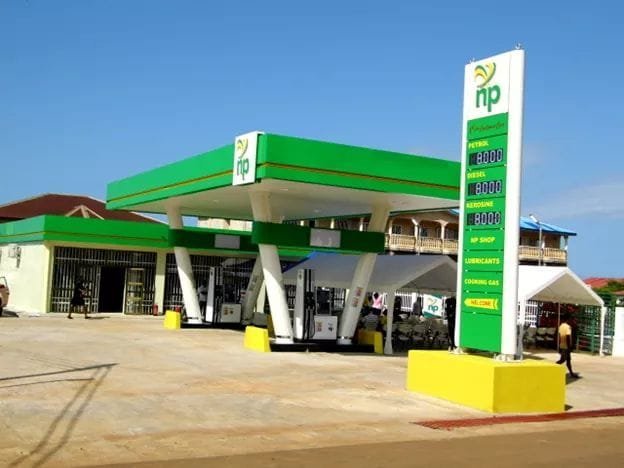
NP (SL) Limited stands as a pillar of excellence in Sierra Leone’s petroleum industry, firmly holding the title of “1st for Customer Care.” The company has cultivated a reputation for delivering high-quality petroleum products while ensuring exceptional service to its ever-growing customer base. With an unwavering commitment to both quality and consistency, NP (SL) Ltd continues to lead the market, offering a steady supply of fuel throughout Sierra Leone. Through strategic partnerships and careful planning, the company has successfully avoided disruptions, ensuring customers always have access to the products they need.

The trust placed in NP (SL) Ltd is rooted in its premium offerings, including petrol, diesel and lubricants. The company’s lubricants are recognized as some of the best on the market, designed to optimize engine performance. Available at retail outlets across the nation, these products have become a staple for individual and commercial users alike, further solidifying NP (SL) Ltd’s standing as the go-to source for petroleum products in Sierra Leone.

A core factor in the company’s success is its relentless focus on customer care. Recognizing that feedback drives improvement, NP (SL) Ltd actively engages with its clients to refine and enhance its service offerings. This customer-first approach has fostered unwavering loyalty, making NP (SL) Ltd the preferred choice for many. The company’s commitment to transparency is evident at its Filling Stations, where modern, calibrated pumping machines ensure customers receive the exact quantity of fuel they pay for. This openness has further cemented the company’s reputation as a trusted partner in fueling the nation’s needs.

NP (SL) Ltd also goes above and beyond with its flexible payment options, particularly for Ministries, Departments and Agencies (MDAs). Recognizing the challenges posed by delayed budgetary allocations, the company has worked to ensure that critical public services are not hindered by financial constraints, offering flexibility and accommodation to keep the wheels of governance turning smoothly.

At the heart of NP (SL) Ltd’s growth lies its adherence to Sierra Leone’s Local Content Policy. By prioritizing the hiring of skilled Sierra Leoneans, the company contributes to job creation and economic empowerment, playing a significant role in reducing poverty across the country.

Innovative products such as NP Gas, a safe and user-friendly cooking solution and the NP Smart Card, a secure and convenient payment method, exemplify NP (SL) Ltd’s forward-thinking approach. The NP Energy Pass Card, part of the company’s “FUBU” (For Us, By Us) initiative, takes customer convenience to new heights. This smart card supports both online and offline transactions, provides instant SMS notifications and ensures secure transactions, all while promoting a cashless economy.

Beyond Sierra Leone, NP (SL) Ltd has expanded into neighboring countries, including Guinea, Liberia, Ivory Coast and The Gambia. Its operations in these countries reflect the company’s ambition to compete regionally, creating jobs and contributing to economic stability.

NP (SL) Ltd’s success is not only reflected in its market leadership but also in its role as one of Sierra Leone’s largest taxpayers, supporting national development and Government initiatives.

As the petroleum marketing  company continues to innovate and grow, it remains committed to transparency, customer care and community empowerment, reinforcing its position as Sierra Leone’s leading petroleum company and a trusted partner for all.

Peace Commission and Partners Unite to Prevent Electoral Violence and Foster National Cohesion

Independent Commission for Peace and National Cohesion (ICPNC)

By Alvin Lansana Kargbo

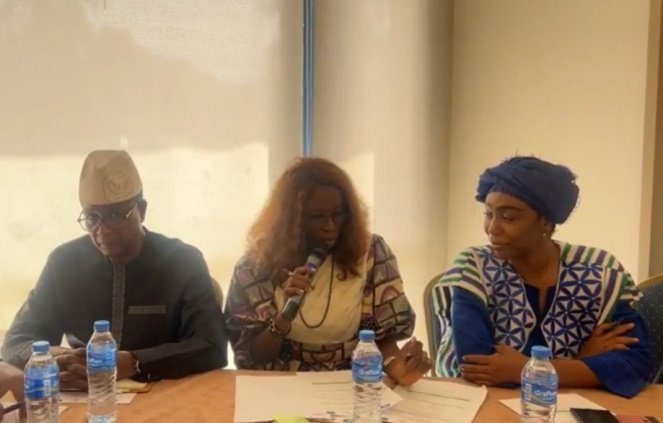
The Independent Commission for Peace and National Cohesion (ICPNC), in collaboration with the International Institute for Democracy and Electoral Assistance (International IDEA), on Wednesday 5 March 2025 at the Country Lodge in Freetown intensified efforts to promote peace and prevent conflicts across Sierra Leone. This initiative comes in response to escalating tensions during intra-political party lower-level elections, which have, at times, led to violence, posing serious threats to national security and stability.

The engagement brought together Paramount Chiefs, Civil Society Organizations (CSOs), political party members and key Governmental stakeholders to identify threats and risks that could undermine peace and security. Discussions also explored effective strategies to mitigate those challenges as the electoral process unfolds at the grassroots level.

The Executive Director of the Independent Commission for Peace and National Cohesion, Madam Hawa Samai, highlighted the Commission’s ongoing engagements with diverse stakeholders, including traditional leaders, political parties, youth, women leaders and the security sector. She emphasized that the goal is to ensure peaceful and fair elections while managing political tensions.

“In our engagements across different regions, we discovered that some local leaders, including Paramount Chiefs, were not adequately informed about election logistics. This gap hindered their ability to prevent conflicts in their respective areas,” she stated.

Madam Hawa Samai noted that the Peace Commission is working closely with the Political Parties Registration Commission (PPRC) and other relevant authorities to ensure better coordination, effective monitoring and management of elections. She stressed the importance of involving all levels of society, particularly traditional leaders, who have played a crucial role in past crises.

“We are committed to preventing any further decline in Sierra Leone’s position on the Global Peace Index. The lower-level elections must not disrupt our national peace and social harmony,” she added.

Francis Langumba Keili, Chief of Staff at the Office of National Security (ONS), expressed appreciation for the Peace Commission’s efforts and reaffirmed the security sector’s commitment to ensuring peace and stability during the electoral process.

“Without security, there can be no stability, development or governance,” he stated. He noted that elections should not be a source of security concerns, but political intolerance, both within and between parties, has led to aggressive contestation, necessitating heightened security measures.

He warned that such tensions have led to significant security deployments, diverting funds from essential development projects. “The increasing militarization of elections is harmful to our democracy,” he cautioned.

Francis Langumba Keili also emphasized that Sierra Leone’s security sector remains professional and non-political, serving any democratically elected Government. However, he urged security personnel and traditional leaders to avoid partisanship, as it breeds suspicion and undermines their roles.

“In the coming elections and beyond, integrated election security will be a permanent feature. We have zero tolerance for indiscipline and remain committed to maintaining peace and stability,” he concluded.

Chief Mathew Jibao Young, representing the Council of Tribal Heads, expressed gratitude for the engagement and reiterated the importance of peace and unity within communities.

“No development can take place without peace. It is essential that we work together as brothers and sisters to maintain stability in the country,” Chief Mathew Jibao Young emphasized.

He acknowledged the challenges posed by political conflicts and pledged to engage communities through media platforms such as SLBC to discourage participation in electoral violence.

“We must take proactive measures to prevent conflicts before they escalate. Consistent communication is key and I commend the Peace Commission for its efforts in fostering national cohesion,” he added.

Other key institutions and organizations also contributed to the discussions, reinforcing the collective effort to ensure peaceful elections:

Political Parties Registration Commission representative reaffirmed the Commission’s commitment to monitoring political party activities and ensuring compliance with democratic principles. “We will continue to work closely with political parties to foster internal democracy and minimize disputes during intra-party elections,” the PPRC representative stated.

National Council for Civic Education and Development (NaCCED) representative emphasized the need for civic education to promote political tolerance. “Educating citizens on their rights and responsibilities is crucial in preventing violence. We encourage all political parties to engage in issue-based politics rather than confrontation,” it was stated.

The concerted efforts of the Peace Commission, security sector, traditional leaders and civil society groups underscore a collective determination to safeguard national peace and stability. The call for inclusivity, tolerance and responsible political conduct remains central to ensuring a peaceful electoral process and a more cohesive Sierra Leone.


Restoring Sight: MoH and Choithram Memorial Hospital Roll Out Free Eye Surgery Outreach Program

By Amin Kef (Ranger)

In a significant move to combat preventable blindness, Choithram Memorial Hospital has partnered with the Ministry of Health (MoH) to launch a Cataract Surgery Outreach Program across all district hospitals in Sierra Leone. This nationwide initiative aims to provide free cataract surgeries and treatment to thousands of citizens, improving eye health and overall quality of life.

The Cataract Eye Campaign screening is set to commence on March 10, 2025, at the district level and will be an ongoing process. To streamline operations, all districts have been divided into four zones.

The initiative is supported by Choithram Netralaya (Eye Hospital) in India, Noor Dubai (Mohammed Bin Rashid Al Maktoum Global Initiatives) in Dubai and the Choithram International Foundation. These organizations are collaborating to bring cutting-edge ophthalmic care to Sierra Leone, ensuring that all surgeries and treatments are to be provided entirely free of charge to patients.

The outreach program aims to perform approximately 2,000 cataract surgeries over a four-month period, running from March 26, 2025, to July 15, 2025. Depending on the complexity of each case, both conventional cataract surgeries and Phacoemulsification procedures will be performed. The program will be overseen by the National Eye Health Program Manager at MoH, who will assist in monitoring and execution.

The screening process will be conducted at multiple levels:

1. Initial Screening: District Eye Health specialists will perform preliminary screenings at district Government hospitals.

2. Second-Level Screening: Local Ophthalmologists at Choithram Hospital will conduct online screenings to select candidates for surgery.

3. Final Screening: Patients selected for surgery will be transported from zonal headquarters to Choithram Memorial Hospital in Freetown, where visiting surgeons will conduct physical screenings one day before the procedure.

To ensure accessibility, Choithram Memorial Hospital will arrange transportation for patients to and from the hospital. Additionally, patients scheduled for surgery will receive a per diem allowance to cover food, lodging and local transport expenses for three days in Freetown. Upon discharge, all necessary medications will be provided free of charge before patients return home. Follow-up care will be conducted at district hospitals.

In alignment with its agreement with MoH, the program will also focus on capacity building by deputing two doctors and four nurse practitioners each month to enhance their surgical skills. To facilitate smooth operations, Choithram Memorial Hospital has procured all necessary equipment for cataract surgeries, including operating microscopes, Phacoemulsification machines, lenses and other essential consumables.

A dedicated Public Relations Officer will be assigned to assist patients throughout the process.

If the program successfully meets its objectives, it will be extended for an additional two years to continue providing quality eye care to Sierra Leoneans in need.

This initiative underscores Choithram Memorial Hospital’s commitment to community health and its dedication to combating preventable blindness in collaboration with MoH and international partners.


QNET’s V-Africa 2025: A Landmark Event Empowering Entrepreneurs and Boosting Economic Growth

QNET’s V-Africa 2025

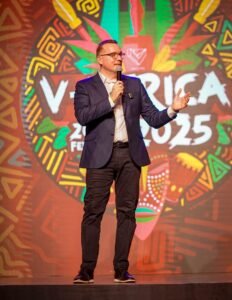
QNET’s highly anticipated V-Africa 2025, a regional edition of the company’s flagship convention has taken place in Ghana from February 20 to 23, 2025. The Accra International Conference Centre hosted 4000 participants from across the Sub-Saharan Africa region as they experienced four days of empowerment, networking, and innovation.

The convention showcased QNET’s exclusive product offerings, provide immersive entrepreneurship training, and contributed significantly to Ghana’s tourism and economic growth.

Trevor Kuna, Chief Marketing Officer for QNET, expressed his enthusiasm: “Hosting V-Africa 2025 in Ghana is a testament to our commitment to supporting entrepreneurs in Africa. This event isn’t just about showcasing our brand—it’s about empowering individuals to achieve their dreams while contributing meaningfully to local economies.

Empowering Entrepreneurs, Celebrating Culture
V-Africa featured product workshops, dynamic training sessions on business building and entrepreneurship, and an exhibition displaying QNET’s signature product brands such as Homepure range of home care products, Amezcua’s wellness range, Swiss watch brand Bernhard H. Mayer’s new Collection, and more. Attendees gained invaluable insights into QNET’s ethos of wellness, sustainability, and entrepreneurship, setting the stage for lasting business growth.

Biram Fall, QNET’s Regional General Manager for sub-Saharan Africa, elaborated on the event’s local significance: “V-Africa 2025 has left a lasting legacy by empowering African entrepreneurs from different countries and supporting Ghana’s tourism industry. This is more than a business convention—it’s a platform for connection, growth, and transformation.”

Driving Tourism and Economic Growth
As one of the largest events of its kind, V-Africa 2025 attracted participants from 25 countries, providing a boost to the local hospitality, transportation, and tourism sectors. QNET’s commitment to Africa includes partnering with local stakeholders to ensure the event delivers long-term benefits to the continent.

###

About QNET

QNET is a prominent lifestyle and wellness company that uses a direct selling business model to offer a wide selection of exclusive products that enable individuals to embrace a healthier, more balanced life.

Since 1998, QNET’s innovative products and e-commerce-driven business model have helped build a global community of satisfied customers and microentrepreneurs, who are driven by the mission of RYTHM – Raise Yourself To Help Mankind. Popular product brands offered by QNET include the Bernhard H. Mayer range of luxury watches and jewellery, HomePure range of home care products, the Amezcua wellness range, Physio Radiance personal care range, and QVI branded holiday packages.

QNET proudly holds memberships in the Direct Selling Association in several countries, the Hong Kong Health Food Association, the Health Supplements Industry Association of Singapore, and more. QNET is also active in several global sports sponsorships including in its role as the official direct selling partner of the Manchester City Football Club and the Confederation of African Football (CAF), underscoring its commitment to excellence and global reach.  Discover a world of new possibilities with QNET by visiting www.qnet.net

Trevor Kuna, Chief Marketing Officer for QNET

COMMENTARY: NGO Must Re-Strategise to Deal with Shrinking Global Funding Sources

By Babatunde Rashid

When the world commemorated World NGO Day on Thursday 27 February 2025, I was only particular about the landmark interventions they had made across the world, especially in Sierra Leone and in Africa.  In my country, a small West African nation with a wealth of natural resource deposit, we still celebrate Non-Governmental Organizations (NGOs) and Civil Society Organizations (CSOs) interventions in areas where Government was constrained to reach with public services.

I grew up in Freetown and in other parts of the country in the 1970s. Some of those towns I lived and worked actually had the most basic amenities, but the growing population and movement of people would eventually put a huge strain on Government services. This would mean that NGOs and CSOs constantly coming in to augment Government’s efforts.


But as the world marked World NGO Day this year, Sierra Leone’s Vice President, Dr. Mohamed Juldeh Jalloh, reminded the world on how far they had come. He also issued a powerful call to action, urging NGOs, including other non-state actors, to embrace innovation and adaptability in the face of a fluid but rapidly evolving development landscape.

In his address to an audience of civil society leaders, development partners and policymakers, VP Jalloh emphasized the urgency for NGOs to rethink their strategies in light of shrinking global funding sources. I am particularly satisfied with the way he underscored the importance of innovation, sustainability and local ownership in ensuring the longevity and effectiveness of NGO-driven interventions.

Inevitably, I am not surprised at the gumption to engage in the way he did. Dr. Juldeh Jalloh, a distinguished former UN civil servant with extensive experience working with NGOs in development, governance and human rights across different countries, further highlighted the evolving nature of international aid. He pointed out that traditional funding models were under strain due to shifting global economic priorities and donor fatigue.

“I call on NGOs and development partners in Sierra Leone and across the world to use this day to reflect on how to better position NGOs to be more impactful, particularly in the face of shrinking development aid financing,” he stated.

He urged NGOs to focus on diversifying their funding streams, including forging stronger partnerships with the private sector, exploring social enterprise models, and enhancing community-driven solutions. His call may be used as a platform to start a global movement for sustainability models. NGOs and CSOs must be able to protect their independence to operate and support the critical mass that sometimes struggles to access basic socio-economic and health services in vulnerable communities.

Sierra Leone offers a compelling case study of how NGOs have played a crucial role in national development, particularly during times of crisis. From the Ebola outbreak in 2014-2016 in the region; the August 14, 2017 mudslide near Freetown; the COVID-19 outbreak in February 2020, where NGOs provided emergency healthcare and community outreach, to ongoing climate resilience initiatives, civil society organizations have often filled the gaps left by Government and international agencies.

Over the years, NGOs have supported initiatives in education, governance, and economic empowerment, demonstrating their flexibility and deep-rooted impact on communities. However, as external aid dwindles, these organizations must develop locally sustainable funding mechanisms to maintain their influence and reach.

Recent global funding challenges, such as the Center for International Media Assistance (CIMA) at the National Endowment for Democracy (NED) pausing its operations and support for nearly 2,000 partners worldwide due to the freeze on congressionally appropriated funds, highlight the urgency of this issue. On February 25 the US based NED, which has supported free and independent media in Sierra Leone and across the world since 2006, announced the suspension of activities. This development serves as a stark reminder that NGOs must not solely rely on traditional donor models but should actively pursue innovative financing solutions to sustain their impact.

A more direct example of the danger of over-reliance on international funding is the recent suspension of aid by the United States Agency for International Development, which has provided significant financial support for health, agriculture, and food security initiatives in Sierra Leone. Programmes such as the Strengthening Integrated Health Services Activity, a US$45 million project, and the Impact Malaria Project have helped improve access to medical services, family planning, and malaria prevention.

Also, the US agency has played a key role in agriculture and food security through initiatives such as the Catalysing Investment for Small Businesses, a US$3 million project, and the Feed the Future Scaling Up Aquaculture Production initiative, which has been supporting food security since 2015. These contributions highlight the critical role of international funding, but they also underline the need for NGOs to prepare for potential reductions in aid by developing self-sustaining financial strategies.

However, as Sierra Leone and the wider global NGO community navigate an era of reduced funding, the Vice President, Dr. Mohamed Juldeh Jalloh, reaffirmed the government’s commitment to strengthening partnerships with the civil society sector. He commended NGOs for their invaluable contributions and encouraged them to seize opportunities for capacity building, digital transformation, and strategic re-alignment to meet emerging challenges.

As the sector looks ahead, I will add that adaptability, collaboration and sustainability will be key in ensuring that NGOs continue to be powerful agents of change in development, governance and human rights in Sierra Leone and across the world.