
Home Blog Page 265

CHANGAN: Revolutionizing Sierra Leone’s Automotive Market with Durability, Efficiency & Style

#image_title

By Amin Kef Sesay

The automotive landscape in Sierra Leone has witnessed a transformation with the arrival of CHANGAN, the globally renowned Chinese automobile manufacturer. Established in 1862, CHANGAN’s legacy of innovation and excellence has earned it a distinguished reputation worldwide. Today, its vehicles are making waves in Sierra Leone for their durability, fuel efficiency, affordability and cutting-edge technology.

Located on 86E Sir Samuel Lewis Road, Aberdeen in Freetown, the CHANGAN dealership stands as a beacon of quality and customer satisfaction. With over a year of successful operations, it has solidified its position as a go-to destination for premium automobiles. From sleek sedans and spacious SUVs to robust pickups like the Pickup Hunter, CHANGAN offers something for every lifestyle and budget.

CHANGAN vehicles are more than just cars; they are a blend of luxury, practicality and advanced technology. Featuring state-of-the-art innovations such as 2D and 3D cameras, intelligent sensors and network systems, these vehicles prioritize safety and convenience. The hallmark of CHANGAN’s appeal lies in its remarkable fuel efficiency, delivering top-notch performance while keeping costs low; perfect for both urban and long-distance drives.

Among its standout models are:

– UNI-K: A sophisticated SUV offering a luxurious interior designed as a personal retreat.
– CS95 Plus: Combining premium leather interiors with ample space, it redefines driving comfort.
– CS55 Plus: Crafted for comfort and convenience, making every journey a pleasure.
– ⁠Hunter: Double cabin Pick-Up (larger stronger than Toyota Hilux)

The CHANGAN dealership in Freetown is committed to providing a seamless ownership experience. With a comprehensive maintenance package, a three-year warranty and a dedicated shop for spare parts, customers can rest assured that their investment is protected. This unparalleled after-sales service ensures peace of mind for CHANGAN owners.

As one of China’s top four automobile groups and its leading domestic brand, CHANGAN has been a trailblazer in the automotive industry for over 153 years. The company has embraced sustainability through its investment in electric vehicles (EVs), aiming for a fully electrified lineup by 2030. Models like the Changan Eado EV460 and Benni EV showcase the brand’s commitment to innovation and environmental responsibility.

CHANGAN’s global presence spans over 77 countries, supported by 79 subsidiaries, 34 factories and over 9,000 sales and service outlets. Its collaborative research and development centers in China, Italy, Japan, the UK, the USA and Germany drive continuous advancements, ensuring that every CHANGAN vehicle reflects world-class standards.

Under its “Vast Ocean Plan,” CHANGAN is dedicated to green, low-carbon development and local operations. By 2030, the brand aims to exceed $10 billion in overseas market investment and achieve 1.2 million annual sales globally, reinforcing its stature as a first-class automotive brand.

As Jamil Sheriff, Sales Manager at CHANGAN Sierra Leone, says, “Why not invest in a brand-new vehicle that offers peace of mind and reliability? At CHANGAN, we are dedicated to bringing exceptional cars to everyone, ensuring you drive with confidence and satisfaction.”

Visit the CHANGAN showroom at 86E Sir Samuel Lewis Road, Aberdeen or contact them via WhatsApp or call at +232 309 99011. Discover how CHANGAN is shaping the future of driving in Sierra Leone because at CHANGAN, it’s not just about cars; it’s about smart, innovative solutions for your future.

For more information, visit: www.changan.sl.com. ‎

#image_title
#image_title
#image_title
#image_title

Choithram Hospital and Interplast Germany Partner to Provide Free Surgeries

By Amin Kef (Ranger)

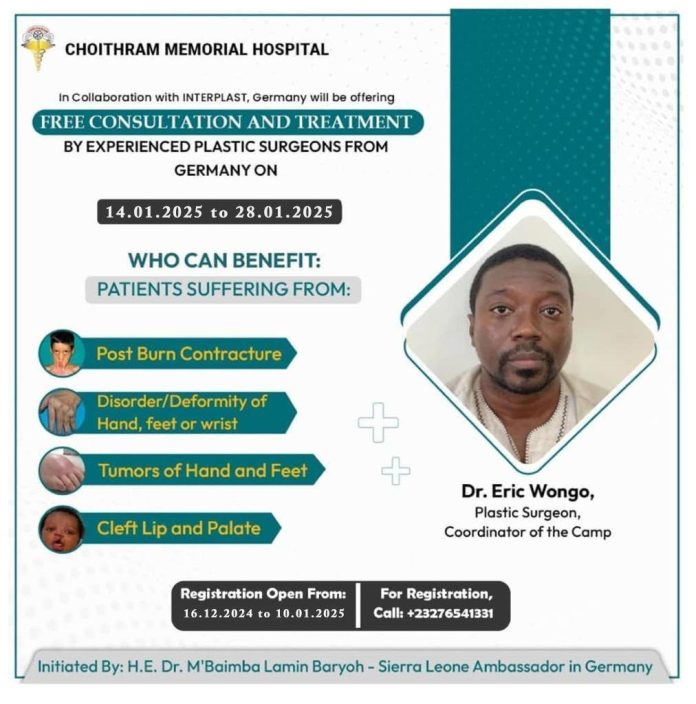
In an innovative act of international medical collaboration, Choithram Memorial Hospital, in partnership with Interplast Germany, is extending an extraordinary opportunity for Sierra Leoneans to receive free consultation and treatment in plastic surgery. This life-changing initiative, scheduled from January 14 to January 28, 2025, aims to provide vital surgical interventions to those living with specific medical conditions.

The initiative is the result of dedicated efforts by Sierra Leone’s Ambassador to Germany, H.E. Dr. M’Baimba Lamin Baryoh, whose advocacy for improved healthcare access has been pivotal in securing this partnership. His commitment underscores a shared vision of enhancing healthcare access for underserved communities in Sierra Leone.

A team of highly skilled plastic surgeons from Germany, many of whom have been conducting annual medical missions to Sierra Leone since 2010, will lead this transformative camp. The surgical team will be headed by Dr. Eric Wongo, a renowned plastic surgeon with vast experience in the field. His leadership guarantees that patients will receive high-quality medical care throughout the program.

Members of the public are encouraged to register for free treatment if they or their loved ones suffer from the following conditions:

  • Post-burn contractures and reconstruction
  • Hand, feet, or wrist disorders and deformities
  • Tumors affecting the hand and feet
  • Cleft lip and palate repair

These conditions often require specialized and costly surgical interventions, which are beyond the financial reach of many individuals. The free plastic surgery camp provides a rare opportunity for patients to access life-changing medical care at no cost.

Registration for the free plastic surgery camp will be open from16 December 2024 to January 10 2025.

Given the high demand for these services, early registration is strongly advised to ensure a spot. Interested individuals can register through the following methods:

  • Call Choithram Memorial Hospital directly at +23276541331 for guidance and more information.
  • Visit Choithram Memorial Hospital in person at Hill Station, Freetown, to complete the registration process.

Dr. Gowrinath M. George, Medical Superintendent of Choithram Memorial Hospital, expressed profound appreciation for the partnerships that have made this initiative possible. “This initiative is a testament to the power of partnership. We extend our heartfelt gratitude to Ambassador Dr. M’Baimba Lamin Baryoh for his instrumental role in bridging the gap between Interplast Germany and Choithram Hospital,” he stated. “We are committed to providing Sierra Leoneans with quality medical care, and this camp reflects our mission to restore health and dignity to those in need.”

Harish Agnani, Chief Administrator of the Choithram Group, echoed this sentiment, emphasizing the hospital’s enduring mission to provide quality healthcare for all. “Our goal has always been to ensure that the people of Sierra Leone have access to the best medical services available. This camp is yet another way we’re making that promise a reality,” he affirmed.

The free plastic surgery camp is a landmark event in Sierra Leone’s healthcare sector. By offering life-changing surgeries at no cost, the initiative seeks to restore hope and dignity to individuals living with physical impairments. These conditions often have significant social, emotional and psychological impacts, especially on children born with cleft lip and palate deformities. The camp’s goal is to enhance both physical health and overall well-being for its beneficiaries.

This initiative aligns with Choithram Hospital’s longstanding tradition of compassionate, high-quality medical care. Since its establishment, the hospital has spearheaded several humanitarian medical programs aimed at supporting vulnerable populations. This year’s plastic surgery camp continues that legacy, reinforcing the hospital’s dedication to accessible healthcare for all.

Members of the public are urged to seize this rare opportunity to access specialized medical care at no cost. Caregivers and family members of potential beneficiaries are encouraged to assist in the registration process to ensure that as many individuals as possible can benefit from this life-changing initiative.

With the expertise of Interplast Germany’s skilled surgeons and the steadfast support of Choithram’s medical team, the camp is poised to deliver transformative health outcomes for many Sierra Leoneans. Don’t miss this chance to receive expert surgical care. Register now and take a significant step toward a healthier, more empowered future.


As President Bio Reaffirms Commitment to Citizen Rights… Guinea Apologizes for Forceful Repatriation of Sierra Leoneans, Vows to Strengthen Bilateral Relations

By Amin Kef (Ranger)

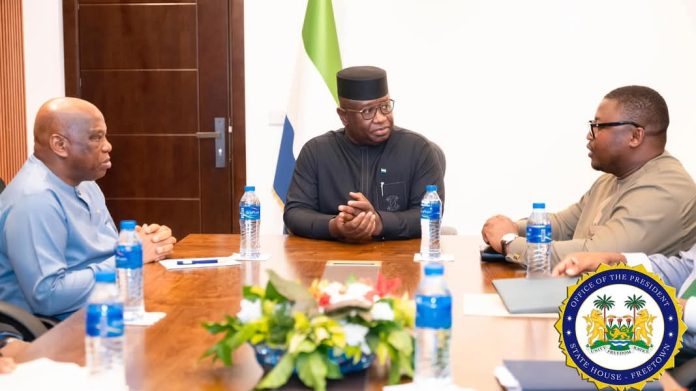
In order to strengthen the diplomatic bond between Sierra Leone and Guinea, President Mamadi Doumbouya of Guinea dispatched a special envoy, Dr. Morissanda Kouyaté, to meet with Sierra Leone’s President Dr. Julius Maada Bio. Dr. Morissanda Kouyaté, who serves as Guinea’s Minister of Foreign Affairs, African Integration and Guineans Abroad, visited President Bio at State House, Freetown, on Tuesday, December 17, 2024.

The special envoy’s visit was marked by a cordial reception from President Bio. Dr. Morissanda Kouyaté extended greetings from President Mamadi Doumbouya and expressed Guinea’s intention to enhance the bilateral relationship between the two West African nations. During the engagement, he also addressed concerns surrounding the treatment of Sierra Leonean nationals residing in Guinea, expressing regret and promising corrective actions.

President Julius Maada Bio reciprocated the goodwill, emphasizing the historic and familial ties that exist between the citizens of Sierra Leone and Guinea. However, he did not shy away from addressing the mistreatment of Sierra Leoneans in Guinea. President Bio called for more constructive engagement to resolve such issues while reiterating Sierra Leone’s commitment to strengthening bilateral ties and ensuring the well-being of its citizens abroad.

Tensions between the two nations had recently escalated following Guinea’s forced repatriation of Sierra Leonean nationals. Sierra Leone’s Minister of Foreign Affairs and International Cooperation, Alhaji Timothy Kabba, revealed that the repatriation was conducted without due diplomatic protocol. Speaking at a Government press briefing at the Miatta Conference Centre on December 17, 2024, Minister Alhaji Timothy Kabba described Guinea’s actions as “undiplomatic, unfriendly and barbaric.”

“On December 10, 2024, I received a distress call from Sierra Leone’s Ambassador to Guinea, reporting that two trucks carrying Sierra Leonean citizens were sent to the border in a forceful repatriation attempt,” Minister Alhaji Timothy Kabba disclosed. Sierra Leone’s security forces refused entry to the returnees without proper identification and diplomatic procedures, sparking further discussions between the two nations.

Minister Alhaji Timothy Kabba highlighted that the Guinean Government’s operation targeted slum areas associated with crime and drug trafficking, leading to the arrest of foreign nationals, including Sierra Leoneans. While nationals from other countries were reportedly imprisoned, Guinean authorities opted to repatriate Sierra Leoneans, a decision criticized for its lack of diplomatic decorum.

Following the incident, Sierra Leone’s Foreign Ministry engaged in high-level talks with Guinean authorities. The result was an official apology from Guinea’s Government and a commitment to refrain from such actions in the future. The apology was delivered during an emergency meeting in Guinea, with Sierra Leone’s Ambassador and Guinean Foreign Ministry representatives present.

Minister Alhaji Timothy Kabba underscored the need for Guinea to adhere to international diplomatic norms. He also reminded his Guinean counterpart about the longstanding territorial issue of Yenga, stating, “Guinea’s occupation of Yenga is an act of aggression against Sierra Leone” and stressed that Sierra Leone’s sovereignty must be respected.

Minister Alhaji Timothy Kabba assured Sierra Leoneans that the Government is committed to protecting its citizens at home and abroad. “No matter how small our country may be, Sierra Leone is a sovereign state with significant power at many levels,” he emphasized.

He also addressed allegations of ethnic profiling and harassment within Sierra Leone’s security forces, stating categorically that neither President Bio nor the Government had sanctioned any form of discrimination. He apologized to any group that may have felt unfairly targeted, assuring that all issues will be handled with diplomatic tact and respect for human rights.

The Coordinator of the Office of National Security (ONS), Abdulai Caulker, provided further updates on national security. He reported that the ONS had implemented a comprehensive security plan that had already foiled an attempted coup in Waterloo and neutralized two fugitives linked to the November 26, 2024, coup attempt. The recent discovery of Sierra Leone’s largest kush (drug) production facility in Eastern Freetown was also attributed to nationwide intelligence operations.

ONS Coordinator Abdulai Caulker assured citizens that there was no ethnic targeting within Sierra Leone’s security forces, encouraging citizens to continue their activities without fear.

Inspector General of Police, William Fayia Sellu, highlighted the police’s adoption of modern surveillance technologies under the Smart City Project. He disclosed that 36 CCTV cameras had been installed across Freetown, enabling real-time monitoring from a central operations center. Inspector General William Fayia Sellu emphasized that police operations are impartial and do not target any particular ethnic group.

Civil society groups have also weighed in on the diplomatic and security developments. Valnora Edwin, President of the African Women Leaders Network, called on security forces to investigate allegations of tribal profiling with urgency. She urged the Government to strengthen its diplomatic engagements with Guinea to prevent further mistreatment of Sierra Leoneans living there.

Guinea’s commitment to deepening bilateral ties with Sierra Leone signals a possible reset in relations between the two West African neighbors. The visit by the special envoy, along with Guinea’s official apology, represents a significant step toward resolving the diplomatic impasse. As diplomatic talks continue, Sierra Leone’s Government remains focused on protecting its citizens and ensuring that issues related to Yenga and the treatment of Sierra Leoneans abroad are addressed comprehensively.

NP (SL) Revolutionizes Sierra Leone’s Petroleum Sector with Innovative NP Energy Pass Card

CREATOR: gd-jpeg v1.0 (using IJG JPEG v80), quality = 90

By Amin Kef (Ranger)

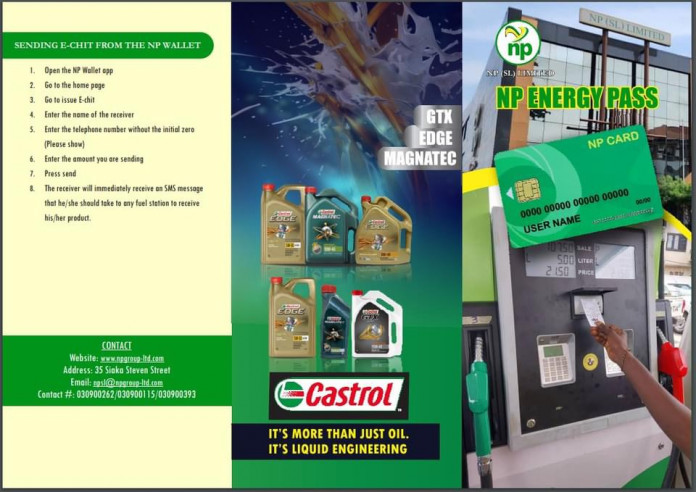
As 2024 draws to a close, NP (SL) Limited is making significant strides toward modernizing Sierra Leone’s petroleum sector with the introduction of a revolutionary payment solution—the NP Energy Pass Card. This innovative smart card is set to transform the way fuel is purchased across the nation, offering customers a secure, efficient and seamless experience at designated NP Filling Stations nationwide.

Key Benefits of the NP Energy Pass Card

  1. Convenience and Accessibility Gone are the days of carrying large sums of cash to purchase fuel. The NP Energy Pass Card allows customers to recharge their cards at any NP Filling Station or the NP Head Office. It is accepted at operational stations across the country, including 18 stations in the Western Urban and Western Rural Areas and several others in Bo, Moyamba, Pujehun, Mattru Jong, Kono, Kenema, Makeni, Port Loko, Kambia, Lunsar, and Mile 38. Plans are underway to commission the Kailahun station in early 2025, further expanding its coverage.
  2. Online and Offline Functionality Unlike conventional payment methods that rely on stable internet connections, the NP Energy Pass Card operates both online and offline. This ensures uninterrupted service, even in areas with limited or no internet connectivity, thereby guaranteeing reliability and ease of use for customers.
  3. Enhanced Security Features Security is a top priority for NP (SL) Ltd. The Energy Pass Card incorporates advanced security measures, including instant SMS notifications for every transaction and the use of One-Time Passwords (OTPs) for password changes. These features offer users peace of mind, knowing their accounts are secure and their transactions transparent.
  4. Real-Time Transaction Tracking The card’s real-time transaction tracking system provides users with immediate SMS alerts for every fuel purchase. This feature enables individuals and institutions to monitor fuel usage and spending accurately, promoting accountability and better financial management.
  5. Cashless Payments and Operational Efficiency By facilitating cashless payments, the NP Energy Pass Card reduces the need for physical cash handling at fuel stations. This increases operational efficiency and allows station owners to receive funds directly into their bank accounts in real-time.
  6. Reduced Wait Times and Self-Service The Energy Pass Card reduces wait times and enhances the overall customer experience. Its self-service model empowers customers with greater control over their fuel purchases, making transactions quicker and more convenient.
  7. Alignment with Sierra Leone’s Cashless Economy Agenda The NP Energy Pass Card aligns with global trends in financial technology, supporting Sierra Leone’s shift toward a cashless economy. By promoting cashless transactions, NP (SL) Ltd is playing a pivotal role in advancing the country’s economic agenda and fostering a more modern, efficient, and secure payment ecosystem.

With 2,108 users, including 87 institutional users, the NP Energy Pass Card’s popularity is rapidly growing. NP (SL) Ltd aims to double its operational stations from 30 to 60 by the end of 2025, enhancing accessibility for customers in underserved areas. This expansion is expected to further promote the use of the NP Energy Pass Card, making it a vital tool for efficient fuel management among both individual and institutional users.

Obtaining an NP Energy Pass Card is a straightforward process designed to ensure accessibility and simplicity for all customers. Below is a step-by-step guide on how individuals and institutions can acquire the card:

  1. Visit NP (SL) Head Office
    • The process begins with a visit to the NP (SL) Head Office, where applicants must request the Energy Pass Card. Sales Attendants will provide a comprehensive overview of the process and direct the applicant to make payment.
  2. Make Payment at the Bank
    • Applicants are required to visit a designated bank to make payment into an NP (SL) account. Upon completion of the payment, the applicant should retain the bank slip as proof of payment.
  3. Return to NP (SL) with Bank Slip
    • With the bank slip in hand, the applicant must return to the NP (SL) Head Office. Here, the applicant will be given a form to fill out with personal or institutional details.
  4. Form Submission and Registration
    • After completing the form, the applicant submits it to the Sales Attendant, who will proceed with the registration process. The Sales Attendant will provide the applicant with further information regarding the next steps.
  5. Card Creation and SMS Notification
    • Once the card is created, an SMS notification will be sent to the applicant’s phone, informing them that the card is ready for pickup.
  6. Card Pickup and PIN Code Setup
    • During card collection, the applicant will be guided by the Sales Attendant on how to change the card’s Personal Identification Number (PIN). It is important for users to keep their PIN confidential to protect the security of the card.

The NP Energy Pass Card represents a landmark innovation in Sierra Leone’s petroleum sector. By offering a modern, cashless and secure payment method, NP (SL) Ltd is enhancing customer convenience, promoting operational efficiency and supporting the country’s economic development. With its numerous benefits, including online and offline functionality, enhanced security and self-service capabilities, the NP Energy Pass Card is a must-have for individuals, institutions and fuel station operators.

As NP (SL) Ltd expands its network of operational stations, more Sierra Leoneans will be able to experience the benefits of this groundbreaking payment solution. By adopting the NP Energy Pass Card, customers contribute to Sierra Leone’s journey toward a cashless, self-sufficient and economically empowered future.

Lands Minister Tours TAF Salone Micro City Project, Praises Efforts to Address Sierra Leone’s Housing Deficit

By Ibrahim Sesay

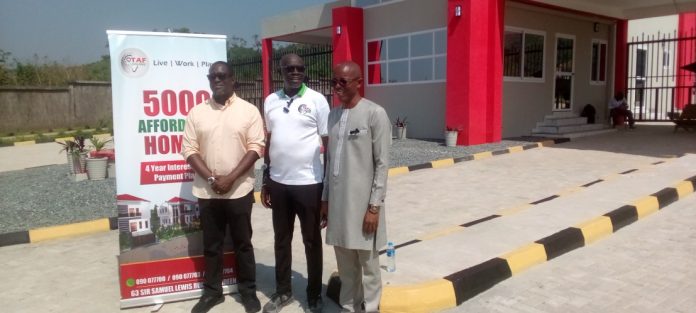
In a move aimed at strengthening Sierra Leone’s housing sector, the Minister of Lands, Housing and Country Planning, Dr. Turad Senesie, has toured the TAF Salone Micro City project, which is under construction at John Obey on the outskirts of Freetown. The ambitious project, spearheaded by Gambian real estate investor, Mustapha Njie, seeks to transform the country’s housing landscape with a focus on affordability and sustainability.

The TAF Salone Micro City will feature a range of residential units, including two-bedroom bungalows and apartments, three-bedroom villas and four-bedroom storey buildings. The starting price for the most affordable unit is set at $56,650, marking a significant step toward accessible housing for Sierra Leoneans.

During his visit, Dr. Turad Senesie reaffirmed the Government’s support for private sector investments aligned with President Julius Maada Bio’s vision for tackling Sierra Leone’s housing challenges. He lauded the dedication of TAF Salone and its partners, especially for maintaining progress amid the political uncertainties faced last November.

“This is the project of His Excellency the President. My role is to provide support on his behalf to the private sector. On behalf of the Government, I want to thank TAF Salone and its team for their commitment to developing the housing sector in Sierra Leone,” Dr. Turad Senesie stated. He also urged Sierra Leoneans to play an active role in addressing the nation’s housing challenges.

Mustapha Njie, Managing Director of TAF Salone, shared insights into his journey of investing in Sierra Leone. He revealed that he had faced significant skepticism from others regarding the feasibility of the project but credited Minister Turad Senesie’s support as instrumental in driving the initiative forward.

“If I had listened to people, I wouldn’t have invested in Sierra Leone. A very high percentage of those I spoke to were negative about my coming here. However, after meeting with the minister, I was convinced this project could work and we have made significant progress since then,” Mustapha Njie disclosed.

The project’s commitment to environmental preservation was also highlighted, with plans to plant over 5,000 fruit and ornamental trees across the development site, enhancing its ecological value.

Nuwoma Rogers, Sales and Marketing Manager of TAF Salone, emphasized the project’s role in addressing key issues within Sierra Leone’s housing sector, such as land disputes and poor construction standards.

“This project eliminates the middleman, ensuring buyers get value for their money. We are constructing 1,000 houses at John Obey as part of a broader plan to build 5,000 homes across the country,” Nuwoma Rogers explained.

The initiative has also drawn the support of financial institutions. Sebastian Ashong-Katai, Managing Director of EcoBank Sierra Leone, described the project as a model for African investment in Africa’s development.

“Our duty is to support businesses like TAF Salone by facilitating transactions and enabling them to engage with the investment community. We are committed to standing by this project as it contributes to Sierra Leone’s development,” Sebastian Ashong-Katai affirmed.

The TAF Salone Micro City project is part of TAF Africa Global Limited, a Pan-African real estate development company operating in nine African countries, with a strong presence in Nigeria, Sierra Leone, and The Gambia. The project’s objective is to provide quality, affordable housing solutions while promoting sustainable development practices. The initiative is set to contribute significantly to reducing Sierra Leone’s housing deficit and enhancing living standards for its citizens.

Deputy Minister KLM Under Fire for Unfounded Claims Against Vice President

By Amin Kef (Ranger)

In a development that has sparked nationwide attention, Deputy Minister of Sports, Kai Lawrence Mbayo (KLM), is facing mounting criticism for his controversial public allegations against Vice President Dr. Mohamed Juldeh Jalloh. The dispute centers on an alleged 264-carat diamond from Kono, a matter that is already being handled by the Judiciary.

Deputy Minister KLM has attempted to portray himself as a central figure in the diamond case. However, his actual connection to the 264-carat diamond appears tenuous at best. During his testimony in court as a prosecution witness, he admitted that he was neither the license holder nor a partner of the complainant, Benjamin Marrer. His evidence was widely criticized as hearsay, with even the prosecution showing little interest in his testimony.

Despite the ongoing court proceedings, KLM has continued to make unsubstantiated allegations against respected individuals in high-ranking Government positions. This has raised questions about his motives, with many accusing him of seeking personal gain.

Observers have questioned why KLM failed to raise these claims under oath when testifying before Magistrate Santigie Bangura. Instead, he has resorted to making allegations outside of the courtroom, a move seen by many as a deliberate attempt to avoid legal scrutiny.

KLM has been accused of using the controversy to position himself as a stakeholder in the diamond case. Critics argue that his actions are driven by self-interest, with some suggesting he is attempting to extract financial benefits. Allegations have also surfaced that he is seeking to blackmail Jihad Basma, one of the accused persons in the case.

Critics have labeled him a “rabble-rouser” and a “nonentity,” claiming that his recent antics are part of a desperate bid to stay relevant.

President Dr. Julius Maada Bio has been unequivocal in his stance on judicial independence. During the swearing-in of the new Attorney-General and Minister of Justice, the President stressed the importance of upholding justice without external interference. “Justice delayed is justice denied,” he declared, underscoring the need for timely and impartial judicial processes.

The President further affirmed that “orders from above” do not come from him, refuting claims that he had any personal interest in the Kono diamond case. This statement was seen as a clear message to public officials and stakeholders to respect the independence of the Judiciary.

The public backlash against KLM’s conduct has been swift and widespread. Many view his actions as a direct attack on Vice President Dr. Mohamed Juldeh Jalloh and by extension, an affront to President Bio’s administration. Critics argue that KLM’s behavior is undermining the integrity of the Government and its commitment to justice reform.

Civil Society organizations, Government officials and members of the public have called on President Bio to take decisive action against KLM. The demand for his dismissal is growing louder, with some arguing that his continued presence in Government undermines efforts to promote accountability and discipline among public officials.

The controversy surrounding KLM has reignited discussions on the ethical standards expected of public officials. Many have cited American author and preacher John Maxwell’s famous quote: “Power really is a test of character. In the hands of a person of integrity, it is of tremendous benefit; in the hands of a tyrant, it causes terrible destruction.”

KLM’s critics argue that his actions are a reflection of deeper issues of accountability within the political system. They emphasize that the role of public servants should be to serve with integrity, not to pursue personal gain or sow discord.

As the nation awaits President Bio’s response, many believe that swift action against KLM would send a strong message that the Government is serious about upholding the rule of law and protecting its image. Commentators have stressed that the Deputy Minister’s conduct is a distraction from ongoing justice reforms and that his removal would demonstrate the administration’s zero-tolerance approach to indiscipline among public officials.

“It’s time for the President to show this desperate politician the exit door,” remarked one commentator, a sentiment echoed by several others. The public’s patience is wearing thin and the pressure on President Bio to act decisively continues to mount.

Orange SL Unveils Revolutionary Super-App ‘Max it’ to Transform Everyday Convenience

By Foday Moriba Conteh

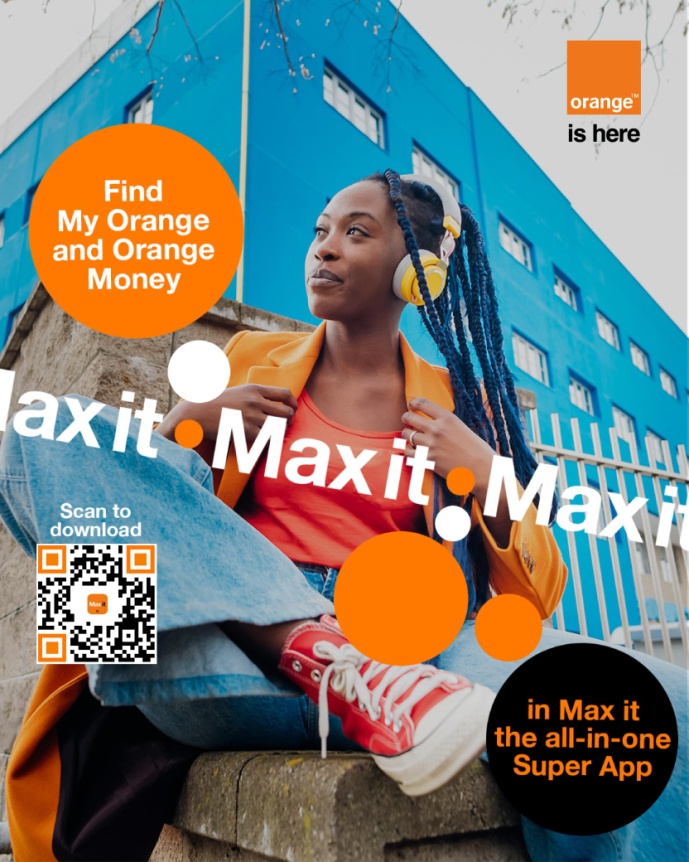
In a major development aimed at redefining digital convenience, Orange Sierra Leone has launched ‘Max it,’ a revolutionary super-app that integrates telecom, financial services and e-commerce into a single, user-friendly platform. The innovative app is accessible to all users, regardless of their mobile network provider and operates with Orange Money as its payment backbone, promoting financial inclusion for a wide range of users.

The unveiling of ‘Max it’ follows the resounding success of Orange’s My Orange and Orange Money apps, which boast over 22 million daily users. Building on this momentum, Orange aims to address the evolving needs of customers in Africa and the Middle East. The app’s seamless interface allows users to manage mobile or fixed-line services, conduct financial transactions such as transfers and savings and access marketplace services including online shopping, digital entertainment and event or transportation ticketing.

Max it was developed by Orange’s teams in Africa, ensuring it is customized to the unique demands of the region. Initially available in 13 countries, including Cameroon, Senegal, Mali, Burkina Faso, and Botswana, the app’s reach is set to expand to 17 additional countries across Africa and the Middle East. By 2025, Orange forecasts that Max it will have 45 million active users, a goal supported by the region’s projected smartphone penetration rate of 61% within the same period.

The app’s design prioritizes simplicity and accessibility, featuring a user-friendly interface available in multiple languages. By incorporating local features and customization options, Max it aims to foster greater digital adoption and financial inclusion across the continent.

Speaking at the launch, Christel Heydemann, CEO of Orange, emphasized the company’s commitment to innovation and inclusion. “Max it embodies Orange’s innovative spirit in Africa and the Middle East. By integrating diverse services, we reinforce our role as a multi-service operator and demonstrate our commitment to delivering the best of digital technology to our customers,” Christel Heydemann said.

Jérôme Hénique, CEO of Orange Africa and the Middle East, highlighted the app’s role in driving digital transformation. “Through collaboration with stakeholders, Max it offers an efficient and inclusive platform for managing phone plans, finances and purchases. This is a significant step toward driving digital transformation and fostering opportunities for growth on the continent,” Jérôme Hénique stated.

Max it is not a static product but a dynamic platform that will evolve with the needs of its users. Orange has committed to continuous updates, introducing new features and services over time. The company will leverage local and international partnerships to enhance the app’s offerings, making it a one-stop solution for users seeking a comprehensive digital experience.

With the introduction of Max it, Orange has set a new benchmark for super-apps in Africa and the Middle East. By bridging the gap between connectivity, financial services and everyday needs, the app is positioned to play a crucial role in the region’s digital evolution. The move also underscores Orange’s commitment to fostering financial inclusion, supporting digital transformation, and enhancing the daily lives of millions of users.

As smartphone adoption continues to rise and digital infrastructure strengthens, Max it is poised to become a central pillar in the region’s drive toward a more connected, inclusive, and technology-driven future.


Get Your Biometric ID Card Today – A Step Towards Safer Holidays and Secure Services

By Amin Kef (Ranger)

As the year draws to a close, Sierra Leoneans and residents across the country are urged to secure their Biometric ID Cards and carry them at all times during the festive season for security reasons. With the holiday season approaching, the National Civil Registration Authority (NCRA) emphasizes the importance of these cards for both personal safety and national security.

Since their introduction in early 2023, Biometric ID Cards have been a key tool in modernizing identity verification, reducing fraud and streamlining access to vital public and private sector services. In response to the growing need for enhanced security and efficiency, NCRA calls on all citizens and non-citizens residing in Sierra Leone to obtain these cards.

The NCRA stresses that acquiring a Biometric ID Card is not just a personal responsibility but also a civic obligation. All Sierra Leonean citizens aged 12 and above are eligible to apply for a Biometric ID Card, which can be obtained at any NCRA office nationwide. For convenience, new registration centers have been established in major towns such as Bo, Kenema, Makeni and Port Loko, making the process more accessible to applicants throughout the country.

The NCRA issues three types of Biometric ID Cards:

  1. National ID Cards for Sierra Leonean citizens aged 12 and above.
  2. ECOWAS ID Cards for citizens of ECOWAS member states residing in Sierra Leone.
  3. Non-National ID Cards for foreign residents, which are required to obtain work and residence permits.

In line with parliamentary requirements, foreign nationals residing in Sierra Leone must obtain Non-National ID Cards, which are now essential for accessing key services, all linked to the National Identification Number (NIN) embedded in each card.

These advanced Biometric ID Cards are equipped with state-of-the-art security features, including fingerprint scanning, facial recognition and a secure chip that stores critical personal data. These features make it increasingly difficult to engage in identity fraud, offering better protection for individuals and institutions alike.

“The primary goal of these advanced Biometric ID Cards is to enhance both national and individual security,” stated an NCRA official. These cards are designed to safeguard businesses, Government institutions and individuals from identity theft and other fraudulent activities.

In addition to their role in strengthening national security, Biometric ID Cards simplify access to essential services. Citizens and non-citizens alike can use the cards to open bank accounts, access remittance services and verify their identities for telecommunications and financial transactions. The integration of NINs with these services enables faster, safer, and more efficient processes for users.

To support the application process, the NCRA has set up registration centers in key locations across the country, including:

  • NCRA Headquarters, 2 Walpole Street
  • NCRA Office, 23B Off Kingharman Road
  • NCRA Office, Kennedy Street
  • NCRA Branch Office, 230 Lumley Road (By the Roundabout)
  • NCRA Office, Waterloo (Opposite the Police Station)

Additionally, regional centers in towns like Bo, Kenema and Makeni are available for easier access.

The NCRA has also accelerated efforts to link NINs with mobile phone SIM cards, aiming to further enhance national security and prevent cybercrime. Director-General Mohamed Mubashir Massaquoi recently chaired a high-level meeting with stakeholders, including Mobile Network Operators (MNOs), the National Telecommunications Commission (NaCTA) and the Sierra Leone Police (SLP). The initiative, which will link NINs to SIM cards, is expected to simplify identity verification and enhance the security of financial transactions and communications.

Failure to link NINs to SIM cards will result in the deactivation of critical telecommunications services, including voice calls and mobile money transfers. Citizens are strongly encouraged to act promptly to avoid any service interruptions during the festive season.

Obtaining a Biometric ID Card is a simple and transparent process. Here’s how to apply:

  1. Visit any NCRA office or registration center.
  2. Fill out the required registration form with your personal information.
  3. Submit your biometric data, including fingerprints and facial recognition.
  4. Collect your Biometric ID Card after processing.

With multiple centers now available nationwide, the process has never been more accessible. Sierra Leoneans and residents are urged to take advantage of this opportunity to secure their Biometric ID Cards and link their NINs to mobile SIM cards before the festive season begins.

This drive is a crucial step in building a safer, more secure Sierra Leone. By securing your Biometric ID Card and ensuring it is carried with you at all times, you contribute to a more secure, efficient and digitally inclusive nation. Visit your nearest NCRA office today and help make the country safer for all.

Partnering to Serve Humanity Hosts Interfaith Dialogue and Rice Distribution

By Ibrahim Sesay

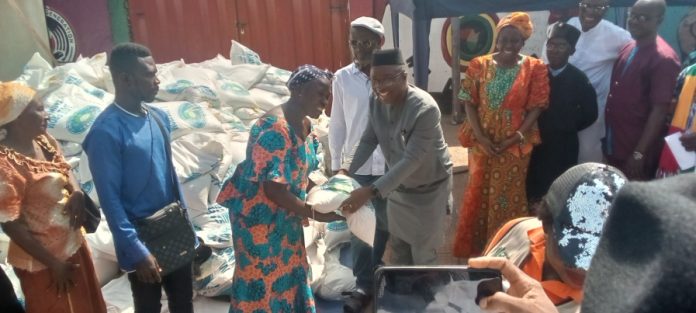
Partnering to Serve Humanity Consortium, which includes Caritas Freetown, Healey International Relief Foundation, Tzu Chi Foundation and. LANYI Foundation, has once again demonstrated its commitment to supporting vulnerable communities through a rice distribution event. The event, which was an interfaith dialogue, held at the Negus/Negas Complex brought together faith leaders, a Government representative and community members.

The theme of the event was centered around spiritual growth, compassion and peace building.

Archbishop Edward Tamba Charles, President of the Interreligious Council, expressed gratitude to the Tzu Chi Foundation for their continued partnership in aiding those in need. “I want to thank all those who are present because they’re helping us help others. All religions emphasize love of God and love of neighbor,” he said, urging beneficiaries to extend support to others in need.

Rev. Fr. Peter Konteh, Executive Director of Caritas Freetown, highlighted the relationship with Tzu Chi, which has been going on for a decade. “This distribution has been going on for eight years and next February we will celebrate our ten-year partnership with a delegation to Taiwan,” he revealed. Rev. Fr. Peter Konteh also emphasized the importance of empowering local farmers to produce rice for future distributions to enhance the local economy.

The interfaith dialogue underscored the importance of inclusivity, with Rev. Fr. Peter Konteh commending the involvement of Rastafarian representatives in the interfaith dialogue. “Their inclusion has helped us understand the Rastafarian faith better,” he said.Rev. Fr. Peter Konteh also commented on the collective position of faith leaders against the abortion bill currently being debated, describing it as a moral issue that requires unity among religious leaders.

Sheikh Fomba Swaray echoed these sentiments, criticizing the term “safe abortion” as paradoxical. “Every religion stresses the preservation of human life and this bill contradicts that belief,” he said, adding that the Interreligious Council has submitted its position to parliament.

Deputy Minister of Social Welfare ,Mohamed Haji-Kella, acknowledged the strong arguments presented by religious leaders while emphasizing the importance of interfaith dialogue and religious tolerance. “Cabinet brings together diverse voices to create a balanced position on the bill, which is then handed to Parliament for consideration,” he stated.

A key highlight of the event was the gratitude expressed by beneficiaries. Mariama Sillah, one of the recipients, said, “In hard times like this, receiving this rice will help me and my family during this festive period. I want to thank Caritas for this support.”

The distribution event showed the spirit of collaboration and compassion, showcasing the importance of unity across faiths and communities.

Health Alert and AY-Mechanism Advocate for Passage of Safe Motherhood Bill

By Foday Moriba Conteh

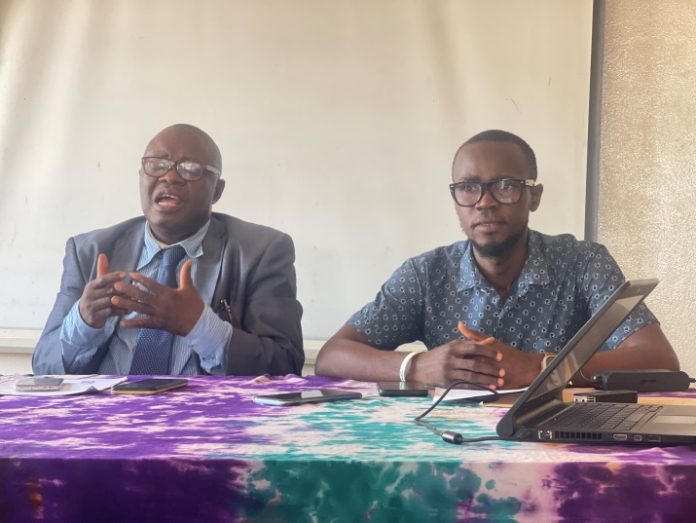
On Wednesday, December 18, 2024, Victor Lansana Koroma, the Executive Director of Health Alert Sierra Leone, delivered a passionate address during a press conference held at GGEM Hall on John Street in Freetown, urging Parliament to pass the Safe Motherhood and Reproductive Health Care Bill, 2024.

The proposed Bill, currently under legislative review, aims to transform maternal health in Sierra Leone by addressing the country’s alarmingly high maternal mortality rate and ensuring access to reproductive health services for women and girls.

In his statement, Victor Lansana Koroma, the Executive Director of Health Alert Sierra Leone emphasized the urgency of the Bill, citing the 3 to 4 maternal deaths that occur daily in Sierra Leone due to preventable complications during pregnancy and childbirth. He painted a vivid picture of the devastating impact on families and communities, underscoring the need for bold action.

“The Safe Motherhood and Reproductive Health Care Act, 2024, is more than just legislation,” Koroma stated. “It is a promise to the women of this nation a promise that their lives matter, their health is a priority, and their future deserves protection.”

Koroma highlighted the transformative potential of the Bill, which seeks to enhance healthcare services for pregnant women, mothers, and children, guarantee access to prenatal care, safe delivery, and postnatal support, provide affordable healthcare to marginalized and vulnerable groups and address unsafe abortions by offering safe, regulated options under specific circumstances, such as cases of rape, incest, or non-viable pregnancies.

Koroma stressed that the Bill is not about promoting safe termination but about saving lives and ensuring dignity for women facing difficult circumstances.

Imagining a Sierra Leone where every woman has access to quality healthcare, every girl can stay in school, and no family loses a mother to preventable causes, Koroma called for collective commitment from all stakeholders.

“This Bill will save lives, empower young girls, and strengthen families and communities,” he asserted.

Koroma urged Parliamentarians to demonstrate leadership by passing the Bill, signaling a commitment to women’s rights and health. He also called on citizens to engage in open conversations about reproductive health and join efforts to build a healthier, more inclusive Sierra Leone.

Health Alert Sierra Leone, he noted, stands ready to support the implementation of the Bill by educating communities, advocating for resources, and holding stakeholders accountable.

Speaking on behalf of Sierra Leone’s youth, Mohamed Awuah Kamara, Team Lead of AY-Mechanism underscored the importance of the Bill in safeguarding the future of young people and their families. He noted that with youth representing the largest segment of the country’s population, addressing gaps in maternal and reproductive health is pivotal for national progress.

“Supporting this Act is not just about improving health outcomes,” Kamara stated. “It is about securing a better future for all young people in Sierra Leone.”

Kamara outlined several key areas where the Bill will make a significant impact which include reducing Teenage Pregnancies, adding that with Sierra Leone ranking among the countries with the highest teenage pregnancy rates globally, Kamara stressed the need for comprehensive sexual and reproductive health education. He highlighted that over 30% of girls aged 15-19 become mothers, a statistics the Bill seeks to reduce by empowering adolescents to make informed decisions.

Ensuring Access to Youth-Friendly Health Services Kamara pointed out that many young people face stigma when seeking reproductive healthcare. The Bill, he noted, mandates the provision of non-judgmental, youth-friendly services tailored to adolescents’ needs.

Ending Unsafe Abortions he pointed out that unsafe abortions remain a major contributor to maternal deaths, particularly among young women. Kamara emphasized the Bill’s provisions for safe abortion services under specific conditions, which will save countless lives and protect women from dangerous, unregulated procedures.

Kamara called for immediate action to ensure the success of the Safe Motherhood Bill, urging leaders to prioritize the following age-appropriate sexual and reproductive health education in schools and communities, confidential and youth-friendly health services, free from stigma or judgment and safe spaces for adolescents to access care and support.

Addressing Parliament, Kamara urged swift passage of the Bill, emphasizing its importance for the next generation. “By prioritizing maternal and reproductive health, we are investing in a brighter future for Sierra Leone,” he concluded.

The Safe Motherhood and Reproductive Health Care Act, 2024, has garnered strong support from youth leaders like Kamara, who see it as a beacon of hope for a healthier, empowered, and more equitable society. The call for action now lies in the hands of Sierra Leone’s leaders to make this vision a reality.

The Safe Motherhood and Reproductive Health Care Bill, 2024, is seen as a critical step toward achieving gender equality and reducing maternal mortality in Sierra Leone. Its passage would reflect a national commitment to protecting and uplifting women and girls, paving the way for a brighter future for all Sierra Leoneans.