
Home Blog Page 266

Health Alert and AY-Mechanism Advocate for Passage of Safe Motherhood Bill

By Foday Moriba Conteh

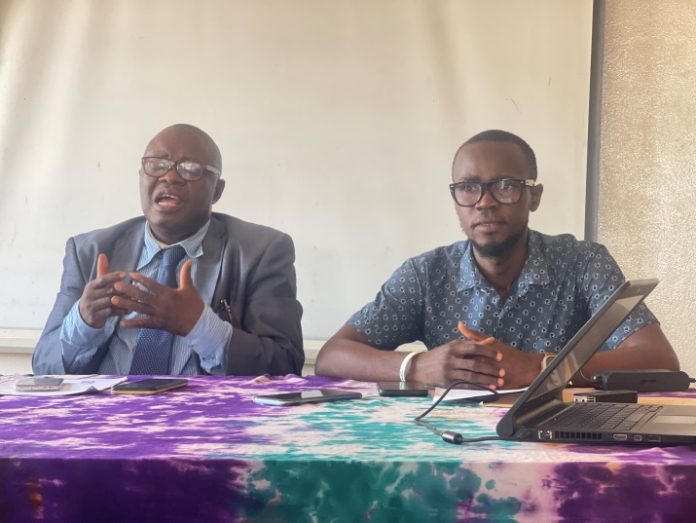
On Wednesday, December 18, 2024, Victor Lansana Koroma, the Executive Director of Health Alert Sierra Leone, delivered a passionate address during a press conference held at GGEM Hall on John Street in Freetown, urging Parliament to pass the Safe Motherhood and Reproductive Health Care Bill, 2024.

The proposed Bill, currently under legislative review, aims to transform maternal health in Sierra Leone by addressing the country’s alarmingly high maternal mortality rate and ensuring access to reproductive health services for women and girls.

In his statement, Victor Lansana Koroma, the Executive Director of Health Alert Sierra Leone emphasized the urgency of the Bill, citing the 3 to 4 maternal deaths that occur daily in Sierra Leone due to preventable complications during pregnancy and childbirth. He painted a vivid picture of the devastating impact on families and communities, underscoring the need for bold action.

“The Safe Motherhood and Reproductive Health Care Act, 2024, is more than just legislation,” Koroma stated. “It is a promise to the women of this nation a promise that their lives matter, their health is a priority, and their future deserves protection.”

Koroma highlighted the transformative potential of the Bill, which seeks to enhance healthcare services for pregnant women, mothers, and children, guarantee access to prenatal care, safe delivery, and postnatal support, provide affordable healthcare to marginalized and vulnerable groups and address unsafe abortions by offering safe, regulated options under specific circumstances, such as cases of rape, incest, or non-viable pregnancies.

Koroma stressed that the Bill is not about promoting safe termination but about saving lives and ensuring dignity for women facing difficult circumstances.

Imagining a Sierra Leone where every woman has access to quality healthcare, every girl can stay in school, and no family loses a mother to preventable causes, Koroma called for collective commitment from all stakeholders.

“This Bill will save lives, empower young girls, and strengthen families and communities,” he asserted.

Koroma urged Parliamentarians to demonstrate leadership by passing the Bill, signaling a commitment to women’s rights and health. He also called on citizens to engage in open conversations about reproductive health and join efforts to build a healthier, more inclusive Sierra Leone.

Health Alert Sierra Leone, he noted, stands ready to support the implementation of the Bill by educating communities, advocating for resources, and holding stakeholders accountable.

Speaking on behalf of Sierra Leone’s youth, Mohamed Awuah Kamara, Team Lead of AY-Mechanism underscored the importance of the Bill in safeguarding the future of young people and their families. He noted that with youth representing the largest segment of the country’s population, addressing gaps in maternal and reproductive health is pivotal for national progress.

“Supporting this Act is not just about improving health outcomes,” Kamara stated. “It is about securing a better future for all young people in Sierra Leone.”

Kamara outlined several key areas where the Bill will make a significant impact which include reducing Teenage Pregnancies, adding that with Sierra Leone ranking among the countries with the highest teenage pregnancy rates globally, Kamara stressed the need for comprehensive sexual and reproductive health education. He highlighted that over 30% of girls aged 15-19 become mothers, a statistics the Bill seeks to reduce by empowering adolescents to make informed decisions.

Ensuring Access to Youth-Friendly Health Services Kamara pointed out that many young people face stigma when seeking reproductive healthcare. The Bill, he noted, mandates the provision of non-judgmental, youth-friendly services tailored to adolescents’ needs.

Ending Unsafe Abortions he pointed out that unsafe abortions remain a major contributor to maternal deaths, particularly among young women. Kamara emphasized the Bill’s provisions for safe abortion services under specific conditions, which will save countless lives and protect women from dangerous, unregulated procedures.

Kamara called for immediate action to ensure the success of the Safe Motherhood Bill, urging leaders to prioritize the following age-appropriate sexual and reproductive health education in schools and communities, confidential and youth-friendly health services, free from stigma or judgment and safe spaces for adolescents to access care and support.

Addressing Parliament, Kamara urged swift passage of the Bill, emphasizing its importance for the next generation. “By prioritizing maternal and reproductive health, we are investing in a brighter future for Sierra Leone,” he concluded.

The Safe Motherhood and Reproductive Health Care Act, 2024, has garnered strong support from youth leaders like Kamara, who see it as a beacon of hope for a healthier, empowered, and more equitable society. The call for action now lies in the hands of Sierra Leone’s leaders to make this vision a reality.

The Safe Motherhood and Reproductive Health Care Bill, 2024, is seen as a critical step toward achieving gender equality and reducing maternal mortality in Sierra Leone. Its passage would reflect a national commitment to protecting and uplifting women and girls, paving the way for a brighter future for all Sierra Leoneans.
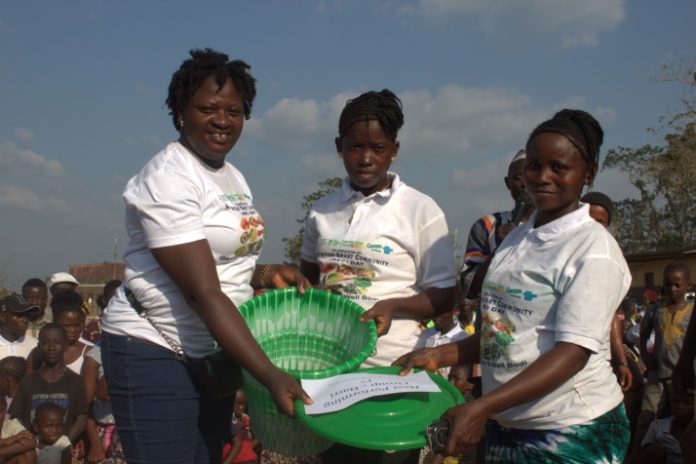
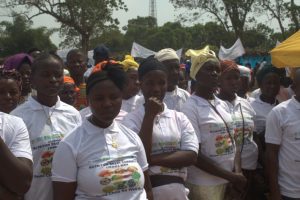
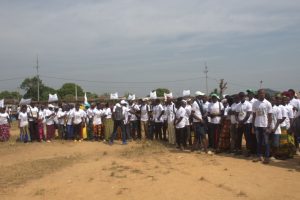
Welthungerhilfe Celebrates Nutrition Smart Community Day in Zimmi

Welthungerhilfe (WHH) Sierra Leone through the Nutrition Smart Community Project- SLE 1118, funded by Irish Embassy has held a Nutrition Smart Community Day in Makpele Chiefdom PDC Field, Zimmi Town in Pujehun District on Tuesday 17th December 2024.

Nutrition Smart Community Day is a celebration of progress made by beneficiaries of the project and a chance to showcase the fruits of their work for all to see. The atmosphere was frenzy, and the event featured booths for product showcases by each community.

In his welcome address, the representative of the Paramount Chief, Speaker Gandi Malo, thanked Welthungerhilfe for bringing the project to their chiefdom. He shared that evidence of the impact of the Nutrition Smart Community Project is visible in the transformation of the lives of their people. Speaker Gandi Malo said the Paramount Chief is impressed with the work of WHH and that they are always ready to give their support as traditional leaders to development. “On behalf of the Paramount Chief, I want to ask Irish Embassy, the donor of the project to continue to support WHH to replicate these project interventions in other chiefdoms in the district”.

The District Agriculture Officer of the Ministry of Agriculture and Food Security, Lucy Koker  informed the gathering she is pleased to be in attendance. She said she is not surprised with the work WHH is doing in the district as the organization has supported farmers in many ways. She cited that not too long ago she was present at the launching and handing over of two rice processing plants with stores in two chiefdoms.

“WHH did not only build the structure but also bought rice milling machines for the communities’ and gave them start-up kits and support to begin operation immediately. This is the kind of support we at the Ministry of Agriculture love to see” Lucy shared. In her closing remarks she thanked WHH for fully supporting the government’s flagship Feed Salone initiative in their projects and that the ministry will always give the needed support to WHH and its programs.

Joseph Gando, Chief Administrator of the Pujehun District Council, reported that he is aware of the work WHH has done and continues to do in Pujehun and other districts. He lamented that WHH is a true reflection of what it means to impact the lives of communities and influence change. Mr. Gando thanked Irish Embassy for providing the funds and asked that more funds be provided to WHH to continue their good work. “I also want to request that WHH considers replicating its famous Waste Management project in Pujehun, as the urban towns in Pujehun pose a solid waste management challenge”.

Hawa Bockarie, Head of Project Nutrition Smart Community Project-SLE 1118 thanked everyone for their participation and attendance.  She thanked the local authorities for always providing the support needed when called upon. She expressed joy to see that the project participants have successfully put into practice what they learned and carefully managed resources provided to them. “I am filled with joy to see that change has occurred in the lives of the people and WHH will continue to work with them to multiply that positive change in other communities. Thank you, Irish Embassy, for making this possible” she ended.

The Senior Adviser on Nutrition and Food Security at the Irish Embassy Dr. Sulaiman Sow on his part assured the people that they will support WHH to continue working in Pujehun District. He noted that as an Embassy they are pleased with the way WHH managed and used the funds provided for this project. “For this reason, we have provided WHH with more money to continue this project in other chiefdoms for the next four years” Mr. Sow announced. Our partnership with WHH will continue, he assured.

Representing the Country Director WHH Sierra Leone, Mr. Santigie Kanu Area Manager WHH gleefully thanked all stakeholders present for making the Nutrition Smart Community Day a success. He gave special thanks to Irish Embassy for providing the funds for the project. “We are here today because Irish Embassy made it possible by providing the funds needed.  On behalf of the country director Emmanuel Octave Bananeza, I say a big thank you to the Irish Embassy”. At WHH, our focus in our interventions is to change the lives of the people we work with and build their resilience against poverty and hunger” he stated.

The event was punctuated with other activities including cultural performances, award of prizes for quiz competition on nutrition, best VSLA group, Community with the best agricultural products booth and more. The event was well attended by stakeholders and was a picture of happy faces and joyful hearts showing a community happy to be trained and involved in the development process.

165 Fullahs Arrested in Freetown: Fullah Leaders Call for Swift, Fair Investigation

By Foday Moriba Conteh

On December 15th and 16th, 2024, a total of 165 Fullahs were reportedly arrested in Freetown by officers of the Sierra Leone Police and the Republic of Sierra Leone Armed Forces. Although the arrested individuals were eventually released following the intervention of the Fullah community, the incident is widely perceived as a spillover effect of the recent arrest and deportation of Sierra Leoneans from Guinea.

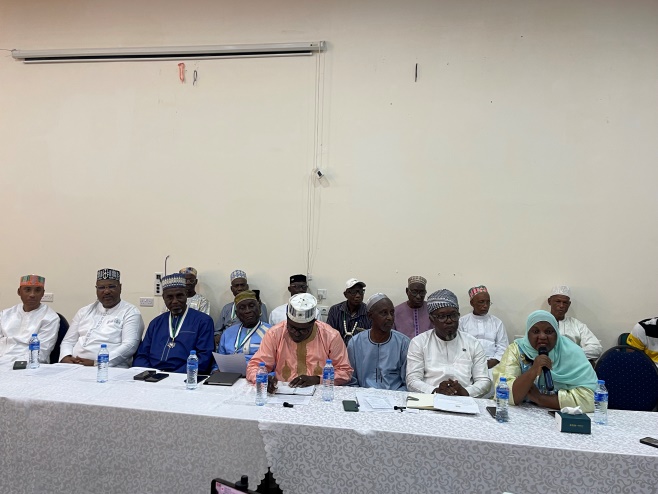
In response, the leadership of the Fullah community in Sierra Leone held a Press Briefing on Thursday 19th December, 2024, to update the public on their engagements regarding the incidents. The statement, signed by Abdulai Barrie (Chieftaincy), Alhaji Mohamed Bailor Jalloh (Fullah Progressive Union) and Alhaji M.S. Jalloh (Tabital Pulaaku Sierra Leone), condemned the treatment of Fullah nationals and called for swift justice.

The press statement, read by Abdulai Barrie, described the arrests as involving unlawful detention, harassment, intimidation and degrading treatment of Fullah nationals. The leadership commended the Government of Sierra Leone for its initial steps, including a public condemnation of the actions by the Ministry of Information and Civic Education, which reaffirmed the Government’s commitment to protecting the rights and dignity of all citizens.

The Fullah leadership emphasized their desire to meet with President Julius Maada Bio to seek assurances that such incidents will not recur. They also called for an expedited and impartial investigation to ensure those responsible for the acts or for failing to prevent them are held accountable.

The leadership urged the Government to address the matter decisively, highlighting the importance of unity and inclusivity in preserving national harmony. They appealed for an end to ethnic profiling and actions that could alienate any group of Sierra Leoneans.

Acknowledging the solidarity shown by Sierra Leoneans across the country, the Fullah leaders called on all citizens to work together to safeguard the nation’s shared values of peace, unity and mutual respect.

The statement concluded with a pledge from the Fullah leadership to continue engaging with the Government and stakeholders to maintain the peace and stability of Sierra Leone.

Sahr O. Gbekie, Chairman of the Council of Tribal Heads, described the arrest of the Fullahs as unfortunate and unacceptable. He noted that Sierra Leoneans have lived harmoniously for years and emphasized the need to uphold this spirit of unity.

He called on the appropriate authorities to address the issue amicably to foster national cohesion, highlighting the Council’s diversity, he explained that it comprises Tribal Heads from various ethnic groups across the country.

Sahr Gbekie commended the Government of Sierra Leone, particularly the Ministry of Information and Civic Education, for publicly condemning the incident.

He also informed the gathering that Parliament had summoned the Inspector General of Police and other relevant stakeholders to discuss the matter. In his concluding remarks, he urged everyone to remain calm as they await the outcome of the parliamentary proceedings.

This incident has sparked widespread discussions about ethnic relations and the need for systemic reforms to prevent such occurrences in the future.

AYV Reporter’s Family Ties to Captain T.L. Konteh Raise Questions

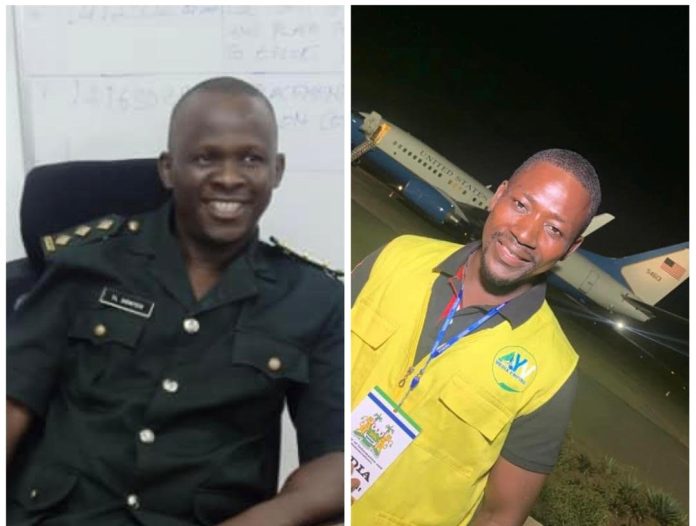
Captain T.L. Konteh and Salifu Chernor Kamara, a journalist with Africa Young Voices (AYV).

By Abubakarr Harding

In an astonishing evolution, the Information and Civic Education Ministry revealed in its November 26, 2024, press release that Captain T.L. Konteh, one of the fugitives killed during a gun battle with the RSLAF Special Forces, had been plotting further destabilization efforts. This revelation has sparked controversy surrounding the potential complicity of Salifu Chernor Kamara, a reporter of the Africa Young Voices (AYV) Media Empire attached to State House, who has now been confirmed to have family ties to the late captain.

An anonymous source indicates that Salifu Chernor Kamara hails from the same village as Captain T.L. Konteh and was previously a student of the fugitive. My source alleged that Kamara and Konteh maintained contact over the years, raising questions about the extent of Kamara’s knowledge of Konteh’s activities and whether he deliberately chose to remain silent despite his privileged access to the corridors of power.

This connection takes on added significance given Kamara’s role as a journalist embedded within the highest levels of government. With such proximity to critical information, it is questionable as to whether Kamara, through negligence or intent, overlooked signs of potential security threats emanating from his own relative.

Critics argue that Kamara’s silence about his relationship with Konteh undermines his journalistic integrity and casts doubt on his loyalty to state interests. Evidently, there is a need for a thorough investigation into whether this association compromised national security or interfered with the government’s ability to preempt destabilizing actions.

As the nation grapples with the fallout of the failed November 26, 2023, coup attempt, and its anniversary revelations, the public is demanding transparency and accountability. The implications of this connection between Salifu Chernor Kamara’s ties to Captain T.L. Konteh is likely to stir intense political scrutiny.

This revelation will inevitably mount some pressure on Kamara to clarify his relationship with the deceased captain and to address the growing suspicions surrounding his role in this unfolding controversy.


NMA and EPA Officials Expose Widespread Illegal Mining in Diang Chiefdom

By Ibrahim Sesay

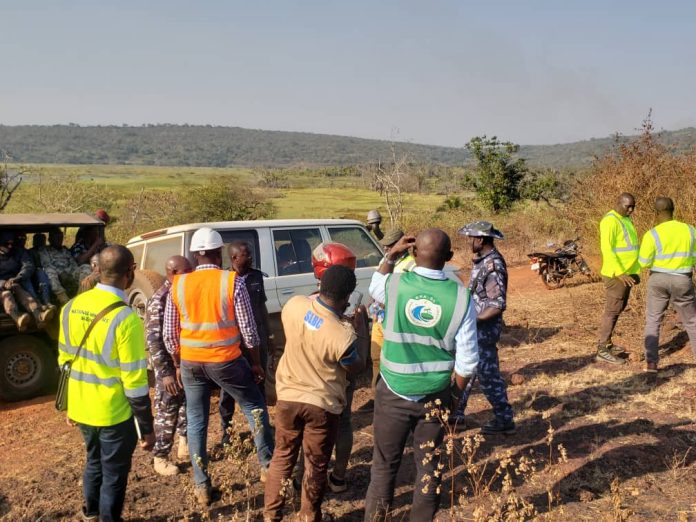
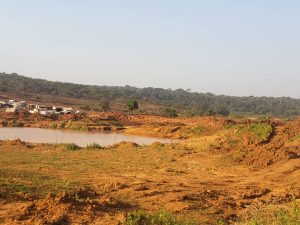
Senior officials from the National Minerals Agency (NMA) and the Environmental Protection Agency (EPA) on Friday December 13, 2024 visited illegal mining sites in Diang Chiefdom, Koinadugu District, to investigate unauthorized mining activities, particularly those affecting the protected Lake Sonfon.

The visit followed reports circulating on social media alleging that community members, financiers and foreign nationals were involved in unregulated mining operations. The objective of the visit was to assess the extent of the illegal mining and demonstrate the Government’s commitment to environmental protection and resource management.

Isaac Kallon, NMA’s Regional Manager for Makeni, confirmed the illegality of the operations, stating that mining in Lake Sonfon is explicitly prohibited. “We’ve observed illegal activities, including mining within the lake, which is entirely unauthorized. This is not a new issue. We’ve raised concerns and conducted compliance audits, but we face limitations,” the Regional Manager remarked.

He assured that the NMA would compile its findings and escalate the matter to higher authorities for necessary action. Isaac Kallon’s statement underscores the Government’s resolve to confront illicit mining practices that threaten environmental sustainability and lawful resource management.

Abdul Kebbie, Regional Environmental Officer for the EPA, highlighted the environmental and economic consequences of illegal mining in the area. “No licenses have been issued for these activities, and as a result, the government is losing significant revenue,” Abdul Kebbie stated.

He emphasized that illegal mining operations leave behind open pits, contribute to biodiversity loss, cause deforestation and pose health risks due to the absence of safety measures. “The EPA Act requires all mining projects to undergo environmental screening before licenses are issued. This ensures sustainability and minimizes risks,” Abdul Kebbie added.

He also addressed allegations that military personnel assigned to protect the area were engaging in illegal mining. “The community accuses the military of mining at night instead of protecting the area. These allegations undermine trust and further complicate the situation,” he noted, signaling the need for thorough investigations into the claims.

The fact-finding mission also uncovered an illegal gold mining site in Foriah. Foday Bah Turay, Section Chief of Diang Chiefdom, provided context on the situation in Foriah. “Last week, there were rumors of gold at a specific site, leading to fights among people trying to claim mining spaces. I was alerted by Resident Minister North, Abu Abu, who advised seeking security protection to prevent further chaos,” Foday Bah Turay explained.

He called on the Government to intervene and bring the situation under control for the benefit of the community and all stakeholders involved.

The authorities are expected to present a detailed report of their findings and recommendations to the Minister of Mines and Mineral Resources for immediate action. This intervention is seen as a crucial step in addressing unauthorized mining activities and ensuring compliance with Sierra Leone’s environmental protection and mineral resource management laws.

Choithram Hospital and Interplast Germany Offer Free Life-Changing Plastic Surgery Camp

By Amin Kef (Ranger)

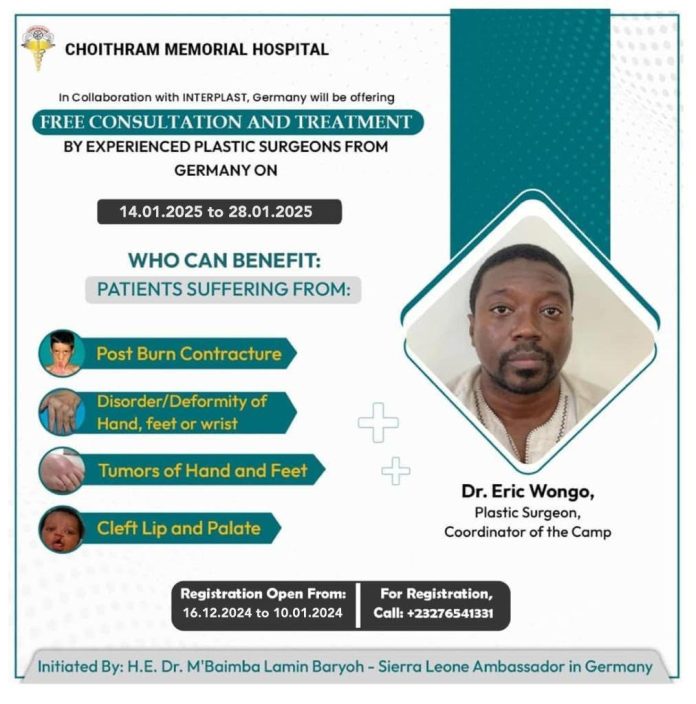
In a remarkable act of international medical cooperation, Choithram Memorial Hospital, in partnership with Interplast Germany, is calling on members of the public to take advantage of a unique opportunity for free consultation and treatment in plastic surgery. This humanitarian initiative, scheduled to run from January 14 to January 28, 2025, aims to provide essential surgical interventions for Sierra Leoneans living with specific medical conditions.

The initiative has been made possible through the dedicated efforts of H.E. Dr. M’Baimba Lamin Baryoh, Sierra Leone’s Ambassador to Germany, whose advocacy and commitment to healthcare access have been instrumental in facilitating this life-changing opportunity. The collaboration underscores a shared commitment to improving healthcare access and offering specialized medical services to underserved communities in Sierra Leone.

A team of highly skilled plastic surgeons from Germany, many of whom have been making annual visits to Sierra Leone since 2010, will be at the forefront of this surgical camp. The team will be led by Dr. Eric Wongo, a renowned plastic surgeon and the camp’s coordinator. With his extensive experience and expertise, Dr. Eric Wongo is well-positioned to ensure that patients receive high-quality care throughout the program.

Members of the public are encouraged to register if they or their loved ones suffer from the following conditions, which will be treated free of charge during the camp:

  • Post-burn contractures and reconstruction
  • Hand, feet or wrist disorders and deformities
  • Tumors affecting the hand and feet
  • Cleft lip and palate repair

These conditions often require specialized and costly surgical interventions that are beyond the financial reach of many individuals. This free initiative presents a rare and valuable chance for patients to receive transformative care at no cost.

Registration for the free plastic surgery camp will be open from December 16, 2024, to January 10, 2025. To ensure a smooth and efficient process, prospective patients are encouraged to register early. Interested individuals can:

  • Call Choithram Memorial Hospital directly at +23276541331 for guidance and more information.
  • Visit Choithram Memorial Hospital at Hill Station in Freetown to complete the registration process in person.

Early registration is critical to guarantee a spot, as the camp’s services are expected to be in high demand.

Dr. Gowrinath M. George, Medical Superintendent of Choithram Memorial Hospital, expressed profound appreciation for the partnerships that have made the surgical camp possible. “This initiative is a testament to the power of partnership. We extend our heartfelt gratitude to Ambassador Dr. M’Baimba Lamin Baryoh for his instrumental role in bridging the gap between Interplast Germany and Choithram Hospital,” he stated. “We are committed to providing Sierra Leoneans with quality medical care and this camp reflects our mission to restore health and dignity to those in need.”

Harish Agnani, Chief Administrator of the Choithram Group, reiterated the hospital’s longstanding commitment to providing quality healthcare for all, regardless of financial status. “Our mission has always been to ensure that the people of Sierra Leone have access to the best medical services available. This camp is yet another way we’re making that promise a reality,” said Harish Agnani.

The free plastic surgery camp is a landmark event in Sierra Leone’s healthcare landscape. By offering life-changing surgeries at no cost, it aims to restore hope and dignity to individuals living with physical impairments. These conditions often have significant social, emotional and psychological impacts, especially on children born with cleft lip and palate deformities. The camp’s goal is not only to enhance physical health but also to improve the overall well-being of beneficiaries.

This initiative aligns with Choithram Hospital’s enduring legacy of providing compassionate, high-quality medical care. Since its establishment, the hospital has been at the forefront of community welfare through similar humanitarian medical programs. This year’s plastic surgery camp is a continuation of that noble tradition, reinforcing the hospital’s dedication to accessible healthcare.

Members of the public are strongly encouraged to seize this rare opportunity to access specialized medical care at no cost. Caregivers and family members of potential beneficiaries are urged to assist in the registration process to ensure that as many individuals as possible can benefit from this life-changing opportunity.

With the expertise of Interplast Germany’s skilled surgeons and the steadfast support of Choithram’s medical team, the camp is poised to deliver transformative health outcomes for many Sierra Leoneans. Don’t miss this opportunity to benefit from expert surgical care. Register now and take a step toward a healthier and more empowered future.

Embrace the Taste of Royalty: Why Royal Seasoning is Sierra Leone’s New Kitchen Essential

By Amin Kef Sesay

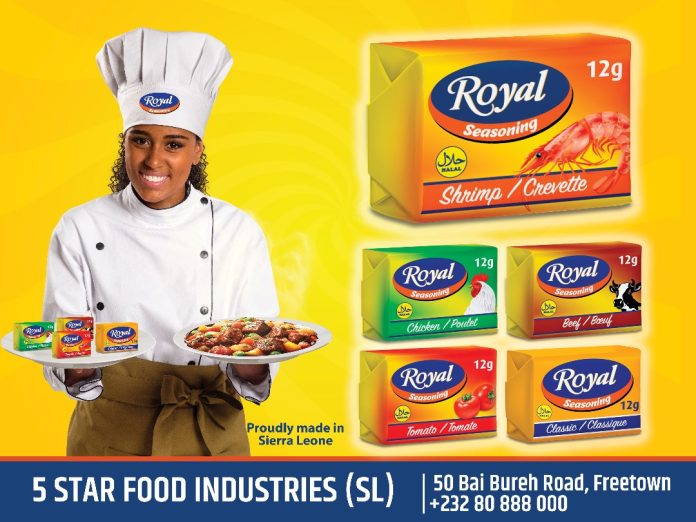
In Sierra Leone’s vibrant culinary scene, a new product is capturing the hearts and taste buds of households and chefs alike. Royal Seasoning, the latest offering from 5 Star Food Industries (SL) Ltd, is not just another seasoning cube. Branded with the tagline “The Taste of Royalty,” it has quickly become a household favorite, symbolizing Sierra Leone’s rich flavors, culture and growing local production capacity.

Royal Seasoning is redefining how Sierra Leoneans experience flavor. Infused with a carefully crafted blend of authentic, homegrown ingredients, it enhances the natural taste of everyday meals. Whether it’s soups, stews or traditional rice dishes, Royal Seasoning adds a burst of flavor that turns simple meals into culinary delights.

Unlike imported alternatives, Royal Seasoning is tailored to suit Sierra Leonean taste preferences. This local touch ensures every meal prepared with it is a reflection of Sierra Leone’s culinary heritage. For home cooks and professional chefs alike, it’s a must-have ingredient that guarantees flavor and freshness in every dish.

Royal Seasoning stands as a shining example of Sierra Leone’s commitment to “local content” development. By producing the seasoning locally using Sierra Leonean-sourced ingredients, 5 Star Food Industries (SL) Ltd supports local farmers, food processors and production workers. This approach reduces the country’s reliance on imported brands, promoting self-sufficiency and economic growth.

This local production strategy aligns with Sierra Leone’s broader agenda to reduce imports and strengthen the national economy. By choosing Royal Seasoning, consumers actively contribute to this goal. The production, packaging and distribution of the product create employment opportunities, particularly for youth and women involved in food processing and retail.

Freshness is a hallmark of Royal Seasoning. Unlike imported brands that may lose quality during lengthy shipping processes, Royal Seasoning is produced within Sierra Leone. This ensures every cube maintains peak freshness and flavor, providing consumers with a superior product that’s hard to match.

Early adopters have praised its savory taste, noting its ability to bring out the best in every meal. The convenience of accessing high-quality, locally made seasoning cubes has been a game-changer for many families. With Royal Seasoning, freshness, flavor and quality are guaranteed in every cube.

One of the standout features of Royal Seasoning is its affordability. By producing the product locally, 5 Star Food Industries has managed to keep costs down, making it accessible to families from all walks of life. It’s a cost-effective way to bring restaurant-quality flavor into homes without straining household budgets.

The availability of Royal Seasoning is also rapidly expanding. Retailers, supermarkets, and local markets across Sierra Leone are now stocking the product, ensuring it’s within easy reach for consumers. Whether shopping in a bustling city market or a neighborhood store, consumers are sure to find this kitchen essential on the shelves.

By choosing Royal Seasoning, consumers are doing more than enhancing their meals. They are supporting Sierra Leone’s local industries and empowering local communities. The production process creates employment opportunities and strengthens the country’s capacity to produce high-quality, locally made goods.

Additionally, the rise of Royal Seasoning reduces pressure on the country’s foreign exchange reserves. With less reliance on imported goods, Sierra Leone’s economy becomes more self-reliant. This shift promotes national pride and economic independence, showcasing the country’s ability to produce top-tier products that can compete on any stage.

Royal Seasoning’s growing popularity reflects a broader shift in consumer behavior. More people are recognizing the value of supporting local products that offer equal or superior quality to imports. Retailers, distributors and consumers are championing Royal Seasoning as a prime example of how locally made goods can meet and exceed expectations.

This change in consumer preferences is driving demand for homegrown brands, with Royal Seasoning leading the charge. Its rich, authentic taste, affordability and superior quality are proof that Sierra Leonean-made products can rival the best on the market.

Royal Seasoning is more than just a seasoning cube; it’s a movement toward culinary excellence, local empowerment and national pride. By embracing Royal Seasoning, consumers support Sierra Leone’s journey toward self-sufficiency and economic growth. The product’s exceptional taste, freshness and affordability make it a beloved addition to kitchens across the nation.

Add a touch of royalty to your meals with Royal Seasoning, the taste of excellence, the taste of home. Experience “The Taste of Royalty” today and see how one seasoning cube can transform your meals and support Sierra Leone’s future.


Freetown Waste Transformers Launches ‘DortiBox’ App Short Code *380#

By Foday Moriba Conteh

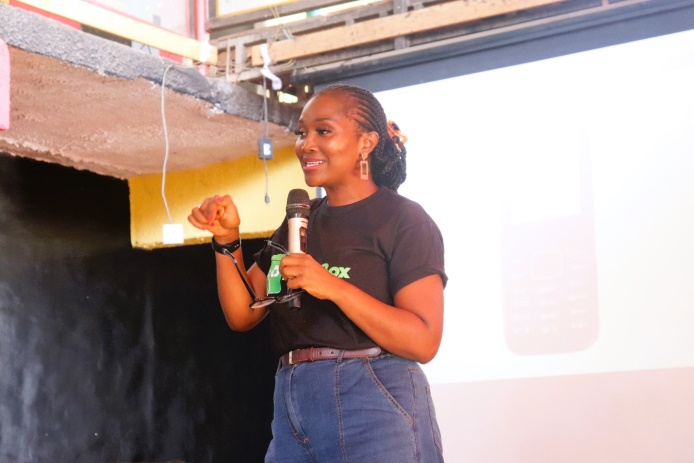
Freetown Waste Transformers (FWT) an Organic Waste-to-Energy Solutions Provider in Sierra Leone on Friday 13th December, 2024 launched the first innovative USSD feature ‘DortiBox’ App short code *380# in a drive to transform Freetown.

The innovative USSD feature which is available on Orange mobile network, is designed to promote the digitalization of waste management services. This solution will simplify access to waste management services for users, especially those with limited access to smartphones, while supporting the Freetown City Council’s (FCC) digital transformation initiatives.

The official launch and engagement with community stakeholders, took place at the Hillside Bypass Road, Model, in Freetown marking a significant milestone for FWT, as they begin implementing waste management services in Block 6, following their recent contract award.

FWT take all food waste and turn it into electricity, heat and fertilizer right at an individual’s location and cut costs on energy and waste management bills. The ‘DortiBox mobile app’ was developed as a means of coordinating waste management activities across the sector, which directly feeds into FWT’s waste-to-energy project.

Founder and Chief Executive Officer, FWT, Madam Aminata Dumbuya stated that the launch is a significant step towards improving waste management in Freetown.

She pointed out that she has rolled out the upgraded ‘DortiBox’ app, transitioning from version 1.0 to 2.0, stressing on the significant of the innovative which is designed to streamline waste collection services, includes a USSD code *380#` that enables residents without access to smartphones to register for waste collection services easily.

“Cleanliness is next to godliness,” resonates deeply within the community as the initiative seeks to empower residents to take responsibility for their environment. With a concession period of five years, the goal is to ensure waste collection from every household and business in Block 6, even if full capacity isn’t reached in the first year,” she stated.

To achieve these ambitious goals, Aminata Dumbuya pointed out that the project will work alongside established waste enterprises in the area to harmonize operations and improve service delivery.

She added that by building strong relationships with local providers, the initiative aims to enhance waste collection efficiency and community engagement.

Having been involved in the waste management sector since 2010, the founder of Freetown Waste Transformers is committed to leveraging technology and innovative waste-to-energy solutions. These efforts aim to create a comprehensive ecosystem for waste management, integrating digital applications and small-scale energy technologies.

A critical component of this initiative is empowering the youth of Freetown. By involving them in waste collection efforts, the project not only addresses waste management challenges but also creates job opportunities, fostering a sense of community responsibility.

As Block 6 embarks on this transformative journey, the collaboration between local leaders, the Freetown City Council (FCC) and residents is crucial. With a shared vision of cleanliness and sustainability, the community is well on its way to setting a new standard for waste management in Freetown.

Speaking on behalf of stakeholders, Chief Yalimamy Fofanah thanked and congratulated the FWT CEO for winning the contract to transform Freetown.

She promised that her community will work with the company for them to achieve their goal and further pleaded with participants to stop giving their garbage’s to “Klin Salone guys” underscoring how they will not take the garbage to the right destination.

She further encouraged them to embrace the opportunity as the money generated by the company will be given back to the community once they transform the waste into energy that will benefit the whole country.

DortiBox is a waste management tool (software) that allows households to request and schedule waste management service from the comfort of their homes.

DortiBox can be downloaded from both Google Play Store and IOS App Stores.

Health For All Coalition Pushes for Full Enforcement of Sierra Leone’s Tobacco Control Act

By Alvin Lansana Kargbo

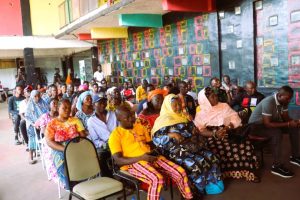
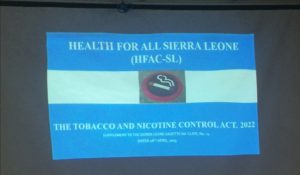
An important step towards public health improvement in Sierra Leone was taken as the Health For All Coalition (HFAC), in collaboration with the Directorate of Non-Communicable Diseases and Mental Health under the Ministry of Health, organized a landmark event to popularize the Tobacco and Nicotine Control Act 2022.

The event, held on Monday 16th December, 2024 at the Civil Service Training Centre, State House Compound, brought together key stakeholders, including WHO, UNICEF, the Ministry of Education, Ministry of Social Welfare, Ministry of Trade, Ministry of Defence, Ministry of Internal Affairs, NRA, Sierra Leone Market Women Association, ONS, Araya Base Union and the media.

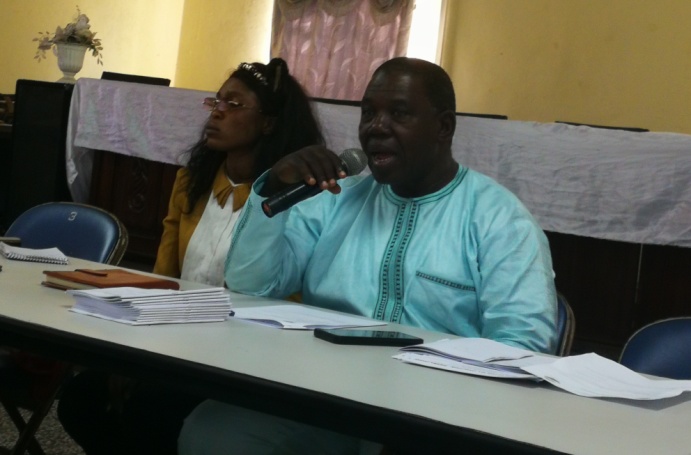
The Executive Director of Health For All Coalition, Charles Mambu, formally presented the coalition’s press release, highlighting the Act’s importance in addressing the dangers of tobacco and nicotine use. The Act, enacted to improve public health, regulates the production, manufacturing, importation, packaging, advertising, sale and use of tobacco and nicotine products. It also prohibits smoking in specific public and outdoor spaces and calls for the establishment of a Tobacco and Nicotine Control Council to enforce its provisions.

He emphasized the urgent need for the Government to establish the Council, as mandated by the Act, to oversee implementation and ensure compliance. Charles Mambu praised the Government and President Julius Maada Bio for taking decisive action to save lives through the legislation. However, he stressed that the Act’s benefits depend on its enforcement, calling on the Ministry of Health to expedite the process.

“We commend the Government for this significant step, but the time to establish the Tobacco and Nicotine Control Council is now,” Charles Mambu declared. He further noted HFAC’s nationwide engagement efforts across districts, including Kenema, Bo, Port Loko, Kambia, Tonkolili and the Western Area.

The Tobacco and Nicotine Control Act 2022 explicitly bans smoking and the use of electronic nicotine delivery systems in various public spaces, including: offices, workplaces, hospitals, educational facilities, restaurants, hotels, entertainment venues, markets public transport vehicles, buses, aircraft, and boats as well as outdoor areas within 10 meters of windows, doors or food service locations. These provisions aim to protect individuals from involuntary exposure to tobacco smoke and aerosols, fostering healthier environments for all.

During the event, Musa Kamara, Research Officer at the Office of National Security (ONS), outlined a multi-sectoral strategy to advance tobacco control. He proposed initiatives such as: Developing a mobile app for citizens to report tobacco violations, establishing community-based monitoring systems, advocating for Government funding to support enforcement, including hiring inspectors, promoting tobacco-free zones, especially in hospitals and public spaces, supporting alternative livelihoods for individuals dependent on the tobacco industry.

Similarly, Dr. IB Kai-Samba, representing the Ministry of Defence, underscored the severe health risks associated with smoking, including lung disease, diabetes, heart disease and cancer. He noted the military’s growing awareness of the need for healthier lifestyles to protect the nation, stressing that smokers must not infringe on others’ rights.

“Smoking may seem harmless to individuals, but its consequences extend to their health, the environment and even national security,” Dr. Kai-Samba opined.

Madam Marie Bombay, a representative of the Sierra Leone Market Women Association, brought a community perspective, expressing concern over continued cigarette sales and usage, particularly among the youth. “Despite warnings, smoking persists, especially in our marketplaces. We urge authorities to bring this message to the grassroots and encourage women to avoid this dangerous habit,” she stated.

The Health For All Coalition, with support from the Africa Tobacco Control Alliance (ATCA), reaffirmed its commitment to advocating for full implementation of the Tobacco and Nicotine Control Act 2022. The Coalition vowed to continue its nationwide engagements, monitoring enforcement and supporting the Government to ensure the Act’s objectives are achieved.

Foreign Affairs Minister Assures Fullah Community of Justice, Reaffirms President Bio’s Stance Against Ethnic Targeting

By Amin Kef (Ranger)

Sierra Leone’s Minister of Foreign Affairs and International Corporation, Timothy Musa Kabba, has issued a formal apology to the Fullah Community following reports of maltreatment some of their members faced amid a diplomatic standoff with neighboring Guinea. The Minister emphasized that President Dr. Julius Maada Bio had not instructed anyone to target specific groups of people or deport Guineans in retaliation.

Speaking at the Government’s weekly press briefing on Tuesday, December 17, 2024, the Minister clarified the administration’s stance, stating, “The president of this country, President Julius Maada Bio, did not give anybody instruction to arrest any particular set of people, nor did he instruct anybody to round up Guineans for deportation in retaliation.”

Timothy Kabba disclosed that a delegation from Guinea, led by Guinea’s Foreign Minister Morissanda Kouyaté, is expected to visit Sierra Leone as a special envoy of Guinea’s junta leader, General Mamadi Doumbouya. The envoy will deliver a message to President Julius Maada Bio as part of efforts to ease tensions and restore diplomatic relations.

The apology comes after reports of mass arrests in Sierra Leone targeting people believed to be Guineans, which followed the deportation of Sierra Leoneans by Guinean authorities. This diplomatic clash led to a brief standoff at the Sierra Leone-Guinea border last week.

Prior to the Minister’s apology, the Fullah Progressive Union (FPU), an umbrella organization representing Fullahs in Sierra Leone, claimed that Fullahs were being unfairly singled out during the crackdown. The FPU demanded that those responsible for the actions against Fullahs be held accountable. In a statement signed by its National Secretary General, Alhaji Osman Bah, the FPU described the incident as a “shameful act of ethnic profiling and systemic harassment.”

“We find it deeply troubling that innocent Fullahs are being labeled as undocumented foreigners, arrested and detained,” the statement read, adding that similar arrests were reported in areas beyond Freetown, including Waterloo and Kono.

The incident has sparked outrage, with prominent figures such as former Attorney General and Minister of Justice, Joseph Fitzgerald Kamara, condemning the arrests. He labeled the incident as a “diplomatic failure” and called for “urgent action” to address it. “Every tribal community is entitled to security and protection from violations of their human rights,” he further asserted.

The diplomatic dispute between Sierra Leone and Guinea escalated after Guinean authorities reportedly deported over 200 Sierra Leoneans from Conakry, citing drug-related criminal activity in slum communities where Sierra Leonean nationals resided. Video footage circulated on social media showed people, believed to be Sierra Leoneans, fleeing as their makeshift homes were demolished. Upon arrival at the Sierra Leone-Guinea border, local immigration officials initially refused to accept the deportees, resulting in a temporary closure of the border. Vice President Dr. Mohamed Juldeh Jalloh later intervened, allowing the deportees to enter Sierra Leone.

It was earlier alleged that in an apparent retaliatory move, Sierra Leonean police launched operations that reportedly targeted individuals they suspected to be Guineans. The FPU argued that only Fullahs were targeted. Sheriff Barrie, Deputy National Secretary General of the FPU, questioned the rationale behind this selective approach. “Fullahs are not the owners of the Republic of Guinea. There are other immigrants as well. For the authorities to select and only clamp down on Fullahs is unacceptable,” he stated.

Sheriff Barrie further suggested that there may be a “hidden agenda” behind the raids and called for an investigation to identify those responsible.

Civil society organizations and human rights advocates echoed similar concerns. Saikujohn Barrie, a reporter for Premier News and a Human Rights Officer at the African Union, described the incident as reminiscent of the oppressive tactics used during the Siaka Stevens regime, which was known for its mistreatment of Fullahs.

Saikujohn Barrie raised critical questions about the legality of the arrests:

  • Did the Government authorize the discriminatory arrests of only Fullahs as retaliation for the deportation of Sierra Leoneans from Guinea?
  • Which law in Sierra Leone permits the police to engage in ethnic profiling?
  • Are Fullahs the only community in Sierra Leone with ties to Guinea?

He criticized the police’s decision to detain vulnerable individuals, including elderly men, women and lactating mothers, at the Police Training School (PTS) in Hastings. The intervention of Members of Parliament from Falaba and Freetown, as well as the Western Area Fula Tribal Head and other stakeholders, led to the release of the detainees.

The FPU’s call for justice was echoed by other ethnic and civil society organizations, who see the incident as a dangerous precedent that could undermine Sierra Leone’s social cohesion.