Home Blog Page 267

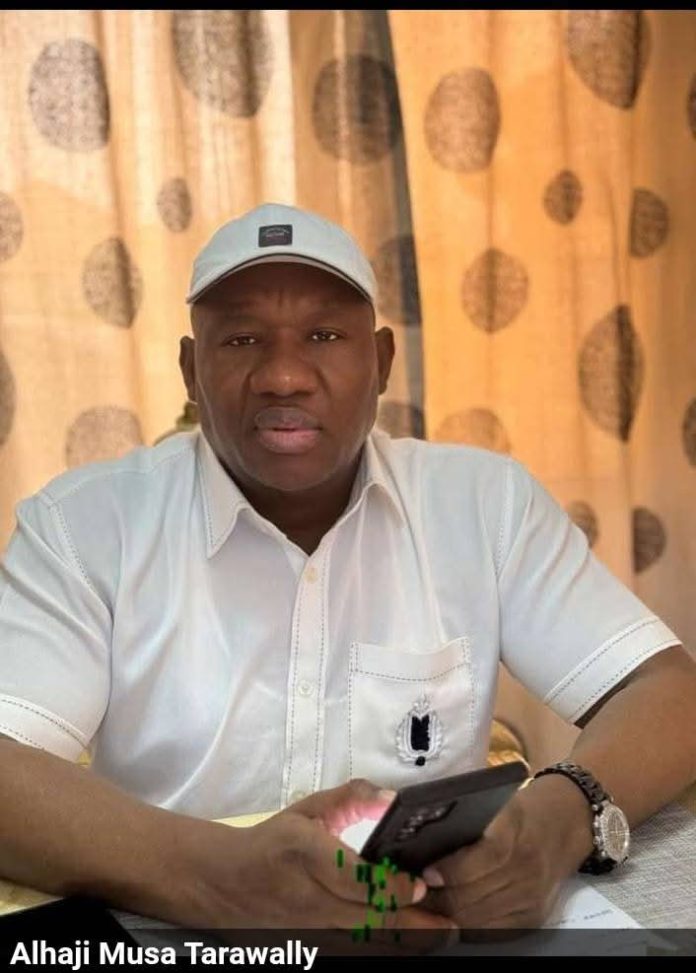
As Momentum Builds for 2028 SLPP Flag Bearer Race… Hon. Musa Tarawally Receives Red Carpet Welcome in Lokomasama, Kenema and Bo

By Millicent Senava Mannah

Lokomasama, Kenema and Bo witnessed an extraordinary show of support for Hon. Alhaji Musa Tarawally, one of the leading aspirants for the Sierra Leone People’s Party (SLPP) flag bearer position in 2028. After a nearly four-month tour of Nigeria, Senegal, The Gambia and Europe, Hon. Alhaji Musa Tarawally returned home on Friday, December 13, 2024, to a hero’s welcome.

The fanfare began at the Freetown International Airport, where crowds of well-wishers gathered to greet him. His journey continued to Lokomasama Chiefdom in the Port Loko District, a region of particular significance as his wife, Zainab Tarawally, hails from there. The reception was grand, with traditional leaders, section chiefs and political stakeholders from both the All People’s Congress (APC) and SLPP attending in large numbers to honor the distinguished politician.

Hundreds of well-wishers gathered at the Freetown International Airport to welcome Hon. Alhaji Musa Tarawally. From there, he embarked on a journey that highlighted his influence and growing base of supporters. His first stop was in Lokomasama Chiefdom, Port Loko District, a symbolic location as it is the hometown of his wife, Zainab Tarawally. The grand reception featured traditional leaders, Paramount Chiefs, Section Chiefs and political stakeholders from both the All People’s Congress (APC) and SLPP. This rare display of political unity was seen as a reflection of Hon. Alhaji Musa Tarawally’s message of peace and togetherness.

Traditional authorities, including Paramount Chiefs and community leaders, praised him for his deep-rooted connections to the region and his ability to inspire hope for a brighter future. The Chiefdom Speaker declared their unwavering support, stating, “We the people of Lokomasama appreciate you as our in-law and we will give you all the support you need in your pursuit to lead Sierra Leone.” This open endorsement marked a significant boost for his presidential aspirations.

As a gesture of goodwill, Hon Alhaji Musa Tarawally donated 10,000 New Leones to the youth of Komrabai to support their weekend activities. He assured the gathering of his sincerity in politics, stating, “I am here to help Sierra Leoneans, not for personal gains. I have established businesses in eight countries, and I want to give back to the nation that has given me so much.”

He also cautioned the people not to allow politicians to manipulate or exploit them further encouraging citizens to demand tangible support, specifically, contributions to their cooperatives, before listening to any political promises.

The momentum of Hon. Alhaji Musa Tarawally’s tour continued in Kenema, where massive crowds, comprising SLPP and APC supporters, youth groups and women’s associations, lined the streets to welcome him. The atmosphere was electric, with supporters waving banners and chanting slogans of solidarity. Hon. Alhaji Musa Tarawally’s message centered on “Unity, Wealth Creation, and Security”; core principles of his campaign.

Addressing a large gathering, he emphasized the importance of youth empowerment and national security. “The security of this country is in your hands,” he said, urging young people to avoid violence and embrace peaceful nation-building. His message resonated with the crowd, especially the youth, who are seeking more opportunities for employment and social inclusion.

The final leg of Hon. Alhaji Musa Tarawally’s homecoming tour took place in Bo, where the celebration reached new heights. Colorful banners, traditional drummers and dancers lined the streets as his convoy entered the city. Community leaders, party stakeholders and traditional authorities came out in force to pledge their support for his candidacy. His wife, Zainab Tarawally, played an active role in mobilizing support, describing her husband as a “God-fearing man” committed to uplifting marginalized groups.

During the events, Hon. Alhaji Musa Tarawally announced a groundbreaking initiative aimed at empowering women across the nation. He pledged to invest $1 million in women’s cooperatives in every district of Sierra Leone. The plan, which is part of his broader agenda for human capital development, aims to boost women’s entrepreneurial ventures and financial independence. The announcement was met with widespread applause, especially from women’s leaders like Bintu M.A. Sellu, Chairperson of the Bo District Cooperative Society, who described it as a landmark move for grassroots development.

Hon. Alhaji Musa Tarawally’s generosity is well-documented. His wife Zainab revealed that he had previously provided Le40 million in micro-credit to women’s groups across the country, further cementing his reputation as a champion for women’s empowerment and community development.

A recurring theme of Hon. Alhaji Musa Tarawally’s speeches was his call for unity. In Lokomasama, he urged traditional authorities, community leaders and political groups to prioritize collective progress over personal interests. “Unity is non-negotiable if we want to move Sierra Leone forward,” he declared. His message resonated with supporters from both the SLPP and APC, who hailed his leadership as visionary and inclusive.

Hon. Alhaji Musa Tarawally’s cross-party appeal is seen as a testament to his ability to bridge political divides, a quality that many Sierra Leoneans believe is essential for the country’s progress. His emphasis on youth employment, women’s empowerment and national security aligns with the aspirations of ordinary citizens who are seeking a leader capable of fostering peace, progress, and prosperity.

As his tour concluded, public endorsements from key stakeholders, including paramount chiefs and traditional leaders, solidified Hon. Alhaji Musa Tarawally’s status as a leading contender for the SLPP’s 2028 flagbearer position. The Chiefdom Speaker of Lokomasama hailed him as a “true son of the soil,” while women’s leader Mariatu Kamara praised his consistent support for women’s initiatives.

Political analysts have taken note of the groundswell of support from grassroots communities and influential stakeholders. Many believe that Hon. Alhaji Musa Tarawally’s ability to unite supporters across party lines gives him a competitive edge in the race for the SLPP’s top position. His emphasis on unity, coupled with his well-documented history of philanthropic initiatives, sets him apart as a leader with a clear vision for Sierra Leone’s future.

Hon. Alhaji Musa Tarawally’s triumphant return and successful regional tour have reignited political enthusiasm for his 2028 presidential bid. His vision for a united, secure, and economically empowered Sierra Leone has struck a chord with citizens from all walks of life. With strategic investments in women’s cooperatives, a focus on youth employment and a call for national unity, Hon. Alhaji Musa Tarawally’s campaign is gaining momentum.

As the race for the SLPP’s 2028 flagbearer position heats up, political observers are keeping a close watch on his next moves. His ability to draw support from diverse political groups and regions demonstrates his growing popularity. Many believe that his inclusive approach and commitment to fostering peace, progress, and prosperity could position him as a unifying force in Sierra Leonean politics. For now, all eyes are on Hon. Alhaji Musa Tarawally as he continues his journey to secure the SLPP’s presidential candidacy and ultimately lead Sierra Leone into a new era of unity and development.
 

Orange Sierra Leone Hosts Career Day at Methodist Girls’ High School for 2024 Engagement Day

By Foday Moriba Conteh

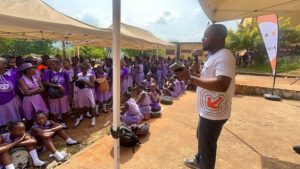
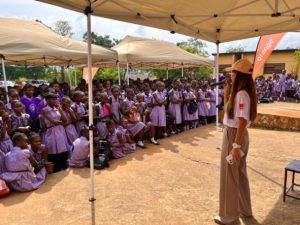
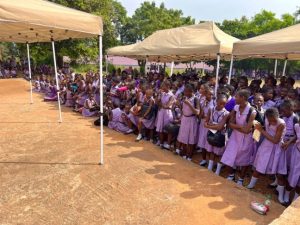
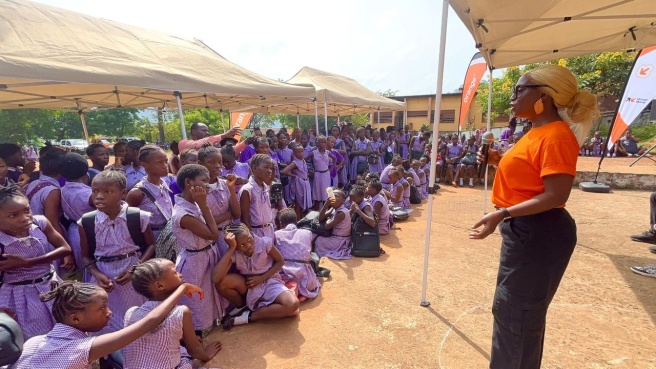
Orange Sierra Leone celebrated its annual Engagement Day on Thursday, December 5, 2024, at the Methodist Girls’ High School on Wilberforce in Freetown, as part of its company-wide initiative to give back to society. This event was organized under the theme of career development and education, with a focus on inspiring young girls to explore opportunities in technology and telecommunications.

The Methodist Girls’ High School was selected as the host institution following an internal voting process where Orange employees chose from a list of secondary schools previously engaged by the Orange Foundation. The event provided pupils with insights into Orange’s operations and career paths across various departments, including Strategy, Transformation, Marketing, IT, Customer Experience, Public Relations and Corporate Social Responsibility (CSR).

Speaking during the event, Ghina Wansa, Head of Strategy, Transformation and Performance Management at OSL’s Human Resources Department, highlighted the significance of the day:
“At Orange, we believe in giving back to the community. Engagement Day is about connecting with pupils to explore career opportunities and inspire them to consider paths in technology and telecommunications. We want to encourage young girls to see the vast potential in these fields and understand what it takes to work at a company like Orange.”

She revealed that the event aimed to equip pupils with knowledge about careers beyond traditional roles. Ghina Wansa emphasized the importance of exposing students to the possibilities in technology and the fast-moving telecom sector, which is often underrepresented in career choices for young girls.

“Many pupils don’t fully grasp what working in the real world entails. Our goal is to open their eyes to diverse career paths beyond the conventional ones like engineering and law, encouraging them to embrace opportunities in fields that are shaping the future,” she added.

This event is one of many initiatives by Orange Sierra Leone aimed at bridging the gap between education and employment. While Methodist Girls’ High School served as the host school this year’s engagement day, Ghina Wansa hinted at plans to expand the program to other schools, amplifying its impact across the country.

Finnah Mariama Stevens, Head of Coding at the Orange Digital Center and Manager at the Orange Foundation, explained that during the engagement the company introduced to the pupils services offered by the Orange Digital Center, a training hub dedicated to equipping young people with practical skills in technology and innovation.

She highlighted the center’s free programs, which include courses in software programming, web and mobile app development and fabrication workshops aimed at fostering entrepreneurship.

“The Orange Digital Center is a space where young people can explore their ingenuity, develop tech skills and even start entrepreneurial ventures,” Finnah Mariama Stevens explained. “All our training programs are free and we’re expanding to open two new centers in Bo and Makeni to ensure broader access across Sierra Leone.”

In addition to technical training Finnah Mariama Stevens emphasized the Orange Foundation’s humanitarian focus, encouraging pupils to engage in community service to cultivate empathy and compassion.

The Head of Coding urged pupils to research job trends and consider future workforce demands while planning their careers:
“Being in school is a great start, but it’s important to think ahead. Research the market, look at job trends and position yourself for opportunities in emerging fields,” she advised.

She concluded by reiterating that upcoming centers in Bo and Makeni will allow more youths outside Freetown to access training opportunities, reflecting Orange’s commitment to scaling up its impact and reaching underserved communities.

Francess Kamara, a pupil of the Methodist Girls High School, extended heartfelt appreciation on behalf of her companions to Orange Sierra Leone for their commitment to empowering young people and making them believe in their potentials to contribute to national development, adding that the engagement day was not just informative but truly life-changing for many of them as it has served as an eye-opening experience that has inspired her and other pupils to think deeply about their future career paths.

“Before this event, I had a limited understanding of the opportunities available in the technology and telecommunications industries” she maintained.

She continued that hearing from Finnah Mariama Stevens and other representatives from Orange about the various fields within the company and the work of the Orange Digital Center made her realize that there are so many possibilities beyond the traditional careers they usually hear about.

“What stood out most to me was the encouragement to follow our passions, not to fear making mistakes, and to think ahead about the future of work,” Francess Kamara candidly stated adding that the advice has given her the confidence to dream big and work hard to achieve her goals.

The day featured a series of motivational talks by Orange staff from various departments, offering pupils a closer look at the corporate world and the skills required to thrive in it of which pupils also had the opportunity to ask questions about Orange and their career paths.

Orange Sierra Leone’s Engagement Day reflects the company’s broader commitment to Corporate Social Responsibility, fostering a future where more young girls can envision and pursue careers in STEM and beyond.

NP Energy Pass Card: A Game-Changer for Fuel Purchase in Sierra Leone

CREATOR: gd-jpeg v1.0 (using IJG JPEG v80), quality = 90

By Amin Kef (Ranger)

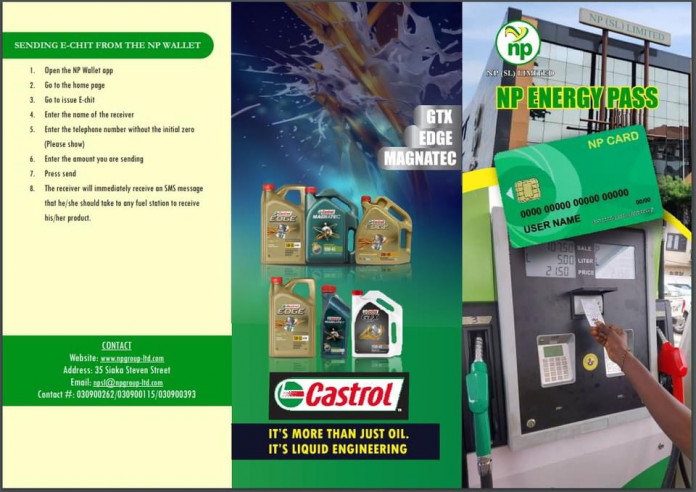
In a major stride toward modernizing Sierra Leone’s petroleum sector, NP (SL) Ltd, the country’s leading petroleum marketing company, has introduced a revolutionary payment solution, the NP Energy Pass Card. This innovative smart card is set to transform the way fuel is purchased across the nation, offering customers a secure, efficient and seamless experience at designated NP Filling Stations nationwide.

Key Benefits of the NP Energy Pass Card include: Convenience and Accessibility: Gone are the days of carrying large sums of cash to purchase fuel. The NP Energy Pass Card allows customers to recharge their cards at any NP Filling Station or the NP Head Office. It is accepted at operational stations across the country, including 18 stations in the Western Urban and Western Rural Areas and several others in Bo, Moyamba, Pujehun, Mattru Jong, Kono, Kenema, Makeni, Port Loko, Kambia, Lunsar and Mile 38. Plans are underway to commission the Kailahun station in early 2025, further expanding its coverage.

Furthermore, it has Online and Offline Functionality: Unlike conventional payment methods that rely on stable internet connections, the NP Energy Pass Card operates both online and offline. This ensures uninterrupted service, even in areas with limited or no internet connectivity, thereby guaranteeing reliability and ease of use for customers.

The Card has Enhanced Security Features: Security is a top priority for NP (SL) Ltd. The Energy Pass Card incorporates advanced security measures, including instant SMS notifications for every transaction and the use of One-Time Passwords (OTPs) for password changes. These features offer users peace of mind, knowing their accounts are secure and their transactions transparent.

Real-time transaction tracking system provides users with immediate SMS alerts for every fuel purchase. This feature enables individuals and institutions to monitor fuel usage and spending accurately, promoting accountability and better financial management.

By facilitating cashless payments, the NP Energy Pass Card reduces the need for physical cash handling at fuel stations. This increases operational efficiency and allows station owners to receive funds directly into their bank accounts in real-time.

Significantly, the Energy Pass Card reduces wait times and enhances the overall customer experience. Its self-service model empowers customers with greater control over their fuel purchases.

The NP Energy Pass Card aligns with global trends in financial technology, supporting Sierra Leone’s shift toward a cashless economy. By promoting cashless transactions, NP (SL) Ltd is playing a pivotal role in advancing the country’s economic agenda and fostering a more modern, efficient, and secure payment ecosystem.

With 2,108 users, including 87 institutional users, the card’s popularity is rapidly growing. NP (SL) Ltd aims to double its operational stations from 30 to 60 by the end of 2025, enhancing accessibility for customers in underserved areas. This expansion is expected to further promote the use of the NP Energy Pass Card, making it a vital tool for efficient fuel management among both individual and institutional users.

Obtaining an NP Energy Pass Card is a straightforward process designed to ensure accessibility and simplicity for all customers. Below is a step-by-step guide on how individuals and institutions can acquire the card:

  1. Visit NP (SL) Head Office: The process begins with a visit to the NP (SL) Head Office, where applicants must request the Energy Pass Card. Sales Attendants will provide a comprehensive overview of the process and direct the applicant to make payment.
  2. Make Payment at the Bank: Applicants are required to visit a designated bank to make payment into an NP (SL) account. Upon completion of the payment, the applicant should retain the bank slip as proof of payment.
  3. Return to NP (SL) with Bank Slip: With the bank slip in hand, the applicant must return to the NP (SL) Head Office. Here, the applicant will be given a form to fill out with personal or institutional details.
  4. Form Submission and Registration: After completing the form, the applicant submits it to the Sales Attendant, who will proceed with the registration process. The Sales Attendant will provide the applicant with further information regarding the next steps.
  5. Card Creation and SMS Notification: Once the card is created, an SMS notification will be sent to the applicant’s phone, informing them that the card is ready for pickup.
  6. Card Pickup and Pin Code Setup: During card collection, the applicant will be guided by the Sales Attendant on how to change the card’s Personal Identification Number (PIN). It is important for users to keep their PIN confidential to protect the security of the card.

The NP Energy Pass Card represents a landmark innovation in Sierra Leone’s petroleum sector. By offering a modern, cashless and secure payment method, NP (SL) Ltd is enhancing customer convenience, promoting operational efficiency and supporting the country’s economic development. With its numerous benefits, including online and offline functionality, enhanced security and self-service capabilities, the NP Energy Pass Card is a must-have for individuals, institutions and fuel station operators.

The process of obtaining the NP Energy Pass Card is simple, transparent and accessible to all. As NP (SL) Ltd expands its network of operational stations, more Sierra Leoneans will be able to experience the benefits of this groundbreaking payment solution. By adopting the NP Energy Pass Card, customers contribute to Sierra Leone’s journey toward a cashless, self-sufficient and economically empowered future.

Land for Life & Partners Conclude DMSP Shared-Learning Session in Bo

By Foday Moriba Conteh

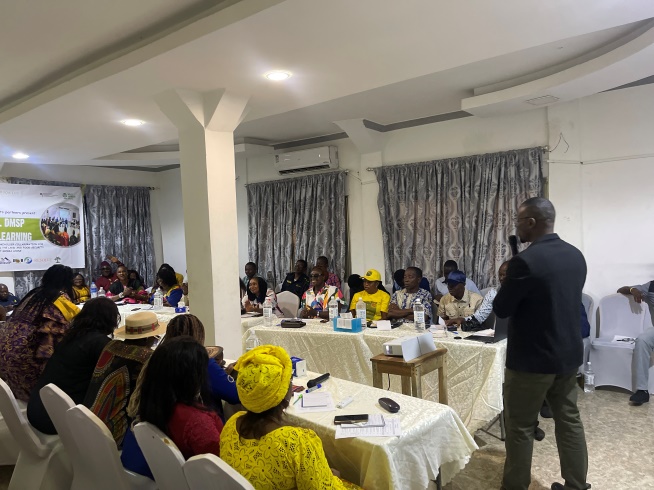
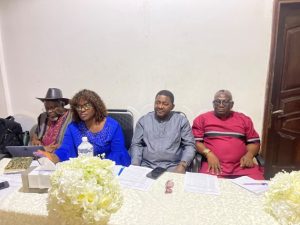
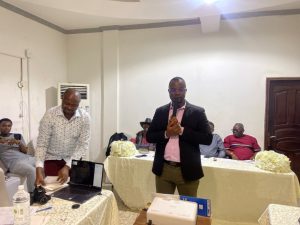
As part of their efforts towards creating an opportunity for stakeholders to align strategies, build stronger partnerships and reaffirm their commitment to transforming Sierra Leone’s land governance ecosystem, Land for Life Sierra Leone and partners has successfully concluded its Annual District Multi-Stakeholder Platform (DMSP) Shared-Learning Session on Friday, December 13, 2024, at De Wizzard Main Hall, Dambala Road, Bo City, Southern Province of Sierra Leone.

The event, held under the theme: “Strengthening Multi-Stakeholders Collaboration for Total Transformation in the Land and Food Security Sector of Sierra Leone,” brought together key stakeholders from across the country to exchange experiences and strengthen collaboration in the land governance sector.

Representatives from the eight district-level MSPs (DMSPs) in Kenema, Pujehun, Bo, Port-Loko, Kambia, Bombali, Tonkolili and Kono participated in the session. Since their establishment in 2020, these platforms have played significant roles in promoting inclusive and sustainable land governance practices aimed at advancing national development, reducing poverty and addressing hunger in Sierra Leone.

In his address, the National Coordinator of the Land for Life Initiative Sierra Leone, Berns Komba Lebbie, emphasized that land governance is a critical issue that cannot be taken lightly, as the demand for land continues to rise, making its governance increasingly complex. He noted that access to and rights over land have become highly contested, with everyone competing for ownership and use.

Berns Komba Lebbie explained that five to six years ago, the Land for Life Initiative began promoting inclusive land governance for development. He added that organizations like Welt Hunger supported the establishment of Local Land Committees and the District Multi-Stakeholder Platforms (DMSPs), while the FAO had simultaneously initiated the Technical Working Group.

He highlighted that, while engagements at the national level are being spearheaded by the FAO and the Ministry of Lands, Housing and Country Planning, Civil Society Organizations (CSOs) and development partners saw the need to focus on the local level to complement the Government’s national efforts.

To achieve this, Berns Komba Lebbie stated that Land for Life began district-level engagements, with Pujehun being the first district visited due to the severity of land issues in the area. He referenced a February 2019 land dispute in Pujehun that tragically led to the loss of lives, which underscored the urgency of collective efforts in resolving land issues across Sierra Leone.

He also explained that they initially launched DMSPs in four districts, Pujehun, Kenema, Port Loko and Tonkolili with funding from Welt Hunger. Building on the success of these platforms, FAO and Green Scenery partnered with Land for Life last year to expand the DMSPs to three additional districts: Bo, Kambia and Bombali. Additionally, Resolve supported the establishment of the platform in Kono, bringing the total number of DMSP districts to eight.

Berns Komba Lebbie expressed optimism that, with further support, DMSPs will be established in the remaining districts, ensuring a nationwide framework for addressing land governance challenges.

Jobo Samba, Land Tenure Expert for SLLAP (formerly the VGGT Technical Working Group Coordinator), stated that in 2014, the Voluntary Guidelines on the Responsible Governance of Tenure of Land were introduced to serve as a framework for recognizing and respecting tenure rights and their holders.

He noted that since 2014, the Government of Sierra Leone has been implementing these Voluntary Guidelines across the country, which, he said, has had a significant impact on land governance in Sierra Leone.

Jobo Samba highlighted that one key impact of the Voluntary Guidelines is the ongoing land reforms currently being undertaken by the Government. He emphasized that these reforms are a direct result of the implementation of the Voluntary Guidelines, contributing to improved land governance nationwide.

Abu A. Brima, Executive Director of the Network Movement for Justice and Development (NMJD), who also serves as the Chairman of the Land for Life Executive Board, emphasized that the importance of land cannot be overstated, noting that its increasing demand for various uses has made land governance problematic.

He highlighted that the implementation of the Voluntary Guidelines on the Responsible Governance of Tenure (VGGT) has significantly contributed to changing the laws around land governance in Sierra Leone over the years. However, he pointed out that during this period of transformation, several challenges emerged.

Abu A. Brima explained that it became evident that women, persons with disabilities and youths who constitute the active population were often excluded from key aspects of land governance, including decision-making, rights, use, control and management. He stressed that such exclusion hinders national development, as any process involving land that fails to include these groups only benefits individuals rather than the country as a whole.

To address these gaps, Abu A. Brima noted that the land policy development, which eventually led to the creation of the land law, began with the active involvement and participation of civil society organizations. He added that during this process, they utilized the VGGT, a human rights-oriented tool, which advocates for the recognition, respect, and protection of women and other vulnerable groups in matters relating to land.

In her keynote address, the Deputy Commissioner General of the National Lands Commission, Susan M. Rogers, expressed appreciation to Land for Life and its partners for organizing the Annual District Multi-Stakeholder Platform (DMSP) Shared-Learning Session, which she described as critical for transforming Sierra Leone’s land governance ecosystem.

She informed the gathering that the National Lands Commission, established about two years ago, is mandated to address land-related issues across the country. Susan M. Rogers highlighted that the Commission’s formation was followed by the enactment of the Customary Land Rights Act of 2022, a groundbreaking legislation designed to protect customary land rights, eliminate discrimination and manage land governance under customary laws.

The Deputy Commissioner noted that over 90 percent of land in Sierra Leone is located in the provinces, rather than in Freetown, emphasizing that the challenges surrounding land governance in the provinces are expected to be more significant. However, she assured the audience that, with the continued support of the Minister and Deputy Minister of Lands and Country Planning, these challenges will be effectively addressed.

She commended Land for Life for its inclusive platforms that address land-related challenges and promote equitable development. Susan M. Rogers assured the organization of the Commission’s unwavering support in their collective efforts to improve land governance across Sierra Leone.

During the session, participants shared success stories, challenges and lessons learned in their respective districts, fostering dialogue on improving land governance systems. Participants lauded the initiative, highlighting its role in creating inclusive platforms for addressing land-related challenges and promoting equitable development.

Deputy Health Minister Urges Parliament to Pass Lifesaving Safe Motherhood Bill for Sierra Leone’s Women

By Foday Moriba Conteh

Dr. Jalikatu Mustapha, Deputy Minister of Health II, has made an impassioned plea to Members of Parliament, calling the Safe Motherhood and Reproductive Healthcare Bill a bold commitment to every woman in Sierra Leone. Addressing Parliament, she emphasized that this landmark bill is not about politics; it’s about protecting lives and ensuring that women and girls across the nation can access the healthcare they deserve.

“This bill is a promise to every woman,” Dr. Jalikatu Mustapha declared. “It guarantees care before, during and after childbirth, ensuring no woman is left behind.”

At its core, the Safe Motherhood Bill seeks to provide free healthcare for pregnant women, lactating mothers and children under five. It prioritizes prenatal care, safe delivery, postnatal support and mental health services. Dr. Jalikatu Mustapha urged Parliamentarians to recognize the transformative potential of the bill, which aims to make essential medical care accessible to all, regardless of background or circumstance.

“This is about breaking down barriers,” she explained. “It’s about ensuring that no woman faces discrimination or fear when seeking the care she needs to bring life into the world.”

One of the bill’s most pivotal provisions is its stance on safe termination of unwanted pregnancies. Sierra Leone’s existing laws, Dr. Jalikatu Mustapha argued, are outdated and rigid, failing to account for pregnancies resulting from incest, rape or those that pose significant risks to the mother or child.

“Our current laws are not aligned with modern realities,” she said, pointing out that even countries like Tunisia, Jordan and Saudi Arabia have adapted their laws to address such challenges.

By legalizing safe termination within defined medical and professional guidelines, the bill seeks to reduce the staggering rates of unsafe abortions in the country, a leading cause of maternal death. “This isn’t just about providing options; it’s about saving lives,” the Deputy Minister asserted.

Beyond healthcare, the bill also focuses on education and empowerment for women and girls. Dr. Jalikatu Mustapha highlighted how access to reproductive healthcare, combined with education, can break the cycle of poverty and open doors to brighter futures.

“This bill is about more than survival,” she said. “It’s about empowerment. It’s about giving women and girls the tools they need to take control of their lives and their futures.”

As she concluded her address, Dr. Jalikatu Mustapha left no doubt about the stakes involved. “This is not just another piece of legislation; it’s a lifeline,” she said. “It will stand the test of time and bring Sierra Leone closer to global standards.”

Her message to Parliament was clear: passing the Safe Motherhood Bill is not just a legal necessity but a moral imperative. It’s a chance to create a safer, healthier future for women, girls and families across the nation.

“The women of Sierra Leone are watching,” she said. “And they’re counting on us to deliver.”

Radiance SL Hosts 2024 Girls Empowerment Conference in Port Loko

By Millicent Senava Mannah

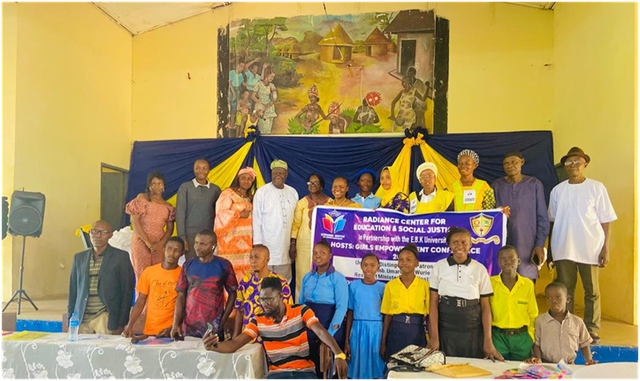
Radiance Sierra Leone, in collaboration with EBK University and with support from the Resident Minister of the North-West, Ambassador Umaru Bun Wurie, has successfully hosted the 2024 Girls Empowerment Conference in Port Loko District. The transformative three-day event, which ran from December 5th to 7th, drew over 150 students, including girls and boys, from Port Loko, Kenema and the Western Area Rural Districts.

Themed “The Role of Education in Ending Gender-Based Violence, Teenage Pregnancy and Early Marriage,” the conference sought to address the critical challenges faced by young girls in their communities. According to the Conference Coordinator, Miatta Taimeh, education is a crucial tool for tackling those societal issues. “Education is a powerful tool to end early marriage, teenage pregnancy, rape and other forms of Gender-Based Violence (GBV) against women and girls,” she stated. Miatta Taimeh emphasized that through education, girls are empowered to understand their rights, protect themselves and take action when those rights are violated.

Participants engaged in a variety of interactive activities, including debate and quiz competitions centered around the conference’s theme. Miatta Taimeh noted that the debates demonstrated a growing understanding among girls about the importance of education in combating GBV. “The points raised during the debate competition highlighted the importance of education as a decisive tool in promoting and protecting girls’ rights,” she added.

Prominent schools that took part in the debate competition included Harvesters International Academy from Waterloo, Community Initiative Academy from Kenema and the Practicing School from Port Loko. Harvesters International Academy and Community Initiative Academy were crowned winners of the debate competition, while the quiz competition was won by the Practicing School from Port Loko.

In his keynote address, Ambassador Umaru Bun Wurie commended Radiance SL for its unwavering commitment to the empowerment of young girls. He urged the girls to remain focused on their education, complete their studies and become agents of change in their communities. “Education is a powerful tool for empowerment,” Ambassador Umaru Bun Wurie stated. “My family and I are living proof that education can lead to a bright future. I urge you all to see education as the vehicle that will take you to success.”

The Ministry of Basic and Senior Secondary Education (MBSSE) was also represented at the event by Gloria Akosua Sasu, who lauded Radiance SL for aligning its initiatives with the Ministry’s radical inclusion policy. The policy is aimed at promoting education for all, with a particular focus on girls’ education. Gloria Akosua Sasu encouraged the girls to stay dedicated to their studies and to avoid negative influences that could derail their academic pursuits.

Participants expressed their gratitude to Radiance SL for providing such an impactful platform. They acknowledged the role the conference played in raising awareness about GBV and other harmful practices affecting women and girls. “This conference has opened our eyes to the power of education,” said one participant. “We are now more determined to complete our education and fight against issues like early marriage and teenage pregnancy.”

The conference’s closing event featured a symbolic football match between two teams of girls. One team, representing Kenema and Waterloo, played under the banner “No Teenage Pregnancy,” while the host team from Port Loko played under “No Early Marriage.” The spirited match served as a powerful reminder of the messages promoted during the conference, with the players exemplifying unity, teamwork and determination.

To cap off the event, all participants received certificates of participation, while special certificates were presented to the winners of the debate and quiz competitions.

The 2024 Girls Empowerment Conference stands as a monumental step in raising awareness and equipping young girls with the tools to confront the pressing issues of gender-based violence, teenage pregnancy and early marriage in their communities. The conference’s success underscores Radiance SL’s continued commitment to empowering the next generation of leaders through education and advocacy.


EU Commits EUR 20 Million to Boost Solar Mini-Grid Development in Sierra Leone

By Foday Moriba Conteh

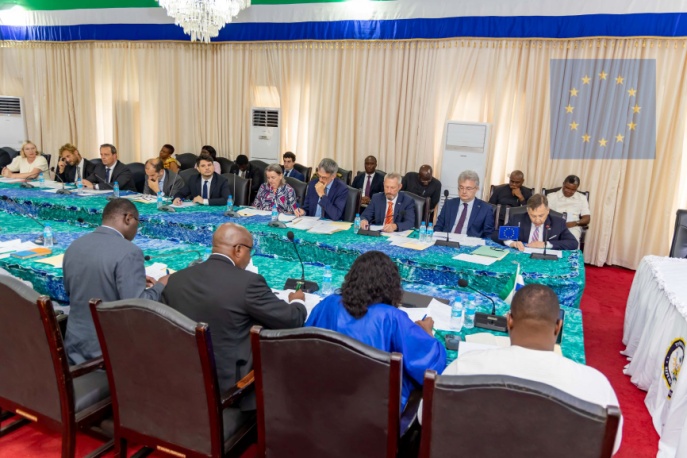
In a significant move aimed at advancing Sierra Leone’s renewable energy sector, the European Union (EU) has pledged EUR 20 million to support the country’s adoption of a Results-Based Financing (RBF) mechanism for the development of solar mini-grids. This initiative seeks to provide access to reliable, sustainable and affordable energy, especially in rural and off-grid communities.

On December 13, 2024, the Government of Sierra Leone reaffirmed its commitment to expanding energy access as part of its national development strategy. To meet the growing demand for electricity in rural areas, the Government is prioritizing renewable energy solutions that leverage the country’s vast solar potential. The RBF approach, supported by the EU, will facilitate the establishment of solar mini-grids expected to electrify 35,000 households.

“The EU funding will support rural development by powering productive use of energy in communities currently lacking access to electricity. This will positively impact the livelihoods of communities. It also reinforces President Bio’s ambition to pursue both bulk power and decentralized renewable energy solutions to power Sierra Leone’s economic development,” said Hon. Dr. Kandeh Yumkella, Energy Sector Lead and Chairman of the Presidential Initiative on Climate Change, Renewable Energy, and Food Security (PI-CREF).

The RBF model provides financial incentives, in the form of grants, to private mini-grid developers and operators based on the number of customer connections they establish. The initiative will be implemented under a multi-partner scheme involving the United Nations Office for Project Services (UNOPS) and Sustainable Energy for All (SEforALL) as key implementing partners. Funding will come from the EU under its EUR 50 million Transformational Energy Access for Sierra Leone financing agreement with the Government of Sierra Leone.

“UNOPS is committed to the collaborative effort required to provide access to sustainable energy for all. In Sierra Leone, we are proud of our record of offering practical solutions to the Government in their drive for clean energy access by helping set up solar mini-grids across the country. We look forward to bringing our operational capacities to further support this work, to deliver on the Sustainable Development Goals and ensure communities can thrive,” emphasized Jorge Moreira da Silva, UNOPS Executive Director and UN Under-Secretary-General.

Damilola Ogunbiyi, CEO and Special Representative of the UN Secretary-General for Sustainable Energy for All, added, “This partnership demonstrates the power of collaboration, clear leadership from Sierra Leone’s Government and innovation to scale clean energy solutions for underserved communities. Importantly, this incentive structure drives economic development by boosting the viability of local companies and the sector, ensuring everyone benefits from electrification.”

The shift to an RBF model builds on earlier successes. Power Leone, a local energy provider, previously established mini-grids in Borup, Kalangba and Kasirie with grant funds from the Universal Energy Facility (UEF), a multi-donor facility aimed at scaling up energy access in Africa. These projects have successfully connected 500 households, demonstrating the viability of the RBF approach.

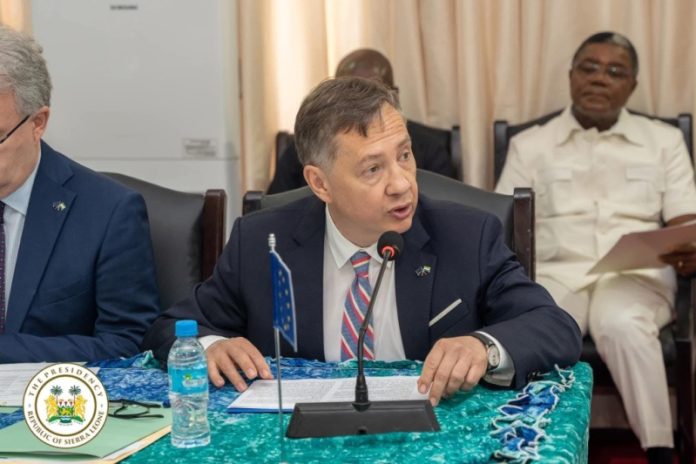
“The use of Results-Based Financing for the rollout of solar mini-grids is an important step for Sierra Leone. As the RBF mechanism is scalable, it has the potential to lead to a palpable acceleration in rural electrification. We would be very happy to see other donor partners of Sierra Leone join the European Union in supporting the Government’s initiative,” remarked Jacek Jankowski, EU Ambassador to Sierra Leone.

According to the Ministry of Energy’s National Online Database for Electrification (NODE), Sierra Leone has identified 703 potential sites for mini-grid development, in addition to the 104 mini-grids currently in operation. These additional mini-grids are expected to provide electricity to approximately 180,000 households. The EU’s RBF grant will support about 20% of these additional customer connections.

The Government of Sierra Leone has taken proactive measures to strengthen policies and regulations to create a conducive environment for private sector participation in the energy sector. Key measures include the Sierra Leone Renewable Energy Policy of 2016, which formalized the role of mini-grids in rural electrification. In 2016 and 2017, duty waivers and Value Added Tax (VAT) exemptions were introduced for imported quality-certified (IEC-compliant) solar products. Although these incentives were suspended in 2022, they will be reinstated in 2025.

Another critical development is the Mini-Grid Regulation adopted in 2019, which provides a clear framework for licensing, tariff setting, and service quality assurance for mini-grid operators. Efforts are underway to update the Sierra Leone Electricity and Water Regulatory Commission (SLEWRC) Act and refine the Mini-Grid Regulation to attract more private sector investment. Building on experience, SLEWRC, with support from SEforALL, has introduced an enhanced Multi-Year Tariff Order (MYTO2) to provide greater transparency and fairness in energy pricing.

Dr. Eldred Tunde Taylor, Deputy Minister of Energy 1, highlighted the broader impact of the initiative, stating, “Sierra Leone is advancing its energy future through innovative partnerships and sustainable solutions. With the Results-Based Financing mechanism, we are not just powering homes but empowering communities and driving economic growth.”

The Government of Sierra Leone and the EU are currently developing guidelines for private sector operators and development partners interested in accessing the RBF grant funds. The selection process for mini-grid developers and operators will be competitive. Successful bidders will finance, build, own, and operate mini-grids, with RBF grants disbursed upon verification of the completion of pre-agreed milestones.

Several development partners have expressed interest in supporting Sierra Leone’s RBF initiative for solar mini-grids, with the Government keen to attract additional investment from donor partners.

The Presidential Initiative on Climate Change, Renewable Energy, and Food Security (PI-CREF) plays a pivotal role in guiding Sierra Leone’s climate agenda. It aims to address the impacts of climate change, ensure universal access to sustainable energy, and enhance food and nutrition security.

The European Union and its Member States support Sierra Leone’s transition to a sustainable energy future. Through its Development Partnership and the Multiannual Indicative Programme for 2021-2027, the EU prioritizes access to affordable, reliable, and modern energy services. This initiative aims to drive inclusive economic growth, create decent jobs, and promote sustainable energy adoption, thereby fostering a green economy across Sierra Leone.

Sustainable Energy for All (SEforALL) is an independent organization with a global mandate to accelerate energy access in developing countries. SEforALL collaborates with governments and partners worldwide to end energy poverty, promote renewable energy, and tackle climate change. Learn more at www.SEforALL.org.

UNOPS supports sustainable development by providing project management, infrastructure, and procurement services. It works with the United Nations, governments, and other partners to deliver sustainable, high-impact projects efficiently. UNOPS has played a key role in advancing Sierra Leone’s clean energy agenda, particularly in facilitating the development of solar mini-grids.

This significant partnership, backed by the European Union, is set to transform Sierra Leone’s energy landscape, fostering rural development, driving economic growth, and bringing clean, renewable energy to thousands of underserved communities.

SCN Celebrates Graduation of 14 Trainees from Free Digital Skills Program

By Fatamata Jengbe

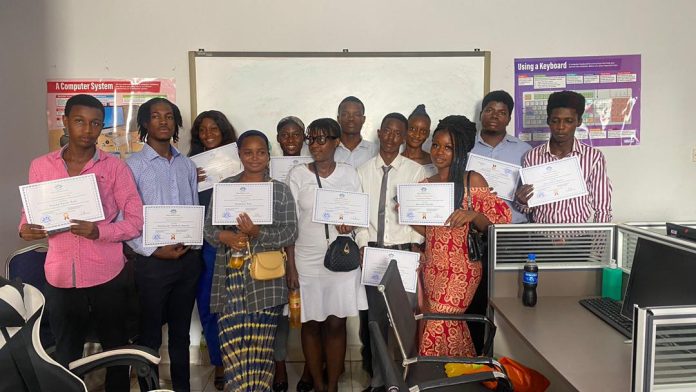
The Sustainable Communities Network (SCN) hosted its Basic Digital Computer Training Graduation Ceremony on Friday, December 13, 2024, at its Digital Platform Centre (DPC) located at 3 Bright Lane, Cole Farm in Freetown. The event celebrated the achievements of 14 graduates who successfully completed the program free of charge.

The ceremony featured a lineup of speeches from key stakeholders. Operations Assistant, Isha Sappa Sesay, delivered the welcome address, while Samuel Thomas, one of the trustees, shared words of encouragement. Representing the graduates, Theresa Taylor gave a heartfelt message reflecting on their shared journey and the impact of the training.

In his keynote address, Director of Operations of SCN, Thomas Myanawa, highlighted the transformative role of digital education in fostering sustainable communities. Addressing the graduates and guests, he said:

“It is an honour to stand before you today as we celebrate the incredible achievements of our Digital Platform Centre trainees. On behalf of the Sustainable Communities Network, I extend my heartfelt congratulations to each of you on reaching this important milestone.”

He emphasized that the journey to this point had been one of commitment, learning and growth. Thomas Myanawa underscored the broader purpose of the DPC training program, which aims to equip participants with digital skills that enable them to become change agents within their communities.

“You represent the future of innovation, connectivity and inclusivity, key pillars of the vision we share at SCN,” Thomas Myanawa stated. He further encouraged graduates to embrace adaptability and creativity, noting that those qualities would keep them at the forefront of the ever-evolving digital world.

Thomas Myanawa also lauded the collective effort that made the training possible. “This program embodies the power of collaboration. It is the product of our shared belief that when we invest in people, we lay the foundation for stronger, more sustainable communities,” he remarked.

He reminded graduates that their journey does not end with certification. “As you receive your certification today, remember that this is just the beginning. The digital landscape is ever-evolving and your adaptability, creativity and determination will ensure that you remain at the forefront of this dynamic world.”

The Director of Operations concluded his speech with a call to action: “Let’s continue working together to create a world where every individual and community has the tools they need to thrive.”

During the ceremony, special recognition was given to SCN’s leadership team. Thomas Myanawa acknowledged the presence of SCN’s CEO and Chairman, Dr. Blango (virtually present), the Director of Development, Peter Menjor and other key stakeholders whose support played a vital role in the success of the program.

“Their unwavering support and commitment have been instrumental in making this event a success and we are truly grateful for their leadership,” he remarked.

Theresa Taylor, representing the graduates, reflected on the training experience, acknowledging the profound impact it had on their professional and personal growth. “Today marks a new chapter in our lives. The skills and knowledge we have acquired here are a foundation for future success,” she said, adding that the graduates were now better equipped to make meaningful contributions to their communities.

The Digital Platform Centre (DPC) is an innovative initiative by the Sustainable Communities Network (SCN) that focuses on improving digital literacy across Sierra Leone. Launched on May 21, 2024, the self-funded initiative aligns with SCN’s broader mission to create functional and sustainable communities nationwide.

The program is structured to provide trainees with a National Technical Certificate (NTC) in Basic Computer Literacy. It offers a blend of instructor-led, hands-on learning with multimedia and practical exercises. Trainees receive essential learning materials, including a training board, marker and duster, to enhance interactive learning.

The program’s core curriculum spans 10 weeks and is divided into three key components:

– Component A: Introduction to ICT and Personal Computers

– Component B: Microsoft Windows and Microsoft Office Suite

– Component C: The Internet, Multimedia and Cybersecurity

This comprehensive approach ensures that trainees acquire a well-rounded understanding of computer systems, from hardware and software to applications and online safety.

SCN’s Digital Platform Centre offers a 30% discount on fees for residents of Cole Farm. Internet connectivity is provided free of charge and trainees are required to submit a second passport-sized photo as part of the admission process. The program runs in three cycles each year, with the following schedule:

– Cycle 1: April 21 – June 27

– Cycle 2: July 1 – August 31

– Cycle 3: September 1 – November 30

SCN’s vision is to create a network of sustainable communities throughout Sierra Leone. By providing free digital training to young people and adults, the organization fosters a culture of self-reliance and boosts productivity within the community. This initiative contributes significantly to Sierra Leone’s socio-economic development and digital transformation.

As the 14 graduates embark on the next phase of their journey, SCN’s Director of Operations encouraged them to be torchbearers of change. “Your success is a testament to what can be accomplished when individuals are empowered with knowledge and opportunity,” Thomas Myanawa affirmed.

The event ended on a high note, with graduates, facilitators and guests sharing moments of joy and reflection. SCN’s commitment to digital education and sustainable community development remains unwavering, as evidenced by the launch and continued growth of the Digital Platform Centre.

Choithram Hospital Partners with Interplast Germany to Offer Free Plastic Surgery Camp in January 2025

By Amin Kef (Ranger)

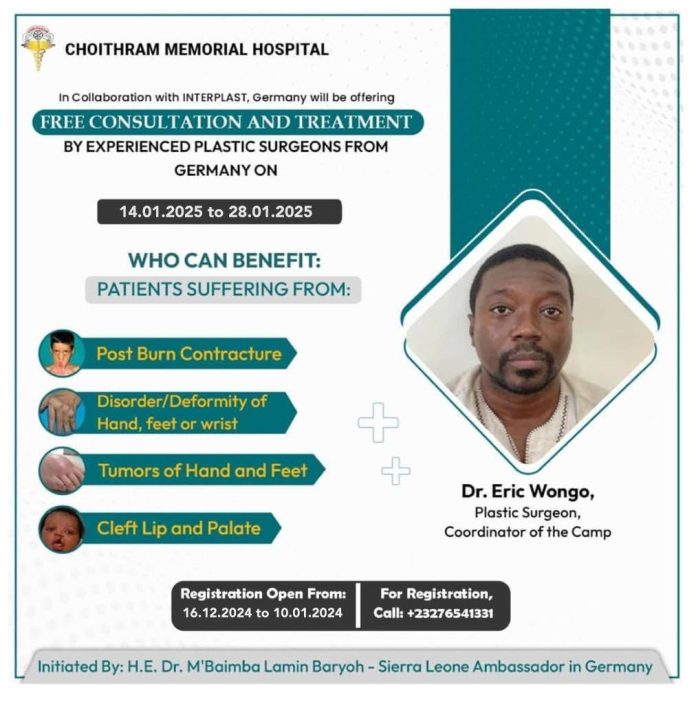
In a remarkable display of international medical cooperation, Choithram Memorial Hospital, in partnership with Interplast Germany, has announced the launch of a free consultation and treatment camp for patients requiring plastic surgery. The camp, which will run from January 14 to January 28, 2025, is set to provide much-needed surgical interventions for individuals suffering from specific medical conditions.

The initiative is championed by H.E. Dr. M’Baimba Lamin Baryoh, Sierra Leone’s Ambassador to Germany, whose efforts have been pivotal in facilitating this life-changing opportunity for Sierra Leoneans. This collaborative effort underscores a shared commitment to improving healthcare access and offering specialized medical care to underserved communities.

A team of highly skilled plastic surgeons from Germany, many of whom have been making annual visits to Sierra Leone since 2010, will be at the forefront of the surgical camp. The camp will be led by Dr. Eric Wongo, a renowned plastic surgeon and coordinator of the initiative. His extensive experience will ensure that patients receive top-tier care throughout the program.

Patients experiencing the following medical conditions are eligible to benefit from the free services provided during the camp:

– Post-burn contractures and reconstruction

– Hand, feet or wrist disorders and deformities

– Tumors affecting the hand and feet

– Cleft lip and palate repair

These conditions, which often require specialized and costly surgical interventions, will be addressed free of charge during the two-week medical camp.

Registration for the camp will be open from December 16, 2024, to January 10, 2025. Prospective patients are encouraged to register early to secure a spot. Interested individuals can contact the hospital directly via telephone at +23276541331 or visit Choithram Memorial Hospital at Hill Station in Freetown for more information and guidance.

Dr. Gowrinath M. George, the Medical Superintendent of Choithram Memorial Hospital, expressed his profound appreciation for the collaborative efforts that made the camp possible. “This initiative is a testament to the power of partnership. We extend our heartfelt gratitude to Ambassador Dr. M’Baimba Lamin Baryoh for his instrumental role in bridging the gap between Interplast Germany and Choithram Hospital,” said Dr. Gowrinath M. George.

Harish Agnani, Chief Administrator of the Choithram Group, reiterated the hospital’s longstanding commitment to providing quality healthcare for all, regardless of their financial status. “Our mission has always been to ensure that the people of Sierra Leone have access to the best medical services available. This camp is yet another way we’re making that promise a reality,” said Harish Agnani.

The free plastic surgery camp signifies a major milestone in Sierra Leone’s healthcare landscape. By offering life-changing surgeries at no cost, the initiative aims to restore hope and dignity to those afflicted by physical impairments. Such conditions often have profound social and psychological impacts, especially for children born with cleft lip and palate deformities.

This initiative aligns with Choithram Hospital’s enduring legacy of providing compassionate and high-quality medical care. Since its inception, the hospital has prioritized community welfare through similar humanitarian medical programs. This year’s surgical camp is a continuation of that noble tradition.

Patients, caregivers and the general public are encouraged to seize this rare opportunity by registering during the stipulated period. With the expertise of Interplast Germany’s surgeons and the steadfast support of Choithram’s medical team, the camp is poised to be a resounding success, delivering transformative health outcomes for many Sierra Leoneans.

Honorable Justice Momoh-Jah Stevens: A Compelling Choice for Sierra Leone’s Next Chief Justice

By Amin Kef (Ranger)

As Sierra Leone looks to strengthen its Judiciary and uphold the rule of law, Honorable Justice Momoh-Jah Stevens has emerged as a prominent and deserving candidate to become the country’s next Chief Justice. With a distinguished career that spans nearly two decades, Justice Momoh-Jah Stevens is recognized for his unwavering commitment to justice, human rights and the fight against Gender-Based Violence.

Justice Momoh-Jah Stevens’ career in the Judiciary is a testament to his dedication, integrity and sense of fairness. Called to the Bar on October 8, 2004, he began his magisterial career on November 1, 2005, when he was appointed a Magistrate. Over the next decade, he served in various districts, including Bonthe, Kono, Bo, Kenema and Bombali, ensuring that justice was accessible to all, even in the most remote areas. Notably, he also covered Pujehun, Kailahun and Koinadugu districts as part of his expanded mandates.

Despite being born and raised in Freetown, Justice Momoh-Jah Stevens adapted to the challenges of working in the provinces, where he earned a reputation for fairness and respect for traditional leaders, Paramount Chiefs and community stakeholders. His administration’s hallmark was his commitment to fairness and impartiality, which won him the trust of communities across the country.

One of Justice Momoh-Jah Stevens’ most celebrated contributions has been his resolute stance against Gender-Based Violence. For over a decade, he has provided critical support to women and girls who are victims of rape and sexual violence. His rulings have sent a strong message to perpetrators, demonstrating that such crimes will not be tolerated.

A landmark case that highlighted his compassion and legal insight was his recent sentencing of 16-year-old Alie Bongo to five years’ imprisonment for the sexual penetration of a child. Justice Momoh-Jah Stevens’ ruling showed a balanced approach to justice by ensuring that, because the offender was a juvenile, he would serve his sentence at an Approved School rather than a Correctional Center until he reached 18. This decision underscored his belief in rehabilitation and the need to protect young offenders from the harsh realities of adult prisons.

Justice Momoh-Jah Stevens has demonstrated exceptional courage and resolve in handling politically sensitive cases. His impartiality came to the fore during the high-profile treason trial of Rtd. Major Paolo Conteh, a former Minister in the then-ruling APC Government. The case was politically charged, with strong public sentiment on both sides. Amid political tension, Justice Momoh-Jah Stevens remained committed to dispensing justice fairly and transparently. His judgment, which convicted Rtd. Major Paolo Conteh on a lesser charge, showcased his legal acumen and his ability to withstand political interference.

The threats against his life during his tenure did not deter him from his duty to uphold the law. Such bravery has made him a beacon of hope for many Sierra Leoneans who yearn for an independent and incorruptible Judiciary.

Justice Momoh-Jah Stevens’ rise from a Magistrate to a Justice of the Appeals Court is a reflection of his hard work and judicial brilliance. His appointment as a High Court Judge in December 2015 by former President Dr. Ernest Bai Koroma was a recognition of his outstanding service and spotless record as a Magistrate. He continued his climb, eventually becoming a Justice of the Court of Appeals, a role in which he has continued to make significant contributions to Sierra Leone’s legal system.

His career progression illustrates a path marked by merit, dedication and an unshakeable commitment to the principles of justice. He is not a judge who seeks the easy path; rather, he is willing to take on cases that test his resolve and legal intellect.

Sierra Leone’s Judiciary has faced criticism in recent years for political interference and perceived bias. Many believe that appointing Justice Momoh-Jah Stevens as Chief Justice would signal a new era of integrity and independence for the country’s legal system. Legal analysts and political commentators have expressed confidence that he will restore the Judiciary’s credibility and ensure that the courts operate free from external pressures.

“If there’s anyone who can restore the Judiciary’s integrity, it is Justice Momoh-Jah Stevens,” remarked a seasoned political commentator. “He has shown time and again that he is unafraid to make tough decisions and he has done so with fairness and balance.”

Justice Momoh-Jah Stevens’ legal expertise extends beyond the courtroom. He holds an LLB Honors Degree from Fourah Bay College, University of Sierra Leone, one of the country’s most prestigious academic institutions. He is also a lecturer at the university, where he teaches Criminal Procedure and Constitutional Law, helping to shape the next generation of legal minds in Sierra Leone. His contribution to legal education demonstrates his passion for the legal profession and his desire to leave a lasting legacy.

As Sierra Leone’s judicial system faces increasing calls for reform and independence, Justice Momoh-Jah Stevens is seen as a natural and qualified choice for Chief Justice. His track record of fairness, impartiality and dedication to human rights speaks volumes. His rise through the ranks, from Magistrate to Appeals Court Justice, exemplifies the kind of leadership Sierra Leone’s Judiciary needs to restore public trust.

The role of Chief Justice demands courage, legal expertise and a deep understanding of Sierra Leone’s unique socio-political landscape. Justice Momoh-Jah Stevens has consistently demonstrated all those qualities. His commitment to justice and equity, even in the face of threats and political interference, sets him apart as a man of principle.

By appointing Honorable Justice Momoh-Jah Stevens as Chief Justice, Sierra Leone will be taking a bold step towards judicial reform, independence and integrity. His leadership would bring renewed hope to citizens who seek justice without fear or favor. With his unblemished record and unwavering stance on human rights, Justice Momoh-Jah Stevens’ tenure as Chief Justice would undoubtedly mark a new era for the Sierra Leonean Judiciary.