
Home Blog Page 278

Sess Solar and Bluesun Forge Partnership to Transform Sierra Leone’s Energy Landscape

By Alvin Lansana Kargbo

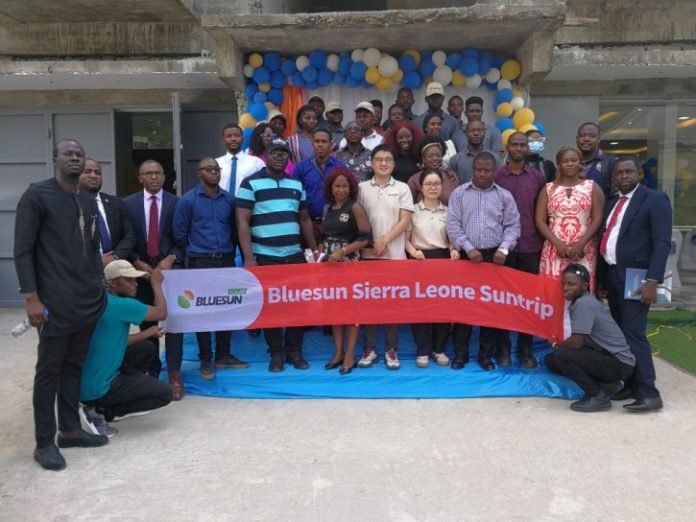
Sess Solar, a leading local solar energy company founded in 2020, on Tuesday November 27, 2024, announced a transformative partnership with Bluesun, a global solar energy giant based in China. The dealership agreement, which was unveiled at the Forest Compound, No. 2 River, marks a significant milestone in Sierra Leone’s renewable energy landscape, as the two companies came together to tackle the country’s energy challenges through sustainable solar solutions.

Under the leadership of CEO Thomas Sessie, Sess Solar has rapidly emerged as a key player in the renewable energy sector, focusing on reducing dependence on fossil fuels and promoting cleaner, more sustainable energy practices. The collaboration with Bluesun will allow Sess Solar to offer advanced solar energy products specifically designed to address the unique energy needs of Sierra Leone.

Sahr Stevens Bayo, Head of Operations at Sess Solar, praised Bluesun for its impressive reputation in providing high-quality, efficient solar products. He emphasized the strategic alignment between the companies, saying, “This partnership is a major step toward reducing Sierra Leone’s carbon footprint and improving access to renewable energy across the nation.”

Sess Solar has already made an impact with several key projects, including a solar-powered irrigation system in Port Loko and energy solutions for market facilities in Moyamba. These initiatives are designed to boost agricultural productivity and support community development by integrating renewable energy into critical infrastructure.

Bluesun, recognized globally for its innovative and reliable solar products, is known for sourcing high-performance battery cells from leading manufacturers such as CATL, BYD and Swat. The company’s commitment to quality and safety ensures that its products meet international standards, making them a perfect fit for Sierra Leone’s growing energy demands.

In an effort to foster local expertise, Bluesun has partnered with Sess Solar to train Sierra Leonean installers alongside Chinese engineers. The training aims to equip local professionals with the skills necessary for safe and efficient solar installations, helping to set a new standard for solar energy deployment in the region.

Jason Fang, Vice President of Bluesun, shared his excitement about the partnership: “Bluesun is committed to addressing power shortages in Sierra Leone with cutting-edge solar technology. Our collaboration with Sess Solar will not only provide practical energy solutions but also contribute to economic growth and environmental sustainability.”

Looking ahead, Sess Solar plans to expand its reach, aiming to become the leading provider of solar installation and services in Sierra Leone. The company’s collaboration with Bluesun will play a crucial role in achieving this goal, with customer feedback already reflecting a strong trust in Sess Solar’s ability to deliver reliable and innovative energy solutions.

As Bluesun continues to broaden its presence in Sierra Leone, the partnership with Sess Solar is poised to have a lasting impact on the country’s energy landscape. By embracing solar power, households and businesses alike can contribute to a more sustainable and environmentally conscious future.

This alliance is not only about business; it is a call to action for Sierra Leoneans to adopt renewable energy. Together, Sess Solar and Bluesun are lighting the way to a cleaner, greener Sierra Leone.


Mayor Aki-Sawyer Presents “Transformed Freetown – Transforming Lives” Initiative at Press Conference

By Millicent Senava Mannah

Mayor Yvonne Aki-Sawyer of Freetown engaged the press on November 26, 2024, at the Freetown City Council (FCC) Building. The meeting focused on the “Transformed Freetown – Transforming Lives 2024-2028” project, an ambitious initiative aimed at addressing critical challenges and transforming the city over the next four years.

The Mayor outlined the project’s key objectives, which include the creation of 120,000 jobs for women and youth by 2028. She emphasized that this development agenda was officially launched on July 4, 2024, and is designed to tackle pressing issues such as youth unemployment, climate change,and urbanization while promoting sustainable growth and prosperity.

“This project is designed to provide sustainable solutions and create economic opportunities, particularly for the youth and women, who are disproportionately affected by unemployment,” Mayor Aki-Sawyer explained. She also highlighted that Freetown’s growing population, currently over 1.2 million, is expected to double by 2028, largely due to high migration to the city.

The initiative focuses on four main areas: climate action, heritage tourism, digital economy and human capital development. Under the climate action framework, the city plans to invest in green energy, deforestation prevention, heat adaptation and waste management, aiming to mitigate the effects of climate change. The project also prioritizes city regeneration, upgrading informal settlements and promoting green mobility.

Another significant component of the initiative is heritage tourism, which aims to position Freetown as a cultural hub by promoting its heritage sites, festivals and creative arts. The digital economy framework focuses on enhancing access to digital skills and fostering the digital transformation of the city, creating a robust environment for technological innovation.

Human capital development, which includes strengthening early childhood education, basic skills development, improving health outcomes and increasing access to water and food, also forms a cornerstone of the project.

A key highlight of the press briefing was the discussion of the proposed cable car project for Freetown. The Mayor described it as a “win-win” situation, designed to reduce emissions, ease congestion and provide a more sustainable transportation alternative. The cable car will connect key areas of the city, including the central business district and hillside communities, with stations planned at strategic locations.

“The cable car project will enhance mobility and accessibility, providing a fast and reliable alternative for over 60,000 to 80,000 passengers a day. It will also help alleviate traffic congestion and reduce the environmental impact of vehicle emissions,” Mayor Aki-Sawyer said.

The feasibility studies for the project have been completed and the Ministry of Transport is fully on board, with the proposal currently under review by the Office of the Vice President. The estimated cost of the project is $92 million, which includes equipment, stations, power, and maintenance. Construction is expected to take 18 months once funding is secured.

Mayor Aki-Sawyer also emphasized that the success of the “Transformed Freetown – Transforming Lives” initiative hinges on collaboration with both local and international partners. However, she acknowledged that securing the necessary funding remains a major challenge.

As Freetown continues to expand, the Mayor remains committed to ensuring the city’s sustainable development through innovative projects and targeted interventions aimed at improving the lives of its residents. The “Transformed Freetown – Transforming Lives” initiative aligns with the national Big Five Agenda and the United Nations’ Sustainable Development Goals, ensuring that Freetown’s growth benefits all sectors of society.

“By 2028, we hope to have made significant strides in improving the living conditions of our citizens and creating a more sustainable and prosperous Freetown,” the Mayor concluded.


Caritas Freetown Supports 669 Flood Victims with Financial Aid and Relief in Freetown

By Millicent Senava Mannah

Caritas Freetown, through its Emergency Rapid Response Fund II (ERRFII), has extended vital assistance to 669 individuals from five communities impacted by the 2024 floods in Freetown. With support from Margaret A. Cargill Philanthropies (MACP), the symbolic payment ceremony took place on Monday, November 25, 2024, at the Rokel Commercial Bank at Murray Town Junction in Freetown.

Each beneficiary received a one-time payment of 3,250 SLE (approximately $141.30) to help cover one month of essential needs. Furthermore, an additional 2,500 SLE (approximately $108.70) was provided to 100 households whose homes were destroyed, leaving them in vulnerable living conditions.

The project targeted several flood-stricken communities across both Western Rural and Western Area districts. These areas included SS Camp-Regent, Grafton, Devil Hole, Waterloo, Lakka-Hamilton, Levuma, Cockle Bay, Kolleh Town, Kroo Bay, Susans Bay, Culvert, Central, Moyiba, Shell, Portee, Bottom Oku and Calaba Town.

Rev. Fr. Peter A. Konteh, Executive Director of Caritas Freetown, noted that the initiative aims to improve the living conditions of the 669 affected households. He explained that the assistance would enable beneficiaries to meet their basic needs, such as food, drinking water and essential items, while also helping secure temporary accommodation solutions.

Rev. Fr. Peter Konteh emphasized that Caritas Freetown remains steadfast in its commitment to disaster response, highlighting that the organization is always the first to act in times of crisis and the last to leave. This donation, he said, was a clear demonstration of Caritas’s ongoing commitment to supporting vulnerable communities.

John B. Rogers, Deputy Director of the National Disaster Management Agency (NDMA), praised Caritas and MACP for their swift and effective humanitarian response. He advised the beneficiaries to use the financial assistance wisely and cautioned against residing in high-risk, flood-prone areas.

Freetown’s Mayor’s representative, Yvonne Aki-Sawyer, also lauded Caritas for its timely and generous support for the flood victims. She echoed the sentiment of safety, urging beneficiaries to avoid disaster-prone zones to safeguard their families.

Abdulai Turay, a beneficiary, expressed heartfelt gratitude on behalf of his fellow recipients, emphasizing how crucial the support had been during such a challenging time.

In addition to the financial aid, Caritas Freetown conducted awareness campaigns focusing on safe shelter standards and the dangers of residing in high-risk areas. These efforts aim to improve the overall well-being of affected communities while promoting safer living conditions.

This initiative highlights Caritas Freetown’s unwavering dedication to disaster relief and its ongoing support for vulnerable populations in the wake of the 2024 floods.

Anti-Corruption Commission Recovers Over NLe 34 Million in Stolen Funds

By Amin Kef (Ranger)

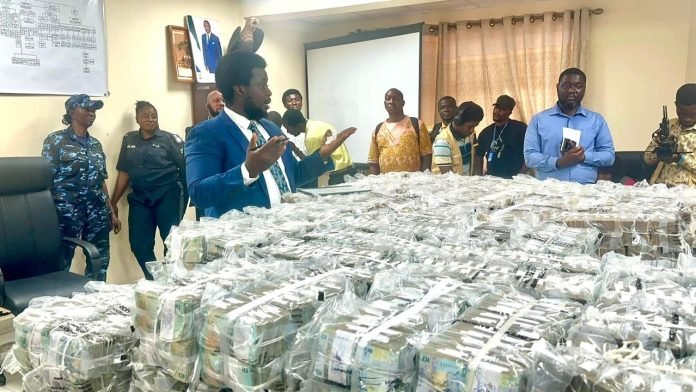
During a Press Conference at the Anti-Corruption Commission (ACC) headquarters on Tuesday, November 26, 2024, Commissioner Francis Ben Kaifala announced a major success in the fight against corruption.

Referring to the recovery, Ben Kaifala stated, “This sea of money represents over NLe 34 million stolen by a single individual working quietly in a corner of a bank. The ACC has successfully recovered this amount, totaling approximately US$1.5 million.”

He identified the individual as Salim Mansaray, whom he described as a “criminal” who fled to Dubai but was later extradited back to Sierra Leone. According to Ben Kaifala, the ACC not only recovered the full amount stolen but also seized funds from Salim Mansaray’s personal accounts, amounting to over NLe 1 million. The Commissioner emphasized that Salim Mansaray has been left financially insolvent.

“He has been run bankrupt,” he declared. “In addition to recovering the stolen funds, he has been charged and he pleaded guilty to various corruption and money laundering offenses.”

Ben Kaifala reassured the public that the recovered funds would be returned to the people of Sierra Leone, reiterating the ACC’s commitment to holding corrupt individuals accountable.

“These criminals cannot hide. We will continue to pursue anyone who misappropriates money meant for the people of Sierra Leone. They will repay every penny and face the consequences of their actions. Enough is enough!”

The Commissioner’s remarks underscore the ACC’s determination to combat corruption and serve as a warning to those who might attempt to exploit public resources.

Odhav Multi Industries Unveils Cutting-Edge Iron Rod Manufacturing Factory

By Amin Kef (Ranger)

President Dr. Julius Maada Bio has on Saturday November 23, 2024 inaugurated Sierra Leone’s first-ever iron rod manufacturing factory in Songo Village, Koya Chiefdom, marking a transformative step in the country’s industrial and economic development. Owned by Odhav Multi Industries (SL) Limited, the factory is expected to save the nation between USD 250 million and USD 500 million annually by reducing iron rod importation costs and easing pressure on foreign exchange reserves.

The facility, which boasts a production capacity of 120,000 metric tons of iron rods per year, represents a major leap towards industrial self-reliance, job creation and economic growth. Speaking during the launch, President Bio underscored its significance as a cornerstone of Sierra Leone’s industrial progress.

“This launch marks a new era of industrial take-off for Sierra Leone,” he stated. “We are committed to unlocking opportunities for foreign investments and our policies are tailored to support sustainable industrial growth. The presence of Odhav Multi Industries underscores our readiness for industrial transformation.”

President Bio acknowledged challenges faced by manufacturing enterprises, such as energy constraints and assured stakeholders that his administration is working to address those issues. He called on residents of Koya Chiefdom to protect the factory’s assets, emphasizing its value as a long-term community investment.

“Our Government remains committed to fostering an environment where private sector growth thrives, creating industries that can compete globally,” the President added, highlighting ongoing policy reforms aimed at incentivizing the manufacturing sector.

Minister of Trade and Industry, Ibrahim Sesay, celebrated the factory as a testament to President Bio’s vision of industrial self-reliance. He noted that since 2018, the administration has facilitated the establishment of 30 manufacturing plants nationwide, generating over 25,000 jobs.

“The iron rods produced here will not only save Sierra Leone $300 million in annual import costs but also ensure compliance with international quality standards,” Minister Ibrahim Sesay explained, adding that his Ministry is collaborating closely with the Sierra Leone Standards Bureau to prevent the influx of substandard products.

Odhav Multi Industries plans to expand its product range to include nails, wire meshes, binding wires and industrial gases such as oxygen and nitrogen, further diversifying Sierra Leone’s industrial portfolio.

Resident Minister for the North-Western Region, Ambassador Umaru Bond Wurie, highlighted the venture’s significance for Port Loko District. “This district has seen remarkable development under President Bio’s leadership, including the establishment of a new airport, the first girls’ school and a 100-bed hospital,” he noted, adding that the factory further cements the region’s importance in national development.

Paramount Chief Bai Kompa Bomboli IV of Koya Chiefdom echoed these sentiments, urging residents to safeguard the facility for the community’s benefit.

Chairman of Odhav Multi Industries, Nilesh Katarmal, expressed gratitude for the Government’s investor-friendly policies and revealed plans to expand into renewable energy, including solar and hydro power.

“We are committed to producing high-quality iron rods at affordable prices while contributing to Sierra Leone’s industrial growth,” he stated.

The establishment of this factory signals a pivotal moment in Sierra Leone’s journey towards economic diversification, industrial self-sufficiency and a brighter future for its citizens.

Orange and Partners Train 7,000 Pupils in ICT Skills Through Second Training Edition

By Foday Moriba Conteh

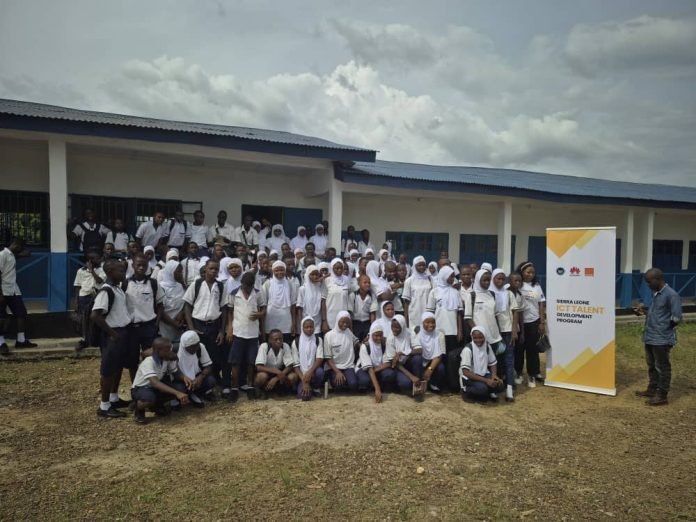
The Ministry of Communication, Technology and Innovation (MoCTI), in partnership with Huawei Sierra Leone, Orange Sierra Leone and UNICEF, has successfully completed the second edition of the Sierra Leone ICT Training Program. This initiative is designed to empower young graduates and secondary school students with essential digital skills, positioning them for success in the digital age.

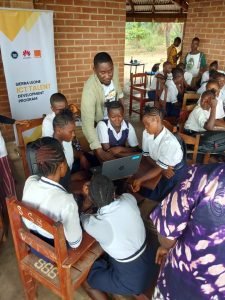
The program concluded with a comprehensive web development and digital marketing exam, designed to assess participants’ progress. This year’s edition brought together two groups, divided into ten teams, guided by 50 trainers and five supervisors. Together, these teams are on track to deliver ICT training to 7,000 secondary school students across districts in the Eastern, Northern and North-Western regions of Sierra Leone.

In the Eastern region, the program reached eight schools in the Kailahun District. The Northern region saw training sessions conducted in 25 schools in Bombali, 20 in Tonkolili, 10 in Koinadugu and two in Falaba. Meanwhile, in the North-Western region, the initiative extended its efforts to 25 schools in Port Loko, 10 in Karene and eight in Kambia.

This extensive coverage demonstrates a commitment to ensuring that students in underserved areas gain access to vital digital education. By focusing on these regions, the program addresses educational disparities and promotes inclusivity in digital learning.

The training aligns closely with the Government of Sierra Leone’s “Big Five Game Changers,” particularly pillars two and three, which emphasize human capital development and youth employment. This initiative also directly supports His Excellency Rtd. Brig. Julius Maada Bio’s vision of creating 500,000 job opportunities for youth while strengthening investments in human capital development.

By equipping students with practical ICT skills, this program is bridging the digital divide and preparing a new generation of digitally literate youth to meet the demands of an increasingly technological world.

The Sierra Leone ICT Training Program underscores its contribution to achieving the United Nations Sustainable Development Goal 4 (Quality Education) by fostering inclusive and equitable learning opportunities. Orange Sierra Leone and its partners have reaffirmed their commitment to driving Sierra Leone’s digital transformation, believing in the potential of these young learners to become catalysts for innovation and community development.

This collaborative effort highlights the transformative power of public-private partnerships in education. By leveraging technology as a tool for empowerment, the program not only enriches the lives of students but also contributes to economic growth.

Orange Sierra Leone and its partners expressed pride in playing a key role in Sierra Leone’s digital journey, emphasizing that the skills imparted during these sessions will empower students to thrive in a fast-evolving global landscape. As technology continues to reshape the future, initiatives like this one pave the way for a more inclusive and innovative Sierra Leone.

NDMA & IDMC Launch Report on Displacement Impacts, Highlighting Housing and Livelihood Challenges

By Millicent Senava Mannah

The National Disaster Management Agency (NDMA), in partnership with the Internal Displacement Monitoring Centre (IDMC), with support from the European Union and USAID’s Bureau for Humanitarian Assistance, launched the “Impacts of Displacement” report and held a workshop on data management best practices on Tuesday, November 26, 2024. The event took place at the NDMA Conference Hall, located on 64 Sir Samuel Lewis Road, Aberdeen, Freetown.

The report, which involved interviews with 197 internally displaced persons (IDPs) and 31 non-displaced individuals from Plantain Island, Shenge, Tissana and Tombo, focused primarily on the experiences of the displaced population. The findings provide crucial insights into the socio-economic impacts of displacement, touching on livelihoods, health, education, security and housing.

Lieutenant General (Rtd) Brima Sesay, Director-General of NDMA, emphasized the importance of the research in enhancing the Agency’s disaster response capabilities. He explained that the data would help tailor interventions to meet the specific needs of affected populations, prioritizing the most impactful activities.

He further highlighted that the study addressed a critical gap in global knowledge, particularly concerning internal displacement linked to rising sea levels. Many residents of the affected islands, he noted, have lost at least one home due to sea-level rise and coastal erosion.

The representative of the guest speaker, Kandeh Kolleh Yumkella, Chairman of the Presidential Initiative on Climate Change, Renewable Energy, and Food Security, also offered remarks. He described the research as a mirror reflecting the challenges faced by families forced to leave their homes out of necessity. The representative also stressed that climate change is not just an environmental issue but one deeply intertwined with justice, equality and human rights. He reaffirmed the commitment to supporting President Julius Maada Bio’s vision for a climate-resilient economic development strategy for Sierra Leone, an effort in which NDMA plays a key role.

Chiara Valenti, a Research Associate at IDMC, presented findings on the situation in Tombo, where displacement has led household members to take on lower-paying, less secure jobs, disrupting traditional livelihoods. She noted that housing remains a critical issue for displaced individuals, with many facing financial strain due to the transition to renting homes.

“Displacement has significantly impacted the housing situation, with many families living in makeshift shelters, often without any Government or community support,” Chiara Valenti said.

The report revealed that in Tombo, 82% of IDPs rent homes at high costs but report better satisfaction due to improved safety and infrastructure. In contrast, all IDPs in Shenge own their homes, while those in Tissana rely entirely on renting, underscoring the importance of location in understanding the varying impacts of displacement on housing.

The disparities in housing conditions highlight the need for targeted interventions that address both the immediate housing needs of displaced individuals and long-term solutions for more sustainable living arrangements.

The event stands as a testament to the power of collaboration between the NDMA and IDMC in addressing the complex issues surrounding internal displacement in Sierra Leone.

MBSSE & Partners Wrap Up Two-Day Assessment of Free Education Project Progress in Makeni Schools

By Foday Moriba Conteh

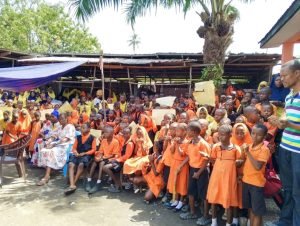
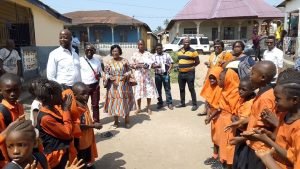
The Ministry of Basic and Senior Secondary Education (MBSSE) led by the Deputy Minister 1 of Basic and Senior Secondary Education (MBSSE), Emily Kadiatu Gogra has on Tuesday 26th November, 2024 concluded a two-day World Bank Mission Assessment visit in Schools in Makeni in order to assess the impact of ongoing projects in these various schools under the Free Education Project and other programs.

The team comprises of various partners, including the World Bank, FCDO, EU, EAA and Local Governments, working together with the MBSSE and the Teaching Service Commission.

In her remarks, the Deputy Minister emphasized that the mission aims to evaluate school infrastructure, training initiatives and mechanisms addressing School-Related Gender-Based Violence (SRGBV) under the Free Education Project and other programs.

Deputy Minister, Emily Kadiatu Gogra highlighted key investments, including the construction and rehabilitation of schools, training programs for teachers and the implementation of a grievance mechanism to combat SRGBV. These efforts, she noted, are part of a broader vision to ensure sustainable development in the education sector. “We are here to assess the successes and identify what still needs to be done. Holistically, a very good mark has been made and there is progress. The goal is to build on these efforts for sustainable development that benefits all,” she said.

The mission also covers other regions, including Kenema, which encompasses the south and east of Sierra Leone, while Makeni represents the northern region.

The Deputy Minister underscored the collaborative efforts of various partners, including the World Bank, FCDO, EU, and Local Governments, working together with the MBSSE and the Teaching Service Commission.

“We are all combined to ensure progress. Local Governments play a vital role as they oversee schools within their jurisdictions. Together, we aim to achieve impactful results,” she explained.

The visit aims to deliver positive outcomes by showcasing successes and outlining strategies for areas requiring improvement. Deputy Minister Emily Kadiatu Gogra stated, “We are expecting a lot of good news that highlights the achievements, how they were accomplished and the way forward for unmet goals.”

She also pointed to the broader impact of these projects, particularly on students and their learning outcomes. “Our focus is on the children themselves and the learning outcomes achieved in classrooms. These initiatives are transforming education and providing a better future for our pupils,” she concluded.

The Deputy Minister concluded by stating that the assessment visit is part of a comprehensive review of education initiatives, is expected to inform future strategies and ensure the sustainability of the gains made in Sierra Leone’s education sector.

During the school visit, Julius Fornah, a local educationist in Makeni, expressed gratitude to the Government of Sierra Leone and its partners for implementing the Free Education Project.

He highlighted the significant impact the initiative has had on the education sector, noting improvements in his community school.

According to Julius Fornah, the school previously faced challenges related to hygiene and access to water. However, the project has addressed those issues by providing a reliable water supply and improved toilet facilities.

He emphasized that these developments have enhanced the overall educational environment and contributed to better learning outcomes for students.

Dr. Dennis Luseni, Component 2 Coordinator of the Free Education Project Secretariat, noted that the team visited various schools, representing a diverse range of Government, Local Council and religious-based institutions. Each school demonstrated tangible improvements, including infrastructure renovations, provision of teaching and learning materials and the implementation of performance-based financing initiatives.

One school received renovation grant that facilitated critical upgrades such as replacing leaking roofs, constructing proper toilet facilities and deepening water wells for improved access. These improvements, Dr. Dennis Luseni emphasized, directly address challenges that previously hindered pupils’ comfort and ability to focus on learning.

Another beneficiary, the Islamic Primary School in Makeni, showcased similar enhancements, including new classrooms, upgraded sanitation facilities and the distribution of teaching aids. Dr.Dennis Luseni highlighted the link between these interventions and increased pupil and teacher attendance, further supporting improved educational outcomes.

The visit also provided an opportunity for community engagement. Stakeholders, including school management committees, parents and teachers, shared their stories and expressed appreciation for the government’s efforts and donor support. According to Dr. Dennis Luseni , these interactions provided valuable insights into the successes and challenges of the initiatives, paving the way for future interventions.

The donors’ presence, Dr. Dennis Luseni added, is vital as they assess the effectiveness of their investments firsthand. Positive feedback and lessons learned from these visits are expected to be documented in an aide-mémoire, which will outline achievements and propose solutions for ongoing challenges.

Dr. Dennis Luseni  reiterated that the Free Education Project, supported by international donors, aims to create a conducive learning environment for students, improve teaching quality and ultimately enhance learning outcomes nationwide. The assessment underscores the importance of collaborative efforts in advancing Sierra Leone’s education sector toward sustainable development.

For Babies Six Months and Older: Nutrilac Baby Cereal Wheat+6 Months 400G – A Golden Choice for Growth

Nutrilac Baby Cereal Wheat+6 Months 400G has established itself as an ideal choice for ensuring the optimal growth and development of babies from six months and above. Packed with milk, wheat, nine essential vitamins, and iron, this baby cereal is a nutritional powerhouse designed to provide energy and vital nutrients for healthy development.

Nutrilac Baby Cereal serves as an excellent dietary addition during and after the weaning stage. It supports your baby’s adaptation to solid foods, promotes a robust digestive system, and helps reduce stress during this critical growth phase.

Why Nutrilac Baby Cereal Wheat+6 Months Stands Out

  • Rich Nutrition: Contains milk and wheat fortified with nine essential vitamins and iron, ensuring babies get the nutrients they need for physical and mental development.
  • Versatile Preparation: Can be enjoyed as porridge, shakes, or mixed with favorite fruits, making it a convenient and delicious choice for any time of the day.
  • Easy Digestion: Specially formulated for infants, ensuring easy digestion and less mess during feeding.

Directions for Use

To prepare, add seven tablespoons (50g) of Nutrilac to 170ml (one cup) of water or milk. Stir until you achieve the desired consistency. Remember not to keep unfinished portions and store the package in a cool, dry place after use.

Nutrilac Baby Cereal Wheat+6 Months 400G is available in additional flavors, including banana, three fruits, and honey, providing options that cater to varied tastes.

Having a baby is one of life’s most joyful experiences, and Nutrilac aims to be part of this journey. Designed to offer balanced nutrition, this product supports a healthy diet essential for babies’ growth and development.

Parents seeking affordable, high-quality baby food can trust Nutrilac Baby Cereal to provide satisfaction and energy after every meal. As one of the top-selling baby food brands in Sierra Leone, Nutrilac is a trusted name in infant nutrition.

Nutrilac Baby Cereal Wheat+6 Months 400G is distributed exclusively by Emkay Store SL Ltd, located at No. 12 Sani Abacha Street, Freetown, Sierra Leone. Customers can purchase wholesale or retail by contacting Emkay Store SL Ltd at +23288 604-402.

In addition to Nutrilac, Emkay Store SL Ltd also offers a range of products, including Nutribom Infant Cereal, H&H infant formulas, confectioneries, and flavored teas.

As babies grow, parents are encouraged to provide food that supports their steady and healthy development. Nutrilac Baby Cereal, with its comprehensive nutritional benefits, ensures that every spoonful contributes to your baby’s growth journey.

For the best prices and reliable service, visit Emkay Store SL Ltd at No. 12 Sani Abacha Street, Freetown, or call +23288 604-402. Nutrilac Baby Cereal is the golden standard for balanced, healthy nutrition for your little one.

Choose Nutrilac Baby Cereal Wheat +6 Months 400G and give your baby the best start to a healthy, happy life. With Nutrilac, you’re not just feeding your baby; you’re nurturing their growth, one delicious spoonful at a time.

President Bio Launches Youth Empowerment Programme to Benefit Over 2,700 Young Sierra Leoneans

By Foday Moriba Conteh

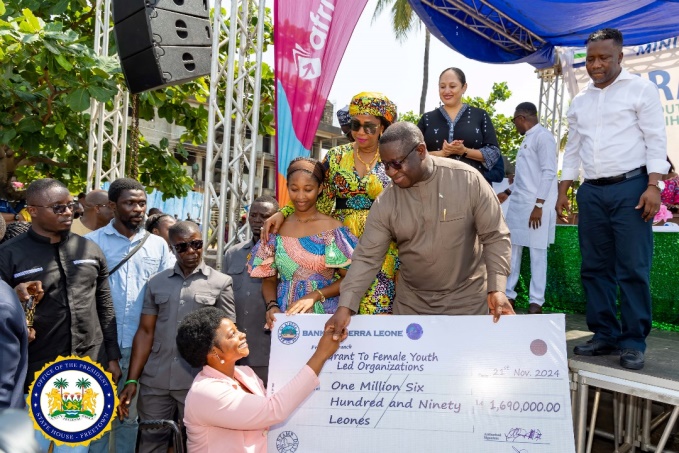
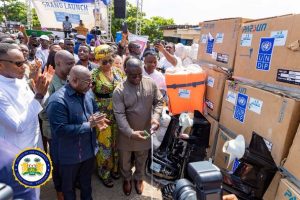
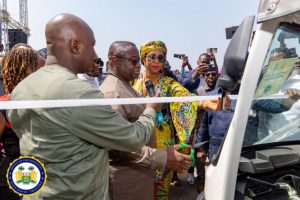
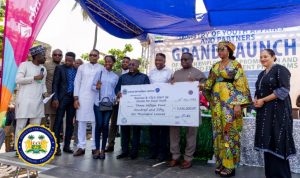
In a landmark move to combat youth unemployment and foster economic growth, President Dr. Julius Maada Bio has on November 21, 2024 officially launched the Youth Empowerment Promotion and Livelihood Programme, aimed at benefitting over 2,700 young people across Sierra Leone. The initiative, unveiled during a ceremony at Kallon Car Park in Aberdeen, Freetown, will focus on creating opportunities in key sectors such as transportation, fishing, farming, and entrepreneurship, with special provisions for empowering female-led organizations.

As part of the programme, the government is providing 200 tricycles to enhance small-scale transportation, 50 modern fishing boats equipped with advanced accessories to support sustainable fishing practices, and grants to 40 female-led organizations to promote gender equity in economic participation. Additionally, 864 rural youth will receive startup grants to encourage entrepreneurship, while 200 young people will be trained in aquaculture, poultry farming, and animal husbandry.

In his address at the launch event, President Bio reiterated his administration’s commitment to addressing the challenges of youth unemployment and creating sustainable livelihoods for young Sierra Leoneans. He emphasized that the programme aligns with the government’s Medium-Term National Development Plan and the ongoing Free Quality Education Programme, which aims to prepare the youth for the future by equipping them with the necessary education and skills.

“Our young people are the backbone of this nation. Investing in their education and skills is not just a promise – it’s our responsibility to prepare them for the challenges of the future,” said President Bio. He urged the beneficiaries to take full advantage of the resources available, stressing that the programme was about providing rights, not political favors.

International organizations have expressed strong support for the programme. Fredrick Ampiah, Country Representative for the United Nations Development Programme (UNDP), praised the initiative, calling it a pivotal step toward improving the livelihoods of young Sierra Leoneans. “This initiative represents a concrete commitment to improving the lives of youth and aligns perfectly with global frameworks like the Timbuktu Declaration,” Ampiah noted.

Similarly, Nadia Rasheed, the UNFPA Country Representative, affirmed international backing for Sierra Leone’s youth empowerment efforts, stressing the importance of partnerships in advancing youth-centered development.

Minister of Youth Affairs, Mohamed Orman Bangura, thanked President Bio for his leadership in prioritizing youth empowerment. He highlighted the Ministry’s recent achievements, including securing $1 million for youth-focused programs and engaging over 4,200 young people in agriculture through the Food Systems Resilience Programme (FSRP). Minister Bangura assured that the Youth Empowerment Promotion and Livelihood Programme would significantly improve the living conditions of young people and contribute to the nation’s long-term development.

The event also marked the spotlight on the Feed Salone Initiative, a collaborative effort spearheaded by President Bio and First Lady Fatima Maada Bio. This initiative focuses on empowering rural communities by providing them with the tools and resources to thrive. Notably, 200 tricycles, 50 fishing boats, and grants for female-led organizations are part of this strategy to enhance agricultural productivity and boost income for coastal communities.

First Lady Fatima Maada Bio, an advocate for gender equity, emphasized the importance of empowering women and girls. “These grants will help women establish small businesses, improve household income, and strengthen families,” she said, encouraging the beneficiaries to use the resources wisely to achieve sustainable development in their communities.

Beneficiaries expressed profound gratitude, calling the programme a life-changing opportunity that would enhance their livelihoods and enable them to contribute more to the economy. One beneficiary remarked, “This program is a game-changer. It provides us with the tools we need to improve our lives and contribute to the economy.”

As the ceremony concluded, President Bio reaffirmed his government’s commitment to youth empowerment, declaring that this initiative would help chart a path toward a brighter future for Sierra Leone. With such transformative efforts, young Sierra Leoneans are positioned to play a pivotal role in the country’s ongoing development and progress.