
Home Blog Page 289

At Eastern Technical University… South Korea’s Education Ministry, MTHE & UNESCO Launch BEAR-3 Project

By Foday Moriba Conteh

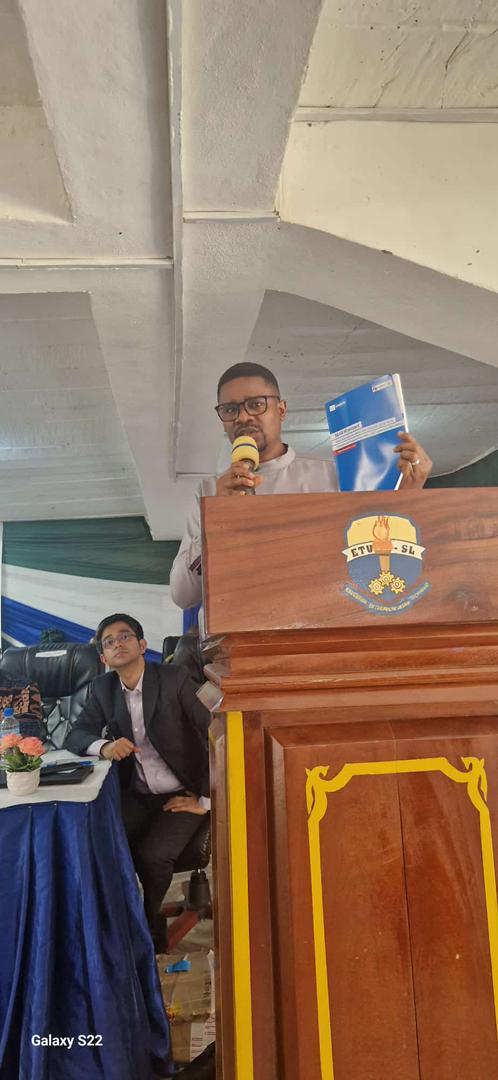
In a major move to bolster technical education and agricultural productivity, the Ministry of Technical and Higher Education has officially launched the UNESCO-funded Better Education for Africa’s Rise Project (BEAR-3) at the Eastern Technical University in Kenema. The five-year initiative, financed by South Korea’s Ministry of Education, is aimed at transforming Sierra Leone’s agricultural sector and is a critical part of the Government’s Feed Salone initiative within its Big 5 Game Changers.

Delivering the keynote address, Deputy Minister of Technical and Higher Education, Sarjoh Aziz-Kamara, highlighted that BEAR-3’s objectives align closely with Sierra Leone’s national development strategy. “BEAR-3 will enhance productivity, improve food security and reduce import dependence by focusing on agricultural value chains for key crops like rice, cocoa, and cassava,” he noted. The project also emphasizes post-harvest management, aiming to minimize food loss and improve local production.

The ceremony attracted a diverse audience, including members of the UN Country Team, Abdourahamane Diallo, UNESCO Head of the Abuja Office and UNESCO’s Regional Coordinator Manish Joshi. Key national stakeholders, such as Vice Chancellor and Principal of Eastern Technical University, Prof. M.T. Lahai and representatives from the Ministry of Technical and Higher Education (MTHE), were also in attendance, underscoring the widespread support for the project’s mission.

Deputy Minister, Sarjoh Aziz-Kamara, emphasized the importance of technical and vocational education and training (TVET) in Sierra Leone’s development strategy, hailing BEAR-3 as a step forward in transforming the nation. “This initiative is part of an ambitious vision to reshape Sierra Leone’s future, where TVET plays a crucial role,” he stated. “Our trajectory toward sustainable development will be realized as we strengthen TVET systems and every stakeholder, including development partners, has a role to play.”

Acknowledging President Julius Maada Bio’s commitment to education reform, Sarjoh Aziz-Kamara credited the President for establishing the Ministry of Technical and Higher Education in 2018. This Ministry was tasked with advancing TVET as a foundation for sustainable development, he said.

“Our collaborations with Government agencies and development partners demonstrate our commitment to equipping Sierra Leone’s population with essential skills for self-employment and sustainable development,” he added. The Deputy Minister referenced the Government’s adherence to international development frameworks, including the SDG 2030 Agenda, AU Agenda 2063 and the Continental Education Strategy for Africa.

Reflecting on the Ministry’s accomplishments in TVET, Sarjoh Aziz-Kamara noted the transformative work over the past six years. “We’ve shifted perceptions, made TVET attractive and are building on our successes,” he remarked. “With funding from the World Bank, we’ve trained over 20,000 individuals, primarily youth and women and are actively pursuing a second phase of the Skills Development Project.” He highlighted recent advancements, including upgrading Eastern Polytechnic and Milton Margai Technical University (MMTU) to technical universities, a move that lays the groundwork for imparting 21st-century skills in science, technology and innovation to Sierra Leone’s workforce.

Further supporting TVET’s growth, the Ministry has adopted global best practices and conducted study tours in Korea, Japan, China, Kenya and Ghana. The Deputy Minister shared that progress has been made in creating a Demand Assessment Profile (DAP) and nearing the finalization of a National Qualification Framework (NQF) focused on Competency-Based Education and Training (CBET). A comprehensive labor market survey has also been conducted to ensure alignment between educational programs and industry needs, helping to create a skilled, employable workforce. The Ministry is actively collaborating with the private sector to foster job opportunities, Sarjoh Aziz-Kamara said, noting the sector’s growing support.

In closing his address, Deputy Minister Sarjoh Aziz-Kamara expressed gratitude to UNESCO for their collaboration on the BEAR-3 project and to the Food and Agriculture Organization (FAO) for its partnership in implementing the project. He also conveyed hopes that the project would attract additional support from development partners. The Ministry extended its appreciation to the BEAR-3 project team and the steering and technical committees for their hard work and dedication.

A highlight of the event was the Deputy Minister’s formal inauguration of the BEAR-3 project’s steering and technical committees, tasked with overseeing the project’s successful implementation. Sarjoh Aziz-Kamara also commended the dedication of Dr. Haja Ramatulai Wurie, Minister of Technical and Higher Education, for her leadership in ensuring the Ministry’s commitment to nationwide TVET expansion in partnership with Government and development allies.
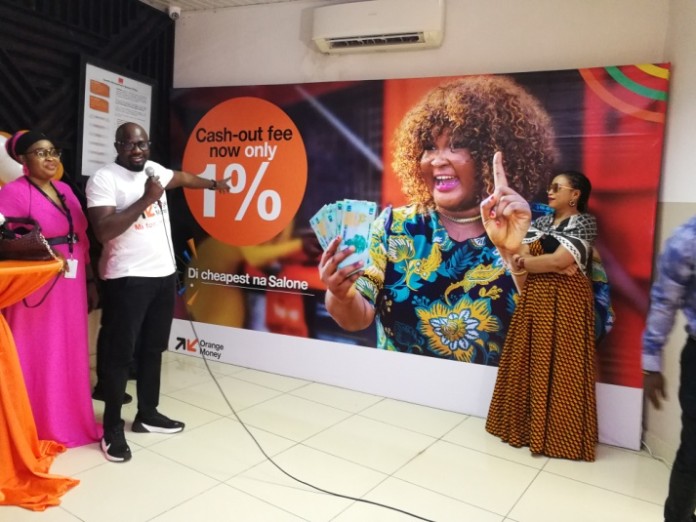
Orange Money Lowers Cash-Out Fee to 1% to Improve Access in Sierra Leone

By Alvin Lansana Kargbo

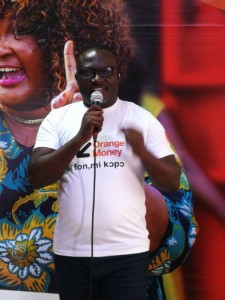
In a move aimed at alleviating the financial burdens faced by customers, Orange Money has announced a reduction of its cash-out fee to just 1%. This decision, revealed at the company’s headquarters on Hill Station, Regent Road, is part of a broader strategy to enhance the affordability and accessibility of financial services in Sierra Leone.

David Mansaray, the CEO of Orange Money, expressed his enthusiasm for the new fee structure during the announcement, emphasizing its alignment with the needs of ordinary citizens grappling with rising costs of living. “Over the years, we have witnessed how increasing prices have made life more challenging for our customers,” he noted. He acknowledged the frequent complaints regarding high transaction costs, stating that the company felt compelled to respond to these concerns. “By reducing our cash-out fee from a higher rate to just 1%, we are making it more feasible for our customers to access their money without the burden of excessive fees,” he added.

This new fee not only positions Orange Money as the most affordable mobile money operator in the country but also marks a significant shift in the financial landscape, allowing customers to withdraw funds at a considerably lower cost. The CEO highlighted that this move reflects the company’s commitment to making financial services more accessible to the masses.

Joseph Saffa Tengbeh, Head of Strategic Marketing and Partnerships, further elaborated on the rationale behind the fee reduction. He stated that the change was directly influenced by customer feedback requesting more economical pricing options. “We are dedicated to respecting and responding to the needs of our customers,” he assured. He pointed out that the 1% fee is especially designed to facilitate customers looking to cash out foreign currency, positioning it as a response to the demand for cost-effective services.

In her remarks, Haffie Haffner, Chief Commerce Officer, reinforced the company’s commitment to improving the lives of Sierra Leoneans through enhanced financial inclusion. She recognized the economic hardships faced by many in the country and underscored the importance of making financial services available to everyone, not just a privileged few. She also articulated the goal of addressing high cash-out fees that have deterred many from using Orange Money, pushing them to rely on cash transactions instead.

“This substantial reduction, a remarkable 54% decrease in fees, is a pivotal step towards ensuring that financial services are within reach for all,” she stated, highlighting the company’s dedication to listening to its customers and responding to their evolving needs.

With this announcement, Orange Money aims not only to retain its customer base but also to attract new users by making mobile financial services a viable option for all Sierra Leoneans. The implementation of the new cash-out fee is expected to have a transformative impact on the accessibility of financial services in the region, enabling more people to engage with the mobile money ecosystem.

Health Ministry Demands Immediate Eviction of NRC Land Encroachers

By Millicent Senava Mannah

The Ministry of Health has on October 31, 2024 issued a firm appeal for the removal of encroachers occupying the land of the National Rehabilitation Center (NRC) in Murray Town. Dr. Charles Senesie, Deputy Minister of Health, raised concerns over the unauthorized occupation of nearly half of the NRC’s property, warning that it threatens a crucial $27 million investment earmarked for the center’s development.

Addressing a press conference, Dr. Charles Senesie emphasized the NRC’s pivotal role in advancing Sierra Leone’s healthcare by providing vital rehabilitation services that empower the nation’s youth and support overall development. However, he highlighted that the illegal occupation has restricted vehicular access to the center, an issue that could dissuade international donors from supporting the center’s transformative plans. This planned funding, allocated for major healthcare improvements and specialized equipment, is contingent on a site assessment that requires clear and unimpeded access to evaluate the project’s feasibility.

“Encroachers must vacate the National Rehabilitation Center land,” Dr. Senesie stated, urging immediate action to prevent jeopardizing both the project and the essential funding.

The Ministry’s comprehensive vision for the NRC includes introducing advanced point-of-care data systems at orthopedic and prosthetic (O&P) clinics, upskilling medical personnel and establishing efficient processes for importing critical medical supplies. These initiatives are intended to enhance patient care and extend essential services to remote communities in Sierra Leone. Full access to the NRC’s land, Dr. Senesie stressed, is vital for making these improvements a reality.

Echoing this appeal, Dr. Mustapha Kabba, Deputy Chief Clinical Officer, called on the encroachers to vacate in support of national health priorities. He stressed that the planned funding would bolster the nation’s health infrastructure, expand rehabilitation programs, and enhance care for individuals in need of specialized treatment, particularly amputees and those with medical conditions like diabetes.

Adding to the urgency, Dr. Ishmaila Kebbie, program manager for the NRC project, reiterated the Ministry’s commitment to strengthening the O&P sector in Sierra Leone. The Ministry aims for sustainable development and enhanced patient care at the NRC over the next four years, but achieving these goals requires immediate action to secure the center’s land.

The Ministry of Health now awaits swift measures to reclaim the NRC property, stressing that the eviction of encroachers is crucial for advancing the nation’s rehabilitation services. The proposed investments have the potential to change lives, but progress hinges on removing all barriers to full access at the National Rehabilitation Center.


IMF Approves $253 Million Extended Credit Facility to Bolster Sierra Leone’s Economic Stability

By Amin Kef (Ranger)

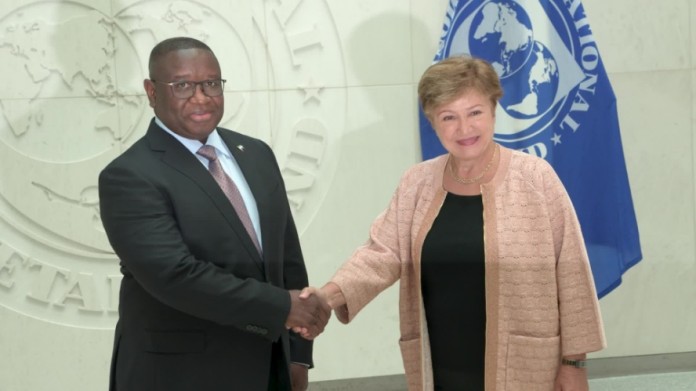
 In a Press Release dated November 1, 2024, the Ministry of Finance announced that the International Monetary Fund (IMF) Executive Board has approved a new US$253 million Extended Credit Facility (ECF) for Sierra Leone. This 38-month program, approved following the 2024 Article IV Consultations on October 31, will assist Sierra Leone in strengthening economic stability, promoting inclusive growth and advancing structural reforms aligned with the country’s Medium-Term National Development Plan (MTNDP) for 2024-2030.

The ECF program is designed to support macroeconomic stability by addressing debt vulnerabilities, reducing inflation and rebuilding international reserves. Additionally, it will drive poverty reduction and structural reforms while bolstering social spending. The program further aims to enhance governance and institutional strength, which are essential components of Sierra Leone’s goals for sustainable development and poverty reduction as outlined in the MTNDP.

During their deliberations, IMF Executive Board members commended the Government of Sierra Leone for its ongoing commitment to reforms and efforts to stabilize the economy despite significant challenges, including the lingering effects of pandemics and security-related pressures. The Board emphasized the importance of continued adherence to the ECF framework, encouraging the Government to implement targeted reforms in areas such as reducing gender disparities, enhancing customs efficiency, strengthening social safety nets and managing climate risks.

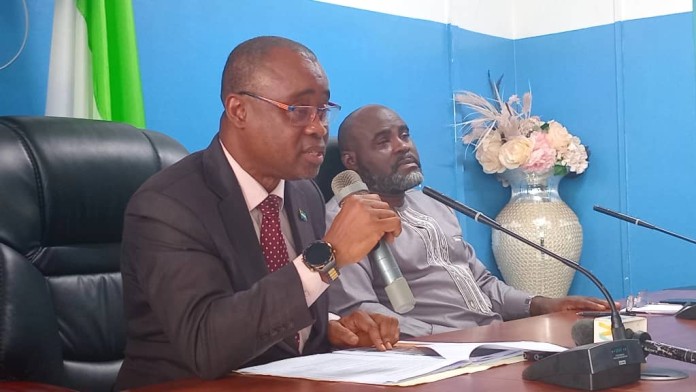
Minister of Finance, Sheku Ahmed Fantamadi Bangura, expressed gratitude to the IMF Executive Board, emphasizing that these reforms are in the nation’s best interest. He underscored the Government’s commitment to transparent and accountable public financial management to reduce poverty and improve access to essential social services for all citizens. The Minister also reaffirmed Sierra Leone’s dedication to ensuring robust ownership of the ECF program, pledging decisive action and contingency measures to restore macroeconomic stability, secure debt sustainability and foster inclusive growth.

This new ECF arrangement stands as a key milestone in Sierra Leone’s journey toward economic resilience and sustainable development, reinforcing the Government’s commitment to advancing the goals outlined in the National Development Plan.

Secure Your Biometric ID Cards for Enhanced Service Delivery and Security

By Amin Kef (Ranger)

 The National Civil Registration Authority (NCRA)  is actively urging all citizens to obtain Biometric Identification Cards as part of a landmark initiative to modernize public service delivery and enhance personal security. Each card contains a unique National Identification Number (NIN) that links individuals to essential services, facilitating secure interactions across both government and private sectors. According to the NCRA, acquiring the Biometric ID Card is crucial for accessing essential services, including healthcare, education, and social welfare, and enables participation in the country’s modernized public systems.

Historically, Sierra Leone’s lack of a unified identification system led to service inefficiencies, especially impacting marginalized communities. The Biometric ID Card addresses these issues by providing a secure, reliable identification method for all residents, including non-citizens, ensuring streamlined access to Government services, banking, electoral registration and employment. This new system supports national inclusivity and fosters development by providing individuals with official recognition and protection against identity fraud.

Each card is equipped with advanced biometric technology, including fingerprint and facial recognition, which ensures a high level of security and accuracy. These features are designed to protect personal information, particularly in today’s digital age, where identity theft and fraud are increasing threats. By integrating these advanced security measures, Sierra Leone aligns with global trends in digital security, positioning its citizens to feel confident when engaging with service providers.

The Biometric ID Card system is also intended to strengthen national records, ensuring that every registered citizen has an official identity. This accurate registry supports the Government in implementing effective policies, distributing resources and improving governance. The cards streamline service delivery across sectors, making processes such as loan applications, bank account access and electoral registration simpler and faster for both citizens and service providers.

Moreover, the unique NIN associated with each Biometric ID Card plays a critical role in national development. The NIN allows the Government to collect accurate data, which helps identify areas of need and facilitates targeted resource allocation. This centralized identification system not only reduces administrative burdens but also fosters trust in both Government and private institutions by supporting reliable, efficient service delivery.

To ensure widespread adoption, the NCRA has established registration centers throughout the country. Major registration sites include:

  1. NCRA Headquarters: 2 Walpole Street, Freetown

2.NCRA Office: 23B Off Kingharman Road, Freetown

  1. NCRA Office: Kennedy Street, Freetown
  2. NCRA Branch Office: 230 Lumley Road, Freetown (by the Roundabout)
  3. NCRA Office: Waterloo, Freetown Highway (Opposite Police Station)
  4. Regional Headquarters: Bo, Kenema, Makeni and Port Loko.

including in Freetown and regional headquarters such as Bo, Kenema, Makeni, and Port Loko.

These centers provide easy access for citizens to acquire their cards. The NCRA has also launched specialized services for corporate entities, allowing organizations to incorporate this identification system into their operations.

For additional assistance individuals can contact the NCRA through multiple channels: phone numbers +232-33-433-333, +232-30-500-000, +232-60-000, +232-78-221-812, or email at idverification@ncra.gov.

With the Biometric ID Card system, Sierra Leone is advancing toward a more secure and inclusive national framework that supports its citizens and fosters future development. For Sierra Leoneans, obtaining the Biometric ID Card is a step towards personal security, greater access to services and active involvement in the nation’s progress, fulfilling a civic duty that contributes to a more efficient and equitable society.

NP (SL) Sets Benchmark with Unmatched Customer Care and Fuel Access

By Amin Kef (Ranger)

NP (SL) Ltd has established itself as a business that not only fuels Sierra Leone but also fuels the entrepreneurial spirit, setting an impressive example for other businesses in Sierra Leone and beyond. By prioritizing customer satisfaction, innovative service offerings  and a deep commitment to local content, NP (SL) stands as a beacon for aspiring entrepreneurs and businesses. Its approach is grounded in a customer-first philosophy, combined with the ambition to positively impact the local economy, a strategy from which many enterprises can draw valuable lessons.

At the heart of NP (SL)’s strategy lies a firm dedication to customer care, which has earned it a solid reputation for reliability and trustworthiness. The company operates 133 regional dealer distribution outlets, demonstrating its commitment to accessibility and reach. This extensive network ensures that customers across Sierra Leone can rely on a consistent supply of petroleum products, a cornerstone of the company’s customer-first philosophy.

One of NP (SL)’s standout initiatives is the deployment of ultra-modern calibrated pumping machines, designed to dispense precise fuel quantities and display accurate prices. This level of transparency builds customer trust, knowing they receive exactly what they pay for; an important lesson in building credibility and fostering loyalty. Such careful attention to service quality reflects NP (SL)’s deep respect for its customer base, a mindset that any company aiming for longevity and trustworthiness can aspire to adopt.

NP (SL) also stands out for its embrace of digital innovation. Recognizing the need for convenience in an increasingly digital world, NP (SL) introduced the NP Smart Card, a cashless payment solution allowing customers to purchase fuel efficiently and securely. This card minimizes waiting times and eliminates the need for physical currency, particularly valuable in today’s fast-paced environment where efficiency is paramount.

Further building on this digital convenience, NP (SL) recently launched the Energy Pass Card, a more advanced cashless option as part of its “FUBU” (For Us, By Us) initiative. This card provides users with SMS notifications and mobile integration, offering real-time balance updates and enhanced security. Its functionality for both online and offline transactions makes it a viable solution even in areas with limited internet connectivity, empowering customers to make secure purchases regardless of location. Through these digital innovations, NP (SL) provides a model of how embracing technology can transform customer service and improve accessibility.

In addition to prioritizing customer care, NP (SL) champions Sierra Leone’s Local Content Policy, a strategy that other businesses can learn from. The company employs Sierra Leoneans at all levels, ensuring that every station and operational division is managed by local talent. This approach not only reduces dependency on foreign expertise but also helps build a skilled, resilient workforce capable of contributing meaningfully to the country’s economic development.

NP (SL)’s commitment to nurturing local talent extends to instances where expatriates are involved. In these cases, the company ensures that local employees work closely with expatriates, creating mentorship and skill-sharing opportunities. By fostering local expertise, NP (SL) not only contributes to Sierra Leone’s economic self-reliance but also builds a solid foundation of knowledge that strengthens the country’s workforce; an approach any organization can adopt to make a sustainable impact within its community.

As part of its commitment to sustainable development, NP (SL) launched NP-Gas, a cleaner and safer cooking solution offered in various cylinder sizes. This product provides a practical alternative to traditional cooking methods that rely on wood or charcoal, which contribute to environmental degradation. Available at NP (SL) stations and authorized dealers, NP-Gas is not only convenient but also aligns with efforts to protect Sierra Leone’s natural resources and reduce environmental impact.

The launch of NP-Gas showcases NP (SL)’s foresight in addressing emerging needs, particularly those related to health and environmental preservation. For businesses, this illustrates the importance of innovation aligned with sustainability; a practice that not only fulfills market demand but also positions the brand as a responsible corporate citizen.

NP (SL)’s commitment to customer care, local content and innovation has enabled it to grow beyond Sierra Leone’s borders, establishing a presence in Guinea, Liberia, Ivory Coast and The Gambia. These expansions, driven by the same customer-centered principles and effective management, highlight NP (SL)’s resilience and adaptability in international markets. Such regional success provides a blueprint for other local companies with expansion ambitions, demonstrating that it is possible to thrive on a larger scale while staying true to core values.

NP (SL)’s journey offers valuable insights for aspiring entrepreneurs and existing businesses alike. By focusing on customer satisfaction, embracing digital innovation, supporting local content and contributing to sustainable development, NP (SL) has built a brand that not only succeeds but also uplifts its community and inspires others. The company’s exclusive ownership by Sierra Leoneans underscores the potential for home-grown businesses to make a significant impact and provides a source of national pride.

For any business looking to establish itself as a trusted brand, NP (SL) demonstrates that prioritizing customers and local development is a winning formula. Its dedication to transparency, innovation, and sustainability sets a high standard and provides a roadmap for businesses aiming to thrive in competitive markets. By drawing lessons from NP (SL)’s approach, other entities can emulate its success and contribute to Sierra Leone’s broader economic and social advancement.

Vice President Highlights Government’s Commitment to Women in Tourism Sector

By Millicent Senava Mannah

The Women in Tourism Regional Congress 2024, held from October 29-31, concluded successfully with esteemed guests from across Africa and beyond. This significant event aimed to enhance women’s roles in tourism under the theme: “Beyond Empowerment to Education, Innovation and Finance Access.” The Congress addressed the unique challenges women face in the tourism industry and equipped them with essential tools for success.

It commenced with addresses from notable figures, including Her Worship the Mayor of Freetown, Yvonne Aki-Sawyer; UN Resident Coordinator for Sierra Leone, Madam Seraphine Wakana; UN Regional Director for Africa, Elcia Grandcourt and Sierra Leone’s Minister of Tourism,  Nabeela Farida Tunis. Sierra Leone’s Vice President, Hon. Dr. Mohamed Juldeh Jalloh, inaugurated the Congress at the Freetown International Conference Center, emphasizing the Government’s commitment to enhancing women’s participation and leadership in tourism.

Held at the Bintumani Conference Hall in Freetown, the Congress brought together leaders and tourism experts from across Africa to forge new pathways for women’s advancement in the sector. In his keynote address, Vice President Dr. Mohamed Juldeh Jalloh stressed the need for transformative steps beyond traditional empowerment, highlighting education, innovation and financial access as crucial components for sustainable growth and gender equity.

Praising the Congress as a pivotal forum, the Vice President emphasized tourism’s potential to drive economic diversification and local prosperity. “Tourism has vast potential not only to create jobs but to foster economic diversification and drive local economies forward,” he stated. He noted that by leveraging Africa’s cultural and natural resources, the tourism sector could open up new opportunities, especially for women, who play vital roles as consumers, contributors and entrepreneurs. However, he acknowledged the significant barriers many women face, including limited access to finance and skills training.

The Vice President called for a targeted focus on education to equip women with the skills needed to thrive in a rapidly evolving tourism landscape. “Innovation is key,” he remarked, emphasizing the necessity of digital tools and solutions for women entrepreneurs. He urged African banks and financial institutions to develop tailored financing models to address the unique demands of the tourism sector, enabling greater access to capital for women-led small and medium-sized enterprises (SMEs).

According to the Vice President, regional cooperation also plays a critical role in amplifying tourism’s potential. By improving transportation and digital connectivity across African nations, he argued, the continent could boost accessibility and reduce travel costs, creating a sustainable tourism ecosystem rooted in cross-border collaboration. “When you invest in regional connectivity, you create a tourism ecosystem that is not only self-sustaining but thrives on cross-border collaboration,” he stated.

In her address, the Minister of Tourism and Cultural Affairs, Hon. Nabeela Farida Tunis, welcomed the Vice President and Congress participants, highlighting the event’s role in promoting inclusive tourism initiatives. She emphasized the importance of equipping women with the resources and knowledge necessary to excel within the industry. With representatives from over 370 organizations, the Congress aimed to address the barriers women face in accessing leadership roles, financial mobility and sustainable opportunities, inspiring a collective commitment to regional growth.

Organized by the Ministry of Tourism in partnership with UN Tourism, UN Women and the African Union, the Congress gathered over 600 delegates, including leaders, policymakers and women entrepreneurs from across the continent. Together, they explored strategies to bridge gender gaps in tourism through education, technology and financial access, recognizing the vital contributions of women, who constitute nearly 70% of the workforce yet occupy only 25% of leadership positions.

The Congress included diverse sessions featuring panel discussions, mentorship opportunities and workshops focused on financial access and digital tools. These sessions aligned with several UN Sustainable Development Goals (SDGs), including gender equality and quality education. Tourism Minister ,Nabeela Tunis, highlighted the Congress’s role in Sierra Leone’s 10-year National Strategic Tourism Plan, “Tourism for All,” which aims to boost inclusivity in the sector. Elcia Grandcourt, UNWTO’s Director of the Regional Department for Africa, emphasized the importance of dismantling barriers that prevent women from reaching their full potential in the sector.

In a significant gesture, UN Tourism presented 100 scholarships to the Government of Sierra Leone, furthering opportunities for women in tourism. This initiative underscores a commitment to education as a foundational pillar for advancing women’s roles in the sector.

The Congress emphasized the importance of creating platforms for women and men to share experiences, exchange knowledge and devise actionable solutions for the tourism industry. Addressing barriers to education, gender gaps and finance access are critical to empowering women in tourism. Nabeela Tunis noted the need for tailored educational programs and partnerships with academic institutions to create pathways to success for women.

Mentorship and leadership programs, particularly for young women, were highlighted as essential for enhancing women’s representation in leadership roles. This supportive environment will enable women to contribute more significantly to tourism’s growth and innovation.

Congress sessions also explored how technology can drive women’s entrepreneurship and creativity within the tourism sector. Embracing technology allows women, including those in rural areas, to amplify their voices and expand their roles in tourism.

The Congress called for infrastructure improvements in transportation, energy and data management essential components for building a sustainable tourism ecosystem. Investment in these areas can enhance women’s advancement in tourism, fostering a more equitable and resilient sector.

With numerous educative, exciting and engaging breakout sessions, the Women in Tourism Regional Congress 2024 underscored tourism as a potential catalyst for sustainable development. Delegates discussed how a focus on gender equity can unlock tourism’s full potential, yielding economic benefits for local communities and preserving cultural heritage.

Ms. Seraphine Wakana, UN Resident Coordinator for Sierra Leone, further emphasized the Congress as a milestone for gender equity in African tourism. She noted that the event empowers women not only as participants but also as leaders and primary drivers in the industry. Through collaborative sessions, knowledge-sharing and strategic networking, women gained access to essential resources, formed partnerships and learned strategies to overcome barriers in finance and innovation.

During the Congress 50 scholarships in international and tourism travel law and 50 scholarships in hotel management were presented to the Ministry of Tourism and Cultural Affairs, underscoring the event’s commitment to advancing women’s roles within the tourism industry.

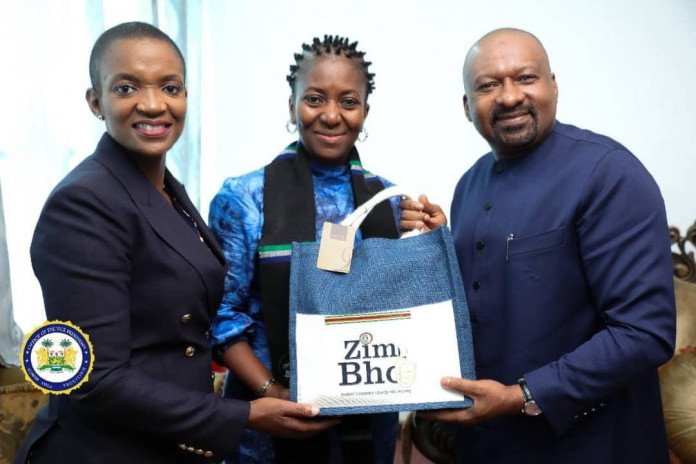
Presentation of gifts to Vice President Dr. Mohamed Juldeh Jalloh and Tourism Ministers from other African nations formed a part of the occasion, celebrating a shared commitment to empowering women and transforming the tourism industry across the continent.

The third day of the event was very eventful with a tour with participants to various tourism sites within Freetown and ended with a carnival at Gigibonta Car Park on Lumley Beach Road.

As the Congress came to a close, Sierra Leone stands poised to drive further advancements in gender equality in tourism, setting a precedent for other African nations. Through ongoing support and partnerships, Sierra Leone’s tourism sector is primed to become a model of inclusivity and sustainable growth, with women playing a central role.

Sierra Leone Consulate Leads Humanitarian Aid for Stranded Migrant Workers in Lebanon

By Amin Kef (Ranger)

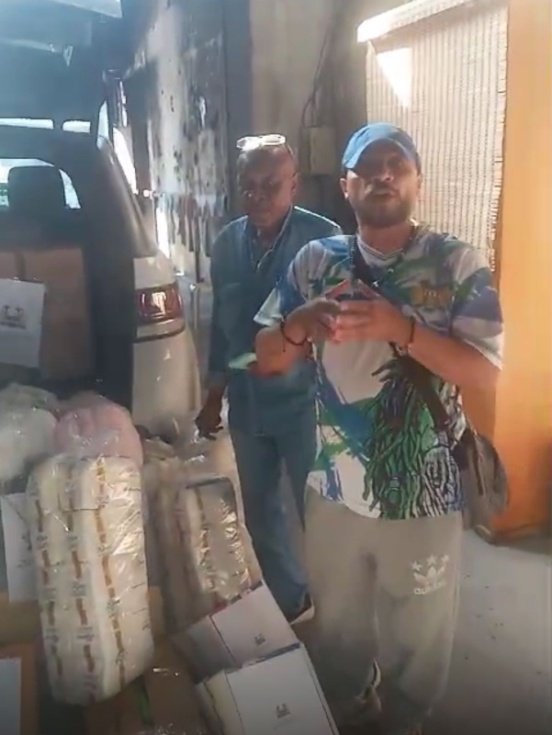
In a humanitarian effort aimed at aiding Sierra Leonean migrant workers stranded in Lebanon, the Sierra Leone Consulate and the Sierra Leonean Community Committee in Lebanon have mobilized essential supplies, including food, blankets and bedding. This campaign, significantly bolstered by the International Organization for Migration (IOM), addresses the immediate needs of migrant workers who have sought refuge in areas not affected by recent bombardments in Beirut and surrounding regions.

The initiative comes at a challenging time for these migrant workers, many of whom expressed sorrow over the passing of Sierra Leone’s former Consul to Lebanon, Pa Hashim Hashim. Known for his fatherly support, his loss has left a void for those relying on his guidance and assistance. Nevertheless, gratitude was evident among the stranded workers for the continued support of the Consulate and community leaders like President of the Sierra Leone Community Committee, Mousa Saksouk and the Committee’s Secretary General, Jaward Gbondema Borniea, who have been instrumental in coordinating relief efforts.

With an urgent need to return home, one migrant expressed appreciation for the Consulate’s dedication, saying, “We look forward to our safe repatriation back home to Sierra Leone.”

Secretary General Jaward Gbondema Borniea commented on the rising number of stranded Sierra Leoneans in Lebanon and emphasized the Consulate’s efforts to secure emergency travel documents and work alongside the IOM to arrange repatriation for the most vulnerable. Mathieu Luciano, head of the IOM office in Beirut, confirmed that the UN agency has received more than 15,000 return requests from various nationalities, including 1,300 Sierra Leoneans, as an estimated 17,500 migrants have been displaced in Lebanon by recent hostilities.

The volunteer team, including Lebanese humanitarian Dea Hage Chahine, has seen their workload increase significantly, noting that their shelter, initially housing 60 women, has since grown to accommodate 175. “We’re working non-stop,” Chahine said, underscoring the urgency of the situation, with many of the women requiring medical or psychological assistance.

In response to this growing crisis, the Sierra Leone Consulate, alongside the Sierra Leone Community Committee and IOM, officially launched their support campaign on Sunday, October 27, 2024. They visited a Beirut shelter housing approximately 150 Sierra Leonean migrants and provided essential supplies like food, cleaning materials and blankets to help residents cope with the cold Lebanese winter. A healthcare drive, featuring volunteer nurses who conducted health assessments and distributed medications, was also organized to address the immediate medical needs of the shelter residents.

This intervention has been a significant relief for displaced Sierra Leoneans, many of whom expressed deep gratitude for the Consulate’s support during such a trying time. The campaign highlights the resilience and unity of the Sierra Leonean community in Lebanon, as they work tirelessly to provide relief, advocacy and hope for their compatriots.

As regional tensions continue, the Sierra Leone Consulate and Community Committee have pledged ongoing support and will regularly assess the needs of Sierra Leoneans affected by the crisis, reaffirming the community’s solidarity and commitment to supporting its people, even across borders.


Minister of Environment Calls for Strong Actions on Climate Change Adaptation

Jiwoh Abdulai, the Minister of Environment and Climate Change
#image_title

By Foday Moriba Conteh

Jiwoh Abdulai, the Minister of Environment and Climate Change, has said over and over that Climate Change is real, further highlighting how it is currently affecting Sierra Leone’s ecosystem services. In that regard, he therefore called for strong and immediate actions to be taken for Sierra Leone resilience on Climate Change adaptation.

The Minister made that disclosure during an exclusive interview with this medium on the “Initial National Adaptation Plan (NAP) for Sierra Leone.

Speaking to the medium, he stated that Climate Change is the most environmental challenge of this generation and emphasized that a suitable solution is needed to address it now. He noted that Climate Change could be mitigated when there is collective effort among relevant Stakeholders to improve on security, prosperity for a better future for all rather than resorting to procrastination. He maintained that Climate Change poses a significant threat to Sierra Leone due to erratic rain fall, powerful storms, wild fire, flooding and heat waves. He therefore took cognizance of the mudslide that occurred on August 14th, 2017 at Mortemeh in Freetown.

He took into consideration the precarious position of Sierra Leone being the third most vulnerable country to Climate Change but he further clarified that with Government’s commitment to mitigation measures, the country is no longer considered in that precarious position. He added that Government is committed in environmental protection and Climate Change adaptation which according to him is evident through the formation of the Climate Change Secretariat within the Environment Protection Agency (EPA). He further cited the establishment of his Ministry and its supervising Agencies by H E President Bio with the key aim of protecting the environment. He affirmed that there is need for collective measures to mitigate these perennial challenges.

Citing the formulation of the Initial National Adaptation Plan (NAP) for Sierra Leone, he intimated that several consultations were done with key relevant Stakeholders including Paramount Chiefs, CSOs, Council Chairmen, to name but a few. He disclosed that a gap framework was developed, which successfully provided an insight for the formulation and implementation of the NAP. He affirmed that the Environmental Protection Agency (EPA) had an inception meeting with the above relevant Stakeholders to further discuss the development of the NAP which was supported by UNDP.

He said a draft was developed within that same year which according to him has necessitated the validation process which brought  together different Stakeholders from all works of life.

He assured that the NAP process would help Sierra Leone to identify key adaptation issues, gaps, priorities and resource requirements for more effective planning, implementation and monitoring of adaptation to support the country’s Nationally Determined Contribution (NDC) to the Paris Climate Agreement. He continued that NAP should focus on reducing disaster risks and adapting to Climate Change. “The Initial NAP is to reduce Sierra Leone’s vulnerability to Climate Change by 2030, increase risk awareness, improvement in roads compliance, increase institutional capacity and integration approach to adaptation, develop policies and programs across all sectors”, he stated.

He concluded that during the process of developing the NAP, five key priorities were identified which he said are critical for Sierra Leone’s resilience on Climate Change adaptation. He commended UNDP for being supportive to Sierra Leone on developing the NAP.

2024 Local Sourcing Awards … SLBL Awards 9 Sorghum Farmers with 1 Keke, 8 Motorbikes and NLE 201,700

By Foday Moriba Conteh

Sierra Leone Brewery Limited (SLBL) hosted its Local Sourcing Awards ceremony at its headquarters in Wellington, Freetown, on October 31st, 2024, celebrating the achievements of nine sorghum farmers who have significantly contributed to SLBL’s local sourcing initiative and Sierra Leone’s agricultural growth. The awards underscore SLBL’s commitment to boosting the local economy and supporting agricultural sustainability.

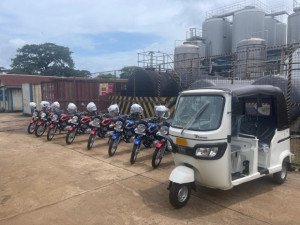
The ceremony highlighted top-performing farmers, including Fatu Sesay, awarded a Keke (tricycle), a motorbike and NLE 45,000 and Lamrana Bundu, who received three motorbikes and NLE 42,100, among other honorees.

In his address, Managing Director of Sierra Leone Brewery Limited (SLBL), Ayokunle Owoniyi, highlighted the Brewery’s nearly two-decade commitment to local sourcing, with a focus on integrating Sierra Leone’s resources, particularly sorghum, into its production processes.

He said that the event is geared towards honoring local sourcing partners who have so far contributed to SLBL’s mission of fostering sustainable economic growth, furthering that SLBL’s support includes providing seeds, agronomist consultations, prepayment options and quick three-day payments for sorghum delivery, along with incentive programs and ongoing research into locally grown materials such as barley.

Ayokunle Owoniyi described the initiative as being in alignment with President Julius Maada Bio’s FEED Salone initiative and the United Nations’ Sustainable Development Goal 2, aiming to position agriculture as a pillar of national economic growth.

He emphasized the program’s broad benefits, from job creation to youth empowerment and reduced foreign exchange demand, all contributing to Sierra Leone’s economic resilience. The Managing Director expressed gratitude to the Government for its incentives in supporting locally sourced raw materials. He maintained that notably, SLBL partners exceeded the company’s 2024 goal of 550 metric tons of sorghum by delivering 570 metric tons, an achievement celebrated through awards to several outstanding contributors.

Ayokunle Owoniyi used the opportunity to announce SLBL ambitious target of 900 metric tons for 2025 and called on Government and stakeholders to support its expansion efforts.

Ending on a hopeful note, he thanked all partners and stakeholders, reaffirming SLBL’s commitment to creating a legacy of growth and empowerment across Sierra Leone.

Representing the Office of the Chief Minister, Mamadi Gobeh Kamara highlighted SLBL’s longstanding commitment to the agricultural sector through partnerships with local sorghum farmers. “Today’s event is a milestone in our journey toward a stronger Sierra Leone,” she remarked, commending SLBL’s support for the local agricultural sector, which empowers sorghum farmers as essential contributors to both the economy and Sierra Leone’s vision for self-sustainability.

Mamadi Gobeh Kamara emphasized that SLBL’s local sourcing aligns closely with President Julius Maada Bio’s agricultural strategy, which prioritizes empowering local farmers to bolster economic growth. “Agriculture remains a critical pillar in Sierra Leone’s economic framework,” she said, underlining the transformational role of locally sourced sorghum in SLBL’s production process, which reduces reliance on imported materials.

According to her, this model exemplifies how local resources can drive job creation, income generation and ultimately, economic stability.

She praised SLBL’s initiatives, such as paying taxes, creating jobs and investing in corporate social responsibility programs, describing them as vital to Sierra Leone’s national development. She also expressed gratitude for SLBL’s contributions to President Bio’s ‘Feed Salone’ agenda, emphasizing the role of collaboration in achieving a prosperous and self-sustaining Sierra Leone.

Concluding, Mamadi Gobeh Kamara celebrated the dedication of the sorghum farmers, whose efforts surpassed the 2024 production target, stating, “Your achievements in sorghum cultivation reflect your commitment to building a brighter future for Sierra Leone.” In a heartfelt statement in Krio, she expressed, “We want to tell you, ‘Plenty, plenty, Tenki’ for your dedication to our shared vision.”

The Executive Director of the National Investment Board, Dr. Edward Hinga Sandy, commended Sierra Leone Brewery Limited (SLBL) for its ongoing commitment to local sourcing at the 2024 Local Sourcing Awards ceremony.

He emphasized the National Investment Board’s support for initiatives that foster local production and self-reliance, reiterating the Government’s commitment to creating an enabling environment for such endeavors. “SLBL’s investment in local sourcing not only provides tangible economic benefits but also fosters skills development, job creation and sustainable growth in the agricultural sector,” he stated.

He further applauded the local farmers for their impressive achievements, surpassing the 2024 production targets and expressed optimism about the future. “The achievements celebrated here today are testament to what is possible through strategic partnerships and a shared vision for Sierra Leone’s future,” he added.

The Executive Director concluded with a call for continued collaboration between the Government, the private sector and local communities to strengthen Sierra Leone’s path to economic resilience and sustainability.

Speaking on behalf of the awardees, Fatu Sesay, who took the first-place win at the Sierra Leone Brewery Limited’s Local Sourcing Awards 2024 with her award package containing a Keke (tricycle), a motorbike and Le45,000 cash prize said that the recognition reflects not only her dedication but also the hard work of countless sorghum farmers across Sierra Leone who contribute every day to building a more self-reliant country.

She stated that the Keke, motorbike and financial reward will greatly support her efforts and improve productivity, enabling her to expand and support her family and other farmers further.

Fatu Sesay expressed her deep gratitude to Sierra Leone Brewery Limited for their unwavering commitment to them, the farmers. She revealed how through their support from free seeds to quick payments and guidance they’ve been able to strengthen their farming practices and livelihoods.

“This partnership has been invaluable and it motivates us to keep pushing forward and growing together. I look forward to meeting the ambitious target of 900 metric tons for 2025 and continuing this journey,  also contributing to our nation’s progress,” she concluded.

The ceremony ended with the presentation of the Keke, motorbikes and cheques to the winners celebrating SLBL’s ongoing partnerships with Sierra Leone’s local farmers and the shared vision of a prosperous, self-reliant nation.