NP-Sierra Leone Limited (NP-SL Ltd) continues to make significant strides in the country’s petroleum industry, earning widespread commendations for its effective and efficient service delivery. The company has been a steadfast player in the sector, navigating numerous challenges and emerging stronger each time.
Founded years ago by 35 selfless Sierra Leoneans, NP-SL Ltd has grown exponentially, infusing business-oriented initiatives that have transformed it into a formidable entity within the national and West African business landscape. The company boasts functional and vibrant operational branches in some countries in the sub-region.
A cornerstone of NP-SL Ltd’s success is its unwavering commitment to optimizing customer care. Recognizing the importance of customer satisfaction, the company imported and installed calibrated pumping machines at its various Filling Stations. These machines ensure the accurate dispensation of fuel, providing customers with the exact quantity paid for and displaying the corresponding price.
This move has instilled confidence among customers, eliminating the discrepancies associated with the older, less sophisticated machines. The transparent nature of petroleum transactions at NP-SL Ltd’s Filling Stations has enhanced the company’s reputation for fairness and reliability.
In line with its commitment to innovation, NP-SL Ltd introduced the NP Energy Pass, a smart card designed to facilitate a cashless flow of petroleum products across the country. This user-friendly card, equipped with high-security features, guarantees the protection of customer information. Users receive instant SMS notifications for every transaction and can recharge their cards at designated stations and the Head Office. The card also offers the convenience of transaction reversals and a One-Time Password (OTP) reset feature in case of a blocked card due to an incorrect password.
The NP Energy Pass is accepted at several stations, including NP Cotton Tree, NP Campbell Street, NP Brookfields, and many others. This initiative, part of the “FUBU” (For Us, By Us) drive, is steering the nation towards a cashless economy, allowing customers to independently fuel their vehicles while receiving real-time transaction updates.
NP-SL Ltd is also renowned for its Corporate Social Responsibility (CSR) initiatives, which significantly contribute to national development. The company has created jobs, ensured timely tax payments to the Government via the National Revenue Authority (NRA), and executed impactful CSR projects that have improved living standards.
Adhering to the Local Content Policy, NP-SL Ltd prioritizes employing competent Sierra Leoneans, thereby reducing poverty and improving lives. The company’s focus on utilizing local skills and talents aligns with the national development agenda and enhances entrepreneurship.
Thanks to the proactive measures and strategic procurement initiatives by NP-SL Ltd’s Board of Directors and Management, the country has not experienced fuel shortages in recent times. This steady supply ensures public consumption needs are met, further solidifying the company’s reputation as “1st For Customer Care.”
NP-SL Ltd’s success is not confined to Sierra Leone. The company has expanded its operations to Guinea, Liberia, Ivory Coast and The Gambia, where it continues to excel in service delivery and tax payments to the respective Governments.
The company’s introduction of NP Gas for cooking purposes has also been widely applauded. Available in various cylinder sizes, NP Gas is safe, efficient and environmentally friendly. It can be refilled at all major Filling Stations, making it a convenient choice for customers.
NP-SL Ltd remains a symbol of indigenous entrepreneurship in Sierra Leone, wholly owned by Sierra Leoneans. By giving employment preference to locals and embracing innovative practices, the company sets a high benchmark in the petroleum industry, benefiting Sierra Leone and the surrounding region.
In conclusion, NP-SL Ltd’s ongoing success and commitment to innovation, customer satisfaction and community development continue to make it a premier and sustainable business entity in the country and beyond.
Orange Money, one of Sierra Leone’s leading mobile service providers, in collaboration with Skye Bank, on Wednesday July 31, 2024 launched the innovative ‘Bank-To-Wallet’ digital banking service. The unveiling ceremony took place at the Orange Money head office on Hill Station in Freetown.
This strategic partnership aims to enhance financial inclusion and improve customer satisfaction by seamlessly integrating digital banking services. The new service allows customers to transfer funds effortlessly between their Skye Bank accounts and Orange Money wallets.
During the launch, Akinremi Oladipo, Executive Director of Skye Bank SL Ltd, expressed his enthusiasm for the partnership, highlighting its significance in simplifying financial transactions for customers. “This collaboration with Orange Money creates a robust force in the digital banking sector, ensuring that our services are accessible, safe and convenient for all our customers,” Oladipo stated.
David Mansaray, CEO of Orange Money, underscored the importance of the partnership in advancing customer satisfaction and integrating the financial sector into the mobile digital banking system. “Our customers are at the heart of our operations. This partnership with Skye Bank marks a milestone in our journey to integrate banking services with mobile money, fostering financial inclusion in Sierra Leone,” he said.
The CEO also noted that Orange Money has already integrated eight banks into its mobile money system, emphasizing the company’s commitment to expanding digital banking services. “This is just the beginning. We have numerous collaborations planned to further enhance financial inclusion,” he added.
The ‘Bank-To-Wallet’ service demonstration included a PowerPoint presentation outlining the registration and activation processes. To use the service, customers need both an Orange Money account and a Skye Bank account. Registration is free. Customers can dial #144#, select option 6 (bank), choose Skye Bank (option 8), enter a 4-digit password and receive an activation key. The final step involves visiting any Skye Bank branch to complete the activation.
This innovative service promises to revolutionize digital banking in Sierra Leone, making financial transactions more accessible and efficient for all.
In a major display of progress and innovation, the Ministry of Lands, Housing and Country Planning has unveiled a groundbreaking digital and administrative transformation aimed at reducing land conflicts across Sierra Leone. The announcement was made by Dr. Turad Senesie, Minister of Lands, Housing and Country Planning, during an unannounced visit by the Chief Minister, Dr. David Moinina Sengeh, to the Ministry’s Youyi Building office on Thursday, August 1, 2024.
Dr. Senesie highlighted the substantial improvements achieved through the implementation of digital technologies within the Ministry. These advancements have revolutionized the management of land and housing services, resulting in a marked decrease in land disputes nationwide.
The Chief Minister expressed his admiration for the Ministry’s progress, particularly noting the increased accessibility of land and housing services to the public via online platforms. He commended the Ministry’s leadership for effectively utilizing technology to enhance supervision, streamline operations and expedite necessary actions.
Minister of Lands informed the Chief Minister that the public can now conveniently apply for a range of services, including land acquisition, building permits and other related services, through an online portal. This streamlined process has simplified interactions between the Ministry and the public, significantly reducing bureaucratic hurdles and delays.
The Chief Minister extended his congratulations to the Lands Minister for the remarkable strides made in improving service delivery and fostering transparency within the Ministry. He encouraged the Minister to continue his exemplary work in line with President Bio’s agenda to drive further development and progress in the country.
The digital and administrative enhancements showcased by the Ministry of Lands, Housing and Country Planning underscore a commitment to leveraging technology for the betterment of society, demonstrating how innovative solutions can effectively address longstanding issues such as land conflicts.
The Electricity Distribution and Supply Authority (EDSA) has announced that all electricity consumers must upgrade their prepaid meters before October 30, 2024. This information was shared during a Press Conference held on August 1, 2024, at EDSA’s headquarters on Siaka Stevens Street in Freetown.
The upgrade process, which started on August 1, 2024 and will continue until November 24, 2024, requires consumers to update their meters using new electricity tokens. The existing Standard Transfer Specification (STS) Edition One (1) meters, which use 20-digit tokens, will expire in October 2024. Failure to upgrade will render these meters incompatible with the new system.
Joe-Lahai Sormana, Director General of EDSA, emphasized that this upgrade is a global requirement, not just a national one. He explained that from November 2024, non-upgraded prepaid meters would no longer function.
Upon purchasing the new electricity token, customers will receive a 60-digit number, with separators every 20 digits. The Director General instructed customers to input these numbers in segments of 20 digits, waiting 15 seconds between each segment, until all 60 digits are entered correctly. Successful input will result in a ’02’ or ‘success’ indicator on the meter. He reassured customers that the upgrade process is free of charge.
Deputy Minister of Energy, Eldred Taylor, the keynote speaker at the Press Conference, affirmed the Ministry’s commitment to providing seamless service. He noted that Apator and Momas meters are incompatible with the new tokens and should be replaced. Customers with these types of meters are urged to visit EDSA offices for replacements, according to him.
He informed that during this upgrade period, customers can continue purchasing tokens through telecom platforms such as Qcell, Orange, and Africell, as well as through aggregators like Vendtech, Mercy Holdings and Lynx Solution. EDSA offices are also available for token purchases, he also mentioned.
The Authority urged customers to dedicate 10 minutes to complete the meter upgrade to avoid electricity access issues post-October 30, 2024. Customers experiencing difficulties during the upgrade can contact EDSA at 672/077672672 or via Facebook at [EDSA Salone](http://www.facebook.com/EDSASalone).
The Ministry of Transport and Aviation, in collaboration with the Sierra Leone Civil Aviation Authority (SLCAA), successfully hosted the African Civil Aviation Commission (AFCAC) Single African Air Transport Market (SAATM) Airshow on July 29-30, 2024, at the Lagoonda Conference Center, Mamba Point Hotel.
The event highlighted Sierra Leone’s strategic role within the Banjul Accord Group (BAG) of States, positioning it as a key player in the African aviation sector. The airshow served as a follow-up to the recent event held in Banjul, The Gambia, and focused on high-level engagements with state agencies for Transport, Tourism, Trade, and Finances, alongside the National Implementation Committee (NIC) and SAATM focal points.
Key Objectives and Benefits of the SAATM Airshow:
Monitoring and Evaluation: The airshow emphasized the application of the Key Performance Indicator Tool to monitor and evaluate YD/SAATM implementation among the seven member states.
Stakeholder Engagement: Advocacy meetings with stakeholders, including airports, airlines, ANSP, immigration, customs, revenue authorities, ground handling companies, tourism boards and ECOWAS, aimed to optimize SAATM implementation in terms of infrastructure, visa openness, trade facilitation, technology and digitalization.
Operational and Technical Assistance: The event highlighted the operational and technical assistance required by the Sierra Leone Civil Aviation Authority to improve safety, security, environmental protection, air transport and other civil aviation areas for successful SAATM implementation.
The airshow also focused on removing impediments such as non-harmonization of application costs, non/late approval of carrier designations, high inspection costs, taxes, charges and fees, as well as passenger and cargo facilitation issues and other non-physical barriers.
The discussions centered on promoting partnerships, commercial collaborations like interlining and codeshare agreements, technical cooperation on spare parts, tools, personnel, tourism and the development of intra-Africa trade/cargo routes among African airlines.
Adefunke Adeyemi, Secretary General of AFCAC, highlighted the importance of collaborative efforts to enhance air transport in Africa through multilateral agreements and initiatives like the Yamoussoukro Decision and the Banjul Accord Group. She emphasized the need for a multi-sectoral approach to eliminate barriers and enhance aviation’s role in Africa’s development.
Secretary General Adefunke Adeyemi, emphasized the importance of collaborative efforts to advance air transport across Africa further highlighting key multilateral agreements, including the Yamoussoukro Decision (YD) and the Banju Accord Group, which aim to harmonize civil aviation policies among member states and enhance international cooperation.
Togo was notably recognized for its role as a champion state for the Single African Air Transport Market, demonstrating the commitment of African leaders to multilateralism as a means to foster prosperity and peace in the region.
Adeyemi praised the “Banju Multinational Agreement,” which offers unlimited market access in line with YD provisions. She underscored the potential of air transport to stimulate tourism, trade and economic growth throughout the continent.
Referring to a 2021 study commissioned by the African Union and conducted by IATA, Adeyemi revealed that the full implementation of the YD and related liberalization initiatives could lead to significant benefits, including increased tourism, trade, employment and economic growth. She advocated for a multi-sectoral approach to overcoming barriers and enhancing aviation’s role in Africa’s development, involving sectors such as tourism, finance, customs and immigration.
In her closing remarks, Adeyemi urged all stakeholders—governments, airlines, airports, and navigation services—to work together in implementing the YD and other initiatives. She also congratulated the Republic of Sierra Leone for its remarkable progress in aviation safety, with its implementation rate rising from 14% to 72%. This achievement, she noted, reflects a dedicated effort to improve safety, connectivity, business growth, and job creation, ultimately transforming the prospects of Sierra Leone and Africa as a whole.
Dr. David Moinina Sengeh, Chief Minister, delivered a keynote speech underscored the significance of the SAATM framework meetings in opening Sierra Leone’s skies to more African airlines, promoting innovation, technology and infrastructure as part of the Government’s Big Five agenda aligned with AU Agenda 2063.
Chief Minister, praised the initiative, which aims to liberalize civil aviation and boost economic integration across the continent. Currently, six of the eight airlines operating to and from Freetown are intra-African.
He highlighted the importance of the occasion, describing it as a pivotal step towards the liberalization of civil aviation in Africa. The Chief Minister emphasized that six out of the eight airlines operating to and from Freetown are intra-African, showcasing the country’s commitment to enhancing connectivity within the continent.
“Today marks a momentous occasion as we kick off the SAATM pilot project,” Dr. Sengeh stated. “This project is designed to advance the liberalization of civil aviation and increase economic integration across Africa. We believe that the economic challenges our continent faces can only be addressed through homegrown solutions and partnerships with our African brothers and sisters.”
Dr. Sengeh shared anecdotes illustrating the current inefficiencies in African air travel, such as passengers needing to detour through distant countries to reach nearby destinations. He stressed that these challenges highlight the need for improved infrastructure and connectivity, which the SAATM aims to address.
Underlining the Government’s dedication to technology and infrastructure, Dr. Sengeh noted, “The President is committed to promoting innovation and infrastructure. Recently, we have seen significant advancements in the aviation industry, aimed at connecting our people and opening up new opportunities for our citizens.”
The SAATM Framework aligns with the AU Agenda 2063, which Sierra Leone champions under the leadership of President Julius Maada Bio. This initiative is expected to boost air traffic, create jobs, promote social, economic, and political integration, and enhance intra-African trade and tourism.
Dr. Sengeh expressed gratitude for the investments and political will that have driven these developments. He acknowledged the contributions of the U.S., Turkey, and private investors, who have recognized the potential of Sierra Leone’s aviation sector.
“We have made significant strides in our aviation safety and security ratings, thanks to the unwavering commitment of our Government and stakeholders,” Dr. Sengeh added. “Our President has demonstrated that we must leave no stone unturned to ensure the full implementation of the SAATM Framework.”
The Chief Minister concluded by reaffirming the Government’s commitment to overcoming barriers in the aviation industry and fully implementing the SAATM Framework. He called on the African Airlines Association to take full advantage of this initiative, which promises to transform African aviation and improve the lives of people across the continent.
Dr. Sengeh highlighted the inefficiencies in current air travel routes and the government’s commitment to improving infrastructure and connectivity. This effort supports the AU Agenda 2063 and is backed by significant international investment. The SAATM Framework is expected to enhance air traffic, create jobs and strengthen intra-African trade and tourism.
Sierra Leone remains dedicated to fully implementing the framework, with the goal of transforming African aviation and improving regional connectivity.
Minister of Transport and Aviation, Alhaji Fanday Turay, announced the introduction of two new airlines set to commence operations in Sierra Leone, focusing initially on regional flights within West Africa and later expanding to international destinations like London.
Alhaji Fanday Turay, Minister of Transport and Aviation, welcomed the SAATM delegates and went on to express his honor at hosting the gathering in Sierra Leone, inviting attendees to experience the country’s warm hospitality and natural beauty, including its stunning white sandy beaches and wildlife, particularly the national animal, the chimpanzee.
He unveiled plans for two new airlines to commence operations in Sierra Leone. This significant development is expected to enhance the country’s aviation sector by providing flights to and from Sierra Leone, initially focusing on regional destinations such as Guinea, Liberia, Ghana, Nigeria, and Cote d’Ivoire.
Minister Turay also highlighted future plans for the airlines to expand their services beyond Africa, with London being a key international destination. This expansion aims to improve Sierra Leone’s global connectivity and accessibility. However, the Minister refrained from disclosing the names of the incoming airlines, noting that procedural steps, including approvals from both the cabinet and parliament, are still required before operations can commence.
He said Sierra Leone has a long-standing commitment to the liberalization of air transport on the continent, being a pioneering state of the Yamoussoukro Declaration of 1988 and the Yamoussoukro Decision of 1999. These initiatives aim to ease non-physical barriers to the movement of people goods, and services across Africa. The Aviation Minister reaffirmed Sierra Leone’s dedication to the SAATM, a flagship project of the African Union Agenda 2063, which seeks to create a single unified air transport market in Africa.
The Minister emphasized the importance of regulatory harmonization, citing the progress made by countries like Kenya and Ethiopia in aligning their aviation regulations. He also underscored the need for infrastructure development, revealing that the annual passenger at the Freetown International Airport has increased from 140,000 in 2017 to 220,000, following an ambitious project in partnership with the private company SUMMA.
In line with the Government’s commitment to diversifying the economy, the Sierra Leone Civil Aviation Authority has been authorized to grant Fifth Freedom Rights to all African airlines upon application. This move is expected to enhance trade facilitation, job creation and overall economic growth.
Alhaji Fanday Turay highlighted the importance of market liberalization, safety and security standards, and the economic impact of a fully realized SAATM. He cited examples from across the continent, including the success of Ethiopian Airlines and the open skies agreement between South Africa and Namibia, as models for increasing flight frequencies and reducing airfares.
The Minister also addressed the need for capacity building and training, environmental sustainability, public-private partnerships and improving the overall passenger experience. He praised the Ethiopian Aviation Academy and the use of biofuels by South African Airways as exemplary initiatives.
He concluded his address by calling for effective policy frameworks and governance structures, and the promotion of multimodal transport networks to enhance connectivity. The Aviation Minister expressed confidence in the collective efforts of African nations to overcome challenges and seize opportunities presented by the SAATM, ultimately creating a more connected, competitive and prosperous Africa.
“Together, we can create a more connected, competitive, and prosperous Africa,” he said. “Thank you for your attention and I wish us all fruitful deliberations throughout this event. Once again, welcome to Sierra Leone, a home for all Africans.”
Director General of the Sierra Leone Civil Aviation Authority (SLCAA), Musayeroh Barrie, extended a warm welcome to attendees, emphasizing the significance of the event in advancing air transport liberalization across Africa. She highlighted the commitment to accelerating air transport liberalization in Africa and the anticipated economic benefits of improved air connectivity.
“It is a true honor to deliver the welcome remarks for this all-important event and to welcome you all to the Single African Air Transport Market Pilot Implementation Project (SAATM –PIP) Airshow in Freetown, Sierra Leone,” she stated. The Director General underscored the critical mission of improving connectivity and integration across the continent through this initiative.
Highlighting the importance of a united and connected Africa, Musayeroh Barrie affirmed that the dream is now a tangible reality within reach. “The wish for a united and connected Africa is no longer a dream but a tangible reality we can achieve by fully implementing the Yamoussoukro Decision and the Single African Air Transport Market,” she said, noting that the benefits extend far beyond the aviation sector.
She emphasized that improved air connectivity is expected to boost economies, create jobs and encourage investment as well as innovation throughout Africa. “Improved air connectivity is expected to boost our economies, create jobs for our people and encourage investment and innovation,” she reiterated.
Concluding her address with a call to action, she urged for commitment and collaboration to realize the full potential of a Single African Air Transport Market. “Let us therefore embark on this journey with commitment to collaboration and an unwavering determination to realizing the full potential of a Single African Air Transport Market. Together, we can transform the skies of Africa, bridge gaps, create opportunities and propel our continent towards a brighter, more connected future,” she asserted.
On the final day various personalities made presentations on specific topics followed by discussions.
The SAATM –PIP Airshow in Freetown marks a significant step towards a more integrated and prosperous Africa, driven by enhanced air transport connectivity.
The SAATM Airshow in Freetown was geared towards achieving a unified air transport market in Africa, enhancing connectivity and fostering economic integration across the continent. Sierra Leone’s commitment to SAATM reflects its dedication to improving its aviation sector and leveraging the benefits of greater regional cooperation and growth.
The event drew participation from high-profile figures, including Ministers, Members of Parliament, Heads of MDAs, representatives from international aviation organizations and other dignitaries, showcasing Sierra Leone’s leadership in the African aviation landscape.
The Honorable Vice President, Dr. Mohamed Juldeh Jalloh, will chair the upcoming Inter-Agency Forum (IAF) meeting on Social Protection, set to take place from August 9th to 11th, 2024, in Kenema District.
The IAF, a pivotal multi-stakeholder platform, unites national entities and international partners involved in social protection programs. This annual meeting serves as the highest deliberative forum, convening key stakeholders to outline national priorities and strategies for social protection.
Since its inception in 2019, the IAF has played a crucial role in updating and advancing social protection initiatives. The forum aims to improve coordination, policy coherence, resource mobilization and program evaluation. This year’s meeting is particularly significant as it coincides with transformative developments in the sector, including the Government’s efforts to establish a dedicated Social Protection Agency for enhanced coordination.
The forum will also review previous initiatives, including the productive social safety nets discussed at the 2019 IAF meeting in Makeni.
A major focus of this year’s discussions will be aligning social protection programming with President Bio’s “Big Five” priorities. The Commissioner of the National Commission for Social Action (NaCSA), who oversees the social protection portfolio, emphasized these objectives during a recent working session with the Vice President. Under Commissioner Ndomahina’s leadership, NaCSA has broadened its social protection efforts, enhancing engagement and coordination across the sector.
In keeping with its tradition, the IAF meeting will be held in the provinces, allowing members to engage in both discussions and field visits to observe key social protection activities and their impact on beneficiaries.
In a pressing statement issued on Monday July 29, 2024, Abu A. Brima, lead representative of the Natural Resource Governance and Economic Justice – Sierra Leone Network (NaRGEJ-SL), has called on the Government to suspend the implementation of the Management Service Agreement concerning the country’s Mineral Wealth Fund. The civil society consortium highlights concerns about transparency and public consultation.
NaRGEJ-SL commends the Government’s efforts under President Julius Maada Bio in enhancing the governance of Sierra Leone’s mineral sector since April 2018. Key initiatives include the Geological Airborne Survey supported by the World Bank, the introduction of three critical Mineral Sector Policies and the enactment of the revised Mines and Minerals Development Act and Customary Land Rights Act. However, the recent agreement with Mountview Konzem Management DMCC (Mountview) raises significant concerns.
Signed in January 2023 and ratified by Parliament in April 2023, the 10-year agreement with Mountview, extendable up to 20 years, lacks adequate public consultation and transparency, according to NaRGEJ-SL. The consortium questions the recruitment and qualifications of Mountview’s management and the adherence to the Public Procurement Act in this significant contract.
Sierra Leone, rich in mineral resources, has seen minimal benefit to its population, particularly in mining communities suffering from poor infrastructure, health, education and security. NaRGEJ-SL, comprising 16 civil society and media organizations, has been actively involved in advocating for transparent and accountable governance in the minerals sector.
Key concerns outlined by NaRGEJ-SL include:
The recruitment process for Mountview’s management services.
Compliance with the Public Procurement Act.
Qualifications and experience of Mountview’s CEO.
Availability of competent Sierra Leoneans for the role.
The role of the Minister of Finance in the initiative.
Consultation with key stakeholders before enacting the relevant legislation.
Due diligence on potential management firms.
Policies and objectives for the Mineral Wealth Fund.
Investment and fund access procedures.
Oversight by a professionally experienced board.
NaRGEJ-SL demands the following actions from the Government:
Comprehensive responses to the raised concerns.
Immediate suspension of the Management Service Agreement with Mountview.
Review of the Sierra Leone Mines and Mineral Development and Management Corporation (SLMMDMC) Act.
Public access to Mountview’s business plan and performance indicators.
Update reports on the Service Agreement’s implementation.
Public access to Mountview’s development strategy.
NaRGEJ-SL emphasizes the need for a dialogue process involving all stakeholders to ensure citizen-driven management of the Mineral Wealth Fund.
The NaRGEJ Network, a collaborative initiative for economic and social justice in Sierra Leone’s natural resource sector, seeks to enhance communication and build solidarity for responsible governance and human rights.
The 2024 State of Food Security and Nutrition in the World (SOFI) Report, published last week by five United Nations specialized agencies, presents a grim outlook on global hunger and malnutrition. Released during the G20 Global Alliance against Hunger and Poverty Task Force Ministerial Meeting in Brazil, the annual report underscores the significant setbacks in achieving Sustainable Development Goal (SDG) 2: Zero Hunger by 2030.
The SOFI report reveals that global undernourishment levels have regressed to those seen 15 years ago, reminiscent of the 2008-2009 period. Despite progress in areas like stunting and exclusive breastfeeding, the number of people facing food insecurity and malnutrition remains alarmingly high. Between 713 and 757 million people were undernourished in 2023, approximately 152 million more than in 2019.
If current trends persist, about 582 million people will be chronically undernourished by 2030, with half residing in Africa. This projection is comparable to levels observed in 2015, highlighting a concerning lack of progress since the adoption of the Sustainable Development Goals.
The report also highlights regional disparities. In 2023, around 2.33 billion people globally experienced moderate or severe food insecurity, a figure unchanged since the sharp increase during the COVID-19 pandemic. Over 864 million people faced severe food insecurity, particularly in Africa, where 58 percent of the population is affected.
The inability to afford a healthy diet continues to affect over one-third of the global population. New data indicates that more than 2.8 billion people were unable to afford a healthy diet in 2022, with the disparity most pronounced in low-income countries. In these regions, 71.5 percent of the population cannot afford a healthy diet, compared to 6.3 percent in high-income countries.
Despite an increase in exclusive breastfeeding rates among infants to 48 percent, global nutrition targets remain elusive. The prevalence of low birth weight has stagnated at around 15 percent and while stunting among children under five has declined to 22.3 percent, it still falls short of targets. Additionally, the prevalence of wasting among children shows little improvement, and anaemia in women aged 15 to 49 years has increased.
Adult obesity has also seen a steady rise over the past decade, with projections indicating over 1.2 billion obese adults by 2030. The co-existence of under nutrition and obesity—known as the double burden of malnutrition—has surged globally.
The report emphasizes the urgent need for increased and more cost-effective financing to achieve SDG 2. It calls for a multi-faceted approach, including transforming and strengthening agrifood systems, addressing inequalities and ensuring affordable and accessible healthy diets for all. The heads of the five UN agencies—FAO, IFAD, UNICEF, WFP and WHO—stress the importance of estimating and bridging the financing gap for food security and nutrition.
During a recent High-Level Political Forum at the UN headquarters in New York, the report highlighted the need for innovative and equitable solutions, particularly for countries facing high levels of hunger and malnutrition exacerbated by climate impacts. Among the 119 low- and middle-income countries analyzed, approximately 63 percent have limited or moderate access to financing and 74 percent are affected by one or more major factors contributing to food insecurity and malnutrition.
The 2024 SOFI report paints a stark picture of the global struggle against hunger and malnutrition. With current trends indicating a failure to meet the Zero Hunger goal by 2030, urgent and coordinated action is needed to transform food systems, address inequalities and secure adequate financing to ensure a future where everyone has access to safe, nutritious and sufficient food.
Sierra Leone is battling with severe food insecurity, threatening the health and well being of its citizens. With the uncontrollable hiking in food prices, poor weather conditions and inadequate agricultural infrastructure, this situation is alarming.
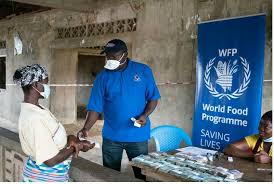
According to the World Food Programme (WFP) last bi-annual post-harvest Food Security Monitoring System (FSMS) assessment, 82.3 percent of Sierra Leoneans are food insecure in 2024, a steady increase compared to the 80 percent figure from the same period in 2023.
The nation is in a food crisis which not only endangers the health and livelihoods of Sierra Leoneans but also requires the undivided attention of Government and its development partners to forge a comprehensive road map in addressing this crisis. There has been a lot of political spin on the sufferings of the masses over the first year of President Julius Maada Bio’s second term in office, just like his first term. It’s about time the President and his political hallelujah boys and girls prioritize the nation’s interest by addressing the long list of concerns.
The impact of food insecurity is far-reaching. Malnutrition rates are alarmingly high, especially among children and pregnant women. WFP has highlighted that one in three children under five (about 26.2%) in Sierra Leone is stunted, reflecting chronic malnutrition. This not only affects physical health but also hampers cognitive development, perpetuating an unending cycle of poverty and underdevelopment.
For many Sierra Leoneans, food accounts for a significant portion of household expenditure. As prices soar unimaginably, families are forced to make tough choices, often cutting back on essential items or resorting to less nutritious alternatives. This economic tight-lipped decision undermines overall quality of life and threatens long-term economic stability.
Farmers, who form the backbone of the country’s food supply, are among the hardest hit. Lack of access to modern farming tools, quality seeds, and fertilizers limits their productivity. Additionally, poor infrastructure impedes the transport of goods, leading to significant post-harvest losses.
Tackling food insecurity in Sierra Leone is crucial in meeting every other development targets. At this point, the Government is expected to prioritize investment in agricultural development, focusing on sustainable farming practices, improved infrastructure and access to agricultural inputs. All energies diverted to politicking should be cut short and focused on addressing the food insecurity crisis in the country.
Moreover, social protection programs must be expanded to support the most vulnerable populations. Initiatives such as school feeding programs, targeted nutritional support for pregnant women, lactating mothers and children under 5 and emergency food aid can provide immediate relief.
Food insecurity is not just a rural issue; it is a national crisis that demands a unified response. We all must recognize the profound gravity of the situation and contribute to the solution. Whether through volunteer efforts, advocacy, or simply supporting local farmers, every action counts; but it starts with the Government when they start seeing the need to address the issues they were voted for. We must work together to ensure that every Sierra Leonean has access to sufficient, nutritious food. Our collective future depends on it.
The National Civil Registration Authority (NCRA) is actively issuing securitized, multi-purpose biometric identity cards across Sierra Leone. These cards are available at NCRA offices and designated centers nationwide. The biometric ID cards come in three types: National Identity Cards for Sierra Leoneans aged 12 and above, ECOWAS ID Cards for Sierra Leoneans and ECOWAS citizens upon request, and Non-National ID Cards, which are mandatory for all foreign residents in Sierra Leone.
Following the Parliamentary ratification of the ID Card Agreement, access to a wide range of services now requires the National Identification Number (NIN). Foreign nationals applying for work and residence permits must present their Non-National ID Cards, which include their NIN, for processing at the relevant ministries or departments.
It is crucial for all responsible citizens to obtain their national Biometric ID Card, a key document for verifying Sierra Leonean citizenship. Securing this ID card helps prevent potential inconveniences, such as being denied access to banking services, financial transactions, or foreign exchange bureaus. Citizens are encouraged to visit any NCRA office to obtain their ID card.
The campaign to secure ID cards is designed to enhance personal security and streamline access to both government and private sector services. Citizens aged 12 and above are eligible for Biometric ID Cards and can apply at any NCRA branch or designated center.
To facilitate the application process, the NCRA has established several offices and designated centers throughout the country. These ID cards aim to improve access to public services and bolster Sierra Leone’s security infrastructure. The cards feature embedded chips with biometric information for easy authentication and an 11-digit NIN that serves as a unique identifier linked to the holder’s personal details in the national population registry. The NIN is now required for students in primary education preparing for public examinations.
Additionally, the Biometric ID Cards are mandatory at all checkpoints for travelers within the country. Both citizens and non-citizens are urged to obtain their Biometric ID Cards to avoid inconveniences.
The NCRA has established accessible offices and centers at the following locations:
NCRA Headquarters: 2 Walpole Street, Freetown
NCRA Office: 23B Off Kingharman Road, Freetown
NCRA Office: Kennedy Street, Freetown
NCRA Branch Office: 230 Lumley Road, Freetown (by the Roundabout)
NCRA Office: Waterloo along the Freetown Highway (opposite the Police Station)
NCRA Offices in the regional headquarters towns of Bo, Kenema, Makeni, and Port Loko
To further enhance accessibility, the NCRA offers corporate services for organizations and institutions. For more information, interested parties can contact the following numbers: +232-33-433-333, +232-30-500-000, +232-78-221-812 or via email at idverification@ncra.gov.
Sierra Leoneans are encouraged to prioritize obtaining their Biometric ID Cards, recognizing their importance in enhancing security and contributing to national development. The NCRA’s initiative aligns with the Government’s commitment to fostering a safer, more efficient, and accessible environment for all.