
Home Blog Page 467

Indigenous Producers Call on Government to Prioritize Favorable Tax Regime

By Amin Kef (Ranger)

In a powerful demonstration of support for local manufacturing, President Julius Maada Bio has praised the significant contributions of domestic manufacturing companies to Sierra Leone’s economic growth. As the nation continues its economic journey, local manufacturers are urging the Government to introduce tax policies that would give them a competitive advantage over importers of consumer goods and services.

The role of local manufacturing in sustaining a nation’s economy cannot be overstated, but local manufacturers currently face challenges stemming from unfavorable tax regulations that hinder or limit their operations. While imports undoubtedly serve a vital purpose in supplying goods and services, a healthy economic environment requires the growth and sustainability of domestic manufacturing.

Local manufacturers argue that for this strategy to succeed, the Government must implement tax policies that favor them over importers of consumer goods and services. They assert that a well-designed tax regime has the potential to significantly boost the economy, fostering self-reliance and prosperity.

Furthermore, they stress that their businesses not only create job opportunities for both skilled and unskilled labor but also play a crucial role in reducing unemployment rates. They emphasize that the growth of the manufacturing sector leads to increased economic activity, driving GDP growth and spurring investments in technology, infrastructure, and innovation, ultimately resulting in a thriving industrial base.

They also highlight the importance of promoting local manufacturing to reduce the nation’s dependence on imported goods, which can help mitigate trade imbalances and deficits. According to them, during crises or emergencies, heavy reliance on imports for essential goods can leave the nation vulnerable, making local manufacturing essential for self-sufficiency and national security.

Some local manufacturers indicate a strong inclination to invest in research and development, which can drive technological advancements and facilitate knowledge transfer. They assert that the development of a skilled workforce can naturally result from such innovation, enhancing the nation’s competitive edge.

The local manufacturers firmly believe that the Government, particularly the Ministry of Finance and the National Revenue Authority (NRA), must recognize that tax policies favoring local manufacturing offer numerous advantages to the economy. Foremost among these benefits is a reduced dependence on imported goods, as incentivized local manufacturers provide consumers with domestically produced alternatives, reducing the need for foreign products.

The local manufacturers passionately argue that tax incentives, including reduced corporate income tax rates, investment tax credits, and accelerated depreciation for manufacturers, can stimulate economic growth and attract investments in local production. They further contend that adjustments to customs and import duties can favor domestic goods, making imported products comparatively more expensive and stimulating domestic consumption.

Additionally, indigenous producers affirm that offering tax credits to companies investing in research and development can ignite innovation, lead to the development of new products and technologies, and strengthen the competitiveness of domestic manufacturers.

In their argument, they logically stress that well-structured tax policies favoring them over importers of consumer goods and services can have a profound impact on the economy, potentially fostering job creation, economic growth, and reduced reliance on imports, all while promoting self-reliance and national security.

They inform this medium that such tax policies will also encourage investments, technology transfer, and innovation, positioning the domestic manufacturing sector as a global contender.

As Sierra Leone navigates its economic landscape, Members of Parliament must actively champion the cause of local manufacturers by advocating for supportive tax policies. The design and implementation of these policies must be carefully planned to ensure their fairness and sustainability, thereby strengthening Sierra Leone’s economy and international trade position, solidifying its status as a beacon of self-sufficiency and prosperity in the region.

SL Brewery Ends Workshop to Prevent Underage Drinking

Sierra Leone Brewery Limited (SLBL) in collaboration with SAVE Promise Club has on Monday 23rd October, 2023 successfully concluded a workshop aimed at preventing underage drinking. The event brought together more than 200 students from various schools in Freetown.

During the workshop, the students actively participated in learning sessions and group discussions on how to abstain from alcohol. They also made presentations on how society can support them in staying away from alcohol and highlighted the dangers associated with alcohol abuse at a young age. To signify their commitment, the students made and signed pledges to always stay away from alcohol and to support their friends and relatives in avoiding alcohol abuse.

Foday Daboh, the Corporate Affairs Manager representing SLBL, emphasized the company’s dedication to protecting its reputation by advocating for responsible alcohol consumption. He stated, “Through this workshop, we aim to provide you with accurate information about alcohol and its effects on the mind and body. We want to encourage you to explore alternative activities and hobbies that can help you grow and develop into the best versions of yourselves.”

The event saw the participation of dignitaries from various reputable institutions in Sierra Leone, including the Sierra Leone Police, the Sierra Leone Roads Safety Authority, Sierra Leone Correctional Services, Ministry of Basic and Senior Secondary Education, the media, and parents. Representatives from these institutions commended SLBL for its efforts in educating consumers about responsible alcohol consumption, recognizing it as the only institution producing beverages and actively working to combat alcohol abuse.

Unisa Conteh, SLBL’s Communications Manager, urged the participants to take full advantage of the knowledge and resources provided during the workshop. He encouraged them to engage in discussions, ask questions, and share their experiences, emphasizing that they have the power to make a difference in their own lives and in the lives of those around them.

SLBL remains committed to responsible consumption and actively seeks partnerships with institutions mandated to promote the same cause.

The workshop concluded with applause and appreciation from the participants and various speakers representing different institutions.

Lands Minister Addresses Global Land Reform Challenges and Successes in Rome

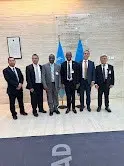
Dr. Turad Senesie, the Minister of Lands, Housing, and Country Planning, delivered a compelling speech at the prestigious High-Level Session on Building a Global Land Agenda. This international event took place October 23, 2023 at the IFAD Headquarters in Rome, Italy. Dr. Senesie represented Africa with a call for increased collaboration and partnerships to enhance land tenure security and ensure equitable access to and control over land resources.

During his speech, Minister Senesie underscored the unwavering commitment of Sierra Leone’s Government, led by His Excellency, Dr. Julius Maada Bio, to address critical issues surrounding land reform. He highlighted the growing challenge of land access in Sierra Leone, brought about by the sale of land at exorbitant prices, leading to widespread individual land ownership for profit rather than productive use.

Dr. Senesie elaborated on the numerous challenges plaguing Sierra Leone’s land sector, which include outdated and conflicting policies, weak deed registration systems, inadequate land records management, and limited institutional and technical capacity. Scarce funding in Africa has made Government entities heavily reliant on donor support, which may not always align with national policy objectives. Additionally, the absence of complete and reliable data sets has hindered effective land management and administration.

In response to these challenges, Sierra Leone has implemented a series of measures as part of its land reform process. The enactment of the Customary Land Rights Act in 2022 aims to eliminate discrimination and provide equal land access for all, including the Creole tribe, who were previously excluded from acquiring land in the provinces. The Act also grants women the right to inherit family land and access land without marriage as a prerequisite.

Minister Senesie emphasized the significance of mapping, recording, and registering land titles to enhance tenure security, especially for customary land rights in the provinces. Sierra Leone has also established the National Land Commission to effectively implement the National Land Policy and the Customary Land Rights Act.

The success drivers behind Sierra Leone’s land reform process were identified as strong political will, the creation of a multi-stakeholder platform involving Government bodies, traditional leaders, civil society organizations, development partners, and the private sector, along with effective funding mobilization.

Minister Senesie expressed gratitude to international development partners, including the UNDP, FAO, and the World Bank, for their financial support and urged others to provide essential assistance to sustain the land reform process. He stressed the importance of mobilizing funds for land mapping, surveys, and cadastral index mapping to ensure global support for land tenure security, access to land, and sustainable development.

In conclusion, the Minister reaffirmed the Government of Sierra Leone’s commitment to prioritizing land reform as a cornerstone for sustainable development, prosperity, and the well-being of its citizens.

The High-Level Session on Building a Global Land Agenda featured presentations from other continents, with Indonesia representing Asia, Colombia representing America, and France representing Europe. The event aimed to encourage greater collaboration and concerted efforts to strengthen land tenure and resource management worldwide.

Minister Senesie was accompanied by Dr. Alphajoh Cham, the Director of Policy and Planning in the Ministry of Lands, Housing, and Country Planning.

Marigold Initiative Empowers Girls with Digital Rights and Online Security

By Alvin Lansana Kargbo

In a groundbreaking effort to bridge the digital divide and empower girls with vital knowledge about digital rights and online security, the Marigold Initiative has embarked on an extensive research study, generously supported by the Numun Funds. This initiative is dedicated to equipping girls with essential training and technology-focused experiences that emphasize safe internet practices.

The Marigold Initiative, in collaboration with Meraki Analytics, a distinguished research firm, conducted a meticulous baseline assessment in ten selected secondary schools in Freetown. The participating schools include the Methodist Girls High School, International School Ltd, Naiahcom High School,  Annie Walsh Memorial School, Baptist Comprehensive Academy, Peninsular Secondary School, Bishop Johnson Memorial School, Freetown Secondary School for Girls, Sierra Leone Muslim Brotherhood, and Sengbeh Pieh Secondary School, focusing on girls in Senior Secondary Schools (SSS) 1 and 2.

This research endeavor took place over five working days, from February 23, 2023, to March 1, 2023, and delved into various themes related to digital rights and online security. The insights gained from this assessment will serve as the foundation for the establishment of Digital Rights School Clubs, empowering girls in Sierra Leone to navigate the digital landscape securely and confidently.

The study provides crucial insights into the digital landscape for schoolgirls in Sierra Leone. Approximately 73% of the surveyed girls have access to the internet, marking a significant step toward digital inclusion. However, a deeper analysis reveals disparities, with private schools boasting higher connectivity compared to Government schools. This digital divide underscores a significant challenge that demands targeted solutions to ensure equitable access for all.

One of the most concerning revelations from the study is the vulnerability faced by these young digital citizens. A staggering 21% of the surveyed girls reported experiencing online bullying, serving as a stark reminder of the hazards that lurk in the digital realm. Equally troubling is the fact that 46% of the girls lacked awareness of their right to online protection, emphasizing the urgency of robust digital rights education initiatives.

Another significant finding is that a quarter of the girls admitted to experiencing online regret, indicating the importance of promoting responsible online behavior. This highlights the need for fostering awareness about the potential consequences of online actions, ensuring that young girls make informed and responsible choices in their digital interactions.

The demographic breakdown of the study reveals that a significant proportion of schoolgirls fall within the 14-16 age bracket, which constitutes 59% of the surveyed population. These girls, in the early years of high school, are actively engaged with digital technologies and social media, rendering them particularly vulnerable to digital rights issues such as cyberbullying, privacy violations, and online harassment.

The 17-19 age group, comprising 38% of the respondents, forms the second largest segment. In contrast, the 11-13 and 20-22 age groups collectively constitute only 3% of the total sample. The average age of 16 years falls well within the typical age range for Senior Secondary School students in Sierra Leone. Furthermore, the median age of 16 years suggests that many of the girls interviewed were in their mid to late teenage years, a period where they are especially susceptible to online risks.

This age demographic, hovering around the adolescent years, demands heightened attention. Adolescents are at a critical developmental stage, navigating the complexities of both physical and digital worlds. Their active engagement with digital platforms, coupled with their burgeoning independence, necessitates a comprehensive understanding of their digital rights and the potential threats they might encounter online. Cyberbullying and harassment, prevalent issues in this age group, make it imperative to equip them with knowledge and skills to protect themselves effectively.

Based on these nuanced findings, the study offers strategic recommendations aimed at bridging existing gaps and creating a safer digital future for school girls in Sierra Leone.

One of the most striking findings is the overwhelming enthusiasm for digital clubs, with an impressive 97% of schoolgirls expressing their interest in participating. These clubs are recognized as potent tools for empowerment, fostering awareness, and imparting essential skills for secure digital navigation.

The study also recommends prioritizing schools with limited resources for safe online navigation. Methodist Girls High School, International School Ltd, Naiahcom High School, Annie Walsh Memorial School, and Baptist Comprehensive Academy have been identified as key focal points for club implementation.

Furthermore, the study highlights the critical need for digital rights training in all schools. Urgent attention must be directed to schools where training is acutely required, notably Peninsular Secondary School,  International School Ltd, Baptist Comprehensive Academy, Methodist Girls High School, and Bishop Johnson Memorial School.

In conclusion, the Marigold Initiative, in collaboration with Meraki Analytics, is spearheading an essential endeavor to empower girls with digital rights knowledge and online security. The findings of this comprehensive research study serve as a clarion call for action, highlighting both the progress made and the challenges that persist in the digital landscape for school girls in Sierra Leone. This initiative’s strategic recommendations offer a pathway to ensure that every girl in the country has the knowledge and resources to navigate the digital world safely and confidently, breaking down barriers and promoting digital inclusion.

Legal Aid Board Represents 442 Inmates in Five Prison Courts

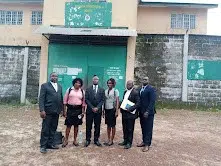
In a recent development, the Legal Aid Board has provided legal representation to a total of 442 convicted inmates as their cases underwent review in Prison Courts across the nation. Out of a total of 443 cases brought before these courts, only one inmate was represented by a private counsel. These inmates had been previously convicted at Magistrate Courts and were currently serving their sentences.

The Prison Courts convened on various dates throughout September and October 2023 at five different locations, namely the Mafanta Correctional Center in the Tonkolili District, Bo Correctional Center in Bo District, Sefadu Correctional Center in Kono District, Waterloo Correctional Center in the Western Area Rural District, and the Pademba Road Male Correctional Center in Freetown.

The Legal Aid Board’s intervention resulted in significant outcomes for these inmates. Among the 442 inmates represented by Legal Aid Counsels, 128 were released, 9 were granted bail, while the remaining 305 either had their sentences reduced or maintained.

Breaking down the numbers, 44 inmates from Mafanta Correctional Center, 27 from Bo, 8 from Kono, 22 from Waterloo, and 27 from Freetown were among those who regained their freedom or experienced changes in their sentences.

The dedicated legal teams included Legal Aid Counsels such as Mohamed Korie, Osman B. Kamara, and Lawyer J.E. Turay, who represented 104 inmates at the Mafanta Prison Court. John J. Harris and A.K Jawara handled 137 cases at the Bo Court, while Counsel Alpha O Kamara was responsible for 18 cases at the Kono Court. Counsel Abdul Sesay took on the representation of 53 inmates at the Waterloo Court, and Counsels Cecilia Tucker and Ibrahim Bangura worked tirelessly to represent 130 inmates at the Freetown Court.

In a touching moment, the Executive Director of the Legal Aid Board, Ms. Fatmata Claire Carlton-Hanciles, addressed some of the inmates at the Board’s headquarters in Freetown. She conveyed a message of hope and optimism, emphasizing that there is a bright future ahead for each of them. Ms. Carlton-Hanciles challenged the inmates to return to their communities and transform their lives for the better by engaging in productive activities.

Ms. Carlton-Hanciles described the provision of legal representation to the inmates at the prison courts as a clear demonstration of the Board’s unwavering commitment to ensuring that no inmate is left unrepresented due to their financial limitations.

The Prison Courts initiative, introduced by the Judiciary of Sierra Leone, is designed to review cases previously heard at Magistrate Courts. Its primary objectives are to ensure that the decisions made by these lower courts align with the law and, simultaneously, to alleviate the overcrowding issues in the Correctional Centers.

Newly Appointed FQSE National Coordinator Ends Nationwide Familiarization Tour

In a proactive move towards bolstering the effectiveness of the Ministry of Basic and Senior Secondary Education’s (MBSSE) Free Quality School Education (FQSE) scheme, the newly-appointed National Programme Coordinator, Augustine Moses Tehguma Koroma, has completed a successful one-week nationwide familiarization tour. This vital initiative aims to gain firsthand insights into the scheme’s current status, foster interactions with local staff, engage with community and education stakeholders, and identify challenges that might be impeding its smooth implementation.

Augustine Moses Tehguma Koroma, who recently assumed his role, led a dedicated team of senior FQSE officials on this extensive tour, which spanned all sixteen districts of the nation. During their journey, the team met with Deputy Directors of Education, School Quality Assurance Officers, FQSE District Coordinators, School Feeding Monitors, educational authorities, and community stakeholders, expressing gratitude for their unwavering commitment to President Julius Maada Bio’s ambitious FQSE program.

The National Programme Coordinator acknowledged President Bio’s dedication to human capital development and emphasized that, with collective support, the FQSE scheme will significantly contribute to national growth and the nation’s human resource potential. The tour was initiated with the intention of facilitating open dialogues with local staff, sharing success stories, reaffirming the government’s commitment, and gaining a deeper understanding of the challenges that the scheme faces.

Mr. Koroma highlighted the positive impact of the School Feeding component within the FQSE, stating that it has substantially boosted school enrollments. He also pointed out that the scheme has garnered international recognition and acclaim.

In another significant development, the team had the privilege of meeting the two recipients of the recent National Best Teachers’ Awards.

The delegation included the Programme Officer, Mr. Joseph Lamin; the Monitoring and Evaluation Officer for School Feeding, Mariama Barrie; and the Director of Administration, Sorie Fofana.

Following their nationwide tour, the FQSE National Coordinator and his team returned to Freetown with renewed determination and a firm commitment to assisting the MBSSE in achieving the government’s overarching goals for free and quality education.

Judiciary, National Aids Secretariat Aims to Combat Stigma & Promote HIV/AIDS Awareness

In a concerted effort to combat the stigma associated with HIV/AIDS and raise awareness about prevention, treatment, human rights, and related issues, the Judiciary of Sierra Leone, in collaboration with the National AIDS Secretariat (NAS), UNAIDS, AHF, Jhpiego, Christian Aid, and the Network of HIV Positives in Sierra Leone (NETHIPS), successfully concluded a three-day sensitization campaign on October 21, 2023 in Makeni City.

The campaign, which took place from October 19 to October 21, 2023, featured various activities, including a moonlight tour to hotspot areas between 9:00 pm and 12:00 am. The delegation also visited the Rofutha Development Association (RODA) Drop-In-Centers for female sex workers, the NETHIPS center, and the Happy Kids and Adolescent home.

A distinguished team comprising seven Judges of the Superior Court of Judicature and four Magistrates was led by Supreme Court Judge, Honourable Justice Ekundayo Roberts, who also serves as the Director of the Judicial and Legal Training Institute (JLTI).

Director General of the National AIDS Secretariat, Abdul Rahman Sessay, explained that the field visit aimed to provide insights into the challenges faced by key populations and other vulnerable groups in their respective communities, especially the stigma associated with living with HIV-AIDS. This collaborative effort was initiated following a commitment made by Honourable Chief Justice, His Lordship Justice Desmond Babatunde Edwards, during his role as a Guest Speaker on World AIDS Day in 2022.

The Director General of NAS emphasized that involving Judicial Officers in these efforts could lead to the establishment of a Special Court or expedite the enforcement of laws to prosecute those who stigmatize persons living with HIV-AIDS. He expressed hope that firsthand experience of the circumstances faced by sex workers and drug users would better inform judicial officers as they handle related cases.

During a presentation, UNAIDS Country Director Isaac Ahemesah revealed that the HIV/AIDS response in Sierra Leone faces challenges related to human rights violations, including stigma and discrimination. He passionately declared, “Our mission is to join the world in ending HIV-AIDS by 2030, and Sierra Leone will not be left behind.”

In a heartfelt appeal, the Regional Coordinator of NETHIPS, Madam Alima Kamara, urged the Judiciary and law enforcement agencies to take strong action against nurses who disclose the identities of individuals living with HIV-AIDS while simultaneously stigmatizing them. The campaign’s success marks a significant step toward promoting awareness, ending stigma, and protecting the rights of those affected by HIV-AIDS in Sierra Leone.

Sierra Leone Correctional Service Acting Director General Conducts Northern Region Tour

By Abubakarr Harding

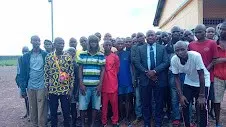
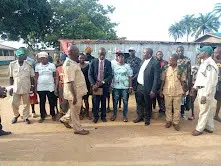
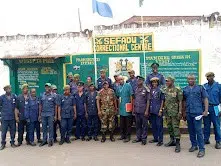
Colonel Sulaiman Sheikh Massaquoi, the Acting Director General of the Sierra Leone Correctional Service, conducted a comprehensive inspection tour of correctional facilities in the Northern Region from October 19th to October 21st, 2023.

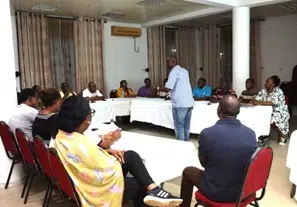
The primary objective of this extensive tour was to acquaint himself with the officers in charge of facilities within the Northern Region. In a candid roundtable discussion, Colonel Massaquoi encouraged these officers and their support staff to approach their duties with a greater sense of dedication. He underscored the importance of their roles, emphasizing that a secure and well-executed job could earn them the respect they rightfully deserve in their families and communities.

Furthermore, the Acting Director General emphasized the humane treatment of inmates under the care of the Correctional Service. He stressed that inmates’ rights and dignity must be respected at all times. Additionally, he addressed the necessity for basic training programs for inmates, ensuring they are equipped with skills that will enable them to reintegrate into society effectively and secure a respectable livelihood upon their release.

Colonel Massaquoi also commended the officers for their vigilance and proactive approach to maintaining safety and security within their respective centers.

During the tour, officers in charge highlighted various challenges they face in their daily operations. Colonel Massaquoi pledged to engage with the appropriate authorities to address those concerns and take necessary actions.

One of the significant highlights of the tour was a visit to the proposed site for the relocation of the Makeni Correctional Centre in Rolakko. The Acting Director General engaged in fruitful discussions with the Paramount Chief and a diverse group of stakeholders on the matter.

The Foreign Consultant and Advisor, Retired Deputy Controller General Afujue Raymond Chuks, provided valuable insights to officers in charge and their subordinates. He emphasized the paramount importance of security as a core focus in correctional operations. He urged the integration of the “big trio” in correctional operations—physical, procedural and dynamic security—as fundamental in executing their daily responsibilities. Chuks also stressed the need for ongoing training at both national and international levels to enhance job performance.

Chuks further emphasized the critical nature of safeguarding keys and ensuring that inmates do not gain access to the keys box. He recommended that the camp master be responsible for the primary keys, while the officers in charge, residing in close proximity to the center, should maintain spare keys for immediate access during emergencies.

In addition to these directives, Chuks advised officers in charge to provide incoming inmates with a thorough briefing regarding their rights and responsibilities and to clearly articulate the penalties for violations. He also called for heightened vigilance among gate lodge officers, as any lapses in security at the entrance could have severe consequences.

Lieutenant Colonel Gogra, the Director of Security and Operations, urged all officers to maintain a heightened level of security consciousness. He further recommended that officers in charge routinely double-check locks after securing inmates for the night. Collaboration with sister security forces was also emphasized as an essential aspect of their duties.

Colonel Massaquoi’s tour of the Northern Region facilities and his engagement with officers and stakeholders signify a renewed commitment to ensuring that the Sierra Leone Correctional Service upholds its mission of safety, security, and effective rehabilitation of inmates. The insights and directives provided by the Acting Director General and his team are expected to contribute to the enhanced performance and integrity of the correctional service in Sierra Leone.

President Bio to Address the Nation Following Successful Mediation Process

By Amin Kef (Ranger)

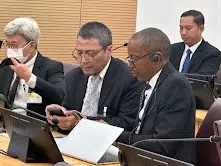
In a significant diplomatic development, President Julius Maada Bio of Sierra Leone is set to address the nation in the wake of a successful three-day mediation process. This process, facilitated jointly by the African Union (AU), the Economic Community of West African States (ECOWAS), and the Commonwealth, was at the invitation of the Independent Commission for Peace and National Cohesion (ICPNC) of the Republic of Sierra Leone.

The mediation, led by Her Excellency Aja Fatoumata C.M Jallow-Tambajang, former Vice President of The Gambia, was supported by technical teams from the three prominent international organizations. Prior to the commencement of the dialogue in Freetown, the mediation delegation held an audience with President Julius Maada Bio at the State House.

This mediation process concluded on Wednesday, October 18th, 2023, resulting in the issuance of a significant Communiqué. This Communiqué is rooted in the “Sierra Leone First Agenda,” emphasizing the commitment to peace, unity, and cohesion.

The government of Sierra Leone has reiterated its dedication to collaborate with all stakeholders in diligently implementing the provisions outlined in the Resolution. As part of this Resolution, President Julius Maada Bio will address the nation on crucial matters relating to dialogue, unity, cohesion, and peace.

It is worth noting that President Bio, in his victory speech following the Multi-Tier Elections of June 2023, expressed a commitment to serve all citizens, regardless of their political affiliations. He called for the unity of the Sierra Leonean people and pledged to work towards building a prosperous and peaceful nation, highlighting the transition from politics to governance.

The President’s upcoming national address is expected to provide further insights into the country’s path towards a harmonious and prosperous future.

President Bio Scoops African President of the Year 2023 Award at the London Political Summit and Awards

By Amin Kef (Ranger)

Sierra Leone’s President, H.E. Julius Maada Bio, was named “African President of the Year 2023” at the 8th annual London Political Summit and Awards (LPSA) held on Friday, 20th October 2023. The ceremony took place at the magnificent Capthorne Tara in Scarsdale, London, marking an important milestone in the three-day summit that started on October 18, 2023. Accompanying the President are Chief Minister Dr. David Moinina Sengeh, philanthropist and business magnate Mohamed Gento Kamara, and several other dignitaries.

The summit, moderated by Nobel Peace Prize recipient Professor Pauline Long, commenced with a parliamentary discussion hosted by the Rt Hon. Paul Bristow, MP for Peterborough, in the British House of Parliament. The discussion revolved around the theme: “How can the People, Politics, and Power Sustain Peace?”

Upon receiving the 2023 Governance Leadership Award, President Bio expressed his gratitude to the Rebranding Africa Forum and emphasized that the award symbolizes the united efforts and dedication of all Sierra Leoneans. He acknowledged that the award is not the end of their journey but a significant landmark towards a brighter future.

President Bio highlighted the importance of unity and collaboration in achieving progress and positive change. He dedicated the award to the countless individuals who have dedicated their lives to uphold the principles and values that guide their work. Furthermore, he emphasized his renewed commitment to these values in facing the trials ahead.

Despite the joyous occasion, President Bio remained aware of the existing challenges facing the country and the continent. He restated his dedication to solving these issues and pledged to uphold the values that have shaped his leadership, embracing resilience, compassion, and a shared vision for a brighter tomorrow.

The event was attended by prestigious panelists, including the Sierra Leone High Commissioner to the United Kingdom H.E. Dr. Morie Komba Manyeh, Professor Kishan Devani BEM, and the Rt Hon. Jonathan Michael Graham Ashworth, MP for Leicester South, among others.

In his acceptance speech, Dr. Morie Manyeh praised President Bio’s achievements in reestablishing Sierra Leone on the global education map, empowering Sierra Leonean women, and removing historical legal barriers to democracy and good governance. He also highlighted the successful implementation of the Free Quality Education policy and a revolutionary agricultural initiative under President Bio’s leadership.

Despite facing global challenges, Sierra Leone has maintained peace and cohesion under President Bio’s leadership. The Institute for Economics and Peace (IEP) ranked Sierra Leone as the 3rd most peaceful country in sub-Saharan Africa and the 47th most peaceful country globally in its 2023 Global Peace Index.

This is the second time President Bio has been honored by the LPSA, having received the “West African President of the Year 2021” award. The LPSA, established in 2016, serves as a vital platform for addressing contemporary social and political issues and recognizing the positive contributions of business and political leaders on the African continent and in the diaspora.

President Julius Maada Bio, already recognized as the Chairperson of the African Peer Review Mechanism (APRM) of Heads of State and Government of the African Union and the ZAWYA “African Person of the Year 2022,” continues to receive national and international accolades for his dedication to placing Sierra Leone on the global map. The recent LPSA accolade adds to his growing collection of honors.