
Home Blog Page 54

Pres. Bio Calls for Stronger Regional Cooperation to Address West Africa’s Security Challenges

President Dr. Julius Maada Bio

By Amin Kef (Ranger)

President Dr. Julius Maada Bio has called for renewed and strengthened regional cooperation, supported by sustained international backing, to effectively confront the growing peace and security challenges facing West Africa.

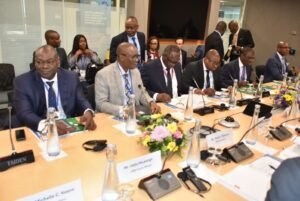
Speaking on January 30, 2026, at the ECOWAS High-Level Consultative Conference on Regional Cooperation and Security in Accra, President Bio warned that insecurity across the sub-region, particularly in the Central Sahel, has reached a critical stage and can no longer be addressed through isolated national efforts. He emphasized that West Africa now faces a shared security reality in which the safety of one nation is inseparably linked to that of its neighbours.

The President, who currently serves as Chairman of the Economic Community of West African States (ECOWAS) Authority of Heads of State and Government, noted that terrorism and violent extremism have evolved faster than existing response mechanisms. According to him, armed groups now operate across borders with greater coordination and increased brutality, exploiting governance gaps and weak security frameworks.

President Bio cautioned that fragmented and reactive approaches have significantly weakened the region’s collective capacity to respond effectively. He stressed the urgent need for a unified, coherent regional strategy anchored by ECOWAS and supported by strong political commitment from member states.

He identified intelligence sharing, border management, logistics and surveillance as essential pillars of regional security that must be prioritized and properly resourced. In that regard, President Bio called for better coordination and reinforcement of existing regional mechanisms, including the Multinational Joint Task Force, the Accra Initiative and ECOWAS early warning and conflict prevention frameworks.

Beyond military responses, the President highlighted the central role of good governance, inclusive development and social cohesion in preventing radicalization and sustaining peace. Drawing from Sierra Leone’s post-conflict experience, he explained that long-term stability can only be achieved by rebuilding trust between citizens and the state. This, he said, requires investments in education, job creation, particularly for young people and women, and the strengthening of accountable and responsive institutions.

President Bio also underscored the importance of international partnerships, especially with the United Nations, in supporting African-led security efforts. He welcomed progress made on United Nations Security Council Resolution 2719 and urged its full and timely implementation in a manner that complements, rather than duplicates, existing regional mechanisms.

In addition, the President identified climate change as a major threat multiplier in West Africa, linking desertification, food insecurity, displacement and competition over scarce resources to rising instability. He called for climate-related risks to be fully integrated into regional early warning systems and security planning frameworks.

Concluding his remarks, President Bio reaffirmed Sierra Leone’s commitment to providing inclusive and decisive leadership as Chair of the ECOWAS Authority. He urged regional leaders and international partners to move beyond declarations and translate commitments into concrete, coordinated action, stressing that West Africa must either secure itself together or risk destabilization apart.

First Resident Algerian Envoy Pays Courtesy Call on Speaker of Parliament

First Resident Algerian Envoy (left) Pays Courtesy Call on Speaker of Parliament (right)

By Amin Kef (Ranger)

The first Resident Algerian Ambassador to Sierra Leone, Hachem Abdelhafid, on Tuesday, January 27, 2026, paid a courtesy call on the Rt. Hon. Segepoh Solomon Thomas, marking a significant diplomatic engagement between Algeria and Sierra Leone.

The visit, held at the Parliament of Sierra Leone, was aimed at strengthening bilateral and parliamentary relations between the two countries, following the establishment of Algeria’s resident embassy in Freetown in 2025. Ambassador Hachem Abdelhafid described the meeting as timely and important, noting that his appointment as the first resident ambassador underscored Algeria’s commitment to deepening diplomatic and institutional cooperation with Sierra Leone.

Expressing appreciation for the warm reception, Ambassador Hachem Abdelhafid acknowledged the Speaker’s demanding schedule and commended the leadership of Sierra Leone’s Parliament. He highlighted shared historical experiences between the two nations, particularly their recovery from civil conflict and emphasized the importance of leveraging those similarities to promote peace, stability and development through parliamentary diplomacy.

The Ambassador further expressed optimism about enhanced cooperation between the two legislatures and formally invited Speaker Thomas to visit Algeria. He said such an exchange would strengthen mutual understanding and open new avenues for collaboration between lawmakers of both countries.

In response, Rt. Hon. Segepoh Solomon Thomas warmly welcomed the Algerian envoy and reaffirmed the long-standing sisterly relations between Algeria and Sierra Leone. He stressed the importance of maintaining resident embassies in both countries as a foundation for sustained diplomatic engagement and institutional cooperation.

To further cement the growing relationship, Speaker Segepoh Solomon Thomas invited Ambassador Hachem Abdelhafid to attend a parliamentary sitting on Thursday, where he would be formally introduced and recognized by Members of Parliament. The Speaker noted that such engagement would enhance parliamentary visibility and foster stronger inter-parliamentary ties.

Highlighting structural differences and learning opportunities, Speaker Segepoh Solomon Thomas pointed out that Algeria operates a bicameral legislature, while Sierra Leone has a unicameral system. He noted that the Sixth Parliament of Sierra Leone, comprising 149 Members, has passed several progressive pieces of legislation and remains committed to enacting reforms that advance national development.

Both parties expressed confidence that the evolving partnership would yield mutual benefits. The visit was widely seen as a positive step toward deepening Algeria–Sierra Leone relations, anchored on cooperation, mutual respect and shared parliamentary values.

Orange Sierra Leone CEO Deepens Strategic Partnerships with Parliament and Key Ministries

The newly appointed Chief Executive Officer of Orange Sierra Leone, Aïcha Touré (right) pose for picture with the Minister of Information and Civic Education, Chernor Bah, after a to the Ministry

By Foday Moriba Conteh

The newly appointed Chief Executive Officer of Orange Sierra Leone, Aïcha Touré, has embarked on a series of high-level courtesy visits to major state institutions, reinforcing the company’s commitment to national development, digital inclusion and sustained public–private collaboration in Sierra Leone.

The stakeholder engagements form part of Madam Aïcha Touré’s early leadership priorities, aimed at strengthening institutional relationships while aligning Orange Sierra Leone’s corporate strategy with the country’s development agenda. Central to those engagements is the shared objective of expanding access to reliable telecommunications and digital services as enablers of good governance, education and socio-economic growth.

As part of the outreach, the Orange Sierra Leone CEO paid a courtesy call on the Parliament of Sierra Leone, where she was received by the Rt. Hon. Segepoh Solomon Thomas at the Parliament Building in Freetown. Discussions focused on strengthening institutional collaboration and exploring opportunities to enhance communication systems that support parliamentary work and national governance.

Commending Orange Sierra Leone for its sustained investment in the telecommunications sector, the Speaker described the company’s contributions as significant and impactful. He assured Madam Aïcha Touré of Parliament’s readiness to collaborate with the private sector in promoting improved connectivity nationwide and encouraged her to embrace Sierra Leone’s peace, hospitality and rich cultural heritage as she settles into her role.

In response, Madam Aïcha Touré reaffirmed Orange Sierra Leone’s readiness to work closely with Parliament and other public institutions to deliver reliable, innovativ, and inclusive digital solutions. She underscored the importance of effective public–private partnerships in accelerating sustainable development and improving the quality of life for citizens.

In a related engagement, the Orange Sierra Leone CEO paid a courtesy visit to the Ministry of Information and Civic Education, where she was warmly received by the Minister, Chernor Bah, at the Youyi Building in Freetown. The Minister congratulated Madam Aïcha Touré on her appointment and encouraged her to consider Sierra Leone her home, assuring her of the Ministry’s full support. He emphasized the Ministry’s openness to sustained engagement with Orange Sierra Leone, noting that the company’s growth and success directly contribute to national development outcomes.

Madam Aïcha Touré expressed appreciation for the warm reception and reiterated her commitment to serving Sierra Leone through innovation, partnership and responsible corporate citizenship. She highlighted Orange’s focus on digital transformation as a catalyst for inclusive growth and effective civic engagement.

Further engagements with the Ministry of Tertiary and Higher Education and the Ministry of Basic and Senior Secondary School Education underscored Orange Sierra Leone’s expanding role in supporting human capital development. Ministers Ramatulai Wuire and Conrad Sacky commended the company’s long-standing partnership with the education sector, particularly the contributions of the Orange Foundation.

Commendations were extended for the Foundation’s support to early childhood education, including the construction of six Early Childhood Development schools, as well as initiatives promoting digital literacy. With more than 3.4 million students in schools requiring increased digital exposure, stakeholders welcomed Orange’s back-to-school promotions and education-focused digital inclusion programmes.

The Ministry of Tertiary and Higher Education also praised Orange’s support for women and girls through the Foundation’s Women Digital Centers, which continue to empower young women with essential digital skills.

Collectively, the courtesy visits signal Madam Aïcha Touré’s broader strategy of engaging key stakeholders to better understand Sierra Leone’s development priorities while strengthening partnerships that promote good governance, digital transformation and inclusive growth. Both Parliament and the Ministries expressed optimism that the renewed collaboration with Orange Sierra Leone will deliver lasting benefits for the country and its people.

Shalimar Trading Consolidates Market Leadership as TVS Bikes Dominate Commercial Transport

Shalimar Trading Company Limited is reinforcing its position as a key player in Sierra Leone’s transportation industry as TVS motorcycles continue to gain widespread acceptance among commercial riders, commuters and small-scale business operators across the country.

From the congested streets of Freetown to rural communities where access and mobility remain critical to economic activity, TVS motorcycles have become a dominant feature of daily transport. Industry observers attribute this growing presence to increasing public confidence in the brand’s durability, fuel efficiency and suitability for the country’s road conditions.

Shalimar Trading’s long-standing partnership with TVS Motor Company, India’s third-largest motorcycle producer, has been central to this expansion. The collaboration has ensured a steady supply of motorcycles supported by structured distribution channels, genuine spare parts and professional after-sales service, factors that continue to influence purchasing decisions among riders.

As the sole authorized distributor of TVS motorcycles, scooters, mopeds and three-wheelers in Sierra Leone, Shalimar Trading Company Limited has positioned itself at the heart of a rapidly evolving transport market. With commercial riding, delivery services and informal logistics expanding nationwide, many operators are increasingly opting for motorcycles known for low maintenance costs, fuel economy and resilience under intensive use.

One of the most visible models on the road is the TVS Star HLX series, available in 100ES, 100KS, 125cc and 150cc variants. The Star HLX has earned a reputation for strength and reliability, making it a preferred choice for riders operating on rough terrain and long-distance community routes. Its widespread use has made it one of the most recognizable motorcycles within Sierra Leone’s transport system.

For traders and household users seeking affordable mobility, the TVS XL 100 moped is also gaining popularity. Known for its fuel-saving performance and practical design, the XL 100 is commonly used for market deliveries and short-distance commercial activities, particularly within urban and peri-urban areas.

Demand is also rising for the TVS Victor motorcycle, which appeals to riders seeking a balance between efficiency, comfort and modern styling. Many users describe the model as a dependable option that meets both work-related demands and personal mobility needs.

In urban centres where traffic congestion is a daily challenge, the TVS Jupiter scooter has emerged as a popular choice among commuters. Riders cite its smooth handling, comfort and ease of navigation as key advantages, particularly for movement through narrow streets and busy commercial zones.

Younger riders and new motorcycle owners are further contributing to TVS market growth through increased interest in models such as the TVS NEO XR and TVS ZT 125. These motorcycles are gaining attention for their modern appearance, versatility and economical performance, aligning with the preferences of a growing segment of the market.

High-performance enthusiasts are also embracing the TVS Apache range, including the Apache RTR 200. Designed with advanced engineering and responsive handling, the Apache models continue to attract riders who prioritize speed, control and a sportier riding experience.

In the shared transport segment, the TVS King Deluxe three-wheeler is playing an increasingly important role. With capacity for up to four passengers, the King Deluxe is widely used by commercial operators and families seeking affordable and reliable multi-passenger transport.

Stakeholders note that Shalimar Trading’s expanding influence extends beyond product availability to its after-sales service network. Customers have access to genuine spare parts and professional maintenance services through multiple outlets in Freetown, including Lumley, Bai Bureh Road and Siaka Stevens Street, enhancing rider confidence and long-term vehicle performance.

Beyond TVS products, Shalimar Trading also distributes other internationally recognized automotive and industrial brands, including Suzuki, Sonalika International, Isuzu, CFMOTO and Leyland. The company’s growing operations, including expansion into Liberia, are contributing to employment, skills development and broader economic activity in the sub-region.

As motorcycles and compact vehicles remain central to Sierra Leone’s transport and commercial landscape, Shalimar Trading’s partnership with TVS Motor Company continues to shape affordable and reliable mobility, supporting livelihoods and meeting the everyday transport needs of communities nationwide.

Parliamentary Transport Committee Conducts Oversight Visit to SLCAA

Director General of the SLCAA, Madam Musayeroh Barrie

The Sierra Leone Civil Aviation Authority (SLCAA) on Thursday, 29 January 2026, hosted the Chairman of the Parliamentary Committee on Transport and Aviation, Parliament of Sierra Leone, Hon. Dickson Momoh Rogers alongside his deputy as part of Parliament’s constitutional oversight responsibility over institutions within the transport sector. The visit focused on assessing the Authority’s operations, regulatory compliance and capacity to deliver a safe, efficient and well-regulated civil aviation system in Sierra Leone.

The oversight engagement provided legislators with first-hand insight into the operational structure, management systems and day-to-day functions of the SLCAA, enabling an on-the-spot evaluation of institutional performance and challenges affecting the aviation sector.

Director General of the SLCAA, Madam Musayeroh Barrie, received the parliamentary delegation and facilitated unrestricted access to management and operational units of the Authority. She formally introduced the committee members to senior Management staff, creating a platform for direct interaction and transparent dialogue on policy, regulation and operational matters.

In her briefing, Madam Musayeroh Barrie outlined the statutory mandate of the SLCAA, emphasizing its central role in regulating civil aviation, ensuring compliance with international safety standards and overseeing aviation security, economic regulation and industry development. She highlighted the Authority’s alignment with the Civil Aviation Act 2023, noting that the Act provides a strengthened legal framework for effective safety oversight and institutional independence.

The Director General also drew attention to operational challenges facing the SLCAA, including resource constraints and the need for continuous capacity building, while stressing that the Authority has recorded notable institutional progress in recent years. These include improvements in regulatory systems, internal processes and compliance mechanisms aimed at enhancing aviation safety and efficiency.

As part of the oversight exercise, the parliamentary delegation was taken on a guided tour of the SLCAA offices, led by the Director General. The tour showcased the Authority’s operational environment and provided practical insight into workflows, institutional capacity and administrative systems supporting regulatory functions.

Discussions during the engagement reaffirmed Parliament’s recognition of the SLCAA as a key regulatory institution within the transport sector. Committee members acknowledged the Authority’s efforts in enforcing aviation safety standards and expressed support for measures aimed at strengthening regulatory oversight, institutional effectiveness and sectoral growth.

The visit reinforced accountability and transparency within the SLCAA by enabling direct engagement between Parliament, Management and staff. It also boosted internal morale, with leadership emphasizing responsibility and continuous improvement in service to the nation.

The Parliamentary Committee on Transport encouraged sustained collaboration with the SLCAA and reiterated the need for continued investment in systems, personnel and regulatory capacity to further enhance safety, efficiency and public confidence in Sierra Leone’s aviation sector.

AI for Inclusive Development: Why Sierra Leone’s Participation in the India–AI Impact Summit Matters

By Shri Baisnab Charan Pradhan, High Commissioner of India to Sierra Leone

By Shri Baisnab Charan Pradhan, High Commissioner of India to Sierra Leone

Artificial Intelligence (AI) is no longer a distant or abstract concept reserved for advanced laboratories and large corporations. It is fast becoming a defining force shaping how societies grow, how economies function and how Governments deliver services to their citizens. For countries across the Global South, AI represents not just a technological shift but a historic opportunity to leapfrog traditional development pathways and build more inclusive, resilient and prosperous societies.

It is in this spirit that India will host the India–AI Impact Summit 2026 (February 19–20 in New Delhi) a landmark global gathering that places inclusion, equity and real-world impact at the centre of the global AI discourse. The Summit draws inspiration from India’s own journey in using technology for social transformation, including insights from NITI Aayog’s seminal report AI for Inclusive Societal Development (October 2025). The participation of the Government of Sierra Leone, along with its emerging technology ecosystem and international partners, will be of particular importance; not only for strengthening India–Sierra Leone cooperation but also for advancing Sierra Leone’s own development and prosperity in the digital age.

Technology That Empowers, Not Replaces

At the heart of NITI Aayog’s report lies a powerful and human question: how can the world’s most advanced technologies reach the most overlooked workers and empower them to claim their rightful place in national growth stories? In India, this question is especially relevant to the nearly 490 million people who form the informal workforce; workers whose skills sustain economies but who often remain outside formal systems of training, finance and social protection.

The report is grounded in the lived experiences of people such as home healthcare aides, carpenters, farmers and daily wage workers. Their stories reflect challenges that resonate strongly with many communities in Sierra Leone: low literacy, language barriers, income insecurity and limited access to formal skilling and markets. Yet, the report makes a crucial point; technology should not replace human skills, it should amplify them.

This philosophy holds deep relevance for Sierra Leone. Like India, Sierra Leone has a youthful population, a large informal sector and immense human potential. AI, when deployed thoughtfully, can help unlock this potential by expanding access to skills, markets, finance and public services.

A Vision for Inclusive AI by 2035

The roadmap outlined in AI for Inclusive Societal Development envisions a future where frontier technologies, Artificial Intelligence, the Internet of Things (IoT), blockchain, robotics and immersive learning, work together to remove systemic barriers faced by informal workers.

By 2035, the report envisages voice-first AI interfaces that overcome literacy and language barriers, enabling workers to access information, training and Government services simply by speaking in their local languages. For Sierra Leone, where linguistic diversity and literacy gaps remain development challenges, such solutions could be transformative, particularly in rural communities.

The report also highlights the role of smart contracts and blockchain-based systems in ensuring transparent, timely payments and reducing exploitation. This has clear relevance for sectors such as agriculture, construction and small-scale services, areas where Sierra Leone’s economy is deeply rooted. Secure and transparent digital systems can strengthen trust, formalize economic activity and improve livelihoods.

Equally important is the emphasis on micro-credentials and on-demand learning, allowing workers to upskill continuously, at their own pace. This model aligns well with Sierra Leone’s aspiration to equip its youth and workforce with future-ready skills without disrupting livelihoods.

From Digital Public Infrastructure to Global Cooperation

India’s confidence in inclusive, at-scale digital transformation is rooted in its proven success with digital public infrastructure (DPI) platforms such as Aadhaar, UPI and Jan Dhan. These initiatives demonstrate that when technology is designed with inclusion at its core, it can reach hundreds of millions of people, reduce inefficiencies and unlock economic opportunity.

For Sierra Leone, the AI Summit provides a platform to explore how DPI-inspired approaches, adapted to local contexts, can support Sierra Leone’s goals in digital identity, payments, service delivery and data-driven governance.

By engaging at the Summit, Sierra Leone can:

  • Exchange best practices on inclusive AI deployment in agriculture, healthcare, education and governance
  • Explore partnerships with Indian and global technology companies working on affordable, scalable AI solutions
  • Strengthen capacity-building efforts, including skilling, research collaboration and institutional development
  • Position itself as an active voice of the Global South, contributing perspectives shaped by African realities

The participation of hi-tech companies and startups from Sierra Leone, alongside international technology firms, will further enrich this engagement. Exposure to India’s vibrant AI ecosystem, spanning startups, research institutions and public platforms, can help Sierra Leonean innovators identify new opportunities, business models and collaborative ventures.

AI as a Driver of Sierra Leone’s Progress and Prosperity

The relevance of AI for Sierra Leone’s development is already evident. In agriculture, AI-powered tools can support crop planning, weather prediction, pest management and market access. In healthcare, AI can help bridge shortages of specialists through telemedicine, diagnostics and data-driven planning. In education, personalized learning platforms can improve outcomes and expand access, particularly in underserved communities.

Governance stands to benefit significantly as well. AI-enabled systems can enhance transparency, improve service delivery, strengthen public financial management and support evidence-based policymaking. When aligned with strong institutions and ethical frameworks, AI can deepen trust between citizens and the state.

The India–AI Impact Summit offers Sierra Leone a unique opportunity to shape how these technologies are adopted; ensuring they are people-centric, inclusive and aligned with national development priorities.

Building a Shared Future

The global conversation on Artificial Intelligence is at a critical juncture. While AI capabilities are advancing rapidly, the risk of a widening global AI divide remains real. Without deliberate action, technological benefits could remain concentrated in a few regions, leaving much of the Global South behind.

India’s approach, reflected in NITI Aayog’s AI for Inclusive Societal Development report and embodied in the India–AI Impact Summit, offers an alternative vision. It emphasizes cooperation over competition, inclusion over exclusion and impact over rhetoric.

For Sierra Leone, engaging with this vision is not just about adopting new technologies; it is about shaping a future where innovation serves development goals, empowers citizens and strengthens sovereignty in the digital age.

Conclusion

The India–AI Impact Summit 2026 comes at a moment of profound opportunity for the Global South. It reflects India’s belief that Artificial Intelligence, when guided by shared values and collective action, can become a powerful force for inclusive growth and shared prosperity.

Sierra Leone’s participation, through Government leadership, private sector engagement and institutional collaboration, will help ensure that this global conversation translates into real benefits at home. By learning from India’s experiences, sharing its own perspectives and forging new partnerships, Sierra Leone can harness AI to accelerate progress, empower its people and build a more prosperous and resilient future.

The growing bilateral partnership between India and Sierra Leone places emerging technologies such as artificial intelligence at the center of future cooperation. Through joint efforts, both countries can show that the future of AI should be inclusive and widely shared; powered by innovation, shaped by equity and rooted in collective progress.

********

Inside Royal Fitness: Freetown’s Rising Hub for Premium Health and Wellness

Royal Fitness

Royal Fitness is steadily redefining modern fitness culture in the capital, positioning itself as one of the country’s leading health and wellness centres through a blend of premium facilities, professional coaching and a strong community-driven approach to healthy living.

Strategically located along the Peninsular Highway in Juba, the facility has become a preferred destination for professionals, athletes, lifestyle enthusiasts and beginners seeking a structured and internationally aligned workout experience. Its growing public reputation is reflected in its 4.5-star Google rating, with members frequently commending the gym’s cleanliness, modern layout, high-quality equipment and attentive customer service.

Industry observers note that Royal Fitness distinguishes itself through a holistic operational model that extends beyond conventional gym routines. The centre offers strength and weight training, functional workouts, cardiovascular programmes, group exercise sessions and recovery-focused routines such as stretching and flexibility training. This inclusive structure allows members across varying fitness levels to pursue personalized goals within a single, well-coordinated environment.

The gym has also built a strong digital footprint, particularly on Instagram, where it has attracted more than 17,000 followers. Operating under the brand theme “Where strength meets rhythm,” Royal Fitness integrates music-driven workouts and high-energy sessions, occasionally featuring international DJs to create an engaging and dynamic atmosphere. That fusion of fitness and entertainment has resonated strongly with younger urban audiences and contributed significantly to its expanding brand appeal.

Management places a premium on professionalism and consistency. Certified instructors and fitness coaches work closely with members to design structured programmes aimed at improving strength, endurance, flexibility and overall wellbeing. Many clients credit the gym’s supportive environment and systematic coaching methods for helping them achieve noticeable lifestyle transformations and enhanced discipline.

Operating daily with extended hours until 11:00 p.m., the facility caters to busy urban schedules, making it particularly attractive to working professionals. Visitor trends indicate that members typically spend between one and three hours per session, reflecting a commitment to comprehensive training rather than brief workouts.

In response to growing health consciousness across Sierra Leone, Royal Fitness has announced an ambitious 2026 wellness drive focused on tackling lifestyle-related diseases through structured physical training, professional supervision and nutrition-based guidance. Management says the initiative aims to reposition the facility as a comprehensive wellness hub that promotes long-term health outcomes rather than short-term aesthetic gains.

A spokesperson for the centre emphasized that sustainable wellness is achieved when physical training, mental discipline and proper nutrition function in harmony. As part of this vision, the gym has expanded its services to include nutrition and diet counselling, ensuring members receive integrated support to enhance performance and overall health.

The facility is equipped with internationally recognized fitness brands such as Technogym, Panatta of Italy and Arsenal Strength of the United States, reinforcing its commitment to global standards in performance, safety and durability.

With more Sierra Leoneans prioritizing preventive healthcare and active lifestyles, Royal Fitness continues to stand out as a driving force in the country’s evolving wellness movement, demonstrating that high-quality, professionally guided fitness services can be delivered locally while aligning with international standards of excellence.

For membership and registration enquiries, Royal Fitness can be contacted on (+232) 90 001000.

UNDP, Africell Partner to Boost Digital Connectivity for Young Innovators in Sierra Leone and The Gambia

UNDP, Africell Partner to Boost Digital Connectivity for Young Innovators in Sierra Leone and The Gambia

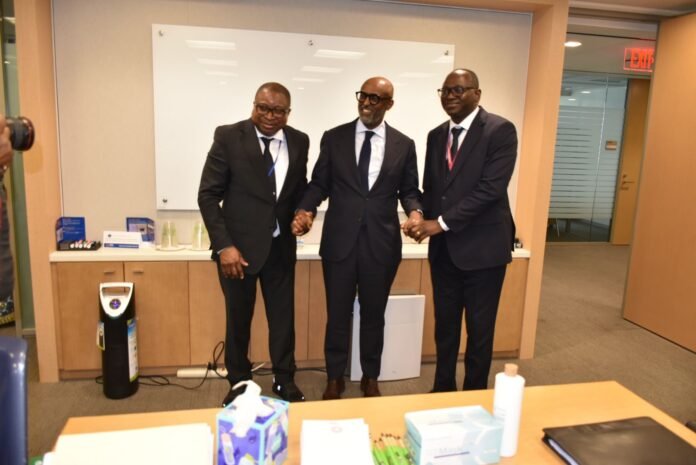
The United Nations Development Programme (UNDP) and Africell have entered into a strategic partnership aimed at strengthening digital connectivity for young innovators in Sierra Leone and The Gambia, a move expected to significantly enhance youth-led innovation and entrepreneurship across the two countries.

The agreement was formalized on Thursday, January 29, 2026, in New York and targets UNDP’s Timbuktoo University Innovation Pods (Uniods); high-tech maker and innovation spaces hosted within public universities. Under the partnership, Africell will provide critical digital connectivity infrastructure, including 4G MiFi devices, high-speed internet access and Internet of Things (IoT) tools to support innovators working within the UniPods.

Those resources will enable students and young entrepreneurs to design, test and scale technology-driven solutions addressing both local and global development challenges. The intervention is expected to remove one of the most persistent barriers to innovation in the region; reliable and affordable internet access.

Speaking on the collaboration, Ziad Dalloul, Group Chief Executive Officer of Africell and President of the Africell Impact Foundation, said the partnership aligns with Africell’s mission to empower Africa’s next generation of innovators.

“This collaboration plays to everyone’s strengths by combining Africell’s connectivity expertise with UNDP’s innovation network,” Ziad Dalloul noted. “By equipping the UniPods in Sierra Leone and The Gambia with Africell’s signature internet services, we are investing in young Africans and helping to turn raw talent into successful enterprise.”

Beyond infrastructure support, the partnership will also extend to joint innovation and accelerator programmes designed to increase youth participation in the UniPods and deepen their long-term social and economic impact. Those programmes will build on existing initiatives of the Africell Impact Foundation, including robotics training, entrepreneurship development and digital skills courses delivered through its learning centres across West Africa.

The collaboration forms part of UNDP’s broader Timbuktoo initiative, a flagship effort aimed at strengthening Africa’s home-grown innovation ecosystem. The Timbuktoo framework includes UniPods, Policy Labs and sector-focused innovation hubs in major African cities, all designed to unlock investment and growth opportunities for African startups and founders.

Ahunna Eziakonwa, Assistant United Nations Secretary-General and Director of UNDP’s Regional Bureau for Africa, emphasized the importance of digital inclusion in shaping Africa’s economic future.

“Digital inclusion is key to Africa’s innovation future,” she said. “This partnership expands digital access and gives young innovators the connectivity they need to turn ideas into impactful solutions. When we invest in young people’s talents and remove barriers to opportunity, we accelerate Africa’s path to competitiveness and inclusive growth.”

UNDP’s UniPods continue to play a growing role in equipping African youth with the tools, skills and networks needed to transform ideas into market-ready solutions. The partnership with Africell is expected to further strengthen this mission, positioning young innovators in Sierra Leone and The Gambia at the forefront of Africa’s digital transformation.

Government Orders One-Month Artisanal and Industrial Fishing Shutdown

By Ibrahim Sesay

The Government of Sierra Leone, through the Ministry of Fisheries and Marine Resources, has announced a one-month closed fishing season for the artisanal fisheries subsector, effective from 1 to 28 February 2026, as part of broader efforts to conserve marine resources and promote long-term sustainability in the fisheries sector.

The announcement was contained in a public notice issued in Freetown on Wednesday, 7 January 2026, in which the Ministry explained that the temporary closure will allow fish stocks to spawn and rebuild their populations, consistent with global best practices in sustainable fisheries management. The intervention, the Ministry noted, falls squarely within its mandate to manage, conserve and maintain Sierra Leone’s fisheries and marine ecosystems.

Speaking on the development, the Minister of Fisheries and Marine Resources, Princess Dugba, disclosed that the Ministry generated Le163 million in revenue in 2025, representing an increase from Le150 million in 2024. She expressed optimism that the sector would perform even better in 2026, adding that responsible resource management remains central to boosting fish production and national revenue.

While seasonal fishing closures have in the past applied mainly to industrial fishing companies, the Government acknowledged that artisanal fisheries, accounting for about 70 percent of the country’s fishing population, had largely been excluded from such conservation measures. The Ministry said the decision to include both subsectors is intended to curb overfishing and address the growing challenge of overexploitation of marine resources.

Under the new policy framework, closed fishing seasons have now been formally adopted as an annual activity. The artisanal fisheries subsector will observe a closure every February, from the 1st to the 28th or 29th, while the industrial fisheries subsector will continue to observe its annual closed season in April, from the 1st to the 30th.

As part of enforcement measures, the Ministry directed that all artisanal fishing canoes must anchor at their respective landing sites by midnight on 31 January 2026. It warned that the closure will be strictly enforced through enhanced monitoring and surveillance, with sanctions for defaulters. Penalties include forfeiture of fish catches, outboard engines and fishing gear, in addition to the imposition of heavy fines.

To ensure compliance, the Ministry said it will continue to work through the Joint Maritime Committee in collaboration with the Sierra Leone Navy, Sierra Leone Police, Office of National Security, Sierra Leone Maritime Administration, artisanal fishermen’s associations, community management groups for marine protected areas, Paramount chiefs, and the eight fisheries outstations nationwide.

The Ministry also assured the public that arrangements have been made with industrial fishing companies to ensure an uninterrupted supply of fish to local markets during the closure period.

While acknowledging the temporary hardship the measure may pose to artisanal fishing households, the Government stressed that the closure is not intended as punishment. Rather, it is designed to secure healthier fish stocks, safeguard livelihoods and build a more resilient fisheries sector.

The Ministry has therefore called on all stakeholders to fully cooperate during the closed season, emphasizing that the short-term sacrifice will yield long-term benefits for coastal communities and the nation as a whole.

Magistrate Hadiru Daboh Jails Sudanese National Over US$14,135 Fraud Case

Magistrate Hadiru Daboh

A Sudanese national, Mohamed Harovna Adam, has been sentenced to thirty-eight (38) months’ imprisonment by the Magistrate Court No.1 in Kenema for fraudulent conversion.

The conviction was handed down on January 27, 2025, by His Worship Magistrate Hadiru Daboh, following Adam’s guilty plea to one count of fraudulent conversion contrary to Section 20(1)(iv)(a) of the Larceny Act of 1916.

Court records revealed that Mohamed Harovna Adam fraudulently converted the sum of Fourteen Thousand, One Hundred and Thirty-Five United States Dollars (US$14,135) entrusted to him by the complainant, Khamis Abdalla Adam, for business purposes. The offence was said to have been committed on diverse dates between 2024 and February 6, 2025, in Kenema City.

The charge was read and explained to the accused in open court by the court clerk, Ibrahim Tomboyeke, after which the accused pleaded guilty without contest.

In delivering his judgment, Magistrate Hadiru Daboh sentenced the accused to 38 months’ imprisonment at the Sierra Leone Correctional Centre (SLCC) in Kenema. The court, however, offered the option of restitution, ordering that the convict may avoid the custodial sentence if he pays the full amount stated in the particulars of the offence.

The complainant, Khamis Abdalla Adam, was represented by prosecuting counsel Joseph Bandabla Dauda, popularly known as JBD Esq., in association with Lawyer Dauda Chorane Gbow. The accused was not represented by legal counsel during the proceedings.

Following the judgment, Mohamed Harovna Adam was remanded at the Sierra Leone Correctional Centre in Kenema to begin serving his sentence.