Home Blog Page 55

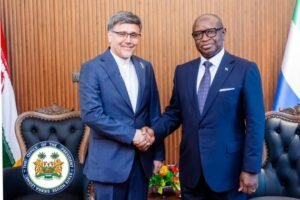
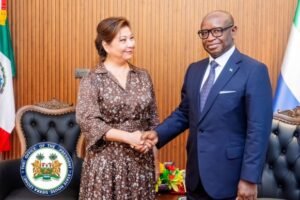
Tourism Ministry & Partners Gear Up for 2026 Budapest–Bamako–Freetown Challenge

Sierra Leone is strengthening its position on the global adventure tourism map as it prepares to host the finish line of the 2026 Budapest–Bamako Rally, one of the world’s largest amateur vehicular and charitable adventure rallies. The landmark event will culminate in Freetown, drawing hundreds of international participants after a transcontinental journey from Europe across North and West Africa.

The Government of Sierra Leone, through the Ministry of Tourism and Cultural Affairs, is leading preparations in collaboration with the National Tourist Board, the Monuments and Relics Commission, VSLTRAVEL, Harmony Travel and Tourism Investment Services (HATTIS) and other public and private sector partners. Together, stakeholders are coordinating logistics, security, route management and community engagement to ensure the successful hosting of the rally’s grand finale.

The 2026 edition of the rally will arrive in Sierra Leone in two major waves. The first batch is expected to enter the country on 8 February 2026, comprising 352 vehicles and 794 participants. This group will proceed to Bureh Beach for an overnight camping experience on 9 February, followed by a finish line ceremony the same day. The second batch will arrive on 5 March 2026 with 203 vehicles and 492 participants, overnighting at Bureh Beach before concluding with a finish line ceremony on 6 March.

Participants will enter Sierra Leone through the Balamuya/Kamakwie and Madina Oula border crossing points in Kambia District. From there, rally convoys will follow designated routes via Kambia, Kamakwie, Kabba Ferry and Gbaray Junction, before passing through Masiaka, Mile 91 and Waterloo. The procession will continue along the Waterloo–Tombo Highway to Bureh Beach, where teams will camp before embarking on a final celebratory drive into Freetown. The victory lap will pass through key city routes including Kissy Road, Siaka Stevens Street, Congo Cross and Wilkinson Road, ending at the Gigibonta Car Park at Lumley Beach, the official finish line venue.

Since 2020, Sierra Leone has successfully hosted five Budapest–Bamako Rally finish line events, a track record that convinced organisers to retain Freetown as the rally’s official destination for a ten-year period running from 2024 to 2034. The continued selection of Sierra Leone follows ongoing security concerns in Mali, which have led to adjustments in the traditional route while keeping Bamako as the symbolic or “spiritual” finish point of the rally.

Declared the Year of Culture and Creativity, 2026 presents an added opportunity for Sierra Leone to showcase its rich cultural heritage, natural beauty and renowned hospitality. Tourism authorities believe the rally will deliver significant socio-economic benefits, including increased international visibility, job creation, revenue generation for local businesses, community development initiatives and cross-cultural exchange.

Beyond adventure and competition, the Budapest–Bamako Rally maintains a strong humanitarian focus. The 2026 edition will include charitable projects across Sierra Leone, Senegal and Guinea, with planned community support activities such as assistance to grassroots initiatives, including the Budapest Beach Boys football team at Bureh Beach.

HATTIS has issued a public appeal to Paramount Chiefs and residents of communities along the rally corridor, particularly in northern districts such as Gbalamuya, Kambia, Barmoi Luma and Port Loko, to turn out in large numbers to welcome participants and demonstrate Sierra Leonean warmth. Authorities have also urged residents to maintain peace and order throughout the event period, noting that the conduct of host communities will shape global perceptions of the country.

With preparations intensifying, tourism stakeholders remain confident that the 2026 Budapest–Bamako–Freetown Challenge will once again affirm Sierra Leone’s growing reputation as a safe, vibrant and attractive destination for international adventure tourism.

No Third-Term Agenda, Says Government; Opposition Warns Against Skipping Due Process

President Dr. Julius Maada Bio

By Amin Kef (Ranger)

The Government of Sierra Leone has firmly dismissed any prospect of a third-term presidency, as senior officials reaffirmed President Julius Maada Bio’s commitment to constitutionalism and democratic governance during the Ministry of Information and Civic Education’s Weekly Press Conference held on Tuesday, January 27, 2026.

Addressing journalists at the Miatta Conference Centre in Brookfields, the Minister of Information and Civic Education, Chernor Bah, said this was the first time in Sierra Leone’s democratic history that discussions around a third-term presidency had not surfaced. He attributed that development to President Bio’s unequivocal respect for the two-term constitutional limit, stressing that the President has made it “abundantly clear” that no third-term agenda would be tolerated.

The Minister emphasized that the ongoing constitutional review process is designed solely to serve the national interest, not the ambitions of any political party. He clarified that the Constitutional Amendment Bill currently before Parliament primarily addresses election-related matters, while other entrenched constitutional reforms would proceed through a broader review process culminating in a national referendum.

The Attorney General and Minister of Justice, Alpha Sesay, also addressed the press conference, providing a detailed briefing on the constitutional review process and the contents of the proposed Constitutional Amendment Bill tabled in Parliament earlier that day.

Tracing Sierra Leone’s constitutional evolution, the Attorney General recalled that the 1978 Constitution established a one-party state, which was later replaced by the 1991 multiparty Constitution shortly before the outbreak of the civil war. He noted that Article 10 of the 1999 Lomé Peace Agreement recommended a comprehensive review of the 1991 Constitution to prevent democratic regression, a call later reinforced by the Truth and Reconciliation Commission (TRC).

Acting on those recommendations, the late Ahmad Tejan Kabbah issued a White Paper and established the Peter Tucker Constitutional Review Committee. That effort was later advanced under former President Ernest Bai Koroma, who constituted the Justice Edmond Cowan Constitutional Review Committee in 2013. The committee, comprising over 80 representatives from political parties, civil society, youth groups and women’s organisations, conducted extensive nationwide consultations.

According to the Attorney General, the committee held more than 10,000 public consultations, received over 150 position papers, conducted 80 expert engagements and 180 direct stakeholder meetings, distributed more than 70,000 consultation forms nationwide and recorded 40,960 website visits. Its report was submitted in 2017, followed by a Government White Paper that accepted some recommendations while modifying others.

In 2021, President Julius Maada Bio issued an additional White Paper, incorporating progressive provisions such as gender equality and women’s empowerment into the proposed new Constitution. Following the 2023 National Peace and Unity Agreement, a Tripartite Committee agreed on 80 recommendations, with non-entrenched clauses tabled as electoral reforms ahead of the 2028 general elections, while entrenched clauses will proceed to a referendum.

Highlighting key amendments in the current Bill, the Attorney General explained that Section 49(1) seeks to empower Parliament to remove a Vice President who is expelled from the political party under which he or she was elected. The Bill also proposes reforms to the proportional representation system by repealing Section 38A and amending Section 74 to allow a category of Members of Parliament to be elected through proportional representation.

Another major proposal seeks to replace the long-standing 55 percent presidential victory threshold with a simple majority of 50 percent plus one vote, alongside a requirement for candidates to secure at least 20 percent of votes in two-thirds of districts nationwide. The Bill also introduces provisions allowing independent candidates to contest presidential elections, subject to strict eligibility criteria.

The Attorney General noted that adopting proportional representation has proven cost-effective, revealing that the Government saved approximately NLe20 million between 2023 and 2025 by avoiding by-elections, with savings redirected to education, health and agriculture.

Civil society voices also featured in the process. Mariama Jalloh, National Director of the Young Women in Governance Network, called for clearly defined women’s rights in the new Constitution, including pay equity, a 30 percent quota for women and improved access to education and healthcare.

Meanwhile, Parliament on Monday, January 26, 2026, held a pre-legislative engagement on the Bill. Welcoming lawmakers and stakeholders, the Clerk of Parliament, Karmoh K. Conteh, assured the nation that due process would be strictly observed. The session featured robust debate, with the Leader of the Opposition, Abdul Kargbo, urging transparency and warning against procedural shortcuts, while the Majority Leader, Matthew Sahr Nyuma, expressed confidence in Parliament’s consultative approach.

The engagement concluded on an optimistic note, with civil society representative, Basita Michael, describing the process as encouraging and reflective of a genuine opportunity to shape a Constitution that serves the people of Sierra Leone.

Orange Sierra Leone Re-Certified as Top Employer for 2026

By Foday Moriba Conteh

Orange Sierra Leone has once again been re-certified as a Top Employer for 2026 by the Top Employers Institute, reaffirming its position as the first telecommunications operator in Sierra Leone to achieve and retain the prestigious global recognition.

The re-certification follows a comprehensive and independent assessment carried out through the Institute’s HR Best Practices Survey, a globally recognized framework that evaluates organisations against internationally benchmarked people-management standards. The assessment covers six core human resources domains, including People Strategy, Work Environment, Talent Acquisition, Learning and Development, Diversity, Equity and Inclusion and Employee Wellbeing.

According to the Top Employers Institute, the recognition reflects Orange Sierra Leone’s sustained commitment to fostering a high-performing, inclusive and engaging workplace culture. The company’s people practices were assessed as being data-driven, structured and aligned with global best practices, reinforcing its focus on employee empowerment, capability development and long-term organizational sustainability.

Commenting on the achievement, Chief Executive Officer of the Top Employers Institute, Adrian Seligman, said the certification highlights Orange Sierra Leone’s strong alignment between its people strategy and organizational objectives.

“Achieving a Country Top Employer Certification for 2026 reflects Orange Sierra Leone’s dedication to building an outstanding workplace that enables sustained business performance,” he said. “Their strong alignment between people strategy and organizational goals, combined with a commitment to continuous improvement, demonstrates the impact of their transformative people practices. We are proud to recognize Orange Sierra Leone for their meaningful contribution to creating a better world of work.”

The Country Top Employer Certification also provides organisations with access to globally benchmarked insights, expert validation and data-driven recommendations designed to strengthen people strategies. Certified organisations benefit from enhanced employer branding, clearer strategic focus, improved decision-making and stronger engagement with talent markets, while also gaining opportunities to connect with a global community of certified Top Employers.

Chief Executive Officer of Orange Sierra Leone, Aicha Toure, described the re-certification as a powerful endorsement of the company’s people-first culture and commitment to excellence.

“This certification is a strong recognition of our people-first culture and our continuous commitment to excellence,” she said. “It reinforces our ambition to be the employer of choice by consistently investing in our employees, promoting inclusion and creating an environment where talent can thrive. Our people are central to our success and to delivering meaningful value to our customers and the communities we serve.”

Human Resources Director at Orange Sierra Leone, Agnes M Songa, also emphasized the company’s focus on employee experience and long-term development.

“Being certified as a Top Employer affirms our focus on delivering a positive and enriching employee experience,” she said. “We remain committed to developing our people through continuous learning, career development opportunities and supportive workplace practices. Our employees are the foundation of our performance today and our growth in the future.”

The Top Employers Institute has certified more than 2,500 organisations across 131 countries and regions worldwide, recognizing companies that place people at the centre of their business strategies and demonstrate excellence in human resources practices.

Orange Sierra Leone is a leading telecommunications operator licensed by the National Communications Authority and is part of the Orange Group. The company continues to play a key role in Sierra Leone’s socio-economic development by delivering responsible, innovative and accessible digital services that improve everyday life while supporting workforce development and national progress.

Vice President Urges Peace, Apolitical Leadership as Bakeloko Installs New Paramount Chief

Vice President Dr. Mohamed Juldeh Jalloh shaking hands with the newly installed Paramount Chief, PC Adikaili Mellah (OPAPA) III in Bakeloko Chiefdom in Port Loko District

By Amin Kef (Ranger)

Sierra Leone’s Vice President, Dr. Mohamed Juldeh Jalloh, on Friday, January 23, 2026, joined residents of Bakeloko Chiefdom in Port Loko District to formally welcome the newly installed Paramount Chief, PC Adikaili Mellah (OPAPA) III, using the occasion to underscore the central role of unity, peace and responsible leadership in driving grassroots development.

The Vice President attended the official home-calling ceremony, a traditional event that marks the return of a newly elected Paramount Chief to his people following the successful conclusion of the chieftaincy election process. The ceremony attracted traditional authorities, elders, youth groups, women’s organisations, local council representatives and community stakeholders from across Bakeloko Chiefdom and neighbouring areas.

Addressing the gathering, Dr. Mohamed Juldeh Jalloh praised the people of Bakeloko and the wider Port Loko District for the calm, inclusive and peaceful manner in which the chieftaincy elections were conducted. He described the process as a strong demonstration of maturity and collective responsibility, noting that peace at the community level remains the foundation upon which national stability and development are built.

The Vice President urged all sections of the chiefdom to continue working together as one family, cautioning that division and prolonged disputes could undermine progress. He encouraged residents to rally behind the new Paramount Chief and support him in promoting reconciliation, dialogue and cooperation among all clans and interest groups within the chiefdom.

Dr. Mohamed Juldeh Jalloh noted that the installation of a young and forward-looking Paramount Chief presents Bakeloko Chiefdom with a unique opportunity to reposition itself for accelerated development. According to him, effective and visionary traditional leadership can strengthen local governance, improve coordination with Government institutions and attract development partners to the area.

Speaking on the role of traditional authorities, the Vice President emphasized that Paramount Chiefs are expected to remain apolitical and serve the interests of all their people without discrimination. He stressed that chiefs must act as custodians of peace, arbiters of justice and champions of development, rather than align themselves with partisan politics.

“Traditional leadership carries a sacred responsibility,” Dr. Mohamed Juldeh Jalloh said, adding that chiefs must always put the welfare, unity and progress of their people above personal or political considerations.

Highlighting Government investments in Port Loko District, the Vice President outlined several infrastructure and social development projects currently underway. These include the construction of new public office complexes, the establishment of a girls’ secondary school, improvements in healthcare facilities and the provision of other essential social services that were previously lacking in some communities within the district.

He explained that those interventions reflect the Government’s commitment to inclusive development and its determination to ensure that rural and semi-urban communities benefit from national growth initiatives. Dr. Mohamed Juldeh Jalloh assured residents that additional projects are in the pipeline, aimed at improving livelihoods, expanding access to education and healthcare and creating economic opportunities, particularly for young people and women.

The Vice President reiterated that development efforts must be people-centred and guided by the real needs and priorities of local communities. He pledged his continued support to Bakeloko Chiefdom and expressed readiness to work closely with Paramount Chief Adikaili Mellah (OPAPA) III, the local council and development partners to deliver sustainable and impactful projects.

Congratulating PC Adikaili Mellah (OPAPA) III on his installation, Dr. Mohamed Juldeh Jalloh encouraged him to lead with humility, integrity and a strong sense of service. He described the Paramount Chief as a critical link between the people and the central Government, whose leadership would be instrumental in maintaining peace and fostering development in the chiefdom.

The ceremony concluded with a renewed call for unity and cooperation, as the Vice President commended Port Loko District for preserving peace throughout the chieftaincy process. He urged all stakeholders to remain committed to dialogue, mutual respect and collective action in order to secure lasting peace, progress and development in Bakeloko Chiefdom.

The installation of PC Adikaili Mellah (OPAPA) III marks the sixth chieftaincy event across the country witnessed by Vice President Dr. Mohamed Juldeh Jalloh, reflecting his continued engagement with traditional institutions as key partners in Sierra Leone’s development agenda.

Lǒr Restaurant Emerges as a Premier Lifestyle Dining Destination in Sierra Leone

Lǒr Restaurant

Freetown’s hospitality and lifestyle sector continues to witness remarkable growth, with Lǒr Restaurant emerging as one of the city’s most celebrated upscale dining destinations. Strategically located along the Peninsular Highway in Juba/Goderich, the restaurant has steadily built a reputation for blending refined cuisine, professional service and breathtaking coastal views into a complete dining experience.

Since opening its doors, Lǒr Restaurant has attracted a diverse clientele, ranging from business executives and diplomats to tourists, families and social groups. Patrons consistently highlight not only the quality of the food but also the attention to detail that defines the restaurant’s service culture; an approach that Management says is anchored on consistency, warmth and guest satisfaction.

At the heart of Lǒr’s growing popularity is its impressively diverse international menu. The restaurant offers a carefully curated selection of Italian, Japanese, Lebanese, Indian and traditional Sierra Leonean dishes, with particular strength in premium grilled meats and seafood. Signature items such as the golden tomahawk steak, T-bone steak, volcano shrimp and Ebi tempura shrimp have become customer favourites, often described as both visually striking and expertly prepared. The menu also caters to lighter tastes, with options such as salmon salad and a variety of seafood platters.

Complementing the cuisine is an ambiance that many diners describe as vibrant yet relaxed. Designed with modern architectural elements, soft lighting and elegant décor, Lǒr Restaurant provides a refined setting that enhances the overall dining experience. Its rooftop bar and dining area, overlooking the Atlantic Ocean, have become especially popular for sunset dinners, celebrations and private events, offering guests a scenic escape from the bustle of the city.

Customer service remains a key pillar of the restaurant’s appeal. Staff members are frequently praised for being courteous, attentive and professional, ensuring that guests feel welcomed and well cared for from arrival to departure. Management officials note that dining at Lǒr is intentionally crafted as an experience rather than a routine meal, combining hospitality, presentation and atmosphere.

To meet the expectations of modern diners, Lǒr Restaurant operates daily from 9:00 a.m. to 11:00 p.m. on weekdays and extends service until 12:15 a.m. on weekends. The restaurant accepts multiple payment options, including cash, Visa, Mastercard and digital transfers, while also providing free parking, valet services and private event spaces for added convenience.

While peak hours can occasionally be busy due to high demand, regular patrons recommend making reservations in advance to ensure a seamless experience. Industry observers believe the restaurant’s success reflects a broader shift toward premium dining and lifestyle experiences in Sierra Leone’s capital.

As Freetown positions itself as an emerging tourism and leisure hub, Lǒr Restaurant continues to stand out as a symbol of culinary excellence and modern hospitality where fine dining truly meets the Atlantic horizon.

Key Information:
Location: Peninsular Highway, Juba/Goderich, Freetown
Phone: +232 90 002000
Cuisine: International (Sierra Leonean, Italian, Japanese, Lebanese, Indian)
Hours: 9:00 AM – 11:00 PM (Weekdays); until 12:15 AM (Weekends)

Connaught Hospital Records Major Infrastructure Upgrades and Improved Care in 2025 Annual Report

Minister of Health, Dr Austin Demby

 By Mohamed Jaward Nyallay

Connaught Hospital, the country’s largest Government-run medical facility and primary referral center, has reported an impressive year of transformation and improved service delivery in 2025. A new Management report highlights sweeping infrastructural development, technological enhancement and a rise in public confidence in the hospital’s quality of care.

The 2025 Annual Report captures key milestones and outlines ongoing gaps for strategic support in the coming year. According to the report, “Key achievements included infrastructural upgrades, improved cleanliness and infection prevention practices, expansion of specialized clinical services, continued digitization efforts and stronger partnerships with local and international stakeholders.”

As the teaching arm of the University of Sierra Leone’s medical program, Connaught Hospital underwent some of its most extensive renovations in decades. Major works included a complete renovation and re-equipping of the Intensive Care Unit (ICU), significantly improving the hospital’s capacity to care for critically ill patients. The construction of a modern Burns and Reconstructive Unit also marked a milestone, expanding access to specialized surgical and rehabilitative care. Meanwhile, the Radiology Complex received a total overhaul and modernization.

It is now equipped with a state-of-the-art 128-slice CT scanner, a 4D ultrasound machine with cardiac imaging capabilities and a digital X-ray system; key advancements that have enhanced diagnostic accuracy and overall service delivery. One of the most significant developments was the Ministry of Health’s successful installation of a 1.2 megawatt solar energy system, which now serves as the hospital’s main power source. This renewable energy shift has improved energy reliability, reduced operating costs and strengthened service resilience. Patient numbers also rose sharply in 2025, reflecting growing public trust in the hospital’s services but also adding pressure on staff and facilities.

Outpatient attendance exceeded 57,000, while admissions increased to 21,000, up from 19,000 in 2024. Theatres were busier as well, with 1,600 surgeries performed compared to 958 the previous year. Despite the higher patient load, the hospital recorded a decline in mortality rates, highlighting significant progress in care quality.

“Increased patient attendance reflected improved accessibility and growing public confidence in the services provided by Connaught Hospital. Although emergency services remained under pressure due to high demand, there were notable improvements in organization, coordination and response times,” the report noted. Connaught Hospital’s achievements mirror broader progress within Sierra Leone’s health sector, underscoring the Government’s ongoing investments in infrastructure, personnel and healthcare delivery nationwide.

Carry Forward the Traditional Friendship and Create A Better Future Together

H.E. Zhao Yong, Chinese Ambassador to Sierra Leone

H.E. Zhao Yong, Chinese Ambassador to Sierra Leone

Sierra Leone and China are thousands of miles apart, but I have a special connection with Sierra Leone. A month ago, I set foot on this beautiful land for the fourth time. Unlike my previous three visits to Sierra Leone from 2005 to 2010, this time, as the ambassador to Sierra Leone, I came to Freetown again and deeply felt “three changes” and “three no changes”.

The first change is that Sierra Leone has made remarkable improvement and progress in economic and social development. Twenty years ago, when I first set foot on this land, Sierra Leone was just emerging from the trauma of civil war. Twenty years later, under the guidance of H.E. President Bio’s “Big Five Game Changers”, the streets of Freetown are booming with prosperity. And as a non-permanent member of the UNSC for the past two years and the chair of ECOWAS, Sierra Leone has made significant contributions to promoting global peace and development, and safeguarding African unity and core interests.

The second change is that China-Sierra Leone high-level exchanges become closer and the relationship is constantly moving forward. In 2024, H.E. President Bio paid a state visit to China and attended the FOCAC Beijing Summit. He is the first Sierra Leonean head of state to visit China twice in a single year. Two months ago, Chinese Vice Premier, Liu Guozhong, successfully visited Sierra Leone. China and Sierra Leone also share broad common interests and similar positions on international and regional issues. And we coordinate closely in multilateral arenas.

The third change is that China-Sierra Leone practical cooperation is continuously deepening and the benefits are enjoyed by the two peoples. In recent years, with joint efforts, China and Sierra Leone completed many projects, such as Juba Bridge, Regent Road, National Optical Fiber Backbone Network and Foreign Service Academy. Last year, benefited from China’s zero-tariff treatment for African countries, Sierra Leone’s Wild Aquatic Products began exporting to China. The bilateral cooperation in the health sector continues to deepen. And people-to-people exchange becomes more frequent. Last year, the Chinese Embassy issued over 6,500 visas to Sierra Leonean citizens, setting a new record.

As time flows, it is heartening to see these pleasant changes. And along with the changes there are three things never changed.

The first thing not changed is the solid bond between our peoples. When Ebola struck Sierra Leone in 2014, China was the first to dispatch medical team here. When COVID-19 emerged in China in 2020, the Sierra Leone Parliament passed a resolution to express solidarity with China. In times of hardship, our two peoples have chosen to stand firmly behind each other.

The second thing not changed is the tradition of unwavering political support between China and Sierra Leone. In 1971, with the support of Sierra Leone and other African brothers, China restored its the lawful rights in UN. Sierra Leone always upholds the One-China principle and provides firm support to China on issues concerning China’s core interests. China firmly supports Sierra Leone to choose a development path suited to its national realities, and supports Sierra Leone’s active role in multilateral platforms such as UN and ECOWAS.

The third thing not changed is the our commitment to jointly uphold international fairness and justice and promote global common development. As fellow developing countries, China and Sierra Leone have consistently supported each other in international affairs, defended the international system with the United Nations at its core, the international order based on international law and the basic norms of international relations founded on the purposes and principles of the UN Charter. We actively safeguard the interests of developing countries and  jointly build an all-weather China-Africa community with a shared future for the new era. We have also made positive contributions to building of a community with a shared future for mankind.

China and Sierra Leone are old friends who understand and cherish each other and good partners who march forward side by side. Under the strategic guidance of our two heads of state, China-Sierra Leone relations have maintained high-level momentum, with steady progress across all areas of cooperation.

As Ambassador to Sierra Leone, I will work with friends from all walks of life in Sierra Leone to deepen the traditional friendship, expand the practical cooperation and elevate China-Sierra Leone relations to new heights in the new era. We will ensure that the fruits of cooperation will benefit the peoples of both countries more extensively and contribute to building an all-weather China-Africa community with a shared future in the new era.

Choithram Foundation Supports 283 Deserving Pupils with NLe285, 000 Scholarship Grant

By Foday Moriba Conteh

In a demonstration of its unwavering commitment to education, the Choithram International Foundation awarded scholarships to 283 deserving pupils from various schools across Sierra Leone. The brief but significant ceremony took place on Thursday, 29 January 2026, at the Choithram Head Office on Rawdon Street, Freetown bringing together pupils, parents, guardians and members of the Press.

In his address, Harish Agnani, Chief Executive Officer, Choithram Group reaffirmed the company’s long-standing commitment to education, healthcare and social welfare in Sierra Leone.
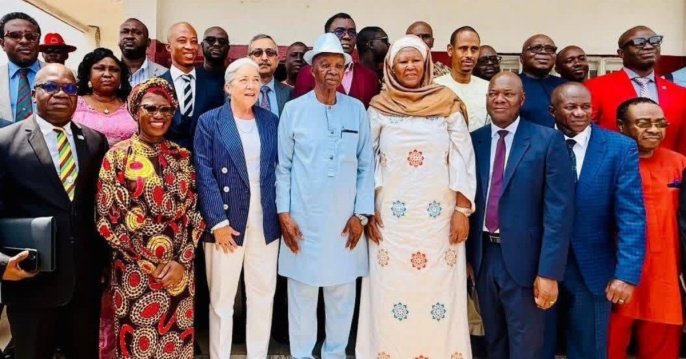
He explained that the scholarship programme has been running consistently for over 50 years, stressing that it has never been interrupted even during difficult periods such as the civil war, the Ebola outbreak and the COVID-19 pandemic. He also described the initiative as a vision of the late Thakurdas Choithram Pagarani, who believed strongly in giving back to society through education and healthcare.

Harish Agnani clarified that the scholarship is a grant-in-aid, not a full scholarship and is awarded strictly on merit. According to him, the selection process is handled independently by the Scholarship Committee, without influence from Choithram Management. Beneficiaries are expected to perform well academically to continue benefiting in subsequent years.

For the 2026 academic year, Harish Agnani disclosed that a total sum of NLe285, 000 equivalent to 285,000,000 Old Leones was expended for this year’s scholarship grant.

Beyond education, Harish Agnani highlighted Choithram International Foundation’s extensive investments in healthcare, particularly through the Choithram Memorial Hospital. He announced the arrival of a six-member team of specialist German doctors on 6 February 2026, who will conduct plastic and head surgeries. Members of the public requiring such medical attention were urged to register early as patient screening is already underway.

The CEO further revealed plans for a major free cataract surgery camp, scheduled to begin around 20 March 2026, with specialist medical teams arriving from India. The initiative, he said, is jointly funded by Choithram International Foundation and Choithram Memorial Hospital, with technical support from partner institutions in India and Dubai. All surgeries, transportation, accommodation, feeding, medication and follow-up care will be provided free of charge.

Harish Agnani noted that in 2025 alone, over 1,500 free cataract surgeries were successfully carried out and expressed optimism that the 2026 programme could benefit up to 2,000 patients depending on the turnout.

He also disclosed that the Foundation routinely supports old people’s homes, children’s institutions and other social causes, in addition to its flagship education and healthcare programmes.

Harish Agnani concluded by thanking the committee for their dedication and reaffirmed Choithram’s continued commitment to supporting vulnerable children and improving access to quality healthcare in Sierra Leone.
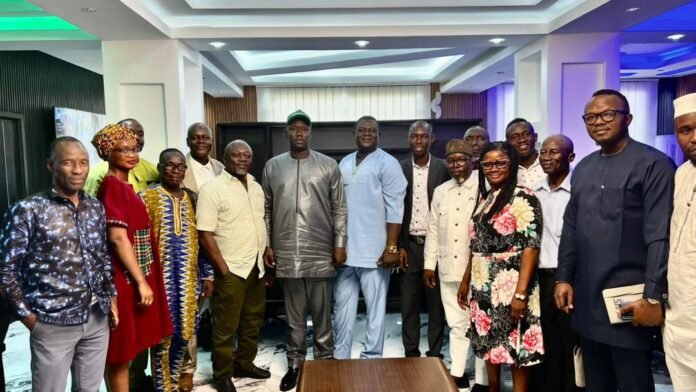
Cornelia Gabbidon, Committee Member, Choithram Scholarship Fund, expressed appreciation to the Choithram International Foundation for supporting pupils across primary, junior and secondary levels, noting that the grant has brought relief to parents facing financial constraints.

She said the initiative complements the Government’s Free Quality Education programme and urged beneficiaries to work hard, remain disciplined and distinguish themselves academically to qualify for future support.

Cornelia Gabbidon also warned that pupils who fail to improve would not benefit next year and advised parents to use the funds strictly for educational purposes. “We encouraged the parents to utilize this grant for the intended purpose and not divert it to other things,” she said.

Lucy Josiah, a parent of one of the beneficiaries, thanked Choithram International Foundation and the committee, describing the scholarship as timely support that would ease the burden of school expenses and help keep their child focused on education. She further expressed hope for the continuation of the grant.

Antontte Mewen, a pupil beneficiary from Methodist Girls High School, expressed happiness and gratitude to the Foundation, promising to study harder and remain disciplined so as to continue benefiting from the scholarship.

Harish Agnani commended the committee members for their voluntary service noting that the selection process often takes four to six weeks to ensure transparency and fairness.

The ceremony climaxed with the official presentation of the grant cheque by Harish Agnani, Chief Executive Officer of Choithram Group, to Cornelia Gabbidon, a Committee Member of the Choithram Scholarship Fund, followed by the distribution of grants to beneficiaries.

Mines Ministry, NMA Inspect Baomahun Gold Project Ahead of Commercial Gold Production

1Mines Ministry and NMA Inspect Baomahun Gold Project

Ibrahim Sesay 

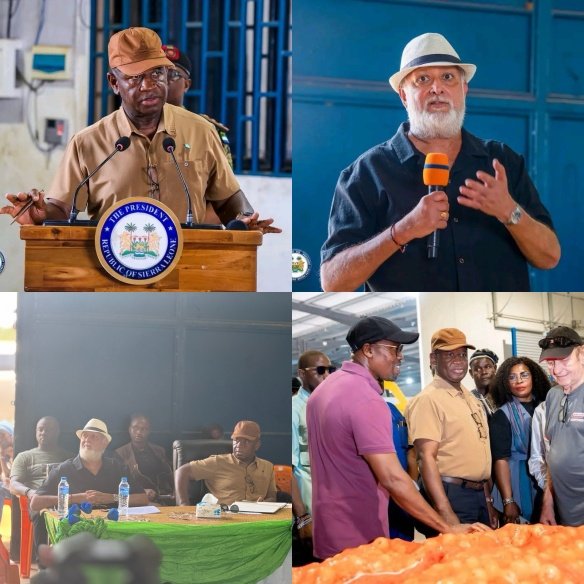
The Ministry of Mines and Mineral Resources, together with the National Minerals Agency (NMA), on Tuesday January 27, 2026 conducted a site visit to assess the progress of the Baomahun Gold Project as preparations speeds up for full-scale mining and commercial gold production later this year.

The visit, which took place in Valunia and Kunike Barina Chiefdoms in the Bo and Tonkolili Districts, was led by the Minister of Mines and Mineral Resources, Julius D. Mattia, alongside senior officials from the NMA, including directors, inspectors and technical experts.

During the inspection, the Project Director of FG Gold Mining Company, Bolaji Okubajo, delivered a comprehensive presentation detailing the company’s operational progress, development strategy and commitment to sustainable mining practices. He reaffirmed FG Gold’s focus on local content development, safety excellence and responsible mining.

Bolaji Okubajo disclosed that a significant portion of the company’s construction and operational activities is being undertaken by locally registered and wholly Sierra Leonean-owned companies, in line with national development objectives. He noted that more than 50 percent of FG Gold’s annual expenditure on goods and services is retained within Sierra Leone, with priority given to host communities, national suppliers and ECOWAS partners.

On infrastructure and technology, Bolaji Okubajo highlighted the deployment of state-of-the-art processing plant technology supported by reputable international partners. Those include engineering, procurement and construction management specialists, integrated battery-powered energy systems, explosives suppliers, geo-technical and tailings storage facility designers as well as globally recognized equipment manufacturers. He said the adoption of new-generation technology has significantly reduced project risks and potential delays.

In terms of employment, FG Gold currently has about 300 direct employees, with projections to exceed 500 workers, excluding contractors. The total workforce on site stands at approximately 1,400 and is expected to peak at around 2,000 during the construction phase. Bolaji Okubajo added that the company has reduced its expatriate workforce from 11 percent to 9 percent, reflecting efforts to maximize national employment, while also increasing female participation as operations commence.


The company also highlighted several completed and ongoing community development initiatives. Those include skills development programmes for youth, with 94 community youths completing driving training, 60 percent of whom are female, four female trainees now operating heavy equipment and over 300 former artisanal miners employed by FG Gold and its contractors.

Key community projects implemented between 2022 and 2025 include the construction of the St. Josephine Bakhita Primary School, renovation of the Baomahun Health Centre, provision of 23 tertiary scholarships under the Valunia Education Fund, drilling of seven water boreholes, renovation of a mosque and ongoing construction of a community town hall. Road grading and repair works covering 68 kilometres from the mine site to Matotoka have also been undertaken.

Speaking during the visit, Minister of Mines, Julius D. Mattia, described the Baomahun site as one of the most highly mineralized gold zones in the country. He recounted the project’s history, highlighting that previous exploration work conducted before the Ebola outbreak had confirmed the area’s significant gold potential.

The Minister said the Government granted FG Gold a mining licence after recognizing the need to transition from artisanal to large-scale mining to maximize benefits for Sierra Leone and surrounding communities. He disclosed that the company has mobilised over US$600 million in project financing to develop the mine.

The inspection team toured several facilities, including workers’ camps, processing plants and key infrastructure such as the ball mill, SAG mill, carbon-in-leach facilities and energy systems. The Minister said the visit was intended to allow Government officials to witness firsthand how a greenfield mining project is being developed organically from the ground up.

Julius D. Mattia expressed optimism that the project would pour its first commercial gold by December 2026, noting that the deposit contains an estimated 4.6 million ounces of mineralization with reserves exceeding 2.1 million ounces.

He added that the project is expected to create jobs, facilitate skills and knowledge transfer, boost national revenue and position Sierra Leone competitively within the sub-region, especially amid rising global gold prices.

The Minister also reaffirmed Government’s commitment to maintaining clear and stable mining laws to attract investors and ensuring that mining contributes meaningfully to economic growth through royalties, taxes and other revenue streams.

The Baomahun Gold Project is projected to become a flagship large-scale gold mining operation in Sierra Leone with expectations of long-term socio-economic benefits for host communities and the country at large.

CRSG Launches First Africa-Based ESG Report, Unveils Joint Skills Programme to Deepen Local Capacity

President Dr. Julius Maada Bio shaking hands with Chinese Ambassador to Sierra Leone, H.E. Zhao Yong

By Alvin Lansana Kargbo

China Railway Seventh Group (Sierra Leone) Co. Ltd. (CRSG) has launched its Environmental, Social and Governance (ESG) Report, marking the first time the company has released a professionally structured ESG report in an African country. The report was unveiled on Tuesday, 27 January 2026, at CRSG’s equipment sales showroom in Songo along the Wellington–Masiaka Highway, underscoring the company’s growing focus on sustainability, accountability and long-term partnership in Sierra Leone.
The ESG launch coincided with the formal unveiling of CRSG’s Joint Education Programme, a tripartite partnership with Zhengzhou Railway Technician College and Freetown Polytechnic, designed to strengthen technical skills development and workforce localization in Sierra Leone’s infrastructure sector.

Speaking at the events, CRSG executives described both initiatives as complementary pillars of the company’s long-term strategy: delivering high-quality infrastructure while investing in people, institutions and sustainable systems.

Earlier in the day, the Joint Education Programme was launched at Freetown Polytechnic’s Jui Campus. The initiative establishes a dedicated vocational training platform aimed at equipping Sierra Leonean youth with practical engineering and technical skills aligned with real industry needs.

Under the programme, CRSG has constructed and equipped a modern multimedia classroom at Freetown Polytechnic, while professional instructors from Zhengzhou Railway Technician College will deliver specialized vocational and technical courses. The first cohort comprises 40 trainees, with CRSG confirming that those who meet required standards upon completion will be offered employment within the company’s Sierra Leone operations.

General Manager of China Railway Seventh Group (Sierra Leone) Co., Ltd., Du Xinguo, said the programme formalizes CRSG’s long-standing commitment to localization. He noted that the company has operated in Sierra Leone for 18 years, contributing to major infrastructure projects while steadily increasing local employment, procurement and skills transfer.

According to Du Xinguo, the programme aligns with China–Africa cooperation frameworks, particularly commitments under the Forum on China–Africa Cooperation (FOCAC) and supports the national development priorities of President Dr. Julius Maada Bio, especially in education, youth employment and human capital development. He added that the initiative is not a standalone corporate social responsibility project but part of CRSG’s core operational strategy.

Principal of Zhengzhou Railway Technician College, Wu Wei, said the partnership blends China’s technical training experience with Sierra Leone’s education system and CRSG’s on-the-ground project environment. He explained that the model integrates classroom instruction, industry practice and labour market demand, ensuring trainees graduate with job-ready competencies.

Principal of Freetown Polytechnic, Dr. Samba Moriba, described the programme as a major step in transforming the institution into a market-driven technical training provider. He said the partnership has already delivered a state-of-the-art teaching facility and strengthened institutional linkages with international technical universities and engineering firms.

Minister of Technical and Higher Education, Madam Haja Ramatulai Wurie, said the initiative reflects Government’s shift toward demand-driven technical and vocational education. She highlighted the programme’s dual apprenticeship model, which allows students to learn in classrooms while gaining real workplace experience, reducing skills mismatch and improving employability.

Officially launching the programme, President Dr. Julius Maada Bio commended CRSG for investing in local talent rather than relying on imported skilled labour. He challenged partners to expand training beyond conventional automotive skills to include heavy machinery and advanced infrastructure technologies, stressing that Sierra Leone must develop the capacity to operate and maintain its own critical equipment.

Later at Songo, CRSG formally unveiled its ESG Report, positioning the company among a growing number of international firms aligning operations in Sierra Leone with global sustainability and governance standards.

Introducing the report, Deputy Manager, Wang Bin, said it was prepared in line with internationally recognized ESG frameworks, including Global Reporting Initiative guidelines, while remaining compliant with Sierra Leone’s laws and regulations. He explained that the report is structured around three core pillars: environmental stewardship, social responsibility and corporate governance.

On environmental stewardship, the report highlights green construction practices, ecological protection measures and environmental safeguards embedded in CRSG’s road and infrastructure projects. On social responsibility, it emphasizes workforce welfare, skills development and community engagement. The governance pillar outlines compliance systems, transparency mechanisms and accountability structures guiding the company’s operations.

General Manager, Du Xinguo, said the ESG report reflects CRSG’s intention to align its operations with Sierra Leone’s sustainable development agenda. He stressed that as global infrastructure delivery increasingly prioritizes green and resilient systems, governance and compliance will remain central to CRSG’s long-term competitiveness.

Minister of Works and Public Assets, Dr. Dennis Sandy, described the ESG launch as significant for the construction sector, calling on industry players to uphold responsibility in contract management, financing arrangements and project execution.

Chinese Ambassador to Sierra Leone, H.E. Zhao Yong, said the report represents an important milestone, noting that CRSG has adopted a people-centred development approach that prioritizes community protection, workers’ rights, environmental responsibility and localization across recruitment and management systems.

In his keynote address, President Julius Maada Bio said the ESG report goes beyond a corporate document, describing it as a statement on how development should be pursued in Sierra Leone. He stressed that infrastructure must protect land and the environment, create decent jobs and be delivered with integrity and accountability. His Excellency reaffirmed that the Government of Sierra Leone fully supports CRSG and other responsible companies operating in the infrastructure sector.
The President welcomed CRSG’s commitments to environmental protection, waste management, local employment and skills training, adding that infrastructure development should build national capacity alongside physical assets.

With major road and construction projects ongoing nationwide, CRSG’s ESG framework is expected to shape how projects are planned, executed and monitored. The company said the report will guide all current and future operations in Sierra Leone, reinforcing its transition from a construction contractor to a long-term development partner.

Together, the launch of the ESG report and the Joint Education Programme signals a broader shift toward sustainable, skills-driven infrastructure development; anchoring CRSG’s expanding footprint in Sierra Leone to local capacity building, transparency and shared long-term growth.