
Home Blog Page 56

Pressure Mounts on Food Companies as Emissions Tracking Moves Beyond Factory Gates

By Amin Kef (Ranger)

A new press release has raised alarm over what experts describe as a major climate data gap at the heart of the global food system; one that is leaving billions of dollars in corporate climate commitments largely unverified and exposing major agribusinesses to growing regulatory and reputational risks.

According to the release, agriculture and food systems are responsible for nearly one-third of global greenhouse gas (GHG) emissions, much of it coming from farm-level and land-use activities such as deforestation, livestock production and cultivation practices. Yet, despite the sector’s significant impact, these emissions are often poorly measured, invisible in reporting or based on broad estimates rather than real, verifiable data gathered directly from farms.

The report points to land-use change as one of the biggest drivers of emissions across agricultural supply chains, noting that about 75% of global deforestation is linked to agricultural expansion. This trend is pushing Governments, investors and consumers to demand greater transparency from companies involved in the sourcing of commodities such as cocoa, palm oil, coffee, rubber and other crops associated with deforestation risk.

While many companies have announced bold “Net Zero” targets, the press release warns that most of these commitments still lack credible verification. Research cited in the document indicates that 82% of corporate Net Zero targets remain unverified, largely due to missing Scope 3 emissions data and limited land-use information. Scope 3 refers to emissions produced across a company’s value chain, particularly those generated before raw materials reach factories, meaning the majority of emissions occur outside direct corporate control but remain central to genuine climate accountability.

Industry analysts say this missing data creates serious blind spots. Many companies still do not have credible farm-level insight into fertilizer use, land conversion, carbon stock, energy inputs, crop management and livestock practices. As a result, companies struggle to identify where emissions are coming from, how to reduce them effectively and whether suppliers are complying with emerging environmental standards.

The press release explains that this problem is becoming more urgent as climate reporting expectations accelerate globally, fueled by investor scrutiny, enforcement frameworks and new regulatory requirements such as the European Union Deforestation Regulation, the Corporate Sustainability Reporting Directive and internationally recognized guidance such as SBTi FLAG and ISO 14068.

To address the “invisible emissions” problem, the release highlights a growing shift toward new monitoring and verification systems that combine geospatial monitoring, satellite imagery and validated on-the-ground data collection. This approach makes it possible for companies to quantify emissions tied to land-use change, detect deforestation risk hotspots and support climate-aligned sourcing decisions.

Koltiva, a global agritech company referenced in the release, is presented as one of the actors contributing to this emerging solution. Through its digital platform and emissions monitoring tools, Koltiva is supporting efforts to integrate verified field data with geospatial intelligence; helping companies turn fragmented farm information into credible, auditable and decision-ready climate data.

The press release underscores that while satellite tools offer broad visibility, they cannot fully explain the real practices happening on farms. Experts argue that “ground-truthing”, the process of validating remote sensing outputs through verified field evidence is essential for building climate data that can withstand scrutiny from regulators, investors and global buyers.

With the global food sector under increasing pressure to prove measurable progress, the document concludes that transparent climate data systems are no longer a luxury but a strategic necessity. It argues that companies able to measure and manage farm-level emissions will set the benchmark for climate-smart agriculture, while those that fail to close the data gap risk falling behind as the world shifts toward higher expectations for verified sustainability and credible Net Zero delivery.

Heirs Holdings Strengthens Board with Appointment of Obinna Ufudo, Sola Yomi-Ajayi

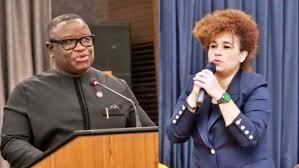
Obinna Ufudo (left) and Sola Yomi-Ajayi (right)

Leading Pan-African investment company, Heirs Holdings, has announced the appointment of Obinna Ufudo and Sola Yomi-Ajayi as Non-Executive Directors, a move the company says will further strengthen its corporate governance framework and deepen strategic oversight across its expanding portfolio.

In a statement released on Monday January 26, 2026 in Lagos, Nigeria, Heirs Holdings described the appointments as a reflection of its continued commitment to building a strong and highly experienced Board, capable of guiding long-term investments and sustaining performance across its operations in Africa and beyond. The company noted that both appointees bring decades of high-level expertise in finance, energy, risk management, governance and global markets.

Sola Yomi-Ajayi, a seasoned banking and governance professional, brings over 30 years of experience in financial services, regulatory engagement, enterprise risk management and corporate governance. She previously served as an Executive Director at United Bank for Africa (UBA) and later became Chief Executive Officer for UBA’s International Business, as well as Country CEO for UBA America.

Beyond her work within UBA, Yomi-Ajayi has served on several global and institutional platforms, including the boards of UBA United Kingdom (UK) and the Business Council for International Understanding (BCIU). She is also a member of the OECD Blue Dot Network Executive Consultation Group. Her professional record further includes previous roles on the Sub-Saharan Africa Advisory Committee of the US Export-Import Bank (US EXIM) and the Board of Trustees of the Institute of International Banking (USA).

Academically, she holds a Master of Business Administration from Aberdeen Business School, Robert Gordon University, and is a Fellow of the Chartered Management Institute (UK), as well as a member of the Association of MBAs. She also earned a Corporate Governance Certificate from Wharton Business School, University of Pennsylvania and a Leadership Certificate from Harvard Business School.

Obinna Ufudo, on the other hand, brings over three decades of leadership experience spanning banking, energy, investment and corporate transformation. He previously served as Executive Director and Chief Operating Officer at Heirs Holdings and later became President and Group CEO of Transnational Corporation of Nigeria (Transcorp), where he led a major turnaround programme. During his tenure, he executed the landmark acquisition of the Ughelli Power Plant, regarded as one of Nigeria’s most significant power sector transactions.

Ufudo is also the Founder and Chairman of Atiat Leasing Limited and the Co-Founder and Chairman of LoanBook Limited, reinforcing his reputation as a business leader with deep expertise in strategy and enterprise growth. He holds executive and postgraduate qualifications from Wharton School (AMP), the University of Reading (M.Sc., Chevening Scholar) and IESE Business School (Executive MBA). He is also a Fellow of the Chartered Institute of Bankers of Nigeria.

Commenting on the appointments, Heirs Holdings Founder and Group Chair, Tony O. Elumelu, CFR, welcomed the new directors and praised their contributions to Africa’s private sector development.

“We are pleased to welcome Obinna Ufudo and Sola Yomi-Ajayi to the Board of Heirs Holdings,”  Tony Elumelu said. “Both Obinna and Sola are role models for Africapitalism. Their depth of experience and track records will further support our leadership in Pan African proprietary investment; together, they bring highly relevant experience for our portfolio development.”

Heirs Holdings remains one of Africa’s leading investment firms, with interests across energy, power, banking, insurance and financial services, technology, real estate, hospitality and healthcare, operating in twenty-four countries worldwide. The company said it remains guided by its Africapitalism philosophy, driven by long-term capital deployment, operational excellence and sustainable wealth creation across the continent.

MRCG Highlights Threats, Assaults and Digital Risks Facing Journalists in Sierra Leone

Dr Francis Sowa Esq.

By Amin Kef (Ranger)

The Media Reform Coordinating Group (MRCG) has raised fresh concerns over the state of press freedom and journalist safety in Sierra Leone, following a series of unresolved incidents recorded in its December 2025 Media Freedom Review.

The monthly publication, produced through the monitoring and reporting of freedom of expression and the press, internet freedom, digital and online rights, and the safety and security of journalists, highlights multiple cases ranging from intimidation and threats to assaults, restrictions on access to Parliament and the ongoing murder trial of a journalist in Waterloo.

According to the review, MRCG followed up on key incidents including the alleged intimidation of journalist Lamarana Bah, online threats made against Yusuff Moseray Suma, the withdrawal of broadcast frequency from G8 Media Group by the National Telecommunications Authority (NaTCA), alleged physical and verbal assaults on journalists and the continued restriction of a journalist from accessing Sierra Leone’s Parliament.

MRCG said there was no new development on the matter relating to the alleged intimidation of Amadu Lamrana Bah, a presenter of the “Morning Devotion” programme on Truth Radio, by an individual identified as Admire Bio on 14 October 2025.

The intimidation allegedly followed public comments made by Lamrana Bah about the devastating effects of the synthetic drug “Kush” on Sierra Leone’s youth.

MRCG quoted Kabbah Lavalie, an officer attached to the Cyber Unit at the Criminal Investigations Department (CID), who stated that investigations into the matter were still ongoing.

The report also revisited the case of Yusuff Moseray Suma, former News Editor and Head of Current Affairs at Unity Broadcasting Online TV in Freetown, who was allegedly threatened online by an unknown individual during a live broadcast on 22 October 2025.

Yusuff Moseray Suma told MRCG that he had not yet reported the matter to the police.

The controversial broadcast was reportedly based on political discussions concerning the Sierra Leone People’s Party (SLPP), including allegations of threats to democracy and remarks on political suppression made during an inaugural ceremony for the party’s newly elected executive.

MRCG further reported that there was still no progress regarding the withdrawal of broadcast frequencies from G8 Media Group by NaTCA.

Co-owner Thomas Dixon said engagements with relevant stakeholders, including NaTCA, the Minister of Information and Civic Education Chernor Bah and the Chief Minister Dr. David Sengeh, had not yielded any positive response.

The report recalled that on 30 July 2025, just days before G8 Media’s planned launch, the President of the Sierra Leone Association of Journalists (SLAJ), Alhaji Manika Kamara, confirmed that engagements were still ongoing with NaTCA to resolve the matter.

However, MRCG’s December review suggests that the dispute has remained stagnant months later.

Another issue addressed in the report is the alleged assault of Foday Fofanah, a camera operator with Africa Young Voices (AYV), who was reportedly attacked by armed personnel of the Sierra Leone Police on 21 May 2025 at the Old Road Model Junction.

The incident allegedly occurred after Foday Fofanah intervened in a public confrontation involving police officers and a commercial motorbike rider, during which female street vendors’ goods were reportedly destroyed. Foday Fofanah expressed concern over the women’s losses, but was allegedly physically attacked by police officers and sustained multiple injuries.

AYV’s Head of Television, Aki Coker, was quoted as saying the police had still not called AYV, despite earlier assurances. On the other hand, police reportedly stated they were waiting for the journalist to assist with investigations.

In the case involving Tejan Sheikh Rogers, a lecturer at Milton Margai Technical University, MRCG said there was no new development in December 2025.

Tejan Sheikh Rogers appeared in court on 17 March 2025 on a cyber stalking charge under Section 44(2)(b) of the Cyber Security and Crime Act of 2021, for allegedly using his WhatsApp number to post recorded audios and text messages in a group titled “Maada must stay campaign.” The messages were said to have damaged the reputation of the university’s Vice Chancellor and Principal, Dr. Philip Kanu.

The matter was heard on 11, 13 and 20 June 2025 at Pademba Road Magistrate Court No.2. A bench warrant was later issued by Magistrate John Manso Fornah after the accused failed to appear in court, but Tejan Sheikh Rogers eventually reappeared on 1 July 2025 and the case was committed to the High Court for further hearing.

MRCG also cited the continuing case of journalist Melvin Tejan Mansaray, a member of the Sierra Leone Parliamentary Press Gallery, who was barred from accessing the precincts of Parliament on 10 January 2025 by Speaker Rt. Hon. Segepoh Solomon Thomas over allegations of “malicious criticism.”

Melvin Tejan Mansaray reportedly said the Privileges and Ethics Committee’s report had already been tabled but Parliament had yet to set a date for debate.

He further told MRCG that his lawyers were reviewing an open letter he intended to send to President Julius Maada Bio to express dissatisfaction over the lack of progress.

One of the most serious cases remains the alleged murder of journalist Samuel Brima Mattia, Deputy Station Manager of Voice of Peace and Development (VOPAD) Radio FM 96.5.

The matter was heard on 4 December 2025, when a police investigator, Abu Bakarr Kargbo, told the court that Joseph M. Lamin had admitted to murdering Samuel Brima Mattia and explained how the killing was carried out, including the alleged involvement of two other accused persons.

However, Musa Baratay Esq, representing Joseph Lamin, rejected the investigator’s statement and insisted the first accused denied the allegations at the CID, adding that there was no evidence to show Joseph Lamin fought with the deceased at VOPAD Radio.

The case was adjourned to 11 December 2025, but no sitting occurred on that date. Justice Mark Ngebga of High Court No.1 later adjourned the matter to 15 January 2026.

Samuel Mattia was allegedly murdered on 16 January 2025 in Waterloo, Western Rural District.

MRCG said its media freedom initiative is funded by the National Endowment for Democracy (NED) in the United States and aims to strengthen democratic dialogue and accountability, consolidate peace and promote development through professional, independent and sustainable media grounded in freedom of expression and press rights.

Read the full report here:
https://mrcgonline.org/media-freedom-review-december-2025/

ECSL to Benefit from India’s Election Technology and Training Support for 2028 Polls

The Acting Chief Electoral Commissioner (CEC) and Chairman of the Electoral Commission of Sierra Leone (ECSL), Edmond Sylvester Alpha, has held a bilateral engagement with the Chief Election Commissioner of the Election Commission of India (ECI), Shri Gyanesh Kumar, as efforts intensify to strengthen preparations for Sierra Leone’s 2028 General Elections.

The meeting took place on Friday, 23 January 2026, during an international conference for Heads of Electoral Management Bodies (EMBs), where global election leaders gathered to exchange experiences and explore cooperation on strengthening democratic processes.

The engagement comes at a time when India has assumed the Chair of the Council of Member States of International IDEA for 2026. India’s chairmanship will be led by the ECI Chairman and supported by the Indian International Institute of Democracy and Electoral Management (IIIDEM), a major institution dedicated to training and research in democracy and electoral governance.

During the discussions, Shri Gyanesh Kumar made three significant offers aimed at supporting ECSL in its preparations for credible, peaceful and transparent elections.

First, the ECI Chairman offered technical support for Sierra Leone to adapt and use India’s ECINET application in the administration of elections. He said India is ready to dispatch ICT experts to Sierra Leone to develop and improve the ECINET system to meet local conditions and enhance operational efficiency.

“India is ready and willing to send ICT experts to Sierra Leone to develop and even better the ECINET to appropriately suit the Sierra Leone context,” Shri Gyanesh Kumar assured.

Secondly, the ECI Chairman pledged full access for ECSL officials to benefit from the training opportunities of IIIDEM, which he described as the world’s largest training institute for democracy and elections. He said the facility has a 90-bed capacity and modern infrastructure designed to host election experts from across the globe for specialized training in a wide range of electoral fields.

Thirdly, he promised that a team of ECI experts would be available to visit Sierra Leone to share best practices and provide technical guidance in mutually agreed priority areas ahead of the 2028 elections.

Responding, Edmond Sylvester Alpha expressed delight at the gesture, noting that the offers reflect India’s longstanding commitment to supporting Sierra Leone’s democratic development. He reminded the ECI Chairman that India had previously provided crucial electoral materials, including indelible ink and supported capacity-building programmes for ECSL staff.

Edmond Sylvester Alpha welcomed the proposed support and assured the ECI leadership of ECSL’s commitment to deepening collaboration between the two electoral institutions. He added that both sides are working toward formalizing cooperation through a Memorandum of Understanding (MoU) which currently exists in draft form and is expected to be signed in due course.

As a symbol of friendship and partnership, the ECI Chairman presented an Indian painted artwork to the ECSL Acting Chairman, describing it as a gesture of goodwill from host to guest.

Meanwhile, Edmond Sylvester Alpha also held separate informal engagements with counterparts from the region, including Nigeria’s INEC Chairman, Amupitan Joash Ojo and Kenya’s IEBC Chairman, Erastus Edung Ethekon, discussing areas of possible collaboration and shared electoral learning.

From the perspective of the ECSL Acting Chairman, the engagements have set the stage for stronger international partnerships and accelerated institutional development, positioning ECSL to benefit from global best practices as the Commission prepares for the 2028 General Elections.

CID Probes Alleged Assault on Former Inspector General in Bo

Former Inspector General of Police (IGP), Michael Ambrose Sovula

Former Inspector General of Police (IGP), Michael Ambrose Sovula, is reportedly receiving medical treatment after he was allegedly attacked at the Bo Police Station on Sunday, 5th January 2026, at around 5:00pm.

Competent sources in Bo District said the former police chief was pelted with stones by a group of irate youths, who were allegedly acting on the orders of the Member of Parliament for Bumpe-Ngao Chiefdom, Hon. Charles D. Abdulai.

Due to his reported health condition, Michael Ambrose Sovula could not speak to the media. He was instead represented by his younger brother, David Sovula, who briefed journalists during a mini press conference held at the Choithram Memorial Hospital on Hill Station in Freetown, where the former IGP is currently hospitalized.

Addressing the media, David Sovula alleged that Hon. Charles D. Abdulai personally took part in the attack and threatened to kill the former IGP. He claimed the MP used his mobile phone to hit Michael Ambrose Sovula during the confrontation.

David Sovula further stated that the alleged hostility is linked to a recent Paramount Chieftaincy election in Bumpe-Ngao Chiefdom, which was won by Paramount Chief Alfred Sovula Gbandoma II Esq, the son of the form IG. Charles D. Abdulai became displeased after his preferred candidate lost the election “woefully,” and has since filed a petition challenging the outcome.

David Sovula also accused the MP of allegedly inciting residents in the chiefdom not to pay their local taxes, claiming there was “no Paramount Chief” in the community due to the ongoing petition.

He further alleged that Hon. Charles Abdulai has publicly questioned the qualification of the new Paramount Chief, describing him as “too young” to hold the position.

The incident reportedly occurred amid rising tension in the chiefdom following an allegation that some charms were discovered in the community, believed to have been intended to poison the local water source.

Reports say the Chiefdom Imam, Brima Bassie, who made the discovery, was asked by the authorities to testify. However, during the process, he was allegedly attacked and beaten by some hooligans,but was rescued through the timely intervention of police officers.

David Sovula denied allegations that his brother or family had any connection to the charms, insisting that the former IGP had no reason to harm his own people.

A police source in Bo, who spoke on condition of anonymity, told this medium that officers saw Hon. Charles Abdulai throw his mobile phone at Michael Ambrose Sovula, which allegedly struck him in the stomach. However, the source maintained that the MP did not physically beat the former IGP.

Efforts to reach Hon. Charles Abdulai for comment reportedly proved futile.

Meanwhile, the Criminal Investigations Department (CID) in Freetown has taken over the matter and is currently investigating the alleged attack.

Authorities are yet to issue an official statement as investigations continue.

Vice President Chairs Inaugural MCA-SL Board Meeting on $480 Million MCC Energy Compact

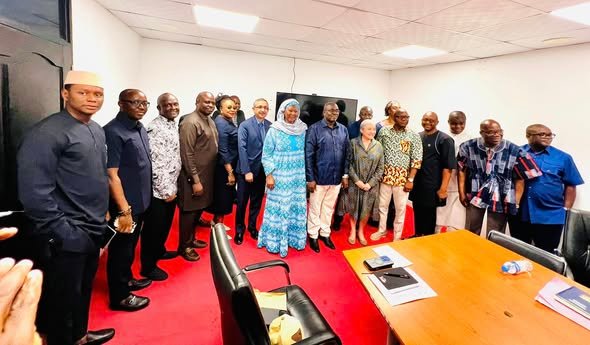
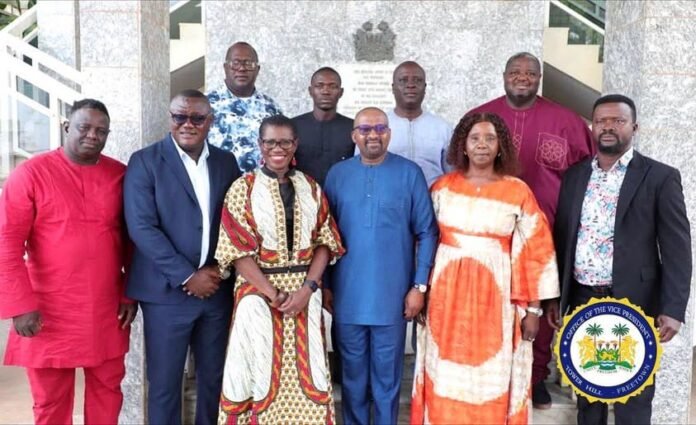
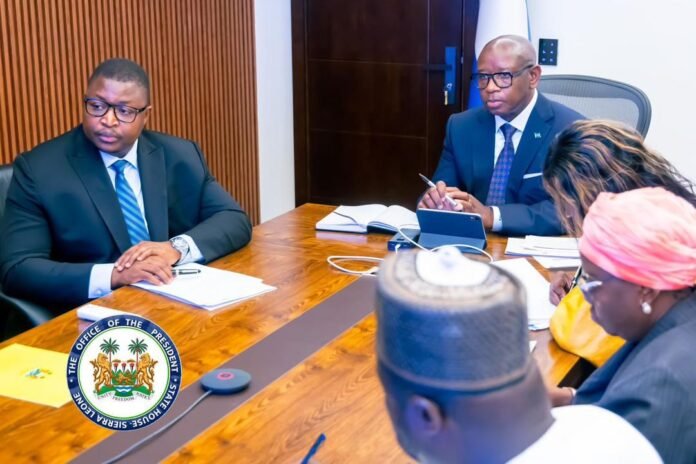
Vice President, Dr. Mohamed Juldeh Jalloh meeting Millennium Challenge Account–Sierra Leone (MCA-SL) Board of Directors

By Amin Kef (Ranger)

Vice President of the Republic of Sierra Leone, Dr. Mohamed Juldeh Jalloh, has chaired the inaugural meeting of the Millennium Challenge Account–Sierra Leone (MCA-SL) Board of Directors, marking a major step forward in the implementation of the $480 million Millennium Challenge Corporation (MCC) Energy Compact.

The historic meeting, held on Friday, January 23, 2026, signals the beginning of a new phase of strategic oversight and institutional coordination aimed at ensuring that the compact delivers lasting improvements to Sierra Leone’s power sector. The Vice President’s leadership at the first sitting of the Board underscores Government’s commitment to strengthening governance structures and ensuring that the compact’s objectives translate into real benefits for households, businesses and national development.

Speaking after chairing the session, Vice President Dr. Mohamed Juldeh Jalloh described the inaugural engagement as a major milestone for Sierra Leone, coming at a time when the country is positioning itself for a future driven by sustainable energy access, expanded infrastructure and stronger international cooperation.

“I chaired the inaugural meeting of the MCA-Sierra Leone Board of Directors overseeing the $480 million MCC Energy Compact implementation. I am excited about the future of United States–Sierra Leone relations and more importantly, the impact the Compact will have on Sierra Leone’s energy sector,” the Vice President stated.

Dr. Mohamed Juldeh Jalloh noted that the meeting was particularly significant because it followed the adoption of the national energy sector roadmap, a guiding framework expected to shape reforms and investment priorities across the power sector. He expressed confidence that the steps being taken reflect Sierra Leone’s determination to resolve longstanding electricity challenges through partnership, innovation and accountability.

“This meeting is a significant milestone following the adoption of the energy sector roadmap yesterday. The future of Sierra Leone is indeed very bright,” he added.

The United States Embassy in Freetown also hailed the inaugural Board meeting as a landmark achievement in the mobilization of the energy compact, congratulating the Government of Sierra Leone for reaching a critical stage in the programme’s rollout.

“Congratulations to the Government of Sierra Leone on a milestone achievement in MCC Compact mobilization! The MCA Board of Directors had its inaugural meeting and orientation, chaired by Vice President Dr. Mohamed Juldeh Jalloh. The MCA Board will help ensure that U.S. investments are used effectively and responsibly, advancing American interests while supporting Sierra Leone’s progress,” the Embassy stated on its official platform.
The MCA-SL Board is expected to play a central role in supervising the compact’s implementation by ensuring transparency, efficiency and responsible utilization of funds. With the Vice President at the helm, the Board is mandated to provide strategic direction and oversight so that the compact’s long-term impact can be fully realized and protected.

The $480 million MCC Energy Compact is widely considered one of the largest single investments in Sierra Leone’s electricity sector, designed to support a five-year programme focused on improving power infrastructure, expanding access and strengthening reforms across the system. For years, Sierra Leoneans have endured persistent power supply challenges, including frequent blackouts, low voltage and limited electricity coverage; factors that continue to affect businesses, public services and quality of life.

Under the compact, experts say targeted interventions will address both technical limitations and institutional weaknesses that have slowed the sector’s growth. Key priorities include strengthening transmission capacity to improve grid stability, upgrading distribution networks to reduce losses and improve service reliability and supporting reforms that enhance planning, regulation and operational performance within the energy industry.

Analysts believe that achieving reliable electricity is essential to Sierra Leone’s broader development agenda, as stable power is directly linked to economic productivity, job creation, improved health services, quality education delivery and stronger investor confidence. Improved electricity access is also expected to reduce dependence on expensive generators, lowering operating costs for enterprises and helping communities thrive.

With Vice President Dr. Mohamed Juldeh Jalloh guiding the compact through the MCA Board’s leadership structure, Government officials and development partners remain optimistic that Sierra Leone is now firmly on track toward achieving sustainable improvements in energy access, national efficiency and long-term economic growth.

Royal Fitness Unveils 2026 Drive to Fight Lifestyle Diseases Through Training and Nutrition

Royal Fitness

By Foday Moriba Conteh

Royal Fitness, one of Sierra Leone’s fast-rising wellness facilities, is steadily cementing its position as a top destination for fitness, lifestyle improvement and personal transformation, as it rolls out expanded programmes and enhanced services for 2026.

Located along the Peninsular Highway in Juba, Freetown, the modern fitness centre has continued to attract increased patronage from individuals, families and corporate clients seeking a structured and professional approach to healthy living. With lifestyle diseases, stress-related conditions and physical inactivity becoming growing public health concerns, the gym is pushing a message that fitness is no longer optional but necessary for sustainable wellbeing.

Rather than presenting exercise as a short-term trend, Royal Fitness is promoting wellness as a lifestyle culture; one that builds discipline, strength, confidence and long-term health outcomes. Management says the facility’s main focus is not only appearance-driven goals but a full wellness journey that helps members adopt consistent habits that support both body and mind.

“Fitness must not be seen as a luxury reserved for a few. It is essential for everyone. Our goal for 2026 is to keep Sierra Leoneans motivated to prioritize their health and begin a new journey of wellness,” a spokesperson stated.

Visitors to Royal Fitness often describe the experience as similar to high-end gyms found abroad, thanks to its organized layout, clean environment and well-equipped workout zones. The facility accommodates different fitness categories from beginners working on basic conditioning to experienced athletes training for high performance and endurance.

The gym features multiple workout spaces, including cardio training zones, weight and strength stations, and areas dedicated to group exercises such as aerobics, stretching and yoga. This variety, officials say, ensures members have access to flexible routines that match their goals and physical abilities.

One of the driving forces behind Royal Fitness’ growing popularity is its emphasis on professional coaching and safe workout routines. The gym offers certified trainers who work closely with members to develop personalized plans based on individual targets such as weight loss, muscle building, body sculpting, endurance development and athletic conditioning.

Management noted that the supervised training approach has helped members stay committed, remain accountable and avoid injuries caused by improper techniques or excessive strain.

In addition to its core fitness sessions, Royal Fitness has introduced broader wellness services intended to support full-body outcomes. Members have access to energetic group activities such as spinning, Zumba and aerobics, while those seeking personalized sessions can benefit from one-on-one coaching packages tailored to individual needs.

The gym has also expanded into nutrition and diet counselling, recognizing that healthy feeding remains a key foundation of successful fitness progress. Officials believe combining workouts with proper nutrition provides a stronger pathway to lasting transformation.

Royal Fitness has also increased investment in internationally trusted fitness equipment, reflecting its ambition to match global training standards within Sierra Leone. The facility features machines produced by Technogym, an Italian brand known for its digitally integrated systems that allow users to track and assess performance, while offering customized routines. Technogym is globally recognized for its association with Olympic-level training and professional sports development.

The gym also offers Panatta, another respected Italian manufacturer widely known for ergonomic strength-training equipment that supports safe movement and reduces injury risks. In addition, Royal Fitness provides Arsenal Strength, a durable American-made brand highly favoured by athletes and elite trainers for power-based conditioning and strength development.

Beyond machinery and programmes, Royal Fitness says its strongest focus remains building a supportive gym culture rooted in motivation, professionalism and self-improvement. The centre maintains a secure and comfortable environment, while offering flexible membership options for individuals, families and corporate organisations to increase accessibility.

As the year continues, Royal Fitness is positioning itself as a leading voice in Sierra Leone’s growing health-conscious movement, proving that world-class wellness standards can be built locally through investment, vision, professional service and commitment to excellence.

For membership and registration inquiries, Royal Fitness can be contacted on (090) 001000, as it continues its pledge to deliver “royal care” through fitness and lifestyle transformation.

Attorney General Calls for Public Input as Constitutional Amendment Process Begins

Attorney General and Minister of Justice, Alpha Sesay

By Amin Kef (Ranger)

The Parliament of Sierra Leone on Monday, January 26, 2026, convened a pre-legislative engagement on the proposed Constitutional Amendment Bill, which seeks to amend the 1991 Constitution of Sierra Leone and address related matters.

Leading the engagement, Sierra Leone’s Attorney General and Minister of Justice, Alpha Sesay, outlined the origins, scope and intent of the ongoing constitutional review process. Addressing Members of Parliament, stakeholders and the public, he explained that the proposed amendments trace their roots to the Lomé Peace Accord Ratification Act of 1999 and the recommendations of the Truth and Reconciliation Commission (TRC), with the overarching aim of aligning the Constitution more closely with the evolving aspirations of the Sierra Leonean people.

Providing historical context, Alpha Sesay recalled that the late President, Ahmad Tejan Kabbah, initiated the constitutional review through the Peter Tucker Constitutional Review Committee, which produced a White Paper. Subsequent reviews were undertaken under former President Ernest Bai Koroma, including the Justice Cowan Constitutional Review Committee (2013–2017) and its accompanying White Paper. Upon assuming office, President Julius Maada Bio further advanced the process by presenting an additional White Paper in 2021. The Attorney General clarified that the current Bill draws substantially from the Justice Cowan process, complemented by inputs from the Tripartite Committee.

Welcoming Members of Parliament and distinguished guests, the Clerk of Parliament, Karmoh K. Conteh, assured the nation that due process would be strictly observed throughout the legislative consideration of the Bill. He outlined the various stages and procedures required for the enactment of legislation, emphasizing Parliament’s commitment to transparency and fairness.

The Chairman of the Legislative Committee, Abdul Sulaiman Marray-Conteh, commended the Attorney General for his detailed presentation and provided Members with a clear overview of the legislative process and the merits of the proposed Bill.

Contributing to the debate, the Leader of the Opposition and Minority Leader, Abdul Kargbo, described the pre-legislative engagement as one of the most important legislative tools of the Fifth and Sixth Parliaments. He cautioned against any attempt to sidestep due process, noting that constitutional amendments require a two-thirds majority of Members of Parliament. He further claimed that several recommendations emerging from the Tripartite Committee had been excluded and called for greater accommodation of stakeholder inputs, warning that his party would withdraw from the process if procedures were disregarded. He, however, assured the Government of the opposition’s full cooperation should due process be upheld.

On his part, the Majority Leader and Leader of Government Business, Matthew Sahr Nyuma, expressed confidence in Parliament’s record of enacting progressive legislation through diligent procedures. He noted that the proposed amendments represent a Government proposal that Parliament would critically examine, assuring the public of continued consultations to accommodate divergent views.

In a PowerPoint presentation, the Attorney General reiterated that the proposed amendments are drawn from the Justice Cowan Report and the Tripartite recommendations, particularly those directly related to constitutional provisions. He emphasized the Government’s openness to public input, stating that the Bill has generated significant national interest and that reforms under President Julius Maada Bio’s leadership are aimed at empowering and protecting citizens.

During the question-and-comment session, Members of Parliament and other stakeholders raised concerns and sought clarifications on specific provisions of the proposed amendments, reflecting robust engagement.

Civil society representative, Basita Michael, later described the session as unexpectedly encouraging, noting the Attorney General’s acknowledgment that the Bill could, and should, be improved. She observed that the engagement offered “cautious but genuine hope that the Constitution can be shaped for Sierra Leone, not for any single political party.”

The pre-legislative session concluded with widespread applause for the Attorney General’s presentation, signaling a generally positive reception and setting the stage for further consultations as Parliament proceeds with consideration of the Constitutional Amendment Bill.

Africell, Oxford University Launch Research on SMS-Based AI Access in West Africa

Telecommunications Company, Africell, has entered into a research partnership with University of Oxford to examine the economic and social impact of artificial intelligence tools in West Africa, with a particular focus on Sierra Leone and The Gambia.

The collaboration will see researchers from Oxford University’s Internet Institute and Department of Economics study AfriGPT, Africell’s innovative SMS-based artificial intelligence service that allows users to interact with ChatGPT using basic mobile phones.

The research project is partly funded through Schmidt Sciences’s $3 million “AI at Work Program”, which supports global studies exploring how artificial intelligence is reshaping work, productivity and social outcomes.

AfriGPT is designed as a low-cost, flexible subscription service that operates entirely via SMS and requires only 2G mobile connectivity. Unlike most AI chatbot platforms that depend on smartphones and internet access, AfriGPT allows users with feature phones to send questions by text message and receive AI-generated responses, removing one of the biggest barriers to AI adoption in low-income and frontier markets.

According to the researchers, the service provides a rare opportunity to study how generative AI tools can be adopted by users who are typically excluded from digital innovation due to limited internet access. Potential applications of AfriGPT include job searching, small-scale entrepreneurship, education support and general information access.

Sam Williams, Africell’s Group Communications Director, said AI tools such as ChatGPT have become commonplace in Europe and North America but remain far less accessible across much of Africa for economic and technological reasons.

“AfriGPT is promising because it enables mobile users in countries such as Sierra Leone, where internet penetration remains relatively low, to use AI chatbots without the need for internet access,” Sam Williams said. “Africell is pleased to support rigorous research by world-class scholars to determine whether AfriGPT’s value and utility are supported by empirical data.”

Subscribers to AfriGPT pay a small fee to receive AI-generated responses to questions sent via SMS. Because the system is linked to ChatGPT, it delivers many of the same benefits enjoyed by global users, but without requiring smartphones, mobile data or broadband connectivity. This model extends access to AI tools to poorer, younger and more rural populations than would otherwise be possible.

A preliminary survey conducted by Oxford researchers in April 2025 already revealed notable differences in how AfriGPT is used in Sierra Leone compared to global ChatGPT usage patterns. The expanded research programme enabled by Schmidt Sciences funding is expected to provide deeper insights into regional usage trends, device types, seasonal patterns and the broader social and economic implications of AI adoption.

Johanna Barop, a DPhil researcher at Oxford’s Internet Institute, and Joseph Levine, a DPhil researcher in Oxford’s Department of Economics, said the study aims to understand the conditions that shape AI use in Sub-Saharan Africa.

“We want to understand how AI chatbots are used in Sub-Saharan Africa, how this differs from global usage and what the benefits and risks of AI are in this context,” they said. “There is very little research on AI use in low-income and rural African communities, and stronger evidence is needed to ensure that AI tools are developed and distributed with these users in mind.”

The partnership between Africell and Oxford University is expected to contribute important data to global discussions on inclusive AI development, digital access and the role of technology in supporting economic and social progress in Africa.

Hope Restored in Kambia as Ministry of Health Commits to Improving Service Delivery

Minister of Health, Dr Austin Demby

A few days ago, the attention of the leadership of the Ministry of Health (MoH) was drawn to a very disturbing news circulating on social media about the death of a 30-year old woman at the Kambia Government Hospital. The alleged circumstances leading to the demise of this young woman, Kadiatu Pompay Kamara, has sent shockwaves and outrage with many calling for accountability, transparency and reform at the Kambia Government Hospital.

The report alleges that Kadiatu underwent a critical surgical procedure in the hands of a Community Health Officer (CHO) with no supervision from a trained medical doctor. According to the report, complications later occurred that were beyond the experience of the CHO to manage, which eventually led to the death of the 30-year-old patient. It is also alleged that the hospital currently operates without a trained medical doctor, leaving CHO’s with limited experience to perform surgical procedures including Cesarean Sections (CS).

The leadership of the Ministry wishes to extend a heartfelt condolence to the bereaved family and wants the public to know that a serious investigation has been launched into the matter. The experiences detailed in the report deserve to be heard and carefully examined and if the allegations are true, then such preventable maternal deaths are totally unacceptable.

“Everytime a life is lost, it is devastating. Deepest condolences to the bereaved family. May she rest in peace,” the Minister of Health, Dr. Austin Demby, said after learning about the incident.

As much as this is an unfortunate situation that is being thoroughly investigated, it is also a teachable moment to ensure that out of this sad story, some good comes out even if not for the affected family but for the outcomes of the 350,000 – 400,000 pregnancies in Sierra Leone each year.

However, the allegations around the death of Kadiatu reflect only a snapshot of a complex, but rapidly improving service provision in Kambia. Kambia ha a Board Certified OBGYN Medical Superintendent and also one of the best District Medical Officers, Dr. Serah Conteh, who heads the District Health Medical Team (DMHT). A few years ago, Kambia went for over 65 days without a single maternal death and the district has reduced maternal death by 28% between 2024 and 2025. The District ranks sixth in terms of low maternal mortality in the whole of Sierra Leone. So, it is only fair to use that backdrop to frame the discussion.

On the issue of CHOs performing surgeries, it is a global standard for well trained CHOs to perform minor surgeries as a stop-gap measure in places with inadequate surgeons. They, however, need to be closely supervised. There are over 120 Medical resident doctors now in training across a broad spectrum of disciplines including surgery. Five years ago, there was hardly any. Last year, eight locally trained OBGYNs passed their West African College of surgeons exams to become surgeon specialists and they are now practicing surgeons in the country.

“We are not there yet, but we are well on our way,” the Minister points out.

It is critical that full comprehension of Sierra Leone’s healthcare journey is understood both in terms of its challenges and improvements, side by side. The MoH has revived hope in the health sector driven by a pledge to address longstanding gaps and to build a resilient, accessible and quality health system aligned with the country’s broader national development aspirations.

Just fifteen years ago, one in every hundred women faced a real-time risk of dying during childbirth, making Sierra Leone one of the worst places in the World for women to become mothers. Today, that figure has been slashed by over seventy percent from a troubling 1,165 deaths per 100,000 live births in 2008 to just 354 deaths per 100,000 live births currently.

Those figures represent not just data, they are women and babies alive today due to deliberate investments in skilled midwives, well-equipped facilities with all necessary medical supplies; including oxygen and electricity, among others. These are still far from ideal but they demonstrate very tangible gains that highlight a health system in transition; one determined to do even better.

The Ministry recognizes that infrastructural improvement, such as better health facilities and reliable utilities, including drugs and other medical supplies, are not enough. That is why there is deliberate investment in the training of fit-for-purpose health workers, especially midwives with a marked increase in skilled birth attendants from 60 to 87 percent in just a few years.

But, there are much bigger issues that the Kambia situation highlights. Sierra Leone currently grapples with a worrying 91% surgical need with only 15 resident surgeons nationwide. This stark shortage hampers efforts to provide safe surgical and emergency obstetric care, which are vital to achieving SDG 3’s targets on maternal and neonatal health.

Addressing these surgical needs requires sustained investment, policy reforms, and partner support. The government’s commitment to adopting the National Surgical, Obstetric, and Anesthesia Plan (NSOAP) is a step in this direction with the aim of expanding access to safe surgical care, especially to people in underserved districts like Kambia.

As the Government and health development partners work to improve infrastructure, train personnel and strengthen systems as well as improve health governance, the community’s active participation in service provision remains vital. While the recent tragedy in Kambia has cast a shadow of grief, it also serves as a catalyst for meaningful change. The Ministry of Health’s renewed commitment, coupled with active community involvement, presents an opportunity to transform not just the Kambia hospital but the country’s entire healthcare ecosystem.