
Home Blog Page 57

India Marks 77th Republic Day in Freetown with Renewed Commitment to Democracy and Partnership

High Commissioner of India to Sierra Leone, Baisnab Charan Pradhan addressing guests during the celebration of the 77th Republic Day of India

By Foday Moriba Conteh

India has reaffirmed its commitment to democracy, multilateralism, and strengthened cooperation with Sierra Leone, as the High Commissioner of India to Sierra Leone, Baisnab Charan Pradhan, delivered key addresses during activities marking the 77th Republic Day of India in Freetown.

The main Republic Day reception was held on Monday, 26 January 2026, at the Mamba Point Lagoonda Resort in Aberdeen, Freetown, and was attended by senior Government officials, members of the diplomatic and consular corps, representatives of the media, members of the Indian diaspora and invited guests. The Deputy Minister of Foreign Affairs and International Cooperation served as the Chief Guest.

In his address, High Commissioner, Baisnab Charan Pradhan, recalled that Republic Day, celebrated annually on 26 January, commemorates the adoption of the Indian Constitution in 1950. He described the Constitution as a symbol of India’s enduring commitment to democracy, the rule of law, justice, liberty, equality and fraternity; values that continue to guide the country as a pluralistic democracy of more than 1.4 billion people.

The High Commissioner noted that India today stands among the world’s fastest-growing major economies and has emerged as a global hub for innovation, science and technology. Against a backdrop of global conflict and uncertainty, he said India seeks to act as a responsible international actor by championing multilateralism, inclusive growth, digital transformation, climate action and people-centred governance.

Highlighting bilateral relations, Baisnab Charan Pradhan said India and Sierra Leone share long-standing and friendly ties grounded in mutual respect, shared democratic values and a strong people-to-people connection, particularly through the Indian diaspora. He outlined cooperation between the two countries in education, healthcare, agriculture, infrastructure, defence training, digital solutions and development assistance, and expressed India’s readiness to expand engagement across additional sectors.

He commended Sierra Leone’s leadership in regional and international affairs, praising President Julius Maada Bio for his role as Chair of ECOWAS. He noted efforts to promote democracy, strengthen regional security and advance economic integration, including initiatives aimed at reducing intra-regional air travel costs. The High Commissioner also highlighted President Bio’s advocacy for Africa’s position on global governance reform, aligning with India’s long-standing call for comprehensive reform of the United Nations Security Council.

The Indian envoy further acknowledged Sierra Leone’s domestic governance reforms, citing youth empowerment programmes, civilian-led security reforms and the Feed Salone initiative, which he said has improved food security, reduced dependence on rice imports and boosted exports of key agricultural products such as cocoa, cashew and coffee.

Baisnab Charan Pradhan paid tribute to the Indian diaspora and business community in Sierra Leone, describing them as a vital bridge between the two nations. He highlighted their contributions to trade, healthcare, education, employment and philanthropy, with particular reference to healthcare, education, and community development initiatives undertaken by Indian-owned businesses, including the Choithram Group and other enterprises.

He also noted the expanding footprint of Indian manufacturing and investment in Sierra Leone across sectors such as food and beverages, steel, cement, plastics, packaging, healthcare, education, agriculture and renewable energy, adding that more Indian companies are actively exploring investment opportunities in the country.

On development cooperation, the High Commissioner disclosed that India has extended concessional Lines of Credit to Sierra Leone amounting to approximately US$250 million, supporting projects in irrigation, water supply, agriculture, public lighting, transmission lines and university infrastructure. He said projects worth about US$100 million have already been completed, and confirmed that the Detailed Project Report for a proposed Science and Technology University in Koidu, Kono District, has been approved.

He further highlighted capacity-building initiatives, noting that more than 80 Sierra Leonean Government officials benefited from Indian Technical and Economic Cooperation (ITEC) training programmes in the past year, while dozens of Sierra Leonean students received scholarships under the Indian Council for Cultural Relations (ICCR). Cooperation in digital governance, aquaculture, school feeding and disability support under India–UN partnership programmes was also outlined.

Earlier in the day, High Commissioner Baisnab Charan Pradhan delivered a national address on behalf of the President of India, Smt. Droupadi Murmu, during the Republic Day flag-unfurling ceremony at the High Commission of India on Wilkinson Road in Freetown.

In the President’s message, warm greetings were extended to Indians at home and abroad. Republic Day was described as a moment for reflection on India’s past, present and future as a sovereign democratic republic. The address recalled India’s independence in 1947 and the coming into force of the Constitution in 1950, which firmly anchored the nation in democratic ideals.

Tributes were paid to national icons including Sardar Vallabhbhai Patel for his role in unifying the nation, as well as Netaji Subhas Chandra Bose, whose birth anniversary is observed as Parakram Diwas. The message also highlighted commemorations marking 150 years of the national song “Vande Mataram.”

The President’s address praised the collective contributions of India’s armed forces, police, farmers, healthcare workers, teachers, scientists, entrepreneurs, artists, youth and Overseas Indians, describing them as the backbone of a vibrant republic.

The message emphasized democratic participation, women-led development, youth empowerment, economic growth, environmental stewardship under the Lifestyle for Environment (LiFE) initiative, and India’s commitment to global peace. It concluded with a call for unity, patriotism and collective effort under the spirit of “Nation First.”

The Republic Day ceremonies in Freetown underscored the strong and growing partnership between India and Sierra Leone, reaffirming shared values, mutual respect and a common vision for peace, development  and prosperity.

ILRAJ Slams 2025 Constitutional Amendment Bill, Warns of Electoral Manipulation and Executive Capture

Basita Michael

By Foday Moriba Conteh

The Institute for Legal Research and Advocacy for Justice (ILRAJ) has issued a strongly worded position paper on the Constitution of Sierra Leone (Amendment) Bill 2025, warning that several proposed changes could undermine democratic governance and entrench ruling-party dominance if left un-amended.

Presenting its position in a press statement, ILRAJ said Sierra Leone’s 1991 Constitution, reinstated after years of one-party rule and civil war,  was designed to prevent concentration of power and safeguard multi-party democracy. However, the organization cautioned that the country’s constitutional history shows how amendments can be manipulated for political expediency, citing the 1978 Constitution that ushered in one-party rule and the controversial revival of district block proportional representation during the 2023 elections.

ILRAJ recalled that the disputed 2023 multi-tier elections, which returned President Julius Maada Bio with 56.17 percent of the vote, exposed deep flaws in the electoral system. The opposition All People’s Congress rejected the results, alleging irregularities in tabulation and census data. International observers, including the European Union and the Carter Center, also raised concerns over voter registration, turnout figures and transparency. The crisis was later addressed through the October 2023 Agreement for National Unity and the Tripartite Committee, which produced 80 reform recommendations in July 2024.

According to ILRAJ, the 2025 Amendment Bill, while claiming to address electoral issues, departs significantly from both the Tripartite Committee’s recommendations and the earlier Cowan Constitutional Review Committee proposals, raising fears that it could be used to consolidate political power rather than strengthen democracy.

ILRAJ acknowledged that the Bill introduces some positive changes, including renaming the Electoral Commission as the National Electoral Commission (NEC), setting higher qualification standards for commissioners and creating a broad-based Search and Nomination Committee. However, it criticized the absence of explicit non-partisanship requirements, such as bans on party affiliation or cooling-off periods for former politicians, warning that this gap could allow partisan capture of the Commission.

The organization noted that allowing independent presidential candidates could widen political participation, but warned that vague requirements on “financial capacity and community support,” to be defined later by law, risk creating economic barriers that favour wealthy elites and ruling-party interests. ILRAJ cautioned that without clear constitutional safeguards, this provision could undermine genuine political competition.

ILRAJ expressed concern over the Bill’s formal introduction of proportional representation and the deletion of Section 38A, which previously allowed temporary electoral arrangements. It argued that these changes were made without the broad national dialogue recommended by the Tripartite Committee, risking partisan imposition of an electoral system that could skew outcomes in favour of the ruling party.

The organization also criticized the proposed reduction of the presidential election threshold, warning that lowering the bar for first-round victory could produce leaders with weak mandates and distort the principle of equal voting power across districts.

ILRAJ described provisions allowing Parliament to remove a President or Vice-President following expulsion from their political party as particularly dangerous in a highly polarised political environment. While acknowledging the need to clarify procedures following past legal controversies, the group warned that such clauses could be abused to unseat elected leaders through internal party disputes rather than democratic processes.

While welcoming efforts to speed up the resolution of election petitions, ILRAJ criticized the proposed three-day filing window for petitions as unrealistically short and inconsistent with international standards. It also raised concerns that assigning administrative notification duties to the Chief Justice could blur the separation of powers and undermine judicial independence.

ILRAJ said fixing election dates could improve predictability but questioned the choice of November, citing risks linked to holiday periods and logistical challenges. The group further stressed that amendments affecting entrenched constitutional provisions must comply strictly with Section 108 of the Constitution, including parliamentary supermajorities and approval through a national referendum.

Overall, ILRAJ acknowledged the Bill’s stated intentions to improve electoral integrity and inclusivity, including provisions for gender representation. However, it warned that without substantial revisions, the Bill could become “a blueprint for one-party dominance,” echoing the authoritarian precedents of the past.

The organization urged Parliament to halt or fundamentally revise the Bill, calling for inclusive national dialogue, strict adherence to past reform recommendations and where necessary, public referendums to ensure that constitutional changes strengthen rather than weaken Sierra Leone’s democracy.

Vice President Holds High-Level Talks with German Minister on Food Security and Health

Vice President, Dr Mohamed Juldeh Jalloh, Holds High-Level Talks with German Minister, Reem Alabali Radovan, on Food Security and Health

Vice President of the Republic of Sierra Leone, Dr Mohamed Juldeh Jalloh, on Friday, 23 January 2026, received the German Federal Minister for Economic Cooperation and Development, Reem Alabali Radovan and her delegation at the Office of the Vice President in Freetown, in a high-level engagement focused on strengthening development cooperation and advancing programmes that directly improve the lives of ordinary Sierra Leoneans.

The meeting, described as warm and forward-looking, reaffirmed the longstanding ties between Sierra Leone and Germany and explored new opportunities for enhanced collaboration across key social and economic sectors, including food security, health care delivery, youth empowerment and regional security.

Speaking on behalf of President Dr Julius Maada Bio, the Government, and the people of Sierra Leone, Vice President Juldeh Jalloh welcomed Minister Reem Alabali Radovan and expressed appreciation for her decision to visit local communities and inspect development projects firsthand. He said such a gesture reflected a partnership rooted not only in official diplomacy but also in genuine concern for real-life impact and inclusive national progress.

The Vice President used the meeting to highlight the Government’s ongoing drive to deepen reforms and deliver improved public services noting that international partnerships remained vital to accelerating progress across multiple sectors. He recalled that Sierra Leone’s relationship with Germany had grown steadily over the years, underpinned by mutual respect, shared development priorities and consistent support during the country’s post-conflict recovery phase.

He further acknowledged Germany’s long-standing contributions in areas such as rehabilitation, infrastructure development and capacity-building initiatives, which he said had strengthened bilateral relations and positioned the partnership as one of the most active and meaningful in Sierra Leone’s development journey.

Dr Mohamed Juldeh Jalloh also referenced broader engagements surrounding governance and development programming, stating that the courtesy call was preceded by discussions on how both countries could expand cooperation in priority areas aligned with national needs. He noted that those engagements are part of a wider Government strategy aimed at supporting human development outcomes, strengthening livelihoods and building resilience within communities.

In his reflections on development progress, the Vice President highlighted improvements in education, women’s empowerment and health care delivery as central pillars of the Government’s agenda. He noted that continued investments in social services had contributed to increased access to basic education, improved opportunities for women and girls and enhanced health outcomes in many parts of the country.

He pointed to progress in reducing maternal mortality, expanding access to quality health care services and extending outreach through mobile health initiatives designed to reach communities that may otherwise be underserved. According to him, those gains demonstrate a shared commitment between Sierra Leone and development partners such as Germany to place people, especially women, children and vulnerable groups, at the centre of development planning.

The Vice President also emphasized that while significant progress had been made, the Government remains determined to do more, particularly in strengthening systems that support social protection, inclusive growth, and national stability. He described the future of Sierra Leone as “very bright” and expressed optimism that partnerships like the one with Germany would continue to deliver tangible benefits for citizens.

In her remarks, German Federal Minister for Economic Cooperation and Development, Reem Alabali Radovan, expressed delight to be in Sierra Leone, describing her visit as an important opportunity to witness the nation’s development progress firsthand.

She said it was important for her to see how Sierra Leone has advanced since the end of the civil war and despite later challenges, including the COVID-19 pandemic.  Reem Alabali Radovan commended the Government’s development agenda, particularly the “Big Five Agenda” initiatives and praised achievements she said were evident in areas such as security, women’s health, education and youth empowerment.

She also applauded the continued collaboration between Sierra Leone and Germany, noting that joint efforts involving international partners and institutions such as the World Food Programme had strengthened national development delivery and supported critical humanitarian and social interventions.

The Minister emphasized that the partnership between the two countries is built on shared goals and mutual commitment to sustainable development. She said Germany remains eager to support Sierra Leone’s ongoing reforms and development projects, adding that her visit, her first as Minister since 2021, signals renewed commitment to deepening cooperation and strengthening the relationship.

She concluded by thanking the Vice President and the people of Sierra Leone for the warm welcome and expressed optimism that the two countries would continue to work together in areas essential to Sierra Leone’s long-term social and economic growth.

Two Liberian Sisters Sentenced to 35 Years Each for Tramadol Trafficking

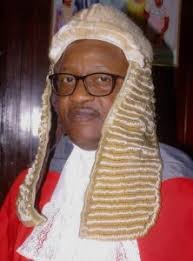
Honourable Justice Mark Ngegba

High Court Judge, Honourable Justice Mark Ngegba, has sentenced two Liberian citizens to thirty-five (35) years’ imprisonment each for trading and transporting 2,130 tablets of tramadol in Sierra Leone.

The sentence was delivered on Friday, 23 January 2026, at the Main Law Courts Building in Freetown following the conviction of Annet Maflah and Lovetta Maflah, who are sisters and residents of Zorzor, Monrovia, Republic of Liberia.

Court records state that the two women were indicted on four counts, including unlawful possession of a prohibited drug, dealing in a prohibited drug and transporting a prohibited drug, contrary to Sections 8(a), 7(c), and 7(b) of the National Drugs Control Act, 2008 (Act No. 10 of 2008).

According to the particulars of offence, the convicts were arrested on 16 November 2025 in Koidu Town, Kono District, Eastern Province, where they were found in possession of 2,130 tablets of tramadol, weighing 20.4 kilograms, without lawful authority.

The prosecution maintained that the consignment was intended for illegal distribution, describing the operation as a serious threat to public health and national security, particularly in communities vulnerable to drug abuse and illicit trafficking.

During their allocutus, both Annet Maflah and Lovetta Maflah appealed to the court for mercy, pleading for a reduced sentence. They told the court they were remorseful and asked the judge to consider their circumstances.

However, in his sentencing remarks, Honourable Justice Mark Ngegba said he had carefully listened to their pleas and noted that they did not waste the court’s time. He stressed, however, that the offences were extremely serious and carried dangerous consequences for society, especially the devastating impact of prohibited drugs on young people.

Justice Ngegba warned that the abuse and circulation of illicit drugs continues to destroy lives, undermine productivity and threaten the future of communities, adding that the judiciary must demonstrate firmness in handling drug-related offences.

He therefore found both convicts guilty on all four counts and sentenced Annet Maflah and Lovetta Maflah to 35 years’ imprisonment each, sending a strong message to drug traffickers operating within and across Sierra Leone’s borders.

Orange Foundation Targets Media Growth With Free Coursera Training for 50 Journalists

By Ibrahim Sesay

Orange Foundation Sierra Leone through its Orange Digital Centre has launched a Free Coursera Training Programme for Journalists in Sierra Leone, in a move aimed at improving media professionalism and equipping journalists with modern digital skills to meet the demands of today’s fast-changing information landscape.

The programme was formally introduced during an orientation session held on Thursday, January 22, 2026, at the Orange Sierra Leone Digital Centre, located at 1 Alpha Wurie Drive, Hill Station, Freetown. The initiative is expected to support a new wave of learning and career development for journalists by offering them access to globally recognized online courses through Coursera at no cost.

The training forms part of Orange’s broader commitment to digital inclusion and capacity building, particularly among professionals whose work directly influences public awareness, national discourse and democratic governance. Organizers described the programme as an important step toward strengthening Sierra Leone’s media sector through technology-driven learning opportunities that promote ethical standards, innovation and credibility.

During the session, facilitators guided participating journalists through the programme structure, learning objectives and expected outcomes. They also provided practical demonstrations on how to effectively navigate the Coursera platform, access courses, follow learning schedules and adopt study habits that support consistent progress. Journalists were encouraged to embrace the flexibility of self-paced learning while maintaining discipline and balancing professional obligations in their respective media institutions.

The orientation opened with a welcome address by Danetta Younge, General Secretary of Orange Sierra Leone, who reaffirmed the company’s commitment to skills development and the continuous empowerment of professionals. She noted that journalism has become increasingly competitive and digitally driven, making it necessary for media practitioners to build strong technical and professional competencies.

She emphasized that journalists must not only focus on reporting events but also develop modern tools for storytelling, online engagement and responsible content management. According to her, such skills help strengthen public trust, improve accuracy and enhance the overall quality of reporting at a time when misinformation and digital manipulation remain major challenges.

“Orange believes in investing in people and we are committed to ensuring that journalists have access to the training they need to remain credible, ethical and innovative in this new era,” she said.

Also speaking during the orientation, Annie Wonnie Katta, Director of the Orange Foundation, highlighted the Foundation’s continued focus on education, digital skills and community empowerment. She described the Coursera training for journalists as a timely intervention that will boost career growth and help media practitioners remain relevant in an industry that is evolving rapidly due to technology.

She encouraged participants to seize the opportunity with seriousness, adding that continuous learning is no longer optional, but essential for survival and progress in the media profession.

“Training is one of the surest ways to build confidence and competence. This programme is an opportunity to expand your abilities and improve your work as journalists,” she told participants.

The engagement also attracted contributions from representatives of several media organizations and key stakeholders within the sector, including Truth Media, Liberty Online TV, The Times Newspaper, the Sierra Leone Association of Journalists (SLAJ), and the Independent Media Commission (IMC). The speakers encouraged journalists to approach the programme with discipline, consistency and a growth mindset.

They noted that enhanced digital skills can support stronger storytelling, broaden audience reach and improve newsroom productivity, while also positioning journalists for greater opportunities locally and internationally. Participants were reminded that journalism is not only about gathering information but also about how that information is packaged, verified and delivered to the public in a responsible manner.

Facilitators further stated that the Coursera platform offers a wide range of courses in areas relevant to journalism and media development, including communication, digital tools, writing and editing, data handling, project management and other professional competencies. They encouraged journalists to explore available options and select courses that align with their career goals and newsroom roles.

In his closing remarks, Steven Caulker, popularly known as “Dictionary,” a beneficiary of previous Orange Coursera online trainings, praised Orange Sierra Leone for its continued investment in youth empowerment and professional development. He said the training opportunities provided by Orange had created meaningful impact, improved livelihoods and opened up new pathways for many participants.

He urged the journalists enrolled in the new programme to remain committed, stressing that the true benefits of the training will only be realized through dedication and completion of courses.

Orange Digital Centre assured participants of continued support throughout the duration of the programme, expressing confidence that the initiative will contribute to long-term improvements within the media sector. The Orange Foundation Sierra Leone wished participants success as they gain new knowledge, broaden their professional horizons and contribute to a stronger and more responsible media environment in Sierra Leone.

Shalimar Trading Solidifies Transport Market Influence as TVS Models Win Customer Trust

TVS motorcycle

Shalimar Trading Company Limited continues to consolidate its position as a leading player in Sierra Leone’s transportation sector, amid rising demand for TVS motorcycles which have become a common sight on major roads and community routes nationwide. From the busy streets of Freetown to remote rural corridors where mobility remains essential for trade and productivity, TVS motorcycles are increasingly viewed as a dependable solution for daily movement and income generation.

Industry observers say the growing popularity of TVS motorcycles reflects both consumer confidence in the brand’s durability and Shalimar Trading’s consistent effort to make quality two- and three-wheel transportation accessible to riders across the country. The company’s partnership with TVS Motor Company, India’s third-largest motorcycle manufacturer, has strengthened that momentum, ensuring that Sierra Leonean customers benefit from a wide range of models supported by an organized distribution and maintenance structure.

As the sole authorized distributor of TVS motorcycles, scooters, mopeds and three-wheelers in Sierra Leone, Shalimar Trading has positioned itself at the centre of a market driven by the increasing need for affordable and reliable transport. With commercial riding and delivery services expanding rapidly, many operators have shifted toward motorcycles recognized for strong fuel efficiency, manageable maintenance costs and resilience under challenging road conditions.

Among the models dominating the commercial transport space is the TVS Star HLX series, offered in variants such as the 100ES, 100KS, 125cc and 150cc models. Riders have widely embraced the Star HLX due to its rugged design and reputation for enduring rough terrain and heavy usage. Its visibility across highways, urban streets and inter-community routes has made it one of the most recognized motorcycles in Sierra Leone’s transport ecosystem.

For smaller businesses and household users seeking cost-effective mobility, the TVS XL 100 moped is also gaining traction. Known for its fuel-saving performance and practical structure, the XL 100 has proven useful for short and medium-distance travel, as well as everyday commercial duties such as transporting supplies within market areas. Its design, including a spacious footrest and solid build, has made it particularly attractive to petty traders and informal sector operators who depend on consistent movement throughout the day.

In the category of riders looking for a combination of performance and comfort, demand is steadily rising for the TVS Victor motorcycle. Many users describe the Victor as a balanced machine with a strong blend of efficiency, stability and style, reflecting a growing consumer shift toward motorcycles that can deliver both dependable work performance and a modern appearance.

Within major urban centres where traffic congestion often slows movement, the TVS Jupiter scooter has emerged as a preferred option for commuters who prioritize comfort and easy navigation. Riders say its smooth handling, user-friendly design and stable seating make it suitable for daily city commuting, especially for those who want a more relaxed riding experience through narrow roads and crowded streets.

Younger riders and emerging motorcycle owners are also contributing to TVS market growth through increased interest in models such as the TVS NEO XR and the TVS ZT 125. These models are gaining recognition for their modern design, versatility and economical performance, making them appealing to customers who want motorcycles that deliver both style and practicality.

For riders attracted to high-performance machines with enhanced speed and control, TVS Apache variants including the TVS Apache RTR 200  are steadily building a strong following. Built with advanced engineering and responsive handling, the Apache line continues to attract riders who value fast acceleration, road grip and a bold riding experience.

In the multi-passenger segment, the TVS King Deluxe three-wheeler is also playing an increasing role in Sierra Leone’s shared transport system. Capable of carrying up to four passengers comfortably, the King Deluxe is being embraced by both commercial operators and families who rely on compact public transport for daily mobility and community travel.

Shalimar Trading’s expanding influence in the transport industry, stakeholders say, is not only linked to product variety but also to the company’s after-sales service delivery. The company provides customers with access to genuine spare parts and professional maintenance support through multiple service points in Freetown, including Lumley, Bai Bureh Road and Siaka Stevens Street. Riders say the availability of servicing options adds to customer confidence and supports long-term value for money.

Beyond TVS, Shalimar Trading also serves as a distributor for other internationally recognized automotive brands such as Suzuki, Sonalika International, Isuzu, CFMOTO and Leyland, strengthening its footprint in the wider automotive and industrial supply space. The company’s growing operations, including expansion into Liberia, are also seen as contributing to regional mobility development, job creation and broader economic activity.

As motorcycles and compact vehicles remain central to Sierra Leone’s transport and business landscape, Shalimar Trading and its partnership with TVS Motor Company continue to play a key role in shaping affordable mobility, providing machines designed to meet the realities of the road and the everyday demands of citizens.

High Court in Port Loko Delivers Tough Jail Terms in Sexual Abuse and Drug Cases

Honourable Justice Sahr Elogima Kekura

The High Court of Sierra Leone sitting in Port Loko District, presided over by Honourable Justice Sahr Elogima Kekura, on Friday, 23 January 2026, delivered heavy custodial sentences in two separate criminal matters involving sexual offences against a minor and drug-related crimes.

The rulings, delivered during proceedings at the High Court Holden in Port Loko, formed part of ongoing judicial efforts to strengthen accountability and deter serious crimes in the North-West region.

In the first matter, Abdul Kamara was sentenced to 20 years’ imprisonment after pleading guilty to three counts relating to sexual offences committed against a child.

Abdul Kamara was convicted of sexual penetration of a child, contrary to Section 19 of the Sexual Offences Act 2012, as amended by Section 4(iii) of the Sexual Offences (Amendment) Act 2019. He was also convicted of sexual touching of a child, contrary to Section 20(1)(a) of the Sexual Offences Act 2012, and meeting a child for sexual purposes, contrary to Section 23(1)(c) of the same law.

According to the prosecution, the offences occurred between 16 and 23 October 2025 at Rotifunk, Lungi, in the Port Loko District, where Abdul Kamara was alleged to have engaged in sexual penetration, sexual touching and deliberately arranged to meet the child for sexual purposes.

Abdul Kamara pleaded guilty to all charges. In his plea for mitigation, he told the court that he had learnt his lesson while in custody and promised never to repeat such conduct or engage in any further criminal activity. He appealed to the court to temper justice with mercy.

However, while acknowledging the guilty plea and the fact that Abdul Kamara did not waste the court’s time, Justice Kekura emphasized that the offences were grievous and required a strong sentence to serve as a deterrent.

“Taking into consideration your plea in mitigation and the nature of the offences, I hereby sentence you on count one for sexually penetrating a child to 20 years’ imprisonment, count two for sexually touching a child to five years, and count three for meeting a child for sexual purposes to five years,” the judge ruled.

The sentences are to run concurrently, meaning Abdul Kamara will serve a total of 20 years.

In a separate case heard by the same court, Justice Kekura sentenced Sama Koroma to 40 years’ imprisonment after she pleaded guilty to multiple drug-related offences involving cannabis sativa.

Sama Koroma faced two counts: unlawful possession of drugs, contrary to Section 8(c) of the National Drugs Control Act 2008 and selling prohibited drugs, contrary to Section 7(e) of the same Act.

The prosecution alleged that on 7 November 2025, at Door Area, Marampa Chiefdom, in the North-West Region, Sama Koroma was found in possession of dried leaves suspected to be cannabis sativa without lawful authority. She was also accused of selling 123.4 grams of cannabis sativa unlawfully.

Her defence counsel, M. Korie Esq. and T.P.M. Sowa Esq., appealed to the court for leniency, stressing that their client pleaded guilty at the earliest opportunity and did not waste the court’s time. They urged the judge to temper justice with mercy.

Despite the plea, Justice Kekura described the sale of dangerous drugs as one of the greatest threats confronting the nation, warning that drug trafficking destroys lives, communities and even the futures of those who engage in the trade.

While noting Sama Koroma’s guilty plea, the judge imposed a 40-year prison sentence, reflecting the seriousness of the offences and the need to deter others involved in similar illegal activities.

The rulings have been viewed as a strong message from the judiciary that crimes involving the abuse of children and the trafficking of prohibited substances will attract severe punishment under Sierra Leone’s laws.

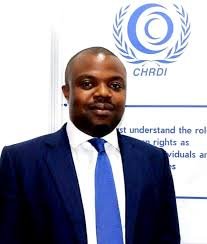
CHRDI Urges Leaders to Prioritise Citizens’ Rights in Constitutional Amendment Process

Abdul M Fatoma

By Amin Kef (Ranger)

The Campaign for Human Rights and Development International (CHRDI) has issued a strong call on national leaders to place the interests of ordinary Sierra Leoneans above partisan considerations as the country intensifies efforts to amend the 1991 Constitution and reform its electoral system. In a newly released policy brief titled: “Democratization in Sierra Leone: Challenges and Opportunities in Constitutional Review and Electoral Reform,” the rights-based advocacy organisation warned that electoral reforms, if poorly designed or politically manipulated, could become a “trapdoor for democracy” instead of a pathway to stronger governance.

CHRDI’s policy brief arrives at a critical moment when Sierra Leone is confronting deep questions about electoral integrity, public confidence in the democratic process and whether upcoming reforms will strengthen the nation’s political institutions or undermine multiparty competition. The organisation said constitutional and electoral reforms must serve the people by protecting fundamental rights, safeguarding electoral fairness and ensuring national unity rather than being shaped to satisfy narrow political interests.

In the brief, CHRDI highlighted that Sierra Leone’s Constitution remains the backbone of the country’s governance structure, providing the legal basis for the separation of powers between the Executive, Legislature and Judiciary while guaranteeing human rights protections and democratic principles. The group noted that the 1991 Constitution affirms presidential authority, legislative functions and judicial independence, as well as the protection of citizens’ fundamental freedoms and the pursuit of social justice.

However, CHRDI stressed that strong constitutional provisions alone are not enough if implementation is weak or compromised. The policy brief pointed to long-standing national challenges, including governance divisions rooted in over-centralization of power and resources and political tensions that often surface during election periods.

According to CHRDI, democratic progress must be measured by whether citizens can truly exercise their rights without fear, intimidation, exclusion or manipulation, especially during elections; the defining moments of representation and national direction.

CHRDI acknowledged that Sierra Leone’s ongoing constitutional review process, initiated in 2021, represents an important attempt to modernize governance by addressing issues such as executive power, judicial independence and the strengthening of human rights protections. At the same time, the organisation noted that electoral reform laws enacted in 2022 were aimed at improving transparency, strengthening voter registration accuracy and tightening candidate eligibility screening.

But the organisation cautioned that electoral reform is not automatically democratic simply because it is branded as reform. It argued that electoral laws can either build public trust or deepen national frustration, depending on their fairness and the sincerity of the process that produces them.

CHRDI explained that electoral reform can introduce important measures such as sanctions against electoral intimidation, rules for converting votes into seats and regulations on the use of money in politics; tools that can increase accountability and representation. Yet, it warned that reforms can also become weapons for political advantage if they are designed to restrict participation or concentrate power.

The policy brief placed significant emphasis on the political tensions that followed Sierra Leone’s 2023 elections, describing them as contested and deeply divisive, ultimately requiring an Agreement for National Unity to ease hostility between the ruling Government and the opposition All People’s Congress.

CHRDI recalled that the Agreement for National Unity helped reduce political and security tensions, encouraged cross-party dialogue, supported the return of the opposition into Government bodies and led to the creation of a Tripartite Committee to review electoral systems to make future elections more inclusive and fair.

However, CHRDI argued that national unity agreements should not merely calm crises but must inspire real reforms that close electoral loopholes and prevent similar disputes from repeating. The organisation maintained that Sierra Leone’s democratic stability depends on reforms that are transparent, inclusive and trusted by all sides.

One of the central concerns raised in CHRDI’s policy brief relates to provisions contained in the 2025 draft constitutional amendments bill, which the organisation believes contains significant gaps and risky proposals. Among the issues highlighted are the lack of inclusion of persons with disabilities in the nomination and search committee, timelines that CHRDI described as unrealistic for petitions and inadequate clarity on the requirements for independent presidential candidates.

The organisation also criticized proposals that appear to remove political parties that fail to win national elections in two consecutive cycles, warning that such measures could weaken multiparty democracy and become an undemocratic manipulation of electoral outcomes.

CHRDI further indicated that while Government officials have stated that the draft bill draws from the Agreement for National Unity and the constitutional review process, the broader public needs stronger education and awareness to fully understand what is being proposed and how it may impact their democratic rights.

CHRDI’s policy brief recognized that the proposed Constitution of Sierra Leone (Amendment) Act 2025 contains some potentially positive reforms, including a 30% gender quota, clearer election schedules, limits on certain presidential powers and provisions relating to the political neutrality of security forces.

Despite those positives, the organisation warned that the bill also raises serious concerns about the possibility of increased power concentration, weakened separation of powers, threats to political pluralism, expanded judicial authority and challenges in implementation.

CHRDI argued that a reform process that strengthens one aspect of governance while undermining others may ultimately do more harm than good. It insisted that constitutional changes must be rooted in democratic principles and must not leave room for future Governments to exercise unchecked authority in ways that could endanger the country’s political progress.

CHRDI emphasized that electoral reform is never a one-man process, describing it as complex and involving many actors including the Executive, Parliament, election management bodies and agencies responsible for administration. The organisation also underlined the vital role of political parties, media institutions and civil society organisations in reviewing, monitoring and advocating for credible reforms.

The organisation said its advocacy is grounded in the belief that the success of democratic reform must be judged by the confidence citizens have in the process, especially because Sierra Leone continues to experience “very low confidence” in Government and politicians.

CHRDI warned that reform efforts that produce only temporary fixes and fragmented solutions risk leaving the country stuck in cycles of dissatisfaction, mistrust and political tension.

The policy brief traced Sierra Leone’s constitutional reform history through key moments, noting that discussions around constitutional review and democratic consolidation have been intertwined with the country’s political journey, including post-election violence and periods of instability.

CHRDI recalled that the 1991 constitutional review process was linked to wider peacebuilding efforts, including the 1999 Lomé Peace Accord, while the Truth and Reconciliation Commission in 2002 urged a broad and participatory constitutional review to help build a democratic society where laws protect all citizens.

The organisation further referenced past constitutional review efforts initiated in 2007 and revived in 2013, including the formation of committees and support from development partners such as the United Nations Development Programme, UN Women, the United Kingdom and the European Union.

CHRDI cautioned that failure to implement credible electoral reform recommendations may worsen existing weaknesses, threaten human rights and damage the credibility of elections locally and internationally. It warned that international partners could react negatively in ways that affect cooperation, aid or trade relations.

As part of its policy recommendations, CHRDI called for improvements in the electoral dispute system and urged reforms that enhance fairness without restricting participation. The organisation recommended that the timeline for hearing and determining presidential election petitions should be increased to at least 20 days to ensure adequate legal consideration.

It also proposed the establishment of a proper Electoral Dispute Resolution Act to handle disputes that may emerge across the entire electoral cycle rather than relying on weak or inconsistent mechanisms.

CHRDI further urged clarity on the financial capacity requirements and community support criteria required for independent presidential candidates.

Additionally, it called for inclusive representation in nomination and search committees, including persons with disabilities and demanded greater transparency in how selection criteria and representation categories are determined.

On political parties, CHRDI strongly urged the Government to reconsider any amendment that deregisters political parties simply because they fail to win two consecutive national elections, stressing that such measures contradict the spirit of multiparty democracy and could undermine democratic competition.

CHRDI concluded by reaffirming its identity as a rights-based social policy advocacy organisation working to ensure duty-bearers uphold human rights while enabling citizens to claim their rights. The organisation noted that it holds Special Consultative Status with the United Nations Economic and Social Council and is accredited to several UN agencies.

With Sierra Leone’s leaders moving forward with constitutional amendments and electoral reforms, CHRDI’s message remains firm: the process must prioritize the people, protect democratic freedoms and strengthen institutions to deliver credible elections that unite, not divide, the nation.

Magistrate Daboh Commits ‘Gaza’ Murder Case to High Court in Kenema

Magistrate Hadiru Daboh

The Magistrate Court No.1 in Kenema, presided over by His Worship Magistrate Hadiru Daboh, has on January 21, 2026 committed three defendants to the High Court of Sierra Leone to stand trial over separate criminal allegations ranging from murder to housebreaking and malicious damage.

The defendants are Ansu Goba alias “Gaza”, an 18-year-old Sierra Leonean pupil residing at Talia Torgboma Village in the Kenema Judicial District; Moseray Kamara, a 20-year-old unemployed Sierra Leonean of Kingsway Street, Kenema; and Samai Blango, a 20-year-old miner from Largo Town, Nongowa Chiefdom, Kenema Judicial District.

In the first matter, Ansu Goba was arraigned before the court on one count of murder. The prosecution, led by Assistant Superintendent of Police (ASP) Sulaiman Kamara Esq, alleged that on October 27, 2025, at Mano-Kortuma Village, Nongowa Chiefdom, within the Kenema Judicial District in Sierra Leone’s Eastern Province, the accused allegedly murdered Kemoh Sesay Mannah.

No plea was taken from the accused during the committal proceedings, and the court noted that there was no legal representation for the defendant at the time. Magistrate Daboh ordered that Ansu Goba be remanded at the Sierra Leone Correctional Centre (SLCC) in Kenema pending trial, while the matter was formally committed to the High Court.

In a separate case, Moseray Kamara, also known as “Ice Boy,” was accused of allegedly breaking and entering the dwelling house of Samuel Lavallie and stealing the sum of Sixty-Eight Thousand New Leones (NLe 68,000). The alleged offence reportedly occurred on December 19, 2024, at Benduma-Meima Villages, Malegohun Chiefdom, in the Kenema Judicial District.

Meanwhile, Samai Blango was arraigned on two counts, including housebreaking contrary to Section 27(2) of the Larceny Act 1916, and malicious damage contrary to Section 51 of the Malicious Damage Act 1861.

According to the prosecution, led by Inspector Alphan Samuel Musa and in proceedings associated with Defence Counsel Banie E. Sesay Esq, the accused on December 12, 2025, at Largo Town in Kenema District, allegedly broke and entered the dwelling house of Fatmata Kabba with intent to commit a felony.

The prosecution further alleged that on the same date and at the same location, Samai Blango maliciously damaged one steel window valued at Three Thousand Five Hundred New Leones (NLe 3,500), property belonging to the said Fatmata Kabba.

As in the other matters, no plea was taken, and the court noted that the defendant had no legal representation at the time of committal. Samai Blango was subsequently remanded at the SLCC in Kenema, while his case was committed to the High Court for trial.

The committal of the three defendants now clears the way for the High Court of Sierra Leone to hear the matters and determine the outcomes in accordance with the law.

 German Minister & Delegation End Field visit to WFP’s Home-grown School Feeding site in Karene District

German Minister & Delegation End Field visit to WFP’s Home-grown School Feeding site in Karene

By Foday Moriba Conteh

As part of efforts to assess the impact of German-funded development programmes in Sierra Leone and to interact with beneficiaries, Germany’s Federal Minister for Economic Cooperation and Development, Ms. Reem Alabali-Radovan, on Thursday, 22 January 2026, concluded a field visit to WFP’s Home-grown School Feeding Programme in Gbinti, Dibia Chiefdom, Karene District. She was accompanied by a high-level delegation comprising members of the German Parliament, senior officials from her Ministry and representatives of partner institutions.

The delegation first visited an orange-fleshed sweet potato farm, where local farmers shared their experiences under the Home-Grown School Feeding Programme. Farmers highlighted improved market access, predictable demand and increased income as major benefits of supplying produce to schools. They also discussed challenges such as climate variability and access to inputs, while reaffirming their commitment to sustaining local food production.

The visit continued at Roman Catholic Primary School in Gbinti, where Minister Alabali-Radovan symbolically inaugurated newly constructed school food stores and kitchens. The facilities are part of infrastructure improvements funded by the German Government in all 115 beneficiary schools across Karene District. The kitchens are equipped with energy-efficient stoves that use about 44 percent less firewood than traditional three-stone cooking methods, helping to reduce pressure on forests, lower cooking costs and improve safety and efficiency in school feeding operations.

The Government of Germany, in partnership with the World Food Programme (WFP), is supporting more than 25,000 primary school pupils in Karene District through a Home-Grown School Feeding Programme that combines child nutrition with local economic empowerment.

The programme, which currently covers 115 primary schools across the district, sources food locally including rice, orange-fleshed sweet potatoes and vegetables from farmers within Karene. By linking schools directly to local producers, the initiative has injected thousands of dollars into the rural economy while creating livelihood opportunities for women and young people engaged in agriculture and food supply chains.

Speaking during the ceremony, Minister Alabali-Radovan reaffirmed Germany’s long-standing partnership with Sierra Leone, with a strong focus on food security, education and youth development. She said the visit was deliberately designed to go beyond political engagements in Freetown and allow her to see firsthand how projects are benefiting communities at the grassroots.

“We have had cooperation with Sierra Leone for quite a few years now,” she said, noting that Germany works closely with the Government of Sierra Leone and WFP to implement school feeding programmes nationwide. “It was important for me to see how these projects are doing on the ground and to speak directly with children, women and farmers who are part of them.”

She stressed that school feeding programmes do more than improve education outcomes, explaining that well-fed children are more attentive in class and more likely to grow into productive and responsible citizens. She also highlighted the economic value of sourcing food locally, which supports farmers, creates jobs and strengthens community resilience.

The German Minister further disclosed that her Ministry recently launched a new agenda with a strong global focus on food security and the wellbeing of children and young people. According to her, initiatives such as the Home-Grown School Feeding Programme bring together education, nutrition and livelihoods in a sustainable way.

“Supporting food security and school feeding ensures that children have the energy to attend school every day and pursue their dreams,” she said, adding that Germany is keen to expand sustainable models that rely largely on locally sourced food.

Andrew Odero, WFP Country Representative in Sierra Leone, described the Minister’s visit as timely, coming at a critical moment as WFP rolls out a new Country Strategic Plan covering 2026 to 2030. He announced that WFP plans to expand school feeding to reach an additional 100,000 children nationwide over the next four years.

He explained that WFP is increasingly shifting from direct assistance toward strengthening national systems to ensure long-term sustainability. He said the Home-Grown School Feeding Programme, supported by Germany’s Federal Ministry for Economic Cooperation and Development, is a key pillar of this approach.

“Karene District is among the areas most affected by food insecurity during the lean season,” he said. “School meals act as a safety net for vulnerable families while ensuring that children can attend school and learn without hunger.”

He noted that schools now serve as reliable markets for local farmers, creating predictable demand for locally produced food. WFP, he added, is also investing in storage facilities, clean cooking solutions and digital payment systems to ensure farmers are paid on time, even in remote areas.

Looking ahead, Andrew Odero said WFP aims to increase Home-Grown School Feeding coverage to about 75 percent of supported schools, up from the current 30 percent, while expanding the range of locally procured foods. He disclosed that the Government of Sierra Leone is considering introducing eggs into school meals to improve children’s protein intake.

Minister of Basic and Senior Secondary School Education, Conrad Sackey, described education as Sierra Leone’s greatest national wealth and stressed that learning cannot thrive where hunger persists. He said the Home-Grown School Feeding Programme reflects President Julius Maada Bio’s twin priorities of “Feed Salone” and “Feed the Mind.”

According to him, the programme strengthens local value chains, boosts rural economies and reduces dependency by sourcing food directly from Sierra Leonean farmers. He emphasized that a well-nourished child is better prepared to learn, innovate and lead, adding that school feeding has improved enrolment and attendance, especially for girls.

Minister of Planning and Economic Development, Ms. Kenyeh Barlay, commended Germany for demonstrating a people-centred approach to development that benefits communities beyond the capital. She said the initiative aligns closely with the Government’s Big Five Game Changers Agenda, particularly Feed Salone and Human Capital Development.

She noted that linking food security with education is central to national development, as nutritionally well-fed children achieve better learning outcomes and contribute more effectively to long-term growth. She also acknowledged that partnerships with development actors are essential in expanding coverage, especially amid global economic pressures.

Minister of State for the North West Region, Umaru B. Wurie, praised the collaboration between Germany and WFP, noting that school feeding has significantly improved school attendance in the region. He appealed for continued support, particularly for farmers facing climate-related challenges such as irregular rainfall.

Earlier, the Paramount Chief of Dibia Chiefdom, Bai Sheka Bundu, welcomed the delegation and described the visit as a historic moment for the chiefdom. He said the programme has improved school attendance, strengthened learning outcomes, and created economic opportunities for local farmers, women, and youths. He assured partners of the community’s commitment to sustaining the initiative.

The Head Teacher of Roman Catholic Primary School in Gbinti, Edward G. Kamara, said the programme has improved pupil motivation, attendance and overall learning outcomes. He described the newly constructed store and kitchen as a permanent investment in both education and child welfare.

The visit concluded with the symbolic inauguration of the school food stores and kitchens, marking another milestone in efforts to link food security, education and local development in Sierra Leone.