Home Blog Page 58

 German Minister & Delegation End Field visit to WFP’s Home-grown School Feeding site in Karene District

German Minister & Delegation End Field visit to WFP’s Home-grown School Feeding site in Karene

By Foday Moriba Conteh

As part of efforts to assess the impact of German-funded development programmes in Sierra Leone and to interact with beneficiaries, Germany’s Federal Minister for Economic Cooperation and Development, Ms. Reem Alabali-Radovan, on Thursday, 22 January 2026, concluded a field visit to WFP’s Home-grown School Feeding Programme in Gbinti, Dibia Chiefdom, Karene District. She was accompanied by a high-level delegation comprising members of the German Parliament, senior officials from her Ministry and representatives of partner institutions.

The delegation first visited an orange-fleshed sweet potato farm, where local farmers shared their experiences under the Home-Grown School Feeding Programme. Farmers highlighted improved market access, predictable demand and increased income as major benefits of supplying produce to schools. They also discussed challenges such as climate variability and access to inputs, while reaffirming their commitment to sustaining local food production.

The visit continued at Roman Catholic Primary School in Gbinti, where Minister Alabali-Radovan symbolically inaugurated newly constructed school food stores and kitchens. The facilities are part of infrastructure improvements funded by the German Government in all 115 beneficiary schools across Karene District. The kitchens are equipped with energy-efficient stoves that use about 44 percent less firewood than traditional three-stone cooking methods, helping to reduce pressure on forests, lower cooking costs and improve safety and efficiency in school feeding operations.

The Government of Germany, in partnership with the World Food Programme (WFP), is supporting more than 25,000 primary school pupils in Karene District through a Home-Grown School Feeding Programme that combines child nutrition with local economic empowerment.

The programme, which currently covers 115 primary schools across the district, sources food locally including rice, orange-fleshed sweet potatoes and vegetables from farmers within Karene. By linking schools directly to local producers, the initiative has injected thousands of dollars into the rural economy while creating livelihood opportunities for women and young people engaged in agriculture and food supply chains.

Speaking during the ceremony, Minister Alabali-Radovan reaffirmed Germany’s long-standing partnership with Sierra Leone, with a strong focus on food security, education and youth development. She said the visit was deliberately designed to go beyond political engagements in Freetown and allow her to see firsthand how projects are benefiting communities at the grassroots.

“We have had cooperation with Sierra Leone for quite a few years now,” she said, noting that Germany works closely with the Government of Sierra Leone and WFP to implement school feeding programmes nationwide. “It was important for me to see how these projects are doing on the ground and to speak directly with children, women and farmers who are part of them.”

She stressed that school feeding programmes do more than improve education outcomes, explaining that well-fed children are more attentive in class and more likely to grow into productive and responsible citizens. She also highlighted the economic value of sourcing food locally, which supports farmers, creates jobs and strengthens community resilience.

The German Minister further disclosed that her Ministry recently launched a new agenda with a strong global focus on food security and the wellbeing of children and young people. According to her, initiatives such as the Home-Grown School Feeding Programme bring together education, nutrition and livelihoods in a sustainable way.

“Supporting food security and school feeding ensures that children have the energy to attend school every day and pursue their dreams,” she said, adding that Germany is keen to expand sustainable models that rely largely on locally sourced food.

Andrew Odero, WFP Country Representative in Sierra Leone, described the Minister’s visit as timely, coming at a critical moment as WFP rolls out a new Country Strategic Plan covering 2026 to 2030. He announced that WFP plans to expand school feeding to reach an additional 100,000 children nationwide over the next four years.

He explained that WFP is increasingly shifting from direct assistance toward strengthening national systems to ensure long-term sustainability. He said the Home-Grown School Feeding Programme, supported by Germany’s Federal Ministry for Economic Cooperation and Development, is a key pillar of this approach.

“Karene District is among the areas most affected by food insecurity during the lean season,” he said. “School meals act as a safety net for vulnerable families while ensuring that children can attend school and learn without hunger.”

He noted that schools now serve as reliable markets for local farmers, creating predictable demand for locally produced food. WFP, he added, is also investing in storage facilities, clean cooking solutions and digital payment systems to ensure farmers are paid on time, even in remote areas.

Looking ahead, Andrew Odero said WFP aims to increase Home-Grown School Feeding coverage to about 75 percent of supported schools, up from the current 30 percent, while expanding the range of locally procured foods. He disclosed that the Government of Sierra Leone is considering introducing eggs into school meals to improve children’s protein intake.

Minister of Basic and Senior Secondary School Education, Conrad Sackey, described education as Sierra Leone’s greatest national wealth and stressed that learning cannot thrive where hunger persists. He said the Home-Grown School Feeding Programme reflects President Julius Maada Bio’s twin priorities of “Feed Salone” and “Feed the Mind.”

According to him, the programme strengthens local value chains, boosts rural economies and reduces dependency by sourcing food directly from Sierra Leonean farmers. He emphasized that a well-nourished child is better prepared to learn, innovate and lead, adding that school feeding has improved enrolment and attendance, especially for girls.

Minister of Planning and Economic Development, Ms. Kenyeh Barlay, commended Germany for demonstrating a people-centred approach to development that benefits communities beyond the capital. She said the initiative aligns closely with the Government’s Big Five Game Changers Agenda, particularly Feed Salone and Human Capital Development.

She noted that linking food security with education is central to national development, as nutritionally well-fed children achieve better learning outcomes and contribute more effectively to long-term growth. She also acknowledged that partnerships with development actors are essential in expanding coverage, especially amid global economic pressures.

Minister of State for the North West Region, Umaru B. Wurie, praised the collaboration between Germany and WFP, noting that school feeding has significantly improved school attendance in the region. He appealed for continued support, particularly for farmers facing climate-related challenges such as irregular rainfall.

Earlier, the Paramount Chief of Dibia Chiefdom, Bai Sheka Bundu, welcomed the delegation and described the visit as a historic moment for the chiefdom. He said the programme has improved school attendance, strengthened learning outcomes, and created economic opportunities for local farmers, women, and youths. He assured partners of the community’s commitment to sustaining the initiative.

The Head Teacher of Roman Catholic Primary School in Gbinti, Edward G. Kamara, said the programme has improved pupil motivation, attendance and overall learning outcomes. He described the newly constructed store and kitchen as a permanent investment in both education and child welfare.

The visit concluded with the symbolic inauguration of the school food stores and kitchens, marking another milestone in efforts to link food security, education and local development in Sierra Leone.

Heirs Holdings Appoints Obinna Ufudo, Sola Yomi-Ajayi as Non-Executive Directors

Obinna Ufudo and Sola Yomi-Ajayi

Leading pan-African investment company, Heirs Holdings, has announced the appointment of Obinna Ufudo and Sola Yomi-Ajayi as Non-Executive Directors, a move the company says will further strengthen its corporate governance framework and deepen strategic oversight across its expanding portfolio.

In a statement released on Monday January 26, 2026 in Lagos, Nigeria, Heirs Holdings described the appointments as a reflection of its continued commitment to building a strong and highly experienced Board, capable of guiding long-term investments and sustaining performance across its operations in Africa and beyond. The company noted that both appointees bring decades of high-level expertise in finance, energy, risk management, governance, and global markets.

Sola Yomi-Ajayi, a seasoned banking and governance professional, brings over 30 years of experience in financial services, regulatory engagement, enterprise risk management and corporate governance. She previously served as an Executive Director at United Bank for Africa (UBA) and later became Chief Executive Officer for UBA’s International Business, as well as Country CEO for UBA America.

Beyond her work within UBA, Yomi-Ajayi has served on several global and institutional platforms, including the boards of UBA United Kingdom (UK) and the Business Council for International Understanding (BCIU). She is also a member of the OECD Blue Dot Network Executive Consultation Group. Her professional record further includes previous roles on the Sub-Saharan Africa Advisory Committee of the US Export-Import Bank (US EXIM) and the Board of Trustees of the Institute of International Banking (USA).

Academically, she holds a Master of Business Administration from Aberdeen Business School, Robert Gordon University, and is a Fellow of the Chartered Management Institute (UK), as well as a member of the Association of MBAs. She also earned a Corporate Governance Certificate from Wharton Business School, University of Pennsylvania, and a Leadership Certificate from Harvard Business School.

Obinna Ufudo, on the other hand, brings over three decades of leadership experience spanning banking, energy, investment, and corporate transformation. He previously served as Executive Director and Chief Operating Officer at Heirs Holdings, and later became President and Group CEO of Transnational Corporation of Nigeria (Transcorp), where he led a major turnaround programme. During his tenure, he executed the landmark acquisition of the Ughelli Power Plant, regarded as one of Nigeria’s most significant power sector transactions.

Ufudo is also the Founder and Chairman of Atiat Leasing Limited and the Co-Founder and Chairman of LoanBook Limited, reinforcing his reputation as a business leader with deep expertise in strategy and enterprise growth. He holds executive and postgraduate qualifications from Wharton School (AMP), the University of Reading (M.Sc., Chevening Scholar), and IESE Business School (Executive MBA). He is also a Fellow of the Chartered Institute of Bankers of Nigeria.

Commenting on the appointments, Heirs Holdings Founder and Group Chair, Tony O. Elumelu, CFR, welcomed the new directors and praised their contributions to Africa’s private sector development.

“We are pleased to welcome Obinna Ufudo and Sola Yomi-Ajayi to the Board of Heirs Holdings,” Elumelu said. “Both Obinna and Sola are role models for Africapitalism. Their depth of experience and track records will further support our leadership in Pan African proprietary investment; together, they bring highly relevant experience for our portfolio development.”

Heirs Holdings remains one of Africa’s leading investment firms, with interests across energy, power, banking, insurance and financial services, technology, real estate, hospitality and healthcare, operating in twenty-four countries worldwide. The company said it remains guided by its Africapitalism philosophy, driven by long-term capital deployment, operational excellence, and sustainable wealth creation across the continent.


Wang Yi Champions Zero-Tariff Access and People-to-People Ties in Landmark Africa Visit

Minister of Foreign Affairs of the People’s Republic of China, H.E. Wang Yi

By: James Kamara-Manneh

China has once again underscored the centrality of Africa in its foreign policy as Member of the Political Bureau of the CPC Central Committee and Minister of Foreign Affairs of the People’s Republic of China, H.E. Wang Yi, concluded his first overseas trip of the year to Africa. The visit marks the 36th consecutive year that a Chinese Foreign Minister has chosen Africa as the starting point of China’s annual diplomatic engagement an enduring tradition that Beijing says reflects profound friendship, strategic trust and long-term commitment to the continent.

Speaking after the visit, Chinese Foreign Ministry Spokesperson, Mao Ning, emphasized that the annual Africa-first diplomatic practice embodies China’s consistent policy of sincerity, equality and mutual respect in its relations with African countries. She noted that while some

portray Africa as a “forgotten continent,” China views Africa as a continent of hope, opportunity and shared future, and continues to prioritize Africa in its global diplomatic outreach.

According to Mao Ning, Foreign Minister Wang Yi provided a comprehensive account of the outcomes of the visit in an interview with Chinese media, highlighting that China-Africa relations are guided by the principle of “sincerity, real results, amity and good faith” proposed by President Xi Jinping. Those values, she stressed, remain the defining features of China-Africa exchanges and cooperation. “Africa and China are good partners that can rely on and trust each other,” she noted.

During his engagements with African leaders, Foreign Minister Wang Yi elaborated on the recommendations for formulating China’s 15th Five-Year Plan, adopted at the Fourth Plenary Session of the 20th CPC Central Committee. He emphasized that the plan not only charts China’s future development path but also opens up new opportunities for Africa and other developing countries.

Wang Yi reaffirmed China’s role as an engine of global economic growth and expressed China’s readiness to act as a booster for Africa’s development and revitalization. He noted that the concept most frequently raised by African partners during the visit was zero-tariff

treatment, describing it as a hallmark of China-Africa cooperation in the new era.

China’s zero-tariff initiative, he said, represents a concrete step toward voluntarily expanding unilateral opening-up, demonstrating China’s willingness to shoulder greater international responsibilities and deepen high-standard openness. Through that policy, China’s vast market

is expected to become a genuine opportunity for African economies. Wang Yi invited African countries to “board the express train of China’s development” and work together toward shared modernization.

A major highlight of the visit was the 9th China–African Union Strategic Dialogue, held on 8 January 2026 at the African Union Headquarters in Addis Ababa. The dialogue was co-chaired by H.E. Mahmoud Ali Youssouf, Chairperson of the African Union Commission and H.E. Wang Yi. On the same occasion, both leaders jointly attended the opening ceremony of the 2026 China–Africa Year of People-to-People Exchanges, signaling a renewed emphasis on societal, cultural and human connectivity. The two principals exchanged views on a wide range of issues, including China-Africa joint efforts to advance modernization, global governance, zero-tariff treatment, the International Organization for Mediation and the Outlook on Peace and Development in the Horn of Africa.

Both sides noted that China and the African Union, as key members of the Global South, share broad consensus on major international and regional issues. They underscored the importance of safeguarding the legitimate rights and interests of developing countries and reaffirmed their commitment to mutual support on core interests and major concerns.

China and the African Union reiterated the imperative of upholding a global order based on international law, including respect for sovereignty and territorial integrity, and the peaceful settlement of  disputes. In that context, both sides expressed concern over recent developments in the Bolivarian Republic of Venezuela, reaffirming that the principles of the Charter of the United Nations and international law must be upheld.

The African Union side reaffirmed its firm commitment to the One-China principle, recognizing that there is but one China in the world, that Taiwan is an inalienable part of China’s territory, and that the Government of the People’s Republic of China is the sole legal

Government representing the whole of China. The AU further expressed firm support for all efforts by the Chinese Government to achieve national reunification.

The dialogue also focused on enhancing alignment between China’s 15th Five-Year Plan and the Second Ten-Year Implementation Plan of the African Union’s Agenda 2063, as well as the commitments under the Forum on China–Africa Cooperation (FOCAC).

Both sides agreed to strengthen communication, coordination and mutual support in their respective major initiatives. On the African side, these include Agenda 2063 and its flagship projects, notably Silencing the Guns by 2030 and the African Continental Free Trade Area

(AfCFTA). On the Chinese side, they include the Global Security Initiative, the Global Governance Initiative and the proposed International Organization for Mediation.

Reaffirming their shared commitment to tangible outcomes, the Chairperson of the African Union Commission and the Chinese Foreign Minister pledged to promote the effective implementation of all signed cooperation agreements and memoranda of understanding. They also agreed to explore the full potential of practical cooperation between China and the African Union, with a view to delivering concrete and lasting benefits to the peoples of Africa and China.

The visit, observers note, further consolidates the comprehensive strategic partnership between China and Africa, reinforcing a shared vision of modernization, peace, development and South–South solidarity in an evolving global landscape.

Africell Group Launches “Africell Business” to Drive Enterprise Digital Transformation in Sierra Leone

Africell Chief Executive Officer, Shadi Gerjawi

By Alvin Lansana Kargbo

Africell Group has officially launched Africell Business, a new enterprise brand designed to provide advanced connectivity, digital solutions and tailored services for corporate institutions as well as Small and Medium Enterprises (SMEs) in Sierra Leone.

The launch event, held at The Leads Hotel in Aberdeen, Freetown, attracted senior Government officials, private sector leaders, corporate clients and development partners, marking what the company described as a major step toward deepening Sierra Leone’s digital economy.

Speaking at the ceremony, Africell Chief Executive Officer, Shadi Gerjawi, said Africell Business represents a strategic transition from traditional telecom operations to delivering customized enterprise services that meet the growing digital needs of institutions and businesses.

According to him, the new brand is supported by a restructuring of Africell’s internal operations, including investments in specialized corporate teams, improved service delivery standards and the deployment of secure digital platforms aimed at supporting business productivity and growth.

He highlighted key focus areas of Africell Business to include cloud hosting, data management, satellite monitoring and integrated digital payment services, stressing that SMEs remain central to Africell’s long-term growth strategy and national development goals.

Benjamin Okoro, Africell Group Head of Corporate Business, described Africell Business as a structured platform designed to build stronger corporate relationships through service digitization and responsive customer engagement.

He introduced the Africell Business Client Portal, a digital platform developed to support corporate account management, service monitoring and enterprise customer support. He also unveiled Africell Business Heritage, an initiative aimed at recognizing indigenous enterprises that are contributing to innovation, job creation and local economic development.

During the event, Benjamin Okoro announced that three SMEs were honoured under the Heritage platform for their contributions to local industry and enterprise growth.

Government officials at the launch commended Africell’s growing role in national development, particularly in digital innovation, youth empowerment and business transformation.

Minister of Information and Civic Education, Chernoh Bah, said Africell’s investment in local talent, media innovation and community engagement has strengthened its reputation as a reliable partner in Sierra Leone’s development journey. He noted that Africell Business will improve access to enterprise digital services, especially for SMEs that remain critical drivers of economic growth and job creation.

Similarly, Minister of Communication, Technology and Innovation, Salima Bah, said Africell Business represents a significant shift from providing connectivity to actively enabling digital transformation across multiple sectors of the economy.

She disclosed that recent national investments in digital infrastructure have improved network coverage nationwide and laid a strong foundation for enterprise expansion. She encouraged sustained collaboration between Government and industry players to ensure that more startups and SMEs are successfully integrated into the digital economy.

In his keynote address, Chief Minister ,David Moinina Sengeh, said the launch aligns with the Government’s National Development Plan and its vision of transforming Sierra Leone into a green, inclusive middle-income country by 2039.

He noted that Africell’s investments in 5G, fiber connectivity and enterprise-focused solutions are boosting competitiveness, strengthening digital inclusion and expanding the space for more productive public-private partnerships in Sierra Leone’s technology ecosystem.

The event also featured raffle draws, with several invited guests winning smartphones, WiFi routers and a Samsung S26 as the star prize.

Africell further announced a promotional campaign that will offer FIFA World Cup 2026 tickets to business customers who sign up for, activate or renew Africell Business services under 12-month contracts. The company said the promotion will include five weekly draws and two grand prize winners.

With the launch of Africell Business, the company says it is positioning itself to expand enterprise digital solutions, improve corporate connectivity and strengthen SME support services as part of its long-term strategy to accelerate digital growth and innovation in Sierra Leone.

Chief Minister ,David Moinina Sengeh
Minister of Information and Civic Education, Chernoh Bah
Minister of Communication, Technology and Innovation, Salima Bah

President Bio Hails Sierra Leone as First to Gazette AfCFTA Commitments, Woos Investors in Davos

By Amin Kef (Ranger)

President Dr. Julius Maada Bio has showcased Sierra Leone’s growing reputation as a continental front-runner in trade reform, announcing that the country has become the first nation in Africa to complete and gazette its National AfCFTA Readiness Assessment and Schedule of Commitments under the African Continental Free Trade Area (AfCFTA).

The President made the disclosure while speaking as Co-Chair of the Forum Friends of the AfCFTA Breakfast Meeting on the margins of the World Economic Forum (WEF) Davos 2026, where he also used the platform to invite investors to partner with Sierra Leone’s expanding digital, industrial and trade-driven economy.

President Bio described the achievement as historic not only for Sierra Leone, but for Africa’s wider aspiration for deeper integration, competitiveness and shared prosperity. He said the completion of the readiness assessment reflected deliberate national leadership and a commitment to implement the AfCFTA as a practical pathway for economic transformation rather than a symbolic continental agreement.

According to him, Sierra Leone’s successful completion of the assessment was shaped by the country’s hard-earned resilience, following years of recovery from the civil war, the Ebola epidemic and the economic instability triggered by global shocks. He noted that the reform process was not executed to make Sierra Leone “stand alone,” but to demonstrate what becomes possible when African states treat trade integration as a strategic national priority.

President Bio emphasized that Sierra Leone’s readiness process went far beyond meeting formal compliance standards. Instead, he said the readiness assessment has served as a data-driven national growth strategy, exposing strengths, challenges, bottlenecks and priority investment areas across the trade and production ecosystem.

He described the document as a clear blueprint that can assist decision-makers and investors to identify where reforms are producing opportunities and where additional investments can unlock faster results.

“Sierra Leone’s AfCFTA readiness journey is not merely about ticking boxes,” the President stated, explaining that the assessment now functions as an evidence-based instrument for reform, investment targeting and national competitiveness.

A major focus of President Bio’s message was Sierra Leone’s push toward digital trade systems, which he described as essential for making AfCFTA work effectively across borders. He said the readiness assessment exposed the urgency of moving away from paper-based and manual trade procedures, which often delay clearance, increase business costs and reduce competitiveness for small and medium enterprises.

As a result, he disclosed that the Government has intensified reforms to modernize customs and border operations through digital platforms, with the aim of reducing transaction costs and improving efficiency in trade processes. He also noted that Sierra Leone is working to harmonize digital trade regulations with other African Union member states, so that traders and businesses can benefit from smoother systems and predictable rules.

President Bio said those reforms are laying the foundation for what he called a “digital highway,” capable of enabling Sierra Leonean SMEs to access regional and continental markets more easily, expand customer reach and participate in cross-border value chains.

He underscored that digital transformation is not only improving governance and accountability, but also positioning Sierra Leone as a competitive destination for innovation-driven investment.

On industrial development, President Bio reaffirmed his Government’s determination to move the country away from exporting raw commodities with limited domestic benefits, towards value addition and local processing that create jobs and stimulate enterprise growth.

He disclosed that Sierra Leone is prioritizing investment in agribusiness and light manufacturing, among other productive sectors, while supporting industrial expansion through the creation of Special Economic Zones (SEZs) and industrial parks. Those facilities, he said, are being structured with ready infrastructure and fiscal incentives to attract investors who are interested in manufacturing, processing, packaging and supply chain development.

In addition, he stressed the need for skills and workforce readiness, noting that targeted investment in technical training and skills development is helping prepare Sierra Leone’s labour force for industrialized production, stronger productivity and resilient supply chains.

The President said those measures are central to ensuring that Sierra Leone’s AfCFTA participation is not limited to trade on paper but anchored in real production capacity that can sustain long-term growth and export competitiveness.

President Bio also underscored that the success of AfCFTA will largely depend on how well African Governments empower and involve the private sector. He described Sierra Leone’s readiness assessment as a transparent prospectus for investors, providing clarity, outlining reforms and reducing uncertainty for domestic and foreign partners seeking opportunities.

He said the Government has strengthened public–private dialogue to ensure that reforms align with business realities, while also working toward improved access to trade finance and the creation of bankable projects that investors can support with confidence.

The President noted that by structuring “data-backed” investment opportunities, Sierra Leone is gradually de-risking key sectors, making the business environment more attractive to both local entrepreneurs and international investors.

In a related engagement at Davos, President Bio called on African leaders to rethink their approaches and take firm steps to eliminate the political, policy and structural barriers that continue to obstruct intra-African trade.

He delivered the message during a panel discussion titled: “How can Africa Prosper in the New World Economy?” held on the margins of the World Economic Forum annual meeting.

President Bio stressed that breaking down trade barriers is critical to unlocking Africa’s full economic potential and strengthening regional integration. He also highlighted the urgency of investing in human capital, improving agriculture and food security, and promoting value addition in Africa’s mining industry.

He further emphasized youth empowerment and job creation as a cornerstone for sustainable growth noting that Africa’s prosperity in a changing global economy will depend on leadership that prioritizes innovation, inclusivity and productivity.

Concluding his remarks at the AfCFTA breakfast meeting, President Bio positioned Sierra Leone’s proactive approach as a model for how African countries can move from ambition to tangible economic activity. He said Sierra Leone has taken decisive steps to turn AfCFTA readiness into real reforms, real investment pathways and real trade opportunities.

He invited development partners, investors and business leaders to join Sierra Leone’s transformation journey declaring that the country is open for business and ready to engage with partners who believe in Africa’s future of integrated trade and shared prosperity.

Lǒr Restaurant Delivers Unmatched Culinary Experience on Peninsular Highway

Lǒr Restauran

Freetown’s hospitality industry is experiencing a major boost with the growing popularity of Lǒr Restaurant, an upscale dining destination located along the Peninsular Highway in Juba. The restaurant has quickly gained attention for its premium atmosphere, diverse international menu and service delivery that many customers describe as exceptional.

Strategically positioned on the scenic Goderich–Peninsular corridor, Lǒr Restaurant has become a preferred meeting point for business executives, tourists, social groups and leisure seekers looking for a sophisticated dining space with a relaxing coastal view.

The restaurant is widely praised for offering a carefully curated menu that combines Sierra Leonean favourites with global cuisine. Customers can enjoy a wide range of dishes including traditional local meals, Italian pasta options, Japanese-inspired sushi, Indian curry dishes and Lebanese selections. The meals are prepared by a team of chefs said to have both international exposure and strong local training, ensuring quality presentation and flavour consistency.

Management officials say the restaurant’s culinary approach is built on freshness, creativity and pride in craftsmanship. They noted that Lǒr works with trusted suppliers while also supporting local producers through sourcing key ingredients from within Sierra Leone.

Beyond food, Lǒr Restaurant is also attracting patrons for its modern ambience. The facility features a sleek architectural design complemented by soft lighting, glass finishing and a calm open-air feel that enhances customer comfort. Regular diners say the restaurant’s rooftop view of the Atlantic Ocean provides an added touch of exclusivity, making it suitable for romantic dinners, celebrations and corporate engagements.

The restaurant has also received strong commendation for its customer service, with staff members often described as welcoming, attentive and professional. A supervisor at the restaurant said their commitment is to ensure every customer feels valued, adding that dining should be a complete experience rather than simply a meal.

In response to the changing needs of modern customers, Lǒr Restaurant has introduced multiple payment options including cash, Visa, Mastercard, mobile money and digital transfers, making the restaurant convenient for both locals and international visitors. The restaurant also provides ample parking and valet support, easing transportation stress for customers.

While the restaurant continues to receive positive reviews, some customers have pointed out occasional delays during peak hours and minor inconsistencies in certain menu items. However, management has acknowledged those concerns, assuring patrons that improvements are underway through staff training and strengthened kitchen coordination.

Hospitality experts believe the success of Lǒr Restaurant reflects a rising demand for premium dining experiences in Sierra Leone, particularly as the country positions itself as a growing tourism and leisure destination. They say establishments like Lǒr help raise service standards, create employment opportunities, and strengthen Freetown’s image as a competitive hospitality hub in West Africa.

With strong social media engagement and increasing customer traffic, Lǒr Restaurant continues to build a reputation as a lifestyle destination where world-class cuisine, customer comfort and coastal ambience come together.

Key Information

Address: Peninsular Highway, Juba, Freetown
Phone: +232 90 002000
Cuisine: Sierra Leonean, Italian, Japanese, Lebanese, Indian, International
Hours: 9:00 AM – 11:00 PM (Weekdays); until 12:15 AM (Weekends)
Payments: Cash, Visa, Mastercard, Digital Transfers

Lǒr Restaurant — Where Fine Dining Meets the Atlantic Horizon.

Nigerian Pilot Praises Spotless Freetown International Airport, Sparks Online Applause

By Amin Kef (Ranger)

A Nigerian pilot has commended the Freetown International Airport at Lungi for its exceptional level of cleanliness, describing the facility as “spotless” and “very impressive” after landing in Sierra Leone.

The pilot, who shared a video of her arrival experience on social media, said she was astonished by the neatness and orderliness of the airport environment noting that it is one of the cleanest facilities she has encountered in her travels.

“Freetown, Sierra Leone, I was just astounded by how neat and how spotless the airport was. I was amazed and I just had to make a video. Just look at how spotless this airport is, I can almost say not a single grain of sand. This is super clean and very impressive,” she said in the widely circulated clip.

Her remarks have since attracted positive reactions online, with many Sierra Leoneans welcoming the compliment as a strong endorsement of the country’s improving standards in public service delivery, tourism readiness and international hospitality.

While acknowledging that airports around the world often maintain high levels of cleanliness in restricted operational spaces, the pilot said the standard observed at Freetown International Airport stood out more than expected.

“One thing that is consistent with all the airports I’ve gone to is that at least the airside of the airport is always sparkling clean. Honestly, if we can make the rest of the country this clean, it would be remarkable,” she added.

For many observers, the video has presented Sierra Leone in a positive light, especially in an era where public perception and digital reputation are increasingly shaped by social media narratives and testimonials. Tourism stakeholders believe that positive experiences shared by international travelers play a significant role in building confidence among visitors, boosting airline patronage and enhancing the country’s global image as a safe and welcoming destination.

Freetown International Airport, located at Lungi in Port Loko District, remains Sierra Leone’s main international aviation hub and the first entry point for thousands of visitors arriving in the country. As such, cleanliness, efficiency and overall customer service at the airport are seen as critical indicators of the nation’s readiness to compete in global travel and business space.

The commendation has also reignited discussions about the ongoing transformation within Sierra Leone’s aviation sector, particularly reforms being undertaken under the leadership of Madam Musayeroh Barrie, Director General of the Sierra Leone Civil Aviation Authority (SLCAA).

Sierra Leone’s aviation industry is said to be undergoing a visible shift toward stronger regulatory credibility, improved safety oversight and renewed international confidence, a development that industry players believe is essential to attracting investment, strengthening tourism and improving the country’s international connectivity.

Madam Musayeroh Barrie, appointed in August 2023, made history as Sierra Leone’s first female Director General of Civil Aviation. Her appointment has been described as a major milestone in a sector traditionally dominated by male leadership and technical conservatism. Since assuming office, she has been credited with steering the SLCAA through a demanding post-pandemic recovery period while laying a more modern foundation for long-term growth driven by professionalism and compliance with international aviation standards.

Aviation is often considered a gateway sector because of its direct impact on tourism, trade, foreign direct investment and diplomatic engagement. Stakeholders say Madam Musayeroh Barrie’s leadership has focused on strengthening key regulatory functions, improving compliance with International Civil Aviation Organization (ICAO) standards and restoring confidence among airlines and operational partners.

Her growing influence within Sierra Leone’s national development landscape was recently acknowledged when she was named among the 10 Most Influential Sierra Leoneans of 2025 by Salone Times. The recognition, which celebrates individuals driving progress across various sectors, was viewed by observers as a reflection of steady improvements in aviation governance and the increasing importance of air transport to Sierra Leone’s broader economic prospects.

Madam Musayeroh Barrie’s reform agenda is said to be driven by a solid academic and professional foundation. She holds a Bachelor’s degree in Psychology, a Master’s degree in Business Administration, and a Diploma in Strategic Management and Leadership from the Chartered Management Institute (CMI) in the United Kingdom. She is also a certified Aviation Security Professional Manager (AVSEC PM), giving her professional expertise in security management within the aviation space.

Before her appointment as Director General, she served for more than a decade as Country Director for an international aviation security services provider, overseeing security operations at Freetown International Airport. Industry players believe that her experience at both operational and administrative levels has strengthened her ability to bridge regulatory standards with practical airport realities.

Since taking office, the SLCAA has reportedly intensified regulatory oversight and strengthened coordination with airlines and sector stakeholders, with renewed attention on safety management systems and global best practices. Sector analysts note that consistent improvements in airport operations, passenger experience and service delivery can significantly influence traveler confidence and airline sustainability in Sierra Leone.

Official data cited by Salone Times indicates that Sierra Leone had nine registered airlines operating in 2024, recording 127,177 arriving passengers and 120,657 departing passengers. The figures represent an estimated 5.5 percent increase in incoming passengers compared to 2023, suggesting gradual recovery in passenger movement and renewed confidence in the country’s air travel environment.

One of the major reform highlights attributed to Madam Musayeroh Barrie’s tenure has been her reported focus on compliance, certification processes, and institutional capacity-building within the SLCAA. A landmark achievement under her leadership was the issuance of Sierra Leone’s first Air Operator Certificate (AOC) since 2008; an aviation milestone widely seen as a major restoration of credibility to the country’s certification regime.

The reintroduction of the national flag carrier, Air Sierra Leone, alongside the revival of direct flight connectivity between Freetown and London, has further strengthened the message that Sierra Leone is rebuilding international confidence in its aviation operations after years of disruptions and limited route options.

Beyond regulatory milestones, Madam Musayeroh Barrie has also reportedly prioritized internal reforms within the SLCAA, focusing on staff training, performance management, accountability structures and the use of data-driven strategies in decision-making. Observers believe such reforms are gradually positioning the SLCAA as a more responsive and credible institution capable of handling modern aviation demands.

Her long-term strategy is also linked to sector planning and sustainability. In 2024, the SLCAA signed a Management Service Agreement with the International Civil Aviation Organization (ICAO), a move widely regarded as a strong vote of confidence in Sierra Leone’s reform direction. The agreement is expected to support the creation of key policy instruments including the Civil Aviation Master Plan (CAMP), the National Aviation Safety Plan (NASP) and the National Air Navigation Plan (NANP), which will guide safety oversight, infrastructure development and navigation planning for years to come.

Madam Musayeroh Barrie has also championed inclusion as part of her leadership identity, advocating youth empowerment and increased participation of women in the aviation sector. Reports indicate that more than 50 percent of SLCAA staff are under 40 years of age, with over 40 percent under 35, reflecting a demographic shift aligned with her vision of building the next generation of aviation professionals.

Under her leadership, Sierra Leone has further strengthened international partnerships with aviation authorities in the United Arab Emirates, Qatar and South Africa, relationships expected to support technical cooperation, regulatory benchmarking and expanded connectivity.

As Sierra Leone works to deepen regional integration and attract international investment, stakeholders believe the credibility of its aviation sector remains central to national progress. For many, the praise from the Nigerian pilot is not only a compliment to airport cleanliness, but also a positive signal that Sierra Leone’s aviation transformation efforts are being noticed beyond its borders.

With continued focus on safety, compliance, innovation and inclusive growth, Sierra Leone’s aviation sector appears poised for sustained improvement; guided by a Director General whose influence is steadily extending beyond the runway and into the broader national development conversation.

Vice President Holds High-Level Health Talks With WHO and World Bank

By Amin Kef (Ranger)

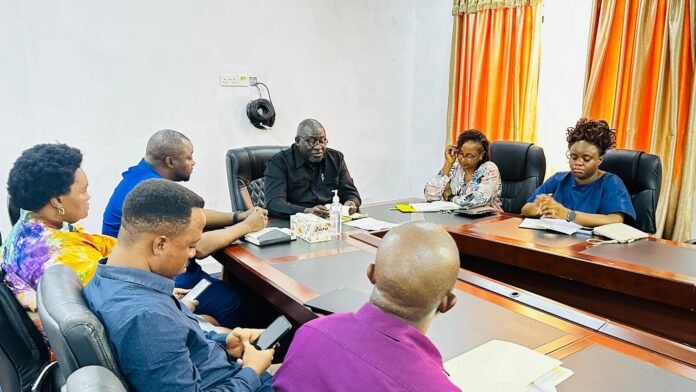
Vice President Dr Mohamed Juldeh Jalloh has reiterated the Government of Sierra Leone’s firm commitment to strengthening the country’s health system and advancing universal health coverage, following high-level discussions with teams from the World Health Organization (WHO) and the World Bank in Sierra Leone.

The Vice President described the engagement as a “productive meeting” and said it focused on sustainable financing reforms, improved coordination across Government Ministries and ongoing efforts to secure long-term support for Sierra Leone’s health sector priorities.

“I reaffirmed our commitment to universal health coverage, sustainable financing and advancing the Health Financing Act through inter-ministerial coordination,” Dr Mohamed Juldeh Jalloh said, emphasizing that the Government remains determined to push forward reforms even in the face of fiscal pressures.

He noted that Sierra Leone continues to operate within a challenging economic environment, where limited public resources and competing national development demands have increased pressure on health sector spending. However, the Vice President stressed that the health reform agenda remains central to the Government’s social development strategy and long-term national resilience.

Sierra Leone’s drive for universal health coverage is expected to include stronger health financing mechanisms aimed at reducing out-of-pocket payments for citizens, improving access to essential services and ensuring that healthcare delivery remains equitable across the country. Stakeholders say those reforms are also intended to increase the stability of funding for health institutions while strengthening accountability and efficiency in service provision.

Vice President, Dr Mohamed Juldeh Jalloh, highlighted the significance of international development partnerships in supporting Sierra Leone’s reform efforts, acknowledging that institutions such as WHO and the World Bank continue to provide critical technical guidance and financial support to improve national healthcare outcomes.

“I am grateful for these partnerships that continue to support Sierra Leone in driving health sector reform in these fiscally constrained environments,” he said, referencing the post-pandemic recovery challenges and broader economic headwinds affecting public expenditure.

The Vice President’s latest engagement is seen as part of the Government’s ongoing commitment to work collaboratively with global partners to strengthen the health sector, enhance service delivery and build a stronger system capable of meeting the needs of all Sierra Leoneans.

Observers believe that with sustained political will and consistent support from development partners, Sierra Leone’s health financing reforms could provide a stronger foundation for expanding quality healthcare and improving public health outcomes nationwide.

Vice President, Dr. Mohamed Juldeh Jalloh meeting with representatives from WHO and World Bank

BSE Showcases India’s Capital Market Model to Journalists from West, Central Africa and the Pacific Oceania

journalists from West Africa, Central Africa and the Pacific Oceania gather for group photo after completing their familiarization visit at the Bombay Stock Exchange (BSE)

By Amin Kef (Ranger)

A high-powered delegation of 27 journalists from West Africa, Central Africa and the Pacific Oceania has completed a familiarization visit to the Bombay Stock Exchange (BSE) on Tuesday, January 20, 2026 in Mumbai, as part of a structured international media exposure programme aimed at strengthening professional understanding of development finance, capital market systems, international cooperation frameworks and India’s expanding partnerships across the Global South.

The engagement, held at the iconic BSE PJ Towers on Dalal Street, offered the visiting media professionals a rare opportunity to gain direct insight into the operational structure of one of India’s most respected financial institutions and to deepen their understanding of how capital markets contribute to economic growth, investor confidence, transparency and long-term stability.

Participants described the visit as both high-impact and highly informative, emphasizing that such first-hand engagements are essential for journalists covering modern economic systems. Many noted that improved knowledge of stock exchange operations and financial regulation is crucial for public-interest reporting in their home countries, where citizens often depend on the media to interpret complex economic policies and development partnerships.

Among the visiting delegation were prominent Sierra Leonean media practitioners, including Alhaji Manika Kamara, President of the Sierra Leone Association of Journalists (SLAJ); Amin Kef Sesay (Ranger), Managing Editor of The Calabash Newspaper and Thomas Dixon, Managing Editor of The New Age Newspaper. The Sierra Leonean representatives joined colleagues from multiple countries across Africa and the Pacific, reflecting the international scope of the programme and the growing recognition of the media’s role in shaping public understanding of development-focused cooperation.

During the session, Ms. Kamala K., Chief Regulatory Officer at BSE, delivered a detailed presentation explaining how the stock exchange in India operates and the strict regulatory systems that promote market discipline, transparency, accountability and investor protection.

She guided participants through the core processes that drive the exchange, including company listing requirements, trading operations, compliance monitoring, disclosure standards and the role of regulation in strengthening trust and confidence within the capital market.

Ms. Kamala K. explained that strong regulatory oversight is fundamental to preventing market manipulation, ensuring accurate and timely information flow and guaranteeing that listed companies meet governance obligations. She noted that those mechanisms are not only designed to protect investors but also to safeguard the reputation and credibility of the market as a whole.

She further highlighted that the Indian stock market contributes significantly to national economic growth by enabling businesses to raise investment capital, supporting private sector competitiveness, broadening job creation opportunities and providing citizens with a platform to build wealth through informed investment.

The Bombay Stock Exchange, widely recognized as India’s oldest and one of its largest stock exchanges, serves as a central marketplace where people buy and sell shares of companies across several key sectors such as banking, telecommunications, manufacturing, energy, technology and pharmaceuticals.

Participants were briefed on the major investment and trading activities carried out on the BSE platform, which include:

  • Shares (stocks), representing ownership in companies
  • Bonds and debentures, which are investment instruments used by institutions to raise funds
  • Mutual funds, offering pooled investment opportunities
  • Exchange-Traded Funds (ETFs), allowing diversified investment through a single product
  • Derivatives (futures and options), used for risk management and speculation
  • SME listings, supporting small and medium enterprises seeking capital

The journalists were also introduced to the meaning and national significance of the BSE Sensex, the exchange’s main market index. The Sensex tracks 30 top companies listed on the BSE and is widely seen as a key indicator of the overall health and direction of India’s stock market.

Officials explained that when the Sensex rises, it generally signals positive performance among major companies, while a decline may indicate market pressure influenced by economic events, global market trends or investor sentiment.

A major highlight of the engagement was a special corporate communications session led by Prahlad Salian, Head of Corporate Communications at BSE, who spoke on what he described as the “Power of Vibrance” within India’s capital market ecosystem.

Prahlad Salian noted that the “Power of Vibrance” reflects the energy, dynamism and resilience of the Indian market, driven by a combination of innovation, economic diversification, improved technology systems and expanding investor participation across the country.

He stressed that modern stock exchanges are not only trading centres but also institutions of public trust. According to him, effective corporate communication is not merely about publicity but about ensuring that accurate market information is accessible, understandable and transparent to both experienced investors and first-time participants.

He further explained that communication plays a critical role in sustaining confidence during periods of market volatility, global uncertainty or economic shocks. In such moments, he said, trust becomes the currency of stability and clear messaging helps investors make informed decisions rather than reacting out of fear.

The session also explored broader issues driving the strength of India’s capital market and its wider economy. Observers highlighted that India’s growth is supported by a combination of factors, including a diverse market structure, a rapidly expanding consumer base, technological advancement and improving financial inclusion.

Participants were informed that India’s market strength is reinforced by a broad base of domestic investors, increasing mutual fund participation and a rising number of young investors adopting long-term investment culture.

Key points discussed during the engagement included:

  • India’s market is diversified across multiple sectors, making it more resilient
  • A strong technology ecosystem supports modern trading and investor access
  • Consumer market growth is driving corporate performance and confidence
  • Domestic investors are increasingly buying and holding local companies
  • The market has expanded significantly since liberalization reforms in the 1990s
  • Millions of unique investors are now actively participating in capital markets

The delegation also discussed India’s digital identity and financial inclusion systems, including Aadhaar, described during the session as a unique identification mechanism that supports banking access, verification and participation in modern financial services.

The visit featured an interactive question-and-answer segment, allowing participants to examine how India’s exchange system manages complex issues such as investor protection, compliance enforcement, and the relationship between economic growth and market performance.

Several journalists raised critical questions about the influence of domestic investors, mutual fund growth, the rising demographic of young investors and how India’s market has remained stable despite global uncertainty.

Officials explained that investor confidence is strengthened by a combination of factors, including regulatory discipline, corporate governance expectations, transparency requirements and technology-based monitoring systems designed to detect suspicious trading behaviour.

The familiarization visit forms part of broader institutional engagements scheduled for the international media delegation in India, focusing on deepening cooperation, strengthening professional exposure and improving media capacity to report on development finance and global economic partnerships.

Observers say such engagements reinforce the importance of informed journalism in promoting transparency, strengthening public understanding of international cooperation and supporting national conversations about investment, economic reforms and sustainable development.

The journalists expressed appreciation to the organisers for the opportunity and pledged to apply the knowledge gained to improve development-focused reporting that informs citizens, strengthens accountability and supports responsible public debate across Africa and the Pacific.

India’s market is increasingly positioning itself as a centre of innovation, resilience, global financial relevance and officials say exchanges like the BSE will remain critical not only for securities trading but also for supporting national transformation and expanding economic opportunities.

CARL-SL Appoints Jeremy Simbo Acting Executive Director as Ibrahim Tommy Steps Down

By Alvin Lansana Kargbo

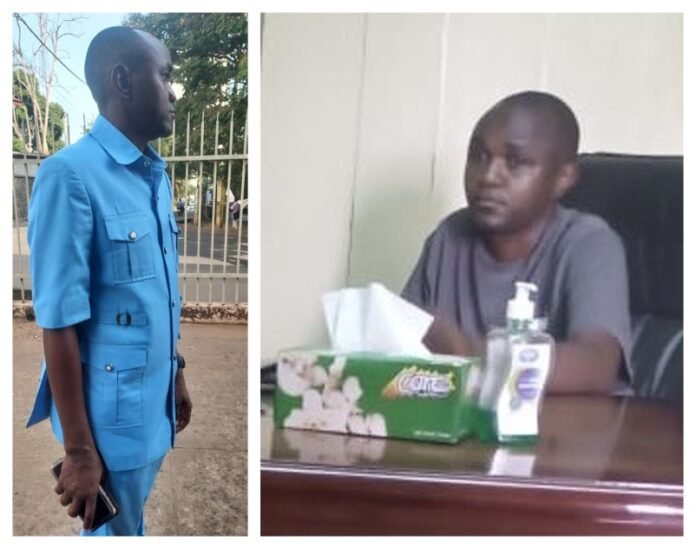
The Board of Directors of the Centre for Accountability and Rule of Law Sierra Leone (CARL-SL) has announced the appointment of Jeremy Ben Simbo, formerly the organization’s Head of Programmes, as Acting Executive Director, following the stepping down of Ibrahim Tommy Esq after nearly fifteen years in office.

The announcement was made during a press conference held on Thursday, 22 January 2026, at CARL’s headquarters on Pultney Street, Freetown.

Ibrahim Tommy assumed leadership of CARL-SL in May 2011, and is widely credited with transforming the organisation into one of Sierra Leone’s leading civil society institutions advocating for accountability, justice sector reform, and human rights protection.

According to a press statement from CARL-SL, Ibrahim Tommy’s tenure was marked by strengthened internal governance structures, an expanded programme scope, and the development of strategic partnerships with both national and international institutions. The statement noted that he intensified advocacy for human rights protection, access to justice, and institutional accountability, with a particular focus on addressing sexual and gender-based violence (SGBV) and corruption-related offences.

The statement further highlighted that under his leadership, CARL-SL implemented initiatives supporting judicial independence, police accountability, and improved legal and medical services for victims of SGBV. It added that CARL-SL also expanded its oversight activities on public sector governance, consistently demanding accountability for human rights violations and the mismanagement of public resources.

CARL-SL also increased engagement with regional and international justice institutions, promoting credible legal frameworks for addressing atrocity crimes and serious human rights violations.

Speaking at the press conference, Ibrahim Tommy said his decision to step down was not politically motivated, but rather based on personal and professional considerations. He described leading CARL-SL for almost fifteen years as a significant responsibility that required unwavering commitment to public interest advocacy, institutional discipline, and resilience in confronting governance and justice sector challenges.

He said that during his time as Executive Director, CARL-SL worked to build a strong and professional institution capable of defending human rights, supporting vulnerable communities, and promoting justice and accountability at both national and community levels.

According to him, the organisation responded to community-level injustices, provided support for victims of abuse, and remained consistent in holding state institutions accountable.

Ibrahim Tommy also acknowledged that the challenges were extensive, including limited resources, resistance to accountability reforms, and systemic weaknesses within governance structures. Despite these constraints, he said CARL-SL remained firm in pursuing its mandate and succeeded in building credibility among citizens, partners, and international institutions.

He expressed confidence that CARL-SL now has a stronger team, improved systems, and clearer strategic direction capable of sustaining the organisation’s work.

The former Executive Director disclosed that he has accepted an appointment in the private sector where he will serve as Chief Executive Officer, marking a transition from civil society leadership to corporate management. He reiterated that the decision was not influenced by political considerations and reaffirmed his commitment to national development through his new role.

Meanwhile, the CARL-SL Board commended Ibrahim Tommy for strengthening the institution’s capacity and national relevance in governance and justice sector advocacy, noting that his leadership positioned the organisation as a key stakeholder in promoting the rule of law in Sierra Leone.

The Board confirmed that Jeremy Ben Simbo will oversee CARL-SL’s operations and strategic direction in an acting capacity until a substantive Executive Director is appointed.

The Centre for Accountability and Rule of Law Sierra Leone has reaffirmed its commitment to strengthening democratic governance, protecting human rights, and advancing justice and accountability in Sierra Leone.