
Home Blog Page 62

27 Foreign Journalists Hold High-Level Talks at India’s National Maritime Foundation in New Delhi

27 Foreign Journalists Hold High-Level Talks at India’s National Maritime Foundation

By Amin Kef 

A delegation of 27 journalists from West and Central Africa and Oceania on Friday, January 16, 2026, held a high-level engagement with the National Maritime Foundation (NMF) in New Delhi, India, as part of an ongoing media familiarisation and professional exposure programme aimed at strengthening knowledge exchange, deepening international media cooperation, and improving journalists’ understanding of development policy and resilient infrastructure conversations.

The engagement brought together media professionals from friendly countries to explore the theme “Overview of India’s Maritime Interests”, offering participants a timely and practical understanding of why India places strategic significance on the maritime domain—not only for national defence planning, but also for trade facilitation, energy security, diplomacy, ocean governance, and regional leadership in the wider Indo-Pacific space.

The Sierra Leone delegation included Alhaji Manika Kamara, President of the Sierra Leone Association of Journalists (SLAJ); Amin Kef, Managing Editor of The Calabash Newspaper; and Thomas Dixon, Managing Editor of The New Age Newspaper.

The engagement formed part of a broader international initiative designed to enhance newsroom standards through exposure to global best practices, deepen institutional learning, and strengthen journalists’ capacity to report with context, accuracy and balance on complex policy issues increasingly shaping the modern world.

National Maritime Foundation (NMF)

Presentations delivered by officials and experts of the National Maritime Foundation underscored that India’s maritime interests extend far beyond traditional naval operations. Participants were briefed that the sea remains a lifeline for India’s economic growth and connectivity to global markets, making stable sea lanes, secure maritime infrastructure and uninterrupted shipping corridors essential to national prosperity.

The journalists were guided through India’s growing maritime priorities, including the country’s heavy dependence on sea routes for the movement of critical imports and exports, the expansion of offshore economic activity, and the rising importance of protecting maritime assets and coastal trade networks.

Experts stressed that modern maritime interests must be understood as a complete strategic framework—linking defence readiness to economic resilience, trade performance, energy supply systems, and diplomatic influence. They noted that in an era of shifting global security threats and rising competition for ocean resources, maritime stability has become one of the most decisive determinants of national development outcomes.

During the sessions, participants were also briefed on India’s trade engagement with Africa and how maritime connectivity continues to serve as the backbone of that expanding relationship.

Figures shared during the engagement indicated that India’s overall trade for the 2024/2025 period was estimated at about 1.1 trillion US dollars, reflecting the country’s deep integration into global economic systems and the growing relevance of maritime logistics in sustaining that performance. Presenters also highlighted that India’s trade with Africa in the same period stood at 81.9 billion US dollars, distributed across different regions of the continent, including West Africa, Central Africa and other sub-regions.

The presentation triggered broader discussions among journalists about the opportunities for deeper Africa–India cooperation, especially in areas such as port development, maritime infrastructure, value-added trade, logistics, security partnerships and blue economy expansion for coastal and island nations.

For journalists from countries that rely heavily on ocean trade, fisheries and maritime employment, the engagement helped connect global trade figures to real-world issues such as supply chain vulnerability, coastal governance and investment planning.

A major highlight of the engagement was the briefing on global maritime “choke points”—strategic narrow waterways through which a significant portion of global trade and energy shipments pass.

The National Maritime Foundation presentations identified major choke points in and around the Indian Ocean region, including the Suez Canal, Bab-el-Mandeb, Strait of Hormuz, and the Malacca and Singapore Straits, among others. Experts explained that disruptions along any of these routes can trigger far-reaching global economic shocks, including delayed supply chains, increased shipping costs, fuel price volatility and shortages of essential commodities.

The journalists were reminded of the global impact of shipping disruptions, including real-world incidents where blockages in key routes led to major delays and losses, illustrating how fragile global trade can become when strategic sea lanes are compromised.

The sessions emphasised that these risks are not theoretical. They are real challenges confronting international governance, maritime security frameworks, and global economic stability—issues that journalists increasingly must interpret and explain to their audiences with clarity.

The briefing also explored non-traditional maritime security threats that continue to influence the Indo-Pacific space and global ocean governance. Presenters highlighted issues such as piracy,

Experts noted that these threats undermine trade safety, damage coastal livelihoods, weaken national revenue streams and create openings for organised crime networks operating across sea borders.

The journalists were told that IUU fishing remains one of the most persistent threats to sustainable marine development, particularly in regions where enforcement is weak, surveillance capacity is limited and transnational criminal patterns exploit gaps in maritime governance.

By connecting maritime crime trends with broader governance challenges, the engagement helped participants appreciate the role of intelligence cooperation, modern surveillance systems, coordinated enforcement and regional partnerships in protecting national interests.

Another key segment of the presentation addressed India’s energy security realities and how maritime routes continue to shape national planning.

Officials emphasised that a significant share of global energy supply still travels by sea, and that securing ocean routes remains critical not only for fuel stability but also for industrial productivity, economic growth and household energy access.

The delegation was introduced to discussions surrounding offshore energy production and the maritime pathways through which oil and gas requirements are transported. Presenters explained that as global competition increases and geopolitical tensions impact supply routes, ensuring maritime security becomes a strategic necessity for national development and public stability.

For the visiting journalists, the energy segment provided additional context for understanding how maritime governance intersects with global energy debates, economic diplomacy and climate responsibility conversations.

For many participants, the day’s engagement was more than a formal institutional visit. It was described as a valuable learning opportunity that strengthened understanding of how major state institutions, strategic policy planning, diplomacy and public communication interact in a large democracy.

The programme was also seen as an important step in strengthening cross-border media collaboration between Africa, Oceania and Asia, especially as journalists face the growing challenge of reporting on complex issues such as maritime security, global trade systems, regional diplomacy and infrastructure resilience.

Participants noted that the presentations enhanced their ability to interpret maritime issues beyond headlines, helping them connect sea-based governance to national development priorities and international stability.

The engagement concluded with an interactive question-and-answer session, during which journalists sought further clarity on India’s maritime outlook, policy direction and strategic interests in the wider Indo-Pacific region.

Questions raised during the interaction centred on maritime security cooperation, economic opportunities linked to the blue economy, the future of ocean partnerships, and how developing countries can strengthen maritime surveillance and infrastructure systems while supporting sustainable growth.

Organisers described the engagement as part of a larger series of institutional visits in New Delhi aimed at exposing journalists to India’s development frameworks, policy thinking and international cooperation strategies, with the goal of strengthening professional standards and enhancing public-interest reporting.

As the familiarisation visit continues, participating journalists are expected to engage additional institutions and policy stakeholders, expanding their understanding of governance models, strategic planning and development partnerships that increasingly shape global conversations on security, economic resilience and sustainable growth.

National Maritime Foundation (NMF)
India National Maritime Foundation (NMF)
A delegation of 27 journalists from West and Central Africa and Oceania


Peace Commission Executive Secretary Pins White Ribbon on President Bio, Marking Start of National Remembrance Week

Peace Commission Executive Secretary Pins White Ribbon on President Bio

By Amin Kef (Ranger)

Sierra Leone has entered a historic national moment of reflection and unity with the commencement of the country’s first-ever National Remembrance Week, co-implemented by the Independent Commission for Peace and National Cohesion alongside the Ministry of Information and Civic Education. The week-long civic campaign, running from 14 to 21 January 2026, is building toward National Remembrance Day on Sunday, 18 January 2026, a permanent national moment introduced under the message “Never Again” to honour victims and survivors of the 11-year civil war, promote healing and strengthen national cohesion.

At the centre of this national effort is the Independent Commission for Peace and National Cohesion, a statutory body mandated to promote peace, prevent conflict, strengthen national unity and support dialogue and reconciliation across Sierra Leone. Government officials said the Commission’s role as co-implementer underscores the seriousness of the initiative, which is designed to deepen national consciousness about the cost of war and the responsibility of every citizen to preserve the peace achieved since the end of the conflict.

That commitment was reflected during a brief but solemn ceremony at State House on Wednesday morning, 14 January 2026, when the Executive Secretary of the Independent Commission for Peace and National Cohesion, Madam Hawa Sally Samai, pinned the white ribbon on President Dr. Julius Maada Bio, officially marking the start of the remembrance week. The symbolic act, officials said, represented the launch of a nationwide call for Sierra Leoneans at home and abroad to wear a white ribbon or white cloth as a sign of peace, healing and national unity.

Describing National Remembrance Day as a crucial opportunity for Sierra Leone to build a safer future through lessons from its past, Madam Hawa Sally Samai urged citizens to embrace unity and peace as national choices rooted in shared memory. “We remember the past to protect the future. From loss, we choose unity. From memory, we choose peace. Let’s talk, let’s listen and let’s resolve,” she said. Her statement, officials noted, reflects the heart of the remembrance campaign, which aims to encourage reflection, honest dialogue and shared responsibility as the nation consolidates its democratic and peaceful path.

President Dr. Julius Maada Bio, speaking during the ceremony, said he had personally worn the white ribbon to demonstrate solidarity with the national message of remembrance and reconciliation. He invited all Sierra Leoneans to join the symbolic gesture throughout the week. “I wore the white ribbon, symbolizing peace, healing and unity. As we prepare for our first National Remembrance Day on 18 January 2026, I invite all Sierra Leoneans to wear a white ribbon or cloth from 14 to 21 January 2026,” the President stated.

The remembrance initiative is being driven by intensified nationwide awareness, with the Ministry of Information and Civic Education clarifying that National Remembrance Day will not be observed as a public holiday. The Ministry said Government offices, schools, markets and businesses will remain open, but citizens are encouraged to participate respectfully in remembrance activities. Officials explained that the purpose is not to disrupt productivity but to establish a permanent national consciousness that honours the sacrifices of the past while promoting maturity, peace and responsible citizenship.

Organisers described the white ribbon as a powerful national symbol of remembrance, reflection and peace, honouring the memory of those who lost their lives during the war and acknowledging survivors and communities that continue to live with the trauma of conflict. In a show of unified national leadership, the Vice President, Dr. Mohamed Juldeh Jalloh, the Chief Minister and all Cabinet Ministers also received the white ribbon during the ceremony, reinforcing the message that the observance is a national duty and not a political event.

The Minister of Information and Civic Education, Chernor Bah, used the occasion to call on citizens from all walks of life to support the campaign and actively participate throughout the week. He said collective memory and national unity remain vital to Sierra Leone’s long-term development and peacebuilding.

Across the country, the white ribbon has already become highly visible, with many Sierra Leoneans embracing the symbol as part of the national call. On Wednesday alone, schoolchildren, police officers, members of the armed forces, drivers and residents in various communities were seen wearing the ribbon in observance of the remembrance week. Local authorities, civil society organisations, community-based groups and non-governmental organisations have also lined up a range of remembrance activities across districts, including memorial events, community engagements, reflection forums and peace messaging initiatives.

The Ministry of Information and Civic Education has urged citizens and communities to observe the week in peace and dignity, warning against hate speech, political provocation and any divisive conduct that could undermine the purpose of the commemoration. Authorities stressed that the remembrance is intended to strengthen unity and reconciliation, not to reopen wounds or fuel tension.

Representing war survivors, Catco Sesay, Secretary General of the Amputees and War Wounded Association, said National Remembrance Day carries deep meaning for those still living with the painful realities of the conflict. “The Remembrance Day means a lot to us, especially people like us disabled by the war. I think it’s time for us to be remembered,” he said. Survivors’ groups, officials said, have welcomed the initiative as a long overdue recognition of the suffering endured by thousands of Sierra Leoneans, while also calling for continued national support and inclusion.

As part of the broader remembrance narrative, the Ministry of Information and Civic Education also announced plans to collaborate with the Sierra Leone Association of Journalists to host a special event recognizing journalists who lost their lives during the conflict and honouring the resilience of those who survived while reporting under difficult conditions. Officials said the recognition will ensure that sacrifices across various sectors are captured in Sierra Leone’s civic memory.

Several national activities have been outlined for the observance of National Remembrance Day, including a Presidential Address in which President Dr. Julius Maada Bio is expected to officially inaugurate the day, honour victims and survivors, and reaffirm the country’s commitment to peace and national unity. A two-minute traffic stop will be observed nationwide, followed by a National Moment of Silence at exactly 12:00 noon, during which activities across Sierra Leone will pause for two minutes. The Ministry said the silence will be observed in schools, workplaces, places of worship, markets where feasible, public gatherings, and across national radio and television broadcasts.

Communities and schools have also been encouraged to create a Wall of Remembrance featuring names of victims, messages of reflection and pledges for peace. Suggested remembrance practices include candle-lighting, flower-laying, kola nut sacrifices and other peaceful cultural activities aimed at promoting healing and national solidarity.

With the remembrance campaign widely promoted under the hashtags #SaloneDaeMemba, #WiNorForget and #SaloneRemembers, Sierra Leoneans are being urged to embrace the white ribbon as a lasting national symbol of unity and to stand together under the collective pledge of peace, cohesion and “Never Again.”

For the Independent Commission for Peace and National Cohesion, the message is clear: remembrance is not only about honouring the past, but also about strengthening the national resolve to protect the future.

NTB Shuts Down Non-Compliant Beach Businesses After Major Cleanup Exercise

The National Tourist Board (NTB) has ordered the immediate closure of several commercial establishments along the Aberdeen–Lumley Beach Front after they failed to participate in a mandatory cleaning exercise aimed at restoring the country’s premier tourism strip.

The enforcement action follows a large-scale “After-Festive Season Beach Cleaning Exercise” held on Wednesday, 14 January 2026. The operation, organized after a stakeholder meeting on 7 January, was designed to rejuvenate the beach following weeks of intense festive activities that left the coastal belt heavily littered.

The initiative was launched on the directive of the NTB Board Chairman to reinforce collective environmental responsibility among beach operators. It also sought to strengthen cooperation between the Board and businesses such as bars, restaurants, hotels and casinos that depend on the cleanliness and safety of the beach ecosystem for their operations.

More than 100 volunteers turned out for the cleanup, organized into sweeping, waste collection, clearing, cleaning and grass-cutting units. Covering the full length of the Aberdeen–Lumley shoreline, the teams worked throughout the day to restore the beach’s natural appeal.

However, NTB officials say that despite clear instructions issued during the preparatory meeting, compliance from some business operators fell far short of expectations. All establishments were mandated to deploy staff and cleaning tools to address waste around their premises and adjoining areas.

Inspections conducted during the exercise, led by NTB officials and Trevor Young of Sierra Leone to the Top, revealed a sharp divide: while many businesses demonstrated full cooperation, others completely disregarded the directive.

Mohamed Bah, Product Development Officer at the National Tourist Board, confirmed the Board’s disappointment and firm response to the non-compliant entities.

“The National Tourist Board wishes to formally inform all establishments along the Aberdeen–Lumley Beach that failed or refused to comply with this collaborative cleaning exercise that such actions constitute a breach of operational expectations and environmental standards,” Mohamed Bah said.

Following this assessment, the NTB issued a formal enforcement notice ordering that all defaulting establishments be closed with immediate effect. They will remain shut until they meet compliance requirements and receive further directives from the Board.

The NTB emphasized that maintaining a clean, safe and attractive coastal environment is essential for tourism growth, public health and national image. Going forward, the Board insists that partnership and compliance from all beach-front operators will be mandatory and strictly enforced.

The closure marks one of the NTB’s strongest actions yet in its renewed commitment to sustainable tourism management and environmental protection.

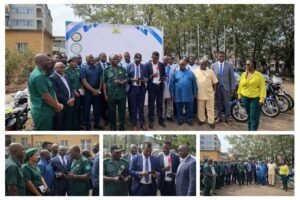
IGP Fayia Sellu Leads Fresh Street-Clearing Operation in Central Freetown

Police clearing abandoned vehicles and makeshift structures across major streets in Freetown

The Inspector General of Police (IGP), William Fayia Sellu, on Wednesday, 14 January 2026, led a renewed street-clearing operation in Central Freetown, targeting illegal structures, roadside garages and abandoned vehicles that have contributed to congestion and safety concerns within the capital’s Central Business District.

The operation was carried out along Main Street, Jenet Lane and other adjoining streets within the Kingtom area, where police officers and supporting security personnel were deployed to enforce compliance with existing road safety and public order regulations. The exercise forms part of a sustained campaign by the Sierra Leone Police (SLP) to restore order, improve urban mobility and create a safer and more organized environment for both motorists and pedestrians.

According to police authorities, the street-clearing drive is aimed at removing physical obstructions that limit road access, disrupt traffic flow and increase risks to public safety. The presence of illegally erected structures and roadside mechanical activities in busy commercial zones has long been identified as a major contributor to bottlenecks, making movement difficult for commuters and affecting business operations across the city.

By taking personal leadership of the operation, IGP William Fayia Sellu underscored the seriousness with which the Sierra Leone Police views the enforcement of traffic regulations and broader efforts to maintain law and order. Police officials said the Inspector General’s involvement also sends a clear message that the SLP remains committed to protecting public spaces and ensuring that roads, walkways and key access routes remain open and safe for lawful use.

During the operation, illegally constructed roadside structures were dismantled, while abandoned vehicles parked along major routes were removed to allow for improved access. Security teams were seen engaging members of the public, cautioning drivers and monitoring compliance to prevent resistance and maintain calm throughout the exercise.

The Sierra Leone Police further urged residents, traders and business operators within the affected communities to comply with city regulations, particularly those relating to road use, public safety and obstruction of walkways. Authorities warned that failure to cooperate could result in enforcement actions, as the operation is expected to be intensified and extended beyond Kingtom.

Police sources emphasized that the exercise is not only meant to ease traffic congestion but also to ensure that emergency vehicles can move freely during critical situations. The obstruction of major roads and junctions, they noted, can delay ambulance response times, restrict access for fire services and create unnecessary risks for the public during emergencies.

Residents in the area welcomed the intervention, describing it as a timely effort to restore order and discipline within the city centre. Some business owners, however, appealed for sustained engagement and clear communication, noting that many roadside operators depend on street-based activities for daily income.

The SLP said the operation will continue across other parts of Central Freetown in the coming days as part of wider measures to decongest the city and promote public convenience. Police authorities assured the public that they will continue to provide updates as the street-clearing exercise progresses across the Central Business District of Freetown.

Africell CEO Unveils People-First Strategy as 2026 Vision Takes Shape

Africell Chief Executive Officer, Shadi Gerjawi

Africell Sierra Leone has set a renewed people-centered direction for 2026 as the company’s senior leadership convened at the Tokeh Resort for its annual Management Strategic Retreat. The high-level gathering brought together executives to assess Africell’s 2025 performance and to outline strategic priorities for the year, with a strong emphasis on customer experience, community engagement and sustainable corporate impact.

Opening the retreat, Africell Chief Executive Officer, Shadi Gerjawi, described 2025 as a defining year for the company, marking 25 years of Africell’s operations across Africa. He said the anniversary was celebrated not only within the organization but also with subscribers, partners, staff and stakeholders across all operating markets. The CEO expressed deep appreciation to customers and employees, noting that their commitment has shaped Africell’s growth, resilience and stature as one of Africa’s most trusted mobile network operators. He added that the company is now preparing for its next 25 years of innovation, service evolution and regional expansion.

Reflecting on last year’s theme, Shadi Gerjawi reminded Management that 2025 was declared Africell’s “Year of Community Service,” a commitment that guided dozens of outreach and empowerment activities nationwide. He highlighted the company’s landmark gesture of presenting a newly constructed house to a loyal subscriber from Kabala, calling it a symbolic and emotional culmination of Africell’s year-long community initiatives. The moment, he said, reaffirmed Africell’s pledge to make real and measurable contributions to the lives of its customers.

Looking ahead, the CEO emphasized that customer-centric decision-making remains the core of Africell’s 2026 agenda. He noted that every strategic choice, short-term or long-term, must be evaluated based on the benefit it delivers to subscribers. Africell’s focus for the year, he explained, is to reinforce the balance between service quality, value and pricing while sustaining the company’s competitiveness in Sierra Leone’s dynamic telecommunications market.

On corporate social responsibility, Shadi Gerjawi underscored that community development is not an add-on but a defining feature of Africell’s identity. He highlighted the work of the Africell Impact Foundation, including its flagship Africell Learning Center, which he described as a major pillar of the company’s educational advancement initiatives. He announced ambitious nationwide training plans for 2026 and revealed ongoing collaborations with the Institute of Public Administration and Management (IPAM) and Njala University to expand access to free training programs for Sierra Leoneans.

Shadi Gerjawi also reaffirmed Africell’s continued investment in entertainment, youth empowerment and sports development. He cited the company’s partnership with AYV for the production of Housemates Salone Season 4, noting increased public anticipation for a potential fifth season. He further confirmed Africell’s sustained sponsorship of East End Lions Football Club and disclosed ongoing engagements with the Sierra Leone Football Association (SLFA) to broaden sports support nationwide.

On stakeholder engagement, the CEO stressed that Africell’s interaction with communities and the media is deliberate and structured, guided by a comprehensive annual outreach calendar. This framework, he said, ensures regular nationwide engagement particularly with ordinary subscribers whose perspectives and feedback continue to influence Africell’s service innovation and delivery.

In closing, Shadi Gerjawi encouraged Sierra Leoneans to keep choosing Africell as their preferred telecommunications network. He assured the public of Africell’s unwavering commitment to clear voice quality, fast and reliable data services, and a strong customer support culture, noting that the company remains devoted to supporting its customers just as it seeks their continued loyalty.

The 2026 Management Strategic Retreat stands as Africell’s first major corporate engagement of the year, setting the tone for enhanced operations, elevated service standards and stronger community partnership as the company enters a new phase of growth in Sierra Leone.

52 Sierra Leonean Nationals Detained by U.S. ICE, Await Deportation

Minister of Foreign Affairs and International Cooperation, Alhaji Timothy Musa Kabba (left) and President Donald Trump

By Foday Moriba Conteh

The Government of the United States has formally asked Sierra Leone to accept deported “third-party nationals” as part of conditions being discussed for the removal of the full U.S. visa restrictions currently affecting the country, Minister of Foreign Affairs and International Cooperation, Alhaji Timothy Musa Kabba, has confirmed.

Speaking on January 14, 2026, in an interview with Truth Media, the Minister disclosed that Washington’s request goes beyond the repatriation of Sierra Leonean nationals and includes a controversial proposal for Sierra Leone to accept deportees who are not citizens of the country.

The Foreign Minister’s disclosure comes amid intensified diplomatic engagements aimed at reversing the U.S. travel restrictions that reportedly took effect on January 1, 2026, under U.S. Presidential Proclamation 10998, which placed Sierra Leone among countries facing sweeping limitations on both immigrant and non-immigrant visas. The U.S. action, according to the Minister’s remarks, is linked to concerns about information sharing and cooperation on deportations.

During the interview, Truth Media Co-founder and presenter Amadu Lamrana Bah pressed the Minister on whether Sierra Leone was being asked to accept non-citizens as part of the discussions.

“What is the U.S. Government asking for? Does it have to do with accepting third-party nationals into the country?” Lamrana Bah asked.

In response, the Minister explained that Sierra Leone already hosts nationals from the sub-region under established regional mobility arrangements and immigration provisions, particularly the ECOWAS protocol.

“If you have ECOWAS people that come to Sierra Leone, they have the right to be here for 90 days. They can either renew their stay or return to their country,” the Foreign Minister stated.

However, he noted that the current U.S. request introduces a new layer of sensitivity because it involves deportees who may not be Sierra Leonean, but are linked to Sierra Leone through questionable or historically acquired documentation.

Drawing comparisons with Ghana, Minister Timothy Kabba said some West African nations have accepted third-party nationals under specific arrangements, but Sierra Leone must act responsibly and protect its national interest.

“Ghana does it, i.e., they take on board third-party nationals, but West African people,” Timothy Kabba said, adding that Sierra Leone also handles similar cases, but with significant caution and accountability.

He revealed that Sierra Leone has previously accepted deportees from the United States who possessed Sierra Leonean passports, even when there were doubts over their actual nationality.

“We have had a lot of people coming from the U.S. that obtained passport during the civil war and went to the U.S. under the refugee program,” he said. “You know that they are not Sierra Leoneans because they cannot even speak any of our local languages and some have fictitious place of birth.”

Despite those concerns, the Minister explained that such individuals have often been accepted because they carried Sierra Leonean documents, only for many to later return to their countries of origin after arrival in Sierra Leone.

“Those people we accept them because they have Sierra Leonean documents but after which some find their way back to their countries of origin,” he stated.

When asked directly whether the U.S. has officially requested Sierra Leone to accept third-party nationals, the Foreign Affairs Minister  confirmed that such a request has indeed been made, but emphasized that Sierra Leone is drawing a firm boundary.

“A request has been made to us for third party nationals,” he confirmed. “What we are contemplating now is if we’re going to take third-party nationals based on the refugee status, it will be West Africans. We are not going to take anybody who’s not a West African.”

The Minister further clarified that Sierra Leone’s response will be guided by its existing refugee framework.

“We would look because we have a refugee law if we want to take third-party nationals,” he said, noting that for the sake of strengthening bilateral ties, the U.S. may make such requests but Sierra Leone must not compromise national security and sovereignty.

On the issue of Sierra Leoneans currently held by U.S. Immigration and Customs Enforcement (ICE), the Minister disclosed that his Ministry has been provided with data indicating that about 52 Sierra Leoneans are presently in ICE custody.

“I do have a data that was supplied to me yesterday. We have about 52 Sierra Leoneans that are in the custody of ICE,” he said, adding that the Government is working with the U.S. State Department to process emergency travel certificates to facilitate their return.

He also confirmed that nationality verification is already underway, noting that four individuals were verified at the Sierra Leone Embassy as recently as the day before the interview.

“Yes, even yesterday we verified four people in the embassy and they’re coming back to Sierra Leone,” he said.

The Foreign Affairs Minister stressed that Sierra Leone is not seeking to avoid responsibility for its citizens but will ensure proper verification so the country is not forced into accepting deportees outside agreed regional considerations.

“We are not negotiating for our own people; they belong to Sierra Leone,” he stated. “When we verify their nationality we will help facilitate their return to Sierra Leone.”

With negotiations underway, the Foreign Minister’s remarks signal Sierra Leone’s willingness to cooperate with the United States, but only within legal limits and regional responsibility; rejecting any move that could turn the country into a destination for deportees with no legitimate West African ties.

Two Dead After Shooting Incident at Armed Forces Training Centre in Benguema

By Amin Kef (Ranger)

The Republic of Sierra Leone Armed Forces (RSLAF) has confirmed a fatal shooting incident at the Armed Forces Training Centre (AFTC) in Benguema, which resulted in the deaths of a senior military officer and a junior soldier.

In an official statement issued from Defence Headquarters at Cockerill Barracks in Freetown, Lieutenant Colonel Yayah Brima Esq, Director of Defence Public Relations and Information, said the incident occurred at about 11:00 a.m. on Wednesday, January 14, 2026.

The statement said RSLAF was saddened by the development and provided preliminary details indicating that the junior soldier , a Corporal, popularly known as “No. 9,” allegedly shot and killed his superior officer, Major Abdul Larkoh.

According to the report, immediately after the shooting, the Corporal allegedly attempted to take his own life in an apparent effort to avoid arrest, investigation and prosecution.

“While in a helpless state, the said Corporal Kamara was arrested and rushed to the 34 Military Hospital for treatment,” the statement continued. However, RSLAF confirmed that he was pronounced dead on arrival, bringing the total number of deaths from the incident to two.

The Armed Forces Training Centre in Benguema is widely considered one of Sierra Leone’s most important military institutions, serving as a key hub for the training, development and professional discipline of personnel across the armed forces. As such, the reported killing of a senior officer within the confines of such a facility has triggered heightened public interest and concern.

Security analysts note that incidents involving firearms within a controlled military environment are uncommon, but when they occur, they raise critical questions about internal protocols, command supervision and the effectiveness of early warning mechanisms designed to detect and prevent threats from within.

The deaths of Major Abdul Larkoh and Corporal Kamara have also prompted renewed discussions on personnel welfare, mental health support and grievance management systems within security institutions, particularly in high-pressure environments where disputes can escalate rapidly if not addressed early.

In response, the RSLAF leadership has ordered an immediate investigation into the circumstances leading to the shooting and subsequent developments.

“The general public will be updated as the facts unfold,” the statement assured, adding that the military remains committed to keeping citizens informed as the inquiry progresses.

At the time of reporting, the RSLAF had not released further information regarding the motive for the shooting or whether additional persons had been detained for questioning. The military also did not confirm any administrative actions beyond the investigation order.

Meanwhile, the tragic incident has drawn expressions of sympathy from members of the public, with many offering condolences to the families of the deceased and calling for a thorough, transparent and timely investigation to establish the facts and prevent similar occurrences in the future.

Taste the Extraordinary; Lǒr Restaurant Delivers Unmatched Global Cuisine in Juba

Lǒr Restaurant

By Foday Moriba Conteh

Freetown’s hospitality scene has welcomed a sophisticated new entrant with the rise of Lǒr Restaurant, an upscale culinary destination rapidly earning acclaim for its world-class menu, refined ambience and exceptional service delivery. Situated along the picturesque Goderich–Peninsular corridor in Juba, Lǒr has quickly become a favourite among the city’s cosmopolitan diners, business executives and leisure seekers.

Blending the richness of Sierra Leonean cuisine with flavours from around the world, Lǒr Restaurant distinguishes itself through an impressive array of dishes that span continents. Its menu features everything from authentic Sierra Leonean delicacies to Italian pasta, Japanese sushi, Indian curries and classic Lebanese selections; each prepared with meticulous care by a team of international and locally trained chefs. The culinary philosophy is rooted in craftsmanship, freshness and creativity, with the kitchen brigade sourcing key ingredients from trusted local suppliers to support agriculture while ensuring uncompromised quality.

We serve food we are proud of. Each dish reflects quality, passion and creativity,” a member of the culinary team shared, underscoring the restaurant’s commitment to excellence.

Beyond its cuisine, Lǒr offers an atmosphere that elevates every dining moment. The architectural design combines modern elegance with a serene open-air feel. Floor-to-ceiling glass installations, soft ambient lighting and a panoramic rooftop that opens to the Atlantic Ocean create an inviting setting for memorable dinners, celebrations and business engagements. Regular patrons say the ambience transforms even a simple meal into an extraordinary experience.

At the core of Lǒr’s growing reputation is its polished service culture. The front-of-house team is widely praised for its professionalism, warmth and attention to detail. “Our goal is to make every guest feel valued. Dining should be an experience, not just a meal,” a supervisor noted, highlighting the ethos that shapes customer relations.

The restaurant also stands out for its convenience-driven approach. Guests enjoy multiple payment options, including Visa, Mastercard, mobile money and cash, making the venue particularly attractive to tourists and corporate visitors. Ample parking and valet support add an extra layer of comfort in a city where congestion can often disrupt dining plans.

Although Lǒr continues to receive glowing reviews, particularly for its signature pasta dishes, expertly grilled meats and the much-talked-about golden tomahawk steak, some guests have commented on peak-hour delays and occasional inconsistencies in items like sushi. Management has responded proactively, assuring customers that additional staff training and kitchen workflow improvements are underway to enhance overall efficiency.

Lǒr’s rapid ascent is unfolding at a time when Sierra Leone is positioning itself as a growing tourism and leisure destination. Hospitality analysts say the restaurant is raising culinary standards, supporting job creation and helping shape Freetown into a more competitive West African dining hub.
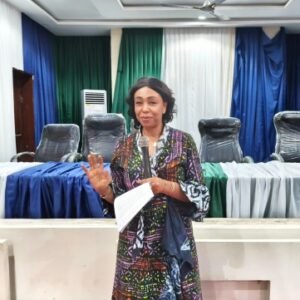
With strong word-of-mouth publicity and vibrant social media engagement, Lǒr Restaurant continues to attract patrons celebrating birthdays, hosting business lunches, planning romantic dinners or simply unwinding after a long day. For many, each visit feels like a fresh discovery.

From the first bite to the last farewell, Lǒr Restaurant is defining itself not just as a place to eat, but as a lifestyle destination where food, culture and atmosphere converge on the edge of the Atlantic.

Key Information:
Address: Peninsular Highway, Juba, Freetown
Phone: +232 90 002000
Cuisine: Sierra Leonean, Italian, Japanese, Lebanese, Indian, International
Hours: 9:00 AM – 11:00 PM (Weekdays); until 12:15 AM (Weekends)
Payments: Cash, Visa, Mastercard, Digital Transfers

Lǒr Restaurant — Where Fine Dining Meets the Atlantic Horizon.

Sierra Leone Journalists, African Colleagues Explore India’s Development Policy and Resilient Infrastructure at RIS, CDRI

By Amin Kef (Ranger)

Three Sierra Leonean journalists, alongside colleagues from West and Central Africa, on Wednesday, January 14, 2026, visited the Research and Information System for Developing Countries (RIS) and later held high-level discussions with officials of the Coalition for Disaster Resilient Infrastructure (CDRI) in New Delhi, India, as part of an engagement aimed at strengthening knowledge exchange and improving media understanding of development policy and resilient infrastructure initiatives.

The Sierra Leone delegation included Alhaji Manika Kamara, President of the Sierra Leone Association of Journalists (SLAJ); Amin Kef (Ranger), Managing Editor of The Calabash Newspaper; and Thomas Dixon, Managing Editor of The New Age Newspaper.

The day’s programme formed part of an ongoing media familiarization and professional exposure initiative designed to deepen collaboration between African media professionals and key Indian institutions supporting global development dialogue, research-driven governance and international cooperation.

At RIS, the visiting journalists were briefed on the institution’s mandate and role as a New Delhi-based autonomous policy research organisation focused on key issues shaping international economic development, including trade, investment, technology, sustainable development and regional integration.

RIS officials explained that the institution serves as a policy dialogue and capacity-building platform for developing countries, with a strong emphasis on South-South cooperation and supporting emerging economies in global and regional economic negotiations.

During the interaction session, the delegation engaged RIS representatives on topical issues shaping the global development agenda and the rising importance of research-driven policymaking in addressing economic transformation challenges confronting developing nations.

Journalists posed questions and exchanged views on key themes including inclusive growth strategies, how evidence-based research can better support national planning and the role of policy institutions in strengthening regional integration and competitiveness in the global economy.

Officials further highlighted that RIS is recognized as one of India’s leading policy research institutions, operating as an independent research and advisory body supported by India’s Ministry of External Affairs; an arrangement that strengthens its ability to connect academic research to practical policymaking and international development cooperation.

In their presentations, RIS experts outlined the institution’s objectives, which include supporting decision-making in developing countries through policy research and analysis, advancing regional and international economic integration and providing evidence-based advisory services across several development themes.

Areas of work discussed included trade and multilateral negotiations, Sustainable Development Goals (SDGs) implementation, digital transformation and the knowledge economy, as well as emerging conversations around climate change, energy and global governance reform.

The institution was also described as a regular convenor of high-level policy dialogues, conferences, workshops and training programmes aimed at strengthening capacity for both researchers and policymakers while producing reports, policy briefs and strategic studies in collaboration with regional and global partners.

Participants described the RIS engagement as insightful and relevant, noting that Africa’s development trajectory can benefit significantly from research-backed policymaking, institutional partnerships and stronger cooperation among countries of the Global South.

Following the RIS engagement, the delegation proceeded to the headquarters of the Coalition for Disaster Resilient Infrastructure (CDRI), where journalists met with authorities and held discussions on global efforts to promote infrastructure resilience amid climate threats and disaster risks.

CDRI officials explained that the organisation is an international initiative established to strengthen infrastructure resilience against natural disasters and the increasing risks posed by climate change.

Headquartered in New Delhi, the coalition brings together member countries, international organisations and institutional partners to reduce human and economic losses caused by disasters by supporting knowledge exchange, policy reforms and capacity-building, particularly in high-risk and developing regions.

The officials highlighted CDRI’s international partnership model, which unites national Governments, United Nations agencies, multilateral development banks, the private sector and knowledge institutions in a coordinated effort to strengthen the resilience of both new and existing infrastructure systems.

They further stated that CDRI’s work aligns with broader sustainable development imperatives by promoting the rapid development of disaster-resilient infrastructure capable of supporting universal access to essential services, sustaining economic prosperity and promoting decent work opportunities.

In the briefing, participants were also informed about the Coalition’s work on policy support and technical engagement designed to improve how countries plan, finance and implement safer infrastructure projects, particularly in areas vulnerable to floods, storms, earthquakes and other climate-related shocks.

Stakeholders say the Coalition’s expanding partnerships and global programmes are contributing to better planning for safer infrastructure systems while helping vulnerable nations build long-term resilience against recurring disasters.

Journalists present at the meeting described the engagement as timely, especially for African countries where infrastructure vulnerabilities remain a major challenge, often worsened by weak systems, limited financing and frequent climate-related shocks.

Participants noted that engagements of that nature strengthen media understanding and improve reportage on infrastructure planning, disaster preparedness, climate adaptation strategies and development policy frameworks across developing regions.

They emphasized that journalists require practical institutional exposure and access to credible technical knowledge in order to interpret development policies accurately and communicate their relevance to citizens in a way that strengthens accountability and promotes informed public debate.

The delegation added that the experience broadened their understanding of how research institutions, global coalitions and development partners collaborate in shaping national and international responses to development challenges.

Observers say initiatives linking journalists to policy research institutions and disaster resilience mechanisms are critical in today’s fast-changing world, where climate threats and economic uncertainties continue to pressure developing countries to adopt stronger frameworks for sustainable development.

The RIS and CDRI engagements were also viewed as part of broader efforts to expose visiting journalists to key Indian institutions that contribute to global policy thinking and international development cooperation.

According to the visiting team, the programme provides opportunities for professional exchange, knowledge-building and stronger media-to-media relationships between African journalists and Indian strategic institutions.

Such engagements, they said, help deepen mutual understanding while promoting collaboration and long-term partnerships that can contribute to improved reporting, stronger people-to-people ties and better appreciation of development strategies.

Beyond policy and institutional learning, the visiting journalists later undertook a cultural experience tour in New Delhi, including a scheduled visit to Dilli Haat INA, a popular craft and cultural market known for showcasing traditional products, handicrafts and food from across India.

Participants said the cultural experience forms an important part of the broader exposure, enabling visitors to engage with India’s cultural diversity while building professional connections in an atmosphere of mutual respect and learning.

For the Sierra Leonean delegation, the visit underscored the importance of strengthening policy literacy within the media profession and ensuring that journalists covering governance and development issues are equipped with deeper insight into global economic realities and climate resilience solutions.

Alhaji Manika Kamara, President of SLAJ, noted the importance of partnerships that support professional development, institutional learning and the strengthening of journalism standards through exposure to global best practices.

Amin Kef (Ranger), Managing Editor of The Calabash Newspaper, described the engagement as valuable in expanding regional media perspectives, particularly on how research-driven policy institutions such as RIS influence development planning and how coalitions like CDRI drive global action toward climate-resilient infrastructure.

Thomas Dixon, Managing Editor of The New Age Newspaper, also welcomed the engagement, noting that the discussions provided context for better analysis of development interventions and policy decisions that affect emerging economies.

The journalists concluded that visits to institutions such as RIS and CDRI present a practical opportunity for African media professionals to deepen their understanding of development policy systems, strengthen international networks and improve the quality of reporting on governance, climate resilience and sustainable economic growth.

Participants said the ongoing media exposure programme has strengthened their commitment to producing informed, balanced and development-oriented journalism that supports national progress and regional cooperation across Africa and beyond.

West, Central African and Oceania Journalists Tour Rashtrapati Bhavan, Hold High-Level Talks at ICCR and ANI in New Delhi

West, Central African and Oceania Journalists

By Amin Kef Sesay

A delegation of journalists from West and Central Africa and Oceania on Thursday, January 15, 2026 undertook a rare, high-impact series of institutional engagements in India’s capital, touring Rashtrapati Bhavan, the official residence of the President of India on Raisina Hill—before proceeding to high-level discussions with officials of the Indian Council for Cultural Relations (ICCR) and a newsroom exposure visit to Asian News International (ANI) in New Delhi, India.

The programme formed part of an ongoing media familiarisation and professional exposure initiative designed to strengthen knowledge exchange, deepen international media cooperation, and improve journalists’ understanding of development policy, governance systems, cultural diplomacy, and resilient infrastructure conversations—themes increasingly shaping global partnerships and public accountability.

For many in the visiting group, the day represented more than a tour-and-talk schedule. It was a practical window into how institutions of state, diplomacy and media interact in a major democracy—and how that interaction can inform newsroom standards, regional reporting depth, and cross-border storytelling between Africa, Oceania and Asia.

The delegation began the day at Rashtrapati Bhavan, the iconic Presidential Estate that stands as both a symbol of the Indian state and a living venue for national ceremonies, diplomatic receptions and key constitutional events. The estate—often described as one of the largest official residences of a head of state in the world—offered the visiting journalists a direct encounter with the history and architecture that frames modern India’s governance identity.

Originally completed in 1929 and designed by Sir Edwin Lutyens, Rashtrapati Bhavan was built as the Viceroy’s House during British rule, later becoming the presidential residence after India’s independence and the country’s transition to a republic. Today, it serves as the official home and principal workplace of the Indian President, Smt. Droupadi Murmu.

The group’s visit aligned with India’s structured public access tours, which allow guided entry into designated circuits—ranging from the main building and central lawn to museum spaces and seasonal access to the famed gardens. Delegates noted the emphasis on organisation, public engagement and the preservation of national heritage—elements relevant not only to tourism and civic education, but also to the way institutions tell their own national story.

While the delegation included journalists from across West and Central Africa and Oceania, the Sierra Leone contingent was led by three media professionals whose participation reflected their country’s growing involvement in international professional exchanges.

The Sierra Leone delegation included Alhaji Manika Kamara, President of the Sierra Leone Association of Journalists (SLAJ); Amin Kef Sesay (Ranger), Managing Editor of The Calabash Newspaper; and Thomas Dixon, Managing Editor of The New Age Newspaper.

Speaking during the engagements, participants described the trip as a strategic opportunity to broaden professional exposure and to strengthen the ability of journalists—especially those covering development and governance—to interpret complex policy frameworks and translate them into public-interest reporting.

Following the Rashtrapati Bhavan tour, the delegation proceeded to the headquarters of the Indian Council for Cultural Relations (ICCR) for a detailed institutional briefing on India’s cultural diplomacy architecture and its global engagement programmes.

ICCR officials explained that the organisation operates as an autonomous institution under India’s Ministry of External Affairs (MEA), with responsibilities spanning cultural exchanges, academic cooperation, scholarship support, and programmes designed to deepen people-to-people relations across regions.

The delegation received an extensive presentation led by Ambassador K. Nandini Singla, the Additional Secretary and Director General (DG) of ICCR. Officials noted that the DG functions as the principal executive leader of the Council, providing direction and administrative oversight for programmes implemented through Indian missions and cultural centres.

Participants were briefed on ICCR’s approach to strengthening international cooperation through cultural platforms—ranging from exhibitions and performances to academic partnerships and institutional linkages. Beyond showcasing heritage, ICCR officials stressed that the Council’s work is designed to build long-term relationships rooted in mutual understanding, dialogue and sustained engagement.

A major highlight of the ICCR engagement centred on educational outreach, with discussions touching on scholarship opportunities for international students and the role of education as a pillar of international partnership.

Journalists raised questions about how scholarship pathways and alumni networks can translate into measurable development outcomes in partner countries—particularly for African states seeking to expand human capital in key sectors such as public administration, health, engineering, ICT and education.

During the interaction, Amin Kef Sesay appealed for stronger inclusion of African journalists in knowledge exchange opportunities linked to ICCR programmes, describing such access as critical for developing newsroom capacity and strengthening international collaboration.

“We are interested in understanding how India’s cultural diplomacy through ICCR goes beyond exchanges to create real and lasting impact for African countries—especially in human capital development, education, youth empowerment, and stronger people-to-people cooperation,” he said.

He further called for structured pathways that allow journalists—especially in developing democracies—to benefit from training exposure and global best practices that support ethical standards, deeper analysis and stronger storytelling.

Alhaji Manika Kamara, President of the Sierra Leone Association of Journalists (SLAJ), described the engagement as a timely opportunity that highlights the value of international partnerships in strengthening journalism practice. He said such exposure sharpens professional skills, deepens institutional learning, and promotes higher reporting standards through access to global best practices, ultimately enhancing accuracy, balance, and public-interest journalism.

Thomas Dixon, Managing Editor of The New Age Newspaper, also welcomed the engagement, noting that the discussions offered critical context for interpreting development interventions and policy decisions shaping emerging economies. He emphasized that such exchanges improve journalists’ ability to analyse complex issues and communicate their real impact to the public with greater clarity and depth.

For their part, other journalists in the delegation emphasised the importance of professional exchanges that help African and Oceania media practitioners report more accurately on global development initiatives, climate and resilience policy, and the expanding role of South–South cooperation.

The delegation later visited Asian News International (ANI), one of India’s leading private multimedia news agencies, where journalists were taken on a guided tour and introduced to newsroom processes, production workflows and content syndication systems that support multi-platform news distribution.

During the engagement, Ravi Khandelwal, an Executive Producer at ANI, provided an overview of the agency’s operational model, including how multimedia content is gathered, edited and distributed to clients across different media formats.

Participants interacted with ANI personnel and observed aspects of newsroom coordination, video production systems and the speed-driven logistics required to feed breaking news, features, interviews and public-interest stories to a wide range of subscribing outlets.

Journalists described the ANI visit as particularly useful given the changing nature of modern journalism—where digital acceleration, verification pressures and audience fragmentation demand more agile workflows, but also stronger editorial safeguards.

The engagement also created space for broader reflection on contemporary newsroom challenges—copyright, content reuse, trust, credibility, and the ethical responsibilities attached to speed and scale in the information ecosystem. Participants noted that in an era of misinformation and polarised narratives, cross-regional professional exposure can help build a shared commitment to verification, public accountability and responsible storytelling.

By the end of the programme, delegates described the Thursday engagements as a powerful blend of symbolism and skills-building—moving from the physical seat of the Presidency to cultural diplomacy briefings, and finally to newsroom operations and multimedia systems.

For journalists from West and Central Africa and Oceania, the day’s interactions offered not only institutional knowledge, but also a broader professional question: how can media practitioners convert access and exposure into deeper reporting that serves citizens, strengthens democratic accountability, and expands public understanding of development choices?

Delegates said the experience reinforced the importance of sustained partnerships—not as one-off visits, but as continuing professional channels for newsroom development, research-driven reporting and stronger international cooperation.

As the programme continues, participants expressed hope that future engagements will further strengthen journalist-to-journalist linkages across Africa, Oceania and Asia—building networks that elevate standards, expand understanding, and empower the media to report global development with greater clarity, context and credibility.

West, Central African and Oceania Journalists West, Central African and Oceania Journalists

Alhaji Manika Kamara, President of the Sierra Leone Association of Journalists (SLAJ), Amin Kef Sesay (Ranger), The Calabash Newspaper; and Thomas Dixon,  The New Age Newspaper
Alhaji Manika Kamara, President of the Sierra Leone Association of Journalists (SLAJ), Amin Kef Sesay (Ranger), The Calabash Newspaper; and Thomas Dixon, The New Age Newspaper