
Home Blog Page 86

ICPNC, UN Present Preliminary Conflict Analysis as Sierra Leone Prepares for Peacebuilding Re-Eligibility

By Alvin Lansana Kargbo

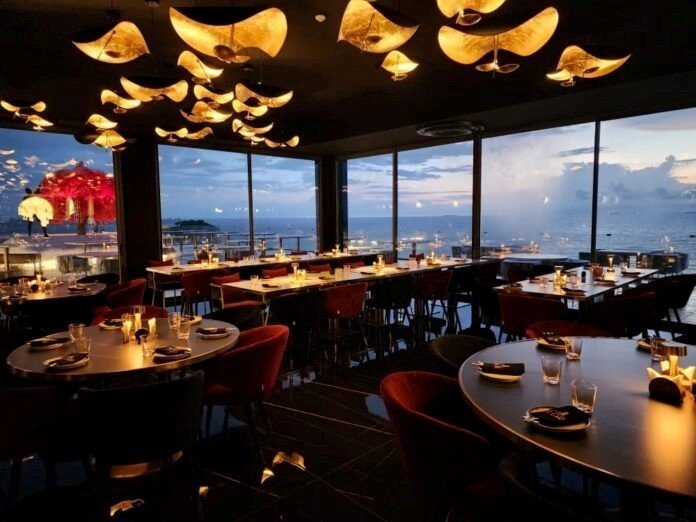
A multi-stakeholder workshop convened by the UN Resident Coordinator’s Office on Thursday, 27 November 2025, presented the preliminary findings of Sierra Leone’s latest conflict analysis and prioritization exercise. The event, held at the Radisson Blu Hotel in Aberdeen, brought together Government representatives, UN agencies, Civil Society, peace institutions and security actors to validate emerging evidence that will inform the country’s application for renewed eligibility under the UN Peacebuilding Fund (PBF).

The session formed part of a national process led jointly by the Independent Commission for Peace and National Cohesion (ICPNC) and the Ministry of Planning and Economic Development (MoPED), with technical support from the PBF. The ICPNC’s presence was central as the institution is mandated to coordinate national peace infrastructures and guide conflict prevention strategies nationwide.

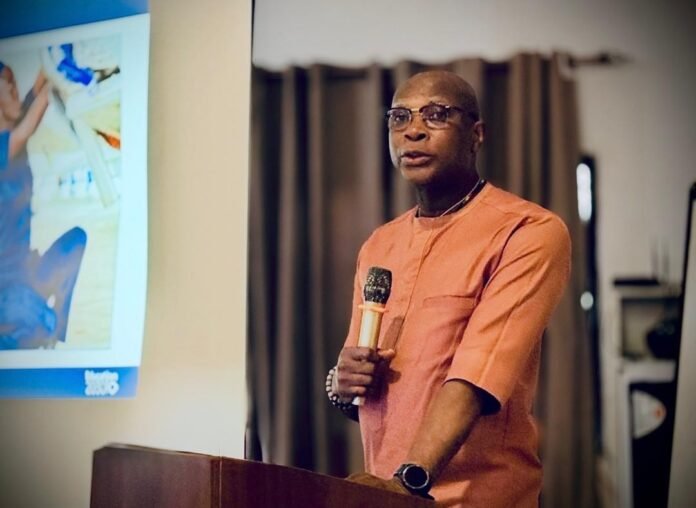
Speaking at the event, the Deputy Executive Secretary of ICPNC, Moses Margao, said the engagement represented a shared responsibility to rigorously critique and validate the emerging findings before they are submitted to New York. He emphasized that effective conflict prevention depends on a structured understanding of root causes, key actors and conflict dynamics; warning that “interventions undertaken without proper analysis can cause unintended harm.”

Moses Margao disclosed that Sierra Leone’s fragility assessment consists of five phases, with the day’s deliberations focusing on one of the most critical. He reminded participants that timelines were tight and any delay in submitting the required documentation could “jeopardize the country’s re-eligibility for conflict prevention interventions.”

The Deputy Executive Secretary noted that the outcomes of the workshop would form a substantive component of Sierra Leone’s submission to the Peacebuilding Architecture in New York. He called on participants to remain fully engaged, stating that the exercise was essential for “shaping targeted, evidence-based strategies that address tensions and strengthen national resilience.”

Robert Banamwana, Head of the UN Resident Coordinator’s Office, commended the Government, the Peace Commission, UN agencies and communities across the country for contributing to the process. Drawing from personal experience as someone from a nation that endured genocide, he cautioned that sustaining peace is more difficult than ending conflict.

He noted that Sierra Leone has benefitted from significant peacebuilding investments, citing an estimated US$184 million and emphasized that the returns far exceed monetary value. “Peace is a critical parameter,” he said, “and removing it would distort all outcomes in any model.” He encouraged young people in particular to view peace as their most valuable national asset and urged participants to interrogate the findings with honesty and rigor.

Delivering remarks on behalf of the Government, Deputy Development Secretary, Usman Cherry Conteh, positioned the exercise as a crucial step in Sierra Leone’s long-standing partnership with the PBF, which has invested more than US$84 million since 2007.

He recalled that Sierra Leone exited automatic PBF eligibility in 2020 and is now in the final year of its five-year transition period. A formal eligibility request is due and the conflict analysis will form the technical backbone of the next national application.

Usman Cherry Conteh cautioned that despite not being in a post-conflict transition phase, the country still faces serious political, economic and social vulnerabilities that could escalate if left unaddressed. He underscored the Government’s commitment to lead the process, ensure inclusive participation and align priorities with the Medium-Term National Development Plan.

The presentation outlined major findings gathered from nationwide consultations, interviews and field assessments:

Governance and Political Dynamics

  • Rising political intolerance and confrontational public discourse
  • Deepening SLPP–APC rivalry reinforcing ethnic and regional divides
  • Elections remain major conflict flashpoints
  • Incomplete post-war reconciliation, with many TRC recommendations still unimplemented

Socio-Economic Vulnerabilities

  • Increasing poverty, unemployment and inflation, especially affecting the youth
  • Rapid spread of the synthetic drug, Kush, destabilizing communities
  • Heightened tension around resources due to economic pressures

Institutional Weaknesses

  • Political interference in policing and justice
  • Fragmented and under-resourced peace infrastructures
  • Persistent reliance on informal “orders from above”

Media and Information Landscape

  • Misinformation and hate speech proliferating online
  • Social media outpacing traditional media, shaping divisive narratives

Typologies and Geography of Conflict

  • Political exclusion, economic hardship, land disputes, drug abuse and weak governance identified as recurring drivers
  • Hotspots include Bo (land issues), Kenema (mining tensions), Kambia and Kailahun (border disputes) and Freetown (urban crime and drugs)
  • Yenga remains the only significant external boundary concern

Emerging Peacebuilding Trends

  • Strengthening traditional and community-based peace actors
  • Expansion of decentralized peace infrastructures (CHISECs and DISECs)
  • Growing momentum for inclusive governance and youth participation
  • Emphasis on digital peacebuilding and countering misinformation
  • Rising influence of climate-related pressures on conflict dynamics

Strategic Pathways Proposed

Recommendations include depoliticizing institutions, strengthening decentralization, promoting youth employment and drug-prevention measures, enhancing media literacy and improving border coordination. Community-level strategies call for empowering youth groups, women’s networks and grassroots peace structures, while further research is recommended on digital misinformation, customary justice and climate-related conflict risks.

The validated findings will inform the next stage of prioritization and will ultimately form Sierra Leone’s consolidated submission to regain eligibility for future peacebuilding support.

Citizen Writes Attorney General Over Alleged “Flawed” Autopsy Practices in Sierra Leone

By Foday Moriba Conteh

Mohamed Sillah Bangura, a concerned Sierra Leonean citizen, has written to the Attorney General and Minister of Justice expressing deep concern over what he describes as “serious shortcomings” in the country’s autopsy procedures conducted at the Connaught Hospital mortuary. In a letter dated 24th November 2025, Mohamed Sillah Bangura said Sierra Leone’s current pathological practices, carried out under the supervision of the country’s sole consultant pathologist, Dr. Simeon Owizz Koroma, fall far below internationally accepted standards.

He warned that the situation poses significant human rights, legal and justice challenges, particularly in murder and manslaughter trials where autopsy findings are crucial. Mohamed Sillah Bangura referenced the controversial autopsy conducted on the late Sia Fatu Kamara on 16th August 2025, which formed the basis for the murder charge against her boyfriend, Abdul Kpaka, now standing trial before Justice Alfred Ganda.

He urged the Attorney General to review the autopsy report and the procedure used in producing it. According to Mohamed Sillah Bangura, his research suggests that a comprehensive forensic autopsy typically requires three to four weeks and involves advanced equipment such as MRI or CT scan machines, X-rays, microscopes and laboratory analysis of tissues and organs. However, he alleges that autopsies performed at Connaught Hospital are usually completed “within one or two hours,” with results produced immediately without the use of any advanced forensic equipment. “Corpses are merely laid on a table, torn open and after just eye observation, a result is produced,” he wrote. “No appropriate autopsy result can be produced without the required machines or tools.”

He noted that Section 23(2) of the 2021 Medical Examiner’s Act states that the autopsy findings of the Chief Medical Examiner should serve as prima facie evidence; a standard he argues must be “beyond reproach.” Mohamed Sillah Bangura said flaws in autopsy procedures have repeatedly complicated murder prosecutions, often resulting in cases being reduced to manslaughter or dismissed altogether.

He warned that poor-quality autopsy reports could wrongfully convict innocent individuals or allow perpetrators to walk free.  Mohamed Sillah Bangura urged the Attorney General to take immediate action, including: Collaborating with the Ministry of Health to establish a fully equipped, modern forensic autopsy facility.

Training and deploying multiple qualified pathologists across the country, reviewing all cases charged solely on the basis of Dr. Koroma’s autopsy reports and conducting further review of past convictions dependent exclusively on such reports.

He acknowledged the recent refurbishment of the Connaught Hospital mortuary and the introduction of an X-ray machine for the first time, describing it as “proof that past procedures did not meet required standards,” but insisted that more comprehensive reforms were needed.

Mohamed Sillah Bangura expressed confidence that the Attorney General’s ongoing justice-sector reforms, combined with human rights background, would ensure the matter receives the urgency it deserves.

Copies of the letter were sent to the Minister of Health, Chief Justice, Inspector General of Police, Human Rights Commission, Legal Aid Board, Bar Association, the US Embassy, British High Commission, the EU and other institutions.

Eight Contestants Shortlisted for the EU and Ballanta Final GBV Singing Competition

Eight contestants have been recently  shortlisted to participate in the finals of the national singing Gender-Based Violence (GBV) competition, which was launched by the European Union (EU) Delegation in collaboration with the Ballanta Academy of Music and Performing Arts on 3 October 2025.

The competition aims at raising public awareness and promoting action against Gender-Based Violence (GBV) through the power of music. The initiative seeks to amplify youth voices in advocating for gender equality and the elimination of GBV, while positioning music as a powerful platform to inspire social change and encourage dialogue around human rights and women’s empowerment among young Sierra Leoneans.

According to the organizers, the eight finalists were selected from 107 video clips submitted from across the country. These entries were thoroughly reviewed by an expert panel of five judges with extensive backgrounds in music, performance and social impact work. The shortlisted finalists include Mohamed Alhaji Lenox Kamara, David Kallon, the ‘Lyrical Three’ musical group, Abraham E.S. Pratt, Othman Tao, Alie Baminhoma, the ‘The Shout Music Ministry’ musical group and Daniel Sesay.

The competition was open to Sierra Leoneans aged 18 to 35 years and forms part of the activities leading up to the annual global campaign, 16 Days of Activism Against Gender-Based Violence, which runs from 25 November to 10 December 2025. The campaign is recognized globally as a period dedicated to intensifying advocacy, awareness and action against violence targeting women and girls.

EU Ambassador, Jacek Jankowski, commended the selected contestants and highlighted the deeper significance of the initiative. “I congratulate the eight finalists who will be competing for the top prize in this meaningful competition,” he said. “This is more than a celebration of music; it is a call to action to protect the rights, dignity and the safety of our women and girls.”

The European Union continues to be an active partner in the fight against GBV in Sierra Leone, supporting Government agencies, Civil Society Organizations and community-based groups to prevent violence and empower survivors. This singing competition is one of several youth-centered initiatives aimed at using creative expression to support advocacy efforts.

Dr. Julius Spencer, Chairman of the Board of Directors of the Ballanta Academy, explained the next stage of the process. “This shortlisting takes us to the next phase of the competition, which is vocal coaching and training of the eight finalists at the Ballanta Academy’s studios before the actual finals, which will be held on 12 December 2025,” he stated. The coaching phase is designed to enhance participants’ musical skills and stage presence, ensuring a strong and meaningful performance on the final day.

At the grand finale, the top three contestants will receive cash prizes of NLE 30,000, NLE 20,000, and NLE 10,000, respectively. In addition to the cash awards, they will also receive full scholarship packages for certificate courses in Music Education at the Ballanta Academy, offering them long-term opportunities to develop their musical careers.

The presentation of prizes and the official announcement of the winners will take place on Friday, 12 December 2025, at the Freetown City Council Auditorium, starting at 4:00 p.m.

Admission to the event is free and all music lovers, advocates and members of the public are warmly encouraged to attend and support the youth-led campaign against gender-based violence.

FCC Hands Over Kingtom Dumpsite to Sierra Evergreen, Launching Major Waste Management Transformation

The Freetown City Council has on Tuesday, November 25, 2025, officially handed over the Kingtom Dumpsite to Sierra Evergreen marking a significant milestone in the city’s efforts to modernize waste management, enhance environmental sustainability and improve public health.

The ceremony, held at the dumpsite, brought together FCC Councillors, municipal officials, representatives of Sierra Evergreen, community stakeholders and environmental advocates, all eager to witness the launch of a long-awaited transformation project.

This handover marks the beginning of a major cleanup, rehabilitation and modernization initiative aimed at converting the decades-old dumpsite into an efficient and environmentally friendly waste management facility. For years, Kingtom has been associated with uncontrolled waste disposal, frequent fire outbreaks, air pollution and severe health risks to surrounding communities.

In her address, while handling over the dumpsite, Mayor Yvonne Aki-Sawyerr OBE described the event as “a turning point for Freetown’s environmental future,” noting that rapid urban population growth has strained the city’s waste management systems.

“What we are witnessing today is the beginning of a new era,” she said. “By partnering with Sierra Evergreen, we are improving waste disposal systems and prioritizing the health, dignity and welfare of our citizens. Freetown deserves clean air, clean spaces and a future where environmental hazards are minimized. Since I became Mayor, my number one priority has been the environment and tackling dirty business. We cannot serve our city fully if we do not confront this challenge.”

According to FCC, the takeover of the Kingtom dumpsite by Sierra Forever Green Ltd, now assuming full management responsibilities, will significantly reduce operational costs for the Council. The move aligns with the broader Transform Freetown–Transforming Lives agenda.

The project includes plans to process up to 30 tons of plastic waste daily, a key step toward modern recycling infrastructure in the city. The initiative is also expected to foster youth employment, with an estimated 500 jobs to be created for young people involved in waste collection, sorting and recycling activities.

Mayor Aki-Sawyerr highlighted that “dirty has value,” emphasizing that waste can be transformed into economic opportunities. She reiterated the importance of residents registering with FCC-approved waste service providers to support the city’s cleanliness and sustainability goals.

The Mayor assured the public that, by next year, the revamped facility will be fully operational, including an upgraded plastic recycling system that converts waste into pellets; a significant improvement from small-scale recycling efforts of the past.

Workers, she added, will be properly trained, equipped and managed under a structured operational plan. Security measures including perimeter fencing, gates and security personnel will be implemented to ensure responsible site operations.

“Cleaner cities are built through collective responsibility,” she said. “Let us work together to ensure that the transformation of Kingtom becomes a proud example of what we can achieve when we unite behind a common purpose.”

Chadi Ghaovi, Director of Sierra Evergreen, expressed appreciation to the Mayor and the Council for their leadership. He pledged the company’s commitment to maintaining a clean, safe and environmentally friendly waste management system.

“Together, we can transform what is now the ‘Black Mountain’ into a thriving green valley; a symbol of environmental progress and hope for future generations,” he said.

Local residents have welcomed the initiative as a long-awaited relief from pollution and the health risks associated with the dumpsite. “We want to breathe clean air again,” said Mariam Kamara, a neighborhood resident. “This project gives us hope that our children will live in a safer environment.”

The ceremony concluded with a symbolic handover between the Mayor and Sierra Evergreen, publicly sealing the municipality’s commitment to sustainable waste management and youth empowerment.

Kingtom dumpsite

Africa and Europe Reaffirm Strategic Cooperation at 7th AU–EU Summit in Luanda

African leaders at the 7th AU–EU Summit in Luanda


Leaders of the African Union (AU) and the European Union (EU) have renewed their commitment to a stronger, more dynamic partnership at the 7th AU–EU Summit held from 24–25 November 2025 in Luanda, Angola. The high-level gathering, co-chaired by Angolan President ,João Manuel Gonçalves Lourenço, European Council President António Costa, AU Commission Chair Mahamoud Ali Youssouf and European Commission President Ursula von der Leyen, marked 25 years of the AU–EU strategic partnership and reaffirmed the Joint Vision for 2030.

Addressing the Summit, President António Costa underscored the importance of unity in a world marked by rising geopolitical tensions. “Africa and Europe stand stronger together,” he said. European Commission President Ursula von der Leyen stressed that both continents now “need each other more than ever” amid global trade disruptions and competitive pressures.

The two blocs committed to advancing cooperation that supports job creation, sustainable economic diversification and access to capital, technology and resources.

Africa and Europe reaffirmed their commitment to open, rules-based trade, with the EU maintaining its position as Africa’s largest trading partner. Notable developments highlighted at the Summit included:

  • Strengthened support for the African Continental Free Trade Area (AfCFTA);
  • Progress on regional connectivity projects, especially the Lobito Corridor, which recently facilitated Angola’s first export of avocados to Europe;
  • Enhanced collaboration on regional value chains, particularly in critical minerals.

President von der Leyen cited the EU’s Global Gateway initiative as a model for fostering local job creation and value addition. The initiative has already mobilized over EUR 120 billion, with a target of EUR 150 billion by 2027.

Recognizing that Africa possesses 60% of the world’s finest solar resources yet receives only 2% of global clean-energy investment, leaders pledged decisive action to close that gap. Key commitments include:

  • Providing clean electricity to 100 million people by 2030;
  • Scaling renewable energy generation through a EUR 15.5 billion global pledge under the G20;
  • Over EUR 400 million from Team Europe to support clean cooking initiatives.

“A just transition must be for all and it must be made in Africa,” President von der Leyen emphasized.

The Summit reiterated the importance of global peace grounded in the UN Charter, including respect for sovereignty and territorial integrity. Leaders called for immediate de-escalation in Sudan and the Democratic Republic of Congo and reaffirmed support for peace efforts in Ukraine, the occupied Palestinian Territory, the Sahel and Somalia.

They further highlighted the need for predictable UN financing for AU-led peace support operations and closer cooperation to counter terrorism, organized crime, hybrid threats and disinformation.

A central pillar of the renewed partnership is investment in people, especially young Africans. The AU and EU agreed to:

  • Enhance cooperation in education, research, skills development and innovation;
  • Expand mobility for students, researchers and academics;
  • Adopt a balanced, humane approach to migration, including improved legal pathways and measures for dignified return and reintegration;
  • Strengthen diaspora engagement as drivers of innovation and investment.

As the UN marks its 80th anniversary, the two blocs pledged to jointly advocate for reforms that make multilateral institutions more representative and effective. This includes reforming global financial systems, boosting climate ambition and supporting extensive reform of the World Trade Organisation ahead of the 2026 Ministerial Conference in Cameroon.

The AU and EU agreed to finalize a joint implementation plan within six months, enhance follow-up through the Joint Monitoring Report and prepare for the 8th AU–EU Summit in Brussels.

Both sides expressed deep appreciation to President João Lourenço and the people of Angola for their warm hospitality and the successful hosting of the milestone Summit.

Listen to Sierra Leonean Women About Their Experiences of Abuse in Maternal Health

By Skye Wheeler

A new Human Rights Watch (HRW) report has drawn fresh attention to the persistent abuse faced by pregnant women and girls in Sierra Leone’s maternal health system, despite notable progress in recent years. The findings, which detail widespread neglect, informal fees and emotional and physical trauma in public hospitals, have intensified calls for urgent reform.

The report, released earlier this month, documents interviews with nearly 50 women who had recently given birth, along with healthcare providers and maternal health experts. HRW says its research uncovered a troubling pattern: women and newborns suffering, and in some cases dying, because healthcare workers demand informal fees for services that are supposed to be free.

According to HRW, the abuse is deeply rooted in chronic resource shortages across public health facilities, including inconsistent supplies of essential drugs and basic materials such as gloves and IV fluids. Many healthcare workers themselves are overstretched and unpaid, conditions that have contributed to a system in which women in labour are pressed for payment at the most vulnerable moments of their lives.

One woman recounted being left unattended for two hours while in labour because she could not afford soap and gloves. Her baby died shortly after being delivered by a midwife—a death she believes better care could have prevented. HRW described such neglect as a form of obstetric violence: gender-based abuse directed at women and girls seeking reproductive care.

Health and Sanitation Minister, Dr. Austin Demby, responding to the findings, acknowledged the gravity of the situation but criticised HRW for publishing the report outside of established Government research protocols, including ethics review processes. However, he emphasised that women and girls giving birth in Government facilities must experience “not only survival, but dignity.”

While welcoming the Minister’s acknowledgement of the issue, HRW stressed that progress has been slow and fragile. The organisation warned that improvements in maternal mortality—one of Sierra Leone’s major public health achievements over the past decade—could be undermined if systemic abuse and resource shortages persist.

HRW noted that its research followed strict ethical guidelines, securing informed consent, guaranteeing anonymity for participants and taking precautions to avoid re-traumatisation.

The report calls for decisive Government action, including ending reliance on volunteer healthcare workers and significantly boosting resources for public health facilities. It urges the State to establish a clear path toward fulfilling its Abuja Declaration commitment to allocate at least 15 percent of the national budget to health.

Equally crucial, the report argues, is transforming entrenched attitudes that normalise disrespect toward women and girls in medical settings. HRW found that many women—especially those who are poor, unable to read or write, or without social connections—feel powerless to report abuse or demand better treatment.

Feminist activists and community-level organisations have played a pivotal role in advocating for safe maternal care, yet they remain under-resourced. Their recommendations, HRW says, must be taken more seriously by policymakers.

Wheeler emphasises that women’s accounts of abuse are vital and should inform policy and reform. HRW’s report, she said, should be just one of many platforms through which Sierra Leonean women and girls can share their experiences and push for change. Hearing their voices—and acting on them—is essential, she added, for safeguarding the lives and dignity of women and newborns across the country.

Skye Wheeler is a Senior Women’s Rights Researcher at Human Rights Watch.

Parliament Approves Agreements Benefiting 62,000 Households Under Feed Salone Initiative

The Parliament of Sierra Leone on Tuesday, 25th November 2025, debated and unanimously ratified a series of financing agreements designed to accelerate national development, strengthen agricultural productivity and expand vital road infrastructure.

The agreements, signed between the Government of Sierra Leone and the Islamic Development Bank (IsDB), alongside other partners cover two major projects: the reconstruction of the Kambia–Tomparie–Kamakwie Road and the Livestock and Livelihoods Development Project. Both initiatives form part of the Government’s broader drive to promote inclusive growth and enhance living standards nationwide.

Parliament approved multiple legal instruments relating to the two projects, including loan agreements, agency agreements, framework agreements and technical assistance grants. These agreements were signed on various dates in 2025 and outline financing modalities and collaborative responsibilities among the Government, IsDB and Probase Manufacturing SDN. BHD.

Presenting the agreements to Parliament, Minister of Finance, Sheku Ahmed Fantamadi Bangura, said the road reconstruction project will significantly improve market access and transportation within the North-Western Region.

“We are also opening roads in other regions,” he stated, stressing Government’s commitment to balanced national development.

On the Livestock and Livelihoods Development Programme, Ahmed Fantamadi Bangura said the project aligns with the Feed Salone Initiative and targets 62,000 households, introducing innovative models to improve livestock productivity. He explained that access to finance provided through the project will be strictly monitored to ensure efficiency and accountability.

During the debate, MPs from across the political divide expressed strong support for the agreements while urging effective implementation.

Chairman of the Parliamentary Finance Committee, Hon. Amara Kai Samba, lauded the Kamakwie Road project as a critical national investment and emphasized the need for increased attention to livestock production to reduce meat imports. He further urged strict diligence to ensure all intended beneficiaries are reached.

Opposition Whip from Kambia District, Hon. Abdul Karim Kamara, described the agreements as beneficial to Sierra Leoneans and called on political leaders to support development efforts irrespective of party lines. He encouraged greater flexibility in assisting farmers under the livestock project.

Deputy Leader of Government Business, Hon. Bashiru Silikie, proposed the inclusion of tollgate provisions for the Kamakwie Road to ensure sustainability. He also stressed the need for awarding contracts to competent and credible contractors, recommending that the Sierra Leone Roads Authority (SLRA) be granted full oversight on contract awarding.

Members of Parliament from various districts, including Hon. Keikura Vandi (Bo), Hon. Mustapha Sellu (Moyamba), Hon. Abubakarr Fofanah (Kenema) and Hon. Musa Fonah (Kono) welcomed the projects, highlighting the challenges farmers face in accessing finance and the transformative potential of the road construction for economic activity and rural connectivity.

Representing Karene District, Hon. Abdul Karim Bangura praised President Julius Maada Bio for fulfilling his commitment to the people of Karene through the road reconstruction effort, noting other development projects ongoing in the district.

Acting Leader of the Opposition, Hon. Daniel Brima Koroma, offered a structural breakdown of the financial arrangements and commended the Minister of Finance for reviving the Kamakwie Road Project, which he noted dates back to 2015. He appealed for the revival of the Musaia Agricultural Livestock Farm in Koinadugu District, reaffirming the opposition’s willingness to support national development initiatives.

In closing the debate, Acting Leader of Government Business, Hon. Emerson Saa Lamina, clarified earlier submissions and outlined the three central pillars of the Government’s socioeconomic development agenda. He emphasized the strategic importance of the road and livestock projects, thanked Parliament for its support and reiterated the inclusion of capacity-building components in the livestock initiative.

He also called for legislation to regulate cattle rearing to minimize conflicts and appealed for the construction of the road linking Kono District to the Guinea border.

Parliament’s approval of the financing agreements marks a major step toward enhancing road connectivity, strengthening agricultural resilience and delivering tangible benefits to tens of thousands of households across Sierra Leone.

16 Days of Activism: Partners Reaffirm Commitment to Protect Women and Girls Online

Government officials, development partners and Civil Society leaders on Tuesday, 25th November 2025, reaffirmed their collective commitment to combating online harassment and digital violence against women and girls during the launch of the 16 Days of Activism Against Gender-Based Violence (GBV) and the National Cybersecurity and Awareness Campaign. The high-profile event, held at the Freetown International Conference Center in Aberdeen, was hosted by the Ministry of Gender and Children’s Affairs in collaboration with the National Cybersecurity Coordination Centre and partners.

Held under the theme: “Unite! End Digital Violence Against All Women and Girls”, the campaign also adopted the slogan “Click Wise, Stay Safe,” underscoring efforts to promote safe and responsible digital engagement, empower women and girls online and tackle the growing menace of cyber harassment.

Chief Minister, Dr. David Moinina Sengeh, who delivered the keynote address, issued an apology on behalf of the Government to all victims of online harassment and bullying. He stressed that no nation can progress when women and girls, who form the backbone of society, are subjected to intimidation and abuse. He noted that while technology has created incredible opportunities, it has also opened doors to risks, privacy violations and harmful behaviour, adding that Government rejects all forms of violence against women and girls.

Dr. David Moinina Sengeh highlighted Sierra Leone’s significant strides in improving its cyber environment, revealing that the country now ranks among the top 10 in Africa on cybersecurity indicators. He also cited the expansion of mobile phone coverage from 72% to 98% in just five years urging citizens to use technology responsibly, stating: “Human beings should make better technology, not the other way round.”

Government Ministers, the Inspector-General of Police, members of the UN family and other partners echoed similar commitments to safeguarding women and girls in the digital space. Minister of Information, Chernor C. Bah, who chaired the ceremony, underscored that cybersecurity is both a human rights and national security issue, emphasizing Government’s continued investment in strategies to protect Sierra Leone’s digital ecosystem.

Minister of Gender and Children’s Affairs, Dr. Isata Mahoi, described the event as both a call to action and a moment of reflection. She said the theme aligns with the many legislative and policy reforms championed to protect women and girls; including the Child Rights Act 2025, the establishment of the Model Sexual Offences Court, One Stop Centres across the country, Safe Spaces, the 116 Hotline and the landmark Hands Off Our Girls campaign. She, however, noted that laws alone cannot end digital violence.

Dr. Isata Mahoi highlighted ongoing efforts such as accessing SGBV data through One Stop Centres, harmonizing laws, reviewing GBV legislation and strengthening partnerships through Memorandums of Understanding. She expressed concern over challenges like the absence of a forensic laboratory and inadequate Safe Homes, stressing that ending violence against women and girls requires nationwide responsibility. She called on all citizens to join the campaign, support survivors with compassion and report perpetrators.

Inspector-General of Police William Fayia Sellu emphasized that women and girls must be free to express themselves online without fear. He noted that digital GBV is a global challenge that affects mental health and disproportionately targets girls.

Other speakers reinforced that technology should serve as a tool for empowerment, not harassment and warned that digital violence, cyberbullying, identity theft and online stalking continue to rise at alarming rates.

The Coordinator of the National Cybersecurity and Awareness Campaign, Victor Sesay, provided an overview of the national strategy. He explained that since its establishment in 2016, the office has worked to raise awareness, support digital networks, develop guidelines and safeguard national digital infrastructure. He outlined the existing gaps, risks, opportunities and key legal instruments guiding cybersecurity operations. Stakeholders also highlighted capacity-building trainings for the judiciary and security sector and the ratification of the Data Protection Act as milestones in strengthening digital protection.

The well-attended event concluded with a vote of thanks by the Deputy Minister of Gender, Boakai Hindowa Bindi, followed by a panel discussion, the signing of a commitment pledge, the singing of the National Anthem and Pledge and an interactive question-and-answer session.

The initiative marks a significant national effort to build a safer, more inclusive digital environment for women and girls across Sierra Leone.

Minister of Gender and Children’s Affairs, Dr. Isata Mahoi

Transport Minister Outlines Ambitious Maritime Governance Agenda at IMO Summit in London

Sierra Leone’s Minister of Transport and Aviation, Ambassador (Rtd.) Col. Alhaji Fanday Turay Esq

Sierra Leone’s Minister of Transport and Aviation, Ambassador (Rtd.) Col. Alhaji Fanday Turay Esq., has reaffirmed the country’s strong commitment to international maritime standards and showcased sweeping reforms within the sector during the 34th Assembly of the International Maritime Organization (IMO). The event, held from 24 November to 3 December 2025 in London, will bring together global maritime leaders, technical experts and representatives of member states to deliberate on the future of maritime safety, environmental protection and governance.

In his address, (Rtd.) Col. Alhaji Fanday Turay delivered warm greetings from His Excellency President Dr. Julius Maada Bio and highlighted the Government’s ongoing efforts to strengthen maritime administration and align national policies with global best practices. He emphasized that President Bio’s vision continues to prioritize the protection of life and property at sea as well as the safeguarding of Sierra Leone’s marine environment. “One life lost at sea is one too many,” he stressed, underscoring the urgency of building a resilient maritime system that supports both national development and international expectations.

The Minister outlined Sierra Leone’s growing importance as a Flag, Port and Coastal State, noting that the country’s blue economy has vast potential for job creation, trade expansion and sustainable growth. However, he pointed out that unlocking that potential requires stronger governance structures, enhanced institutional capacity and deeper collaboration with global partners.

He announced four key short-term priorities that the Government is pursuing to accelerate reforms. The first involves strengthening maritime legislation through the domestication of ratified IMO instruments, ensuring that Sierra Leone’s regulatory framework is aligned with emerging global standards. That, he said, will help address new and evolving threats, including illegal maritime activities and improve compliance across the sector.

The second priority is the implementation of the National Hydrographic Action Plan and the upgrading of Coastal State services. Those measures aim to improve maritime search and rescue operations, enhance navigational safety and bolster maritime security along the country’s coastline.

Third, (Rtd.) Col. Alhaji Fanday Turay revealed that Sierra Leone is set to adopt the IMO Single Window Platform, a digital system designed to streamline port and vessel clearance procedures. The platform is expected to improve efficiency, reduce operational bottlenecks and modernize maritime administration.

The fourth priority focuses on the execution of an IMO-approved Corrective Action Plan intended to secure Sierra Leone’s return to the STCW White List. That effort will prioritize strengthening the country’s maritime education, training and certification systems to ensure that Sierra Leonean seafarers meet the highest international standard.

Despite the notable progress made, Minister (Rtd.) Col. Alhaji Fanday Turay acknowledged that the maritime sector continues to face challenges, including capacity gaps and resource constraints. He called for sustained technical cooperation, training opportunities and financial support from the IMO, member states and development partners.

Concluding his address, the Minister expressed gratitude to the IMO Secretary General and the global maritime community for their ongoing collaboration. He reaffirmed Sierra Leone’s commitment to contributing meaningfully to maritime safety, environmental stewardship and global maritime governance, and extended warm wishes to the Assembly for a prosperous new year ahead.

Vice President Calls for Stronger Investment Partnerships at AfDB High-Level Forum in Morocco

Vice President, Dr. Mohamed Juldeh Jalloh delivering a speech at African Development Bank’s (AfDB) High-Level Investment Forum in Rabat, Morocco

By Amin Kef (Ranger)

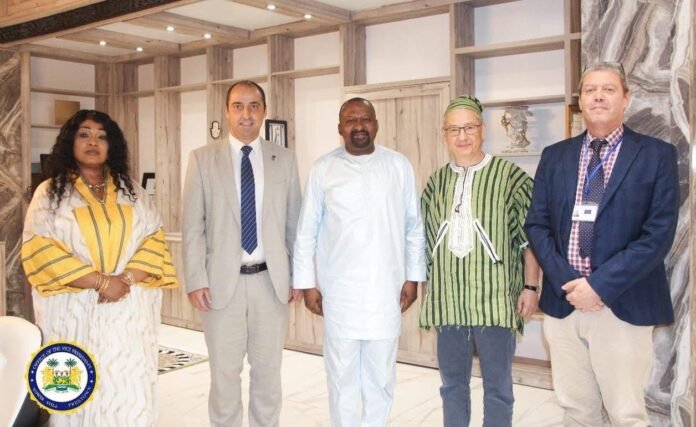
Sierra Leone’s Vice President, Dr. Mohamed Juldeh Jalloh, arrived in Rabat, Morocco, on Wednesday, November 26, 2025, to participate in the African Development Bank’s (AfDB) High-Level Investment Forum; an event bringing together African Governments, multilateral financial institutions and private sector partners to expand the continent’s investment pipeline.

The three-day forum is expected to facilitate targeted engagements between Sierra Leone and Morocco, alongside major development partners, aimed at unlocking opportunities across key growth sectors.

Delivering a statement during one of the opening sessions, Vice President Dr. Mohamed Juldeh Jalloh underscored the urgency of mobilizing new investment mechanisms at a time when Africa is grappling with the economic consequences of declining development aid. He emphasized that development partners must strengthen their catalytic role by helping African Governments de-risk their markets through risk guarantees, policy reforms and innovative financing instruments.

According to the Vice President, accelerating support to build a stronger pipeline of bankable projects remains essential if Africa is to transform its economic potential into tangible impact. “We have to generate that capital,” he said. “And when it comes to that responsibility on our part as African countries, our biggest test is how to transform those opportunities into real bankable projects that will attract capital.”

He noted that the Forum offers an ideal platform for African countries to showcase their youth-driven economic potential in critical sectors such as infrastructure, energy, renewable energy and digitalization. “A forum like this provides the opportunity for us to highlight the many opportunities across our economies and attract capital,” he added.

The Vice President stressed that Africa’s development ambitions cannot rely solely on public financing. Rather, sustained progress will depend on mobilizing private sector investment to complement Government efforts. “We need to attract private sector capital to support Africa’s development agenda,” he affirmed.

He also expressed appreciation to the African Development Bank for convening the forum and creating a meaningful space for dialogue, collaboration and strategic investment alignment. “I want to thank the African Development Bank for providing this kind of opportunity for us to showcase our potential,” he said.

The Vice President is expected to participate in a series of bilateral meetings with senior Government officials, investors and representatives of multilateral institutions as Sierra Leone continues to strengthen its investment climate and pursue transformative growth.