
Home Blog Page 92

AISL Engages Teacher Coordinators to Strengthen Human Rights School Clubs

AISL Engages Teacher Coordinators to Strengthen Human Rights School Clubs

By Alvin Lansana Kargbo

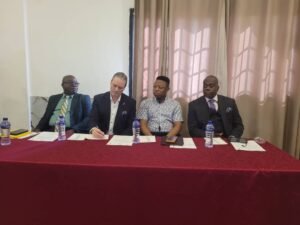
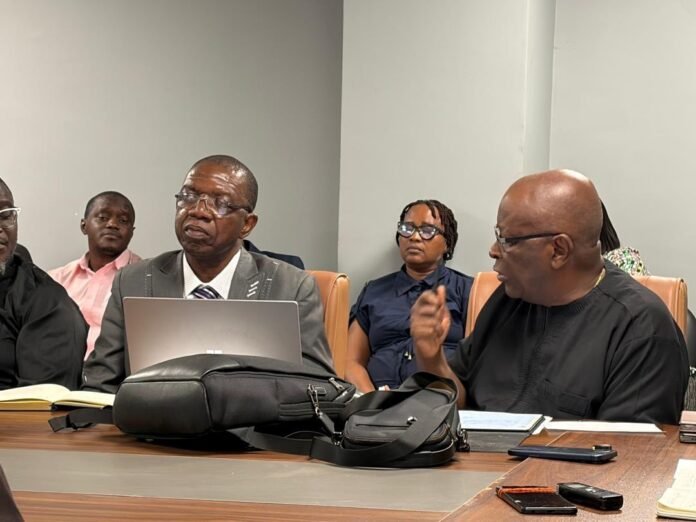
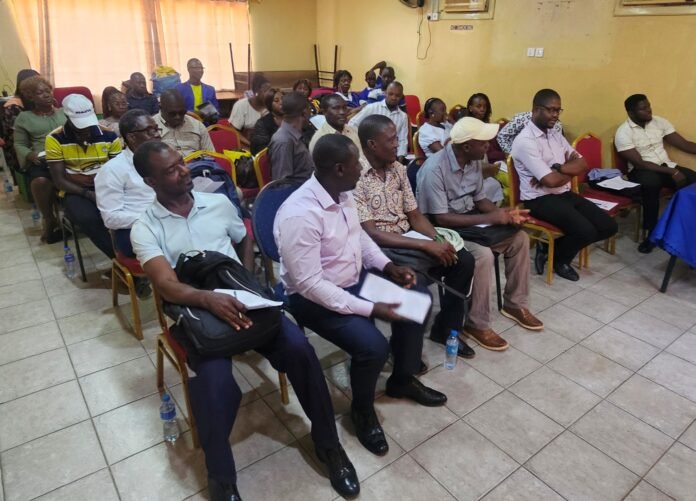
Amnesty International Sierra Leone held a strategic engagement meeting with teacher coordinators of its Human Rights Friendly School Clubs in Freetown, aimed at strengthening club effectiveness and enhancing leadership within schools. With the theme: “Strengthening Human Rights Friendly School Clubs and Enhancing Teacher Coordinators Leadership.”

The meeting took place on Thursday 5th February 2026 at the Christian Health Association Sierra Leone Hall, Kingharman Road in Freetown.

It brought together teacher coordinators from schools participating in Amnesty’s Human Rights Friendly Schools programme in the Western Area. Furthermore, it focused on assessing the performance of the clubs, addressing implementation challenges and developing coordinated strategies to deepen the impact of human rights education in schools and surrounding communities.

Speaking at the meeting, the Section Director of Amnesty International Sierra Leone, Solomon M. Sogbandi, said the engagement was intended to move beyond routine capacity building toward more strategic and results-oriented outcomes. He noted that while previous engagements had focused on assemblies and awareness talks, Amnesty now sought deliberate interventions that would produce measurable change in learners’ attitudes, behavior and understanding of human rights.

Solomon Sogbandi explained that human rights education should help teachers and students understand dignity, equality, justice and shared humanity. He said it equips learners to question injustice, challenge misinformation and engage constructively in society, particularly in contexts marked by inequality and limited access to credible information. The Section Director described governance as a social contract in which citizens entrust leaders with authority and resources, stressing that leaders have a responsibility to improve people’s lives rather than widen social and economic gaps.

He emphasized that rights must be understood alongside responsibilities, noting that no right is absolute. Using freedom of expression as an example, he said while citizens have the right to criticize leaders and hold Government accountable, that right does not extend to defamation or slander. According to him, responsible citizenship requires understanding the limits and obligations attached to every right.

On education practice, Solomon Sogbandi identified critical thinking, dialogue and empathy as key competencies that human rights education should promote. He urged teachers to be analytical in addressing student behavior by examining underlying causes rather than focusing only on symptoms also encouraging coordinators to recognize diverse learner profiles, including outspoken students and quieter learners who may contribute meaningfully when properly engaged. He cautioned against practices that undermine students’ confidence and called for teaching approaches that nurture different strengths.

Solomon Sogbandi said teacher coordinators carry a critical responsibility in shaping learners’ character and protecting human rights within schools. He stressed that authority over children should never be used to justify disrespect or abuse urging teachers to model values such as respect, honesty, accountability and obedience, noting that teachers are widely regarded by learners and parents as trusted sources of knowledge and guidance.

He warned against humiliating disciplinary practices, including shouting, insults and the use of obscene language, saying such actions undermine the very values schools seek to promote. He also cautioned teachers against accepting gifts or favors from learners, explaining that such practices could compromise professional judgment, weaken classroom authority and amount to unethical conduct, even within a challenging economic environment.

Addressing child protection concerns, Solomon Sogbandi highlighted the need to protect girls and other vulnerable children noting that changes in a child’s behavior may be linked to emotional or psychological distress arising from home environments, including parental pressure or abuse by step-parents. He urged teachers to prioritize guidance and counseling, build trust with learners and handle disclosures with confidentiality and care.

The Section Director of Amnesty International further called on teacher coordinators to actively engage school authorities to prioritize human rights education, warning that assumptions about existing knowledge were often misplaced. He referenced ongoing challenges within educational institutions, including cases of sexual harassment and sex-for-grades, and stressed the need for prevention, accountability and strong support systems to address such abuses.

Solomon Sogbandi said Amnesty International Sierra Leone would continue to support teacher coordinators through curriculum-aligned human rights education materials, training workshops, toolkits, career resources and opportunities for participation in global actions. He added that there may be opportunities for peer learning and exchanges with counterparts in other countries as well as pilot incentive schemes to motivate sustained engagement.

The meeting also allowed teacher coordinators to share reflections and practical experiences from their schools. Participants agreed on a set of concrete actions to strengthen coordination, accountability and impact across the Human Rights Friendly School Clubs.

Key Action Points from the Engagement

  • Establishment of a WhatsApp forum for all teacher coordinators
  • Introduction of an Amnesty Hour in participating schools
  • Quarterly coordination meetings to be held on a rotational basis among schools
  • Submission of monthly reports by teacher coordinators to Amnesty International Sierra Leone
  • Organization of inter-school exchange visits among Human Rights Friendly School Clubs
  • Provision of Amnesty International Sierra Leone materials to participating schools
  • Election of an executive body among teacher coordinators to provide structured feedback to Amnesty
  • Continued capacity building on human rights education, sexual and gender-based violence, climate change, HIV and AIDS education.

Amnesty International Sierra Leone said the outcomes of the engagement will guide the next phase of the Human Rights Friendly School Clubs programme, with a renewed focus on leadership, accountability and measurable impact in schools. The organization said strengthening the role of teacher coordinators remains central to building a sustained culture of human rights, dignity and responsibility among learners and within their communities.
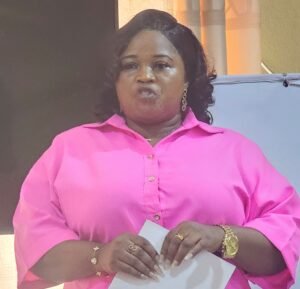
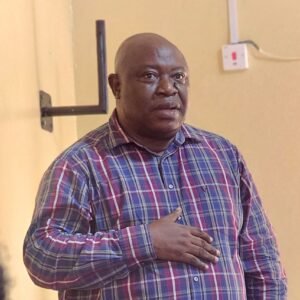
Section Director of Amnesty International Sierra Leone, Solomon M. Sogbandi

Orange & UBA Foundations Sign MoU to Rehabilitate York PHU Maternity Ward

By Foday Moriba Conteh

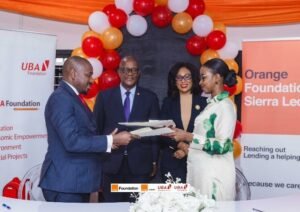
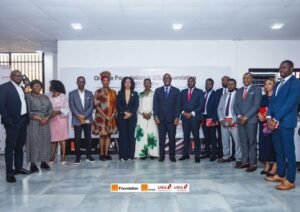
Orange Foundation Sierra Leone and the United Bank for Africa (UBA) Foundation on Tuesday, 3rd February 2026, signed a Memorandum of Understanding (MoU) for the rehabilitation of the York Peripheral Health Unit (PHU) maternity ward. The initiative forms part of efforts to reduce preventable maternal, newborn deaths and improve access to quality pre- and postnatal care. The signing ceremony was held at the Orange Foundation Office on Hill Station in Freetown.

In her welcome address, Director of Orange Foundation Sierra Leone, Annie Wonnie-Katta, described the partnership as a major milestone in strengthening maternal healthcare. She noted that the collaboration builds on a journey that began in 2019 when the Orange Foundation launched community-based interventions to support maternal and child health.

“Today we stand in partnership with our corporate sister, UBA Foundation, to ensure that every woman in our communities has access to safe, dignified and high-quality health services,” she said, stressing that the MoU represents a concrete commitment to creating a safer environment for mothers and newborns.

Madam Leeann Rizk, Country Director of Mama Pikin Foundation the implementing partner of the Safeguarding Maternal Health Project described the initiative as life-changing. She explained that many families still face fear and risk during pregnancy, making such partnerships critical.

She highlighted the delivery bucket and transport support programme, which provides essential items and transport assistance to women delivering at eight supported clinics across six districts. Each bucket contains hygiene materials to prevent infection. “At just $10 per mother, this support has helped over 20,000 women choose safe facility deliveries instead of home births,” she noted.

Madam Leeann Rizk also spoke about the ‘Belleh Uman Bato Group’(BBG) launched in 2023, a peer support platform for pregnant and lactating women, midwives, nurses and traditional birth attendants. The groups provide health education, financial guidance and emotional support, while strengthening collaboration between communities and skilled health workers. She emphasized that the programme has rebuilt trust in clinics and increased early care-seeking behavior. “Together, we are changing the story of maternal health in Sierra Leone,” she concluded.

Chief Executive Officer of Orange Sierra Leone, Madam Aicha Toure, described the MoU as part of Orange Foundation’s long-standing commitment to maternal health. She noted that Sierra Leone’s Maternal Mortality Ratio declined from 370 deaths per 100,000 live births in 2022 to 354 in 2023, while long-term figures show a reduction from 1,682 in 2000 about a 79 percent improvement.

She disclosed that safe deliveries supported by the project rose from 2,312 in 2023 to 2,748 in 2025, while 1,900 delivery buckets were distributed in 2025 alone. Ninety-six BBG groups were supported across eight health centres including York, Grey Bush, Hanga, Yengema, Masongbo, Lengekoro, Kondembaia and Panlap.

“These interventions have reduced dangerous home deliveries, improved maternal and child health outcomes,” she said, explaining that the decision to rehabilitate York PHU followed a 2025 assessment that revealed infrastructure gaps. She commended UBA Foundation for aligning with Orange Foundation’s vision, adding that the project will transform York into a model community for maternal care.

Managing Director of UBA Sierra Leone, Mohamed Alhajie Samoura, said the partnership would strengthen health infrastructure while advancing digital inclusion. He outlined that the renovation will include refurbishment of maternity and postnatal rooms, new roofing, tiling, painting and provision of equipment such as oxygen resuscitating machines.

“This collaboration underscores our belief that the private sector must play a proactive role in sustainable development,” he stated, adding that the upgrades would bring immediate, life-changing benefits to women and newborns.

He noted that UBA Foundation, established in 2004, focuses on education, empowerment, environment and special projects, and that maternal health remains central to community resilience.

Minister of Health, Dr. Austin Demby, commended both institutions, stating that Sierra Leone has recorded one of the fastest declines in maternal mortality globally. He recalled that the country was once known for the world’s highest maternal deaths but has made steady progress through deliberate policies and partnerships.

“The last mile is the hardest. Now is the time we need everyone, especially the private sector, to join hands with Government to achieve zero preventable maternal and child deaths,” he said.

Dr. Austin Demby stressed that buildings alone do not save lives; rather, a complete system of skilled health workers, equipment, medicines and compassionate care is required. He highlighted the importance of antenatal visits in detecting risks such as hypertension and diabetes early, ensuring safer deliveries.

He urged communities to take ownership of the renovated facility, noting that even the best clinic will fail without public trust and utilization. The Ministry, he assured, would provide personnel and technical support to guarantee quality services at York PHU.

The rehabilitation of the York PHU maternity ward is expected to commence soon, with both Foundations expressing confidence that the project will significantly improve maternal health outcomes and serve as a model for future corporate partnerships in Sierra Leone.

UNDP Launches Youth-Led Circular Economy and Zero-Waste Initiatives in Sierra Leone

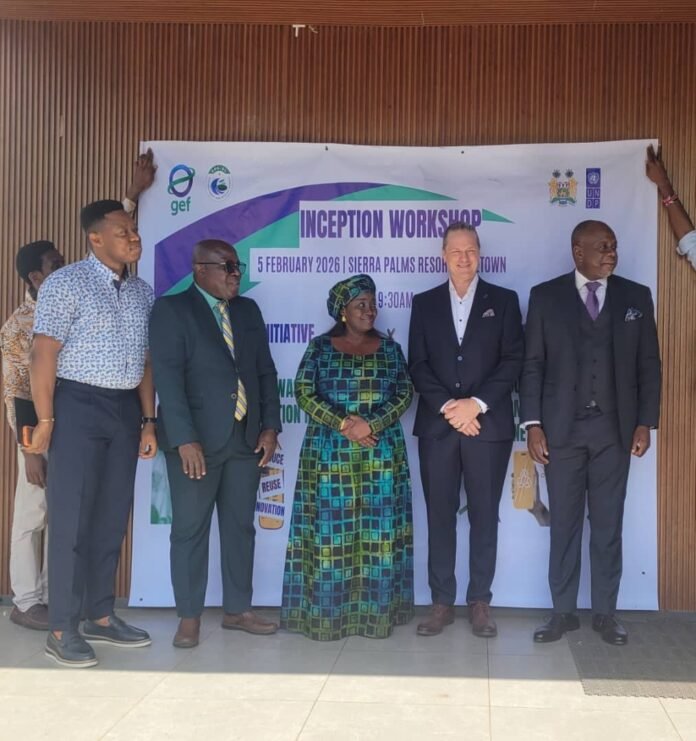
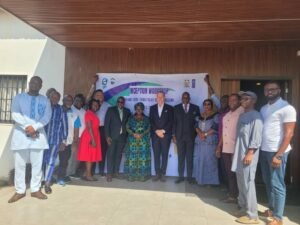
Stakeholders pose for picture at the launch of UNDP's Youth-Led Circular Economy and Zero-Waste Initiatives

By Ibrahim Sesay 

The United Nations Development Programme (UNDP), in collaboration with key Government institutions and development partners, has launched two interlinked initiatives aimed at bolstering waste management systems and promoting a circular economy in Sierra Leone.

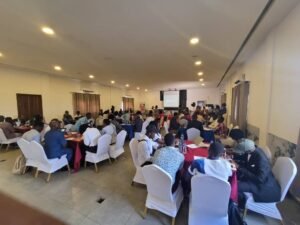
The initiatives, Youth for Circularity 2030 and Shifting to Zero Waste Against Pollution (SWAP), were unveiled during an inception meeting held on Thursday 5 February 2026 at the Sierra Palms Resort on Lumley Beach Road in Freetown. The event brought together policymakers, youth leaders, academics, civil society organisations and private sector stakeholders.

Speaking at the launch, Tanzila Watta Sankoh, Team Lead for PC5D&R at UNDP Sierra Leone, described the projects as critical interventions that combine youth-led innovation with systemic environmental reforms. She disclosed that the SWAP project is a USD 5.4 million Global Environment Facility–funded programme to be implemented over six years, with the Environmental Protection Agency (EPA-SL) and the Freetown City Council among its key implementing partners.

Tanzila Watta Sankoh further revealed that UNDP has secured funding from Samsung to pilot e-waste collection in Sierra Leone, describing it as a groundbreaking step for the country and the region. She said the initiative marks the first time UNDP has mobilised resources from a global mobile technology company, adding that the pilot is expected to serve as a foundation for future scale-up and additional resource mobilization.

Delivering the keynote address, UNDP Deputy Resident Representative, Kelvin Petrini, said the launch comes at a defining moment as Freetown continues to experience rapid urbanization and rising waste generation. He noted that the city currently produces more than 135,000 tonnes of municipal solid waste annually, a figure projected to rise beyond 350,000 tonnes by 2030 if current trends persist.

Kelvin Petrini warned that poor waste management has contributed to pollution of land and waterways, blocked drainage systems, increased flood risks and serious public health concerns, particularly around major dumping sites such as Granville Brook and Kington. However, he said the SWAP initiative seeks to reposition waste as a valuable resource capable of generating jobs, recycled materials and economic opportunities.

He explained that SWAP is part of a USD 28 million global programme implemented in five pilot cities worldwide, including Freetown and focuses on strengthening policy and institutional frameworks, promoting sustainable financing, encouraging environmentally sound technologies and ensuring inclusive public participation.

In his official opening statement, Executive Chairperson of the Environmental Protection Agency, Abu Bakarr Massaquoi, highlighted persistent challenges within the waste management system, including “weak household-level segregation, limited incentives, poor enforcement and the dominance of informal value chains”.

He stressed the importance of reliable data, noting that EPA-SL has developed a national waste inventory that integrates an e-waste inventory completed last year with World Bank support.

Abu Bakarr Massaquoi disclosed that the agency is also exploring the establishment of an integrated chemical and waste management facility, which would serve as a “central hub for handling hazardous waste, storage, treatment, learning and innovation.” He added: “pilot interventions under SWAP would prioritize community engagement, local solutions, private sector participation and long-term financing partnerships.”

Dr Samba Sesay, delivering a speech on behalf of the Dean of the Faculty of Engineering at Fourah Bay College, Dr Michael Conten, said the workshop comes at a critical moment for Sierra Leone, as the country battles with increasing waste generation, environmental degradation and persistent youth unemployment.

He noted that Sierra Leone’s waste management system has long followed a linear model of “extract, consume and dispose,” which he described as unsustainable and costly. He said the circular economy offers a viable alternative by promoting resource efficiency, recycling, material recovery and innovation across the value chain, while also serving as a pathway for economic diversification, job creation and social inclusion.

According to him, the SWAP initiative aligns strongly with national and regional development frameworks, including the National Medium-Term Development Plan, environmental and sanitation policies, youth empowerment strategies and Africa-wide development agendas. He emphasized that embedding circular economy principles into education, research and waste management systems would help translate policy commitments into measurable outcomes.

Representing local Government, Deputy Mayor of the Freetown City Council, Kweku M. Lisk, said the SWAP project would strengthen the city’s climate action efforts by introducing best practices, innovative technologies and strategic partnerships, describing the initiative as a bold step towards a cleaner, healthier and more resilient Freetown.

From the youth perspective, Osman Fenfaquee, a Computer Science student at the University of Makeni, welcomed the initiative, noting that while awareness of waste management exists, many young people lack practical knowledge on waste sorting. He said innovation and digital solutions could improve waste reporting, coordination and public participation, while helping to address flooding and environmental challenges.

The inception meeting is expected to be the starting point for effective implementation by clarifying stakeholder roles, strengthening partnerships and aligning interventions toward a shared vision of zero waste and reduced pollution in Sierra Leone.

Foreign Minister, U.S. Deputy Secretary Christopher Landau Hold High-Level Talks on Economic Cooperation and Migration in Washington

Foreign Minister, Timothy Musa Kabba, and U.S. Deputy Secretary Christopher Landau Hold High-Level Talks on Economic Cooperation and Migration

By Amin Kef (Ranger)

Sierra Leone’s Minister of Foreign Affairs and International Cooperation, Timothy Musa Kabba, on Tuesday, February 3, 2026, held high-level bilateral discussions with Christopher Landau, Deputy Secretary of State of the United States, as part of ongoing diplomatic engagements aimed at deepening cooperation between the two countries.

The meeting, which took place at the U.S. Department of State in Washington, D.C., focused on advancing joint economic interests, promoting shared prosperity, and strengthening collaboration to deter illegal immigration. It also formed part of a broader diplomatic calendar surrounding the inaugural U.S.-hosted Critical Minerals Ministerial scheduled for February 4.

Speaking after the engagement, Deputy Secretary Landau described the meeting as productive and forward-looking. “I greatly enjoyed reconnecting today with Sierra Leonean Foreign Minister Timothy Musa Kabba to discuss how the United States and Sierra Leone can better promote prosperity for our peoples and work together to deter illegal immigration,” he said, underscoring Washington’s interest in expanding practical cooperation with Freetown.

Minister Kabba, who arrived in Washington at the invitation of Marco Rubio, explained that his visit combines participation in the Strategic and Critical Minerals Conference with broader bilateral discussions. “At the invite of the U.S. Secretary of State, I arrived in Washington, D.C. this morning to participate in a Strategic Minerals Conference and to engage on broader bilateral issues,” the Foreign Minister noted.

He is accompanied by Sierra Leone’s Deputy Minister of Mines and senior officials from the Ministry of Foreign Affairs and International Cooperation, reflecting the technical and policy depth of the delegation. The presence of mining and diplomatic experts signals Sierra Leone’s intention to position itself as a credible and informed partner in global resource governance and supply chain discussions.

Drawing on his background as a former Minister of Mines and a petroleum engineer, Kabba emphasized the growing importance of resource diplomacy in modern international relations. He noted that natural resources now sit at the intersection of economic growth, national security, and environmental sustainability. “Resource diplomacy requires understanding your country’s competitiveness in order to create partnerships defined by collective security, mutual benefit, and environmental sustainability,” he said.

The Foreign Minister further highlighted that President Julius Maada Bio’s policies in the extractive sector have laid a strong foundation for such engagements, describing them as “compelling and progressive” in their focus on transparency, value addition, and long-term national interest.

The Kabba–Landau meeting also aligns with the United States’ renewed engagement with African nations on issues of migration, security, and strategic minerals. U.S. officials have increasingly stressed the need for collaborative approaches to managing migration flows while expanding lawful economic opportunities that address root causes.

Beyond migration, economic cooperation featured prominently in the talks, particularly in the context of global efforts to diversify and secure critical minerals supply chains. Sierra Leone, endowed with significant mineral resources, has been positioning itself as a potential partner in responsible mining and supply chain resilience, areas of growing interest to the United States.

The engagement with Sierra Leone comes as Washington hosts delegations from more than 50 countries for the inaugural Critical Minerals Ministerial, a landmark gathering aimed at strengthening international collaboration on minerals essential for technological innovation, economic strength, and national security.

Overall, the meeting between Minister Kabba and Deputy Secretary Landau reflects the steady strengthening of U.S.–Sierra Leone relations, anchored on mutual respect, shared economic interests, and cooperation on global challenges. As both countries look to translate dialogue into concrete outcomes, the Washington talks mark another step toward a more robust and multidimensional partnership.

Costly Passports, Missing Revenue: Government Lost Millions Under Netpage E-Passport Deal

By Foday Moriba Conteh

Fresh concerns have resurfaced over Sierra Leone’s national e-passport arrangement following the publication of a detailed governance report by the Institute for Governance Reform (IGR), which raises serious questions about revenue losses, weak oversight and persistent flaws in the contract between the Government of Sierra Leone and the private company Netpage, mandated to print and sell Sierra Leonean passports.

The findings are contained in IGR’s recent report entitled: ‘Di hade’ pa di case’: Politics and Revenue Failures in Sierra Leone, a Krio phrase meaning “the heart of the matter.” The report examines how large state contracts, particularly those with strong revenue-generating potential, are often structured and managed in ways that provide limitedNetpage,Netpage, benefits to the state while favouring private business interests.

According to the report, between 60,000 and 70,000 passports are printed and sold annually in Sierra Leone. Based on prevailing fees, this translates into an estimated USD 7 million to USD 9 million in revenue every year. Despite those significant sums, IGR states that it found no evidence of royalty payments from the e-passport operation being paid into the Government’s consolidated revenue fund. That absence of traceable revenue inflows, the report argues, represents a major fiscal gap in a country where public resources remain severely constrained.

The cost of acquiring a Sierra Leonean e-passport is another major concern highlighted in the report. Priced between USD 100 and USD 180, the passport is among the most expensive in the West African region, making it unaffordable for many citizens. IGR notes that this high pricing is difficult to justify, particularly when there is little public evidence that the state is receiving proportional financial returns or that citizens are benefiting from significantly enhanced service delivery.

Beyond cost and revenue, the report draws attention to the procurement process underpinning the e-passport contract. Despite repeated concerns about pricing, transparency and state revenue losses, the contract has reportedly been renewed at least three times without any competitive rebidding or a thorough value-for-money assessment. Such renewals, IGR argues, undermine basic public procurement standards and deny the Government the opportunity to renegotiate improved terms that could increase revenue, lower passport fees or both.

The e-passport contract forms part of a broader analysis by IGR into why Sierra Leone, despite being resource-rich, continues to struggle with widespread poverty and weak public finances. While systemic corruption, political instability and ethno-regional politics are frequently cited as root causes, the report argues that insufficient attention is paid to how critical revenue streams are awarded and controlled. When lucrative contracts are structured in ways that limit state benefits, they place a long-term strain on Government budgets and weaken the state’s ability to fund essential services.

Drawing on data from approximately 3,400 state contracts and interviews with current and former officials from both the SLPP and APC administrations, IGR demonstrates that those challenges are not confined to a single political era. The e-passport contract concession examined spans multiple administrations. That continuity, IGR notes, illustrates how institutional practices often remain unchanged regardless of which political party is in power.

The report further suggests that business elites often employ deliberate strategies to maintain influence over key economic institutions. These include financing political actors across party lines, structuring agreements around offices rather than individuals to ensure continuity and exploiting periods of political transition when new officials may lack institutional knowledge or financial stability. In some cases, influence over sections of the media is also used to limit sustained public scrutiny of controversial contracts.

While IGR acknowledges the existence of ethical public servants and responsible business leaders who are pushing for reform, it warns that a system has been normalized in which large public procurement losses are tolerated and even legalized. The absence of strong political platforms focused on economic governance reform, the report notes, further weakens prospects for meaningful change.

Ultimately, the e-passport contract is presented not merely as an isolated administrative issue, but as a clear example of how flawed contractual arrangements can quietly drain national resources. Without transparency, competitive bidding and firm political will to protect public revenue, IGR cautions that Sierra Leone risks continuing a cycle where vital income streams benefit private interests while citizens bear the cost.

Sierra Leone to Join Commonwealth Law Ministers in Fiji for 2026 High-Level Rule of Law Talks

By Amin Kef (Ranger)

Sierra Leone is set to participate in the 2026 Commonwealth Law Ministers Meeting, which will take place in Nadi, Fiji, from 9 to 12 February 2026. The high-level gathering will bring together Ministers of Justice and Attorneys-General from across the Commonwealth to deliberate on strengthening the rule of law at a time of growing global uncertainty.

The meeting comes against the backdrop of increasing challenges to the rule of law worldwide, including threats to democratic governance, access to justice, human rights protection and institutional accountability. Over the three-day programme, Minsters are expected to engage in wide-ranging discussions on how robust legal safeguards underpin everyday life from citizens’ participation in democratic processes and access to fair economic opportunities, to the protection of safe, inclusive and environmentally sustainable communities.

Central to the discussions will be practical strategies to advance the rule of law across member states. These include improving access to justice for all, strengthening judicial and legal institutions and reinforcing legal frameworks that promote stable societies, fair economies and environmental protection. For Sierra Leone, participation in the meeting aligns with its continued commitment to democratic governance, justice sector reform and adherence to Commonwealth values.

The Commonwealth Secretariat has expressed appreciation to the Government of Fiji for hosting the meeting. Commonwealth Secretary-General, Shirley Botchwey, underscored the urgency of the discussions, noting that the rule of law remains a vital foundation for peace, stability and sustainable development.

“The rule of law remains essential to peace, stability and development, yet it is under serious pressure in many parts of the world,” she said. “Where it is weakened or unevenly applied, the impact is felt most sharply by ordinary people. For the Commonwealth, the rule of law is a cornerstone of our Charter and our work. It demands practical, thoughtful commitment and cooperation, not rhetoric.”

She further emphasized that the Fiji meeting would provide an opportunity for collective action. “In Fiji, our Ministers will come together to strengthen the rule of law as the foundation of a resilient future, where every person has a voice in democracy, every worker is treated with dignity and every vulnerable community is protected from a changing climate,” the Secretary-General stated, adding that collaborative action remains key to safeguarding the rights and wellbeing of Commonwealth citizens.

The meeting will be chaired by Fiji’s Minister for Justice and Acting Attorney-General, Siromi Turaga, under the theme: “Anchoring Justice in a Changing Tide: Strengthening the Rule of Law for a Resilient Future.” Minister Turaga noted that Fiji looks forward to engaging Commonwealth partners on ensuring justice systems remain flexible, inclusive and responsive to emerging challenges.

He explained that discussions would also address the implications of climate change, digital transformation and regional cooperation on legal systems, stressing the need for laws and institutions that can adapt and remain effective for future generations.

In addition to the ministerial sessions, the meeting will feature five side events designed to broaden participation and inclusivity. These events will bring together youth leaders, individuals with lived experience of the justice system and disability rights advocates, ensuring that diverse perspectives help inform policy discussions and outcomes.

The outcomes of the 2026 Commonwealth Law Ministers Meeting are expected to play a significant role in shaping the agenda for the forthcoming Commonwealth Heads of Government Meeting, scheduled to be held in Antigua and Barbuda later in the year. For Sierra Leone and other member states, the meeting represents a crucial platform to reinforce shared values, deepen cooperation, and strengthen the legal foundations necessary for resilient and inclusive development across the Commonwealth.

SLAJ, Chinese Embassy Launch National Short Video Competition to Mark 55 Years of China–Sierra Leone Relations

By Amin Kef (Ranger)

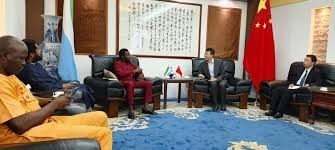
The Sierra Leone Association of Journalists (SLAJ), in collaboration with the Embassy of the People’s Republic of China in Sierra Leone, has officially launched a national short video competition inviting members of the public to creatively tell stories of cooperation, friendship and shared development between China and Sierra Leone.

The competition, announced in a Press Release dated 2 February 2026, is themed: “China–Sierra Leone Cooperation in My Eyes.” It forms part of activities marking two significant milestones: the 55th Anniversary of Diplomatic Relations between China and Sierra Leone and the China–Africa Year of People-to-People Exchanges 2026.

According to the organisers, the initiative is designed to strengthen people-to-people ties, showcase shared development experiences and highlight the positive impact of China–Sierra Leone cooperation through the eyes of Sierra Leoneans. By using short videos as a storytelling tool, the organisers aim to encourage authentic, creative and community-based narratives that reflect everyday experiences and long-standing partnerships between the two countries.

The competition is open to all Sierra Leoneans across diverse backgrounds. Eligible participants include journalists and media practitioners, content creators and social media influencers, students and young people, academics and researchers, community storytellers, and members of the general public. While collaborative works between Sierra Leonean and Chinese creators are encouraged, the organizers emphasized that the main characters and perspectives should remain primarily Sierra Leonean.

Participants are expected to submit videos that creatively explore China–Sierra Leone relations and cooperation. Suggested focus areas include stories of friendship and people-to-people exchanges, China’s contribution to national development in sectors such as infrastructure, agriculture, health, education, trade and transportation, cultural exchanges and everyday moments of cooperation. Youth-focused stories showing how collaboration is helping young people achieve their dreams are also encouraged, alongside forward-looking reflections on the future of China–Sierra Leone cooperation, including sustainable development and the Belt and Road Initiative.

From a technical standpoint, submitted videos must not exceed five minutes in length and should be produced in formats such as interviews, short documentaries, public service announcements, creative vlogs, micro-stories, animations or other original styles. Accepted file formats include MP4, AVI, MOV and WMV, with a minimum resolution of 1920 by 1080 (Full HD) and a maximum file size of 500MB. Videos should be in English, with subtitles encouraged and all submissions must be original works with full copyright ownership retained by the creator. There is no limit to the number of submissions per participant.

Entries will be reviewed by a joint panel of experts appointed by SLAJ and the Chinese Embassy. Selected winners will receive cash prizes and certificates of recognition, while outstanding entries will be showcased on the Chinese Embassy’s social media platforms and other media outlets.

Submissions are now open and will close on 31 March 2026. Videos, along with a brief description and the creator’s contact details, should be emailed to slajchinavideo@gmail.com, using the subject line format: Creator’s Name – Video Title – Phone Number.

The competition is jointly organized by SLAJ and the Embassy of the People’s Republic of China in Sierra Leone and is signed by Edward Marah, Secretary General of SLAJ, who encouraged Sierra Leoneans nationwide to seize the opportunity to share their stories and help deepen public understanding of China–Sierra Leone cooperation through creativity and storytelling.

APC Accuses Government of Unilateralism in Unity Agreement, Demands Urgent Reform Reset

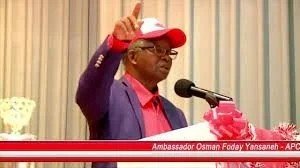
APC’s Acting National Chairman, Ambassador Alhaji Dr. Osman Foday Yansaneh

By Foday Moriba Conteh

The All People’s Congress (All People’s Congress) has expressed deep concern over what it describes as the slow and selective implementation of the Agreement for National Unity and the Tripartite Committee Recommendations (TCRs), warning that continued delays could trigger nationwide democratic action.

The concerns were raised during a massive grassroots meeting held at the Attouga Mini Stadium in Freetown on Saturday, January 31, 2026. Addressing party members, supporters and flagbearer aspirants, the APC’s Acting National Chairman, Ambassador Alhaji Dr. Osman Foday Yansaneh, delivered a detailed update on the status of the agreement, nearly eighteen months after the TCRs were formally submitted.

Alhaji Yansaneh told the gathering that progress on implementing the recommendations has been “limited and far below expectations,” despite the APC’s continued commitment to patience, dialogue and democratic engagement. He commended party supporters for their restraint and reiterated the APC’s resolve to pursue reforms aimed at strengthening Sierra Leone’s electoral system and democratic governance.

He acknowledged the role of development partners and international supporters, noting that their technical and financial assistance, particularly in voter registration, election result management and institutional capacity-building for the Electoral Commission of Sierra Leone (ECSL), remains vital to national dialogue and the credibility of future elections.

According to the Acting Chairman, some modest gains have been recorded. Those include the gazetting of a Constitutional Amendment Bill containing selected electoral reforms, a management review of the ECSL, the release of some detainees, the return of a limited number of displaced persons and the discontinuation of certain politically motivated cases. However, he stressed that those steps fall short of the comprehensive reforms envisaged under the Tripartite framework.

Of particular concern, Alhaji Yansaneh said, is the reported disappearance of appeal case files involving APC members at the Commission of Inquiry Secretariat. He warned that the missing files undermine access to justice, obstruct effective legal representation and erode public confidence in accountability processes.

The APC Acting Chairman sharply criticized what he described as the Government’s unilateral approach to reforms, arguing that it violates the agreed Tripartite Roadmap. He characterized the Steering Committee and Support Secretariat as “dysfunctional and lacking inclusiveness,” adding that engagement with the Government’s Chief Negotiator has effectively broken down due to persistent non-responsiveness.

He also objected to several recent Government actions, including Parliament’s refusal to establish a dedicated electoral committee, the failure of the ECSL to reconstitute the Political Parties Liaison Committee and provisions in the Constitutional Amendment Bill that grant the President appointment powers which, he said, contradict the spirit and letter of the TCRs. In that regard, he cited the role of the Parliament of Sierra Leone as critical to restoring confidence in the reform process.

Alhaji Yansaneh further condemned the postponement of the 2025 Population and Housing Census and questioned the continued reliance on the disputed 2021 Census, warning that flawed demographic data could compromise electoral planning and national development.

The APC also rejected proposals to introduce a Proportional Representation electoral system and to alter the presidential winning threshold. The party warned that such changes, if pursued without broad consensus, could deepen political divisions and destabilize the electoral environment.

In concluding his address, the Acting National Chairman called for the immediate restructuring of reform bodies, full transparency in the implementation of the National Unity Agreement and urgent intervention by development partners to safeguard the process. He cautioned that if the Government continues what the APC perceives as unilateralism and intimidation, the party would mobilize peaceful, lawful and democratic actions across the country to defend democracy and uphold the will of the people.

George Taylor Takes Over EDSA as Newly Appointed Director General

George Taylor (in grey suit) Takes Over EDSA as Newly Appointed Director General

By Amin Kef (Ranger)

His Excellency Julius Maada Bio, President of the Republic of Sierra Leone, has appointed George Taylor as the new Director General of the Electricity Distribution and Supply Authority (EDSA), with immediate effect. The appointment forms part of the Government’s ongoing reforms aimed at strengthening governance, efficiency and service delivery within the country’s energy sector.

According to official sources, the decision reflects President Bio’s confidence in George Taylor’s vast experience in administration, banking, Information and Communication Technology (ICT), as well as his proven track record in institutional transformation. The Ministry of Energy has reaffirmed the President’s strong commitment to transparency, accountability and the sustainable transformation of Sierra Leone’s electricity distribution system.

On Monday, 2 February 2026, the Minister of Energy, Cyril Arnold Grant, formally received and welcomed the new Director General at a ceremony held in the conference room of the Ministry of Energy in Freetown. Minister Cyril Grant described George Taylor’s assumption of office as timely, noting that EDSA is at a critical juncture in its reform journey.

“George Taylor is here riding on the crest of a highly respected background,” Minister Cyril Grant said. “We have examined his credentials carefully and we are highly impressed. EDSA is expected to go into concession in the coming months and this requires decisive leadership that can seize this historic moment and drive transformation.”

Cyril Grant further noted that George Taylor assumes office at a time when EDSA faces significant challenges, including financial constraints, operational inefficiencies and staff-related concerns. He emphasized that EDSA remains one of the largest public utilities in the country by turnover, stressing that it must be properly managed, financially stabilized and repositioned to better serve both employees and consumers.

A seasoned banker and ICT specialist, George Taylor rose through the ranks of the Sierra Leone Commercial Bank (SLCB), eventually serving as its Managing Director. During his tenure, the bank recorded a major turnaround, moving from financial distress to sustained profitability and paying dividends to the Government of Sierra Leone as its principal shareholder. He is also widely credited with mentoring a generation of young bankers, many of whom now occupy key decision-making positions within the institution.

Speaking at the event, the Board Chairman of EDSA, Andrew Kailie, confirmed that George Taylor underwent a rigorous recruitment and interview process conducted by the Board and was found to be suitably qualified. He assured the new Director General of the Board’s full support, while underscoring the enormity of the task ahead.

Outgoing Acting Director General, Tesman Egbe, expressed gratitude to stakeholders for their guidance and cooperation during his tenure. He highlighted what he described as unprecedented operational gains achieved under his leadership despite prevailing challenges.

In his acceptance remarks, George Taylor, acknowledged the difficult realities confronting the utility but expressed optimism and determination. He pledged to work collaboratively with the Board, Management, staff and stakeholders to deepen reforms, improve revenue generation and enhance service delivery. Emphasizing teamwork and mutual respect, he noted that meaningful progress would only be achieved through collective effort.

With the energy sector playing a pivotal role in the Government’s national development agenda, including the Feed Salone initiative, stakeholders view George Taylor’s appointment as a significant step toward consolidating recent gains and restoring public confidence in electricity distribution. As congratulatory messages continue to pour in from across the country, expectations are high that his leadership will steer EDSA toward greater efficiency, financial sustainability and improved service for Sierra Leoneans.

Africell Honours Abdul Karim Sesay as Manager of the Year at 2025 Staff Awards

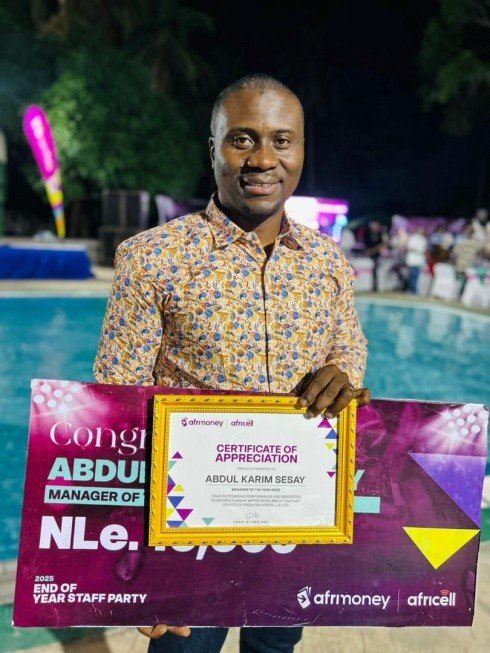
Abdul Karim Sesay, Media Manager at Africell Sierra Leone

By Amin Kef (Ranger)

Abdul Karim Sesay, Media Manager at Africell Sierra Leone, has been honoured with a Certificate of Appreciation in recognition of his exceptional performance and leadership during the company’s 2025 operational year, underscoring Africell’s commitment to rewarding excellence and professional dedication.

The prestigious award was presented on Saturday, January 31, 2026, at the colourful Africell Annual End-of-Year Staff Party, organized in collaboration with Afrimoney. The well-attended ceremony brought together senior management, staff members and invited partners from across the corporate and media landscape, creating an atmosphere of celebration and appreciation.

Issued in Abdul Karim Sesay’s name, the certificate recognized him as Manager of the Year 2025, citing his dedication, professionalism and impactful service delivery within the Media and Communications space. The award reflects his consistent role in strengthening Africell’s corporate image, deepening media relations and expanding public engagement across traditional and digital platforms.

Over the past year, Abdul Karim Sesay has been instrumental in shaping Africell’s communications strategy, ensuring timely, accurate and compelling storytelling that reinforces the company’s position as a leading telecommunications and digital services provider in Sierra Leone. His leadership has helped amplify Africell’s brand visibility while fostering constructive relationships with journalists, content creators and strategic partners nationwide.

Speaking after receiving the award, Abdul Karim Sesay expressed heartfelt appreciation to his colleagues and external partners for their sustained support and collaboration. He emphasized that the recognition was not merely a personal milestone but a shared success born out of teamwork, trust and collective commitment.

“This recognition would not have been possible without the unwavering support, collaboration and partnership I continue to enjoy,” he said. “It symbolizes the collective effort of a dedicated team and partners who believe in professionalism, consistency  and positive storytelling.”

He paid special tribute to media partners for their professionalism and commitment to accurate reporting, noting that their role remains critical in amplifying Africell’s impact and reinforcing public confidence in the brand. According to him, strong media relations are central to building transparency and sustaining meaningful engagement with the public.

Abdul Karim Sesay also thanked Africell’s Management for the confidence reposed in him and his team, reaffirming his commitment to innovation, excellence and stronger stakeholder engagement in the years ahead. He expressed optimism about deepening collaboration with partners and delivering even greater results as the company continues to grow.

The Africell Annual Staff Party remains a key platform for celebrating performance, recognizing outstanding contributions and reinforcing the company’s culture of appreciation and teamwork. Through such initiatives, Africell continues to motivate its workforce while strengthening its reputation as a forward-looking and people-centred organisation in Sierra Leone’s fast-evolving digital economy.