

Home Blog Page 114

Amnesty International Intensifies School Campaign on Human Rights, Drug Abuse & Climate Change

By Alvin Lansana Kargbo

Amnesty International Sierra Leone continued its school engagement on human rights and related social issues, visiting Ahmadiyya Muslim Secondary School and Methodist Boys High School on the 15th and 16th of October 2025, respectively. The campaign aims to promote awareness of human rights, personal responsibility, gender equality and the dangers of drug abuse among school pupils.

According to Christiana Mary Fabai, Gender and Disability Officer at Amnesty International Sierra Leone, the purpose of the school engagement is to educate pupils on the importance of balancing rights with responsibilities. She stressed that education is a right, but one that comes with obligations that pupils must uphold.

“Parents provide books, uniforms and school materials because they believe education is a right,” Christiana Mary Fabai explained. “But pupils also have a duty to obey their teachers, do their homework, study hard, arrive on time and maintain discipline and cleanliness. Too often, pupils are quick to claim their rights but forget their responsibilities.”

Christiana Mary Fabai noted that Amnesty International Sierra Leone is active in over 30 schools nationwide, emphasizing that the organization takes its outreach directly into classrooms rather than limiting activities to offices. “Young minds are impressionable,” she said. “What they learn now will shape the kind of citizens and leaders they become, whether Presidents, Ministers, doctors or lawyers.”

She also addressed drug abuse, particularly among the youth, describing it as a growing crisis that threatens Sierra Leone’s future. The Gender and Disability Officer explained that drug abuse includes both the misuse of prescribed medicines and the consumption of illicit substances such as Kush. “Drugs are destroying the lives of young people and robbing them of their potential,” Christiana Mary Fabai warned. “Taking drugs is like signing your own death warrant. There’s no benefit in them, only destruction.”

Abu Bakarr Maurice Keita, a representative of Amnesty International Sierra Leone, linked climate change to human rights, describing it as an often-overlooked justice issue. He noted that flooding, deforestation and poor environmental management continue to threaten lives and livelihoods. “When people lose their homes, food and access to decent living conditions because of climate impacts, their basic human rights are violated,” Abu Bakarr Maurice Keita said.

He called for greater accountability from both corporations and Governments, adding that citizens must demand environmental justice. Referring to the 2017 Freetown mudslide, he reminded students of the importance of collective responsibility in preventing future disasters. “We must stop settling in risky areas and destroying our forests. The environment doesn’t need us, we need the environment,” he said.

Istau Doris Conteh, another representative from Amnesty International Sierra Leone, spoke on Gender-Based Violence, describing it as abuse or harm directed at individuals because of their gender. She noted that in Sierra Leone, women and girls are often the most affected, though men also face such violence. She also outlined various forms of gender-based violence, including sexual harassment, forced marriage and denial of education or economic opportunities.  Istau Doris Conteh urged pupils to respect one another and show true strength through discipline, empathy and mutual protection.

The JSS Principal of Ahmadiyya Muslim Secondary School, Alhaji Karimu Sesay, commended Amnesty International for addressing critical issues such as gender-based violence and drug abuse, which he described as major concerns for educators. “We welcome such initiatives that educate our pupils about real-world challenges,” he said. “These engagements help keep our school community informed and progressive.”

Salwa S. Chebli, a pupil of Ahmadiyya Muslim Secondary School, said she found the session on drug abuse particularly impactful. “I learned that drugs destroy lives and futures,” she said. “Pupils should focus on their studies and goals instead of using harmful substances. If Amnesty International forms a school club, I’ll gladly join and help promote these messages.”

At Methodist Boys High School, Amadu Kamara, a pupil, praised the engagement as “timely and necessary,” noting that violence and indiscipline remain challenges among pupils. “Organizations like Amnesty International help remind us that good character and positive behavior are essential,” he said. “We need to start change from within our schools and use advocacy and discussions to spread the message.”

This week’s sessions follow earlier engagements held at Limount College Secondary School and The Sierra Leone Grammar School. As part of its ongoing initiative, Amnesty International Sierra Leone plans to establish Amnesty Human Rights Clubs in each participating school to encourage pupils to champion human rights, environmental protection and responsible citizenship among their peers.

Pee Cee & Sons Denounces False Allegations of Expired Products in Market

By Amin Kef (Ranger)

The Management of Pee Cee & Sons Ltd, one of Sierra Leone’s leading indigenous manufacturing and distribution companies, has strongly condemned as false, misleading and malicious the recent claims circulating on social media alleging that the company’s PADI products are expired and unsafe for public consumption.

The company’s reaction comes amid growing concerns over a disturbing trend in which certain individuals, posing as journalists, have been going around well-established business entities, making unverified and damaging allegations that these companies are dealing in expired goods.

According to reports, these impostors have developed the habit of targeting credible businesses, using social media platforms to spread misinformation for personal gain. However, it must be noted that oversight institutions such as the Sierra Leone Standards Bureau, the Consumer Protection Authority and the National Revenue Authority (NRA) are actively working with these business entities and would have raised alarm if such claims were true.

It has also been observed that in some cases, so-called expired products were items purchased long ago by individuals, stored improperly and later showcased as “evidence” after they had naturally expired. Several affected businesses have now vowed to take legal action against these fraudsters whose actions threaten the reputation and livelihood of compliant manufacturers.

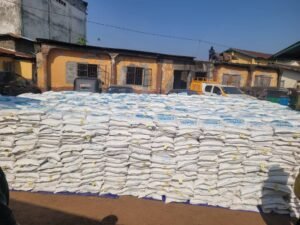
Against this backdrop, Pee Cee & Sons Ltd reaffirmed its zero-tolerance policy against expired or contaminated products, stressing that every item under the PADI brand, including PADI Malted Food Drink, PADI Milk Powder, PADI Cream Milk Powder, and PADI Hot Chocolate Drink, is produced under internationally recognized hygienic standards, certified by the Sierra Leone Standards Bureau, the Ministry of Trade and Industry and other competent regulatory agencies.

“Our company maintains a strict quality control system,” the Management stated. “Every product that leaves our factory is thoroughly checked and certified safe for consumption. The dates of manufacture and expiry are clearly printed and regularly verified by both our internal and external quality assurance teams.”

The Management further clarified that the photos and videos being circulated online were taken during routine marketing activities and bear no connection whatsoever to the alleged sale of expired products.

“We challenge anyone to produce credible evidence from an accredited authority proving that our products are unsafe,” the statement emphasized. “To date, no consumer, distributor or inspection agency has ever lodged such a complaint against Pee Cee & Sons Ltd.”

The company warned that fake and sensational reporting undermines public trust, distorts market confidence and discourages investment in local industries that are vital to Sierra Leone’s economic growth.

“Pee Cee & Sons stands as one of Sierra Leone’s most trusted brands, built on decades of consistency, integrity and service to the nation,” the release concluded. “We will not be distracted by falsehoods or propaganda. The truth about our quality speaks for itself.”

For over two decades, Pee Cee & Sons Ltd has maintained a solid reputation for producing high-quality beverages, milk powders and nutritional drinks that meet the needs of thousands of families nationwide. The company urged the public to disregard malicious claims and continue to place confidence in its PADI line of products, which remain safe, reliable and proudly made in Sierra Leone.

UBA Set to Unveil Whitepaper on Africa’s Financial Infrastructure

UBA’s Group Chairman, Tony Elumelu

Africa’s Global Bank, United Bank for Africa (UBA) Plc, is set to reinforce its role in shaping the continent’s financial ecosystem with the launch of its landmark whitepaper.

The whitepaper, titled “Banking on Africa’s Future: Unlocking Capital and Partnerships for Sustainable Growth,” will be unveiled on the sidelines of the World Bank-International Monetary Fund (IMF) Annual Meetings in October 2025 in Washington, D.C., placing Africa’s economic agenda at the heart of global financial discussions.

The document presents a comprehensive and actionable framework for unlocking Africa’s vast economic potential, providing analysis of critical growth pillars including trade facilitation, infrastructure development, digital innovation, climate finance, and inclusive growth, while showcasing strategies for leveraging domestic capital alongside strategic global partnerships to access the continent’s $3.4 trillion single market potential under the African Continental Free Trade Area (AfCFTA).

UBA’s Group Chairman, Tony Elumelu, who emphasised the strategic importance of this whitepaper, explained that over the past few years, the bank has become an active leader in conversations and activities that drive tangible investments to the continent.

“UBA is shifting Africa’s development agenda from talk to action. With this whitepaper, we are championing initiatives that convert strategic dialogue into bankable projects and direct investments. Our commitment to execute these plans for the benefit of the continent and its people cannot be overemphasised,” Elumelu said. “We are committed partners in Africa’s development and sustainability and will continue to provide the capital, the platform, and the network needed to transform Africa’s vast potential into economic growth.”

UBA’s Group Managing Director and Chief Executive Officer, Oliver Alawuba, remarked on the white paper’s significance, highlighting the urgent need for private sector leadership.

“This whitepaper is a call to action and a statement of our capability,” Alawuba said. “It underlines our unique position in facilitating the partnerships and capital flows required to finance Africa’s future, providing the blueprint for action. The document delivers critical insights at a defining moment for Africa’s financial infrastructure.”

United Bank for Africa is one of the largest employers in the financial sector on the African continent, with more than 25,000 employees group-wide and serving over 45 million customers globally. Operating in twenty African countries and the United Kingdom, the United States of America, France, and the United Arab Emirates, UBA provides retail, commercial, and institutional banking services, leading financial inclusion and implementing cutting-edge technology.

Vice President Calls for Stronger Land Governance and Community Rights Across Africa

By Amin Kef (Ranger)

Sierra Leone’s Vice President, Dr Mohamed Juldeh Jalloh, has called for a renewed continental commitment to land governance and community land rights, describing them as “one of the most important issues for generations to come.”

He made this statement on behalf of His Excellency President Dr. Julius Maada Bio at the opening of the 5th Regional Conference of the Africa Land Institutions Network for Community Rights (ALIN), held at the Bintumani International Conference Centre in Freetown on Tuesday, 14th October 2025.

The high-level regional forum brought together government representatives, traditional leaders, international development agencies, and experts from across Africa to discuss sustainable strategies for securing community land rights and promoting inclusive land governance across the continent.

Vice President Jalloh noted that Sierra Leone was honoured to host the continental dialogue at a time when Africa faces increasing challenges in balancing investment, community rights, and environmental sustainability. “For us in Sierra Leone, it is a privilege to showcase the progress we have made in land governance,” he said.

He commended the Minister of Lands, Housing and Country Planning, Dr. Turad Senesie, and his deputy for redefining the Ministry’s purpose, emphasizing that “the Ministry of Lands is not about selling land—it is about land governance.”

The Vice President highlighted that Sierra Leone has enacted groundbreaking legislation in recent years, including the Customary Land Rights Act 2022 and the National Land Commission Act 2022. These laws, he said, have been recognized internationally as models for inclusive and transparent land management.

“Sierra Leone continues to pass and implement progressive land laws,” Dr. Jalloh stated, adding that the government is advancing digital transformation initiatives to make land administration more efficient and accountable.

Despite the achievements, Dr. Jalloh acknowledged that Africa still faces enormous challenges, including weak policy environments, limited technical and financial capacity, and overlapping land claims.

He cited a 2023 World Bank report estimating that Africa loses nearly $100 billion annually due to poor land administration and corruption. “These realities make platforms like the ALIN conference critical for sharing experiences and developing new strategies to secure land rights and promote sustainable development,” he said.

Dr. Jalloh also identified two pressing global trends shaping Africa’s land governance landscape — declining international aid and the growing impact of climate change.

“Development assistance windows are closing,” he observed. “African nations must therefore strengthen domestic revenue mobilization and promote investment and trade to boost production. At the core of unlocking the potential of our productive sectors is land governance.”

On climate change, he warned that the continent faces increased competition for fertile land and rising displacement caused by environmental degradation. “The challenge is how to turn potential sources of conflict and poverty into renewed opportunities for livelihood, support, and investment,” he noted.

Dr. Jalloh reaffirmed Sierra Leone’s commitment to regional and continental cooperation on land governance. He emphasized that Sierra Leone’s reforms are aligned with the African Union Framework and Guidelines on Land Policy in Africa and the Voluntary Guidelines on the Responsible Governance of Tenure (VGGT) adopted by the Food and Agriculture Organization (FAO).

“This conference is a major step in our collective effort to promote viable land governance across the African continent,” he said. “It provides a unique opportunity to exchange ideas, assess institutional performance, and chart a new course for sustainable land reform.”

In conclusion, the Vice President expressed optimism that the deliberations would strengthen Africa’s resolve to secure community land rights and foster equitable growth. “Make no mistake,” he declared. “Land governance is, and will continue to be, one of the most important issues for generations to come.”

The conference continues through the week, featuring expert panels, technical workshops, and experience-sharing sessions among member states of the Africa Land Institutions Network for Community Rights.

Prof. Ezekiel Duramany-Lakkoh Expresses Gratitude Following Appointment as Deputy Vice Chancellor of IPAM

Professor Ezekiel Kalvin Duramany-Lakkoh

By Amin Kef (Ranger)

The newly appointed Deputy Vice Chancellor of the Institute of Public Administration and Management (IPAM), University of Sierra Leone, Professor Ezekiel Kalvin Duramany-Lakkoh, has extended his heartfelt appreciation to the University Court, colleagues, students and well-wishers for the confidence reposed in him to serve in one of the most distinguished academic leadership positions in the country.

In an official statement titled: “Note of Appreciation and Personal Statement,” Professor Ezekiel Kalvin Duramany-Lakkoh described his appointment as both an honour and a call to serve, pledging his full commitment to advancing IPAM’s vision of excellence in teaching, research and community engagement.

“I wish to thank the Almighty God for making this appointment possible. I also extend my profound gratitude to the Search Committee of the Ministry of Technical and Higher Education (MTHE), the Tertiary Education Commission (TEC) and the University Court for considering me worthy of this responsibility,” he said.

He expressed appreciation to the academic community, family members and social media supporters whose messages of goodwill, he noted, “were tintinnabulating across social platforms.” The newly appointed Deputy Vice Chancellor assured that he would continue to work collaboratively with staff and students to build on IPAM’s solid foundation of academic excellence and institutional progress.

“As a proud son of IPAM, having been nurtured and moulded by this great institution, I consider this appointment not merely as a personal achievement but as a call to service; to contribute towards building stronger academic programmes, deepening research culture and enhancing community partnerships,” he added.

Professor Ezekiel Kalvin Duramany-Lakkoh also paid glowing tribute to his predecessor, Associate Professor, Miriam Conteh-Morgan, describing her as “an inspiration of great hope” who instilled in him the values of discipline, innovation and commitment to institutional growth.

His career spans over 18 years of dedicated service in higher education, research, financial management and corporate leadership. He is an accomplished academic, Chartered Management Accountant, Financial Economist and Fulbright Scholar. He currently serves as Training Associate for Oxford University Business School in West Africa and as Chairman of the Sierra Leone National Governing Council of the African Peer Review Mechanism under the African Union.

Within the University of Sierra Leone, he has held numerous leadership roles including Dean of the Faculty of Management Sciences, Dean of the Faculty of Accounting and Finance and Acting Deputy Vice Chancellor of IPAM. He has served on more than 27 university committees, contributing extensively to policy formulation, curriculum reform and institutional strengthening.

As Dean, he spearheaded IPAM’s landmark academic reengineering initiative that established three new faculties and introduced twelve new degree programmes, both at undergraduate and postgraduate levels. His leadership also facilitated international collaborations, scholarships and professional development opportunities for faculty members and students.

Beyond academia, Professor Ezekiel Kalvin Duramany-Lakkoh has demonstrated exceptional skill in financial management, institutional development and partnership building. He has chaired and coordinated several major fundraising projects, including the completion and furnishing of the Ekundayo Thompson Building and the establishment of IPAM’s Centre for Entrepreneurship and Innovation.

His collaborations with both local and international partners have led to the signing of over ten Memoranda of Understanding (MoUs) supporting capacity-building, training and infrastructure development at IPAM. Through his non-profit initiatives such as the Duramany-Lakkoh Educational Foundation (D-LEF) and the Kids Advocacy Foundation, he continues to inspire and empower young Sierra Leoneans through education, leadership and mentorship.

A recipient of more than 150 national and international awards, including the African Achievers Award at the UK House of Lords, the Pan African International Award for Finance and Educational Development and the University of Sierra Leone Academic Staff Association Award for Contribution to Higher Education, Professor Ezekiel Kalvin Duramany-Lakkoh remains one of Sierra Leone’s most decorated academics.

He is also the current President of the Sierra Leone Association of Finance and Accounting Professionals (SLAFAP) and continues to play a pivotal role in shaping financial education and research in the country.

Concluding his message, Professor Ezekiel Kalvin Duramany-Lakkoh reaffirmed his unwavering commitment to collective progress at IPAM and the University of Sierra Leone.

“Together, with unity of purpose and shared commitment, we can build on IPAM’s legacy and advance the cause of higher education for national development. May God continue to guide and strengthen us all in our pursuit of excellence,” he said.

About Professor Ezekiel Kalvin Duramany-Lakkoh
Professor Duramany-Lakkoh holds a PhD, MPhil, EMBA, EMPA and multiple professional certifications in finance and management. He is a Fellow of the Institute of Chartered Managers (FInstCM), Chartered Global Management Accountant (CGMA) and a member of several international academic and research institutions. He is married and blessed with five children; Frankella, Denzel, Jayden, Jennisha and Ryan.

Infinity Mind Foundation Marks World Mental Health Day in Port Loko

By Ibrahim John Sesay

The Infinity Mind Foundation (IMF-SL) joined the rest of the world to commemorate World Mental Health Day with a well-attended event on Friday October 10, 2025 at the Obama Multipurpose Hall in Port Loko Town, Port Loko District. Themed: “Access to Services – Mental Health in Catastrophes and Emergencies,” the commemoration brought together students, health professionals, Civil Society representatives and community leaders to emphasize the importance of mental well-being in national development.

The event sought to raise awareness about mental health challenges, promote access to quality services and encourage open dialogue, particularly among young people who are increasingly affected by social, economic and emotional pressures.

In his opening remarks, Osman Wagie Bah, Director of Infinity Mind Foundation, said mental health should no longer be a taboo topic in Sierra Leone. He observed that depression, anxiety and trauma are “silent epidemics” affecting many citizens, especially the youth.

“We are here to say that mental health is as important as physical health,” Osman Wagie Bah stressed. “Communities must learn to support one another emotionally and psychologically, especially in times of crisis.”

Osman Wagie Bah also noted that limited access to mental health services, particularly in rural communities, remains a major challenge. He urged the Government, development partners and private sector to prioritize investments in mental health programs and infrastructure.

Representing the Port Loko District Health Management Team (DHMT), Mental Health Focal Person Williams Faith Bangura commended the Foundation for its community-driven efforts to raise awareness.

“Through collaboration with community-based organizations like Infinity Mind Foundation, we can break the silence around mental illness,” Williams Faith Bangura said. “We want everyone to know that help is available and recovery is possible.”

The event featured active participation from students and youth groups, who discussed how academic stress, peer pressure and societal expectations impact mental health. Sallay Haja Kamara, a student of Marfoki Agricultural Islamic Senior Secondary School, appealed for more counseling services and safe spaces in schools.

“Sometimes, students face a lot of pressure from home and school. We need safe spaces to talk about our problems without fear of being judged,” she said.

Panel discussions led by mental health practitioners and youth advocates explored strategies for building emotional resilience during emergencies such as epidemics or conflicts. Mohamed Abass Kamara, Project Director of Infinity Mind Foundation, emphasized that early intervention can save lives and improves academic performance.

Participants also benefited from an interactive session on identifying mental health symptoms and coping strategies, facilitated by Patricia Ebi Nick-Ewung, a Psychiatric Mental Health Nurse from the DHMT. She encouraged participants to take simple, practical steps to manage stress and maintain emotional balance.

A highlight of the commemoration was the Mental Health Awareness Pledge, where attendees committed to supporting one another and advocating for improved access to services. The symbolic pledge underscored a collective responsibility to address mental health challenges nationwide.

According to IMF-SL organizers, this year’s observance forms part of a broader awareness campaign under the School Health Initiative Project, which includes radio discussions, community outreach and school sensitization activities in the Western Area Rural and Kambia regions. The Foundation plans to extend its outreach to Port Loko and other districts.

John Daniel Mansaray, Administrative Manager of Infinity Mind Foundation, expressed appreciation to the organization’s CEO, Dr. Rebecca M. Taylor (UK), district coordinators and community stakeholders for their continued support.

“This event is not just about one day,” John Daniel Mansaray noted. “It’s about sustaining a national conversation that leads to real action; from families and schools to policymakers.”

As the 2025 World Mental Health Day commemoration concluded, one message resonated throughout the hall: mental health is everyone’s business. Infinity Mind Foundation’s efforts once again reaffirmed that building a healthy nation begins with nurturing healthy minds.

SUCCEED Sierra Leone Joins Global Commemoration of World Mental Health Day

SUCCEED Sierra Leone joined the rest of the world in commemorating World Mental Health Day on Friday, October 10, 2025, at the University of Makeni (UNIMAK) auditorium. The event brought together hundreds of participants, including community members, students, traditional leaders and policymakers, to discuss this year’s theme: “Access to Services – Mental Health in Catastrophes and Emergencies.”

The commemoration reshaped how many attendees viewed mental health, promoting inclusivity and reducing stigma. For petty trader Aminata Kanu, the event was transformative. “I no longer hold a negative perception about the mentally ill in my community,” she said, commending SUCCEED Sierra Leone for its awareness campaign. She added that supporting mental health must be a community-driven effort.

Similarly, Sidu Bangura, a final-year Mass Communication student at UNIMAK, shared that his perspective had completely changed. “I now understand that mental health inclusivity is key for national development,” he remarked, urging authorities and SUCCEED Sierra Leone to intensify public education on mental health issues.

SUCCEED Sierra Leone, part of a six-year consortium research project focused on psychosis, operates in partnership with four African countries and the London School of Hygiene and Tropical Medicine. Established in 2020, the program aims to empower people with psychosocial disabilities across sub-Saharan Africa.

During the event, Dr. Rebecca Esliker, SUCCEED Sierra Leone’s Principal Investigator, called for an end to stigma against mental health patients. “We are all susceptible to mental health challenges, so stop the stigmatization,” she urged. “People with psychosis can be useful members of society. Mental health is a right, not a privilege.”

Program Manager, Veronica Kamara, explained that SUCCEED Sierra Leone uses a co-production model focused on psychosis interventions at the community level. “Do not dispose of them. Help them grow and be well so they can contribute meaningfully to society,” she emphasized.

Research Coordinator, Amjata Bayoh, highlighted the project’s ongoing community engagements through school lectures, university programs, radio discussions and social media campaigns aimed at transforming public attitudes toward mental health.

Representing Parliament, Hon. Ibrahim Barrie, Member of Parliament for Bombali District, pledged to advocate for stronger mental health policies. “I will raise the issue of mental health and acknowledge SUCCEED Sierra Leone’s work during parliamentary debates,” he said.

Traditional leaders also demonstrated their commitment. Paramount Chief Masa Yeli Ntham III of Gbanti Chiefdom announced that all 12 Paramount Chiefs in Bombali District plan to enact bylaws to promote mental health awareness. “We are grateful to SUCCEED Sierra Leone for commemorating this important day,” he noted.

Peer researchers Esther Moses Kamara and Nancy Amada Stevens shared their recovery stories, inspiring the audience with their journeys from mental health challenges to becoming active contributors to national development.

Delivering the keynote address, Dr. Patrick Turay, Director of Holy Spirit Hospital, revealed that one in five Sierra Leoneans suffers from some form of mental health issue. He linked that to the country’s civil conflict, health epidemics like Ebola, Mpox and COVID-19 and other emergencies. “Mental health is a basic human right,” he stated, describing SUCCEED’s work as a vital complement to national and private health sector efforts.

The 2025 commemoration concluded with renewed pledges from participants to promote empathy, inclusivity and access to mental health services across Sierra Leone; underscoring SUCCEED Sierra Leone’s enduring message: mental health matters for everyone, everywhere.

SLAJ Executive Engages Chinese Embassy to Deepen Media Cooperation

By Amin Kef (Ranger)

The Executive of the Sierra Leone Association of Journalists (SLAJ) has on Friday, October 10, 2025, paid a courtesy visit to the Chinese Embassy in Freetown as part of efforts to deepen collaboration and explore new avenues for media development and professional growth.

Led by SLAJ President, Alhaji Manika Kamara, the delegation met with officials of the Chinese Embassy to discuss potential partnerships in media training, exchange programs and capacity-building initiatives aimed at enhancing the skills and professionalism of Sierra Leonean journalists.

President Alhaji Manika Kamara commended the Chinese Embassy for its continued support for the Sierra Leonean media, especially in training and technical assistance. He appealed for further cooperation through short-term courses, media equipment support and institutional partnerships between SLAJ and media entities in China to boost local media capacity.

The Immediate Past President of SLAJ, Ahmed Sahid Nasralla, who joined the visit in his ex officio role, introduced the new executive members and expressed appreciation to the Embassy for the cordial relationship nurtured during his tenure. He encouraged both sides to sustain and build upon the existing partnership.

In his remarks, Dianbin Zhang, Minister-Counsellor at the Chinese Embassy, congratulated the new SLAJ executive and praised the Association’s proactive engagement. He described the new team as dynamic and forward-looking, reaffirming the Embassy’s commitment to working closely with SLAJ to promote media growth and cooperation between the two nations.

The meeting concluded with the presentation of an Award of Appreciation from SLAJ to the Chinese Embassy, recognising its longstanding partnership and invaluable support to the Association during the tenure of the former President, Ahmed Sahid Nasralla.

Kenema — New Art Proposal Aims to Celebrate Culture and Inspire Civic Support

By Alvin Lansana Kargbo

A new cultural initiative is gaining attention in the eastern city of Kenema, where local artists and community members are rallying around a proposal to use art as a bridge between tradition, identity and modern expression.

The Kenema Art Proposal, introduced by visual artist, Ibraheem Albadawi, envisions the creation of four large oil paintings inspired by the city’s rich cultural heritage; from traditional drumming and dance to local crafts and everyday communal life. Once completed, the artworks will be exhibited at a University in Freetown, representing what organizers describe as a “visual diplomacy effort” to promote Sierra Leone’s artistic identity on a national stage.

“These paintings are more than decoration; they are visual conversations about identity, values and our shared future,” Ibraheem Albadawi explained, noting that the project aims to celebrate the unique cultural rhythms of Kenema while fostering civic pride.

At the bustling “Howfordo Market”, residents expressed enthusiasm and cautious optimism about the idea.

“This project could help young people feel proud of Kenema’s music, arts and dance,” said Mariatu Sesay, a market vendor.

A commercial motorcyclist added, “If the city supports this, more people will see what we can offer but the paintings must be on public display, not hidden away.”

Others, like Samuel Conteh, urged for Government backing: “It’s a good idea, but will the city really offer funding, space or help to promote it so everyone can see what we do?”

The proposal has already gained support from the Kenema Youth Club, whose President, Richard Lamin, described it as “a bold step toward showcasing Kenema’s creativity and heritage.”

“We fully endorse this initiative because it aligns with our mission to empower youth through culture and innovation. It can bring positive recognition to our city,” Richard Lamin stated.

So far, no formal communication has been made with the Kenema Tourism and Culture Office, but organizers say plans are underway to submit a detailed proposal for funding and logistical support.

Community interest continues to build and discussions are ongoing about how to secure public exhibition spaces to make the artworks accessible to all residents.

If approved, the Kenema Art Proposal could become a defining cultural project for the city; transforming its creative landscape, boosting tourism visibility and reinforcing Kenema’s role as a vibrant hub of Sierra Leone’s artistic heritage.