
Home Blog Page 133

US, Sierra Leone Seal Military Support Pact to Boost Security and Disaster Response

The United States Africa Command (US AFRICOM) and the Republic of Sierra Leone Armed Forces (RSLAF) have signed a groundbreaking military support agreement, marking a major boost to bilateral defense relations and paving the way for stronger cooperation in logistics, training and disaster response.

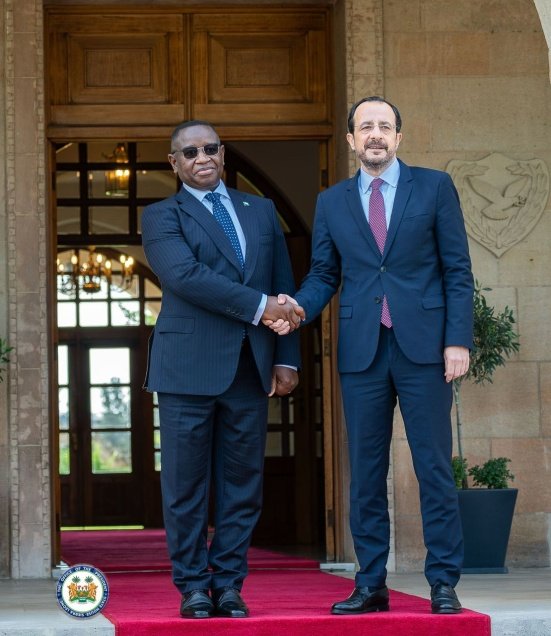
The pact, known as the Acquisition and Cross Servicing Agreement (ACSA), was formally signed on Monday, 8th September 2025, by Brigadier-General George TM Dietrich, Team Lead for US AFRICOM, on behalf of the United States and Retired Colonel Muana Brima Massaquoi, Sierra Leone’s Deputy Minister of Defence, representing Sierra Leone.

Speaking at the ceremony, Brigadier-General George T.M Dietrich highlighted that the agreement would enhance the ability of both countries to respond jointly to humanitarian crises and natural disasters. He explained that the ACSA will allow for the rapid exchange of essential supplies and logistical support, ensuring faster and more effective responses during emergencies.

“This agreement is not only about logistics; it also supports joint training exercises, maritime operations and port calls. It ensures that Sierra Leone’s contributions are recognized, whether through funding, reciprocal exchange or in-kind support,” Brigadier-General George T.M Dietrich stated.

He further noted that the ACSA provides a foundation for expanded cooperation, emphasizing that the US values Sierra Leone’s consistent role in regional security efforts, including its participation in key international exercises such as OBANGAME EXPRESS.

“The US is proud to stand with Sierra Leone as a partner and friend. We are committed to a long and successful relationship that strengthens peace and security across Africa,” he affirmed.

Deputy Minister of Defence, Retired Colonel Muana Brima Massaquoi described the signing as a milestone in deepening international defense partnerships. He stressed that the agreement reflects Sierra Leone’s commitment to fostering closer military collaboration with the United States, enhancing operational readiness and reinforcing collective security.

“This agreement is a symbol of our dedication to building a resilient, interoperable and united defense arrangement capable of addressing modern security challenges. Though our two Armed Forces are geographically far apart, this agreement reduces that distance to zero,” Retired Colonel Muana Brima Massaquoi declared.

He further emphasized that through the partnership both Armed Forces would improve logistical capabilities, strengthen operational security and work jointly toward regional and global stability.

The ACSA is a cornerstone of US defense cooperation worldwide. According to Brigadier-General George T.M Dietrich, the United States has signed similar agreements with 132 countries globally, including 31 across Africa, with Sierra Leone now joining that network.

US AFRICOM, headquartered in Germany, is responsible for US military operations and partnerships across Africa. Its mandate includes countering transnational threats, responding to crises and building the capacity of African security forces in collaboration with allies and regional partners.

The signing of the agreement positions Sierra Leone as a strategic partner in the region, reinforcing its role in promoting peace, stability and security in West Africa and beyond.

NCRA, APPA Forge United Front to Strengthen Civil Registration and Electoral Integrity

In a significant step toward consolidating democratic governance and strengthening institutional collaboration, the All Political Parties Association (APPA) held a high-level courtesy meeting with the National Civil Registration Authority (NCRA) on Friday, September 12, 2025, at the NCRA Headquarters in Freetown.

The dialogue, requested by APPA, centered on deepening cooperation in Civil Registration, Identity Management and election administration. It was chaired by NCRA’s Director General, Mohamed Mubashir Massaquoi, and brought together APPA representatives, leaders of political parties and officials from the Political Parties Registration Commission (PPRC).

The engagement marks a continuation of a strong working relationship between APPA and NCRA, which had jointly undertaken public education campaigns ahead of the 2023 elections. Those initiatives, supported by Irish Aid and UNDP, raised nationwide awareness on the linkage between the Civil Register and the Voter Register.

According to the NCRA, Civil Registration is more than an electoral requirement; it is the bedrock of national development, accountability and inclusive governance. The Authority reaffirmed its commitment to working with APPA and other stakeholders to ensure citizens across Sierra Leone have access to identity services.

A key issue discussed was the challenge citizens face in obtaining National Identity Cards with unique National Identification Numbers (NINs), which are critical for accessing banking, telecommunications and other public services.

To address those concerns, the NCRA outlined decentralization strategies, including mobile registration units, district-level ID card collection points and community-led registration drives. Those initiatives, implemented in partnership with Paramount Chiefs, CSOs and Local Councils, aim to expand access, particularly in rural and underserved areas.

Another central topic was the implementation of Tripartite Committee recommendations, particularly the integration of the Civil Register into the Voter Register system for future elections. Officials emphasized that this reform would reduce costs associated with large-scale voter registration, eliminate redundancies, improve transparency and help prevent electoral fraud.

Both institutions committed to maintaining regular dialogue sessions, with structured briefings on progress in civil registration and joint public awareness campaigns through radio, town halls and community interactions.

The meeting concluded with a joint call for Government subsidies on National ID Cards to make them more affordable, especially for residents in remote communities. Both APPA and NCRA stressed that affordable access to IDs is not only a matter of service delivery but also one of equity, national dignity and inclusion.

As Sierra Leone prepares for the 2028 elections, the renewed APPA–NCRA partnership underscores a shared commitment to fortifying democratic institutions through accurate data, institutional collaboration and empowered citizenship.

“Collaborative institutional efforts cultivate trust and trust sustains democracy,” Director General Mohamed Mubashir Massaquoi stated, highlighting the vital role of partnerships in strengthening Sierra Leone’s democratic future.

NP (SL) Reaffirms Leadership in Petroleum Sector with Innovative Energy Solutions

By Amin Kef (Ranger)

NP (SL) Limited, Sierra Leone’s premier indigenous petroleum marketing company, has once again demonstrated its commitment to excellence, innovation and sustainability by unveiling its renewed corporate objectives and introducing customer-focused energy solutions such as the NP Energy Pass and NP Wallet E-Chit. These initiatives reflect the company’s determination to maintain its leadership position in the downstream petroleum sector while also contributing to national development.

At the heart of NP’s vision is a set of well-defined corporate objectives designed to align operations with international best practices and customer expectations. The company’s Chief Executive Officer, Dr. Mohamed S. Kanu, emphasized that those objectives are central to NP’s continued success and growth.

The six objectives outlined include:

  1. Customer Satisfaction: NP ensures customer satisfaction by delivering quality products and reliable services consistently across all its operations. The company believes that customer trust is the cornerstone of its long-standing success.
  2. Environmental Responsibility: NP is committed to preventing environmental pollution throughout its operations. By integrating eco-friendly practices and promoting cleaner energy solutions, the company contributes to Sierra Leone’s environmental sustainability efforts.
  3. Health and Safety: Protecting the well-being of staff, contractors and communities remains a top priority. NP works diligently to prevent injury and ill health within its operations and surrounding areas.
  4. Legal and Regulatory Compliance: NP strictly adheres to all legal requirements, as well as other obligations related to stakeholders and customers. This ensures transparency, accountability and industry leadership.
  5. Resource Provision and Staff Competence: The company invests heavily in its workforce and operational resources. By ensuring staff competence and providing the necessary tools, NP guarantees effective service delivery to its customers.
  6. Continuous Improvement: NP believes that excellence is a journey, not a destination. The company consistently evaluates and enhances its operations to remain at the forefront of the petroleum industry.

Those objectives reflect NP’s broader vision of being more than just a petroleum dealer, but rather a responsible corporate citizen dedicated to quality, safety and innovation.

One of the company’s most notable innovations is the NP Energy Pass, a modern payment card system that allows customers to buy fuel conveniently without cash transactions. The card can be used at main NP service stations nationwide, offering security, efficiency and transparency in fuel management.

For corporate entities and fleet operators, the Energy Pass provides an effective way to manage fuel usage, track expenditures and eliminate risks associated with cash handling. For individual motorists, it offers convenience and reliability, especially during periods of high fuel demand.

By introducing this digital payment system, NP has positioned itself as a pioneer in modern fuel marketing solutions in Sierra Leone.

Alongside the Energy Pass Card, NP has rolled out the NP Wallet E-Chit service, designed to simplify fuel purchases further. Using the NP mobile application, customers can send electronic chits directly to recipients by entering their phone numbers and the desired fuel amount. The receiver then gets an SMS notification and can redeem the chit at any NP Filling Station.

This innovation saves time, reduces cash dependency and provides a transparent system for fuel purchases. Businesses can also use this platform to manage employee fuel allocations effectively.

The E-Chit service is particularly significant in today’s digital age, aligning with Sierra Leone’s broader move toward cashless transactions and financial inclusion.

In addition to digital innovations, NP (SL) Limited continues to supply premium petroleum products, including Castrol lubricants. Branded with the tagline “It’s more than just oil, it’s liquid engineering,” Castrol products offer high-quality performance for vehicles, ensuring durability and efficiency.

By combining trusted products with modern service delivery systems, NP has become synonymous with reliability in Sierra Leone’s petroleum sector.

As Sierra Leone’s leading indigenous petroleum company, NP plays a vital role in the country’s economic and social development. The company has created thousands of direct and indirect jobs, empowering Sierra Leoneans through employment and training.

Moreover, NP has consistently championed local content development, ensuring that Sierra Leoneans occupy key positions across its operations. This commitment not only strengthens national capacity but also reinforces NP’s identity as a proudly homegrown success story.

The company also plays a crucial role in ensuring energy security by maintaining a reliable fuel supply chain across the nation. In doing so, NP supports critical sectors such as transportation, commerce and industry, which depend heavily on petroleum products.

NP’s story is one of resilience, innovation and adaptability. From its beginnings as a locally owned petroleum marketing company, it has grown into a trailblazer in the sector. By combining technological solutions like the Energy Pass and E-Chit with its traditional strengths in customer service and product quality, NP has proven that innovation and customer satisfaction can go hand in hand.

Looking ahead, NP has reaffirmed its intention to keep improving its services and operations to meet the evolving demands of Sierra Leone’s growing economy. With its strong corporate objectives, customer-focused digital solutions,and premium product offerings, NP remains a cornerstone of Sierra Leone’s petroleum industry.

NP (SL) Limited continues to demonstrate that leadership in the petroleum sector requires more than just supplying fuel. It involves setting clear corporate objectives, prioritizing safety and environmental protection, ensuring customer satisfaction and embracing innovation. Through initiatives like the NP Energy Pass and E-Chit, coupled with its commitment to quality products such as Castrol lubricants, NP has solidified its reputation as a trusted partner in Sierra Leone’s development journey.

The indigenous leading petroleum marketing company, in strengthening its operations and expanding its services, stands as a powerful symbol of what homegrown enterprises can accomplish when driven by vision, innovation and unwavering dedication to excellence.

Cricket Sierra Leone Resolves Long-Standing Disputes Through Stakeholders’ Dialogue

By Ibrahim Sesay 

Cricket Sierra Leone has taken a decisive step toward resolving long-standing disputes that have hindered the growth of the sport during a stakeholders’ engagement meeting held at T-Resort, Yonkai Road, York,  Western Rural District on Saturday, September 13, 2025. The dialogue brought together leading voices in the cricket community alongside representatives from the Ministry of Sports and the National Sports Authority to address grievances that have stalled the Association’s progress, including accountability concerns, audit issues and allegations of unlawful removal of members.

Haroun Korjie, Director of Sports at the Ministry of Sports, described the divisions within Cricket Sierra Leone as damaging both to trust and to the spirit of the game. He reminded stakeholders that the Sierra Leone Cricket Association has long been one of the country’s most consistent and successful sporting entities, with national teams bringing home laurels and showcasing Sierra Leone’s ability to compete at international standards. “Cricket Sierra Leone has been one of the most consistent Associations. Time and time again, the national team has brought laurels, proving our ability to compete at the highest level and meet international standards,” Haroun Korjie said. He appealed to those present to set aside personal differences for the good of the game, stressing the importance of dialogue and collective commitment. Quoting an African proverb, he added: “If you want to go fast, go alone. But if you want to go far, go together. For the game to move forward, we all must work together.”

The call for unity was reinforced by Kobi Walker, Vice Chairman of Cricket Sierra Leone, who emphasized the broader social role of sport in shaping the future of young people. “The future of our children hangs in the balance. We have a responsibility to secure their future and create the enabling environment for them to thrive,” Kobi Walker said. He warned that many young Sierra Leoneans are falling victim to drugs and that sport offers a pathway to keep them off the streets. “If we do not come together to secure the future of our children, the future of the game will be a challenging one,” he added.

David Nelson Williams, President of the Stakeholders Association – Sierra Leone Cricket Association, welcomed the initiative and praised the effort to foster reconciliation. He noted that the path forward required openness, fairness and mutual respect. “We need to approach this engagement with an open mind and respect to encourage our aggrieved brothers who had left to return,” David Nelson Williams said. He underscored that genuine dialogue and the willingness to listen to all parties would build accountability and allow cricket to thrive again in Sierra Leone.

Dr. Emmanuel Saffa Abdulai, Director of the National Sports Authority, also called for peace and unity among cricket stakeholders. “I believe it’s time to have a conversation on how to solve the problem and settle grievances,” Dr. Emmanuel Saffa Abdulai said, pointing out that only through unity can the game attract support and progress. While acknowledging that disagreements are common in every sport, he praised cricket for its track record of success in bringing laurels home to Sierra Leone, urging stakeholders not to allow internal divisions to undermine that achievement. “Cricket has done more than any sport in bringing pride to this country. That is why peace must be embraced,” Dr. Emmanuel Saffa Abdulai stressed.

At the end of the deliberations, stakeholders reached several key resolutions aimed at restoring stability and strengthening the governance of Cricket Sierra Leone. These included reviewing and merging existing constitutions into a single unified document, setting up an Electoral Board, establishing an Appeals Board, creating a Disciplinary Committee and forming an Ethics and Complaints Committee.

The adoption of those resolutions was welcomed as a turning point for Cricket Sierra Leone, with many expressing optimism that the decisions taken will usher in a new era of cooperation and accountability. With renewed unity and a clear roadmap, stakeholders hope the sport can reclaim its momentum and continue serving as a source of national pride and an avenue for empowering Sierra Leone’s youth.

Ministry of Health Partners with Africa CDC to Advance Mental Health Reform

By Ibrahim Sesay 

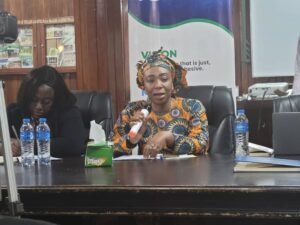
The Ministry of Health, in collaboration with the Africa Centres for Disease Control and Prevention (Africa CDC), convened a strategic Stakeholder Advocacy Workshop on September 15, 2025, at the Atlantic Lumley Hotel in Freetown to advance the enactment of the Sierra Leone Mental Health Bill. The event brought together Parliamentarians, policymakers, Judiciary representatives, technical experts, Civil Society Organizations, Persons with Lived Experience, international partners and the media to deliberate on the urgent need for a modern mental health law to replace the outdated Lunacy Act of 1902.

Speakers highlighted the country’s pressing mental health challenges, shaped by years of civil conflict, the Ebola and COVID-19 epidemics and ongoing threats such as the kush epidemic and the mpox outbreak. Andrew Lawrence P. Sorie, Permanent Secretary at the Ministry of Health, described the deep psychological wounds left by Sierra Leone’s 11-year civil war and subsequent crises. He stressed that the new bill seeks to restore dignity, uphold human rights and provide compassionate care, moving beyond the archaic Lunacy Act. “The process of this bill is not just about changing a law; it is about changing lives,” Andrew Lawrence P. Sorie said, while expressing gratitude to the Africa Centres for Disease Control and Prevention and other partners for their support.

Lawmakers at the workshop pledged to push the bill through Parliament. Honorable Abdul Kargbo, Minority Leader in Parliament, underscored that mental health is inseparable from national development. “Without addressing mental health, there can be no comprehensive healthcare system, especially for a country like Sierra Leone,” Honorable Abdul Kargbo said, noting the scars left by war, epidemics and economic hardship. The Minority Leader assured that Parliament would review the bill, enact progressive legislation and allocate substantial resources in the upcoming national budget. He further pledged oversight to ensure that commitments translate into real services rather than remain “on paper.”

Professor Taiwo Lateef Sheikh, Representative of the Africa Centres for Disease Control and Prevention NCD/MH Advisory Committee, placed the initiative in a continental context, noting that the workshop aligns with the Africa Centres for Disease Control and Prevention’s 2023–2026 Strategic Plan to address non-communicable diseases, injuries and mental health. He stressed the importance of enacting laws that dismantle stigma and facilitate access to services, pointing to examples from Kenya, Nigeria and Malawi. “We need laws that will remove barriers to service seeking and uptake,” Professor Taiwo Lateef Sheikh remarked, reaffirming the commitment of the Africa Centres for Disease Control and Prevention to support Sierra Leone.

Professor Dr. Charles Senesie, Deputy Minister 1 of the Ministry of Health, reaffirmed the Government’s commitment to integrating mental health into the national universal health coverage agenda. He described mental health as a “critical component of healthcare delivery” under the life-safe model, which prioritizes physical, mental and social well-being from conception to old age. Professor Dr. Charles Senesie cited ongoing initiatives such as the renovation of mental health facilities, the training of nine residents and 30 mental health nurses and the establishment of both a Presidential Task Force on Mental Health and a National Task Force on Drug and Substance Abuse. “The president has made it clear: mental health is a national issue,” Professor Dr. Charles Senesie emphasized.

Dr. Abdul Jalloh, Director of Mental Health and Non-Communicable Diseases at the Ministry of Health, traced the development of the Mental Health Bill, noting that initial advocacy began in 2011 with the Mental Health Coalition. He explained that the bill, presented to Parliament on July 18, 2025, is now awaiting debate and passage. Dr. Abdul Jalloh outlined the bill’s provisions, which include the establishment of a National Mental Health Directorate, the protection of patient rights, frameworks for voluntary and involuntary admissions, confidentiality and safeguards against abuse. The bill also addresses issues affecting minors, community care and the intersection of mental health with the criminal justice system. “The bill seeks to repeal the 1902 Lunacy Act and replace it with a rights-based framework that ensures accountability and financing,” Dr. Abdul Jalloh stated.

The workshop concluded with a shared commitment to align Sierra Leone’s mental health framework with international human rights standards and African best practices. With the bill now before Parliament, stakeholders vowed to intensify advocacy and resource mobilization to ensure that Sierra Leone takes a decisive step toward a progressive mental health system that reflects both compassion and justice.

Sierra Leone Ushers in New Era of Justice with Criminal Procedure Act 2024

By Amin Kef (Ranger)

Sierra Leone has officially turned the page on one of its most outdated laws with the public launch of the Criminal Procedure Act, 2024, signaling a new era for justice delivery in the country. The ceremony, held on Tuesday September 16, 2025 at the High Court in Freetown, brought together senior Government officials, judges, lawyers, police, and civil society groups, who described the development as one of the most transformative steps in the nation’s legal history.

The new law, which was signed by President Dr. Julius Maada Bio in October 2024, repeals and replaces the Criminal Procedure Act of 1965. For nearly sixty years, the old framework guided Sierra Leone’s courts, but it had long been criticized as inadequate for the realities of a modern justice system. Its limitations, ranging from prolonged pre-trial detentions to lack of provisions for digital evidence, made reform not just desirable, but urgent.

Attorney General and Minister of Justice, Alpha Sesay, addressed the gathering with a sense of pride and relief. He described the legislation as “the product of a 20-year journey” and a tribute to the persistence of countless reformers. “This law is not just a technical update; it is a foundation for fairness, transparency and efficiency,” Alpha Sesay declared. “Our citizens deserve a justice system that protects their rights while ensuring accountability and I am committed to seeing this Act fully implemented.”

Chief Justice, Komba Kamanda, echoed the sentiment, noting that the country had outgrown the provisions of the 1965 law. “We were operating with an outdated framework that failed to reflect today’s challenges,” he explained. “This Act recognizes human rights principles and aligns Sierra Leone with global best practices. It will transform the way justice is delivered.”

The Inspector General of Police, William Fayia Sellu, also welcomed the reforms, calling the day “historic.” He highlighted that police officers across the country had already undergone training sessions on the new procedures. “Our investigators and prosecutors are now better equipped to work within the Act’s provisions. This is a major step forward for law enforcement and justice delivery,” he said.

For decades, legal experts and human rights advocates criticized the Criminal Procedure Act of 1965 for undermining justice rather than advancing it. The law failed to address the complexities of modern criminal activity and was silent on critical issues such as digital evidence, forensic reports and cybercrime. It also allowed widespread abuses of pre-trial detention, with suspects often languishing in correctional facilities for years without trial.

Prison overcrowding became a chronic problem, worsened by the lack of alternative sentencing options. Trial delays, inconsistencies in procedures and limited protection of suspects’ rights eroded public confidence in the justice system. Critics argued that without reform, Sierra Leone risked entrenching inequality and injustice in its courts.

The Criminal Procedure Act, 2024 was crafted to address those long-standing weaknesses, offering what many describe as a “modernized blueprint” for justice.

The Act introduces sweeping changes that touch on nearly every aspect of criminal procedure in Sierra Leone.

  • Timelines for detention: Individuals arrested for serious crimes must be brought before a court within 10 days, while those facing lesser charges must appear within 72 hours. This provision directly tackles arbitrary detention and ensures that suspects are not left in limbo.
  • Arrest safeguards: The Act requires that suspects be informed of the reasons for their arrest. It prohibits excessive use of force, limits physical restraint and stipulates that body searches must be documented and conducted by officers of the same sex. Senior approval is required before such searches can take place.
  • Recognition of modern evidence: The law allows courts to admit digital evidence, forensic reports and depositions, ensuring that cases involving cybercrime, corruption or cross-border offences can be prosecuted effectively.
  • Victim rights and restitution: Courts are now empowered to order offenders to compensate victims or restore stolen property. In cases involving state funds or property, restitution is mandatory. This ensures victims are not left without remedies even after criminal trials.
  • Alternative sentencing options: New measures such as suspended sentences, community service, deferred sentences and fines are available to judges, reducing reliance on custodial sentences and easing prison congestion.
  • Improved trial management: The law sets timelines for trials, enhances indictment procedures and outlines clear rules for joinder of charges and defendants. It also expands jurisdiction to allow offences committed abroad by Sierra Leonean public officers to be tried locally.
  • Mental health protections: The Act introduces procedures for dealing with defendants with mental health challenges, including mandatory medical reviews, transfers where necessary and protections against indefinite detention of mentally ill defendants.

Perhaps the most remarkable feature of the new Act is its tilt toward restorative justice. By emphasizing victim compensation and introducing community service sentences, the legislation moves away from a purely punitive approach. Legal commentators see this as a recognition that justice must heal communities as well as punish offenders.

“This is a forward-looking law,” one analyst explained. “Restorative justice strengthens social cohesion. By compensating victims and offering rehabilitation, Sierra Leone is charting a course that benefits the entire society.”

By aligning with international best practices, the Criminal Procedure Act, 2024 , positions Sierra Leone as part of a growing wave of African nations updating their criminal laws to meet global standards. The recognition of forensic and digital evidence, in particular, ensures that Sierra Leone can effectively prosecute cybercrime, financial fraud and transnational offences that increasingly shape the modern legal landscape.

The reforms also reflect a conscious effort to balance state authority with individual rights, ensuring that law enforcement is empowered without eroding civil liberties.

Although the Act has now been formally launched, it will come into force only after the Attorney General issues a statutory instrument. This delay is intended to allow key justice institutions to prepare adequately for its application.

Civil society groups are already calling for wide-ranging public education campaigns to ensure citizens are aware of their rights under the new law. Training for magistrates, judges, police officers, and lawyers will be essential to ensure consistency across the justice chain.

Observers caution that the success of the reform will depend heavily on resources and political will. “The law is excellent on paper,” one activist noted. “But its real impact will depend on how seriously institutions enforce it and how well citizens understand their new protections.”

President Julius Maada Bio has consistently emphasized strengthening the rule of law as a key pillar of his administration. In signing the Act into law last year, he underscored its significance: “This is not simply about procedures; it is about justice itself. It is about creating a system that Sierra Leoneans can trust.”

Analysts suggest that the legislation may well stand as one of President Bio’s most enduring legacies, given its broad scope and potential to transform public perceptions of the justice system.

The launch event concluded with a performance by the Sierra Leone Police Band, adding a ceremonial flourish to what many participants described as a “moment of rebirth” for the country’s justice sector.

As stakeholders departed the High Court grounds, the message was clear: Sierra Leone’s justice system has entered a new phase. If fully implemented, the Criminal Procedure Act, 2024 could redefine how justice is delivered, how rights are protected, and how accountability is maintained in the years ahead.

Or as Attorney General Alpha Sesay aptly summarized: “This is a law for the people – for their protection, their dignity and their future. It marks the beginning of a justice system that truly belongs to every Sierra Leonean.”

YaDA-SL, NCD & IDEA International Mark International Day of Democracy with Walk in Freetown

By Alvin Lansana Kargbo

The Youth Alliance for Democracy and Accountability (YADA-SL), in partnership with the National Commission for Democracy (NCD) and with support from IDEA International, on Monday held a Democracy Walk to commemorate the International Day of Democracy 2025, celebrated under the global theme: “Democracy Under Strain: Solutions for a Changing World.”

Speaking during the event, Foday Moriba Conteh, Executive Director of YaDA-SL, said the walk was more than a symbolic activity, describing it as “a reminder that democracy is not a finished product it is a continuous journey that requires the participation, vigilance and courage of all citizens.”

Foday Moriba Conteh noted that Sierra Leone’s history has shown the dangers of division and silence, stressing the importance of youth involvement in safeguarding the democratic space. He urged young people to take ownership by holding leaders accountable, defending peace and justice and promoting inclusion.

Highlighting global challenges such as disinformation, polarization, economic hardship and declining trust in institutions, Foday Moriba Conteh underscored that the solutions lie in dialogue, respect for the rule of law and active citizenship led with integrity.

He commended the NCD, IDEA International, media partners and young people who participated in the walk, saying their presence demonstrated collective commitment to building a Sierra Leone where democracy thrives, rights are respected and no one is left behind.

“As we leave here, let us remember that democracy cannot survive on slogans or ceremonies alone. It needs action, responsibility and sacrifice,” Foday Moriba Conteh stated, urging participants to act as ambassadors of democratic values in their communities.

Addressing the gathering, the Chairperson of the National Commission for Democracy (NCD), Marian Angela Samu, commended the Youth Alliance for Democracy and Accountability Sierra Leone (YADA-SL) for organizing the Democracy Walk. She noted that this was not the first time the NCD had worked with YADA-SL, as both institutions have partnered in previous years.

She emphasized that the Commission recognizes young people as the future of Sierra Leone, which is why it consistently ensures that youth are actively involved in discussions about democracy.

“This is not just a celebration at the international level; we are celebrating at the local level. That is why we must recognize the key players locally and you, the young people, are those key players,” she said.

Marian Angela Samu expressed appreciation to the young people who participated in the walk, describing their involvement as a clear sign of their belief in democracy.

Participants extend their sincere appreciation to the Youth Alliance for Democracy and Accountability (YADA-SL), the National Commission for Democracy (NCD) and IDEA International for organizing the Democracy Walk. According to them the initiative gave them the platform to actively engage, learn and demonstrate their commitment to strengthening democracy in Sierra Leone. “Your efforts in involving young people show that our voices matter in shaping a more inclusive and accountable future” participants concluded.

“India’s GST 2.0: A Catalyst for Inclusive Growth and Deeper India–Africa Economic Ties”

By Shri Baisnab Charan Pradhan, High Commissioner of India to Sierra Leone

India is entering an important new phase in its economic journey following the recent sweeping reforms to the Goods and Services Tax (GST), often referred to as “GST 2.0” or “next-generation GST.” These reforms are not merely technical adjustments to tax rates, but represent a broader vision: to build a simpler, more transparent tax system; to ease burdens on households and businesses; to stimulate consumption and investment and in doing so, to lay a stronger foundation for sustainable long‐term growth.

As India’s High Commissioner to Sierra Leone, I see these changes as deeply relevant not only for India’s internal economic trajectory but also for enhancing India’s economic engagement with Africa, including with Sierra Leone. Here is an outline of the nature of the reforms, the domestic economic impacts we expect and what this means for our bilateral and regional cooperation going forward.

Some of the key features of the Next-Generation GST Reforms that were announced earlier this month include:

The GST rate structure has been revised to fewer, broader slabs. Key is the move away from multiple intermediate slabs (for example 12% and 28%) to a simpler structure of 5% and 18% for the vast majority of goods and services, plus a higher rate (40%) reserved only for “luxury” or “sin” goods.

Many items of everyday consumption (food staples, medicines, medical devices, household goods, agricultural inputs) have been shifted into the lower or zero taxed categories. This reduces cost of living and production costs in many sectors.

Alongside rate changes, there are reforms to how GST is administered: fewer compliance notices; simplified returns; measures to reduce disputes and delays; faster refunds, especially in cases of inverted duty structure; enhanced clarity in classification; stronger integration with other regulatory and tax systems.

To preserve revenue and discourage certain harmful consumption, a higher GST slab (40%) has been introduced for luxury items and sin goods. 

Expected Domestic Impacts and Long-Term Growth Implications

These reforms set the stage for several positive outcomes in India’s economy over the medium to long term. With lower taxes on essential goods and services, households have more disposable income. This is particularly meaningful for middle- and lower-income groups. The resulting rise in demand can stimulate production, sales and employment in consumer goods, retail, agriculture, health and other sectors.

By reducing tax burdens on essentials, the inflation component due to indirect taxes will be lowered. This helps keep consumer prices more stable. It also can enhance purchasing power, which supports inclusive growth.

Over the past 11 years, India has pursued a series of transformative economic reforms—from the rollout of the original GST in 2017 and the Insolvency and Bankruptcy Code (IBC), to digital financial inclusion through the JAM trinity (Jan Dhan, Aadhaar, Mobile) and infrastructure expansion under the National Infrastructure Pipeline. The recent “Next-Generation GST” reforms build on this foundation, streamlining the tax structure, reducing compliance burdens and enhancing transparency. By lowering tax rates on essentials and simplifying administration, these reforms boost consumption, reduce business costs and foster investment. This aligns with India’s broader strategy to formalize the economy, enhance ease of doing business and stimulate domestic demand.

As the world’s fastest-growing large economy, India is well-positioned to be a key driver of global economic growth. With a young population, rising productivity and deepening integration into global supply chains, India’s reform momentum will underpin sustainable, inclusive growth for decades to come.

Implications for India–Africa Engagement & Sierra Leone

India’s emergence as a stronger, more efficient and growing economy has important implications for our relationships with our African partners. For Sierra Leone in particular, some of these effects are:

As India’s production becomes more competitive, costs fall and demand rises, there is scope for deeper two-way trade with Africa. Lower taxes in India may also reduce export costs for Indian goods destined for Africa, making them more price-competitive.

A simpler tax regime, stable regulatory environment and rising domestic demand will boost investor confidence. Indian firms and investors are more likely to look outward, to Africa, for partnerships in manufacturing, agriculture, infrastructure, healthcare and technology. Sierra Leone stands to benefit from such partnerships: technology transfers, joint ventures, infrastructure projects and skills development.

As India lowers costs in medical devices, medicines and agricultural inputs domestically, our experience and scale in these sectors can be leveraged in cooperation with partners in Africa. India can more affordably share innovations in public health, nutrition, agriculture mechanization and other development priorities. This can support Sierra Leone’s goals in improving healthcare access, food security and rural incomes.

With reforms improving India’s manufacturing competitiveness, there is potential for stronger inclusion of African countries in supply chains, whether as suppliers of raw materials, as sites for parts or in downstream manufacturing. Building these linkages strengthens trade resilience and provides opportunities for African economies to benefit from global value chains.

India’s reforms offer an example of how tax policy, administrative simplification and digital tools can be used to foster growth, formalize economies and reduce poverty. There is scope for sharing of best practices, technical cooperation, and capacity building in tax administration, regulatory reform, customs, etc., which can benefit Sierra Leone and other African states.

Conclusion

In sum, India’s “next generation” GST reforms mark more than a fiscal policy change: they are part of a broader strategy to promote inclusive growth, to increase competitiveness, to improve living standards and to strengthen India’s role in the global economy.

For Sierra Leone and our wider African partners, this evolving Indian economy offers both an opportunity and partnership. As India grows more efficient and competitive, there are many avenues through which we can work together, through trade, investment, shared innovation and cooperation in public goods.

As High Commissioner, I look forward to fostering those partnerships, to seeing Indian-African trade and investment reach new heights and to ensuring that the benefits of reforms on both sides are shared widely and fairly.

********

UBA Hosts Global Leaders at UNGA 2025, Launches Whitepaper on Unlocking Africa’s Potential

UBA Hosts Global Leaders at UNGA 2025

Africa’s Global Bank, United Bank for Africa (UBA) Plc is set to make a bold statement on the global stage as it will be gathering world leaders, policymakers, and investors and other private sector players at the forthcoming 2025 United Nations General Assembly (UNGA).

This year’s gathering at the UNGA, which is the 80th Edition, will be held between September 15th and September 25th, and as always, UBA Group has mapped out series of engaging activities to spotlight Africa’s opportunities and foster high-level dialogue with global leaders towards boosting the continent’s potential.

A key part of the event, will be the UBA’s unveiling of a ground-breaking whitepaper that presents actionable strategies for unlocking Africa’s vast economic potential, as part of the bank’s mission to drive sustainable growth across the continent.

The whitepaper, a first-of-its-kind initiative by a leading African financial institution at UNGA, titled ‘Banking on Africa’s Future: Unlocking Capital and Partnerships for Sustainable Growth’, will highlight opportunities in trade, infrastructure, digital innovation, climate finance, and inclusive growth.

By providing a roadmap for collaboration between Africa and the global community, UBA aims to position the continent not just as a beneficiary of investment, but as a critical driver of future global prosperity.

Apart from the Whitepaper launch, other activities of the group will include the Business Council for International Understanding (BCIU) Roundtable to be hosted by UBA America, as well as the annual UBA Reception.

The reception will convene world leaders, policymakers, and influential business executives who will be involved in critical dialogues on investment and development across the continent.

UBA’s Group Chairman, Tony Elumelu, emphasized the strategic importance of these dialogues, explained that over the past few years, UBA has become an active leader in conversations and activities that will drive tangible investments to the continent.

“These conversations are fundamentally different from previous discussions because they will be followed by feasible and actionable decisions. UBA will actively work to implement these outcomes for the benefit of the continent, as committed partners in Africa’s development and sustainability,” Elumelu noted.

Continuing, he said, “’The United Nations General Assembly is the largest and most official gathering of world leaders, and we cannot let such an opportunity pass without major African players like UBA taking centre stage to bring these leaders together and showcase Africa’s potential.”

UBA’s Group Managing Director/Chief Executive Officer, Oliver Alawuba, who remarked on the upcoming event, especially the whitepaper’s significance, emphasized the need for more private organizations and players to demonstrate their commitment to the continent’s development through concrete action and proven capabilities.

United Bank for Africa is one of the largest employers in the financial sector on the African continent, with 25,000 employees group wide and serving over 45 million customers globally. Operating in twenty African countries and the United Kingdom, the United States of America, France and the United Arab Emirates, UBA provides retail, commercial and institutional banking services, leading financial inclusion and implementing cutting edge technology.

VP Dr. Mohamed Juldeh Jalloh Calls for Stronger Domestic Revenue Mobilization

By Amin Kef (Ranger)

The Government of Sierra Leone has officially commenced preparations for the Fiscal Year 2026 National Budget, with a bold call from Vice President Dr. Mohamed Juldeh Jalloh for increased domestic revenue mobilization. The opening ceremony, held on September 11, 2025 at the Bintumani International Conference Centre in Aberdeen, was jointly organized by the Ministry of Finance and the Ministry of Planning and Economic Development.

Delivering the keynote address, Vice President Dr. Mohamed Juldeh Jalloh underscored the urgent need to strengthen Sierra Leone’s revenue base in the face of dwindling overseas development aid, rising debt burdens and global economic uncertainty.

Highlighting the direct relationship between revenue and state capacity to deliver basic services, Dr. Mohamed Juldeh Jalloh stressed the urgency of planning for Sierra Leone’s growing population.

“Every day, 700 children are born in this country, which translates to about 14 classrooms that Government must provide for free under our flagship education programme,” he said. “The onus is on us to secure the future of our children. The needs are significant and planning must start now. The buck stops with us.”

He revealed that financial inclusion in Sierra Leone has improved significantly, rising from 20% in 2017 to 39% in 2025, according to World Bank data.

Vice President Dr. Mohamed Juldeh Jalloh pointed to comparative examples in the region, noting that while Senegal achieved a tax-to-GDP ratio of 20.1% in 2023, Sierra Leone’s remains below 10%. To address this gap, he called for:

  • Full digitalization of tax administration to improve compliance and curb leakages.
  • Expansion of the tax base through stronger enforcement against evasion.
  • Strategic investments in infrastructure and energy to support long-term revenue growth.

He also commended the Ministry of Finance for stabilizing the exchange rate since 2023 and reaffirmed Government’s commitment to fiscal resilience.

Minister of Finance, Sheku Ahmed Fantamadi Bangura, outlined the fiscal priorities under the Medium-Term Expenditure Framework (2026–2028), which will form the foundation of the FY2026 budget. Key commitments include:

  • Creation of 5,000 jobs for young people.
  • Strengthening gender inclusion with a target of 50% female representation.
  • Investments in technology, infrastructure and public administration.
  • Promotion of a cashless economy and financial deepening.
  • Expansion of energy production, road networks and transport systems.
  • Tax policy reforms, to be completed by mid-November 2025.

Minister Sheku Ahmed Fantamadi Bangura reported strong progress in macroeconomic stability, citing inflation’s dramatic decline from 64.5% two years ago to 6.45% in July 2025, with monthly inflation now below 1%. GDP growth was 4.4% in 2024 and is projected at 4.5% in 2025, driven by agriculture, services and industry.

The Minister attributed those gains to reforms in the exchange rate system, increased food production under the Feed Salone programme and prudent fiscal and monetary policies.

On resource governance, Minister Sheku Ahmed Fantamadi Bangura confirmed that new mining legislation now guarantees Government a 10% free carried interest in all projects and up to 30% equity shareholding in strategic operations. Those reforms, he said, are designed to ensure greater national participation and sustainable revenue flows from the extractive sector.

The FY2026 Budget process is expected to continue with further consultations and sectoral hearings as Government seeks to align fiscal policy with the nation’s development priorities under the Big Five Game Changers.