
Home Blog Page 176

“India’s GST 2.0: A Catalyst for Inclusive Growth and Deeper India–Africa Economic Ties”

By Shri Baisnab Charan Pradhan, High Commissioner of India to Sierra Leone

India is entering an important new phase in its economic journey following the recent sweeping reforms to the Goods and Services Tax (GST), often referred to as “GST 2.0” or “next-generation GST.” These reforms are not merely technical adjustments to tax rates, but represent a broader vision: to build a simpler, more transparent tax system; to ease burdens on households and businesses; to stimulate consumption and investment and in doing so, to lay a stronger foundation for sustainable long‐term growth.

As India’s High Commissioner to Sierra Leone, I see these changes as deeply relevant not only for India’s internal economic trajectory but also for enhancing India’s economic engagement with Africa, including with Sierra Leone. Here is an outline of the nature of the reforms, the domestic economic impacts we expect and what this means for our bilateral and regional cooperation going forward.

Some of the key features of the Next-Generation GST Reforms that were announced earlier this month include:

The GST rate structure has been revised to fewer, broader slabs. Key is the move away from multiple intermediate slabs (for example 12% and 28%) to a simpler structure of 5% and 18% for the vast majority of goods and services, plus a higher rate (40%) reserved only for “luxury” or “sin” goods.

Many items of everyday consumption (food staples, medicines, medical devices, household goods, agricultural inputs) have been shifted into the lower or zero taxed categories. This reduces cost of living and production costs in many sectors.

Alongside rate changes, there are reforms to how GST is administered: fewer compliance notices; simplified returns; measures to reduce disputes and delays; faster refunds, especially in cases of inverted duty structure; enhanced clarity in classification; stronger integration with other regulatory and tax systems.

To preserve revenue and discourage certain harmful consumption, a higher GST slab (40%) has been introduced for luxury items and sin goods. 

Expected Domestic Impacts and Long-Term Growth Implications

These reforms set the stage for several positive outcomes in India’s economy over the medium to long term. With lower taxes on essential goods and services, households have more disposable income. This is particularly meaningful for middle- and lower-income groups. The resulting rise in demand can stimulate production, sales and employment in consumer goods, retail, agriculture, health and other sectors.

By reducing tax burdens on essentials, the inflation component due to indirect taxes will be lowered. This helps keep consumer prices more stable. It also can enhance purchasing power, which supports inclusive growth.

Over the past 11 years, India has pursued a series of transformative economic reforms—from the rollout of the original GST in 2017 and the Insolvency and Bankruptcy Code (IBC), to digital financial inclusion through the JAM trinity (Jan Dhan, Aadhaar, Mobile) and infrastructure expansion under the National Infrastructure Pipeline. The recent “Next-Generation GST” reforms build on this foundation, streamlining the tax structure, reducing compliance burdens and enhancing transparency. By lowering tax rates on essentials and simplifying administration, these reforms boost consumption, reduce business costs and foster investment. This aligns with India’s broader strategy to formalize the economy, enhance ease of doing business and stimulate domestic demand.

As the world’s fastest-growing large economy, India is well-positioned to be a key driver of global economic growth. With a young population, rising productivity and deepening integration into global supply chains, India’s reform momentum will underpin sustainable, inclusive growth for decades to come.

Implications for India–Africa Engagement & Sierra Leone

India’s emergence as a stronger, more efficient and growing economy has important implications for our relationships with our African partners. For Sierra Leone in particular, some of these effects are:

As India’s production becomes more competitive, costs fall and demand rises, there is scope for deeper two-way trade with Africa. Lower taxes in India may also reduce export costs for Indian goods destined for Africa, making them more price-competitive.

A simpler tax regime, stable regulatory environment and rising domestic demand will boost investor confidence. Indian firms and investors are more likely to look outward, to Africa, for partnerships in manufacturing, agriculture, infrastructure, healthcare and technology. Sierra Leone stands to benefit from such partnerships: technology transfers, joint ventures, infrastructure projects and skills development.

As India lowers costs in medical devices, medicines and agricultural inputs domestically, our experience and scale in these sectors can be leveraged in cooperation with partners in Africa. India can more affordably share innovations in public health, nutrition, agriculture mechanization and other development priorities. This can support Sierra Leone’s goals in improving healthcare access, food security and rural incomes.

With reforms improving India’s manufacturing competitiveness, there is potential for stronger inclusion of African countries in supply chains, whether as suppliers of raw materials, as sites for parts or in downstream manufacturing. Building these linkages strengthens trade resilience and provides opportunities for African economies to benefit from global value chains.

India’s reforms offer an example of how tax policy, administrative simplification and digital tools can be used to foster growth, formalize economies and reduce poverty. There is scope for sharing of best practices, technical cooperation, and capacity building in tax administration, regulatory reform, customs, etc., which can benefit Sierra Leone and other African states.

Conclusion

In sum, India’s “next generation” GST reforms mark more than a fiscal policy change: they are part of a broader strategy to promote inclusive growth, to increase competitiveness, to improve living standards and to strengthen India’s role in the global economy.

For Sierra Leone and our wider African partners, this evolving Indian economy offers both an opportunity and partnership. As India grows more efficient and competitive, there are many avenues through which we can work together, through trade, investment, shared innovation and cooperation in public goods.

As High Commissioner, I look forward to fostering those partnerships, to seeing Indian-African trade and investment reach new heights and to ensuring that the benefits of reforms on both sides are shared widely and fairly.

********

UBA Hosts Global Leaders at UNGA 2025, Launches Whitepaper on Unlocking Africa’s Potential

UBA Hosts Global Leaders at UNGA 2025

Africa’s Global Bank, United Bank for Africa (UBA) Plc is set to make a bold statement on the global stage as it will be gathering world leaders, policymakers, and investors and other private sector players at the forthcoming 2025 United Nations General Assembly (UNGA).

This year’s gathering at the UNGA, which is the 80th Edition, will be held between September 15th and September 25th, and as always, UBA Group has mapped out series of engaging activities to spotlight Africa’s opportunities and foster high-level dialogue with global leaders towards boosting the continent’s potential.

A key part of the event, will be the UBA’s unveiling of a ground-breaking whitepaper that presents actionable strategies for unlocking Africa’s vast economic potential, as part of the bank’s mission to drive sustainable growth across the continent.

The whitepaper, a first-of-its-kind initiative by a leading African financial institution at UNGA, titled ‘Banking on Africa’s Future: Unlocking Capital and Partnerships for Sustainable Growth’, will highlight opportunities in trade, infrastructure, digital innovation, climate finance, and inclusive growth.

By providing a roadmap for collaboration between Africa and the global community, UBA aims to position the continent not just as a beneficiary of investment, but as a critical driver of future global prosperity.

Apart from the Whitepaper launch, other activities of the group will include the Business Council for International Understanding (BCIU) Roundtable to be hosted by UBA America, as well as the annual UBA Reception.

The reception will convene world leaders, policymakers, and influential business executives who will be involved in critical dialogues on investment and development across the continent.

UBA’s Group Chairman, Tony Elumelu, emphasized the strategic importance of these dialogues, explained that over the past few years, UBA has become an active leader in conversations and activities that will drive tangible investments to the continent.

“These conversations are fundamentally different from previous discussions because they will be followed by feasible and actionable decisions. UBA will actively work to implement these outcomes for the benefit of the continent, as committed partners in Africa’s development and sustainability,” Elumelu noted.

Continuing, he said, “’The United Nations General Assembly is the largest and most official gathering of world leaders, and we cannot let such an opportunity pass without major African players like UBA taking centre stage to bring these leaders together and showcase Africa’s potential.”

UBA’s Group Managing Director/Chief Executive Officer, Oliver Alawuba, who remarked on the upcoming event, especially the whitepaper’s significance, emphasized the need for more private organizations and players to demonstrate their commitment to the continent’s development through concrete action and proven capabilities.

United Bank for Africa is one of the largest employers in the financial sector on the African continent, with 25,000 employees group wide and serving over 45 million customers globally. Operating in twenty African countries and the United Kingdom, the United States of America, France and the United Arab Emirates, UBA provides retail, commercial and institutional banking services, leading financial inclusion and implementing cutting edge technology.

VP Dr. Mohamed Juldeh Jalloh Calls for Stronger Domestic Revenue Mobilization

By Amin Kef (Ranger)

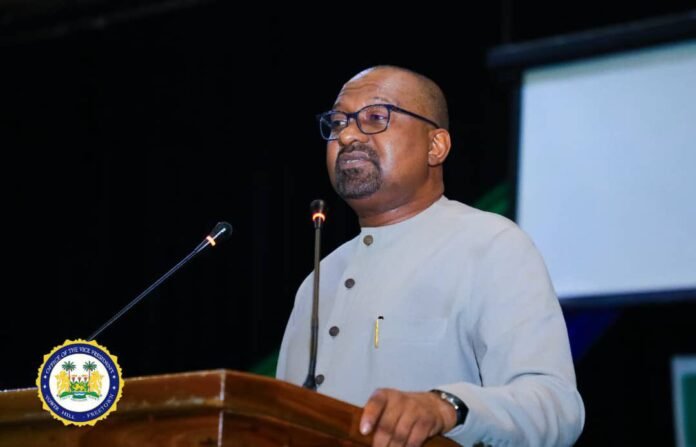
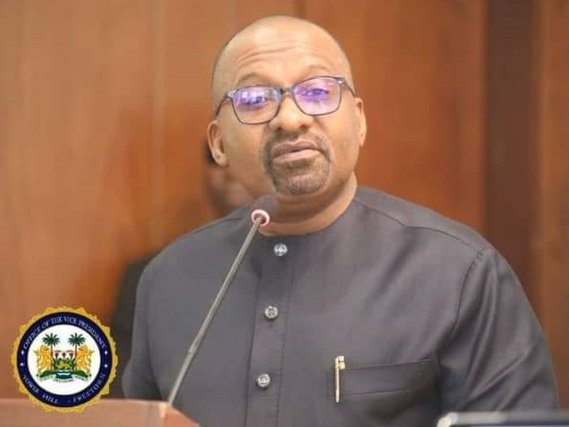
The Government of Sierra Leone has officially commenced preparations for the Fiscal Year 2026 National Budget, with a bold call from Vice President Dr. Mohamed Juldeh Jalloh for increased domestic revenue mobilization. The opening ceremony, held on September 11, 2025 at the Bintumani International Conference Centre in Aberdeen, was jointly organized by the Ministry of Finance and the Ministry of Planning and Economic Development.

Delivering the keynote address, Vice President Dr. Mohamed Juldeh Jalloh underscored the urgent need to strengthen Sierra Leone’s revenue base in the face of dwindling overseas development aid, rising debt burdens and global economic uncertainty.

Highlighting the direct relationship between revenue and state capacity to deliver basic services, Dr. Mohamed Juldeh Jalloh stressed the urgency of planning for Sierra Leone’s growing population.

“Every day, 700 children are born in this country, which translates to about 14 classrooms that Government must provide for free under our flagship education programme,” he said. “The onus is on us to secure the future of our children. The needs are significant and planning must start now. The buck stops with us.”

He revealed that financial inclusion in Sierra Leone has improved significantly, rising from 20% in 2017 to 39% in 2025, according to World Bank data.

Vice President Dr. Mohamed Juldeh Jalloh pointed to comparative examples in the region, noting that while Senegal achieved a tax-to-GDP ratio of 20.1% in 2023, Sierra Leone’s remains below 10%. To address this gap, he called for:

  • Full digitalization of tax administration to improve compliance and curb leakages.
  • Expansion of the tax base through stronger enforcement against evasion.
  • Strategic investments in infrastructure and energy to support long-term revenue growth.

He also commended the Ministry of Finance for stabilizing the exchange rate since 2023 and reaffirmed Government’s commitment to fiscal resilience.

Minister of Finance, Sheku Ahmed Fantamadi Bangura, outlined the fiscal priorities under the Medium-Term Expenditure Framework (2026–2028), which will form the foundation of the FY2026 budget. Key commitments include:

  • Creation of 5,000 jobs for young people.
  • Strengthening gender inclusion with a target of 50% female representation.
  • Investments in technology, infrastructure and public administration.
  • Promotion of a cashless economy and financial deepening.
  • Expansion of energy production, road networks and transport systems.
  • Tax policy reforms, to be completed by mid-November 2025.

Minister Sheku Ahmed Fantamadi Bangura reported strong progress in macroeconomic stability, citing inflation’s dramatic decline from 64.5% two years ago to 6.45% in July 2025, with monthly inflation now below 1%. GDP growth was 4.4% in 2024 and is projected at 4.5% in 2025, driven by agriculture, services and industry.

The Minister attributed those gains to reforms in the exchange rate system, increased food production under the Feed Salone programme and prudent fiscal and monetary policies.

On resource governance, Minister Sheku Ahmed Fantamadi Bangura confirmed that new mining legislation now guarantees Government a 10% free carried interest in all projects and up to 30% equity shareholding in strategic operations. Those reforms, he said, are designed to ensure greater national participation and sustainable revenue flows from the extractive sector.

The FY2026 Budget process is expected to continue with further consultations and sectoral hearings as Government seeks to align fiscal policy with the nation’s development priorities under the Big Five Game Changers.

CRSG Unveils Chinese Culture Learning Program in Freetown

By Alvin Lansana Kargbo

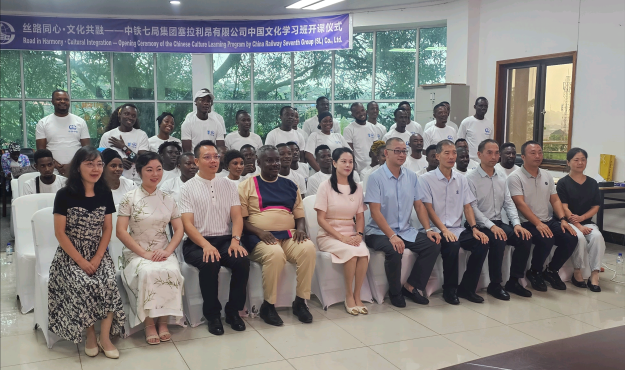
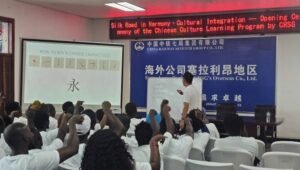
China Railway Seventh Group (Sierra Leone) Co., Ltd. (CRSG) has launched a Chinese Culture Learning Program designed to teach Chinese language and promote cultural exchange among Sierra Leonean students and staff. The initiative, held on Saturday 13th September 2025 at the company’s Mongeba Office in Grafton, brought together participants from Freetown Polytechnic and Sierra Leonean Management Staff of CRSG.

The program forms part of CRSG’s “Road in Harmony and Cultural Integration” drive and seeks to strengthen China–Sierra Leone cooperation under the Belt and Road Initiative and the Cultural Silk Road. It focused particularly on language training and the appreciation of traditional Chinese tea culture.

CRSG General Manager, Du Xinguo, described language as the foundation of friendship and cooperation. He explained that by crossing borders and learning one another’s languages, people grow closer and build lasting relationships. He recalled that CRSG has operated in Sierra Leone for nearly two decades, while China–Sierra Leone relations span more than 50 years, making the program both timely and meaningful.

Du Xinguo added that the initiative goes beyond culture, aiming to empower young Sierra Leoneans with career skills and international exposure. He said participants would benefit by broadening their horizons, preparing for the global market and gaining values that foster personal and professional growth. He concluded with a call for participants to treat one another like family, work together in harmony and carry the lessons forward into their communities.

Wu Cui, Chinese Director of the Confucius Institute at the University of Sierra Leone, congratulated the participants and highlighted the Institute’s role in promoting Chinese language education since its establishment in 2012. She noted that the Institute now operates 22 teaching sites nationwide and has trained more than 30,000 learners, with nearly 100 Sierra Leonean students selected for study opportunities in China.

She emphasized that the Institute’s curriculum is not limited to language but includes cultural lessons such as martial arts, calligraphy, music and folk dance. According to her, culture is the bridge to understanding and through programs like those participants would gain both professional skills and cultural knowledge. She encouraged attendees to embrace the opportunity to learn, exchange ideas and contribute to strengthening people-to-people ties between the two countries.

Representing Freetown Polytechnic, Prince Brainard, Planning and Quality Assurance Officer, said the program marked an important milestone in the institution’s partnership with CRSG. He explained that the theme: “Silk Road: Inhabiting and Cultural Inclusion” symbolized trust, dialogue and cooperation between nations, just as the ancient Silk Road fostered the exchange of ideas and culture.

Prince Brainard added that the initiative would prepare Sierra Leonean youth to become globally minded citizens, capable of contributing to a more connected world. He stressed that the future of the nation depends on equipping young people with skills and values that promote peace, respect and unity. On behalf of the Polytechnic’s Principal, Dr. Samba Moriba, he thanked CRSG for the collaboration and assured continued support for such programs.

Wang Xiang, Chief Supervisor of CRSG, expressed gratitude to the Confucius Institute and Freetown Polytechnic for their partnership. He said CRSG has been rooted in Sierra Leone for 18 years, combining engineering expertise with social responsibility and that cultural exchange is an important part of the company’s work.

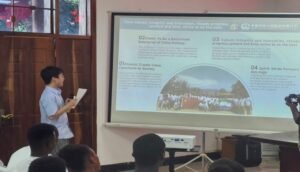
He outlined three objectives of the new program: deepening cultural exchange between China and Sierra Leone, empowering cross-cultural teams through training and supporting sustainable development by integrating academic and industrial cooperation. He also described the event as not just a cultural class but a bridge for mutual exchange urging participants to explore the beauty of culture with open hearts and work together to write a new chapter in China–Sierra Leone friendship.

In conclusion, the Chinese Culture Learning Program highlights the growing role of cultural exchange in strengthening international partnerships. By combining language training, cultural awareness and professional development, the initiative provides Sierra Leonean youth with tools for the future while reinforcing bonds of friendship between the two nations.

FCC Mobilizes Over 700 Workers to Enforce New Sanitation Bye-Laws

Mayor Yvonne Aki-Sawyerr

By John Baimba Sesay, Senior Comms Manager, Office of Mayor of Freetown

The Freetown City Council (FCC), with support from the World Bank, has trained over 700 community engagement workers to support the implementation of the city’s new Sanitation Bye-Laws. The two-day training, part of FCC’s “Dorti Mus Go” campaign, is aimed at strengthening community outreach, raising public awareness and ensuring compliance with the regulations.

The training covered key areas such as grievance redress mechanisms, gender-based violence, community engagement in waste management and an in-depth review of the new waste management system under the recently enacted Bye-Laws. Following this, the workers will be deployed across city zones, working alongside FCC Metropolitan Officers to inform residents about the requirement to register for waste collection. Non-compliance will attract a fine of SLE 5,000 or possible jail time.

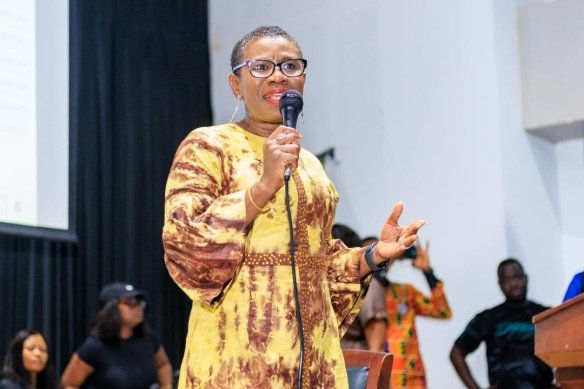
Closing the training on 12 September, Mayor Yvonne Aki-Sawyerr OBE reflected on past progress in the sanitation sector; including the introduction of 120 tricycles for waste collection, the daily sweeping of over 100 main streets in the city, the construction of transfer stations and the establishment of a complaints hotline 8244. She acknowledged persistent challenges such as a deteriorating road infrastructure, the lack of an effective building permit regime and land-use planning functions and the unavailability of land for a new sanitary landfill, challenges which are outside of the control of FCC.

While stressing that the new bye-laws alone cannot resolve these systemic issues, the Mayor underlined their importance in providing legal backing to waste service providers and strengthening community engagement and urged both residents and service providers to play their part responsibly, warning that resistance will be met with enforcement measures under the law.

Calling for collective action, Mayor Aki-Sawyerr encouraged stakeholders to take ownership of the city’s sanitation reform: “Let’s continue our collective journey of transforming Freetown”, she urged. She expressed optimism that the new system was gaining traction, noting that 15,000 residents have already registered through service providers.

Teachers Return to Classrooms as SLTU Suspends Nationwide Strike

Dr. Mohamed Juldeh Jalloh

By Amin Kef (Ranger)

The Sierra Leone Teachers Union (SLTU) has called off its nationwide strike and instructed teachers to return to classrooms on Monday, September 15, following assurances from Government authorities to address critical concerns raised by the Union.

The week-long industrial action, which began on September 8, disrupted learning across the country and was strongly supported by SLTU’s affiliate bodies, the Conference of Principals of Secondary Schools (CPSS), the National Council of Head Teachers (NaCOHT), the Council of Heads of Technical and Vocational Institutions (CHTVI) and the Nursery Schools Association (NSA).

Negotiations chaired by Vice President, Dr. Mohamed Juldeh Jalloh, proved decisive in breaking the deadlock. According to Union officials, engagements with the Ministry of Basic and Senior Secondary Education and the Teaching Service Commission led to tangible Government commitments that paved the way for suspending the strike.

Government confirmed that fee subsidies for the second and third terms of the 2024/2025 academic year had been disbursed to the majority of schools nationwide. Institutions yet to receive full payments have been advised to lodge complaints through their district union structures for redress.

In addition, of the 4,662 teachers previously suspended from the payroll, 1,802 have been reinstated and paid salaries for July and August. A further 325 are expected to receive backlogged payments in September, while verification continues for others still excluded.

A joint monitoring committee, coordinated by the Office of the Vice President and including representatives from the Ministries of Education and Finance, the Teaching Service Commission and the SLTU, has been formed to resolve all outstanding issues.

At an emergency consultative meeting held on Friday, September 12, SLTU Executives voted to suspend the strike. Union President Ibrahim B. Kargbo underscored the importance of vigilance, stressing that SLTU and its partners would closely monitor subsidy payments and teacher salary restorations.

SLTU Secretary General, Morris S. Conteh, in an official release, called on teachers to resume duties and continue serving the nation with dedication while keeping watch on the implementation of Government’s promises.

The Union extended appreciation to the Ministry of Employment, Labour and Social Security, the Sierra Leone Labour Congress, other supporting organizations for their solidarity during the standoff.

With schools reopening today, the Sierra Leone Teachers Union (SLTU) urged its members to stay united, committed and resolute in the struggle for improved conditions of service while welcoming the Government’s efforts to tackle long-standing challenges in the education sector.

Campaigners Renew Urgent Calls to Tackle Drug Crisis in Sierra Leone

By Kemo Cham

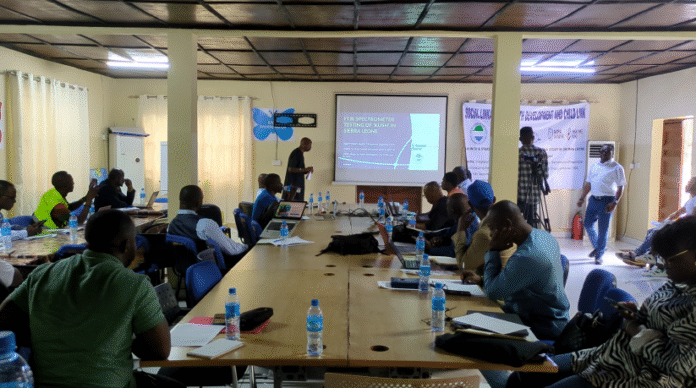
Campaigners are intensifying calls for collective action against the worsening drug crisis in Sierra Leone, as new research confirms the presence of Nitazene, a highly potent synthetic opioid, in Kush; the substance at the center of the country’s epidemic.

According to the Global Initiative Against Transnational Organized Crime (GI-TOC), in partnership with the Clingendael Institute, Kush circulating in Sierra Leone contains Nitazene, a chemical linked to multiple deaths in Europe and North America, alongside synthetic cannabinoids. Researchers described Nitazene as “very addictive and deadly,” comparable to fentanyl.

The report, unveiled at a stakeholders’ engagement in Freetown on Wednesday, 10 September 2025 provides new insights into Kush’s composition, its market structure and its devastating health and social consequences.

The study follows the Government’s 2024 declaration of a public health emergency on drugs. With thousands of lives believed lost to Kush abuse, campaigners say the crisis is eroding the country’s youth potential.

“Kush has become a menace which Government alone cannot address,” warned Abdurahman Sesay, Director General of the National AIDS Secretariat (NAS). He cautioned that without swift and coordinated action the epidemic could derail national development efforts.

Data shows that young people form the majority of those affected. Civil Society partners, including Social Linkages for Youth Development and Child Link (SLYDCL), which works directly with youth who inject drugs, stressed the urgency of embedding research findings into national policy.

While Government has opened two rehabilitation centers, one in Hastings and another in Bo, campaigners note they are not currently operational due to resource constraints. According to the Ministry of Social Welfare, out of over 2,000 drug users who registered for treatment, only 400 have been admitted, with most experiencing relapse or worsening mental health conditions.

“This points to major gaps in our response,” Abdurahman Sesay said, adding that the crisis also threatens to overwhelm healthcare financing and infrastructure.

Other experts echoed the urgency of a multi-sectoral approach:

  • Dr. Godswill Agada, of World Vision, noted that the study had identified supply and demand chains critical for tackling the epidemic.
  • Ansumana Konneh, Director of Mental Health at the Ministry of Social Welfare, said ongoing drug inflows undermine progress: “In spite of whatever we are doing, if the supply of drugs in this country still continues to flow, we are wasting our time.”
  • Dr. Mohamed Bangura, Director of Medical Services at the Sierra Leone Police, warned that Kush is fuelling crime and violence, with many arrested youths being addicts rather than criminals.

Delivering the keynote on behalf of the Minister of Youth, Charles Moinina urged stronger protection of the youth population, describing them as the “greatest human resource capacity” of the country.

Campaigners are now pushing for urgent legislative reform, including a modern anti-drug law and expanded rehabilitation services, to stem the tide of addiction and protect Sierra Leone’s future generations.

Labour Minister Leads ECOWAS Social Protection Drive in Abuja

Mohamed Rahman Swaray

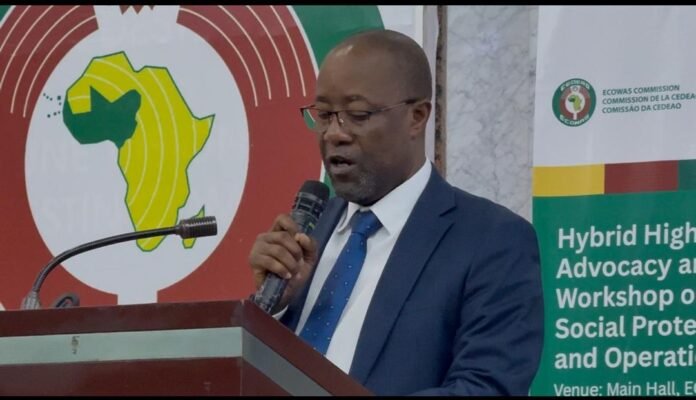
West Africa took a bold step toward tackling poverty and humanitarian challenges this week as Sierra Leone’s Minister of Employment, Labour and Social Security, Mohamed Rahman Swaray, launched the ECOWAS Social Protection Framework and Operational Plan at the ECOWAS Commission headquarters in Abuja.

The ceremony signaled the beginning of a new regional approach to building stronger and more inclusive safety nets. Minister Mohamed Rahman Swaray, who serves as Chair of the ECOWAS Inter-Ministerial Committee on Social Protection, presided over the event attended by high-level dignitaries, technical experts and international development partners.

The framework, which was endorsed by ECOWAS Ministers in 2023, provides a unified regional strategy to help Governments strengthen shock-responsive and resilient social protection systems that safeguard the poor and vulnerable.

In his address, Mohamed Rahman Swaray conveyed greetings from President Julius Maada Bio, who also chairs the ECOWAS Authority of Heads of State and Government. He praised the framework as a people-centered initiative designed to prevent communities from falling into extreme poverty.

“This is not just a policy manual. It is a shield for our people,” he said, noting that Sierra Leone has placed social protection at the heart of its governance agenda.

He pointed to major national reforms such as the revised Social Protection Policy of 2019, the adoption of a shock-responsive safety net strategy in 2020 and the passing of the Social Protection Act which created a specialized agency to coordinate resources and streamline delivery. With the backing of the World Bank, ILO, FAO and UNICEF, Sierra Leone has now begun extending social protection coverage to the informal sector, he explained.

The framework is anchored in the ECOWAS Vision 2050, which aspires to guarantee human dignity and a higher quality of life for all citizens. Mohamed Rahman Swaray stressed that investments in social protection go beyond addressing current vulnerabilities, calling it “a strategy to shape West Africa’s economic and social future.”

ECOWAS Programme Officer, Abinbola Oyelohunnu, who presented the plan, emphasized that Governments must assume full ownership of its implementation. “Social protection is a right, not a privilege,” she said. “It requires shared responsibility, collective financing and political will.”

Representatives of international partners echoed that call. Dr. Vanessa Phala-Moyo, Director of the ILO Country Office for Nigeria, Ghana, Liberia and Sierra Leone, highlighted the support of UN agencies in developing the framework, adding that social protection not only reduces poverty but also builds resilience in the face of climate, economic and social shocks.

Nigeria’s Minister of Humanitarian Affairs, Dr. Betta Edu, who chaired the session, described the adoption of the framework as a “turning point” for ECOWAS. She urged all member states to align national strategies with the new regional plan, noting that “its full implementation is essential if West Africa is to overcome persistent poverty and humanitarian crises.”

The launch was attended by senior Sierra Leonean officials, including Ambassador Ernest Ndomahina, Commissioner of NaCSA;  Abu Kokofele, Director-General of the National Social Protection Authority; and  Arnold Osman Sesay, Assistant Secretary at the Ministry of Labour. Sierra Leone’s High Commissioner to Nigeria, Dr. Julius F. Sandy, who also chairs the ECOWAS Permanent Representative Committee, was present, underlining the diplomatic and strategic weight of the event.

The unveiling of the ECOWAS Social Protection Framework places Sierra Leone at the forefront of regional social policy leadership, coinciding with President Bio’s rising role as Chair of the ECOWAS Authority. Member states are now expected to integrate the framework into national systems, mobilize domestic and international financing and expand protection to marginalized groups including women, children, the elderly, persons with disabilities and informal workers.

Tripartite Secretariat Reports 84% Implementation Progress

By Ibrahim Sesay

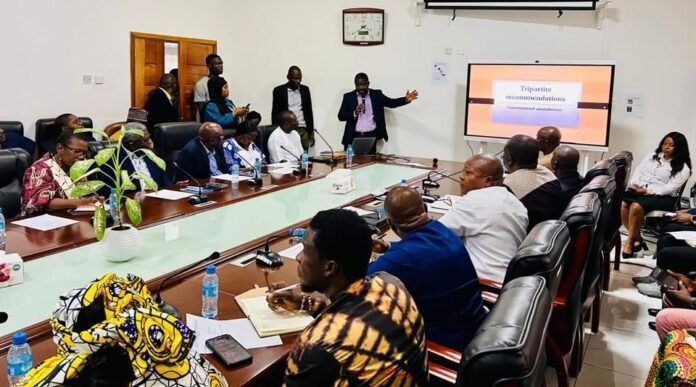
Sierra Leone’s democratic reform process has reached a critical milestone, with the Tripartite Steering Committee Secretariat (TSCS) reporting that 84 percent of recommendations from the Tripartite Agreement have already been put into action.

The disclosure was made during a Steering Committee session held on Thursday, September 11, in the office of Chief Minister Dr. David Moinina Sengeh. Representatives from the Electoral Commission of Sierra Leone (ECSL), the Public Sector Reform Unit (PSRU)  and the Attorney-General’s Office delivered updates on institutional reforms and legislative progress.

The Steering Committee, chaired by the Chief Minister, brings together a wide range of actors to ensure transparency and accountability in the process. Members include city Mayors, Ministers, Parliamentarians from both ruling and opposition parties, Paramount Chiefs, Civil Society representatives, professional associations and the media. This broad-based representation, officials say, is designed to guarantee that every reform reflects the collective will of the nation.

Chief Minister, Dr. David Moinina Sengeh, stressed that the initiative goes beyond statistics, describing it as part of Government’s broader mission to “rebuild democracy, strengthen governance and foster national cohesion.” He noted that President Julius Maada Bio remains committed to delivering on all pledges within the Unity Agreement, citing the release of 37 detainees and the resumption of salaries for opposition MPs and Councillors as examples of progress.

He also clarified that corrective measures had been taken to ensure SLPP Councillors in the North and North-West, who were affected by the 2023 political standoff, received their entitlements.

Institutional Progress Reports

  • ECSL has introduced consultation policies and new regulatory powers, while hiring a consultant to modernize voter registration and results management.
  • Attorney-General Alpha Sesay presented a preliminary legislative draft and described the constitutional review as “fantastic,” incorporating both White Paper outcomes and tripartite recommendations. He emphasized that none of the suggested constitutional amendments are entrenched clauses.
  • PSRU completed functional reviews of SLBC, IMC, PPRC and IPCB. Director Foray Musa confirmed that an implementation matrix is being developed to guide reforms.

Information and Civic Education Minister, Chernor Bah, expressed concern over “toxic misinformation” circulating on social media about the tripartite process. He labelled it anti-democratic and destabilizing assuring that his Ministry will expand outreach and engagement with citizens to ensure accurate information is shared nationwide.

During discussions, committee members including the Mayors of Freetown and Makeni, APPA and opposition representative Hon. Nfa raised issues around the composition of the Search Committee for ECSL Commissioners. They advocated for political parties to be included and requested longer deliberations with adequate reading materials provided beforehand.

Despite those concerns, the meeting concluded on a positive note, with participants acknowledging the momentum gained. The Chief Minister reiterated that Government is determined to enshrine the reforms into law, institutionalize the role of Electoral Management Bodies and safeguard democratic governance in Sierra Leone.

Hawawa Academy of Fashion & Creative Arts Set to Open in November

Hawawa Turay

By Amin Kef (Ranger)

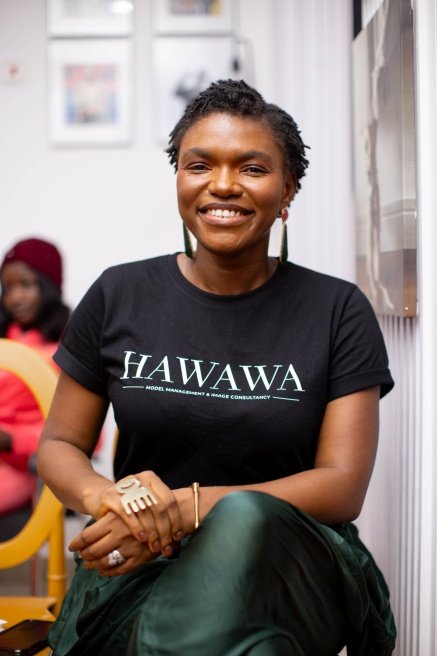
Sierra Leone’s creative industry is set to receive a major boost with the official launch of the Hawawa Academy of Fashion & Creative Arts, scheduled to open its doors in November this year. The Academy, founded by Chief Executive Officer Hawawa Turay, promises to transform the country’s fashion and creative landscape by providing world-class training and opportunities for aspiring professionals.

Speaking at the announcement, CEO Hawawa Turay described the Academy as a “dream finally becoming a reality.” She explained that the institution was born out of her vision to create a platform where passion meets professionalism, enabling Sierra Leoneans to compete on the international stage.

“For too long, our young people have had the passion and raw talent, but not enough platforms to refine their skills and compete globally,” Hawawa Turay said. “At Hawawa Academy, every program is designed to give students not just technical knowledge but the confidence and mindset to succeed anywhere.”

The Academy will offer specialized courses across several fields in the creative industry, catering to both beginners and professionals seeking to sharpen their skills. The available programs include:

  • Fashion Design – covering sketching, tailoring, garment construction and fashion business management.
  • Cosmetology – training in skincare, body treatments and wellness practices.
  • Makeup Artistry – focusing on beauty, bridal and special effects makeup.
  • Event Management – equipping students with planning, coordination and logistics skills.
  • Hairdressing – from traditional styles to modern techniques in hair care and styling.
  • Nails & Lashes – focusing on grooming, nail artistry and lash extensions.
  • Entrepreneurship in the Arts – providing the business foundation needed to succeed in the creative economy.

Hawawa Turay emphasized that the Academy is not just about teaching practical skills but also about instilling discipline, creativity and entrepreneurial spirit. “Our vision is to provide not just training but a complete foundation for success in the creative industry,” she said.

To deliver this vision, Hawawa Academy has assembled a distinguished team of tutors made up of Sierra Leone’s finest professionals as well as internationally recognized experts from Nigeria, Ghana and other parts of Africa. The diverse faculty will bring global perspectives, fresh ideas and practical experience into every classroom.

“This is about raising the bar and ensuring Sierra Leoneans are trained to international standards,” Hawawa Turay explained. “We want to give our students exposure to global best practices while keeping them rooted in our cultural identity.”

The Academy aims to position Sierra Leone as a hub for fashion and creative innovation in West Africa. Beyond training, it seeks to create opportunities for students to showcase their work locally and internationally through exhibitions, fashion shows and partnerships with industry players.

Hawawa Turay believes that the Hawawa Academy is just the beginning of a larger movement to transform the creative sector in Sierra Leone. “Together, we are going to put Sierra Leone firmly on the map in the world of fashion and creative arts,” she said with optimism.

Enrollment for the first batch of students is now officially open, with the Academy encouraging interested individuals to secure their places early. Hawawa Turay urged young people with a passion for creativity to take advantage of this opportunity to turn their talent into a sustainable career.

For more information and registration, the public can contact +232 72705400.

With the launch of this Academy, Sierra Leone’s creative industry is on the brink of a new chapter; one that promises empowerment, innovation and global recognition for its talents.