
Home Blog Page 469

Sino-African Belt & Road Represents Beacon of Hope for Sustainable Development in Africa

The author is Director, China Africa Institute, University of Makeni, Sierra Leone, Alpha Mohamed Jalloh

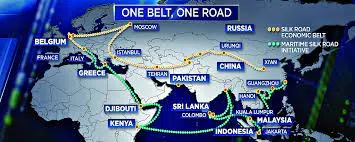
The China Belt and Road Initiative is a vast, ambitious infrastructure and economic development project spanning across continents. As for China-Africa Belt and Road cooperation, one of its most significant and promising facets is its emphasis on green infrastructure projects, renewable energy development, and ecological conservation measures. At a time when the world is grappling with environmental challenges, Sino-African Belt and Road cooperation represents a beacon of hope for sustainable development in Africa.

If we delve into the key aspects of this cooperation, we can see its potential benefits, as well as the challenges that must be overcome.

Green infrastructure is an essential component of the China-Africa Belt and Road partnership, and focuses on projects that prioritize environmental sustainability. These projects encompass a wide range of initiatives, from transportation networks to urban development.

In improving transportation and connectivity, China has played a pivotal role in helping build modern transportation infrastructure in Africa. Roads, railways and ports are being developed with an emphasis on minimizing the environmental impacts. For example, the Mombasa-Nairobi Standard Gauge Railway in Kenya, built with Chinese collaboration, uses electric locomotives, reducing greenhouse gas emissions.

In terms of urban planning, African cities are experiencing rapid growth. However, sustainable urban planning is essential to prevent environmental degradation. The Belt and Road Initiative encourages the development of eco-friendly cities with efficient public transportation, green spaces and waste management systems.

Access to reliable and clean energy is crucial, too, for Africa’s development. That’s why the Belt and Road Initiative promotes renewable energy projects as a sustainable solution to Africa’s energy problems.

To be sure, solar power projects have been the focal point of China-Africa cooperation. China has invested in large-scale solar farms across Africa, including the Benban Solar Park in Egypt, which has one of the world’s largest solar photovoltaic panel installations. These projects not only provide clean energy but also create job opportunities.

On the other hand, hydropower projects such as the Grand Ethiopian Renaissance Dam are being developed with Chinese investment. And although these projects may have triggered controversy because of the West’s indiscriminate dissemination of misguided information, they have had a positive impact on society and the environment. The projects also promise substantial clean energy generation, potentially benefiting multiple African nations.

Wind energy is another area where Sino-African cooperation is flourishing. For instance, the Lake Turkana wind power project in Kenya, supported by Chinese investment, contributes significantly to the country’s renewable energy capacity.

And while the ecological conservation measures taken under the framework of China-Africa Belt and Road cooperation are aimed to safeguard Africa’s unique biodiversity and natural resources, preservation of wildlife is especially important. Since poaching and habitat loss threaten Africa’s iconic wildlife, joint efforts are underway to combat them by strengthening law enforcement, and better protecting the wildlife habitats, with community engagement if and when possible and necessary.

Addressing the rising concerns about desertification in many African countries, the Belt and Road Initiative has launched programs to promote reforestation and afforestation projects, so as to mitigate the adverse effects of deforestation on climate, soil erosion and local livelihoods.

Besides, sustainable management of water resources is crucial in arid regions of Africa. As such, the Belt and Road Initiative supports projects that improve access to, and storage and distribution of, water, while minimizing waste.

So what are the benefits of China-Africa Belt and Road Cooperation in broad terms? By focusing on green infrastructure and renewable energy, the Sino-US partnership promotes sustainable development in Africa, reducing the continent’s carbon footprint and dependency on fossil fuels, while the development of such projects creates employment for local communities, fostering economic growth and reducing poverty.

Similarly, renewable energy projects help improve access to electricity in remote, less-developed and underserved areas, having a positive impact on education, healthcare and overall quality of life.

Moreover, the measures aimed at conserving biodiversity helps better protect Africa’s rich biodiversity, preserving the continent’s natural heritage for future generations.

But while China-Africa Belt and Road cooperation has immense potential, it also faces some challenges. Large-scale infrastructure projects, for example, can have a huge impact on the environment. Therefore, careful planning and mitigation strategies are essential to minimize harm to ecosystems and communities.

Also, concerns have arisen about the debt incurred by African countries because of Belt and Road projects. This makes ensuring debt sustainability and transparency in project financing an absolute necessity. It is equally important to make sure that local communities benefit from and have a say in Belt and Road projects, in order to get their acceptance and ensure their success.

Furthermore, since the involvement of multiple international players in development plans and projects in Africa can lead to geopolitical tensions, diplomatic efforts are required to manage to address them.

In conclusion, China-Africa Belt and Road cooperation, with its emphasis on green infrastructure, renewable energy development, and ecological conservation, represents a paradigm shift in international development. It offers a unique opportunity for African countries to leapfrog into sustainable, environmentally friendly development while addressing crucial challenges such as access to energy and biodiversity conservation.

Ultimately, the partnership holds the potential to be a beacon of sustainable development and cooperation in an increasingly interconnected world.
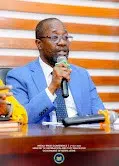
President Bio’s Commitment to Job Creation: Minister Swaray Assures Public

The Minister of Labour, Employment and Social Security, Mohamed Rahman Swaray, has reiterated President Bio’s unwavering dedication to fulfilling his promise of generating half a million jobs within a five-year span, as outlined in his ‘Big Five’ manifesto objectives.

During the weekly Government Press Briefing at the Ministry of Foreign Affairs and International Cooperation’s Conference Room on Tower Hill in Freetown, Minister Swaray underscored President Julius Maada Bio’s profound concern regarding youth unemployment, which is perceived as a significant national security issue. This concern has prompted the President to prioritize job creation as one of the transformative elements of his ‘Big Five’ agenda.

Minister Swaray emphasized President Bio’s successful efforts in positioning Sierra Leone as an attractive destination for investment, boasting a burgeoning young workforce ready and willing to contribute to the nation’s growth. He further explained the Government’s strategy, which centres on fostering an enabling environment to attract foreign direct investment and encourage private sector development, thereby stimulating job creation.

While dispelling the notion that Governments should directly provide employment for all citizens, Minister Swaray stressed the Government’s vital role in creating conducive conditions for the private sector to flourish and, in turn, generate employment opportunities. He urged the private sector to step up and actively partake in job creation.

Acknowledging the global importance of digital jobs, Minister Swaray highlighted Sierra Leone’s substantial investments in digital infrastructure and the expansion of fibre connectivity to tap into this growing job sector.

In his call to action, Minister Swaray implored all stakeholders to collaborate in the job recovery process, which is essential for the Government to realize its ambitious goal of creating five hundred thousand jobs within five years. He particularly urged employers to prioritize hiring Sierra Leonean nationals for positions such as shopkeepers and miners, rather than resorting to foreign labour, aligning with the country’s labour laws.

Minister Swaray disclosed that his Ministry has presented a proposal to the Cabinet aimed at addressing outdated labour laws and this endeavour has involved consultations with key stakeholders, including the Sierra Leone Labour Congress and the Sierra Leone Employers Federation, to ensure the protection of Sierra Leonean jobs.

Lastly, the Employment Minister encouraged private sector employers to fulfil their NASSIT contribution obligations for their employees to guarantee a dignified retirement after their years of service.

Health Alert, RMNCAH+N Coalition Appeals to Government During 2024 Budget Hearing

By Foday Moriba Conteh

In a significant move during the Ministry of Health’s 2024 budget proposal hearing on Monday, October 16, 2023, held at the Ministry of Finance Conference Hall on George Street, Freetown, Health Alert Sierra Leone and the RMNCAH+N Coalition (TAAC) urgently appealed to the Government of Sierra Leone through the Ministry of Finance and the Ministry of Health.

Dr. Victor Lansana Koroma, the Executive Director of Health Alert Sierra Leone, expressed his concern regarding the Government’s commitments to family planning including the provision of a dedicated 1% budget line for family planning in order to mitigate teenage pregnancy, HIV and early marriage for a healthier future.

He highlighted the Compact Agreement signed with UNFPA in February 2022, mandating the Government to allocate 1% of its contribution (amounting to $12,000 USD) for the procurement of Family Planning commodities and essential drugs related to Reproductive and Maternal Health for the Ministry of Health and Sanitation.

Dr. Koroma stressed the importance of domestic financing for healthcare and pointed out that a strategy for local revenue generation to support health is lacking in the country further calling upon the Government to enhance domestic revenue mobilization and financing to bolster healthcare delivery in Sierra Leone.

He emphasized that other commitments must be fulfilled by the Government saying such include achieving the 15% Abuja Target for Health, honouring the FP 2030 commitment, increasing investment in family planning and sexual reproductive health, allocating additional funding to reduce infant and maternal mortality rates, strengthening health security, improving access to vaccines and enhancing the response to health emergencies.

Dr. Koroma underlined that fulfilling these commitments is a crucial step towards improving public health, empowering communities and creating a brighter and healthier future for all Sierra Leoneans.

He also appealed to the Ministry of Finance to approve the requested sum of 202.993 billion Leones by the Ministry of Health in their 2024 budget and also assured that once the funds are approved they will ensure diligent monitoring of their implementation for the benefit of all Sierra Leoneans.

DST Concludes 3rd Quarter Support, Benefiting 170 Children and Young Stars with Disabilities

By Foday Moriba Conteh

As part of the third-quarter initiatives under the 2023 Child Empowerment Program, a Project pioneered by the One Family People organization, with the support of Liliane Fonds, the Dorothy Springer Trust (DST), a partner organization of One Family People, distributed essential supplies and support to 170 Children and Young Stars with Disabilities (CYWDs) in Freetown. The event was held at the Freetown Cheshire Home/DST Compound, Race Course Community in the  East End of Freetown.

In his opening remarks as Chairman, One Family People’s M&E Officer, Sorie Ibrahim Koroma, explained that the organization, in collaboration with Liliane Fonds, allocated funds to partner organizations, including Dorothy Springer Trust, to support children and young individuals with disabilities in various areas, aiming to create an inclusive society where no one is left behind.

He commended Dorothy Springer Trust for its dedication to the program and encouraged parents to maximize the opportunities provided to support their children living with disabilities.

A Representative from the Community Stakeholders applauded Dorothy Springer Trust for their tremendous efforts in supporting Children and Young Stars with disabilities in the country.

He assured all of the community’s support towards the organization and persons with disabilities especially Children and Young Stars with disabilities.

The representative revealed that some of the efforts of these organizations have been able to mitigate some of the challenges faced by persons with disabilities of which he called on all to support them in making society a better place for them.

Saa Lamin Kortequee, the Executive Secretary at the National Commission for Persons with Disabilities, expressed his appreciation for Dorothy Springer Trust’s ongoing support, emphasizing the importance of the support to these Children and Young Stars with Disabilities.

He said that the program looks at four key areas which include health, education, livelihood, and social inclusion, adding that the importance of these areas on these children cannot be overemphasized as through this support they will be able to go to school, learn skills and live healthy lives like other children.

Saa Lamin Kortequee said accessibility and inclusiveness, especially in schools, are still challenges for these children but commended the Government of Sierra Leone for the radical inclusion policy which he said has been able to mitigate those challenges affecting the children in schools.

He stressed the significance of believing in persons with disabilities and not to discriminating against them, stating that persons with disability are breaking grounds in society.

The Ministry of Social Welfare’s Senior Social Services Officer, Alhaji Morlu Kanneh, commended Dorothy Springer Trust for complementing the Ministry’s work and urged parents and guardians to ensure that the support benefits the children with disabilities.

On behalf of the Ministry, he assured Dorothy Springer Trust of the Ministry’s continuous support towards addressing some of the challenges faced by persons with disabilities especially Children and Young Stars with disabilities in the country.

Dorothy Springer Trust’s Chief Executive Officer, Dr. Abdulai Dumbuya, expressed gratitude to One Family People organization and Liliane Fonds for funding the program over the years which has helped them support these Children and Young Stars with Disabilities.

He stated that as part of this 3rd quarter’s efforts, the organization conducted a needs assessment to better understand the specific requirements of the children especially on the 4 focuses of the program which includes health, education, livelihood, and social inclusion.

Dr. Abdulai Dumbuya said that on health the organization is providing anti-epilepsy medication for these children, assistive devices, including crutches, eyeglasses, and wheelchairs to these children, furthering that on social inclusion the organization is doing a lot of advocacy on acceptance of these children both in their communities and schools in order to stop the discrimination against them.

On livelihood, he disclosed that DST is supporting these children to access vocational training like tailoring, bead work, carpentry etc. by covering fees and purchasing their equipment.

In the realm of education, Dorothy Springer Trust ensured access to transportation, home care, toiletries, and school supplies for pre-school, primary, and secondary school pupils.

The CEO stated that they are with the strong conviction that through their support in these four support pillars these children will be empowered to do so many things and most importantly become independent people with disabilities as well as to be valuable members of society.

He concluded by encouraging parents to make good use of the opportunity by ensuring that the items are utilized for their intended purpose by these Children and Young Stars with Disabilities.

Parents of the beneficiaries present at the ceremony expressed appreciation to Dorothy Springer Trust, One Family People, and the Liliane Fonds for the support given to their children.

They assured that the items will be used for their intended purpose in order to support their children.

The ceremony concluded with the presentation of an award to the Chief Executive Officer of Dorothy Springer Trust, Dr. Abdulai Dumbuya by Students with Special Needs, University of Sierra Leone for his immense contributions and support to them followed by the official distribution of essential supplies to the children, accompanied by their parents or guardians.

Local Manufacturers Seek Favourable Tax Regime to Boost Domestic Production

By Amin Kef (Ranger)

Sierra Leone’s local manufacturing companies have received a significant show of support from President Julius Maada Bio, who has acknowledged their substantial contributions to the country’s economic growth. As Sierra Leone continues on its path of economic development, local manufacturers are urging the government to introduce tax policies that would provide them with a competitive advantage over importers of consumer goods and services.

The Ministry of Finance has initiated consultations with key players in the private sector to develop tax policies that will be included in the 2024 Finance Bill, set to be presented by the Minister of Finance later this year.

These consultations are part of the Ministry’s approach to formulating revenue and tax policies in collaboration with public institutions and the private sector, ensuring that their input is considered and cooperation is sought when implementing these policies.

Samuel E.B Momoh, the Principal Deputy Financial Secretary (PDFS), stated that these engagements are focused on discussing tax policy proposals for the Finance Act of 2024, aligning with principles of public policy formulation. These discussions will help inform taxpayers about the government’s plans for revenue generation and enable them to meet their tax obligations more predictably.

These consultations will also extend to importers, exporters, local manufacturers, telecom companies, and other private sector stakeholders.

As part of the ongoing FY2024 bilateral budget discussions, the Ministry of Finance is already collaborating with various government agencies to identify areas where revenue generation can be enhanced to bolster domestic revenue.

The introduction of the Digital Excise Tax Stamps on October 1, 2023, is the result of a joint effort between the Ministry of Finance and the National Revenue Authority (NRA). This initiative aims to streamline the verification, tracking, and monitoring of excisable goods, combat illicit trade, and secure government excise revenues. The Digital Excise Tax Stamps feature advanced security measures and codes on products or packaging to prevent counterfeiting and enable comprehensive tracking. For locally manufactured goods, these tax stamps will be applied immediately after packaging at the production facility.

However, some local manufacturers have voiced concerns that the introduction of Tax Stamps has put a significant burden on them. They argue that the cost of 0.03 cents for each stamp, which amounts to 725 Leones for each stamp on a single bottle, is affecting their businesses, including bottled water.

Local manufacturing plays a crucial role in sustaining the nation’s economy. Local manufacturers contend that unfavorable tax regulations are hindering their operations and limiting their growth. While imports are essential for the availability of goods and services, a well-balanced economic ecosystem necessitates the growth and sustainability of domestic manufacturing.

Local manufacturers stress the importance of implementing tax regimes that favor them over importers of consumer goods and services. They believe that a well-structured tax regime has the potential to significantly boost the economy, promote self-reliance, and foster prosperity.

Additionally, local manufacturers argue that their businesses not only create jobs for skilled and unskilled labor but also contribute to reducing unemployment rates. They emphasize that a thriving manufacturing sector leads to increased economic activity, stimulates GDP growth, and encourages investments in technology, infrastructure, and innovation.

Moreover, local manufacturers point out that promoting local manufacturing is vital to reduce a country’s reliance on imported goods, which can help mitigate trade imbalances and deficits. They argue that in times of crisis or emergencies, heavy dependence on imports for essential goods can leave the nation vulnerable, making local manufacturing essential for self-sufficiency and national security.

Some local manufacturers express their willingness to invest in research and development to drive technological advancements and knowledge transfer. They believe that fostering a skilled workforce can be a natural outcome of innovation, enhancing the nation’s competitive edge.

Local manufacturers urge the Government, particularly the Ministry of Finance and the National Revenue Authority (NRA), to recognize that tax regimes favoring domestic manufacturing can offer numerous advantages to the economy. These advantages include reduced dependence on imported goods, access to domestically produced alternatives, and stimulating domestic consumption through tax incentives, reduced corporate income tax rates, investment tax credits, and accelerated depreciation for manufacturers.

Local manufacturers also suggest that adjustments to customs and import duties can be made to favor domestic goods, making imported products comparatively more expensive and boosting domestic consumption. They emphasize that offering tax credits to companies investing in research and development can ignite innovation, leading to the development of new products and technologies that enhance the competitiveness of domestic manufacturers.

Local manufacturers believe that well-structured tax regimes favoring domestic production can have a profound impact on the economy, including job creation, economic growth, reduced reliance on imports, and the promotion of self-reliance and national security. These tax regimes can also stimulate investments, technology transfer, and innovation, positioning the domestic manufacturing sector as a global contender.

As Sierra Leone continues to navigate its economic landscape, Members of Parliament are urged to actively advocate for supportive tax policies for local manufacturers. The design and implementation of these policies should be carefully planned to ensure fairness and sustainability. By doing so, Sierra Leone can strengthen its economy and international trade position, solidifying its status as a beacon of self-sufficiency and prosperity in the region.

Shadow of Chinese Debt Diplomacy Looms Large Over Sierra Leone

In the wake of China’s expansive Belt and Road Initiative in Africa, infrastructure projects have become a prominent feature on the continent. Launched by Chinese President Xi Jinping in 2013, this initiative has given rise to numerous roads, railways, bridges, hospitals, schools, and airports throughout Africa.

However, Sierra Leone’s political landscape has been marked by significant shifts, particularly concerning Chinese loans for infrastructure projects. In April 2018, the Sierra Leone People’s Party (SLPP) assumed power and promptly cancelled the previously negotiated US$350 million loan with the Chinese Government for the construction of the Mamamah Airport. The SLPP cited concerns about the loan’s value for money.

Now, rumours swirl that the SLPP Government is clandestinely engaged in negotiations for a hefty US$1.5 billion loan from China for the construction of the Lungi Bridge. What complicates matters further is that the Chinese Government appears to be leveraging this bridge loan negotiation to pressure Sierra Leone into conceding control of the Pepel Rail and Port to the Chinese Company, Kingho.

It’s worth noting that the Sierra Leone Government had already entered into an agreement with ARISE IIP for the management of the Pepel Rail and Port, a deal which received cabinet approval in January 2023 after the lawful termination of the Kingho agreement in the same month.

Sierra Leone is grappling with a mounting debt burden owed to China, amounting to US$67 million for various projects, including fibre-optic and telecoms infrastructure, such as the National Fibre Backbone Phase 2 Project. The International Monetary Fund (IMF) has classified Sierra Leone as a high-risk country in debt distress, making it evident that the country’s borrowing capacity is severely constrained.

To seek a solution, Sierra Leone has turned to China due to the United States’ decision to withhold disbursements under the Millennium Challenge Corporation (MCC). President Julius Maada Bio is reportedly planning a state visit to China before the end of the year. However, this visit seems contingent upon the conclusion and signing of the Kingho Pepel Rail and Port agreement, as perceived by Western diplomats in Freetown.

The situation underscores the Chinese Government’s increasingly assertive strategy of debt diplomacy, using soft loans to exert influence on impoverished African nations, including Sierra Leone. This approach has raised concerns among international observers, such as a US-based Professor of International Relations, who warned African Governments to exercise caution when considering Chinese loans for infrastructure development.

As Sierra Leone navigates its external debt crisis, the delicate balance between financial relief and protecting the interests of its citizens remains a pressing concern. The nation’s ability to provide essential services, including healthcare, electricity, and free quality education, is at stake. In the midst of these challenging circumstances, the people of Sierra Leone hope for a resolution that aligns with their best interests.

In conclusion, the shadow of Chinese debt diplomacy looms large over Sierra Leone, raising important questions about the country’s financial future and the role of international actors in shaping it.

NP (SL) Ltd Earns High Praise for Revolutionizing Petroleum Marketing

By Amin Kef (Ranger)

In a remarkable display of indigenous entrepreneurship, NP (SL) Ltd has garnered commendation for its outstanding contributions to modernizing petroleum marketing within the nation. Over the years, this company has transformed into a highly successful business entity, significantly advancing the nation’s economic development.

Guided by a proficient Board of Directors and effective Management, NP-SL Ltd has made substantial strides in areas such as job creation, timely tax payments to the Government through the National Revenue Authority (NRA), and implementation of meaningful projects as part of its Corporate Social Responsibility, benefiting individuals and communities alike.

The nation’s ongoing freedom from fuel shortages can be attributed to the proactive and sterling initiatives undertaken by NP’s Board of Directors and Management. They consistently ensure timely procurement and availability of petroleum products for public consumption.

A pivotal factor setting NP-SL Ltd apart is its unwavering commitment to exemplary customer care. The company not only enjoys a stellar reputation but also commands widespread respect for its dedication to prioritizing Customer Care and ensuring optimal customer satisfaction across the country.

Transparency defines every petroleum transaction at NP, with modern calibrated machines at its Filling Stations accurately pumping and displaying the exact quantity of fuel, be it petrol or diesel, along with the corresponding price. This transparency reassures buyers that they are receiving fair value for their purchase.

Furthermore, NP-SL Ltd maintains strong relationships with dealers equipped with well-maintained tanker vehicles, ensuring the timely delivery of petroleum products to Filling Stations across the country and preventing shortages that could disrupt daily life.

Established by thirty-five Sierra Leoneans several years ago, NP-SL Ltd has adhered to a policy that favours qualified indigenous individuals for employment opportunities. This aligns with the country’s Local Content Policy, aiming to harness local resources, both human and material, rather than relying on external sources. The result is gainful employment for previously jobless locals, demonstrating NP-SL’s commitment to community well-being.

The company’s footprint extends into the West African sub-region, with branches in Guinea, Liberia, Ivory Coast, and The Gambia, effectively marketing petroleum products. This expansion not only creates job opportunities for locals in those countries but also leads to regular tax contributions that fund various development projects.

NP-SL is also celebrated for introducing the NP Smart Card and NP Gas. In an era where cashless transactions and digitalization are encouraged, the NP Smart Card simplifies petroleum product purchases. Cardholders can buy fuel by specifying the required quantity, with the amount debited from the card, promoting efficiency and security. Users can easily recharge the NP Smart Card for future transactions, facilitating budgeting and eliminating the need for physical cash, reducing the risk of theft.

Additionally, NP Gas addresses cooking needs with a quick and environmentally friendly cooking solution. It emits fewer harmful gases and offers various cylinder sizes for portability and easy refills at company Filling Stations and authorized dealers.

In summary, NP-SL is a seasoned petroleum marketing company that consistently delivers high-quality services to the public. It is a committed partner in national development, dedicated to meeting the petroleum needs of individuals and organizations.

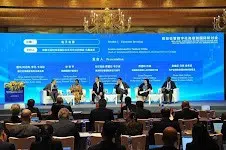
Invited by President Xi Jinping… Tuma Gento Kamara Addresses Third Belt & Road Forum in China

By Amin Kef (Ranger)

The High-Level Symposium on the Digitalisation and Digital Transformation of Tax Administration, a prestigious international event, took place on October 19-20, 2023, in Beijing, China. The symposium brought together renowned leaders and experts to explore the cutting-edge advancements in tax administration and digital transformation.

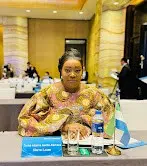
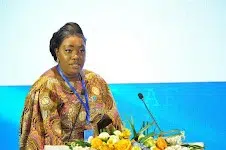
One of the distinguished attendees was Tuma Adama Gento-Kamara, the esteemed Board Chairperson of the National Revenue Authority in Sierra Leone. She was personally invited by the President of China to participate in the Third Belt and Road Forum for International Cooperation, a visionary initiative launched by President Xi Jinping a decade ago, aimed at enhancing global trade and collaboration among Governments across the world.

The event witnessed the presence of several influential leaders, including President Xi Jinping, President Putin, the Prime Minister of Ethiopia, the President of Argentina, the President of Indonesia, and the UN Secretary-General. It was a congregation of remarkable minds dedicated to strengthening international ties and fostering global cooperation.

The symposium featured a presentation on “Tax Administration 3.0” by Peter Green, Head of FTA and TFTC Secretariats at the OECD, along with Paul Marsh, Advisor of FTA Secretariats at the OECD. The keynote address was delivered by Wang Jun, Commissioner of the State Taxation Administration of the People’s Republic of China.

A pivotal moment during the event was Tuma Adama Gento-Kamara’s presentation under the High-Level Symposium, focusing on the digitalization and digital transformation of tax administration. Her paper delved into the topic of “Electronic Invoicing – Sierra Leone’s Perspective,” offering unique insights and experiences regarding the utilization of electronic invoicing in Sierra Leone. As Board Chairperson, her leadership and commitment to enhancing tax systems through digital means have been truly inspiring, underlining the dedication of the National Revenue Authority to embrace innovative approaches for more efficient and effective tax administration.

In a rapidly digitizing world, Mrs. Gento-Kamara’s speech served as a guiding light, illuminating the path towards modernized tax systems that are both responsive and resilient. Her exceptional address undoubtedly left a lasting impact, further propelling the discussion on how technology can shape the future of tax administration in Sierra Leone.

It was an exceptional privilege for  Tuma Adama Gento-Kamara to be part of this extraordinary gathering dedicated to enhancing global trade and collaboration, thanks to her personal invitation from President Xi Jinping. The Belt and Road initiative, initiated by President Xi Jinping a decade ago, has been pivotal in enhancing trade among international co-operations and Governments worldwide.

The symposium included discussions on the transformative potential of electronic invoicing in tax administration. Electronic invoicing has the capability to enhance risk management processes and revolutionize taxpayer services. The session focused on how jurisdictions can leverage electronic invoice data to improve tax compliance and taxpayer service. Different models of e-invoicing adopted in various countries were explored, along with the associated challenges and potential solutions.

Tax administrations worldwide have experienced significant changes in recent years, driven by the COVID-19 pandemic. Existing strategies were accelerated in response to the challenges posed by the pandemic, resulting in a substantial shift towards digital services and the rapid development of new technology tools. Additionally, the growth of big data and artificial intelligence has opened up new opportunities to reduce compliance burdens for the compliant, detect non-compliance, and provide more integrated Government services. The symposium examined emerging trends in recent innovations and included specific case studies from different countries.

The sessions were expertly moderated by Jeffrey van Slobbe, Deputy Director of International Affair Directorate-General Tax Administration in the Netherlands, and Samson Uridia, Head of the International Relations Department at Revenue Service, Georgia. The symposium proved to be a platform for exchanging knowledge and ideas, shaping the future of tax administration in an increasingly digital world.

Sierra Leone Prepares for Impending Mobile Tariff Increase: Minister Salima Bah Takes a Stand!

The economic landscape of Sierra Leone is undergoing tumultuous shifts, with citizens grappling with the harsh realities of a depreciating currency, soaring fuel prices and a sharp increase in electricity tariffs. In such trying times, the impending rise in mobile phone and data tariffs looms large, casting a shadow over communication access for the ordinary citizen. However, amidst this uncertainty, a formidable advocate has emerged to champion the cause of Sierra Leoneans.

Minister of Communications, Technology and Innovation, Salima Monorma Bah, stands as a resolute voice and is currently ardently advocating for a compassionate approach as she comprehends the fundamental role of communication in today’s interconnected world, particularly for those residing in the nation’s remote corners. To her, access to communication is not merely a luxury; it is a fundamental right. She has the deep conviction that a steep tariff increase could sever or cut the vital lifeline of connectivity for many.

While public discourse may focus on the prospect of higher tariffs, Minister Bah has initiated negotiations with service providers, seeking concessions that will benefit Sierra Leoneans. Indeed, it must be noted that it is a demanding endeavour, taking into consideration the high costs that these service providers are incurring in making telecoms services available, however, with the support of NATCA (National Association of Telecommunications and Communication Advocates), she is resolute in finding a middle ground. This middle ground aims to reconcile Sierra Leone’s economic realities with the fundamental communication needs of its people.

To her, beyond the realm of numbers and tariffs, this is a matter of people, connections, and the unwavering determination to ensure her nation remains linked.

With this her latest approach in the midst of an imminent increase in tariffs, many have expressed the view that President Bio made a wise choice when he appointed Salima Monorma Bah as the Minister for Communications, Innovation, and Technology, as it is evident that with her passion the President secured a dedicated advocate for the people of Sierra Leone.

Undoubtedly, with her tech-savvy acumen and legal expertise, she is confronting the winds of change head-on, safeguarding the rights of her people.

Lands Ministry Proposes No Budgetary Allocation But 30% of Revenue Generated

By Amin Kef (Ranger)

In a historic move at the 2024 budget preparation hearing, Dr. Turad Senesie, the Minister of Lands, Housing, and Country Planning, revealed an innovative financing strategy that has the potential to inject over 100 billion Leones into Government coffers, marking a significant shift towards self-sufficiency.

At the Ministry of Finance Conference Hall on Wednesday, October 18, 2023, Minister Senesie presented a bold proposal aimed at reducing the Ministry’s dependence on Government subvention. Instead, he advocated for his Ministry to retain a substantial 30% of the revenues it generates to fund its administrative and operational needs.

This revolutionary strategy is projected to contribute a staggering 119,850,000,000 Leones (One Hundred and Nineteen Billion, Eight Hundred and Fifty Million Leones) to the Government’s revenue stream. These funds would serve as a catalyst for various development projects and essential social services in Sierra Leone.

During the budget hearing, Minister Senesie highlighted the Ministry of Lands’ recent accomplishments. Despite facing challenges such as staffing shortages, a lack of vehicles and machinery, and an inadequate operational budget, the Ministry managed to raise a commendable 38.9 billion Leones in revenue from January to August 2023. Since assuming office in 2022, the Minister’s reforms aligned with the President’s agenda have led to an additional 19 billion Leones generated.

These figures underscore Minister Senesie’s unwavering commitment to driving sustainable growth in the lands sector. By enhancing revenue generation and implementing strategic reforms, the Ministry of Lands has been a pivotal contributor to the nation’s development.

Minister Senesie acknowledged that his Ministry’s success is a result of resourcefulness and a relentless determination to overcome obstacles, even with limited resources. He commended his dedicated team for their exceptional performance and unwavering dedication.

If approved, the proposed financing strategy will empower the Ministry of Lands to operate autonomously and generate substantial revenue for the Government. These retained funds will not only support essential administrative and operational functions but also enable the acquisition of necessary resources, facilitating the Ministry’s spearheading of vital development initiatives.

Beyond revenue generation, the Ministry of Lands has ambitious plans, including digitization efforts and robust sector planning. These initiatives are geared toward enhancing efficiency, transparency, and accessibility within the lands sector, ultimately benefiting citizens and promoting sustainable economic growth in alignment with the President’s Big Five Agenda.

Dr. Turad Senesie, the Minister of Lands, Housing, and Country Planning, eagerly anticipates the approval of this groundbreaking financing strategy, which promises to unlock significant potential and further enhance the Ministry’s contribution to the nation’s development.

Deputy Minister of Finance, Bockarie Kalokoh, praised the Ministry of Lands and its accomplishments, particularly in revenue generation, during the ongoing FY2024 bilateral budget discussions. He encouraged the Ministry to continue its outstanding work and assured Minister Senesie that the Ministry of Finance’s technical team would thoroughly review the proposal for a thoughtful decision.