Home Blog Page 51

12 Suspects Committed to High Court in Kenema Over Drug Possession Charges

Magistrate Hadiru Daboh

Twelve (12) defendants have been committed to stand trial at the High Court in Kenema for offences relating to the possession and use of prohibited drugs, following a ruling by the Kenema Magistrate Court.

The decision was delivered on Saturday, January 31, 2026, by Hadiru Daboh, in compliance with the National Drugs Control Act No. 10 of 2008 and the Practice Direction issued by Chief Justice, Komba Kamanda, which mandates the speedy trial of drug-related cases nationwide.

All twelve accused persons were arraigned on charges of prohibition of possession and use of drugs, contrary to Section 8(a) of the Act. After examining the evidence presented by the prosecution, the court ordered that the defendants be committed within twenty-eight (28) days to the High Court of Sierra Leone for trial.

According to court records, the defendants were arrested on different dates between November 2025 and January 2026 at various locations across Kenema City and surrounding areas, including Dama Road, Fishery Market, Kaisamba Terrace, Gombu Section, IDA Axis, Ahmadiyya Junction and police checkpoints within the district.

Among those charged, Amara Ansu, of 58 Dama Road, Kenema, was allegedly found in possession of 17 wraps of kush on December 22, 2025. Ibrahim Aruna Sannoh, of Gombu Layout, was reportedly arrested with 17 wraps of dried leaves suspected to be kush at the Fishery Market on December 9, 2025.

Osman Koroma, a resident of Tiama Village, was apprehended with a quantity of Cannabis sativa at the Wanjama Police Checkpoint in the Small-Bo Chiefdom on December 18, 2025. Sayoh Musa, of Akash Drive, was allegedly found with 24 wraps of kush at Kaisamba Terrace on November 10, 2025.

Court documents further indicate that Lansana Conteh, of W-Line, Nyandeyama Section, was arrested with 45 wraps of kush at the Fishery Market on January 13, 2026, while Sarah Kamara, of Fabba Street, Kenema, was found with 22 wraps of kush at Ahmadiyya Junction on November 3, 2025. Other accused persons were charged with possession of quantities ranging from seven (7) to twenty-two (22) wraps of kush, as well as suspected cannabis substances.

No plea was taken at the magistrate level and no bail was granted to any of the accused persons. The twelve defendants have all been remanded at the Sierra Leone Correctional Centre (SLCC) in Kenema pending their appearance before the High Court.

One of the accused, Wilson Koroma, was represented by defence counsel Joseph Bandabla Dauda Jnr. Esq. (JBD) and Patrick Kamara of the Legal Aid Board, Kenema.

In his ruling, Magistrate Daboh stated that after carefully reviewing the evidence, the court was satisfied that the prosecution had fully discharged its burden, leaving no option but to commit the matters to the High Court for trial.

The cases were prosecuted by Police Sergeant 10734 David Idriss, attached to the Legal and Justice Support Department at the Kenema Police Station.

The development underscores ongoing national efforts to combat the illegal production, distribution and use of drugs, particularly kush, which authorities say continues to pose a serious threat to public safety and public health.

New UN Tourism Secretary-General Meets President Bio, Commits Support to Sierra Leone’s Tourism Sector

President Dr. Julius Maada Bio meets newly elected Secretary-General of UN Tourism, Shaikha Alnuwais at the World Governments Summit in Dubai


The newly elected Secretary-General of UN Tourism, Shaikha Alnuwais, has pledged strong institutional support for the development of Sierra Leone’s tourism sector following a high-level meeting with President Dr. Julius Maada Bio on the sidelines of the World Governments Summit on Tuesday, 3 February 2026, in Dubai, United Arab Emirates.

The meeting marked one of Shaikha Alnuwais’ first official engagements since assuming office as UN Tourism Secretary-General and making history as the first woman to hold the position. Discussions centered on unlocking Sierra Leone’s tourism potential through strategic partnerships, policy alignment and targeted investment support.

During the engagement, the Secretary-General outlined five key strategic priorities that will guide her tenure at UN Tourism: sustainable and responsible growth; digital transformation and data-driven tourism; economic inclusion and local empowerment; infrastructure, connectivity and tourism enablers; and governance, transparency and global trust. She noted that those pillars closely align with Sierra Leone’s development aspirations and provide a practical framework for accelerating tourism-led growth.

Shaikha Alnuwais emphasized that Sierra Leone possesses immense and largely untapped tourism assets, including pristine beaches, rich biodiversity, cultural heritage and historical landmarks. She expressed UN Tourism’s readiness to work closely with the Government of Sierra Leone to design programmes that promote sustainability, empower local communities and strengthen the country’s visibility on the global tourism map.

The Secretary-General also briefed President Bio on her recent engagement with Nabeela F. Tunis, Sierra Leone’s Minister of Tourism and Cultural Affairs, commending her for what she described as a visionary and forward-looking approach to sector development. She praised ongoing reforms and initiatives aimed at improving destination branding, tourism governance and private sector participation.

President Bio congratulated Shaikha Alnuwais on her election and welcomed her commitment to supporting Sierra Leone. He highlighted the longstanding and cordial bilateral relations between Sierra Leone and the United Arab Emirates, noting that those ties played a significant role in rallying support for her successful candidacy.

The President underscored tourism as a critical pillar of Sierra Leone’s economic diversification agenda, capable of generating employment, attracting foreign investment and fostering inclusive growth. While acknowledging existing challenges, including infrastructure gaps and capacity constraints, he stressed that enhanced collaboration with UN Tourism would significantly accelerate progress in the sector.

President Bio further praised Minister Nabeela F. Tunis for the notable strides achieved under her leadership, particularly in repositioning tourism as a strategic national priority. He reaffirmed Sierra Leone’s full support for the new Secretary-General and pledged his personal commitment to advancing tourism development during her tenure.

Concluding the meeting, Shaikha Alnuwais expressed her intention to visit Sierra Leone in the near future, a move expected to further strengthen cooperation and translate commitments into concrete action on the ground.

APC Secretary General Lansana Dumbuya Released from Police Custody

National Secretary General of the All People’s Congress, Lansana Dumbuya

By Foday Moriba Conteh

The National Secretary General of the All People’s Congress, Lansana Dumbuya, issued a formal statement to the Criminal Investigations Department of the Sierra Leone Police, clarifying remarks he made in connection with the country’s 2023 general elections and firmly rejecting any suggestion of criminal intent.

In the statement dated 4 February 2026, Lansana Dumbuya explained that comments attributed to him on or about 31 January 2026 were political opinions expressed in good faith and grounded in publicly available reports by both domestic and international election observation bodies. He stated that the remarks were made within the context of ongoing national discourse concerning the conduct, transparency and outcome of the 2023 elections.

According to Lansana Dumbuya, the position he articulated was neither personal nor novel, but rather a long-standing and consistently maintained stance of the All People’s Congress. He noted that since the conclusion of the 2023 elections, the party has repeatedly raised concerns through lawful political channels regarding aspects of the electoral process, including allegations that the results did not fully reflect the will of the people.

He further emphasized that his comments were made strictly within the framework of constitutional democratic engagement and political discourse, stressing that the All People’s Congress has communicated its concerns through public statements and engagements with both national and international stakeholders.

Lansana Dumbuya also drew attention to what he described as the continued absence of comprehensive, transparent and disaggregated official election results. He stated that, to the best of his knowledge, such results were not conclusively published following the elections, an issue he said remains a central subject of public debate both within Sierra Leone and among international partners.

“In light of these unresolved issues, the position of the All People’s Congress remains unchanged,” the statement said, adding that the concerns expressed reflect widely held views among citizens, civil society actors and political stakeholders, and continue to feature prominently in discussions on electoral integrity and democratic accountability.

The National Secretary General categorically rejected any suggestion that his statements were made with malice or criminal intent. He maintained that political parties and citizens have constitutional rights to express opinions on governance and elections, provided such expressions do not promote violence or hatred.

In a further clarification, Lansana Dumbuya reaffirmed that while he stands by his position as a political opinion based on public reports and unresolved electoral concerns, he does not endorse any interpretation that suggests violence, hatred or criminal conduct.

“I remain fully committed to peace, the rule of law and the use of lawful and democratic means to address political disagreements,” he stated.

Despite this stated commitment, Lansana Dumbuya disclosed that he had been detained by the Inspector General of Police in connection with what he described as engagement in normal democratic discourse. He was, however, released from police custody on 5 February 2026 and was received by a group of jubilant All People’s Congress supporters outside the precinct of the Criminal Investigations Department Headquarters on Pademba Road.

The statement was copied to international moral guarantors, development partners, the Peace Commission, the Economic Community of West African States, the African Union and the Commonwealth.

The development has intensified national and international attention on post-election governance, political freedoms and democratic accountability in Sierra Leone.

Netpage E-Passport Contract Faces Fresh Scrutiny Over Revenue Leakages

By Foday Moriba Conteh

A new governance report has reignited debate over Sierra Leone’s national e-passport programme, raising serious concerns about revenue losses, high passport fees and weak oversight in the long-standing contractual arrangement between the state and a private passport supplier.

The report, released by the Institute for Governance Reform (IGR), questions whether the Government is deriving fair value from the e-passport contract awarded to Netpage, the firm responsible for the production and sale of Sierra Leonean passports. It argues that the arrangement reflects deeper structural problems in how lucrative public contracts are negotiated, renewed and monitored.

Titled :“‘Di hade’ pa di case’: Politics and Revenue Failures in Sierra Leone”, a Krio phrase translated as “the heart of the matter”, the report examines revenue-generating state concessions and how they often benefit private interests more than the public purse. The e-passport deal is cited as a prominent example of how weak contract governance can undermine national revenue mobilization.

According to IGR, between 60,000 and 70,000 passports are issued annually in Sierra Leone. Based on current fees, this volume is estimated to generate between USD 7 million and USD 9 million each year. Despite this significant earning potential, the report states that it found no clear evidence of royalty payments or similar revenues from the e-passport operation being paid into the Government’s Consolidated Revenue Fund. IGR describes this absence of traceable income as a major fiscal gap in a country facing persistent budgetary pressures.

The report also highlights the high cost of acquiring a Sierra Leonean passport. With fees ranging from USD 100 to USD 180, the document is among the most expensive in the West African region. IGR argues that such pricing places an undue burden on citizens, particularly low-income earners and is difficult to justify without transparent disclosure of how revenues are shared or reinvested into public services.

Beyond pricing and revenue flows, IGR raises concerns about the procurement and renewal process underpinning the e-passport contract. The report notes that the agreement has reportedly been renewed multiple times without open competitive bidding or a comprehensive value-for-money assessment. That, it argues, undermines established public procurement principles and limits the state’s ability to renegotiate improved terms that could increase Government revenue or reduce costs to citizens.

The findings are situated within a broader analysis of Sierra Leone’s economic governance challenges. While corruption, political instability and ethnic politics are often blamed for weak public finances, IGR contends that inadequate scrutiny of high-value contracts plays an equally damaging role. When critical revenue streams are structured in ways that limit state benefits, the report warns, the long-term impact is reduced fiscal space for essential services such as health, education and infrastructure.

Drawing on data from approximately 3,400 state contracts, as well as interviews with current and former officials from successive administrations, the report concludes that the issues highlighted by the e-passport deal cut across political cycles. The contract, it notes, has spanned multiple Governments, suggesting that the problem lies not with any single administration but with entrenched institutional practices.

IGR further alleges that powerful business actors often employ strategies to maintain control over lucrative concessions. These include cultivating relationships across political parties, structuring agreements around institutions rather than individuals to ensure continuity and exploiting moments of political transition when oversight may be weaker. The report also suggests that influence over sections of the media can sometimes be used to reduce sustained public scrutiny of controversial contracts.

While acknowledging that ethical public servants and reform-oriented business leaders exist, IGR warns that a system has emerged in which large public revenue losses are effectively normalized. Weak accountability mechanisms and the absence of strong political platforms focused on economic governance reform, it argues, further entrench the problem.

Ultimately, the report presents the e-passport contract as more than an administrative concern. It frames it as a clear illustration of how flawed contractual arrangements can quietly drain national resources over time. Without greater transparency, competitive procurement processes and firm political will to protect public revenue, IGR cautions that Sierra Leone risks continuing a cycle in which private interests benefit disproportionately while citizens bear the cost.

Foreign Minister Holds High-Level Talks with U.S. Deputy Secretary on Prosperity & Illegal Immigration

By Amin Kef (Ranger)

Sierra Leone’s Minister of Foreign Affairs and International Cooperation, Timothy Musa Kabba, on Tuesday, February 3, 2026, held high-level bilateral discussions with Christopher Landau, Deputy Secretary of State of the United States, as part of ongoing diplomatic engagements aimed at deepening cooperation between the two countries.

The meeting, which took place at the U.S. Department of State in Washington, D.C., focused on advancing joint economic interests, promoting shared prosperity and strengthening collaboration to deter illegal immigration. It also formed part of a broader diplomatic calendar surrounding the inaugural U.S.-hosted Critical Minerals Ministerial scheduled for February 4.

Speaking after the engagement, Deputy Secretary, Christopher Landau, described the meeting as productive and forward-looking. “I greatly enjoyed reconnecting today with Sierra Leonean Foreign Minister Timothy Musa Kabba to discuss how the United States and Sierra Leone can better promote prosperity for our peoples and work together to deter illegal immigration,” he said, underscoring Washington’s interest in expanding practical cooperation with Freetown.

Minister Timothy Kabba, who arrived in Washington at the invitation of Marco Rubio, explained that his visit combines participation in the Strategic and Critical Minerals Conference with broader bilateral discussions. “At the invite of the U.S. Secretary of State, I arrived in Washington, D.C. this morning to participate in a Strategic Minerals Conference and to engage on broader bilateral issues,” the Foreign Minister noted.

He is accompanied by Sierra Leone’s Deputy Minister of Mines and senior officials from the Ministry of Foreign Affairs and International Cooperation, reflecting the technical and policy depth of the delegation. The presence of mining and diplomatic experts signals Sierra Leone’s intention to position itself as a credible and informed partner in global resource governance and supply chain discussions.

Drawing on his background as a former Minister of Mines and a petroleum engineer, Timothy Kabba emphasized the growing importance of resource diplomacy in modern international relations. He noted that natural resources now sit at the intersection of economic growth, national security and environmental sustainability. “Resource diplomacy requires understanding your country’s competitiveness in order to create partnerships defined by collective security, mutual benefit and environmental sustainability,” he said.

The Foreign Minister further highlighted that President Julius Maada Bio’s policies in the extractive sector have laid a strong foundation for such engagements, describing them as “compelling and progressive” in their focus on transparency, value addition and long-term national interest.

The Kabba–Landau meeting also aligns with the United States’ renewed engagement with African nations on issues of migration, security and strategic minerals. U.S. officials have increasingly stressed the need for collaborative approaches to managing migration flows while expanding lawful economic opportunities that address root causes.

Beyond migration, economic cooperation featured prominently in the talks, particularly in the context of global efforts to diversify and secure critical minerals supply chains. Sierra Leone, endowed with significant mineral resources, has been positioning itself as a potential partner in responsible mining and supply chain resilience, areas of growing interest to the United States.

The engagement with Sierra Leone comes as Washington hosts delegations from more than 50 countries for the inaugural Critical Minerals Ministerial, a landmark gathering aimed at strengthening international collaboration on minerals essential for technological innovation, economic strength and national security.

Overall, the meeting between the Minister and Deputy Secretary, Christopher Landau, reflects the steady strengthening of U.S.–Sierra Leone relations, anchored on mutual respect, shared economic interests and cooperation on global challenges. The Washington talks underscore ongoing efforts by both countries to move beyond dialogue and toward concrete outcomes, strengthening a multidimensional partnership.

SLCAA DG Showcases Sierra Leone’s Aviation Reforms at Singapore Airshow 2026

SLCAA DG (in middle) Showcases Sierra Leone’s Aviation Reforms at Singapore Airshow 2026

By Amin Kef (Ranger)

Musayeroh Barrie, Director General of the Sierra Leone Civil Aviation Authority (SLCAA), has placed Sierra Leone firmly on the global aviation map following her active participation in the Singapore Airshow 2026, one of the world’s most influential aerospace and defence exhibitions.

The 10th edition of the biennial Singapore Airshow is taking place from February 3 to 8, 2026, at the Changi Exhibition Centre, bringing together leading aircraft manufacturers, airline executives, civil aviation regulators, military chiefs and industry innovators from across the globe. The opening ceremony was held on February 2, setting the stage for high-level dialogue, strategic partnerships and spectacular flying displays.

Speaking from the Airshow, Madam Musayeroh Barrie described her engagements as “productive and forward-looking,” noting that she held strategic discussions with fellow Directors General of Civil Aviation from Eswatini and Namibia, representatives of the African Civil Aviation Commission (AFCAC), women in aviation networks and the Chief Executive Officer of RwandAir, Yvonne Makolo. According to her, the discussions reaffirmed Africa’s strategic and growing role in shaping the future of global aviation.

“The Singapore Airshow provides a unique platform for African aviation leaders to exchange ideas, strengthen cooperation and ensure that the continent’s voice is well represented in global aviation policy and innovation,” Madam Musayeroh Barrie said. She emphasized that Africa’s expanding markets, youthful workforce and increasing demand for air connectivity make the continent central to the industry’s long-term growth.

Beyond the policy engagements, the Airshow is also renowned for its spectacular flying displays, featuring aerobatic teams from multiple countries and cutting-edge commercial and military aircraft. Madam Musayeroh Barrie highlighted the return of “Weekend@Airshow,” scheduled for February 7 and 8, which offers the public an opportunity to witness adrenaline-pumping aerial manoeuvres, interact with industry mascots and experience aviation-focused family activities.

Madam Musayeroh Barrie’s presence at the Singapore Airshow comes against the backdrop of significant reforms within Sierra Leone’s aviation sector. She made history as the country’s first female Director General of Civil Aviation and is among the youngest globally to hold such a position. Her appointment marked a generational shift in a traditionally male-dominated and technically conservative field.

Since assuming office, Madam Musayeroh Barrie has guided the sector through post-pandemic recovery while laying the groundwork for sustainable growth anchored in safety, professionalism and strategic planning. She brings to the role a strong academic and professional background, holding a Bachelor’s degree in Psychology, a Master’s degree in Business Administration and a Diploma in Strategic Management and Leadership from the Chartered Management Institute in the United Kingdom. She is also a certified Aviation Security Professional Manager (AVSEC PM).

Before her appointment as Director General, Madam Musayeroh Barrie served for over a decade as Country Director for an international aviation security services provider, overseeing operations at Freetown International Airport. That experience, stakeholders say, equipped her with a rare combination of regulatory insight and hands-on operational expertise.

Under her leadership, SLCAA has intensified regulatory oversight, strengthened airline coordination and aligned safety management systems with International Civil Aviation Organization standards. A major milestone during her tenure was the issuance of Sierra Leone’s first Air Operator Certificate since 2008, restoring credibility to the certification process and paving the way for renewed airline confidence.

Sierra Leone has since recorded a modest but meaningful increase in air transport activity. Industry analysts attribute that growth to improved safety oversight, regulatory predictability and strengthened institutional capacity. The revival of Air Sierra Leone and the restoration of direct flights between Freetown and London further underscored the sector’s gradual recovery.

Madam Musayeroh Barrie has also championed long-term planning through a landmark Management Service Agreement signed with the International Civil Aviation Organization, leading to the development of key frameworks such as the Civil Aviation Master Plan and National Aviation Safety Plan.

With Sierra Leone pursuing deeper regional integration, expanded tourism and increased foreign investment, Madam Musayeroh Barrie’s engagement at the Singapore Airshow 2026 underscores a confident, outward-looking aviation sector. Observers say her steady leadership, inclusive vision and strong emphasis on compliance are positioning the country’s aviation industry as a credible global partner, guided by a Director General whose influence extends well beyond the runway.

From Cuisine to Coastline: Lǒr Restaurant Elevates Freetown’s Fine Dining Experience

Freetown’s evolving hospitality landscape is being reshaped by a growing appetite for premium lifestyle experiences and one establishment steadily redefining that standard is Lǒr Restaurant. Located along the scenic Peninsular Highway in the Juba–Goderich axis, the upscale restaurant has emerged as a standout destination, combining fine dining, contemporary design and panoramic views of the Atlantic Ocean.

Since its debut, Lǒr Restaurant has carved out a niche as a preferred meeting place for business leaders, diplomats, tourists, creatives and families seeking more than just a meal. The restaurant’s appeal lies in its ability to deliver a complete lifestyle experience; where cuisine, service and ambiance work in harmony. Regular patrons describe it as a space where professionalism meets comfort and where attention to detail is evident in every aspect of service delivery.

A major driver of Lǒr’s growing profile is its expansive international menu, which reflects a deliberate effort to cater to diverse tastes. Guests can choose from an impressive range of Italian, Japanese, Lebanese, Indian and traditional Sierra Leonean dishes, all prepared to meet premium dining standards. The kitchen is particularly renowned for its expertly grilled meats and seafood, which have become defining features of the brand.

Among the most talked-about offerings are the golden tomahawk steak, T-bone steak, volcano shrimp and Ebi tempura shrimp; signature dishes praised for both presentation and flavour. For health-conscious diners and seafood lovers, lighter selections such as salmon salads and assorted seafood platters provide balanced alternatives without compromising quality.

Beyond the menu, the restaurant’s physical setting plays a central role in its success. Designed with modern architectural finishes, elegant décor and subtle lighting, Lǒr strikes a balance between sophistication and relaxation. Its rooftop dining and bar area, overlooking the Atlantic coastline, has become one of Freetown’s most sought-after spots for sunset dinners, birthday celebrations, corporate receptions and private gatherings.

Customer experience remains at the core of the restaurant’s operations. Staff are trained to deliver attentive, courteous and timely service, ensuring that guests feel valued throughout their visit. According to Management, the goal is to make each visit memorable, positioning Lǒr not merely as a restaurant but as a destination where hospitality is intentionally curated.

In line with international standards, Lǒr Restaurant operates extended hours to accommodate different lifestyles. It opens daily from 9:00 a.m. to 11:00 p.m. on weekdays, with service extended until 12:15 a.m. on weekends. Customers enjoy flexible payment options, including cash, Visa, Mastercard and digital transfers. Additional conveniences such as free parking, valet services and private event spaces further enhance the dining experience.

Although the restaurant experiences peak-time demand, particularly on weekends, many regular guests advise advance reservations to avoid delays. Hospitality analysts note that Lǒr’s rising popularity mirrors a broader shift in Freetown toward high-end dining and leisure culture.

Positioned within Sierra Leone’s evolving tourism and lifestyle landscape, Lǒr Restaurant has become a defining symbol of modern culinary excellence, blending refined dining with oceanfront elegance.

Key Details:
Location: Peninsular Highway, Juba/Goderich, Freetown
Contact: +232 90 002000
Cuisine: International (Sierra Leonean, Italian, Japanese, Lebanese, Indian)
Hours: 9:00 a.m.–11:00 p.m. (Weekdays); until 12:15 a.m. (Weekends)

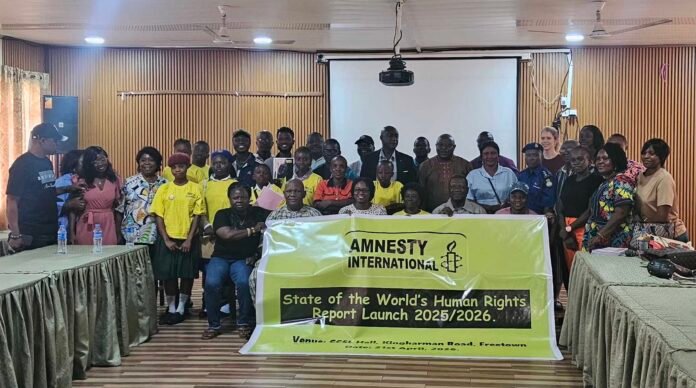
AISL Engages Teacher Coordinators to Strengthen Human Rights School Clubs

AISL Engages Teacher Coordinators to Strengthen Human Rights School Clubs

By Alvin Lansana Kargbo

Amnesty International Sierra Leone held a strategic engagement meeting with teacher coordinators of its Human Rights Friendly School Clubs in Freetown, aimed at strengthening club effectiveness and enhancing leadership within schools. With the theme: “Strengthening Human Rights Friendly School Clubs and Enhancing Teacher Coordinators Leadership.”

The meeting took place on Thursday 5th February 2026 at the Christian Health Association Sierra Leone Hall, Kingharman Road in Freetown.

It brought together teacher coordinators from schools participating in Amnesty’s Human Rights Friendly Schools programme in the Western Area. Furthermore, it focused on assessing the performance of the clubs, addressing implementation challenges and developing coordinated strategies to deepen the impact of human rights education in schools and surrounding communities.

Speaking at the meeting, the Section Director of Amnesty International Sierra Leone, Solomon M. Sogbandi, said the engagement was intended to move beyond routine capacity building toward more strategic and results-oriented outcomes. He noted that while previous engagements had focused on assemblies and awareness talks, Amnesty now sought deliberate interventions that would produce measurable change in learners’ attitudes, behavior and understanding of human rights.

Solomon Sogbandi explained that human rights education should help teachers and students understand dignity, equality, justice and shared humanity. He said it equips learners to question injustice, challenge misinformation and engage constructively in society, particularly in contexts marked by inequality and limited access to credible information. The Section Director described governance as a social contract in which citizens entrust leaders with authority and resources, stressing that leaders have a responsibility to improve people’s lives rather than widen social and economic gaps.

He emphasized that rights must be understood alongside responsibilities, noting that no right is absolute. Using freedom of expression as an example, he said while citizens have the right to criticize leaders and hold Government accountable, that right does not extend to defamation or slander. According to him, responsible citizenship requires understanding the limits and obligations attached to every right.

On education practice, Solomon Sogbandi identified critical thinking, dialogue and empathy as key competencies that human rights education should promote. He urged teachers to be analytical in addressing student behavior by examining underlying causes rather than focusing only on symptoms also encouraging coordinators to recognize diverse learner profiles, including outspoken students and quieter learners who may contribute meaningfully when properly engaged. He cautioned against practices that undermine students’ confidence and called for teaching approaches that nurture different strengths.

Solomon Sogbandi said teacher coordinators carry a critical responsibility in shaping learners’ character and protecting human rights within schools. He stressed that authority over children should never be used to justify disrespect or abuse urging teachers to model values such as respect, honesty, accountability and obedience, noting that teachers are widely regarded by learners and parents as trusted sources of knowledge and guidance.

He warned against humiliating disciplinary practices, including shouting, insults and the use of obscene language, saying such actions undermine the very values schools seek to promote. He also cautioned teachers against accepting gifts or favors from learners, explaining that such practices could compromise professional judgment, weaken classroom authority and amount to unethical conduct, even within a challenging economic environment.

Addressing child protection concerns, Solomon Sogbandi highlighted the need to protect girls and other vulnerable children noting that changes in a child’s behavior may be linked to emotional or psychological distress arising from home environments, including parental pressure or abuse by step-parents. He urged teachers to prioritize guidance and counseling, build trust with learners and handle disclosures with confidentiality and care.

The Section Director of Amnesty International further called on teacher coordinators to actively engage school authorities to prioritize human rights education, warning that assumptions about existing knowledge were often misplaced. He referenced ongoing challenges within educational institutions, including cases of sexual harassment and sex-for-grades, and stressed the need for prevention, accountability and strong support systems to address such abuses.

Solomon Sogbandi said Amnesty International Sierra Leone would continue to support teacher coordinators through curriculum-aligned human rights education materials, training workshops, toolkits, career resources and opportunities for participation in global actions. He added that there may be opportunities for peer learning and exchanges with counterparts in other countries as well as pilot incentive schemes to motivate sustained engagement.

The meeting also allowed teacher coordinators to share reflections and practical experiences from their schools. Participants agreed on a set of concrete actions to strengthen coordination, accountability and impact across the Human Rights Friendly School Clubs.

Key Action Points from the Engagement

  • Establishment of a WhatsApp forum for all teacher coordinators
  • Introduction of an Amnesty Hour in participating schools
  • Quarterly coordination meetings to be held on a rotational basis among schools
  • Submission of monthly reports by teacher coordinators to Amnesty International Sierra Leone
  • Organization of inter-school exchange visits among Human Rights Friendly School Clubs
  • Provision of Amnesty International Sierra Leone materials to participating schools
  • Election of an executive body among teacher coordinators to provide structured feedback to Amnesty
  • Continued capacity building on human rights education, sexual and gender-based violence, climate change, HIV and AIDS education.

Amnesty International Sierra Leone said the outcomes of the engagement will guide the next phase of the Human Rights Friendly School Clubs programme, with a renewed focus on leadership, accountability and measurable impact in schools. The organization said strengthening the role of teacher coordinators remains central to building a sustained culture of human rights, dignity and responsibility among learners and within their communities.

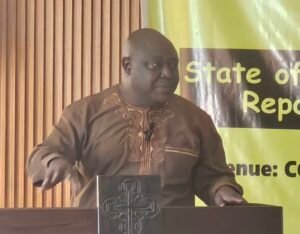
Section Director of Amnesty International Sierra Leone, Solomon M. Sogbandi

Orange & UBA Foundations Sign MoU to Rehabilitate York PHU Maternity Ward

By Foday Moriba Conteh

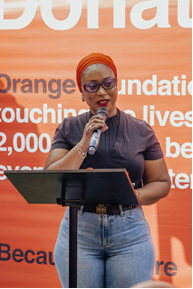
Orange Foundation Sierra Leone and the United Bank for Africa (UBA) Foundation on Tuesday, 3rd February 2026, signed a Memorandum of Understanding (MoU) for the rehabilitation of the York Peripheral Health Unit (PHU) maternity ward. The initiative forms part of efforts to reduce preventable maternal, newborn deaths and improve access to quality pre- and postnatal care. The signing ceremony was held at the Orange Foundation Office on Hill Station in Freetown.

In her welcome address, Director of Orange Foundation Sierra Leone, Annie Wonnie-Katta, described the partnership as a major milestone in strengthening maternal healthcare. She noted that the collaboration builds on a journey that began in 2019 when the Orange Foundation launched community-based interventions to support maternal and child health.

“Today we stand in partnership with our corporate sister, UBA Foundation, to ensure that every woman in our communities has access to safe, dignified and high-quality health services,” she said, stressing that the MoU represents a concrete commitment to creating a safer environment for mothers and newborns.

Madam Leeann Rizk, Country Director of Mama Pikin Foundation the implementing partner of the Safeguarding Maternal Health Project described the initiative as life-changing. She explained that many families still face fear and risk during pregnancy, making such partnerships critical.

She highlighted the delivery bucket and transport support programme, which provides essential items and transport assistance to women delivering at eight supported clinics across six districts. Each bucket contains hygiene materials to prevent infection. “At just $10 per mother, this support has helped over 20,000 women choose safe facility deliveries instead of home births,” she noted.

Madam Leeann Rizk also spoke about the ‘Belleh Uman Bato Group’(BBG) launched in 2023, a peer support platform for pregnant and lactating women, midwives, nurses and traditional birth attendants. The groups provide health education, financial guidance and emotional support, while strengthening collaboration between communities and skilled health workers. She emphasized that the programme has rebuilt trust in clinics and increased early care-seeking behavior. “Together, we are changing the story of maternal health in Sierra Leone,” she concluded.

Chief Executive Officer of Orange Sierra Leone, Madam Aicha Toure, described the MoU as part of Orange Foundation’s long-standing commitment to maternal health. She noted that Sierra Leone’s Maternal Mortality Ratio declined from 370 deaths per 100,000 live births in 2022 to 354 in 2023, while long-term figures show a reduction from 1,682 in 2000 about a 79 percent improvement.

She disclosed that safe deliveries supported by the project rose from 2,312 in 2023 to 2,748 in 2025, while 1,900 delivery buckets were distributed in 2025 alone. Ninety-six BBG groups were supported across eight health centres including York, Grey Bush, Hanga, Yengema, Masongbo, Lengekoro, Kondembaia and Panlap.

“These interventions have reduced dangerous home deliveries, improved maternal and child health outcomes,” she said, explaining that the decision to rehabilitate York PHU followed a 2025 assessment that revealed infrastructure gaps. She commended UBA Foundation for aligning with Orange Foundation’s vision, adding that the project will transform York into a model community for maternal care.

Managing Director of UBA Sierra Leone, Mohamed Alhajie Samoura, said the partnership would strengthen health infrastructure while advancing digital inclusion. He outlined that the renovation will include refurbishment of maternity and postnatal rooms, new roofing, tiling, painting and provision of equipment such as oxygen resuscitating machines.

“This collaboration underscores our belief that the private sector must play a proactive role in sustainable development,” he stated, adding that the upgrades would bring immediate, life-changing benefits to women and newborns.

He noted that UBA Foundation, established in 2004, focuses on education, empowerment, environment and special projects, and that maternal health remains central to community resilience.

Minister of Health, Dr. Austin Demby, commended both institutions, stating that Sierra Leone has recorded one of the fastest declines in maternal mortality globally. He recalled that the country was once known for the world’s highest maternal deaths but has made steady progress through deliberate policies and partnerships.

“The last mile is the hardest. Now is the time we need everyone, especially the private sector, to join hands with Government to achieve zero preventable maternal and child deaths,” he said.

Dr. Austin Demby stressed that buildings alone do not save lives; rather, a complete system of skilled health workers, equipment, medicines and compassionate care is required. He highlighted the importance of antenatal visits in detecting risks such as hypertension and diabetes early, ensuring safer deliveries.

He urged communities to take ownership of the renovated facility, noting that even the best clinic will fail without public trust and utilization. The Ministry, he assured, would provide personnel and technical support to guarantee quality services at York PHU.

The rehabilitation of the York PHU maternity ward is expected to commence soon, with both Foundations expressing confidence that the project will significantly improve maternal health outcomes and serve as a model for future corporate partnerships in Sierra Leone.

UNDP Launches Youth-Led Circular Economy and Zero-Waste Initiatives in Sierra Leone

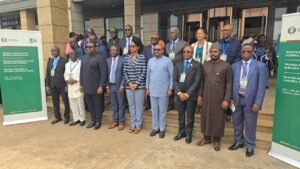
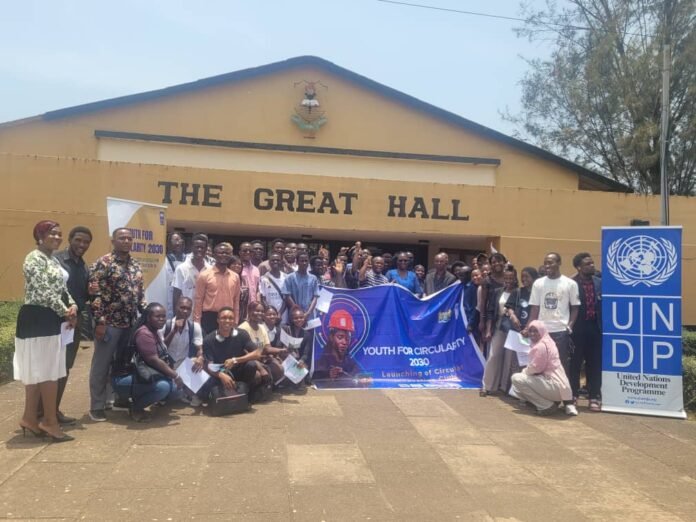
Stakeholders pose for picture at the launch of UNDP's Youth-Led Circular Economy and Zero-Waste Initiatives

By Ibrahim Sesay 

The United Nations Development Programme (UNDP), in collaboration with key Government institutions and development partners, has launched two interlinked initiatives aimed at bolstering waste management systems and promoting a circular economy in Sierra Leone.

The initiatives, Youth for Circularity 2030 and Shifting to Zero Waste Against Pollution (SWAP), were unveiled during an inception meeting held on Thursday 5 February 2026 at the Sierra Palms Resort on Lumley Beach Road in Freetown. The event brought together policymakers, youth leaders, academics, civil society organisations and private sector stakeholders.

Speaking at the launch, Tanzila Watta Sankoh, Team Lead for PC5D&R at UNDP Sierra Leone, described the projects as critical interventions that combine youth-led innovation with systemic environmental reforms. She disclosed that the SWAP project is a USD 5.4 million Global Environment Facility–funded programme to be implemented over six years, with the Environmental Protection Agency (EPA-SL) and the Freetown City Council among its key implementing partners.

Tanzila Watta Sankoh further revealed that UNDP has secured funding from Samsung to pilot e-waste collection in Sierra Leone, describing it as a groundbreaking step for the country and the region. She said the initiative marks the first time UNDP has mobilised resources from a global mobile technology company, adding that the pilot is expected to serve as a foundation for future scale-up and additional resource mobilization.

Delivering the keynote address, UNDP Deputy Resident Representative, Kelvin Petrini, said the launch comes at a defining moment as Freetown continues to experience rapid urbanization and rising waste generation. He noted that the city currently produces more than 135,000 tonnes of municipal solid waste annually, a figure projected to rise beyond 350,000 tonnes by 2030 if current trends persist.

Kelvin Petrini warned that poor waste management has contributed to pollution of land and waterways, blocked drainage systems, increased flood risks and serious public health concerns, particularly around major dumping sites such as Granville Brook and Kington. However, he said the SWAP initiative seeks to reposition waste as a valuable resource capable of generating jobs, recycled materials and economic opportunities.

He explained that SWAP is part of a USD 28 million global programme implemented in five pilot cities worldwide, including Freetown and focuses on strengthening policy and institutional frameworks, promoting sustainable financing, encouraging environmentally sound technologies and ensuring inclusive public participation.

In his official opening statement, Executive Chairperson of the Environmental Protection Agency, Abu Bakarr Massaquoi, highlighted persistent challenges within the waste management system, including “weak household-level segregation, limited incentives, poor enforcement and the dominance of informal value chains”.

He stressed the importance of reliable data, noting that EPA-SL has developed a national waste inventory that integrates an e-waste inventory completed last year with World Bank support.

Abu Bakarr Massaquoi disclosed that the agency is also exploring the establishment of an integrated chemical and waste management facility, which would serve as a “central hub for handling hazardous waste, storage, treatment, learning and innovation.” He added: “pilot interventions under SWAP would prioritize community engagement, local solutions, private sector participation and long-term financing partnerships.”

Dr Samba Sesay, delivering a speech on behalf of the Dean of the Faculty of Engineering at Fourah Bay College, Dr Michael Conten, said the workshop comes at a critical moment for Sierra Leone, as the country battles with increasing waste generation, environmental degradation and persistent youth unemployment.

He noted that Sierra Leone’s waste management system has long followed a linear model of “extract, consume and dispose,” which he described as unsustainable and costly. He said the circular economy offers a viable alternative by promoting resource efficiency, recycling, material recovery and innovation across the value chain, while also serving as a pathway for economic diversification, job creation and social inclusion.

According to him, the SWAP initiative aligns strongly with national and regional development frameworks, including the National Medium-Term Development Plan, environmental and sanitation policies, youth empowerment strategies and Africa-wide development agendas. He emphasized that embedding circular economy principles into education, research and waste management systems would help translate policy commitments into measurable outcomes.

Representing local Government, Deputy Mayor of the Freetown City Council, Kweku M. Lisk, said the SWAP project would strengthen the city’s climate action efforts by introducing best practices, innovative technologies and strategic partnerships, describing the initiative as a bold step towards a cleaner, healthier and more resilient Freetown.

From the youth perspective, Osman Fenfaquee, a Computer Science student at the University of Makeni, welcomed the initiative, noting that while awareness of waste management exists, many young people lack practical knowledge on waste sorting. He said innovation and digital solutions could improve waste reporting, coordination and public participation, while helping to address flooding and environmental challenges.

The inception meeting is expected to be the starting point for effective implementation by clarifying stakeholder roles, strengthening partnerships and aligning interventions toward a shared vision of zero waste and reduced pollution in Sierra Leone.