

Home Blog Page 69

George T. M’bayoh Emerges as 28th Liberator of Liberals Brotherhood FBC, Pledges Unity and Reform

By Foday Moriba Conteh

Newly appointed 28th Liberator of the Liberals Brotherhood FBC, Recorder Bank George T. M’bayoh has pledged to promote unity, inclusivity and disciplined leadership as he officially assumed office during his acceptance speech delivered to members of the Brotherhood.

In his acceptance message, Liberator Recorder Bank George T. M’bayoh described his appointment as a defining moment not only for himself but for the entire Brotherhood, emphasizing that the responsibility entrusted to him goes beyond holding a position and requires dedication, service and commitment to the organization’s core ideology.

He began by expressing gratitude to God for the strength and opportunity to serve, noting that the moment would not have been possible without divine guidance. He also extended appreciation to the Leadership and Elections Committee (LEC) and the Transition Committee for their dedication throughout the selection process, describing their role as admirable in safeguarding the traditions and values of the Brotherhood.

The newly appointed Liberator further acknowledged his fellow aspirants who contested alongside him, commending them for their commitment to the ideals of the Brotherhood. He stressed that the leadership process was not a political contest but rather a demonstration of unity, adding that members should remain focused on the collective victory of the Brotherhood rather than individual interests.

“As the process of selecting the next leader has been concluded, all blocs should now collapse as we collectively regroup, re-strategize and reposition the Brotherhood to achieve its objectives,” he stated.

Liberator George T. M’bayoh underscored his commitment to engaging all members and ensuring equal opportunities across the Brotherhood. He noted that his leadership would be anchored on inclusivity, honesty, fairness and respect for all members, regardless of past affiliations or positions held.

He further emphasized that transparency and active listening would guide his decision-making process, noting that unity does not mean avoiding disagreements but rather addressing challenges directly and finding constructive solutions.

Outlining his vision for the Brotherhood, George T. M’bayoh said he aims to build a more united, disciplined and active organization capable of achieving its political and institutional goals, particularly in campus-based leadership contests. He called on all members to actively participate in advancing the Brotherhood’s objectives and safeguarding its ideology.

He also highlighted the importance of collaboration with affiliated student establishments, urging their leadership to maintain strong partnerships with the Brotherhood in pursuit of shared goals and sustained growth.

Concluding his remarks, Liberator George T. M’bayoh expressed deep appreciation for the trust placed in him, describing his election as a collective achievement that requires continued support and dedication from all members. He called on members to remain committed and united, assuring them that together they would build a stronger Brotherhood capable of achieving greater successes in the future.

As he assumes leadership from Liberator Emeritus Alieu Jabbie, Luxes expressed confidence that the legacy of strong leadership within the Brotherhood would be sustained and further strengthened. They concluded with assurances of loyalty and commitment, pledging to support the new Liberator’s administration and work collectively toward strengthening unity, advancing institutional goals and achieving continued progress within the Brotherhood.

It was further noted that George T. M’bayoh’s leadership journey within the Liberals Brotherhood FBC reflects years of dedicated service. His growth in the brotherhood traces back to his early mentorship under Liberator Mohamed A1 Sesay during the Spancho Batch of Luxes. He later served as Bank under Liberator Malema in 2022, where he reportedly played a key role in conscripting the Tudo Passa Batch of Luxes, and subsequently as Recorder 1 under Liberator Sammy in 2024. These roles, Luxes stated, demonstrated his competence, accountability and strong understanding of leadership responsibilities.

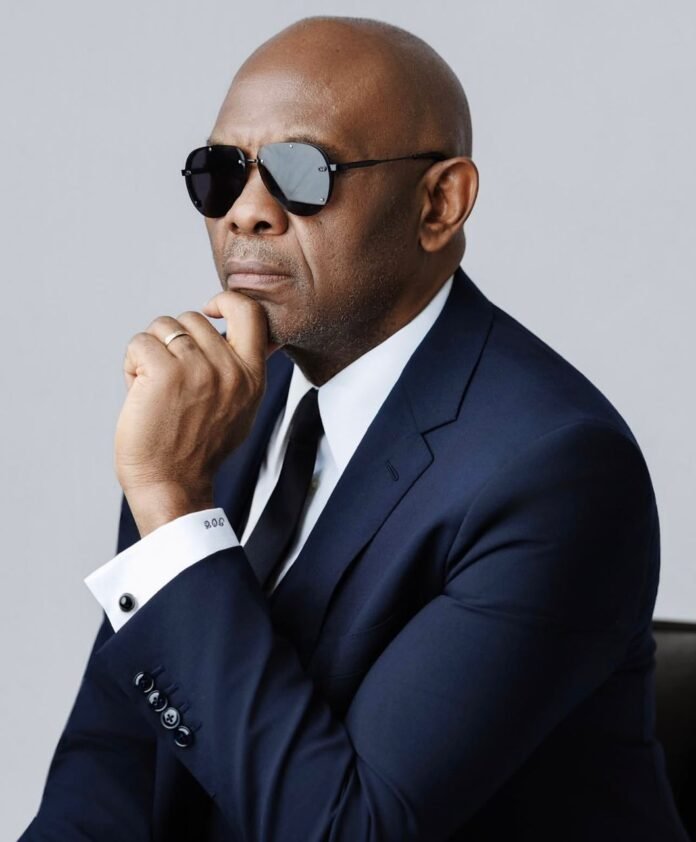
Liberator Recorder Bank George T. M’bayoh

Tony Elumelu Celebrates Birthday with Hope Message, Announces 3,200 Young Entrepreneurs Across Africa

Prominent African investor and philanthropist, Tony O. Elumelu

By Amin Kef (Ranger)

Prominent African investor and philanthropist, Tony O. Elumelu, has used his 2026 annual letter to highlight the growing impact of entrepreneurship across Africa, announcing fresh opportunities for 3,200 young entrepreneurs under the Tony Elumelu Foundation (TEF) Entrepreneurship Programme.

In the letter released on March 22, 2026, to coincide with his birthday, Elumelu reflected on what he described as a “story of hope,” emphasizing that opportunity, when deliberately created, can transform lives and economies across the continent.

“For a long time, I believed luck was something that simply happened to you. Then I came to understand that luck can be engineered, opportunity can be democratised, and hope is not just a feeling—it is a system we can build,” he stated.

Elumelu noted that the vision began in 2010 when he and his wife committed to empowering African entrepreneurs through the Tony Elumelu Foundation, with a long-term goal of driving economic transformation through private sector leadership.

According to him, Africa’s greatest resource is not its minerals but its people, stressing that entrepreneurship remains the most viable pathway to unlocking the continent’s vast potential.

Providing an update on the programme’s impact, Elumelu disclosed that the Foundation has disbursed over $100 million in seed capital to more than 24,000 entrepreneurs across Africa. He further revealed that about 80 percent of beneficiaries have successfully scaled their businesses beyond the early stages—far exceeding global survival rates for startups.

The initiative has yielded significant socio-economic outcomes, including impacting over four million households, lifting approximately 2.1 million Africans out of poverty, generating $4.2 billion in revenue, and creating about 1.5 million jobs across the continent.

Industry observers note that the TEF model, anchored on what Elumelu describes as “Africapitalism,” continues to reshape Africa’s development narrative by shifting focus from aid dependency to private sector-driven growth.

“This is Africapitalism in action—the belief that Africa’s private sector, especially its entrepreneurs, must drive the continent’s economic and social transformation,” Elumelu emphasized.

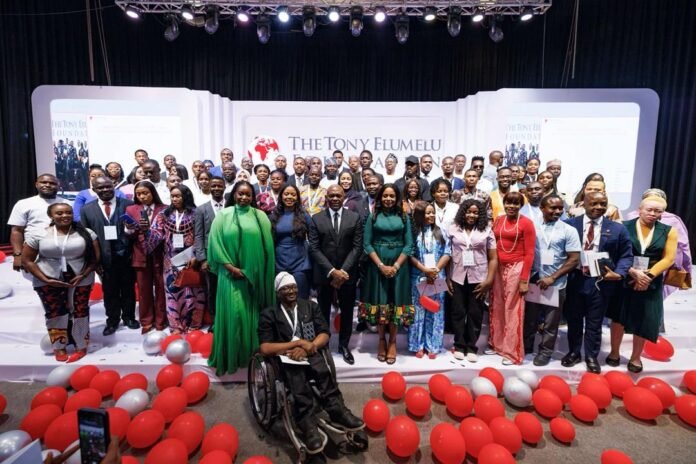
He also announced the unveiling of the 12th cohort of the TEF Entrepreneurship Programme at the Transcorp Hilton in Abuja, where 3,200 entrepreneurs drawn from all 54 African countries will receive funding, mentorship, and access to the TEFConnect digital platform.

A notable highlight of this year’s cohort is the strong representation of women, who make up 51 percent of selected participants. Elumelu clarified that the selection was merit-based, underscoring the growing influence and competitiveness of women-led enterprises across Africa.

“As we celebrate Women’s Month, this sends a powerful message: when opportunity is accessible, African women do not simply participate—they lead,” he stated.

Elumelu further expressed appreciation to partners, mentors, and stakeholders who have supported the Foundation’s mission over the years, noting that their contributions continue to strengthen efforts toward building a self-sustaining Africa.

Encouraging the newly selected entrepreneurs, he urged them to seize the opportunity, describing them as resilient individuals chosen not for ease of journey but for their perseverance.

The Tony Elumelu Foundation Entrepreneurship Programme remains one of Africa’s largest privately funded initiatives dedicated to empowering entrepreneurs, with its continued expansion signaling renewed hope for inclusive growth and economic transformation across the continent.


Three Sierra Leonean Entrepreneurs Join TEF 2026 Cohort, Secure $15,000 Boost for Business Growth

Tony Elumelu Foundation (TEF) Entrepreneurship Programme

By Amin Kef Sesay

Sierra Leone has recorded a remarkable achievement on the continental stage as three young entrepreneurs secured places in the 2026 cohort of the Tony Elumelu Foundation (TEF) Entrepreneurship Programme, reaffirming the country’s growing footprint in Africa’s innovation and enterprise ecosystem.

Karim Kamara, Mattu Kaillie and Theophilipa Bangura emerged among thousands of applicants across Africa to earn selection into the highly competitive programme, widely regarded as one of the continent’s leading platforms for nurturing entrepreneurship and driving private sector development.

Karim Kamara is advancing initiatives in agriculture and agribusiness, Mattu Kaillie is contributing to innovation in health and health technology, while Theophilipa Bangura is making strides in education and training. Their selection highlights the diversity of sectors in which Sierra Leonean entrepreneurs are making an impact, while also reflecting the country’s expanding pool of youth-driven innovation.

Notably, two of the three beneficiaries are women, underscoring the increasing participation and leadership of women in Sierra Leone’s entrepreneurial landscape. Their success aligns with broader continental trends that continue to demonstrate the growing influence of women-led enterprises in shaping Africa’s economic future.

Through the programme, the three entrepreneurs will benefit from a comprehensive support package that includes $15,000 in seed funding, intensive business training, mentorship and access to a robust pan-African network of business leaders and investors. The initiative is designed to transform promising ideas into scalable and sustainable enterprises capable of contributing to job creation and economic growth.

The Tony Elumelu Foundation officially unveiled its 2026 cohort on Sunday, March 22, 2026, following a rigorous, multi-stage selection process that attracted 265,529 applications from aspiring entrepreneurs across all 54 African countries. After extensive screening and evaluation, only 1,951 entrepreneurs were selected, reflecting the programme’s high standards and competitiveness.

According to details outlined in the Foundation’s selection report, the process began with an eligibility screening phase that eliminated incomplete, duplicate and ineligible applications, allowing 112,202 candidates to proceed. This was followed by a business assessment stage, which evaluated applicants’ entrepreneurial mindset, problem-solving abilities, market understanding and financial literacy. At the end of this phase, 60,530 applicants advanced.

The next stage involved a detailed expert review, where applications were assessed independently by multiple reviewers to ensure objectivity and fairness. Key evaluation criteria included business viability, scalability, innovation, financial sustainability and the capability of the founder. This phase further reduced the number of candidates to 26,600.

A fourth stage focusing on due diligence and quality assurance was then conducted, involving identity verification, compliance checks and additional expert assessments. This stage produced a shortlist of 5,000 top-performing candidates. From this pool, the final 1,951 entrepreneurs were selected based on overall performance, while also ensuring regional representation, sector diversity and geographic balance across the continent.

The Foundation reported that 85 percent of the selected entrepreneurs were rated as “excellent,” indicating a high level of readiness to launch and sustain successful businesses. The programme also maintained a strong commitment to inclusivity, with 51 percent of beneficiaries being women and 75 percent falling within the youth category of 18 to 35 years. Additionally, entrepreneurs from rural communities and persons living with disabilities were represented in the final cohort.

Addressing the selected entrepreneurs, Founder and Chairman of the Tony Elumelu Foundation, Tony O. Elumelu, emphasized the critical role of entrepreneurship in Africa’s development.

“I believe that no one but Africans will develop Africa. The future of our continent lies in the hands of young men and women like you. It’s time to act, innovate, and lead,” he stated.

Since its inception, the Tony Elumelu Foundation has disbursed over $100 million in seed capital to more than 24,000 entrepreneurs across Africa, contributing significantly to job creation, revenue generation and poverty reduction. The programme is anchored on the philosophy of Africapitalism, which promotes private sector-led development as a pathway to sustainable economic transformation.

For Sierra Leone, the success of Karim Kamara, Mattu Kaillie and Theophilipa Bangura represents more than an individual accomplishment. It signals the country’s increasing presence within Africa’s entrepreneurial ecosystem and highlights the readiness of its young innovators to compete and excel at the highest level.

Their achievement also sends a strong message about the potential of Sierra Leone’s youth to drive national development through innovation, resilience and enterprise. As they embark on the next phase of their entrepreneurial journey, expectations remain high that their ventures will not only thrive but also contribute meaningfully to job creation, improved service delivery and inclusive economic growth.

The recognition of these three entrepreneurs stands as a moment of national pride and a reflection of the untapped potential within Sierra Leone’s emerging business landscape.


“Every Voice Matters” — Vice President Celebrates Eid with Citizens, Emphasizes People-Centred Leadership

Vice President, Dr. Mohamed Juldeh Jalloh

By Amin Kef (Ranger)

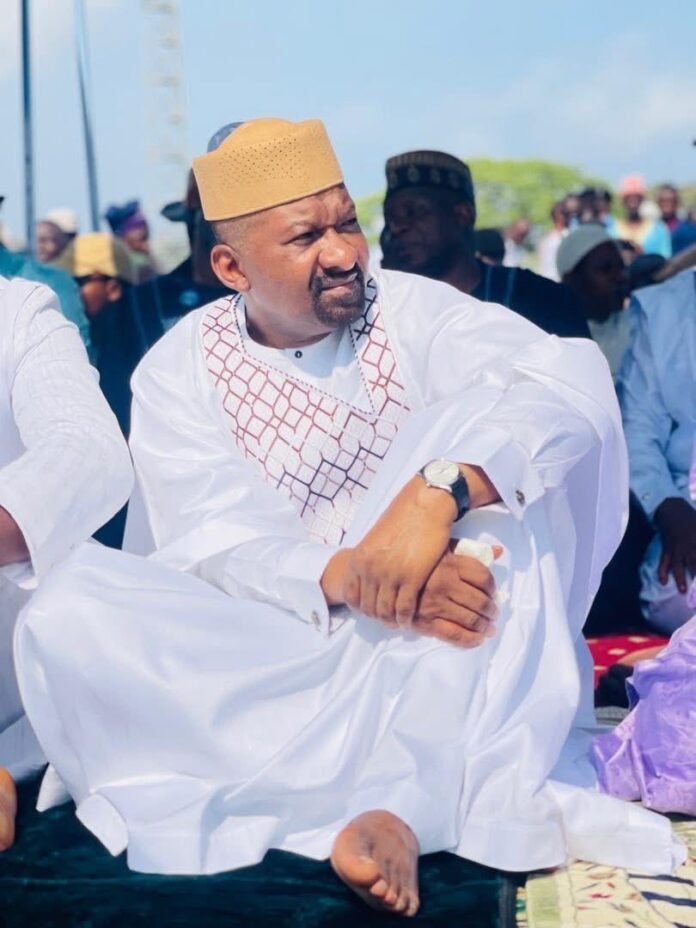
The Vice President of the Republic of Sierra Leone, Dr. Mohamed Juldeh Jalloh, on Friday, March 20, 2026, joined Muslims across the country in celebrating Eid al-Fitr, marking the end of the Holy Month of Ramadan with a message of gratitude, unity and national cohesion.

Participating in Eid prayers at the National Stadium practice field in Freetown, Dr. Mohamed Juldeh Jalloh reflected on the spiritual significance of Ramadan, describing it as a period defined by sacrifice, devotion and generosity. He noted that the values cultivated during the Holy Month should serve as a guiding force for national development and peaceful coexistence.

“Today, as we celebrate the end of Ramadan, I join Muslims across Sierra Leone in giving thanks for the prayers, sacrifices and generosity that mark this holy period,” he stated. “Let us commit to continue to abide by the same principles to build a more inclusive, peaceful and prosperous Sierra Leone. Eid Mubarak and May Allah SWT continue to bless us all.”

The Vice President called on citizens to sustain the spirit of compassion, tolerance and solidarity demonstrated during Ramadan, emphasizing that those values are essential for strengthening social cohesion and addressing national challenges. He stressed that the discipline and self-restraint observed during the fasting period should not end with Eid but should continue to shape everyday interactions among Sierra Leoneans.

Widely regarded as a man of the people, Dr. Mohamed Juldeh Jalloh has built a reputation for his down-to-earth leadership style and his commitment to listening to citizens from all walks of life. His inclusive approach underscores his belief that every voice matters in the governance process and in shaping the country’s future.

During his remarks, he also commended religious leaders for their guidance throughout Ramadan, acknowledging their role in promoting peace, unity and moral discipline within communities. He further called for continued prayers for the nation, as well as for the leadership of President Julius Maada Bio, reaffirming Government’s commitment to maintaining stability and improving the lives of citizens.

The Vice President’s engagement with citizens during Ramadan preceded the Eid celebrations. On Saturday, March 14, 2026, he joined medical staff at the Kono Government Hospital in Kono District to observe Iftar, using the occasion to appreciate frontline health workers for their invaluable contributions to the country’s healthcare system.

Describing the experience as deeply personal, Dr. Mohamed Juldeh Jalloh noted that the hospital holds special significance in his life, as it is the facility where he was born.

“Today’s Iftar was particularly special because I spent it at the Kono Government Hospital, the very hospital where I was born,” he said. “As I shared a meal with the inspiring staff of the facility, I was reminded of the critical role they play in nation building by nurturing our young; the symbols of hope for a brighter tomorrow.”

He praised healthcare workers across the country for their dedication and resilience, noting that their efforts have contributed significantly to progress in reducing child and maternal mortality. He attributed those achievements to strong partnerships within the health sector and the unwavering commitment of frontline personnel.

“As Sierra Leone continues to make monumental strides in reducing child and maternal mortality, I want to thank the frontline health workers making the difference,” he emphasized.

Dr. Mohamed Juldeh Jalloh further highlighted the importance of sustained collaboration between Government, development partners and healthcare professionals to strengthen health systems and expand access to quality care.

He also extended goodwill to Sierra Leoneans observing the Christian season of Lent, reinforcing the country’s tradition of religious tolerance and unity.

The Vice President’s engagements throughout the Holy Month reflect a leadership style rooted in humility, accessibility and service; qualities that continue to define him as a leader who listens, connects and ensures that every voice truly matters in Sierra Leone’s development journey.

APC Accuses Government of Undermining Electoral Reforms Ahead of 2028 Elections

By Foday Moriba Conteh

The All People’s Congress (APC) has on March 18, 2026 issued a strong statement expressing deep concern over what it describes as the collapse of the implementation of the Agreement for National Unity (ANU) and the recommendations of the Tripartite Committee, warning of serious implications for Sierra Leone’s democratic stability ahead of the 2028 elections.

Addressing the Press on Wednesday, March 18, 2026, the leadership of the APC outlined a series of grievances against the Sierra Leone People’s Party (SLPP)-led Government, accusing it of failing to demonstrate commitment to electoral reforms and the agreed roadmap for national cohesion.

According to the APC, the briefing was convened to update the nation on what it termed a “deepening political standoff” between the opposition and the Government, rooted in delays, lack of transparency and alleged deliberate obstruction of reform processes critical to restoring trust in the country’s democratic system.

The party recalled that tensions escalated following the 2023 general elections, which it claims were widely discredited by both local and international observers. The situation was further aggravated by the refusal of the Electoral Commission for Sierra Leone (ECSL) to publish disaggregated election results as required by law, prompting the APC to initially boycott governance structures.

The deadlock was temporarily eased after the signing of the Agreement for National Unity on October 18, 2023, facilitated by international and regional partners, including ECOWAS, the African Union, and the Independent Commission for Peace and National Cohesion. The agreement aimed to promote stability, democratic integrity and peaceful political engagement.

Central to the agreement was the establishment of a Tripartite Committee tasked with reviewing the 2023 elections and proposing actionable reforms. The committee reportedly produced over 80 recommendations after six months of deliberations, but disagreements persisted, particularly regarding electoral transparency and governance accountability.

The APC stated that nearly 20 months after the submission of the Tripartite Committee report in July 2024, the Government has failed to meaningfully implement the recommendations. The party accused authorities of bypassing agreed timelines, refusing engagement and undermining the collaborative spirit of the agreement.

It further alleged that the roadmap for implementation was abandoned shortly after its presentation, with the Government instead establishing a steering committee dominated by its own appointees, a move the APC claims lacked inclusivity and transparency.

The opposition also criticized what it described as the Government’s non-responsiveness, citing unanswered communications, lack of dialogue between negotiating parties and failure to provide documentation necessary for meaningful participation in reform processes.

Among the major issues raised by the APC are:

  • Failure of Parliament to Act: The party accused Parliament of ignoring calls to establish an oversight committee on electoral matters.
  • Census Controversy: It claimed delays in the 2025 census could undermine electoral timelines and credibility.
  • Electoral System Dispute: The APC opposed moves toward proportional representation, insisting that national consultations favored the first-past-the-post system.
  • ECSL Transparency Issues: The commission was criticized for failing to publish key documents and implement agreed reforms.
  • Management and Functional Review (MFR): The APC expressed dissatisfaction with the conduct of institutional reviews, alleging exclusion from the process.
  • Security Sector Concerns: The party raised fears over lack of transparency in electoral security reforms.

Additionally, the APC rejected proposed constitutional amendments that would alter the threshold for presidential elections and expand executive powers over electoral appointments, arguing that such changes undermine democratic principles.

Beyond electoral issues, the APC highlighted broader governance challenges, including alleged human rights concerns, political intimidation and economic hardship affecting citizens. The party pointed to rising fuel prices and the cost of living as evidence of deteriorating socio-economic conditions.

In response to the current situation, the APC announced that it has withdrawn its elected officials from parliamentary and local council activities until its concerns are addressed, particularly regarding the appointment of the Chief Electoral Commissioner.

The party is calling for:

  • The restructuring of the steering committee to ensure balanced representation;
  • Greater transparency through public access to implementation documents;
  • Immediate high-level dialogue between stakeholders;
  • Independent monitoring of the reform process.

It further warned that failure to address those issues could result in peaceful nationwide demonstrations, emphasizing its commitment to lawful and constitutional means of engagement.

Concluding the briefing, the APC maintained that it remains open to genuine dialogue but insisted that engagement must be grounded in good faith, transparency and respect for the rule of law. The party also called on the international community to take note of developments, placing responsibility for the current impasse on the Government.

The statement underscores growing political tensions in Sierra Leone as the country approaches another critical electoral cycle, with both sides under increasing pressure to ensure credible reforms and safeguard democratic stability.

Health Sector Under Scrutiny as NMSA, ACC Investigate Missing Ultrasound Machines

Minister of Health, Dr. Austin Demby

By Amin Kef (Ranger)

The National Medical Supplies Agency (NMSA) has on March 18, 2026 commenced a joint investigation with the Anti-Corruption Commission (ACC) into the reported disappearance of portable ultrasound machines during the distribution process to health facilities across the country.

According to an official Press Release issued by the Ministry of Health through the NMSA, the Agency mandated to procure, store and distribute drugs and medical supplies nationwide, acted swiftly upon discovering irregularities involving the medical equipment. The missing ultrasound machines were part of essential supplies intended to strengthen diagnostic capacity in Government health institutions.

The NMSA confirmed that it has fully engaged the ACC to ensure a thorough and transparent investigation into the matter. As part of the process, all staff involved in the distribution chain, from the central warehouse to beneficiary health facilities, have been identified and submitted to support ongoing inquiries.

“The Agency has submitted all relevant staff involved in the distribution chain for the period under review to support the ongoing investigation,” the statement noted, underscoring its commitment to accountability.

Management of the NMSA emphasized that any personnel found culpable in actions that undermine the delivery of quality healthcare services will face the full force of the law. This firm stance reflects the Government’s broader efforts to combat corruption and safeguard critical public resources within the health sector.

Reaffirming its mandate, the NMSA reiterated its dedication to transparency, accountability and integrity in the procurement, storage and distribution of medical supplies. The Agency plays a pivotal role in ensuring that life-saving equipment and medicines reach health facilities efficiently and reliably.

The Agency further assured the public that the situation is being treated with the utmost urgency. Measures are currently underway not only to investigate and recover the missing ultrasound machines but also to strengthen systems to prevent future occurrences.

Health experts have highlighted the importance of portable ultrasound machines in improving maternal and general diagnostic healthcare services, particularly in rural and underserved communities. Their disappearance, therefore, raises significant concerns about service delivery and access to timely medical care.

The NMSA stressed that recovering the missing equipment and ensuring its delivery to the intended health facilities remains a top priority. Authorities believe that swift action and collaboration with the ACC will help restore public confidence and reinforce institutional accountability.

Members of the public are encouraged to remain patient as investigations continue, with assurances that the outcome will be handled transparently and in the interest of strengthening Sierra Leone’s healthcare system.

SLAJ Strengthens Partnership with Finance Ministry and Honours Minister

By Amin Kef (Ranger)

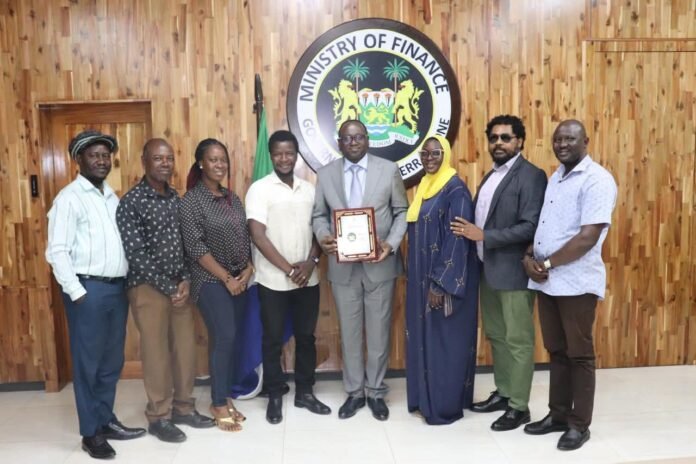
The Sierra Leone Association of Journalists (SLAJ) has reaffirmed its commitment to strengthening collaboration with the Ministry of Finance following a high-level courtesy visit by its newly elected National Executive to the Minister of Finance, Sheku A. Fantamadi Bangura, at his George Street office in Freetown.

The visit, held on Tuesday, 17th March 2026, forms part of SLAJ’s long-standing tradition of formally introducing its new leadership to key Government stakeholders and development partners, while also consolidating institutional relationships that support media development in Sierra Leone.

Leading the delegation was SLAJ President, Alhaji Manika Kamara, accompanied by the outgoing President, Ahmed Sahid Nasralla, who now serves as an ex-officio member and adviser to the Executive, alongside other members of the Association.

In his introductory remarks, Ahmed Sahid Nasralla expressed appreciation to the Minister for his consistent support to SLAJ during his tenure, noting that such backing significantly contributed to the successes recorded under his leadership. He urged the Minister to extend similar support to the new Executive, emphasizing the importance of sustaining the strong partnership between the Ministry and SLAJ.

Ahmed Sahid Nasralla highlighted the need for continued investment in capacity building for journalists, particularly in specialized areas such as budget analysis and economic reporting. He explained that the plaque presented to the Minister symbolized recognition of the Ministry’s unwavering support to the Association over the years.

Presenting the new leadership, SLAJ President, Alhaji Manika Kamara, commended the Minister for his openness and engagement with the media, describing the Ministry’s support as vital to the effective functioning of SLAJ. He acknowledged the timely disbursement of Government subventions, which he said play a crucial role in supporting the Association’s operations, including its regional structures and affiliate bodies.

Alhaji Manika Kamara provided updates on how previous subventions have been utilized, noting that the funds support administrative activities, regional executives, committees and affiliated organizations such as Women in the Media Sierra Leone (WIMSAL), the Sierra Leone Reporters Union (SLRU) and the Guild of Editors.

He also informed the Minister of the Association’s upcoming Annual General Meeting and National Media Night scheduled for June 2026 in Makeni City. He appealed to the Ministry to support the “Outstanding Reporting on the Economy” category, an initiative aimed at encouraging more journalists to focus on economic and financial reporting.

The SLAJ President further highlighted ongoing efforts to enhance professional standards within the media, including a recently concluded training for 75 female journalists on Public Financial Management and budgeting, supported by the European Union through BBC Media Action.

Responding, Minister Sheku A. Fantamadi Bangura welcomed the SLAJ delegation and commended the Association for its role in promoting responsible journalism. He noted that while Sierra Leone enjoys a relatively stable media landscape, there is still a need for improvement, particularly in the regulation and management of social media.

“The media plays a critical role in governance,” the Minister stated, assuring SLAJ of the Government’s continued commitment to fulfilling its obligations, including the timely disbursement of subventions.

He briefed the delegation on the state of the economy, explaining that global challenges, including conflicts in the Middle East, have had ripple effects on Sierra Leone’s economic performance. Despite those pressures, he assured that Government interventions are helping to maintain stability.

The Minister disclosed that a recent International Monetary Fund (IMF) assessment commended the Government’s performance, while acknowledging the broader global economic constraints. He emphasized the importance of accurate and effective communication of economic realities to the public through the media.

Highlighting ongoing reforms, the Minister said the Government has introduced trade financing and credit facilities to support businesses and stimulate growth. He reaffirmed his commitment to maintaining a professional, non-political approach in managing the country’s finances.

In a significant show of support, the Minister announced that the Ministry of Finance will sponsor the “Best Economic Reporting” category at the upcoming SLAJ Awards and confirmed his intention to personally attend the event.

The visit concluded with the presentation of a plaque of appreciation to the Minister, in recognition of his support to SLAJ and his efforts in stabilizing the economy for sustainable national development.

Education Ministry Warns Private School Heads Over WASSCE Candidate Uploads

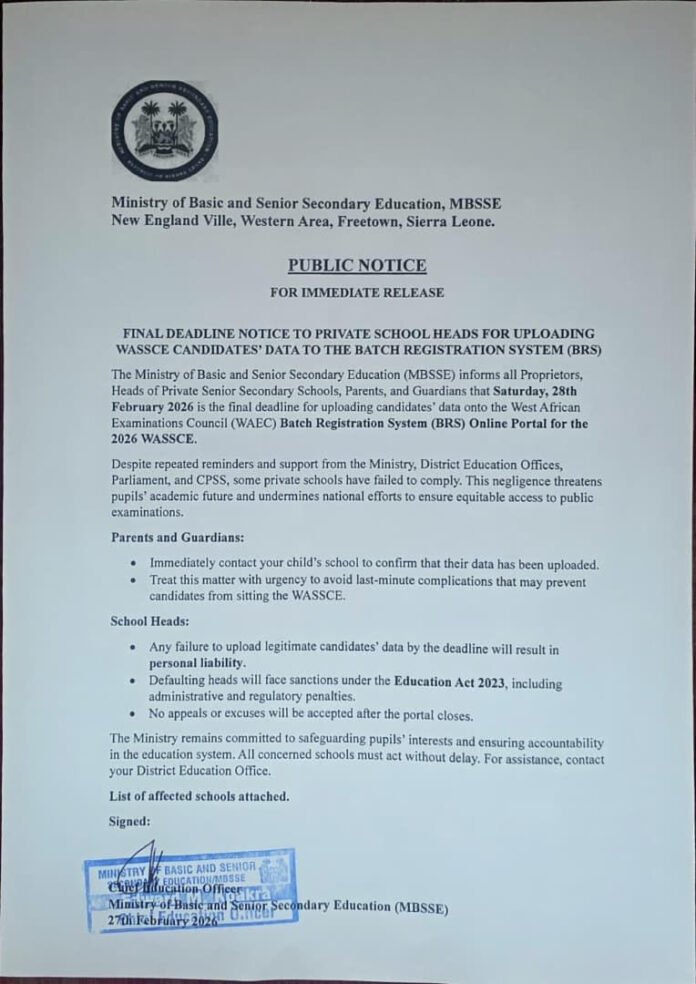
The Ministry of Basic and Senior Secondary Education (MBSSE) has issued a strong public notice to Proprietors and Heads of private senior secondary schools, as well as parents and guardians, over the uploading of candidates’ data to the West African Examinations Council (WAEC) Batch Registration System (BRS) for the WASSCE.

According to the Ministry, some private schools have still not complied with repeated instructions to upload legitimate candidates’ information to the online registration portal. The Ministry said that failure threatens pupils’ academic future and undermines national efforts to guarantee fair access to public examinations.

The notice calls on parents and guardians to urgently contact their children’s schools to confirm that their data has been uploaded. It also urges them to treat the matter seriously in order to avoid last-minute complications that could prevent candidates from sitting the WASSCE.

For school Heads, the Ministry warned that failure to upload candidates’ data will attract personal liability. It added that defaulting Heads could face sanctions under the Education Act 2023, including administrative and regulatory penalties.

The Ministry further stated that no appeals or excuses will be accepted after the registration portal closes, stressing that all concerned schools must act without delay.

MBSSE said it remains committed to protecting pupils’ interests and ensuring accountability in the education system, while directing affected schools to seek support through their District Education Offices.

An attached list of affected schools was also referenced in the notice.

Government Rolls Out First National HIV Impact Survey to Drive Data-Driven Health Reforms

Minister of Health, Dr. Austin Demby

By Foday Moriba Conteh

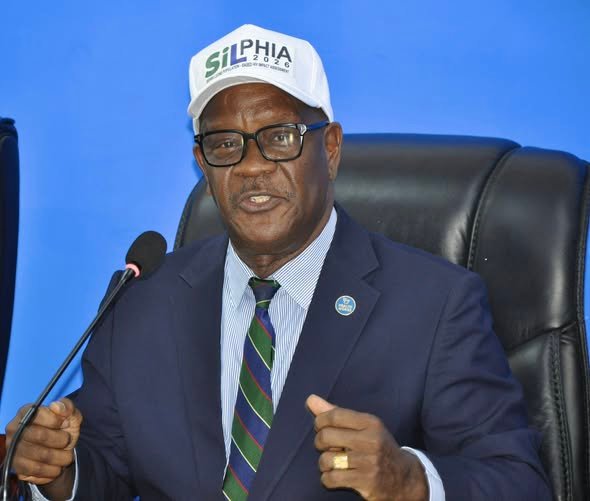
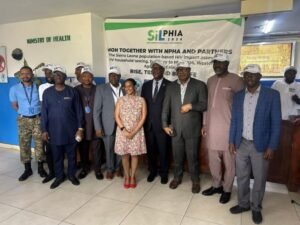
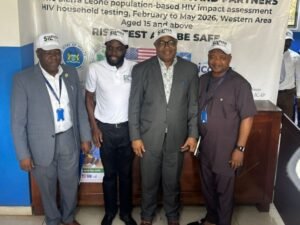
The Ministry of Health, in collaboration with the National Public Health Agency (NPHA) and Statistics Sierra Leone, has officially launched the Sierra Leone Population-Based HIV Impact Assessment (SiLPHIA) at the Youyi Building in Freetown, marking a significant milestone in the country’s ongoing efforts to combat HIV/AIDS.

The initiative represents a decisive step toward strengthening Sierra Leone’s HIV response through the generation of rigorous, evidence-based data that will guide national strategies, policies and targeted interventions. Health authorities say the survey will provide an accurate and comprehensive understanding of the prevalence of HIV, treatment coverage and viral suppression across communities.

Speaking during the launch, the Minister of Health, Dr. Austin Demby, PhD, MPH, engaged members of the media and Civil Society Organizations in what he described as a meaningful and productive dialogue on major healthcare transformations. He addressed public concerns within the health sector and provided clarifications on a range of issues, reaffirming his commitment to transparency, accountability and fairness.

Dr. Austin Demby emphasized that the media and Civil Society remain vital partners in ensuring quality healthcare delivery, noting that public scrutiny plays a crucial role in strengthening the system. He welcomed contributions from participants, who raised important issues relating to leadership, training and patient satisfaction.

“We will continue to listen, learn and take swift actions to solidify the numerous gains made in the health system,” Dr. Austin Demby stated.

Addressing ongoing discussions surrounding audit queries in the health sector, the Minister made it clear that such findings should not be viewed as punitive measures.

“The audit findings are not a witch hunt. They are a tool to help us be better at what we do. We are not a mirror to ourselves and these reports are for the nation to discuss and seek clarifications. We must embrace them, fix what needs fixing and learn from them as we move along,” he explained.

Dr. Austin Demby reaffirmed the Government’s commitment to evidence-based policymaking and revealed Sierra Leone’s ambition to surpass the global UNAIDS 95-95-95 targets by aiming for 98-98-98. He described the SiLPHIA survey as a turning point in the country’s public health journey; one that will empower communities, strengthen accountability and accelerate progress toward ending HIV as a public health threat.

He also stressed the importance of confidentiality, assuring the public that the survey has been designed to protect privacy, uphold ethical standards and build trust. According to him, tackling stigma and discrimination remains a key priority.

“Stigmatization and discrimination are the negatives Sierra Leone does not want. The purpose of SiLPHIA is to empower, not expose,” he emphasized.

As part of efforts to set the record straight on key issues within the health sector, Dr. Austin Demby highlighted several ongoing reforms and achievements. He disclosed that 11 out of 12 Government hospitals have made significant progress following the release of 30 percent of Government funding for new hospital construction. He noted that the Ministry of Health is working closely with the Ministry of Finance to deploy building supervisors who will assess progress and facilitate the release of the next tranche of funds.

The Minister also revealed that 10 out of 13 patients identified for overseas medical treatment have submitted complete documentation. He, however, noted with regret that two of the patients have passed away, while the remaining recently travelled for treatment.

On staffing concerns, Dr. Austin Demby clarified that all 59 individuals receiving salaries or other forms of remuneration are confirmed employees of the Ministry of Health, with supporting documentation available.

He further highlighted the transformation of the National Emergency Medical Services (NEMS), stating that the system has undergone major improvements since 2024. Currently, 108 ambulances are operational nationwide, all equipped with GPS tracking systems, oxygen and essential medical supplies to enhance emergency response.

In response to concerns about fairness in recruitment processes, the Minister announced the introduction of the country’s first-ever online application portal for the recruitment of 3,000 health workers, aimed at ensuring transparency and equal opportunity.

Additionally, he noted that supporting documents, including life cards and licenses, are now available for Ministry of Health vehicles and motorbikes, with steps underway to remove those that are no longer roadworthy.

Providing further insights into the survey, Brigadier General Professor Foday Sahr, a Medical Microbiologist and Lead Scientist and Principal Investigator for SiLPHIA 2026, described the initiative as Sierra Leone’s first-ever national HIV survey targeting the general population.

He explained that the survey will, for the first time, provide precise data from real households, enabling authorities to determine how many people are living with HIV, how many are receiving treatment and how many have achieved viral suppression.

Professor Foday Sahr emphasized that the data generated will offer an honest assessment of Sierra Leone’s progress toward achieving global HIV targets and will support more effective and targeted interventions.

He expressed gratitude to international partners, including the Government of the United States through PEPFAR and the U.S. Centers for Disease Control and Prevention (CDC), as well as ICAP at Columbia University and Statistics Sierra Leone, for their technical and financial support.

He also commended the Health Minister for his leadership and called on Sierra Leoneans to cooperate fully with survey teams.

Participation, he noted, is voluntary and strictly confidential, with free HIV testing conducted in the privacy of participants’ homes. Individuals who test positive will be immediately linked to care and treatment, while all personal data will be anonymized and used solely to improve national health services.

“SiLPHIA 2026 is a defining chapter in Sierra Leone’s fight against HIV. The teams are in the field, the science is strong, and our people are ready. Most importantly, our country, Sierra Leone, is ready,” Professor Foday Sahr concluded.

The launch of SiLPHIA marks a historic moment in Sierra Leone’s HIV/AIDS response. By harnessing data-driven insights, the country is better positioned to combat HIV/AIDS with precision, reduce stigma, empower communities and strengthen evidence-based policymaking aimed at ending the epidemic.