Home Blog Page 70

Health Minister Updates Journalists, CSOs on Gains in Sierra Leone’s Health Sector

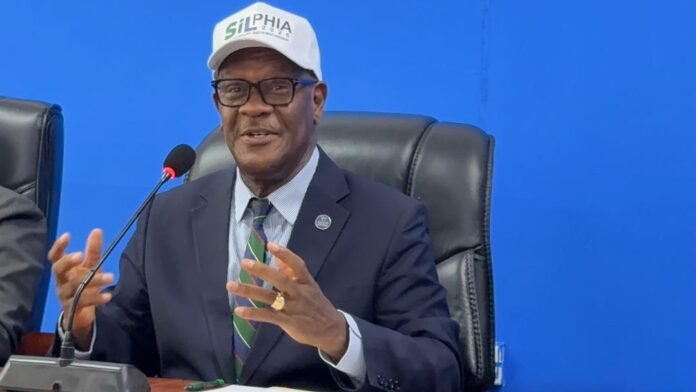
Minister of Health, Dr. Austin Hinga Demby

By Foday Moriba Conteh

The Minister of Health, Dr. Austin Hinga Demby, on Wednesday, 18th March 2026, engaged representatives from the media and Civil Society Organizations in a comprehensive dialogue on ongoing reforms and achievements in Sierra Leone’s health sector.

The meeting, organized by the Ministry of Health, provided an opportunity for the Minister to update stakeholders on key healthcare transformations and respond to public concerns regarding service delivery across the country.

During the engagement, Dr. Austin Hinga Demby outlined significant progress made over the past five years, highlighting expanded medical training, improved energy supply to health facilities, enhanced diagnostic services and strengthened logistics systems as central to the Government’s drive toward achieving universal health coverage.

He reported that national vaccination coverage has remained consistently high, while 11 hospitals across the country are now equipped with on-site oxygen plants; an improvement he described as critical to supporting neonatal, maternal and emergency care services.

The Minister also emphasized ongoing efforts to make health facilities energy-independent. According to him, about 380 facilities have already been transitioned to alternative energy sources, with a long-term target of reaching between 1,600 and 2,000 facilities by 2030 to ensure uninterrupted medical services.

A key component of the reforms, he said, is the strengthening of the healthcare workforce through increased medical training and specialist development. Dr. Austin Hinga Demby disclosed that the number of locally trained medical graduates has increased from about 30 annually to 90 last year, with projections of 250 graduates this year and 350 next year.

He further revealed that a new medical school building with the capacity to accommodate up to 1,000 students is being developed, alongside a West African board-certified postgraduate training programme aimed at boosting specialist retention and reducing reliance on overseas training. Currently, between 120 and 150 resident doctors are enrolled in specialist programmes in areas such as obstetrics, surgery and psychiatry.

On infrastructure development, Dr. Dr. Austin Hinga Demby highlighted ongoing renovations of hospitals, installation of advanced diagnostic equipment and construction of new healthcare facilities across the country. He cited the installation of a high-performance CT scanner at Connaught Hospital and disclosed plans for the construction of a 300-bed state-of-the-art hospital in the Western Area.

Additional projects include the construction of 100-bed hospitals in Wayamba and Kipujo, as well as the development of specialized maternal and pediatric centres of excellence aimed at improving quality care for mothers and children.

The Minister also spoke about efforts to modernize emergency response services, noting that ambulances are being integrated into a digital dispatch system designed to improve response times through better coordination of vehicles, trained personnel, fuel supply and hospital linkages.

He disclosed that a new pharmaceutical-grade warehouse is currently under construction to improve the storage of medicines and medical equipment, addressing past challenges related to drug preservation and quality control.

On personnel management, Dr. Austin Hinga Demby explained that the Ministry has introduced a digital recruitment portal that processed about 9,000 applications for approximately 3,000 positions. He added that a planned field verification exercise will ensure that all Government payroll recipients are present and qualified for their roles.

Despite those gains, the Minister acknowledged ongoing financial constraints in the health sector. He revealed that per-capita health spending currently stands at approximately $46, with about $7 coming directly from Government resources most of which is allocated to staff salaries.

Dr. Austin Hinga Demby called for increased domestic financing through targeted taxes and health insurance schemes while maintaining support from international partners.

He stressed that accountability remains central to the Ministry’s operations, confirming that authorities are investigating the disappearance of 18 portable ultrasound machines discovered missing during stock reconciliation.

Describing the matter as an anti-corruption issue, the Minister reaffirmed the Government’s zero-tolerance policy toward misuse of public resources and called for public cooperation as investigations continue.

He concluded by emphasizing the importance of collaboration with journalists and Civil Society Organizations, whom he described as critical partners in strengthening transparency and improving healthcare delivery nationwide.
…“I Don’t Have Cancer” President Bio Breaks Silence on Eid-ul-Fitr, Reassures Nation, Emphasizes Unity and Faith

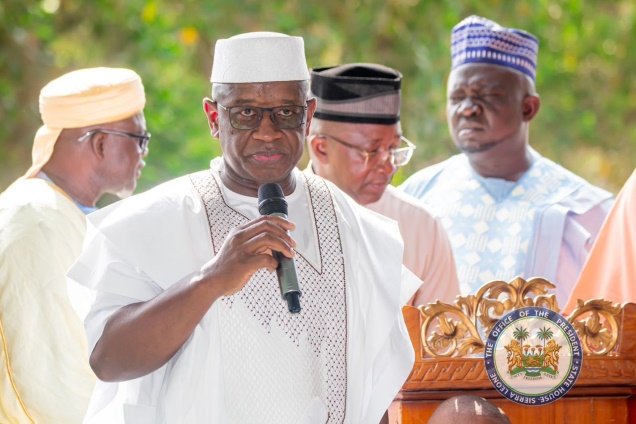
President Dr. Julius Maada Bio

 By Amin Kef (Ranger)

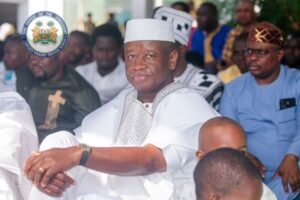
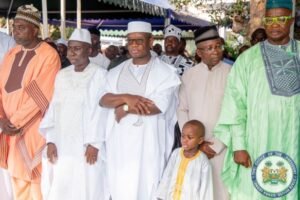
President Dr. Julius Maada Bio has firmly dismissed widespread rumours suggesting he is battling cancer, assuring the nation that his recent weight loss is intentional and not linked to any illness. The President made the clarification on Friday, 20 March 2026, during Eid-ul-Fitr prayers held at the Presidential Lodge on Hill Station, where he joined Muslims across the country to mark the end of the Holy Month of Ramadan.

Addressing growing public speculation about his health, President Bio spoke candidly to worshippers and the wider public, putting to rest weeks of concern fueled largely by social media discussions surrounding his physical appearance.

“People have been claiming I’ve been diagnosed with cancer because of my weight loss. Insha’Allah, God will not give me cancer. I will only return to God when He calls me; no one in this world can decide that,” the President stated.

He emphasized that his weight loss was a personal decision aimed at improving his health and well-being, and not the result of any medical condition. His remarks were met with relief by many supporters and observers who had expressed concern over his visibly slimmer frame in recent months.

The President’s public response marks the first time he has directly addressed the rumours, which had gained traction in both political circles and online platforms. By confronting the speculation head-on, he sought to reassure citizens of his fitness to lead and to dispel misinformation surrounding his health.

The clarification came within the broader context of Eid-ul-Fitr celebrations, a significant event in the Islamic calendar marking the conclusion of Ramadan; a month of fasting, prayer and spiritual reflection observed by Muslims worldwide.

President Bio, accompanied by First Lady Fatima Maada Bio, hosted members of the Muslim community, religious leaders and senior Government officials at the Presidential Lodge for prayers and fellowship. The gathering reflected Sierra Leone’s enduring tradition of religious tolerance and unity among its diverse population.

Delivering the Eid sermon, Sheikh Umar Chernor Bangura underscored the importance of faith, trust in God and national unity. He described fasting during Ramadan as an act of obedience to Allah and a demonstration of spiritual discipline, while urging Sierra Leoneans to embrace peace, love and coexistence irrespective of religious or ethnic differences.

The Imam also called on citizens to pray for national leaders, noting that the success of leadership is closely tied to the progress and stability of the nation. He commended President Bio for his continued engagement with the Muslim community, particularly for opening the Presidential Lodge for prayers and Iftar throughout Ramadan.

In his Eid message, President Bio extended warm greetings to Muslims across Sierra Leone and beyond, highlighting the importance of unity and collective responsibility in nation-building.

“Eid Mubarak! Today, we stand in solidarity with our Muslim brothers and sisters to celebrate the completion of Ramadan. I wish all families a blessed Eid filled with love and happiness. May our collective prayers for the nation be accepted,” he said.

Reflecting on his personal background, the President shared a touching account of his upbringing, noting that although he is a Christian, his mother was a devoted Muslim who often took him to the mosque during his childhood. He said that experience instilled in him a deep respect for Islam and reinforced his commitment to promoting interfaith harmony in Sierra Leone.

President Bio reiterated that the values demonstrated during Ramadan, discipline, sacrifice, compassion and mutual respect, are essential pillars for strengthening national cohesion and advancing development.

“The end of Ramadan is not only a time of celebration but also a moment for renewed commitment to our shared values as a nation,” he noted.

First Lady Fatima Maada Bio also addressed the gathering, expressing appreciation to the Muslim community and religious leaders for their dedication throughout the Holy Month. She thanked the President for making the Presidential Lodge accessible for prayers and commended the role of religious leaders in fostering unity and moral guidance.

She concluded with prayers for Allah to accept the fasting and عبادات (acts of worship) of the faithful, while encouraging continued solidarity among Sierra Leoneans.

The Eid-ul-Fitr event brought together a broad cross-section of society, including Government officials, clerics and community members, symbolizing a shared commitment to peace, inclusiveness and national progress.

President Bio’s appearance at the event, coupled with his direct engagement on the issue of his health, is expected to ease public concern and reaffirm confidence in his leadership. Despite the recent rumours, there has been no official medical report indicating any serious health condition and the President continues to carry out his duties.

Sierra Leone celebrates Eid-ul-Fitr with a clear message from its leadership: unity, faith and resilience remain essential to sustaining peace and advancing national development.

Orange Sierra Leone Spreads Ramadan Solidarity with Nationwide Ramadan Iftar Outreach

By Ibrahim Sesay

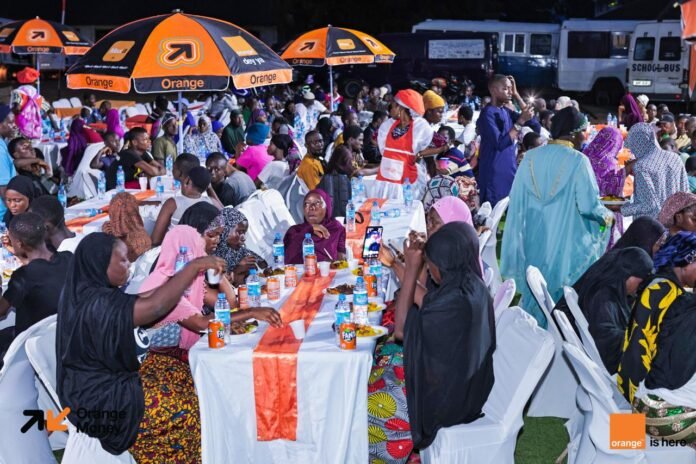
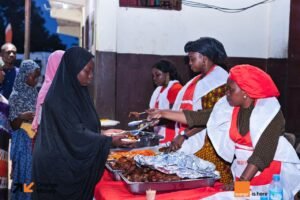
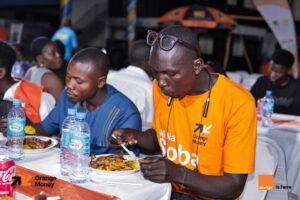
As the Holy Month of Ramadan ended on Friday, 20 March 2023, by inspiring compassion, reflection and unity, Orange Sierra Leone deepened its community engagement, during the period, through a nationwide Jamah Sunakati (Iftar) initiative, bringing people together across Freetown and key provincial cities.

Ramadan, a sacred period observed by Muslims worldwide, was marked by fasting, prayer, charity and spiritual renewal. It was also a time that emphasized generosity, empathy and togetherness; values that resonate strongly within Sierra Leone’s diverse and closely knit society.

In observance of those values, Orange Sierra Leone organized a series of Iftar gatherings at the Goderich Central Mosque and Comfortee School in Calaba Town, Freetown. The initiative was further extended to regional communities, including Bo, Lunsar, Kabala and Kono, ensuring that the message of unity and shared humanity reached across the country.

The events brought together community members, religious leaders, youth groups and representatives of Orange Sierra Leone in an atmosphere defined by warmth, gratitude and mutual respect. As the call to prayer signaled the breaking of the fast, Muslims and Christians alike sat side by side to share meals; an enduring reflection of Sierra Leone’s longstanding tradition of interfaith harmony.

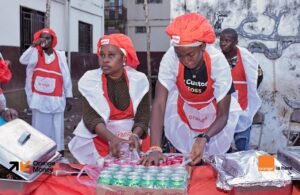
Beyond the symbolic act of breaking the fast, the initiative embodied the deeper meaning of Ramadan; serving others and strengthening communal bonds. A notable highlight was the active involvement of Orange Sierra Leone’s leadership, including the Chief Executive Officer, Chief Marketing Officer and staff members, who worked alongside local volunteers to prepare and serve meals. Their hands-on participation underscored a commitment that extends beyond corporate responsibility to genuine community partnership.

For many beneficiaries, the gesture carried significant meaning.

“This gesture from Orange Sierra Leone means more than just a meal; it shows true partnership with the community. During Ramadan, such acts remind us that we are not alone; we are supported and valued,” said Alhaji Mohamed Jalloh, an elder at the Goderich Central Mosque.

A resident of Calaba Town, Aminata Conteh, echoed similar sentiments, noting that the initiative reinforced the spirit of togetherness central to Ramadan.

“Ramadan is a time of reflection, sacrifice and unity. Seeing a company like Orange Sierra Leone join us, serve alongside us and share in this sacred moment strengthens our belief in the power of togetherness. We are deeply grateful,” she said.

The Jamah Sunakati initiative highlights Orange Sierra Leone’s broader commitment to social cohesion and community development. By aligning its outreach with the spiritual and cultural significance of Ramadan, the company continues to position itself not only as a telecommunications provider but also as a partner in national unity and progress.

Commenting on the initiative, the Head of Strategic Marketing and Communication at Orange Sierra Leone, Philip Emeh, emphasized the importance of meaningful engagement during the Holy Month.

“Ramadan teaches us the values of compassion, generosity and solidarity. At Orange Sierra Leone, we believe in standing with our communities not only through our products and services, but through actions that bring people together and uplift lives. It is an honour for us to share in these moments of reflection and unity,” he stated.

As Ramadan has now ended, the initiative served as a powerful reminder of the importance of collective goodwill and the need to nurture connections across communities.

Orange Sierra Leone also extended its heartfelt wishes for a peaceful and progressive nation. It ended by stating that “Orange Is Here! Here for Good!”

“We Can’t Close Ramadan Without Unity” – SLCAA Hosts Memorable Iftar in Freetown

By Amin Kef (Ranger)

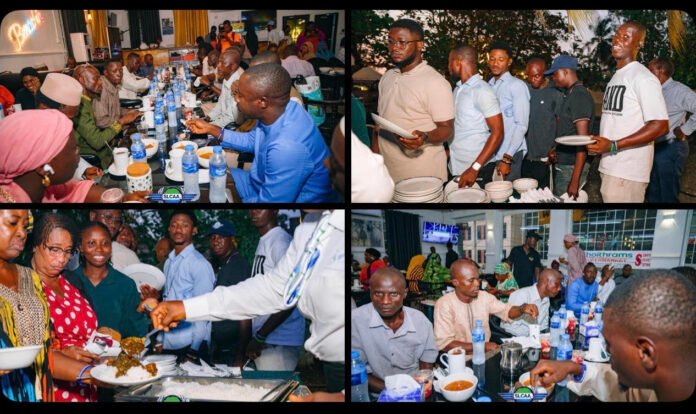
The Director General of the Sierra Leone Civil Aviation Authority (SLCAA), Madam Musayeroh Barrie, has underscored the importance of unity, compassion and institutional progress during the Holy Month of Ramadan, as the Authority hosted a memorable Iftar for staff across its Freetown and Lungi offices.

Speaking on the initiative held on Tuesday, March 17, 2026, Madam Musayeroh Barrie emphasized the significance of togetherness during the sacred period. “We can’t close out Ramadan without coming together as one family,” she stated, describing the gathering as a moment of reflection, unity and shared blessings among staff.

The Iftar forms part of a broader series of humanitarian efforts led by the SLCAA Director General during Ramadan. In a related gesture, Madam Musayeroh Barrie recently extended charitable support to Muslim communities in Lungi through the donation of essential food items to several mosques. The initiative, carried out on February 28, 2026, was widely welcomed by religious leaders and community members.

Beneficiaries described the donation as both timely and impactful, noting that it reflects a leadership style grounded in empathy and social responsibility. Community leaders further commended Madam Musayeroh Barrie for recognizing the needs of worshippers during a spiritually significant time marked by fasting, prayer and charity.

Expressing her appreciation for the opportunity to give back, Madam Musayeroh Barrie remarked, “During this blessed month of Ramadan, I was humbled to donate food items to various Masjids in Lungi. Giving back to our communities remains a shared responsibility. May Allah continue to bless and unite us all. Ramadan Mubarak.”

Beyond her community engagements, Madam Musayeroh Barrie continues to drive critical reforms within Sierra Leone’s civil aviation sector. Since her appointment in 2023, she has led strategic efforts aimed at modernizing regulatory systems and strengthening the country’s position within global aviation governance frameworks.

Sierra Leone has remained on the European Union Air Safety List since 2008, largely due to concerns surrounding regulatory oversight and compliance with international safety standards. However, under her leadership, the SLCAA has developed a structured and results-oriented roadmap in collaboration with European aviation authorities to address those concerns.

The reform agenda focuses on enhancing safety oversight mechanisms, strengthening inspector training, building institutional capacity and ensuring full compliance with standards set by the International Civil Aviation Organization (ICAO). Notably, two high-level engagements with the EU Safety Commission have already established clear benchmarks and timelines, signaling measurable progress.

Aviation experts observe that the EU restriction is primarily linked to regulatory oversight capacity rather than operational shortcomings of individual airlines. Consequently, the SLCAA’s emphasis on institutional strengthening is regarded as a crucial step toward eventual removal from the blacklist.

In parallel with regulatory reforms, Sierra Leone is also expanding its air connectivity through strategic partnerships with regional and international carriers. Ongoing certification processes are expected to further enhance transparency, boost investor confidence and improve operational standards across the aviation sector.

Madam Musayeroh Barrie’s leadership has also attracted international recognition. She was selected as a panelist for a high-level global aviation webinar hosted by the Singapore Aviation Academy in collaboration with Women in Aviation Singapore. The forum examined aviation’s role in promoting sustainable development and inclusive economic growth.

Observers note that her participation alongside global aviation experts reflects growing international confidence in Sierra Leone’s reform trajectory and regulatory credibility.

As the first female and youngest Director General of the SLCAA, Madam Musayeroh Barrie continues to demonstrate a balanced leadership approach that integrates technical reform with inclusive community engagement. Her efforts, ranging from advancing aviation safety standards to supporting communities during Ramadan, highlight a commitment to both institutional excellence and national cohesion.

With reforms gaining momentum and international partnerships strengthening, Sierra Leone’s aviation sector appears increasingly positioned for enhanced global integration, improved regulatory credibility and sustainable growth under her stewardship.

Shalimar Trading Expands Impact with TVS Motorcycles, Creating Jobs Nationwide

Shalimar Trading Company Limited is increasingly being recognized as a key contributor to job creation and economic expansion in Sierra Leone, as it continues to strengthen the country’s transport and mobility sector through the supply of reliable vehicles and machinery.

Established in 2003, the company has grown into one of Sierra Leone’s leading automobile distributors and serves as the exclusive distributor of motorcycles and three-wheelers manufactured by TVS Motor Company. Over the years, Shalimar Trading has positioned itself at the centre of a rapidly expanding informal transport industry that provides livelihoods for thousands of citizens.

Industry experts note that motorcycles have become a backbone of Sierra Leone’s transport system, particularly in areas where conventional public transportation remains limited. Commercial riders depend heavily on durable and fuel-efficient motorbikes to transport passengers and goods, making mobility more accessible across both urban and rural communities.

Among the most widely used models is the TVS Star HLX series, known for its strength, affordability and adaptability to challenging road conditions. These motorcycles, available in engine capacities ranging from 100cc to 150cc, are widely favored by commercial riders who rely on them for daily income generation.

Beyond motorcycles, Shalimar Trading has also played a pivotal role in expanding the three-wheeler transport sector through the distribution of the TVS King Deluxe passenger tricycle, popularly known as “kekeh.” This mode of transport has become a dominant feature in cities and towns, providing employment for drivers while offering commuters a convenient and relatively affordable means of travel.

The company’s impact extends further with the introduction of the TVS King Cargo model, which is increasingly being used by traders and small-scale entrepreneurs for the transportation of goods. This has enhanced business efficiency and supported the growth of micro, small and medium-sized enterprises across the country.

In addition to its motorcycle and tricycle portfolio, Shalimar Trading distributes a range of internationally recognized automobile brands. As an authorized dealer of Suzuki vehicles, the company supplies models such as the S-Presso and the Jimny, catering to both private and commercial users. It also provides Isuzu vehicles, widely used in the commercial transport sector.

The company’s involvement in the heavy-duty segment includes the distribution of trucks and buses manufactured by Ashok Leyland. These vehicles play a vital role in logistics, construction and inter-city transportation, further supporting economic activities nationwide.

Shalimar Trading has also made notable contributions to the agricultural sector through the supply of Sonalika tractors and farming equipment. Machinery such as the Solis 60 and S90 tractors are helping to promote mechanized farming, improve productivity and create additional employment opportunities within rural communities.

Complementing its distribution operations, the company provides genuine spare parts, including Bridgestone tyres and Exide or Amco batteries, ensuring durability and long-term value for customers.

Its network of showrooms and service centres across Freetown, including locations at Lumley, Wilkinson Road, Bai Bureh Road and Siaka Stevens Street, has created jobs for mechanics, technicians, sales agents and administrative staff. Those facilities have also contributed to the development of skilled manpower within the automobile industry.

While discussions continue around its dominant presence in the three-wheeler market, Shalimar Trading’s contribution to mobility, employment and enterprise development remains significant.

With transportation remaining a critical driver of economic activity, the company’s sustained investment in vehicles, service infrastructure and agricultural machinery positions it as a major force in Sierra Leone’s growth and development trajectory.

Tony Elumelu Foundation Set to Unveil 2026 Cohort on Sunday as CEO Somachi Chris-Asoluka Engages African Media

Tony Elumelu Foundation

By Amin Kef Sesay

The Tony Elumelu Foundation (TEF) is set to officially unveil its 2026 cohort of young African entrepreneurs on Sunday, March 22, 2026, following a high-level virtual media parley held on Saturday, March 21. The engagement, hosted via Zoom, was led by the Foundation’s Chief Executive Officer, Somachi Chris-Asoluka, who provided key insights into this year’s selection process, programme impact, and the broader vision for entrepreneurship development across Africa.

Welcoming journalists from across the continent, Chris-Asoluka described the TEF Entrepreneurship Programme as a transformative platform that continues to unlock opportunities for young Africans, enabling them to build sustainable businesses and contribute meaningfully to economic growth.

She revealed that the 2026 cohort comprises approximately 3,200 entrepreneurs selected from an impressive pool of over 265,000 applicants across Africa. According to her, the overwhelming number of applications underscores both the rising entrepreneurial drive among African youth and the persistent financing gap that continues to limit the growth of small and medium enterprises on the continent.

“This level of interest shows that Africa is rich in ideas and innovation,” she stated. “But it also highlights the urgent need for more support systems and investments to empower these entrepreneurs to succeed.”

The TEF Entrepreneurship Programme, founded in 2015 by renowned African business leader Tony O. Elumelu, provides beneficiaries with $5,000 in non-refundable seed capital, business training, mentorship, and access to a vast network of entrepreneurs and investors. Over the years, the Foundation has trained millions, funded tens of thousands of businesses, and supported job creation across multiple sectors, positioning itself as a leading force in Africa’s entrepreneurial ecosystem.

Chris-Asoluka emphasized that the Foundation’s impact goes beyond financial assistance, focusing on building long-term capacity and fostering an enabling environment for innovation. She noted that strategic partnerships with governments, development institutions, and private sector players have significantly expanded the programme’s reach and effectiveness.

The interactive session also offered journalists the opportunity to engage directly with the CEO, with questions ranging from regional inclusion to sectoral priorities and future expansion plans.

Among the contributors was Amin Kef Sesay, Managing Editor of The Calabash Newspaper, who raised critical questions regarding Sierra Leone’s participation in the programme. He sought clarity on the number of beneficiaries from Sierra Leone and the sectors they represent, as well as whether there are plans to increase support or investment in smaller markets like Sierra Leone. He further inquired about opportunities for Sierra Leonean media to amplify the success stories emerging from the TEF initiative.

Responding to these questions, Chris-Asoluka reaffirmed the Foundation’s commitment to inclusivity across all African countries, noting that beneficiaries are selected through a merit-based and transparent process. While she did not provide specific figures for Sierra Leone during the session, she assured that entrepreneurs from smaller markets are well represented and span diverse sectors such as agriculture, technology, healthcare, education, and renewable energy.

She further disclosed that the Foundation is actively exploring ways to deepen its impact in underserved markets, including strengthening partnerships that will enable increased funding, training, and visibility for entrepreneurs in countries like Sierra Leone.

On the role of the media, the CEO underscored the importance of collaboration with journalists and media institutions across Africa. She encouraged Sierra Leonean media practitioners to actively engage with TEF in telling authentic and compelling stories of entrepreneurial success.

“The media is a powerful partner in shaping narratives,” she said. “By amplifying these stories, you not only celebrate innovation but also inspire others and attract investment into local ecosystems.”

The question-and-answer session, which climaxed the event, was widely described as insightful and engaging, reflecting the growing interest of African media in entrepreneurship and development issues.

Industry observers note that the TEF programme continues to play a vital role in addressing youth unemployment and fostering inclusive economic growth across Africa. With thousands of new entrepreneurs set to be unveiled, the 2026 cohort is expected to introduce innovative solutions capable of driving progress in key sectors critical to the continent’s future.

As anticipation builds ahead of the official announcement, the Tony Elumelu Foundation remains steadfast in its mission to empower African entrepreneurs and transform the continent through entrepreneurship, reinforcing the belief that Africa’s greatest resource lies in the potential of its people.


Bio, Boakai & Doumbouya Seal Historic Peace Deal on Border Cooperation at Tripartite Summit

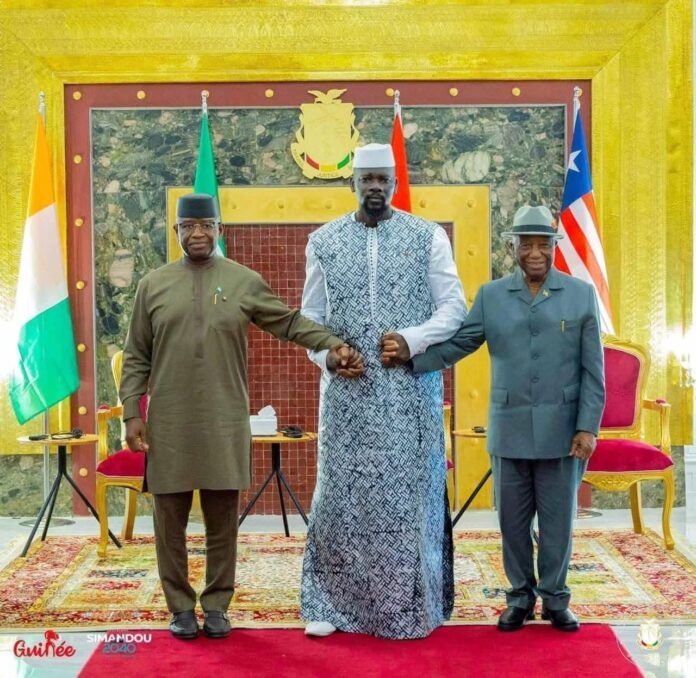
President Julius Maada Bio of Sierra Leone joined President Joseph Nyuma Boakai of Liberia and President Mamadi Doumbouya of Guinea

By Amin Kef (Ranger)

In a decisive demonstration of leadership and regional unity, the Presidents of Guinea, Liberia and Sierra Leone have reaffirmed their commitment to peaceful coexistence and strengthened border cooperation following a high-level tripartite summit held in Conakry on Monday, 16 March 2026. The meeting brought together President Mamadi Doumbouya of the Republic of Guinea, President Joseph Nyuma Boakai of the Republic of Liberia and President Julius Maada Bio of the Republic of Sierra Leone, with Côte d’Ivoire participating as an observer, at a time when rising tensions along their shared borders threatened stability within the Mano River Union.

The summit came against the backdrop of growing security concerns in key border areas, including the long-disputed Yenga region between Sierra Leone and Guinea and reported incursions along the Liberia–Guinea frontier in Lofa County. These incidents heightened fears of escalation and disrupted local communities, prompting urgent calls for diplomatic intervention. In response, the three leaders chose dialogue over confrontation, signaling a shared resolve to preserve peace through cooperation and mutual respect.

At the centre of the discussions was President Julius Maada Bio, who also serves as Chairman of the Authority of Heads of State and Government of the Economic Community of West African States (ECOWAS). He emphasized unity and peaceful engagement, stating that, “At the conclusion of the Tripartite Summit on border disputes held in Conakry, we, the Leaders, reaffirmed our shared commitment to maintaining stability along our borders, promoting security cooperation and strengthening the bonds of neighborliness among our three nations.” President Julius Maada Bio also commended President Joseph Nyuma Boakai and President Mamadi Doumbouya for the openness and camaraderie that characterized the discussions.

In a joint communiqué, the leaders expressed concern over rising global conflicts and reaffirmed their respect for sovereignty, territorial integrity and good neighbourliness. They agreed that all border disputes would be resolved through peaceful diplomatic means in line with Article 33 of the United Nations Charter, rejecting any form of military escalation. To support this, they announced the establishment of joint technical commissions to address border delimitation, management and security coordination.

Concrete steps toward de-escalation were also recorded, with Guinea announcing a progressive easing of its defence posture along its borders with Sierra Leone and Liberia, as confirmed in Communiqué No. 003 issued by General Ibrahima Sory Bangoura, Chief of the General Staff of the Guinean Armed Forces. The move has been widely seen as a confidence-building measure aimed at restoring calm while maintaining national security.

The leaders further agreed to strengthen collaboration among their defence and security institutions to tackle emerging threats such as terrorism, transnational organized crime and trafficking through joint patrols, intelligence sharing and improved communication channels. They also highlighted the importance of linking peace with development, committing to enhanced cooperation in trade, infrastructure, energy and environmental protection, alongside facilitating the free movement of people, goods and services across their borders.

To prevent future tensions, relevant national agencies were directed to intensify engagement, promote dialogue among border communities and work with regional and international partners to clarify and demarcate both territorial and maritime boundaries. The Presidents also agreed to convene a broader Mano River Union summit within one month to sustain dialogue and advance regional peace and development.

President Mamadi Doumbouya’s role as host reflected a shift toward diplomacy, while President Joseph Nyuma Boakai emphasized the protection of border communities and peaceful conflict resolution. For Sierra Leone, President Julius Maada Bio’s leadership further reinforces the country’s growing influence as a stabilizing force in West Africa.

The outcomes of the Conakry summit signal a renewed commitment to the founding ideals of the Mano River Union and offer hope for affected communities seeking a return to normalcy. More broadly, the meeting stands as a strong reminder that dialogue, trust and collective action remain the most effective tools for safeguarding peace and advancing regional progress.

President Julius Maada Bio of Sierra Leone joined President Joseph Nyuma Boakai of Liberia and President Mamadi Doumbouya of Guinea President Julius Maada Bio of Sierra Leone joined President Joseph Nyuma Boakai of Liberia and President Mamadi Doumbouya of Guinea

Minister Hands Over Land Titles to Affected Residents Under Angola Town Water Supply Project

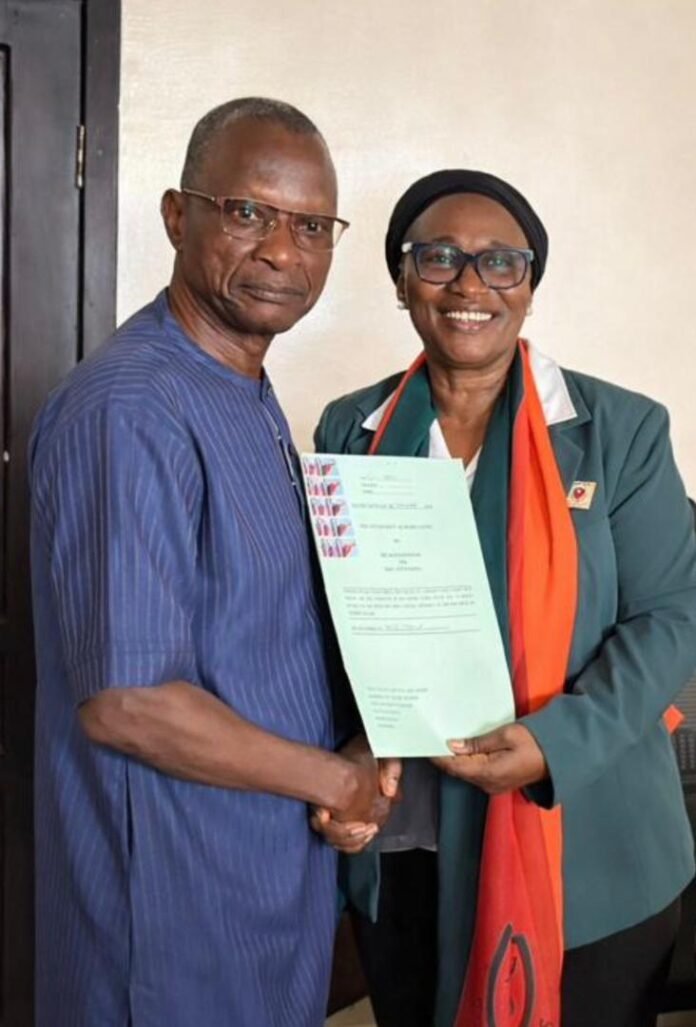
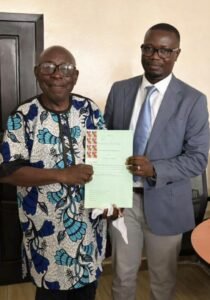
Minister (right) Hands Over Land Titles to Affected Residents Under Angola Town Water Supply Project

By Isatu Sankoh

The Minister of Water Resources and Sanitation, Dr. Hannah Isatta Sao-Kpato Macarthy, has officially handed over land title documents to eleven Project Affected Persons (PAPs) whose properties were impacted during the implementation of the Angola Town Water Supply Project, in a significant step toward completing the resettlement and compensation process.

The ceremony, held on Thursday, March 12, 2026, at the Ministry’s headquarters in Freetown, marked a key milestone under the Angola Town Water Supply System, implemented by the Guma Valley Water Company as part of the Freetown WASH and Aquatic Environment Revamping Project (WASHAERP).

Welcoming stakeholders to the event, the Permanent Secretary of the Ministry of Water Resources and Sanitation, Alie Bakarr Conteh, described the occasion as a clear demonstration of Government’s commitment to responsible infrastructure development and fair treatment of citizens affected by national projects. He emphasized that the handing over of land titles reflects adherence to due process and respect for the rights of affected communities.

Providing an overview of the initiative, the Managing Director of the Guma Valley Water Company, Ing. Mariwan Kallon, explained that the Angola Town Water Supply Project was conceived to address the increasing demand for potable water in the capital.

He noted that the Guma Dam, constructed in the 1960s to serve a population of approximately 500,000 people, is now under significant strain as Freetown’s population has expanded to nearly two million residents. According to him, the new water supply system is designed to ease that pressure and ensure reliable access to safe drinking water.

“The Angola Town Water Supply System will provide consistent and dependable water supply to over 70,000 residents across communities such as Angola Town, Adonkia, Ogoo Farm, Lakka and Hamilton,” Ing. Mariwan Kallon stated.

He further stressed that while development projects may have temporary impacts on individuals and communities, the Government has taken deliberate and responsible steps to ensure that all affected persons are fairly compensated.

“Because we have a responsible Government under the leadership of His Excellency President Dr. Julius Maada Bio, due diligence has been undertaken to ensure that those affected by the project are properly compensated. Beneficiaries have now received authentic land title documents, enabling them to regain ownership and security,” he said.

Speaking on behalf of the Project Affected Persons, Musa Turay expressed appreciation to the Government and implementing agencies for what he described as a major achievement in the resettlement process.

“On behalf of all PAPs, I want to thank the Ministry and the Guma Valley Water Company for the efforts made to reach this important stage,” he said.

He, however, appealed for the swift processing of land allocations for the remaining 18 affected individuals and sought assurances that those relocated to Mile 6 would not face future displacement.

Delivering the keynote address, Dr. Hannah Isatta Sao-Kpato Macarthy underscored the sensitivity of land-related matters, noting that land remains one of the most valuable assets in Sierra Leonean society.

“Anything that has to do with land is very sensitive. As a Government, we recognize the importance of protecting people’s rights and ensuring fairness in all resettlement processes,” she stated.

The Minister explained that the relocation exercise was conducted in line with Government’s commitment to human rights and environmental sustainability, particularly the protection of the Western Area Peninsula National Park, which serves as the primary water catchment area for Freetown.

“The Western Area Peninsula National Park is the main source of water supplied to the capital by Guma. While development may necessitate relocation, it must always be carried out with a human face, ensuring dignity and respect for those affected,” she said.

Dr. Hannah Isatta Sao-Kpato Macarthy assured beneficiaries that Government remains fully committed to resolving all outstanding resettlement concerns.

“Government is determined to ensure that every PAP who lost land will be allocated new land, even if in a different location. Today, we are presenting titles to eleven beneficiaries and the remaining individuals will receive theirs once processing is completed. This Government believes in ‘talk and do,’” she affirmed.

She further reassured beneficiaries that lands allocated at Mile 6 would appreciate in value as urban expansion continues beyond Freetown, offering long-term benefits to relocated families.

The event was attended by several key stakeholders, including the Deputy Minister of Water Resources and Sanitation, Ing. Alpha Kallon; Board Member of the Guma Valley Water Company, Lucretia Sheriff; Deputy Managing Director of the Guma Valley Water Company, Prince Moore-Sourie; as well as senior officials and staff of both the Ministry and the utility company.

The ceremony underscores the Government of Sierra Leone’s ongoing efforts to expand access to safe and reliable water supply while ensuring that citizens affected by development projects are treated with fairness, transparency and dignity.

Coalition of Civil Society and Human Rights Activists Recognize Chief Electoral Commissioner, Calls for Stronger Democratic Collaboration

By Ibrahim Sesay

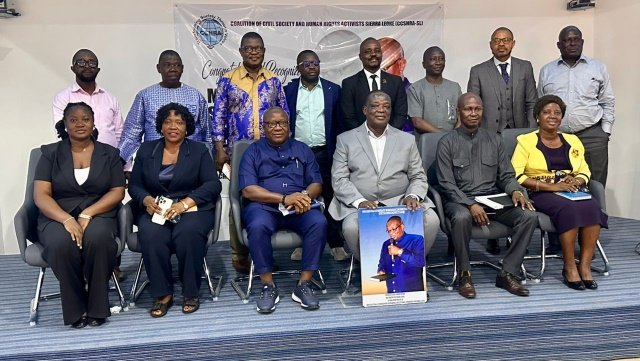
The Chief Electoral Commissioner and Chairman of the Electoral Commission for Sierra Leone (ECSL), Edmond Sylvester Alpha, on Monday, March 16, 2026, received a delegation from the Coalition of Civil Society and Human Rights Activists in Sierra Leone at the Commission’s Penthouse Headquarters in Tower Hill, Freetown. The delegation, led by its Chairman, Charles Mambu, paid a courtesy visit to formally congratulate and recognize Edmond Sylvester Alpha following his recent appointment to the country’s top electoral office.

The visit marked one of the first major engagements between the newly appointed Chief Electoral Commissioner and organized civil society groups since his swearing-in earlier this month. Members of the coalition described the meeting as a demonstration of their commitment to supporting democratic institutions and strengthening cooperation between Civil Society and the Electoral Commission.

Edmond Sylvester Alpha was appointed Chief Electoral Commissioner by His Excellency President Dr. Julius Maada Bio in February 2026, following consultations conducted in accordance with Section 32(3) of the 1991 Constitution of Sierra Leone. His appointment was subsequently approved by Parliament before he formally subscribed to the oath of office at State House on Tuesday, March 3, 2026.

During the engagement at the ECSL headquarters, the Coalition of Civil Society and Human Rights Activists reiterated its earlier message of congratulations and expressed confidence in the ability of Edmond Sylvester Alpha to lead the Commission at a critical time in Sierra Leone’s democratic journey.

Reading the coalition’s official position statement, its Chairman, Charles Mambu, said the group had gathered at the Commission’s headquarters to “sincerely and faithfully congratulate and recognize the country’s new Chief Electoral Commissioner and Chairman of the Electoral Commission for Sierra Leone.”

According to him, the coalition believes that Edmond Sylvester Alpha possesses the necessary spiritual, academic and professional qualities required for the demanding role.

“We are congratulating you because we are firmly convinced that you are spiritually, academically and professionally qualified for the position as Chief Electoral Commissioner and Chairman of the Electoral Commission for Sierra Leone,” Charles Mambu stated.

He further noted that the appointment process and parliamentary vetting of Edmond Sylvester Alpha were conducted in line with the provisions of the 1991 Constitution, describing the process as a reflection of the country’s functioning democratic institutions.

Charles Mambu emphasized that sustaining democracy in Sierra Leone requires collective responsibility from all sectors of society. He observed that democracy carries what he described as a “heavy burden and price,” which must be borne jointly by citizens, Civil Society Organisations, public institutions and political actors.

“No democracy can thrive without a strengthened partnership and collaboration between democratic institutions and Civil Society Organisations,” he said, stressing that civil society has historically played a key role in protecting democratic values in Sierra Leone.

The coalition also reminded the Electoral Commission of the longstanding commitment of Civil Society Organisations to promoting democratic governance since the end of Sierra Leone’s civil war. According to the group, their activities over the years have focused on fostering national unity, encouraging peaceful participation in governance and promoting accountability in public institutions.

As part of its message, the coalition urged the Electoral Commission to continue implementing its mandate strictly within the provisions of the Constitution and relevant electoral regulations. The group also called on the Commission to maintain transparency and fairness in the administration of elections.

A key recommendation from the coalition was the adoption of an open-door policy that would encourage continuous dialogue between the Electoral Commission and all registered political parties. The coalition argued that such engagement is essential for strengthening multi-party democracy and ensuring that political stakeholders feel confident in the electoral process.

The group further called for an inclusive political culture in which all actors, political parties, Civil Society Organisations, Government institutions and citizens, work collaboratively to reinforce the country’s democratic foundations.

Responding to the coalition’s recognition and message of partnership, Chief Electoral Commissioner Edmond Sylvester Alpha expressed appreciation for the visit and acknowledged the important role played by Civil Society Organisations in Sierra Leone’s democratic landscape.

He described the recognition as meaningful, noting that Civil Society groups serve as critical watchdogs and defenders of democratic values.

“I am profoundly humbled by this recognition from the collective voice of our nation’s civil society, the very sentinels of our democracy,” Edmond Sylvester Alpha said.

He added that he accepted the recognition not as a personal honour but as an affirmation of the integrity and transparency of the processes that led to his appointment.

“My journey through the appointment process was a testament to the strength of our institutions and your presence here today lends immense credence to that success. For that, I am sincerely grateful,” he said.

Edmond Sylvester Alpha emphasized that the successful conduct of elections requires cooperation among multiple stakeholders, including political parties, Civil Society Organisations, the media and the security sector.

“To political parties, Civil Society, the media and the security forces, I offer a message of partnership for our democracy to be consolidated,” he stated. “We must all cultivate and manifest a deep understanding of forbearance, patience and trust in the process of administering elections.”

He also acknowledged the contributions of Civil Society Organisations in educating the public on electoral matters, noting that their efforts have helped reduce misinformation during previous election cycles.

Meanwhile, support for the newly appointed Chief Electoral Commissioner has also come from political parties. The People’s Movement for Democratic Change (PMDC) recently congratulated Edmond Sylvester Alpha on his appointment in a letter dated March 12, 2026.

In the letter, the National Chairman of the PMDC, speaking on behalf of the party’s leadership and membership, described the office of Chief Electoral Commissioner as a “critical national office” that carries significant responsibility for safeguarding the integrity of Sierra Leone’s electoral system.

The PMDC expressed confidence that under Edmond Sylvester Alpha’s leadership, the Electoral Commission would continue to uphold the principles of independence, transparency, fairness and professionalism in the conduct of elections.

“We trust that under your leadership, the Commission will continue to uphold the highest standards of independence, transparency, fairness and professionalism in the conduct of elections,” the letter stated.

The party also reaffirmed its willingness to maintain constructive engagement with the Electoral Commission in promoting peaceful and credible elections.

“The PMDC remains committed to constructive engagement with the Commission in promoting credible, peaceful and democratic elections that reflect the will of our nation,” the statement added.

Edmond Sylvester Alpha’s appointment earlier this year received endorsement from 12 of the 14 registered political parties in Sierra Leone, reflecting broad support across the country’s political spectrum.

Since assuming office, the Chief Electoral Commissioner has repeatedly assured citizens and political stakeholders that the Commission will operate strictly within the legal and constitutional frameworks governing elections. He has also reiterated his commitment to dialogue, transparency and constructive engagement with all political parties and democratic stakeholders in the country.

Foison Resources COO Recognized for Championing Life-Changing Project 200 Initiative

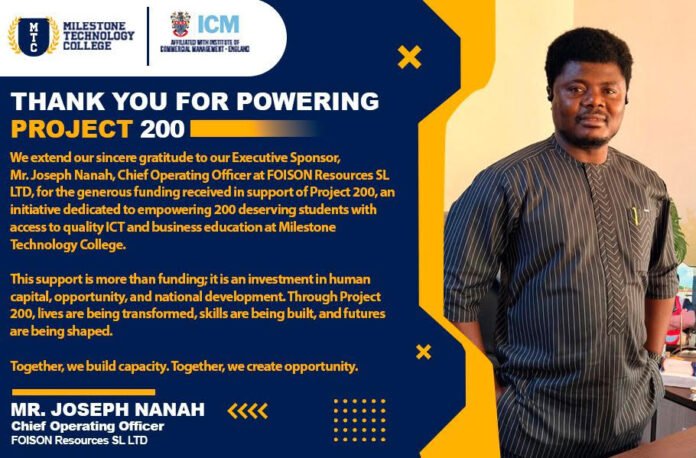
Foison Resources SL Limited has earned prestigious recognition from Milestone Technology College for its instrumental role in supporting Project 200, a groundbreaking initiative set to transform the lives of young people through education and skills development.

The honour was bestowed upon Mr. Joseph Nanah, Chief Operating Officer of Foison Resources SL Limited, who served as the Executive Sponsor of the project. The recognition reflects Mr. Nanah’s visionary leadership and unwavering support in advancing the objectives of Project 200.

The initiative will create a platform for 200 deserving students, providing them with access to high-quality training in ICT and business studies skills that have the potential to shape the course of their futures.

Project 200 stands as a powerful testament to a shared commitment to human capital development, equipping the next generation with practical knowledge and real-world competencies needed to take advantage of emerging opportunities.

Speaking on the initiative, Mr. Joseph Nanah stated that through bold investments such as Project 200, Foison Resources will continue to support communities while strengthening its reputation as a champion of education and community development.

He further emphasized that the company strongly believes investing in young people lays the foundation for a stronger and more prosperous society.

Maimunatu Bah
Public Relations Officer – Foison Resources SL Limited