
Sierra Leone has taken a decisive step to confront its growing English Language performance crisis, rallying national and international support to reverse declining academic outcomes and strengthen the country’s education system.
The alarm was sounded following the release of the 2025 West African Senior School Certificate Examination (WASSCE) results, which revealed a sharp drop in English Language pass rates. For many students, English remains a critical gateway to higher education, employment opportunities and meaningful participation in national development. The results therefore underscored a deeper systemic challenge that demanded urgent attention.
In response, the Ministry of Basic and Senior Secondary Education (MBSSE) convened a landmark two-day National Consultative Conference at the New Brookfields Hotel in Freetown from March 30–31, 2026. The conference marked a significant shift from concern to coordinated national action, bringing together key stakeholders across the education sector.
Held under the theme: “The English Language Performance Crisis: Addressing the Issues Impacting National Development,” the forum produced a comprehensive and actionable roadmap aimed at reversing the downward trend. The initiative aligns with the broader Human Capital Development agenda championed by Julius Maada Bio.
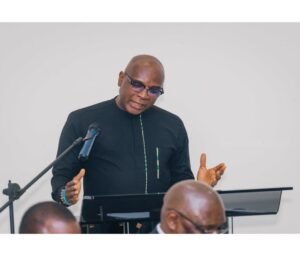
Delivering the keynote, Education Minister Conrad Sackey described the situation as a “foundational wound” that must be urgently addressed.
“Our most valuable resource is not minerals, but minds,” he stated. “We are not hiding from the numbers. We are owning them, analyzing them and transforming them into a concrete plan of action.”
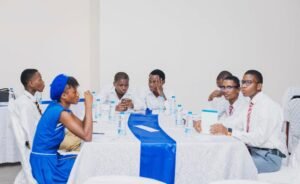
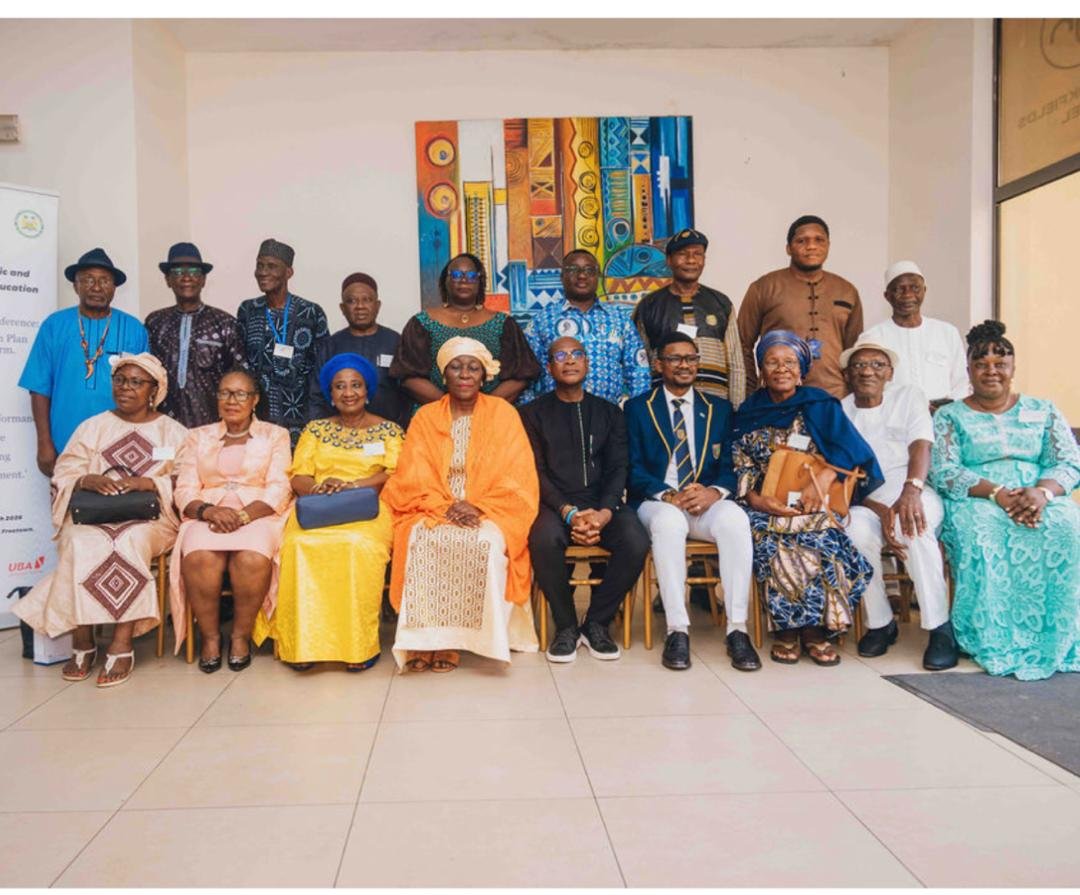
The conference drew an unprecedented coalition of Paramount Chiefs, education officials, teachers, students and development partners, including the West African Examinations Council (WAEC) and the Ministry of Technical and Higher Education (MTHE). Participants emphasized that meaningful reform would require collective ownership and sustained collaboration.
Data presented by WAEC highlighted significant regional disparities, with the Southern Region recording some of the lowest pass rates and Pujehun District identified as a critical intervention area. Even relatively stronger regions, including the Western Area, were cautioned against complacency.
Stakeholders traced the roots of the crisis to early-grade literacy gaps, citing a 2014 statistic indicating that 97.4 percent of Primary 2 pupils were unable to recognize a single letter sound. The findings reinforced the importance of strengthening foundational learning through initiatives such as the Government’s Free Quality School Education programme.
The roadmap developed at the conference is built on five key pillars: data-driven diagnosis, immediate remedial interventions, reforms to higher education admissions, long-term teacher development and strengthened monitoring and accountability systems.
A major focus was placed on supporting the “stranded” 2025 cohort; students who passed other subjects but failed English. Authorities disclosed that, in collaboration with MTHE, new pathways are being finalized to allow affected students to access tertiary education while undergoing intensive English language remediation.
As deliberations concluded, Minister Conrad Sackey issued a strong call to action, emphasizing the urgency and historic significance of the initiative.
“We are not here to make excuses. We are here to make history,” he declared.
Crucially, the private sector has emerged as a key partner in addressing the crisis. With the unwavering support of the Orange Foundation, HCD Plus, United Bank for Africa (UBA) and other partners, innovative interventions are already taking shape. Those include after-school learning programmes, digital education platforms and targeted teacher training initiatives designed to improve literacy outcomes nationwide.
Their involvement reflects a shared recognition that English proficiency is essential not only for academic success but also for economic growth and global competitiveness. By complementing Government efforts, those partners are helping to build sustainable solutions that can reach underserved communities and equip students with vital language skills.
With this broad-based coalition now in place, Sierra Leone is transforming a troubling examination outcome into a catalyst for reform. The roadmap emerging from the New Brookfields conference signals a renewed national commitment to rebuilding the foundations of education and ensuring that no student is left behind.