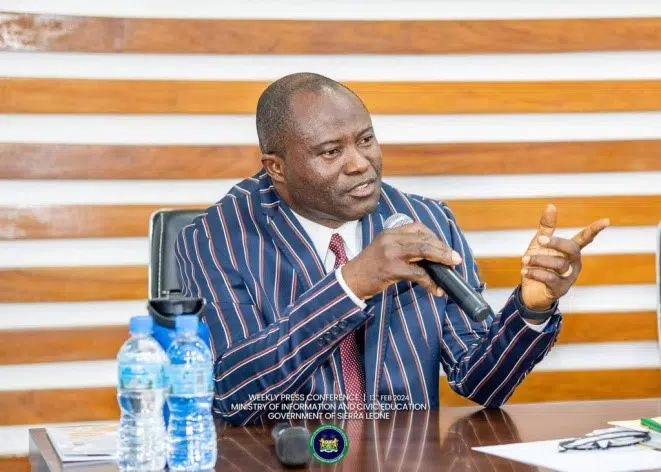
During the Tuesday February 13, 2024 Press Conference held by the Ministry of Information and Civic Education, the Minister of Works and Public Assets, Dr. Denis Sandy, announced a significant increase in toll gate fees on the Wellington-Masiaka route. That decision which will come into effect on March 1st, 2024, comes after prolonged negotiations with the China Railway Seven Group (CRSG), the company responsible for managing the toll road.
According to Dr. Denis Sandy, the rationale behind the increase stems from the considerable fluctuations in the exchange rate since 2017. He furthered that despite a substantial depreciation of the local currency against the US dollar, CRSG had maintained the same toll prices, leading to a severe financial strain on the company.
“The Government, in recognizing the necessity for a balanced approach, engaged in negotiations to reach a feasible agreement, thereby avoiding a potential litigation scenario,” he also informed.
The delay in implementing the toll increase, while commendable in its intent to alleviate financial burdens on the populace became unsustainable, he pointed out.
Dr. Sandy argued that CRSG, operating under a Build, Operate, and Transfer model, required adjustments to toll fares to cover escalating operational costs, particularly in light of the economic challenges exacerbated by the COVID-19 pandemic.
In trying to understand the contractual obligations between the Government and CRSG, the agreement signed in 2017 mandated CRSG to recoup construction costs over the operating period while ensuring the maintenance and repair of the road infrastructure. However, the disparity between toll collections in local currency and expenditure in US dollars necessitated a revision of toll fees to align with the contractual terms and economic realities, which the Minister also highlighted.
The Wellington-Masiaka toll road serves as a vital artery for transportation and commerce in Sierra Leone and since its construction, there has been a significant reduction in road accidents, contributing to enhanced safety for commuters and facilitating smoother traffic flow, thereby bolstering economic activities along the route.
According to the Minister of Works and Public Assets in light of those considerations, the announced toll fee adjustments aim to ensure the sustainability of the toll road infrastructure while upholding contractual obligations and promoting investor confidence in Sierra Leone’s infrastructure projects.
The new toll rates, effective March 1st, 2024, will be as follows:
1. Kekeh: Increased by 200% from Le1 to Le3
2. Taxi: Increased by 150% from Le2 to Le5
3. Mini vans and Jeep: Increased by 150% from Le4 to Le10
4. Light Vans/Poda Poda: Increased by 122% from Le18 to Le40
5. Heavy Duty Vehicles: Increased by 282.5% from Le183 to Le700
6. Fuel Tankers: Increased by 150% from Le100 to Le250.
The Minister emphasized the necessity of the adjustments, highlighting the imperative of maintaining the road’s condition and ensuring the safety and efficiency of transportation along the Wellington-Masiaka route.
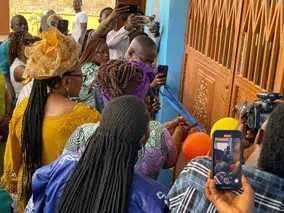
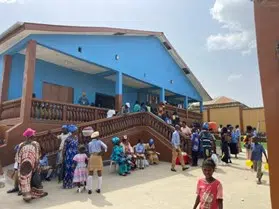
The Junior’s Place of Hope (JPOH), founded, by a Sierra Leonean, Henrietta Sowo Bassey, was recently inaugurated in Bo City, Southern Sierra Leone. With the full financial, legal and emotional support from her husband, Dr Edrissa Bassey, the dream of the Henrietta Sowo Bassey of establishing a Special Education School, not a Home, for children and young adults suffering from Autism, Cerebral palsy, Attention Deficit Disorder and other intellectual disabilities was actualized.
The Founder, Henrietta Sowo Bassey, passionately intimated how she would not have undertaken such an initiative without the financial support from her husband saying at the moment they are not getting any Government or external funding. She pointed out how they have been receiving small donations from some family members and friends that have been helping them with fuel for the van to pick up and drop off the students and also for the preparation of food while they are concentrating on the bigger expenses of building the school and paying salaries. Henrietta appealed for continued donor support to ensure the sustainability of their noble cause.
Henrietta Sowo Bassey, CEO and Founder of JPOH, further revealed how the initiative was conceived in honor of her 33-year-old son, Edrissa Bassey Jr., born in the United States who is suffering from autism. She disclosed that upon her return to Sierra Leone, she was disheartened by the plight of similarly affected children facing societal stigma and parental neglect. Motivated by compassion, Henrietta, alongside her husband, established JPOH on Sowo Bassey Street near the CKC Cemetery in Bo City.
JPOH is presently offering academic, recreational, and vocational programs for individuals with diverse intellectual disabilities.
Commending the initiativ
e, the Mayor of Bo City Counc
il and the Chairman of Bo District Council pledged unwavering support from their respective Councils.
Hon. Mamusu Massaquoi, Deputy Minister of Basic Education and Guest Speaker, hailed the initiative behind JPOH as a historic milestone aligned with the Ministry’s principles of radical inclusion further pledging additional government support, including inclusion in subsidy programs and school feeding initiatives.
In the ceremony when the aforementioned disclosure was made Rev. Shodankeh Johnson, QUROSA, relatives, friends, parents, and various non-governmental organizations made and pledged generous contributions.
Autism, a global neurological disorder, affects individuals worldwide. While its exact causes remain under study, common symptoms include challenges in social interaction, communication and sensory processing. With a prevalence rate estimated at 1-2% of the global population, awareness and intervention strategies are crucial.
Therapeutic interventions such as Applied Behavior Analysis (ABA), speech therapy, occupational therapy, and social skills training play pivotal roles in enhancing the quality of life for individuals with autism, underscoring the importance of continued support and awareness efforts.
Thinking that checking out at any National Civil Registration Authority (NCRA) designated centres, where the Biometric National and Non-National ID Cards processes are taking place, is a laborious and time consuming burden, it is high time to delete that erroneous fear or thought. This is so simply because it has been proven on countless occasions that the processes of checking the NCRA database, through computers and taking of applicants’ photos by assigned personnel attached to the various centres only consume a maximum of six minutes. This expeditious time, by any estimation, is one that cannot drive applicants to frustration or despair but rather make them sail through with ease and convenience. The other good thing about this praiseworthy service delivery is that though the Biometric ID Cards are not issued instantaneously but rather in three (3) days time, however, the fact that applicants are notified through text messages, within the three days period, to pick up their processed ID Cards has been a welcoming experience by many.
It must be noted that the importance of obtaining the Biometric ID Cards was hammered home by the Minister of Information and Civic Education, Chernor Bah, on the 13th February, 2024 at the Government weekly Press Conference held at the Ministry of Foreign Affairs and International Cooperation Conference Room on Tower Hill in Freetown.
The Minister intimated newsmen about the implementation of a new Government mandate which requires citizens to obtain a National ID card for access to various services and authorities, particularly those related to security.
He furthered by outlining the process of obtaining the National ID card stating that citizens must register in any ID Card issuing centers, pay the required fee, and wait for 2 to 3 business days for the ID card to be ready.
Chernor Bah emphasized that the Government views the initiative as essential for State security as well as the efficient management of citizens’ identification within the country also stressing the easy accessibility of acquiring the national ID card. He made it clear that possessing the ID card is now mandatory, with even non-residents required to obtain a non-resident ID card.
The Minister additionally highlighted how the ECOWAS ID Card is an important travel document that provides unique identification features and facilitates crossing borders within the ECOWAS region, urging people to acquire it as well.
According to the Minister, the Government aims to streamline processes and enhance security measures by implementing an efficient system for issuing the ID Cards.
Compliance with this mandate, he emphasized, is crucial for citizens to access essential services and exercise their rights effectively and concluded by highlighting the Government’s collaboration with the National Civil Registration Authority (NCRA) and contractors in implementing the new national ID card system as well as reiterating the importance of obtaining and carrying the ID Card, focusing on the benefits it brings to individuals.
Linking the Biometric ID Cards (National, Non-National, and ECOWAS) with the National Identification Number (NIN) for accessing essential services, including financial transactions, vehicle registration, public and private institution recruitment is a key reason why obtaining one is significant. It is Cabinet Directive that was ratified by Parliament effective April 1, 2024, emphasizing the significance of reliable identification for national security and consistency in personal information.
The public is urged to initiate the ID card acquisition process immediately at designated registration centres nationwide. These include six specific offices and mobile units deployed to remote areas to facilitate widespread access to identification services.
For those unable to visit physical centres, online registration options are available. Additionally, specialized corporate services are provided for organizations and institutions.
As the deadline nears, obtaining Biometric ID Cards not only ensures compliance with legal mandates but also contributes to a more connected, transparent, and prosperous Sierra Leone. Act promptly to avoid inconvenience.
The designated centres are:
NCRA Headquarters: 2 Walpole Street, Freetown.
2. NCRA Office: 23B Off Kingharman Road, Freetown.
3. NCRA Office: Kennedy Street, Freetown.
4. NCRA Branch Office: 230 Lumley Road, Freetown (By the Round- About).
5. NCRA Office: Waterloo along the Freetown High Way (Opposite the Police Station).
6. NCRA Offices: Regional Headquarter Towns of Bo, Kenema, Makeni, and Port Loko.
For comprehensive details on these services, interested parties can reach out to us via the following contact numbers: +232-33-433-333, +232-30-500-000, +232-60-000, +232-78-221-812, or through email at idverification@ncra.gov.
With the impending deadline for obtaining the ID Cards by March 31, 2024, citizens and non-citizens are urged to swiftly obtain them. This call comes as enforcement authorities emphasize the urgency of meeting the deadline to avoid last-minute rushes.
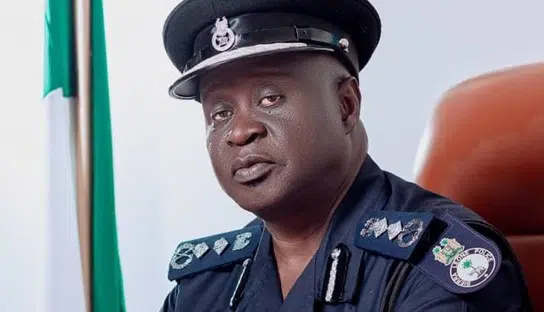
The Sierra Leone Police (SLP) has launched its annual Crime Statistics Report for the year 2023, shedding light on the trends and patterns of crime and disorder across the nation. The report, a critical tool in the SLP’s efforts to protect lives and property, provides valuable insights for law enforcement and Government agencies in deploying resources effectively, identifying criminals, and formulating crime prevention strategies.
The report covers a comprehensive analysis of crimes reported to the Police throughout Sierra Leone from January to December 2023, including major offenses such as homicide, robbery with aggravation, and robbery with violence. Additionally, it identifies various hotspots where criminal activities are concentrated.
Among key findings, in 2023 a total of 30,491 criminal and road crash cases were reported and investigated across all six Police Command Regions in Sierra Leone, resulting in an overall crime rate of 0.35%. This represents a slight reduction of 0.4% compared to the previous year.
Over the past few years, Sierra Leone has seen a consistent decrease in crime rates, positioning the country as the third most peaceful in Africa and the foremost in West Africa.
It was stated that several factors have been attributed to the decrease in crime rates that includes: Improved and sustained community engagement in crime prevention efforts, enhanced logistical support that includes patrol vehicles, better operational coordination among security agencies, strengthened inter-institutional relationships within the security and justice sectors, implementation of checkpoints at strategic locations.
The Crime Rate Analysis across different regions revealed that the Western Area (Freetown East and Freetown West) recorded the highest number of cases, accounting for 62% of reported crimes.
It was followed by the Northern Region (North East and North West) with 17% of reported cases with the Southern Region reporting 11% of cases were as the Eastern Region reported 10% of cases.
According to the Western Area is particularly susceptible to criminal activities compared to other regions in Sierra Leone.
In terms of divisional crime statistics, focusing on major offenses such as homicide, robbery with aggravation, and robbery with violence, the Family Support Unit recorded 10,063 cases in 2023, with a significant portion comprising domestic violence cases.
The report noted a decrease in traffic accident cases, with 3,953 reported in 2023 compared to 4,124 in 2022.
The Transnational Organized Crime Unit (TOCU) investigated 269 cases, with 106 cases charged to court.
Cases of assault on Police totalled 70 in 2023 while the Anti-Land Grabbing Unit investigated 334 land cases, with 39 cases charged to court.
The unveiling of the 2023 Crime Statistics Report by the Sierra Leone Police marks a significant milestone in the ongoing efforts to combat crime and maintain peace and security in the country. It is expected that the insights provided in the report will inform strategic decisions by law enforcement agencies and policymakers, ultimately contributing to a safer Sierra Leone.
As part of their efforts towards equipping smallholder farmers with the skills needed to enhance agricultural practices, boost productivity, and improve livelihoods in the country, Caritas Freetown with support from the Embassy of the Federal Republic of Germany in Sierra Leone has on Tuesday 13th February, 2024 inaugurated the Caritas Agricultural Training Center in Makomba Village, Koya Chiefdom, Western Area Rural District.
In his welcome address, Abdulai Kamara, the Headman of Makomba Village, expressed gratitude to Caritas Freetown and the German Embassy for selecting their village as the site for the Caritas Agricultural Training Center.
He described the initiative as not only important but also timely, as it seeks to empower local residents and serve as a source of motivation, knowledge and empowerment for present and future generations.
The Headman encouraged residents to take ownership of the investment and act as vigilant stewards for Caritas Freetown. He emphasized the importance of making good use of the facility by leveraging the opportunities provided by the Caritas Agricultural Training Center.
Councillor Salamatu Osmatu Koroma, representing the Western Area Rural District and serving as the Chairperson for the Committee on Agriculture at the Western Area Rural District Council, commended the collaborative efforts between Caritas Freetown and the German Embassy in establishing the Caritas Agricultural Training Center in Makombo Village.
Highlighting the center’s significance, she emphasized its role in equipping local farmers with vital knowledge and skills in agriculture, with the ultimate aim of enhancing crop yields and agricultural productivity in the region. The Councillor urged stakeholders of the village to rally behind Caritas Freetown and collaborate on the initiative.
Encouraging residents to embrace the center, Councillor Salamatu Osmatu Koroma urged them to seize the opportunity to acquire innovative agricultural practices and techniques, stressing the center’s function as a learning hub and a catalyst for agricultural innovation within the community, urging residents to fully utilize its resources.
In conclusion, she reaffirmed her commitment as Chairperson for the Committee on Agriculture at the Western Area Rural District Council to provide full support for the operations of the center.
Speaking on behalf of the Ministry of Agriculture, Forestry and Food Security, Abass Dauda Conteh, the Admin Assistant at the District Agriculture Office, emphasized the longstanding challenges facing agriculture in Sierra Leone despite decades of practice.
He acknowledged that while agriculture has been a fundamental part of Sierra Leone’s economy, significant hurdles still hinder its progress, hailing the establishment of the Caritas Agricultural Training Center as a step in the right direction towards addressing those challenges.
The center’s focus on equipping smallholder farmers with essential skills to enhance agricultural practices, boost productivity, and improve livelihoods signifies a positive stride towards agricultural development in the country. Abass Dauda Conteh expressed optimism that initiatives like these would contribute to the overall improvement of agriculture in Sierra Leone.
In his address, the Executive Director of Caritas Freetown, Rev. Fr. Peter Konteh, expressed his pleasure and optimism at the opening of the center, made possible by the generous partnership of the German Embassy, emphasizing the transformative impact of the center on sustainable agricultural development, food security, and the empowerment of smallholder farmers in Sierra Leone.
He pointed out that the establishment of the Caritas Agricultural Training Center signifies hope for Makombo village and its environs, adding that the initiative underscores Caritas’ commitment to promoting agricultural innovation, knowledge sharing, and the adoption of modern farming techniques.
He maintained that through comprehensive training programs, the center aims to equip smallholder farmers with the skills needed to enhance agricultural practices, boost productivity, and improve livelihoods.
Rev. Fr. Peter Konteh expressed deep gratitude to the German Embassy for its unwavering support, essential in realizing the initiative. He emphasized the importance of such partnerships in addressing agricultural challenges and advancing sustainable development.
He revealed that the construction of phases 1 and 2 of the project reflects a commitment to creating a modern facility for agricultural excellence and knowledge dissemination and that the center will serve as a hub for training, innovation, and the adoption of best practices.
“Additionally, Caritas’ objectives align with national priorities outlined in the FEED SALONE program and government goals. Achieving food security and sovereignty is crucial for the nation’s well-being and prosperity, requiring collaboration among stakeholders,” he maintained.
Rev. Fr. Peter Konteh called upon all stakeholders to join hands in building a vibrant, inclusive, and sustainable agricultural sector. Together, they aim to effect tangible improvements in the lives of Sierra Leoneans by bolstering productivity and promoting sustainable practices.
Rev. Fr. Peter Konteh extended gratitude to all contributors to the Caritas Agricultural Training Center. He expressed confidence in the center’s role as a source of inspiration, knowledge, and empowerment for future generations.
On his part, the German Ambassador to Sierra Leone, Jens Kraus-Massé, commended Caritas Freetown for adhering to their commitment to completing the construction of the center within the stipulated two-month timeframe.
He emphasized that their policies center around empowerment and strengthening the economic independence of women and girls, who are the backbone of the country’s agriculture, adding that the Caritas Agricultural Training Center aims to equip smallholder farmers with the necessary skills to improve agricultural practices, enhance productivity, and provide for their families.
The Ambassador pointed out that the inauguration of the center marks the beginning of a significant milestone for agricultural development, highlighting the crucial role of a well-functioning agriculture sector in promoting healthier children, better access to education, and contributing to nation-building.
Looking ahead, he expressed anticipation for the second phase of the project, which will see the realization of these plans in a short timeframe. Ambassador Kraus-Massé urged stakeholders to support the project, recognizing its potential to create lasting positive impacts on agriculture and community development.
The ceremony was climaxed by the official inauguration of the Caritas Agricultural Training Center by the Ambassador of the Embassy Federal Republic of Germany in Sierra Leone, His Excellency Jens Kraus-Massé, the Executive Director of Caritas Freetown, Rev. Fr. Peter Konteh and Councillor Salamatu Osmatu Koroma, representing the Western Area Rural District.
In the ever-evolving landscape of petroleum marketing, NP (SL) Ltd stands out as a beacon of excellence and resilience. Renowned for its unwavering commitment to quality service delivery, the company continues to set new standards even amidst challenging circumstances.
Originally founded by 35 former employees of British Petroleum who pooled their end-of-service benefits, NP-SL Ltd has blossomed into a leading oil marketing company in Sierra Leone. This journey from a humble beginning to industry prominence speaks volumes about the dedication and vision of its shareholders.
At the heart of NP’s success is its relentless focus on customer satisfaction. The company’s ethos of “1st for customer care” isn’t just lip service it’s ingrained in every aspect of its operations. From transparent fuel dispensing machines to the introduction of the NP Smart Card for cashless transactions, NP-SL Ltd consistently seeks innovative ways to enhance the customer experience.
Moreover, NP-SL Ltd remains steadfast in its commitment to local talent and resources, aligning with the Local Content Policy. By prioritizing the employment of Sierra Leonean nationals and sourcing materials locally, the company not only fosters economic empowerment but also contributes to poverty reduction and skills development.
Beyond petroleum marketing, NP-SL Ltd actively engages in discharging its Corporate Social Responsibility initiatives, supporting various community development projects and complementing Government’s efforts to improve living standards.
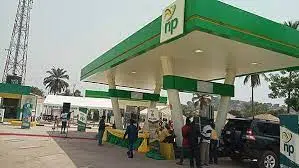
The recent inauguration of a new NP-SL Filling Station in Bunumbu Town, Peje West Chiefdom, further underscores the company’s dedication to expanding its operations and serving local communities. According to Ambassador Kobi Walker, CEO of NP Sierra Leone Limited, the company’s commitment to addressing fuel scarcity in the region and fostering economic growth is unwavering.
NP-SL Ltd is also marketing a cooking device widely known as NP Gas which has gained popularity for its efficiency and eco-friendliness. So far customers have expressed satisfaction with the performance of NP Gas, which comes in various sizes and are available at affordable prices through the company’s Filling Stations. Businesswoman, Memunatu Forna, has so far attested to the high performance of NP Gas and its ease of use as well as ready availability of gas for refills.
Another of the company’s innovative way of marketing fuel is the introduction of NP Smart Card, a technology that has now become a trendsetter in convenient purchasing of fuel. Users highlighted its usefulness in streamlining transactions, eliminating the need for cash payments. It is an innovation that has notably eased the process of buying fuel, with engineer Musa Kalokoh praising its effectiveness.
As NP-SL Ltd continues to grow and innovate, it remains a shining example of indigenous entrepreneurship and a driving force for progress in Sierra Leone and beyond. With its unwavering focus on customer care, adherence to local content policies, and commitment to community development, NP-SL Ltd is poised to continue blazing a trail in the petroleum marketing industry for years to come.
Babadi Kamara, Chairman of Bo Rangers, demonstrated his commitment to the construction of the Mohamed Kallon Academy by donating 50 bags of rubber granules or black turf pellets to FC Kallon on Tuesday, February 13, 2024. The donation ceremony took place at the Mohamed Kallon Academy in Angola Community in the Western Rural District.
During the handing over, Babadi Kamara praised FC Kallon for their efforts in developing the Academy. He emphasized the importance of infrastructure in football development, highlighting the need for proper facilities to prevent issues during matches.
He underscored his personal connection to Mohamed Kallon and his desire to support the Academy’s construction.
Explaining the purpose of the donation, Babadi Kamara noted that the rubber granules would be used as infill material for an artificial turf adding how the material enhances the softness of the playing surface while preventing sand from rising to the top layer of the pitch.
He presented the donation on behalf of Bo Rangers and football enthusiasts, urging others to contribute to the Academy’s construction.
Babadi Kamara emphasized that their efforts were dedicated to the country’s advancement and not for personal gain and while acknowledging football as an investment, he lamented the lack of commercialization in Sierra Leonean football.
Despite this, he affirmed their commitment to supporting aspiring footballers in pursuing their dreams and bolstering the national team’s success.
Mohamed Kallon, Chairman of FC Kallon, expressed gratitude for Babadi Kamara’s support, emphasizing the importance of infrastructure in football development.
He acknowledged his leadership in spearheading similar initiatives, such as the construction of the Southern Arena, and pledged to follow his example.
Kallon also took the opportunity to condemn recent incidents of violence in football and apologized for any disruptions. He reassured stakeholders that the ongoing construction of the Academy, including the perimeter fence would help mitigate such issues and create a conducive environment for players and officials alike.
As Alhaji Musa Tarawally rolls out MT Agenda 2028, it is but imperative for a deep dive to be taken into the diverse background and political career of this public dinosaur in order to gain a proper insight into his calibre, journey in life, politics, his indelible imprints and the contributions he has now set himself to impact on the political landscape of Sierra Leone that will touch many lives in meaningful ways.
In a remarkable tale of political ascent, Alhaji Musa Tarawally’s journey from his humble beginnings in Salina, Kaiyamba Chiefdom, to his pivotal role in Sierra Leone’s political landscape is one marked by dedication, strategic acumen and a deep commitment to service.
Born to a diverse heritage, Alhaji Musa Tarawally’s familial roots stretch across various regions of Sierra Leone. His mother, hailing from the Mende lineage of the Kpanda/Ngakui family in Fakunya chiefdom and the Jonjo family of Salina in Moyamba, contrasts with his father’s Mandingo background from Moyamba. Moreover, his grandparents’ origins span from Kambia’s Pa Foday Tarawally to Limba territories in Bumban, Bombali district, and Sandor chiefdom in Kono.
Educated in Moyamba and Kenema, his passion for serving his nation led him into politics, where he aligned himself with the Sierra Leone People’s Party (SLPP), driven by his family’s historical involvement in its formation.
His rise within the SLPP ranks was swift and significant. From serving as Moyamba district’s Young Generation Leader to ultimately representing the district as a Member of Parliament, Alhaji Musa Tarawally’s commitment to his constituents and party ideals remained unwavering.
His political trajectory took a notable turn when President Ernest Bai Koroma appointed him as Resident Minister in the South in 2007, recognizing his competence and dedication. Tarawally’s stellar performance in this role earned him subsequent appointments as Minister of Internal Affairs and later Minister of Lands, Country Planning, and Environment.
During the lead-up to the 2018 elections, as fissures within the SLPP threatened its unity, he demonstrated his political astuteness by foreseeing the need to safeguard the party’s interests. In a bold move, he contested the presidency under the ticket of the Coalition for Democratic Change (CDP), strategically positioning himself to support President Bio in the event of a runoff election. This calculated strategy proved instrumental in securing victory for the Bio-led SLPP government.
Following the election, Alhaji Musa Tarawally’s gracefully folded his CDP presidential ambitions, reaffirming his allegiance to the SLPP. He assumed the role of Grand Chief Patron, cementing his place as a dedicated party member.
His vision for national unity is deeply rooted in his extensive familial ties across Sierra Leone. From Kambia to Makeni, Kabala to Kailahun, his connections span the length and breadth of the nation, offering a unique platform for fostering cohesion and inclusivity.
As Sierra Leone navigates its path forward, Alhaji Musa Tarawally stands as a beacon of resilience, wisdom, and unity—a testament to the power of humble beginnings and unwavering dedication to the betterment of one’s nation.
A very reliable source yesterday authoritatively intimated this medium that Karpowership, a subsidiary of the Karadeniz Energy Group that entered into agreements, in 2018 and 2020, with the SLPP led Government, headed by President Julius Maada Bio, to supply electricity to Sierra Leone’s State power utility, decided to turn off its engines at 12:00 midnight, 13th February, 2024. This decision, taken by the Management of the electricity generating entity came after several failed promises made by the Ministry of Finance to offset or settle overdue arrears, amounting to over $30 Million owed to the company. Though Karpowership will be turning off its engines, Management is magnanimous to supply 5MW for the security forces and hospitals.
It must be noted that the Ministry of Finance has recently come under criticism for its perceived laxity in honoring payments to contractors and service providers, potentially impeding ongoing projects. Obviously, the strain on these entities, facing delayed or unpaid invoices, jeopardizes project continuity and exacerbates frustrations.
This latest unsavoury posture by the Ministry of Finance has led to the soaring of a once healthy relationship or agreement between the Government and the major electricity provider, Karpowership. As stated it is as a result of the overdue payment on the part of the Government, amounting to over Thirty Million Dollars ($30M), that led to the strain in the relationship. Despite assurances, the government’s failure to settle these arrears finally culminated to the Tuesday midnight shutdown of operations by Karpowership. Indeed, it is an undeniable truth that reliable and constant electricity supply is indispensable for any form of development to flourish. Such a fundamental necessity is not merely a theoretical concept but a concrete reality essential for the functioning of modern States and democracies. Undoubtedly, sustainable electricity provision stands as a cornerstone of the Sustainable Development Goals (SDGs), emphasizing its critical role in societal progress. This imperative has been underscored in political manifestos, including the 2018 and 2023 SLPP Manifestoes championed by the current President of Sierra Leone, Rtd. Brigadier Julius Maada Bio.
For a considerable period, Sierra Leone has grappled with erratic power supply despite efforts to address the challenges, such as refurbishing the Bumbuna Electric Dam and bolstering thermal stations in Freetown and the provinces. Regrettably, achieving adequate power supply has remained elusive.
Upon assuming office, President Bio’s administration embarked on commendable efforts to revitalize the energy sector, aligning with his manifesto pledges. Significant reforms were instituted to enhance electricity generation and distribution. Notably, the government, through the Fiscal Risks Division of the Ministry of Finance, successfully renegotiated several Power Purchase Agreements (PPAs), mitigating potential financial losses. Renegotiating the Karpowership Agreement alone yielded substantial savings of US$20 million over two years.
Further strides included substantial subsidies to maintain affordable tariffs, infrastructure upgrades such as transformer replacements and cable repairs, aimed at ensuring reliable and accessible electricity for Sierra Leoneans. The administration’s endeavors led to a notable increase in energy access from 16% to 32% within five years, with renewable energy utilization surging from under 35% in 2018 to over 75% by 2022. Off-grid solar electricity was extended to 97 towns and villages across all districts, with plans for grid extensions underway.
With this latest unpalatable situation that has set in all those admirable gains may seem to fade in insignificance with dire repercussions manifesting in widespread power outages that are bound to profoundly and negatively impact lives and economic activities in Freetown. Against such a backdrop, urgent action is imperative to safeguard the looming crisis in order to restore the continuity of electricity supply.
Government must be aware that addressing the backlog of payments to contractors and service providers should not merely be a financial obligation but a prerequisite for sustaining the provision of works, services and fostering national development.
The blackout that has now set in serves as a stark reminder of the critical nexus between fiscal responsibility and essential public services and Government is urged to expedite payment settlements to avert impending crisis and uphold its commitment to advancing Sierra Leone’s development agenda.
Bo Stakeholders, relatives and friends of Henrietta Sowo Bassie and Dr. Iddrissa Bassie have graced the formal commissioning of the Junior’s Place of Hope (JPOH), a home for children suffering from autism.
Chief Executive Officer and Founder of JPOH, Henrietta Sowo Bassie said the Junior’s Place of Hope is in honour of her 33 year old autistic son, Idrissa Bassie Jr whom she gave birth to in the United States of America. She grieved that upon her return to Sierra Leone some years ago, she saw children who suffered similar fate like her son and who were in diverse forms stigmatized and humiliated by their parents and society. This among many others, she went on, inspired her in conjunction with her husband to open the Junior’s Place of Hope at Sowo Bassie Street after the CKC Cemetery in Bo in 2018.
With a present enrollment of 56 children, JPOH, she avowed, caters for children with all types of intellectual disabilities and also provides academic and recreational facilities coupled with vocational skills programs for children who deserve same and appealed to all for more donor support for sustainability sake.
Mayor, Bo City Council and Chairman, Bo District Council both lauded the initiative for children with special needs and pledged their respective Council’s support.
Guest Speaker, who also doubled as the Deputy Minister of Basic Education, Hon. Mamusu Massaquoi described the initiative as a historic milestone which bodes well with their Ministry’s Radical inclusion and averred support for additional support into the Government subsidy list and school feeding project.
Cash, food and non food support by Rev. Shodankeh Johnson, QUROSA, relatives, friends, Parents, Non Governmental Organizations among others, climaxed the ceremony.
Research has shown that Autism is a neurological disorder that affects a lot of people.
There are a lot of theories about the causes of autism, but nothing has been definitively proven. Some of the possible causes that have been studied include genetic factors, environmental factors, and prenatal or perinatal factors. The symptoms can vary a lot from person to person. But there are some common symptoms that are often seen in people with autism, like problems with social interaction and communication, repetitive behaviors, and sensory sensitivities.
A common symptom of autism is difficulties with social interaction and communication. This can manifest in a lot of different ways like difficulty making eye contact, understanding social cues, or taking turns in conversations. They may also have trouble understanding body language, facial expressions, or tone of voice. And they may not understand how to use verbal and nonverbal communication in a typical way.
Autism is a global problem, and it affects people in every country. The prevalence of autism varies from country to country, but according to the World Health Organization, it’s estimated that 1-2% of the global population has autism. And the number is growing as more people are diagnosed and awareness increases. There are a lot of different therapies that can help people with autism improve their social interaction and communication skills. One of the most common therapies is called Applied Behavior Analysis (ABA), which uses positive reinforcement to help people learn new skills and behaviors. Other therapies include speech and language therapy, occupational therapy, and social skills training.