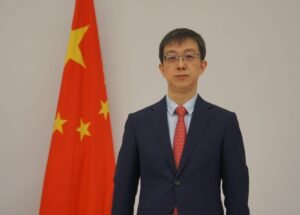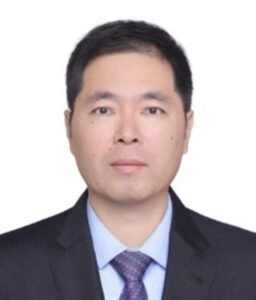

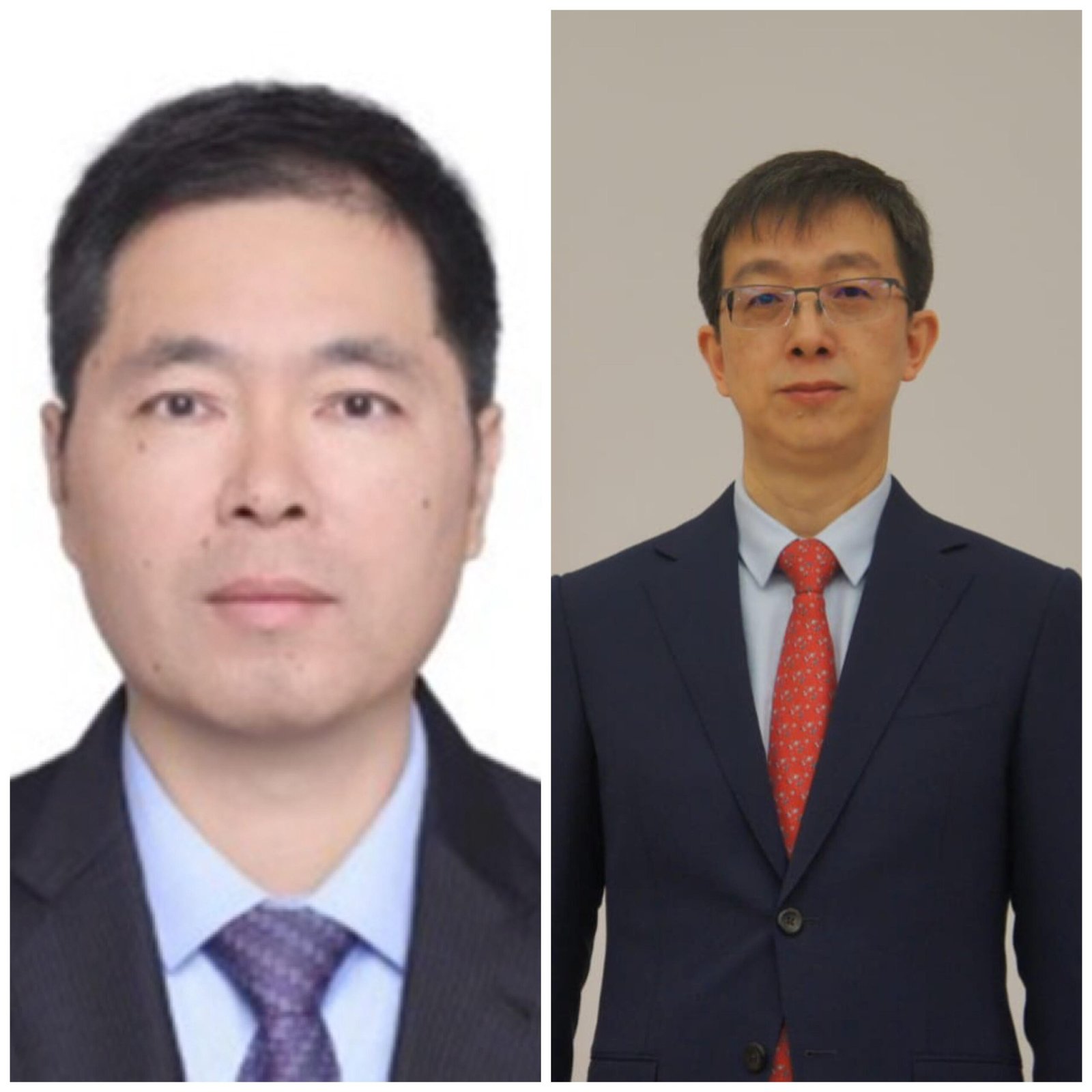
By H.E. Jiang Feng, Chinese Ambassador to the African Union, and H.E. Zhao Yong, Chinese Ambassador to Sierra Leone
Amid rising tensions in the Middle East, China has renewed calls for an immediate ceasefire and peaceful dialogue, warning that continued escalation could have serious global consequences, particularly for African countries whose economies and livelihoods are closely linked to the region.
In a joint article, H.E. Jiang Feng, Chinese Ambassador to the African Union, and H.E. Zhao Yong, Chinese Ambassador to Sierra Leone, emphasized that the unfolding situation—particularly developments involving Iran—has drawn significant attention from the international community, including both China and African nations.
According to the two diplomats, Africa maintains deep economic and social ties with the Gulf region. Thousands of Africans are employed in Gulf states, where they contribute to economic development while sending remittances that support families and communities across the continent. The region also serves as a vital gateway for global trade through the Red Sea and Gulf shipping routes.
“These shipping lanes are critical for Africa’s economic connectivity with the world,” the ambassadors noted. “Through them, African agricultural products, minerals and manufactured goods reach international markets, while essential goods from around the globe are transported into Africa.”
They further explained that the Gulf region plays a crucial role in meeting Africa’s energy demands. Oil and refined petroleum products from the region support transportation systems, industrial production and electricity generation across many African countries.
However, the escalating conflict in the Middle East poses significant risks. The diplomats warned that volatility in energy prices, disruptions to global supply chains, worsening humanitarian conditions and deteriorating security could directly impact Africa’s fragile economic recovery and the livelihoods of millions of people.
“This is a war that should not have happened and does no one any good,” the ambassadors stated, stressing that the spillover effects of the conflict could place additional pressure on African economies already grappling with development challenges.
They also highlighted the strong concern expressed by African leaders and institutions over the situation. The Chairperson of the African Union Commission, Mahmoud Ali Youssouf, has reportedly issued multiple statements urging parties involved in the conflict to pursue peaceful solutions and avoid further escalation.
China, the ambassadors noted, has been actively engaged in diplomatic efforts aimed at promoting peace since the early stages of the crisis. Beijing has called for dialogue and negotiation as the primary means of resolving disputes and maintaining stability in the Middle East.
China also convened an emergency meeting of the United Nations Security Council to deliberate on the situation in Iran, underscoring the need for international cooperation in addressing the growing tensions.
Chinese Foreign Minister Wang Yi has held a series of telephone consultations with foreign ministers from several countries, including Russia, Iran, Oman, France, Israel, Saudi Arabia, the United Arab Emirates, Kuwait, Bahrain, Pakistan, Qatar and Egypt.
During those engagements, Wang Yi emphasized the importance of respecting the principles of the United Nations Charter, international law and the established norms governing relations among states. He also reiterated China’s opposition to the arbitrary use of force and strongly condemned indiscriminate attacks against civilians and non-military targets.
The Chinese Foreign Minister called for an immediate ceasefire and a return to political dialogue to prevent the conflict from expanding further across the region.
In addition to these diplomatic engagements, China’s Special Envoy for the Middle East, Zhai Jun, has been undertaking shuttle diplomacy across several countries in the region in an effort to promote mediation and reduce tensions.
The ambassadors also referenced remarks made by Foreign Minister Wang Yi during a press conference held on the sidelines of China’s annual “Two Sessions”—the concurrent meetings of the National People’s Congress and the Chinese People’s Political Consultative Conference.
At the briefing, Wang Yi outlined five guiding principles that China believes should shape efforts to resolve tensions involving Iran and the wider Middle East.
The first principle is respect for national sovereignty. According to Wang Yi, sovereignty remains a fundamental pillar of the international system and must be respected by all nations. The sovereignty, security and territorial integrity of Iran and other countries in the Gulf region, he said, should not be violated.
The second principle is rejecting the abuse of force. Wang Yi stressed that the use of military power does not justify actions that endanger civilian populations or undermine international law.
The third principle calls for non-interference in the internal affairs of sovereign states. The Chinese government maintains that the people of the Middle East should determine the future of their region without external intervention or attempts at regime change.
Fourth, China advocates the promotion of political solutions to regional crises. Dialogue and negotiations, according to Wang Yi, remain the most effective path toward lasting peace and shared security.
The fifth principle highlights the responsibility of major powers to play constructive roles in resolving global conflicts. Wang Yi urged influential nations to act with fairness and responsibility, contributing positively to peace and stability in the Middle East.
The ambassadors concluded that China remains committed to supporting international peace efforts and strengthening cooperation with African countries to prevent the conflict from destabilizing other regions.
They reaffirmed China’s readiness to work with the global community in advancing the Global Security Initiative, encouraging dialogue, promoting ceasefire efforts and contributing to the creation of a safer, more stable and prosperous world.