
Home Blog Page 21

Vice President Highlights Energy Reforms, Diaspora Engagement at London Civic Day Townhall

Man in blue traditional attire speaks at a podium with a microphone on a Civic Day stage, with a banner and flag in the background.
Vice President, Dr. Mohamed Juldeh Jalloh

By Amin Kef-Ranger

Vice President Dr. Mohamed Juldeh Jalloh has informed Sierra Leoneans living in the United Kingdom that the Government is making significant progress in transforming the country’s energy sector, with the newly commissioned 40-megawatt Newton Solar Plant now supplying electricity to the national grid and a target of increasing electricity access to 78 percent by 2030.

Speaking at the London Civic Day Townhall held on Thursday, 18 June 2026, at Westminster Chapel in London, Dr. Jalloh described energy as a critical pillar of President Julius Maada Bio’s Big Five Game Changers agenda, emphasizing that reliable electricity remains essential for economic growth, industrial development, agricultural productivity, and digital transformation.

Addressing hundreds of Sierra Leoneans in the diaspora, the Vice President highlighted the recent commissioning of the 40MW solar facility in Newton, describing it as the largest single addition of renewable energy capacity ever connected to Sierra Leone’s national electricity grid. The project, implemented under the Regional Emergency Solar Power Intervention Project (RESPITE), is expected to reduce dependence on costly thermal power generation while providing cleaner and more reliable electricity to Freetown and surrounding communities, including Waterloo, Fogbo, and Mile 6.

Dr. Jalloh explained that the Government’s energy strategy is built on three key pillars: expanding renewable energy sources, maintaining thermal generation as a reliable base-load supply, and increasing hydroelectric production. He disclosed that the NANT Power Project at the Kissy Terminal is progressing steadily and is expected to commence operations during the first quarter of 2027.

He further assured the audience that maintenance works at the Bumbuna Hydroelectric Dam are nearing completion, with power generation gradually resuming to complement the additional solar capacity now available on the national grid.

“Our target is to increase national electricity access to approximately 78 percent by 2030 through strategic investments and international partnerships,” Dr. Jalloh stated. He noted that achieving the target would require substantial investments not only in electricity generation but also in transmission lines, substations, and distribution infrastructure to ensure efficient delivery of power to homes, schools, hospitals, and businesses across the country.

The Vice President also stressed the importance of ongoing reforms at the Electricity Distribution and Supply Authority (EDSA). According to him, Government is advancing Private Sector Participation (PSP) initiatives and strengthening revenue management through a dedicated EDSA Collection Account. These measures, he said, are aimed at improving billing efficiency, reducing technical and commercial losses, and ensuring that revenue generated from electricity services is reinvested into fuel procurement, maintenance, and network expansion.

Linking energy development to the Government’s flagship Feed Salone initiative, Dr. Jalloh said stable and affordable electricity would play a pivotal role in boosting agro-processing, food storage, healthcare delivery, education, manufacturing, and digital services. He encouraged members of the diaspora to view the growing energy sector as an opportunity for investment and economic participation.

The Townhall also provided a platform for discussions on broader national development issues. Participants heard updates on the Government’s agricultural reforms, with Dr. Jalloh highlighting improvements in local food production. He noted that Sierra Leone is now producing onions domestically, has significantly increased rice production, and has drastically reduced rice import volumes as part of efforts to strengthen food security and achieve greater self-sufficiency.

Prominent entrepreneur and Chief Executive Officer of TAF Africa Global, Mustapha Njie, described the event as an important opportunity for citizens abroad to engage directly with senior Government officials. He commended the Ministry of Information and Civic Education for expanding civic engagement and strengthening dialogue between Government and the diaspora.

Minister of Information and Civic Education, Chernor Bah, also praised the turnout and level of participation during the Townhall. He thanked President Julius Maada Bio for creating space for meaningful civic engagement and commended the Vice President for what he described as a calm, substantive, and inspiring presentation.

Bah noted that more than 400 Sierra Leoneans attended the event, which featured robust discussions, questions, and exchanges on national development issues. He emphasized that despite differing views, participants demonstrated a shared commitment to the progress of Sierra Leone.

The London Civic Day Townhall formed part of a broader series of engagements during Salone Week in London, including the Sierra Leone Diaspora Investment Conference. Government officials described the events as important platforms for strengthening ties with Sierra Leoneans abroad, attracting investment, and promoting collaborative solutions to national development challenges.

Participants expressed optimism about the country’s ongoing reforms and welcomed the opportunity to engage directly with Government leaders on issues affecting Sierra Leone’s future.

Caritas Freetown Trains FSU Officers to Strengthen Response to Gender-Based Violence

By Ibrahim Sesay

Caritas Freetown, with support from Manos Unidas, has trained 20 personnel from 10 Family Support Unit (FSU) divisions in the Western Area Rural District on case management and psychosocial approaches aimed at strengthening support services for survivors of sexual and gender-based violence (SGBV).

The training, held on 19 June 2026 at Twin Hall in Hastings, forms part of the project titled “Strengthening Behavioural Change on Sexual and Gender-Based Violence (SGBV) Prevention, Promoting Access to Justice and Wellbeing for Vulnerable Women and Girls in the Western Area.”

During the opening session, members of the project team welcomed participants and commended the officers for their commitment to improving services for survivors and enhancing institutional responses to SGBV cases.

Providing an overview of the initiative, Project Officer Alima Turay outlined the objectives of the training and emphasized the need to strengthen the knowledge and practical skills of Family Support Unit personnel in handling SGBV-related cases effectively and professionally.

The training was facilitated by Inspector Michael Gbeten of the Sierra Leone Police Family Support Unit at Calaba Town. He led discussions on key topics, including understanding sexual and gender-based violence, behavioural change, the role and responsibilities of FSU officers, professional ethics, and the importance of multi-sectoral collaboration in supporting survivors.

Inspector Gbeten stressed the importance of professional evidence collection and thorough investigations, noting that officers play a critical role in facilitating survivors’ access to medical, legal, and social welfare services.

He further urged participants to uphold professional ethics and resist external influences, including family pressure and corruption, throughout the justice process to ensure fairness, accountability, and protection for survivors.

Speaking after the training, Sergeant Amie Kpange of the Family Support Unit at Newton Police Station described the sessions as both informative and timely, noting that they reinforced many of the principles already applied in day-to-day operations while strengthening officers’ understanding of survivor-centred approaches.

“Our operations border around most of what we have been taught here today, so this training served as an important reminder. It has strengthened my knowledge of survivor-centred case management and the importance of combining investigations with psychosocial support,” she said.

Sergeant Kpange also highlighted some of the challenges faced by Family Support Unit officers in handling SGBV cases, particularly difficulties associated with age assessments for victims.

“One of the challenges we often face as Family Support Unit officers is conducting age assessments for victims, as many survivors struggle to afford transportation to access the required services. We also experience delays in obtaining medical endorsements, which can affect timely case processing,” she explained.

Despite these challenges, she expressed optimism that the knowledge and skills gained from the training would contribute to improving support mechanisms for survivors, protecting their dignity, and enhancing access to justice.

The training forms part of ongoing efforts by Caritas Freetown and its partners to strengthen institutional responses to sexual and gender-based violence while promoting the wellbeing, protection, and empowerment of vulnerable women and girls across the Western Area.

First Lady Launches SL Film Guild Strategic Development Plan 2026–2030

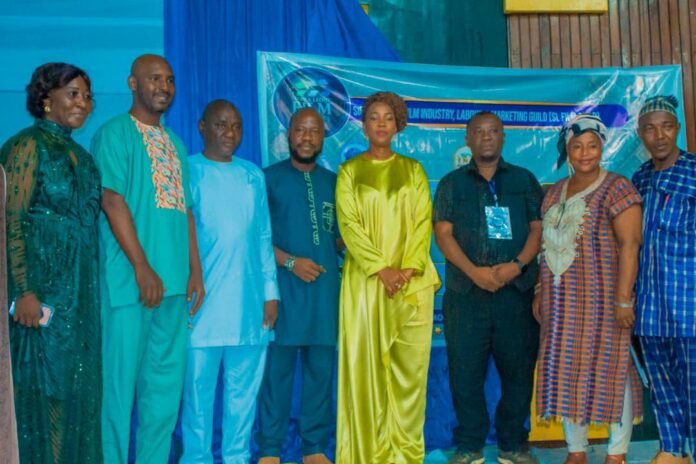
Nine people in colorful traditional outfits posing for a group photo at an event, with a blue banner behind them.

 By Amin Kef (Ranger)

The Sierra Leone Film Industry Labour and Marketing Guild (SL Film Guild) officially launched its National Strategic Development Plan 2026–2030 on Friday, June 19, 2026, at the Miatta Conference Centre in Freetown, marking what industry leaders described as a historic turning point for the country’s creative sector.

The event, held under the theme “Building a Sustainable Creative Economy Through Film,” brought together government officials, development partners, filmmakers, creative professionals, representatives of trade unions, diplomats, and international guests to witness the unveiling of a comprehensive roadmap aimed at transforming Sierra Leone’s film industry into a major contributor to national development.

Serving as Grand Chief Launcher, First Lady of the Republic of Sierra Leone and President of the Organization of African First Ladies for Development (OAFLAD), Dr. Fatima Maada Bio, reaffirmed her commitment to the growth of the film industry. Drawing on her experience as an actress, scriptwriter, and storyteller, she highlighted the sector’s importance in creating employment opportunities, preserving culture, and contributing to economic growth.

Dr. Fatima Maada Bio acknowledged the challenges facing filmmakers, including limited opportunities, inadequate institutional support, and coordination difficulties. However, she expressed confidence that with persistence, education, collaboration, and professional standards, the industry could achieve sustainable growth.

She called on policymakers and development partners to invest in the sector and urged filmmakers to produce content that reflects Sierra Leone’s history, culture, and aspirations. The First Lady also announced her intention to support outstanding local scripts that tell authentic Sierra Leonean stories, emphasizing that Africans should be the primary narrators of their own experiences.

Speaking on behalf of SL Film Guild Chairman Daramy A. Kabba, Acting Chairman Mohamed Alarini Bah described the launch as the most significant milestone in the Guild’s eighteen-year history. He said the occasion represented more than the unveiling of a strategic document, noting that it was a declaration that the film industry should be recognized as a serious national development sector deserving institutional support and professional recognition.

Bah traced the history of the Guild to the 2008 National Film Workshop and the landmark White Paper, “Putting Sierra Leone in the Picture.” He explained that the Guild was officially registered as a trade union in 2012 after years of advocacy and collaboration with international labour organizations and national institutions. According to him, the launch of the Strategic Development Plan represents the Guild’s second major historic achievement.

The Acting Chairman outlined the Guild’s mandate, which includes protecting the welfare of film professionals, coordinating labour and marketing activities, advocating policy reforms, enforcing professional standards, and creating pathways for sustainable employment in the creative sector.

He further revealed that the Strategic Development Plan is built around five key pillars: Governance and Institutional Development; Human Capital and Screen Skills Transformation; Film Production, Financing and Creative Enterprise Development; Infrastructure, Distribution and Market Development; and Intellectual Property Protection, Cultural Promotion and Global Partnerships.

Among the plan’s targets are the certification of 3,000 film professionals, the establishment of a National Film Fund, the creation of a National Film Village and Creative Production Hub, the implementation of a single-window permit system for film productions, and the promotion of Sierra Leonean content on international streaming platforms. The Guild also aims to position Sierra Leone as a recognized West African screen economy by 2030.

Delivering an address on “Building a Sustainable Economy Through Film and Entertainment,” film stakeholder Brima Abdulai Sheriff described the creative industry as a powerful economic force capable of generating employment, attracting investment, and driving economic diversification. He noted that global creative industries contribute trillions of dollars annually and support millions of jobs, particularly among young people.

Sheriff emphasized that Sierra Leone possesses the talent, cultural heritage, and stories needed to build a thriving creative economy. He estimated that nearly 500,000 young Sierra Leoneans are directly or indirectly involved in various aspects of the film and entertainment value chain, including acting, directing, editing, music production, digital content creation, and event management.

He called for deliberate investment, strong institutional leadership, and greater unity within the industry, stressing that sustainable growth requires policy support, financing mechanisms, skills development, and strategic planning. He also pledged to provide pro bono support to the Guild through advocacy, partnership development, and institutional guidance.

The launch ceremony featured keynote addresses, presentations on the Strategic Development Plan, certificate presentations, networking sessions, and media engagements. Participants were encouraged to work collectively toward implementing the ambitious roadmap and strengthening the creative sector’s contribution to national development.

Following the event, the SL Film Guild Secretariat issued a formal statement thanking stakeholders for their support. Special appreciation was extended to First Lady Dr. Fatima Maada Bio for accepting the role of Grand Chief Launcher and for her continued commitment to the creative arts. The Secretariat also acknowledged Dr. Kadijatu Grace Kamara for delivering the keynote address, the Ministry of Information and Civic Education, development partners, media organizations, professional guilds, and members of the organizing committee for contributing to the success of the launch.

The occasion also attracted regional participation, including a delegation from Liberia led by Liberia Movie Union President Abdul-Karim Sheriff. The delegation met with Sierra Leonean stakeholders and attended the launch ceremony. During his remarks, Sheriff called for stronger collaboration between the film industries of Liberia and Sierra Leone, emphasizing the importance of leveraging the Mano River Union framework to promote cultural exchange, economic cooperation, and positive national narratives.

Organizers described the launch of the National Strategic Development Plan 2026–2030 as the beginning of a new chapter for Sierra Leone’s film industry, one aimed at transforming creativity into a sustainable economic sector capable of creating jobs, attracting investment, and showcasing Sierra Leonean stories to the world.

IFJ Delegation Backs SLAJ Campaign for Constitutional Protection of Press Freedom

By Amin Kef-Ranger

A high-level delegation from the International Federation of Journalists (IFJ) is in Sierra Leone on a three-day mission aimed at supporting press freedom, freedom of expression, and the welfare and protection of journalists across the country.

The three-member delegation, comprising IFJ General Secretary Anthony Bellanger, Projects Manager Nisrine Salameh, and Expert Advisor Jeremy Dear, arrived in Freetown on June 17, 2026, and has since embarked on a series of engagements with government officials, labour representatives, media regulators, and journalists. The delegation is being hosted by the Sierra Leone Association of Journalists (SLAJ), led by its President, Alhaji Manika Kamara.

The visit comes at a critical moment as Sierra Leone continues consultations toward the adoption of a new Constitution. SLAJ has been advocating for the inclusion of a standalone chapter dedicated to freedom of expression, media freedom, access to information, and communication rights within the proposed constitutional framework.

One of the delegation’s key engagements was with the Attorney General and Minister of Justice, Alpha Sesay, who reaffirmed the Government of Sierra Leone’s commitment to press freedom, freedom of expression, and the safety and security of journalists.

Introducing the delegation, SLAJ President Alhaji Manika Kamara explained that the IFJ team was in Sierra Leone to support SLAJ’s advocacy efforts for constitutional protection of media rights while also collaborating with the Reporters Union of Sierra Leone to advance better working conditions and welfare for journalists.

Attorney General Alpha Sesay welcomed the delegation and described the media as one of the government’s strongest partners. Addressing SLAJ’s proposal for a standalone media chapter in the Constitution, he confirmed that the issue remains under consideration as part of the ongoing constitutional review process.

He stressed that media scrutiny is an essential component of democratic accountability and disclosed that the government is proposing a comprehensive Bill of Rights in the new Constitution to strengthen the protection of citizens’ rights and liberties. He also assured SLAJ of continued collaboration on media development issues.

The IFJ delegation expressed strong support for SLAJ’s campaign and pledged solidarity in efforts to improve journalists’ welfare, safety, and professional protection. The delegation also commended the Attorney General for his support for media freedom and democratic governance.

During the discussions, concerns were raised regarding the implementation of the Cyber Security and Crime Act. The Attorney General acknowledged that some provisions have affected journalists and revealed that efforts are underway to review the legislation, alongside the Independent Media Commission (IMC) Act and the Sierra Leone Broadcasting Corporation (SLBC) Act, to improve clarity and strengthen their intended objectives.

The delegation also met with the Chief Director of the Ministry of Information and Civic Education, Alimamy Lahai Kamara, who represented both the Minister and Deputy Minister. He highlighted the strong working relationship between the Government and SLAJ, noting that the government continues to support the Association while respecting its watchdog role.

Kamara described the repeal of the criminal and seditious libel law as one of the government’s landmark reforms, emphasizing that it has significantly expanded media space and enabled journalists and digital media platforms to hold public institutions accountable.

On journalists’ welfare, he called for broader collaboration involving SLAJ, media owners, the Reporters Union, the Ministry of Labour, and the IMC to collectively address challenges facing reporters and media workers.

The IFJ delegation further held discussions with officials of the Sierra Leone Labour Congress (SLLC), where Secretary-General Max K. Conteh welcomed the visit and pledged the Congress’s support for initiatives aimed at improving journalists’ welfare and labour conditions.

Conteh revealed that new labour regulations require employers to maintain dedicated end-of-service benefit accounts for workers and encouraged stronger cooperation among SLAJ, the Reporters Union, and the SLLC to ensure journalists fully benefit from existing labour protections.

As part of the visit and the European Union-funded MEDIA Project, implemented through BBC Media Action, the IFJ delegation is facilitating a training programme for journalists on safety, security, welfare, labour rights, and risk management. The training is expected to equip media practitioners with practical skills to navigate the increasingly challenging media environment.

SLAJ has welcomed the IFJ visit as a significant boost to its advocacy campaign and a recognition of Sierra Leone’s progress in media reforms. The Association, however, maintains that more work remains to secure lasting constitutional guarantees for media freedom and journalists’ rights.

The IFJ delegation is expected to conclude its engagements and depart Sierra Leone on June 21, 2026, after reinforcing international solidarity with Sierra Leonean journalists and supporting efforts to strengthen democratic freedoms and professional standards within the media sector.

Over 450 Returned Migrants Graduate from IOM Supported TVET Programme

By Alvin Lansana Kargbo

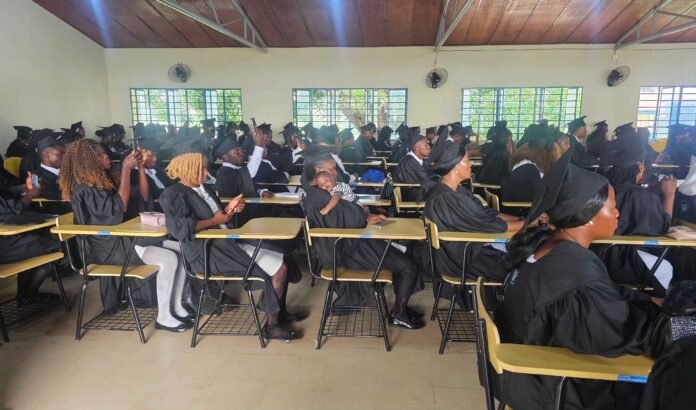
Four hundred and fifty six (456) returned migrants have graduated from a Technical and Vocational Education and Training (TVET) programme implemented by the International Organization for Migration (IOM) under the Migrant Protection, Return and Reintegration for Sub Saharan Africa (MPRRSSA) Programme, in collaboration with Freetown Polytechnic and funded by the European Union.

The graduation ceremony, held on Friday, 19 June 2026, at the Freetown Polytechnic Campus in Jui, marked a significant milestone in efforts to promote sustainable reintegration, skills development and economic empowerment for returned migrants in Sierra Leone.

The graduates were among 4,000 returned migrants enrolled in various vocational disciplines, including tailoring, information and communication technology, catering, electrical installation and other technical trades designed to enhance employability and entrepreneurship opportunities.

Speaking at the ceremony, IOM Officer in Charge in Sierra Leone, Dr. Pauline Macharia, described the event as a celebration of resilience, dignity and new opportunities for returned migrants. She noted that the programme had provided beneficiaries with practical and marketable skills aligned with labour market demands while also offering psychosocial support, business motivation sessions and economic reintegration assistance.

According to Dr. Macharia, reintegration is a continuous process that extends beyond training. She explained that IOM adopts a holistic approach that addresses the economic, social and psychosocial dimensions of reintegration to help beneficiaries rebuild their lives with confidence and dignity.

She stated that the programme had equipped participants with the skills necessary to become more self reliant and economically independent, while reducing vulnerabilities that often contribute to irregular migration. She further noted that investing in skills development strengthens resilience, creates sustainable livelihood opportunities and contributes to national development.

Dr. Macharia emphasised that the achievements of the graduates represented not only personal success stories but also an important contribution to Sierra Leone’s broader development agenda. She reaffirmed IOM’s commitment to continuing collaboration with government institutions and development partners to ensure that reintegration interventions remain sustainable and responsive to labour market needs.

The International Aid and Delegation Officer of the European Union in Sierra Leone, Dr. Julius Foday Esq., described the graduation as a symbol of human resilience, partnership and the transformative power of skills development.

He stated that the European Union remains committed to supporting initiatives that promote safe, orderly and dignified migration while creating opportunities for returned migrants to rebuild their lives. He noted that the programme reflected a shared commitment between development partners and national institutions to strengthen reintegration efforts and empower beneficiaries through vocational education.

Dr. Foday said the certificates awarded to the graduates represented more than academic accomplishments. According to him, they symbolised empowerment, economic independence and long term livelihood opportunities capable of transforming lives and communities.

He encouraged the graduates to continue learning and applying their skills professionally while contributing to the socio economic development of Sierra Leone. He also reaffirmed the European Union’s commitment to supporting technical and vocational education initiatives that create opportunities for young people and vulnerable populations.

Chairman of the Freetown Polytechnic Council, Prof. Samuel, described the graduation as an important milestone in the migrant protection, return and reintegration process. He said the ceremony marked the successful completion of one phase of the beneficiaries’ journey and the beginning of another chapter filled with opportunities and possibilities.

Prof. Samuel noted that the skills acquired through the programme would enable the graduates to rebuild their lives and contribute meaningfully to the country’s economy. He encouraged them to view the training as a foundation for future growth and success rather than an endpoint.

He further urged the graduates to remain committed to continuous learning, discipline and hard work, expressing confidence that they would become productive members of the workforce and successful entrepreneurs capable of creating positive change within their communities.

Representing the Ministry of Technical and Higher Education, Director of Technical and Vocational Education and Training, Abubakarr Sensesie, commended IOM, European Union and Freetown Polytechnic for successfully implementing the programme.

He stated that the initiative aligns with the Ministry’s vision of promoting human capital development through quality technical and vocational education. According to him, strengthening TVET remains central to Sierra Leone’s efforts to develop a skilled workforce capable of driving economic growth and national transformation.

He highlighted the importance of partnerships among government institutions, development agencies and educational institutions in expanding access to vocational education and creating employment opportunities for young people and returned migrants.

He encouraged the graduates to use the knowledge and skills acquired during the training as a foundation for innovation, entrepreneurship and self-reliance while contributing positively to national development.

The programme forms part of broader efforts by IOM and its partners to support the sustainable reintegration of returned migrants through skills development, economic empowerment and social inclusion. Organisers expressed optimism that the graduates would utilise their newly acquired competencies to build sustainable livelihoods, strengthen their communities and contribute meaningfully to Sierra Leone’s development.

The graduation ceremony underscored the growing role of technical and vocational education in addressing unemployment, enhancing workforce readiness and providing practical pathways for economic participation among vulnerable groups. For the graduates, the event represented not only the completion of training but the beginning of a new journey toward self reliance, opportunity and long term socio economic integration.

Email Evidence Reveals Deceased’s Alleged Heart Complications in Abdul Kpaka Murder Trial

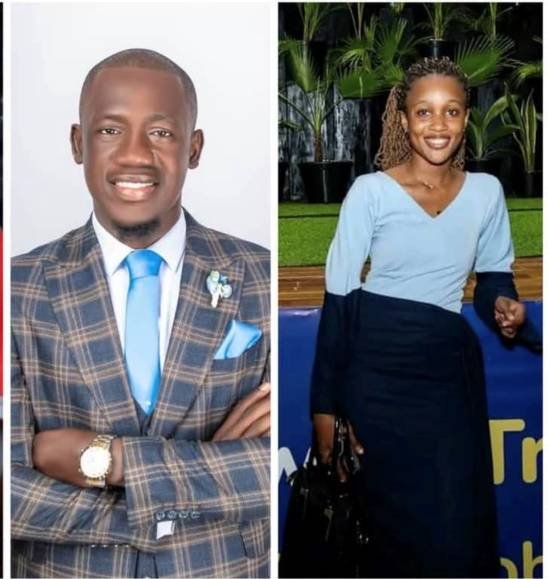
Two people posing side by side: man in a plaid suit with a blue tie and watch, and a woman in a light blue top with a dark skirt.

By Foday Moriba Conteh

The murder trial of Abdul Kpaka took a different dimension on Wednesday, 17th June 2026, at the Freetown High Court before Justice Alfred Ganda as the defense continued presenting its case and introduced email messages that it said revealed the deceased’s longstanding heart and breathing complications.

The defense continued leading its first witness, Abdul Kpaka, the defendant in the matter. After it was brought to the attention of the court that the High Court ICT expert, who had previously testified following an interposing procedure, was absent, Justice Ganda directed that Kpaka proceed with his testimony in chief to ensure progress in the trial.

Kpaka took the witness stand and was led in evidence by his lawyer, E.T. Koroma.

During the proceedings, the defense attempted to tender Kpaka’s mobile phone into evidence. However, State Counsel Yusuif Isaac Sesay objected, arguing that the only fit and proper person to tender both the deceased’s and the defendant’s phones was the court’s ICT expert. He maintained that the defense had earlier stated that it was the ICT expert who assisted them in retrieving the electronic exhibits already admitted into evidence and marked LL1 to LL45.

Justice Ganda upheld the prosecution’s objection and instructed defense counsel to proceed with the case and reserve the phone for the ICT expert’s testimony.

Following the ruling, Kpaka, under the direction of his lawyer, read portions of the 45-page booklet already admitted into evidence. The messages, according to the defense, revealed that the deceased had suffered from heart-related and other health complications over several years.

A message on page 5, dated 12th July 2019, reads:

“I can’t sleep, I can’t breath properly Kpaka”

Another message on page 23, dated 5th November 2020, states:

“I took the medicine they gave me, my head keeps spinning, and I am weak.”

Page 22, also dated 5th November 2020, reads:

” I have been really sick, my BP was super high, I spent the entire day at the hospital yesterday, please Kpaka forgive me, I am loosing my mind, I just want to talk oh.”

Another message on page 14, dated 28th March 2020, states:

“I threw up everything, this drug is killing me, my body is weak, sorry for me mum, don’t wanna get her involved and stress her, knowing my health problem. Na people country r dae, I don’t want to be dead here. My eyes hurt, been crying since Kpaka. M sorry.”

On page 10, dated 6th October 2019, the message reads:

“I need to go to the hospital, I don’t have money and can’t walk either. Pls save me.”

Page 7, dated 16th July 2019, reads:

” my mother is so disappointed at me, and is deeply sorry for everything, all I ask is this one chance. I want to make it up to my mum and you. Pls find it in your heart to forgive me Bae. I am sorry, unblock me.”

The defense also read several messages describing the nature of the relationship between the deceased and the defendant.

Page 36, dated 17th February 2022, reads:

“you inspire me, I do admire you a lot, I want life with you Bbe, I want children with you, I want a happy family with you. I want to wake up close to you every day. I want to keep telling you how sweet you smell. I am begging you like my life depends on it. Pls forgive me for this last mistake. Please, Bb.”

Page 20, dated 20th November 2020, reads:

“Even though I know I am blocked but I have kept on checking Kpaka. I will still continue checking. The Kpaka I know hate seeing me sad, and I hate seeing him sad too. Yes, I have my option, but I have never been this long mad at you. It breaks my heart to know you stay this mad at me. I am out of words, I swear. ”

Page 35, dated 17th February 2022, reads:

“you are the best, and loosing you will be me loosing my whole life. I love you so much that I want to spend every last breath of my time with you. I know I messed up severally, but I am only human, so please find it in your heart to forgive me, I need this final chance, ABD, you wont regret it. I promise to hold on to it as if my life depends on it. Life is way too complicated without you. My life is worthless without you ABD, I love you papa, bear and sorry for bringing the trust issues but I didn’t do or date him. I don’t need another man, I have a perfect man. My joy, sadness, and happiness. The only man that I am 💯 comfortable with. You are my whole life Abd, and I am truly sorry. Kindly take me back this final chance. Do for God our creator.”

Page 43, dated 31st March 2024, reads:

” I know me saying sorry all the time don make you ganze, cous I can’t be saying sorry n not working on my action. But be rest assured that I hate seeing me like this, useless, n that hurting you will not be intentional. My attitude stinks, that I knw n not proud of. But Abd U knw that it will take time or years to make me a better version, and I am trying to be better. Don’t give up on us now. Pls Papa.”

The messages presented in court referred to the deceased’s reported heart and breathing difficulties while also portraying a relationship marked by repeated disagreements. According to the messages read, the deceased frequently appealed to Kpaka for forgiveness after being blocked on WhatsApp and other communication platforms.

The messages further showed the deceased expressing deep affection and confidence in the defendant, describing him in one message as her “perfect man.” In several instances, she pleaded to be forgiven and unblocked and, according to the evidence read in court, even involved her mother and father in efforts to reconcile with Kpaka.

Although many of the messages expressed love and affection, the court heard that Kpaka rarely responded.

During the reading of the messages, State Counsel Yusuif Isaac Sesay raised concerns over certain pages of the exhibits. He questioned the differences in font sizes and the formatting of dates, arguing that some of the messages did not display clear or proper dates.

Justice Ganda acknowledged the concerns raised by the prosecution and stated that the court’s ICT experts would address those issues when they appear to present the phones and the active email records before the court.

After approximately 40 pages of the 45-page exhibit had been read into the record, the court adjourned the matter.

The trial is expected to resume on Wednesday, 8th July 2026.

Theological Consortium Sierra Leone Holds First-Ever Women-to-Women Bible Conference in Bo

Group of women (and a small child) posing for a photo outdoors in colorful traditional dresses, in front of a building.

The Theological Consortium Sierra Leone (TC-SL) has successfully concluded its first-ever Women-to-Women Bible Conference, bringing together more than fifty women from various Christian denominations across Sierra Leone. The two-day conference, held at the Pastoral Centre in Bo, focused on equipping women with biblical knowledge, leadership skills, and ministry tools to strengthen their role in spreading the Gospel and building healthy churches.

The conference was organized as a platform to empower women in ministry and enhance their capacity as trainers and leaders within their respective churches and communities. Participants engaged in intensive training sessions, discussions, and practical learning exercises designed to deepen their understanding of biblical teachings and effective ministry practices.

Speaking during the conference, the initiator of the Theological Consortium Sierra Leone, Rev. Prof. John Jusu, highlighted the vision behind the consortium and the significance of the women-focused gathering. He explained that the consortium works collaboratively with several Christian theological institutions and church denominations in Sierra Leone to provide accessible theological and pastoral education for church leaders and workers who may not have the opportunity to enroll in formal theological seminaries.

According to Rev. Prof. Jusu, the consortium was established to support individuals who have received the call to ministry but face barriers such as limited academic qualifications, financial constraints, geographical challenges, or time limitations. Through self-taught course workbooks and reading materials, students are able to study from their homes while periodically meeting as learning communities under the supervision of trained facilitators within their churches.

“The purpose of this conference is to empower women to become effective ministers and missionaries for the Kingdom of God,” Rev. Prof. Jusu said. “Women have always played a vital role in spreading the Gospel. The Bible records how the Samaritan woman immediately shared the good news about Jesus with her entire village. We believe women remain one of the most powerful instruments for evangelism and discipleship today.”

He described the conference as a “training of trainers” initiative, noting that the women who participated are expected to return to their various denominations and congregations to replicate the lessons learned and train other women within their churches.

“We are truly grateful to God Almighty for making it possible for you to attend this first Consortium Women-to-Women Bible Conference,” he said. “We encourage you to propagate everything you have learned here so that together we can build healthy churches and strengthen Christian ministry across Sierra Leone.”

The Theological Consortium Sierra Leone administers a Theological and Pastoral Education Programme through participating theological institutions and church denominations. The programme is designed to empower ministers and church workers through holistic and accessible learning opportunities that are affordable, practical, and rooted in real ministry settings.

The consortium’s training model emphasizes peer learning, community engagement, leadership development, and spiritual formation. Key areas of competence include biblical interpretation, worship and preaching, evangelism, pastoral care, leadership, church administration, community development, and the nurturing of new congregations.

Rev. Dr. James K. Sawo-Koroma, Team Lead of the Theological Consortium Sierra Leone, emphasized that the consortium seeks to strengthen church workers and leaders across all denominations by providing quality theological education that is both accessible and practical.

He noted that many Christians receive a calling to ministry but are unable to access formal theological education due to financial, academic, or logistical challenges. Through the consortium’s programmes, such individuals are equipped with the knowledge and skills needed to interpret and communicate the Gospel accurately and effectively.

“This training is designed to empower church workers and leaders to clearly understand and accurately interpret the Gospel message,” Rev. Dr. Sawo-Koroma said. “By doing so, they become more effective in serving their congregations and advancing the mission of the Church.”

Several important topics were covered during the conference, including Holistic Communication of the Gospel, which explored how Christians can effectively communicate the Gospel while addressing the spiritual, physical, emotional, and social needs of individuals and communities.

Facilitators explained that holistic ministry seeks to embody the Gospel in every aspect of life, recognizing that God created human beings as integrated persons whose spiritual and practical needs are interconnected. Participants learned that effective communication of the Gospel involves receiving, understanding, applying, and sharing God’s message in ways that transform lives and communities.

Another key session focused on Bitterness and Forgiveness, facilitated by Rev. Dr. Manly. The session examined the importance of forgiveness as a foundation for Christian witness, personal healing, and effective ministry. Participants were encouraged to overcome bitterness and embrace forgiveness as a practical expression of Christian faith.

The conference attracted participants from a broad range of partner denominations and Christian organizations, including the Baptist Convention Sierra Leone, Countess of Huntingdon’s Connexion Sierra Leone, Free Pentecostal Mission Sierra Leone, Harvest Inter-Continental, National Pentecostal Mission, New Harvest Global Ministry, United Brethren in Christ, Wesleyan Church of Sierra Leone, and the Evangelical Fellowship of Sierra Leone.

Theological Consortium Sierra Leone officials described the conference as a pilot initiative and expressed optimism that it would become a regular platform for equipping women in ministry across the country. They emphasized that empowering women with sound biblical knowledge and leadership skills will not only strengthen churches but also contribute to community transformation and national development.

At the close of the conference, participants expressed appreciation for the opportunity to learn, network, and grow spiritually. Many pledged to return to their communities and churches ready to share the knowledge gained and mentor other women in ministry.

The successful conclusion of the first Women-to-Women Bible Conference marks another significant milestone in the consortium’s ongoing efforts to make theological education accessible, practical, and transformative for church leaders and workers throughout Sierra Leone and beyond

Stats SL Completes Nationwide Cartographic Mapping Exercise Ahead of 2026 Census

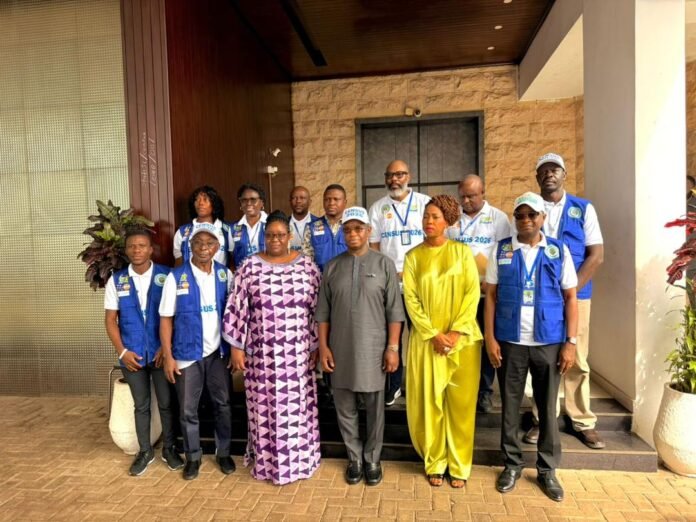
Group of men and women wearing blue census 2026 vests posing on steps outside a building.

Statistics Sierra Leone (Stats SL) has successfully completed its nationwide cartographic mapping exercise for the 2026 Population and Housing Census, culminating in the symbolic mapping of the Presidential Lodge at Hill Station, Freetown, on June 19, 2026.

The landmark event marked a significant milestone in Sierra Leone’s preparations for the 2026 Population and Housing Census and underscored the country’s commitment to conducting a credible, inclusive, and internationally recognized national census.

The symbolic exercise was attended by President Dr. Julius Maada Bio, who actively participated in the mapping process by responding to questions administered by the mapping team in his capacity as Head of Household. The event also attracted the First Lady of Sierra Leone, senior government officials, representatives of the media, the Deputy Country Representative of the United Nations Population Fund (UNFPA), the GIS and Cartographic Mapping Consultant, the Chief Technical Adviser (CTA) for the Census, and members of the management and staff of Statistics Sierra Leone.

The completion of the cartographic mapping exercise follows months of extensive fieldwork carried out across the country. The exercise is a critical component of census preparation, ensuring that all structures and households are accurately identified and assigned to Enumeration Areas ahead of the main population count.

Addressing the gathering, Statistician-General and Chief Census Officer, Andrew Bob Johnny, updated President Bio on the progress made towards the census. He highlighted the successful implementation of the Pilot Census, the completion of the nationwide cartographic mapping exercise, and ongoing preparations for the upcoming Mock Census.

He emphasized that the successful completion of the mapping phase demonstrates Statistics Sierra Leone’s readiness to proceed with the next stages of the census process and reflects the institution’s determination to ensure that every household in the country is captured.

The Cartographic Mapping Consultant, Dr. Foluke Adebayo, delivered a detailed presentation on the mapping process and outlined the methodologies employed throughout the nationwide exercise. Her presentation was followed by the screening of a simulation video showcasing key achievements and milestones recorded during the mapping operation.

Speaking during the event, President Dr. Julius Maada Bio described the symbolic mapping of the Presidential Lodge as an important moment in the country’s census preparations.

“This morning, Statistics Sierra Leone officially mapped the Presidential Lodge, marking the final step in our nationwide cartographic mapping process that began in October 2025. This will guide the conduct of a credible and accurate census in 2026, providing data to directly inform our future development planning,” President Bio stated.

The President commended Statistics Sierra Leone for the remarkable progress achieved thus far and reaffirmed his Government’s unwavering commitment to supporting the successful implementation of the 2026 Population and Housing Census.

He stressed the importance of reliable census data in national planning, policymaking, and resource allocation, noting that accurate population statistics remain essential for driving sustainable development and improving service delivery across the country.

The event concluded with the official symbolic mapping of the Presidential Lodge, formally signifying the successful completion of the nationwide cartographic mapping exercise.

Cartographic mapping is one of the most important pre-census activities, providing the framework for the main enumeration process by ensuring accurate delineation of Enumeration Areas and comprehensive coverage of all structures and households. Its successful completion represents a major step toward delivering a credible, reliable, and high-quality 2026 Population and Housing Census for Sierra Leone.

With the mapping phase now concluded, Statistics Sierra Leone is expected to intensify preparations for the Mock Census and subsequent enumeration activities as the country moves closer to conducting one of its most important national statistical exercises.

South African Woman Jailed 130 Years for Cocaine Trafficking in Sierra Leone

A South African national has been sentenced to a total of 130 years’ imprisonment after the High Court of Sierra Leone found her guilty of multiple drug-related offences involving the unlawful possession, importation and transportation of cocaine.

The sentence was handed down on Thursday, 18 June 2026, by High Court Judge, Honourable Justice Andrew S.C. Johnson, at the Main Law Courts Building in Freetown.

The convict, 37-year-old Asandra Denise, a resident of Nenvonds in the Eastern Cape Province of South Africa, was arraigned before the court on a five-count indictment comprising Unlawful Possession of Prohibited Drugs, Dealing in Prohibited Drugs, Collecting Prohibited Drugs, Importing Prohibited Drugs and Transporting Prohibited Drugs, contrary to the provisions of the National Drugs Control Act, 2008 (Act No. 10 of 2008).

According to court records, Denise was arrested at the Freetown International Airport in Lungi after authorities discovered 365 pellets of cocaine weighing approximately 5.4 kilograms in her possession without lawful authority.

The accused pleaded not guilty to all charges when the matter was brought before the court.

During the trial, Forensic Toxicologist Joseph Lahai testified that two pellets containing white powder were selected as samples from the exhibits and subjected to laboratory analysis. He informed the court that the samples, weighing 10.5 grams, tested positive for traces of Cocaine Hydrochloride.

Counsel for the accused, Ibrahim Samba Esq., told the court that after consultations with his client and in the absence of defence witnesses, the accused elected to rely on the statement she had earlier made to the police.

The prosecution, led by I.A. Kamara Esq., called three witnesses, including the Forensic Toxicologist and the Exhibit Clerk, to establish its case. Upon the conclusion of the evidence, the prosecution informed the court that it was satisfied with the testimony presented.

“My Lord, having led all our witnesses, the Prosecution now wishes to tender the ex-officio information under the hand of the learned Attorney General pursuant to Section 153(b) of the Criminal Procedure Act, 2024 Act No. 8 of 2024,” Kamara submitted before closing the prosecution’s case.

Delivering his judgment, Justice Andrew S.C. Johnson stated that he had carefully evaluated all the evidence before the court and found the prosecution witnesses to be credible. He noted that their testimonies remained materially unshaken during cross-examination.

The judge further held that the accused’s denial was insufficient to challenge the weight of evidence presented by the prosecution.

“I am therefore satisfied that the prosecution has proved its case beyond reasonable doubt,” Justice Johnson ruled. “I find the Defendant guilty as charged on all five counts.”

The court subsequently sentenced Denise to 10 years’ imprisonment on Count One for Unlawful Possession of Prohibited Drugs and 30 years each on Counts Two, Three, Four and Five for Dealing in Prohibited Drugs, Collecting Prohibited Drugs, Importing Prohibited Drugs and Transporting Prohibited Drugs respectively.

Although the combined sentence amounts to 130 years, Justice Johnson ordered that all terms of imprisonment run concurrently, effective from the date the accused was first remanded in custody.

The court also ordered that the cocaine and all related exhibits be forfeited to the State. Justice Johnson further directed that the narcotic substance be destroyed in the presence of the appropriate authorities in accordance with the law.

The judgment marks another significant conviction in Sierra Leone’s ongoing efforts to combat drug trafficking and strengthen enforcement against transnational narcotics crimes.

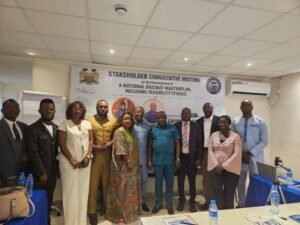
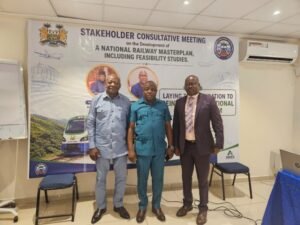
SLRDRA Holds Stakeholder Consultative Meeting on Development of National Railway Master Plan

Seven people stand in a conference room in front of a banner for a stakeholder consultative meeting on a national railway masterplan and feasibility studies.

By Mariama Iyatunde Mansare, Public Relations Officer

The Sierra Leone Railways Development and Regulatory Authority (SLRDRA) has held a high-level Stakeholders’ Consultative Meeting on the development of Sierra Leone’s first National Railway Master Plan, marking a significant step towards the restoration of railway transportation in the country.

The consultative meeting, held on Thursday, 18 June 2026, at the New Brookfields Hotel in Freetown, brought together government officials, representatives of Ministries, Departments and Agencies (MDAs), development partners, technical experts, and private sector stakeholders to commence discussions on the formulation of a comprehensive national railway strategy.

The event forms part of Government’s broader efforts to modernize transportation infrastructure, stimulate economic growth, improve connectivity, and strengthen regional integration.

Moderating the meeting, SLRDRA Company Secretary, Ms. Umu Nyalay Gbappy Esq., welcomed participants and underscored the importance of transparency, accountability, institutional collaboration, and stakeholder ownership throughout the Master Plan development process. She reaffirmed the Authority’s commitment to maintaining strong partnerships with government institutions and development partners to ensure the successful implementation of the railway development agenda.

Delivering the welcome address, Deputy Director-General of SLRDRA, Mr. George Simeon Songu, expressed appreciation to the Deputy Minister of Transport and Aviation, development partners, government institutions, local consultants ARIES Engineering and Consulting Services, and other stakeholders for attending the meeting. He described the occasion as a historic milestone that reflects Sierra Leone’s collective commitment to restoring a railway system capable of driving national development and economic transformation.

Chairman of the SLRDRA Board of Directors, Mr. Mohamed Tejan-Kella, emphasized the importance of establishing a strategic roadmap for the revival of railway transportation across the country. He noted that the National Railway Master Plan will identify priority railway corridors and provide a framework for the phased development of railway infrastructure nationwide.

According to him, an efficient railway network has the potential to boost economic growth by facilitating trade, improving access to markets, reducing transportation costs, supporting industrialization, and enhancing regional integration. He further stressed the need to align railway development with national priorities and international best practices while encouraging stakeholders to remain actively engaged throughout the planning process.

In his keynote address, Deputy Minister of Transport and Aviation, Mr. Rex Bonapha, reaffirmed Government’s commitment to restoring Sierra Leone’s railway sector in line with the vision of President Dr. Julius Maada Bio.

Reflecting on the country’s railway history, he noted that Sierra Leone once possessed an extensive rail network that played a vital role in connecting communities and supporting economic activities. He emphasized that reintroducing railway transportation has become increasingly important as the country seeks to improve connectivity, facilitate trade, support mining and agriculture, create jobs, and attract investment.

The Deputy Minister outlined Government’s two-phase railway investment strategy. The first phase involves preparing a comprehensive National Railway Master Plan supported by technical, economic, financial, environmental, and social feasibility studies. The second phase will focus on mobilizing private sector investment and development partner support to finance and implement viable railway corridors identified through the studies.

He also informed participants that the procurement process for an internationally reputable engineering consulting firm to undertake detailed studies was nearing completion and called on MDAs to provide the necessary technical information and data required for the successful preparation of the Master Plan.

Director General of SLRDRA, Ing. Dr. Albert Forde, delivered a detailed presentation on the proposed National Railway Network and the Authority’s vision for railway development. He revealed that the proposed network consists of fourteen interconnected railway corridors spanning approximately 1,900 kilometres across Sierra Leone, with opportunities for future links to neighbouring countries under the ECOWAS regional integration programme.

According to Dr. Forde, the proposed railway system is designed to support four major growth sectors: agriculture, mining, trade and investment, and passenger and tourism transportation. He highlighted plans for a future commuter rail service connecting Waterloo to River Number Two to improve urban mobility and support tourism development.

He explained that the network’s development will be guided by comprehensive feasibility studies, economic and financial assessments, environmental evaluations, and extensive stakeholder consultations. He further emphasized the Authority’s commitment to adopting modern railway technologies and environmentally sustainable solutions capable of supporting long-term economic growth.

Presenting the National Railway Master Plan Framework, Ing. Hassan Tamimu outlined the study’s objectives, methodology, and expected outcomes. He explained that the Master Plan aims to establish a long-term strategic framework for railway infrastructure development while promoting economic growth, regional integration, trade facilitation, and national connectivity.

Representing ARIES Engineering and Consulting Services, Ing. Nappy Bah presented proposed railway route options and corridor development strategies. She stated that preliminary route assessments considered factors such as population distribution, economic activity, mining operations, agricultural production centres, environmental conditions, topography, and future growth prospects.

SLRDRA Engineer, Ing. Kallon, also delivered a technical presentation on railway engineering standards, design principles, and implementation considerations. He stressed the importance of adhering to international and ECOWAS standards and highlighted the need for detailed surveys, geotechnical investigations, hydrological studies, bridge assessments, and environmental evaluations before implementation.

The vote of thanks was delivered by Ing. Fatmata Halima Turay, who expressed appreciation to President Julius Maada Bio, the Deputy Minister of Transport and Aviation, the Board Chairman, Director General, development partners, ARIES Engineering and Consulting Services, representatives of MDAs, and all stakeholders for their active participation.

She commended the collaborative spirit demonstrated during the consultation and encouraged continued cooperation as SLRDRA advances the development of Sierra Leone’s first National Railway Master Plan.

The meeting concluded with a renewed commitment from Government, SLRDRA, and technical partners to work collectively towards the successful development of the Master Plan. Once implemented, the initiative is expected to lay the foundation for the restoration of railway transportation in Sierra Leone, improve national connectivity, facilitate trade and investment, create employment opportunities, and contribute significantly to the country’s long-term economic transformation.