
Home Blog Page 20

SLAJ, WANAMDEL Condemn Alleged Police Assault on Paul Kamara, Demand Independent Probe

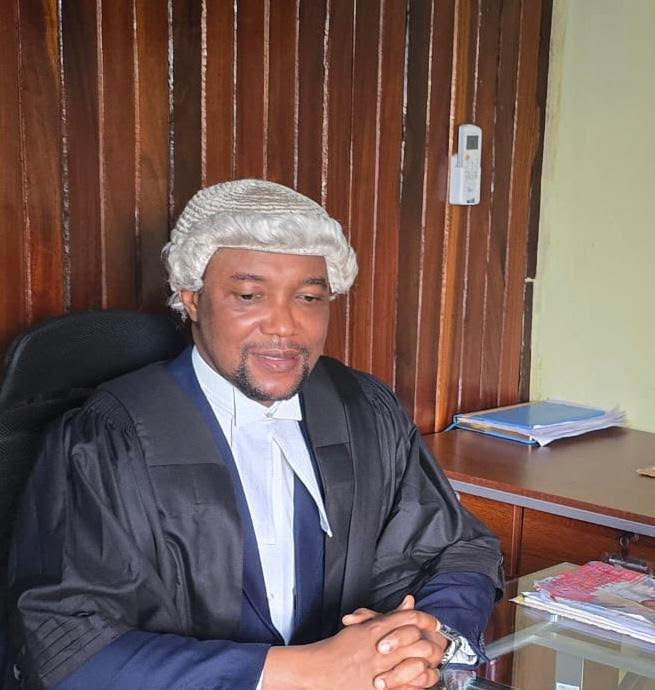
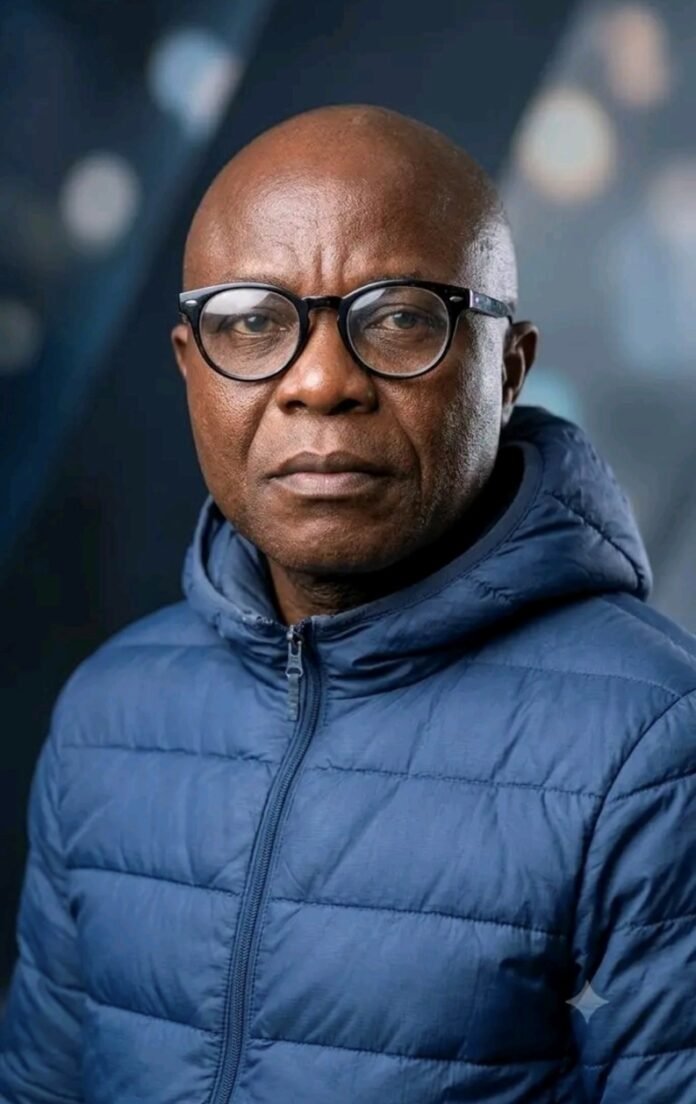
Lawyer and journalist, Paul Kamara

By Amin Kef (Ranger)

The Sierra Leone Association of Journalists (SLAJ) and the West Africa Network of Activists and Media Defense Lawyers (WANAMDEL) have strongly condemned the alleged assault on prominent media lawyer and journalist Paul Kamara by police officers at the Adonkia Police Station in Freetown, describing the incident as a grave threat to press freedom, professionalism and the rule of law.

In a statement issued on April 7, WANAMDEL disclosed that the incident reportedly took place on April 4, 2026, when Paul Kamara, one of its members and a respected journalist and legal practitioner, visited the Adonkia Police Station to follow up on investigations surrounding the death of his colleague, Augustine Sensie Bangura.

According to WANAMDEL, Paul Kamara had gone to the station’s Criminal Investigations Department as part of efforts to seek clarity on the matter. While there, he later joined sympathizers who had gathered to console the bereaved family. It was during that period, the group stated, that he witnessed a confrontation between a police officer and a civilian.

The regional network noted that in an attempt to calm tensions and prevent the situation from escalating, Paul Kamara stepped in to de-escalate the confrontation. However, rather than restoring calm, WANAMDEL alleged that the officers turned on him.

The group stated that Paul Kamara was physically assaulted, forcibly restrained and pepper-sprayed, despite clearly identifying himself as both a lawyer and journalist. WANAMDEL described the alleged conduct as a blatant violation of professional standards, citizens’ rights and the principles underpinning democratic policing.

Further concerns were raised over the response Paul Kamara reportedly received when he sought to lodge an official complaint. WANAMDEL said officers stationed at the Complaints Desk allegedly treated him with indifference and ridicule, frustrating his attempt to secure immediate redress. It was only after concerned individuals reportedly contacted the Local Unit Commander that he was allowed to file a formal complaint.

In its reaction, WANAMDEL called for an immediate, transparent and independent investigation into the alleged assault, while urging the Sierra Leone Police to impose appropriate sanctions on any officers found culpable. The network further called for urgent institutional reforms to prevent similar incidents and to guarantee the protection of journalists, lawyers and ordinary citizens.

The development has further heightened growing concerns over press freedom violations across West Africa, where journalists continue to face harassment, arbitrary arrests and assaults, particularly when covering sensitive governance, human rights and public accountability issues.

Echoing similar concerns, the Sierra Leone Association of Journalists, in a Press Release dated April 5, 2026, also strongly condemned the alleged assault and reported misconduct involving officers of the Sierra Leone Police against Paul Kamara Esq.

Signed by Secretary General Edward Marah, SLAJ noted that Paul Kamara, who also serves as a media trainer and legal practitioner, was at the Police Station in connection with the same ongoing investigation into the death of Augustine Sensie Bangura.

The Association stated that, based on the account provided by Paul Kamara, he was allegedly physically assaulted, forcibly restrained, dragged and pepper-sprayed by officers following an interaction within the police premises. SLAJ emphasized that if the allegations are established, the incident would raise serious questions about the use of force, professional conduct and respect for the rights and dignity of citizens.

While acknowledging that it was yet to receive the official version of events from the Sierra Leone Police, SLAJ maintained that the allegations were sufficiently serious to warrant urgent national attention.

The Association therefore called on the leadership of the Sierra Leone Police to launch an immediate, thorough and impartial investigation, stressing that any officers found responsible must be held fully accountable under the law.

SLAJ also urged authorities to guarantee the safety and protection of Paul Kamara and any potential witnesses, while calling on the Independent Police Complaints Board and other relevant oversight institutions to closely monitor the process in the interest of transparency and justice.

Reaffirming its commitment to media freedom and democratic accountability, SLAJ stressed that respect for the rule of law, professionalism and accountability must remain the cornerstone of policing in any democratic society. The Association warned that incidents of alleged abuse, if not decisively addressed, risk further eroding public trust in law enforcement institutions.

Both SLAJ and WANAMDEL have now placed the matter firmly in the spotlight, with media rights advocates across the region expected to closely watch the outcome of investigations into what is rapidly becoming another significant test case for press freedom and police accountability in Sierra Leone.

SLAJ Calls for Stronger Institutional Independence, Unified Legal Profession at Lawyers’ Society AGM

President of the Sierra Leone Association of Journalists (SLAJ), Alhaji Manika Kamara

By Amin Kef (Ranger)

The President of the Sierra Leone Association of Journalists (SLAJ), Alhaji Manika Kamara, has underscored the urgent need for stronger institutional independence, legal unity and sustained reforms as essential pillars for deepening democracy in Sierra Leone.

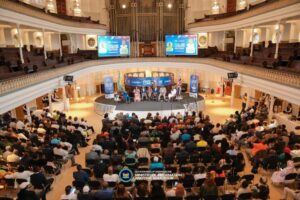
Delivering a goodwill statement at the Second Annual General Meeting of the Lawyers’ Society Sierra Leone held at the New Brookfields Hotel in Freetown on Wednesday 8 April 2026, Alhaji Manika Kamara praised the legal body for sustaining what he described as a vital platform for reflection, dialogue and professional engagement.

Addressing the gathering under the theme: “Institutional Independence and Reforms: Pillars of Democracy,” the SLAJ President noted that the subject remains both timely and critical as Sierra Leone continues its democratic consolidation journey.

He stressed that institutional independence remains the bedrock upon which public trust is built, emphasizing that citizens are more likely to believe in governance systems when institutions, whether legal, media, electoral or administrative, are seen as credible, impartial and accountable.

According to him, whenever the independence of institutions comes under doubt, public confidence begins to erode, creating vulnerabilities that ultimately weaken democracy and national cohesion.

Alhaji Manika Kamara observed that journalists witness daily how the strength or fragility of institutions directly shapes public discourse, governance outcomes and national stability.

He said both the media and the legal profession occupy uniquely strategic positions in safeguarding democracy, describing the two professions as watchdogs and defenders whose missions, though distinct, are deeply interconnected through their shared commitment to truth, justice and accountability.

Speaking on current developments within Sierra Leone’s legal landscape, the SLAJ President carefully addressed the growing emergence of new professional legal groupings alongside the longstanding Sierra Leone Bar Association.

He noted that while SLAJ firmly supports the constitutional right to freedom of association, the proliferation of parallel legal bodies reflects tensions that deserve serious and constructive attention.

Alhaji Manika Kamara warned that a fragmented legal profession could pose significant risks not only to the profession itself but also to the justice system and the broader democratic order of the country.

He reiterated SLAJ’s principled position that Sierra Leone is best served by a strong, independent and unified Bar, clarifying that unity should never be mistaken for suppression of diverse opinions.

Rather, he argued that diversity of thought must coexist with cohesion, mutual respect and constructive engagement among all actors within the legal profession.

The SLAJ President therefore encouraged continued dialogue among legal stakeholders aimed at bridging divisions, reinforcing institutional integrity and rebuilding public confidence in the justice sector.

He described the matter as both an internal professional necessity and a national democratic imperative.

Reaffirming SLAJ’s readiness to work with all legal bodies, including the Lawyers’ Society, the Sierra Leone Bar Association and other emerging formations, Alhaji Manika Kamara said the Association remains firmly committed to promoting the rule of law, defending fundamental human rights and protecting press freedom and freedom of expression.

He also used the occasion to call on professionals in both the media and legal sectors to move beyond public rhetoric and embrace deliberate action.

According to him, the era when institutions relied solely on issuing statements has long passed, stressing that meaningful democratic growth now requires sustained engagement, policy influence, collaborative reform initiatives and principled advocacy.

He maintained that democracy cannot be strengthened by words alone but through deliberate, consistent and action-oriented efforts.

Highlighting the immense potential for stronger collaboration between the media and the legal community, Alhaji Manika Kamara said both professions can jointly champion transparency, judicial accountability, legal and policy reforms, and the protection of citizens’ rights, including the rights and safety of journalists.

As deliberations continued at the AGM, he urged members of the legal fraternity to focus not only on the ideal of institutional independence but also on the practical mechanisms required to protect it through ethics, accountability, reforms and unity of purpose.

He concluded by encouraging the Lawyers’ Society to use the AGM as a moment to reaffirm its commitment to professionalism, integrity and national service.

“The country looks up to you not only as interpreters of the law, but as custodians of justice and defenders of democracy,” he emphasized.

The SLAJ President finally wished the Society fruitful and impactful deliberations, while expressing optimism that stronger synergy between the media and legal sectors will continue to advance democratic governance and public trust in Sierra Leone.

Chinese Embassy Facilitates High-Level Legal Elites Training for Senior Sierra Leone Judiciary Staff in China

Sierra Leone’s Judiciary has recorded another significant milestone in institutional capacity building as three senior staff members returned home after successfully completing a one-month high-level legal training programme in the People’s Republic of China, facilitated through the Embassy of the People’s Republic of China in Sierra Leone in Freetown.

The specialized Legal Elites Training Programme, organized by the Academy for International Business Officials (AIBO) under the Ministry of Commerce of the People’s Republic of China (MOFCOM), focused on Legal Education and Policy Analysis, equipping participants with advanced knowledge in both Chinese and global legal systems. The programme was specifically designed to sharpen expertise in international business law, economic regulation, dispute resolution, legal analysis, negotiation and cross-border commercial practice.

In addition to strengthening their legal competencies, the training also exposed the Judiciary officials to modern principles of corporate governance and leadership, aimed at enhancing judicial administration, operational efficiency and institutional management within Sierra Leone’s courts.

Upon their successful return to Sierra Leone with certificates of completion, the senior Judiciary staff were warmly received at the Chief Justice’s Chambers in Freetown on 7 April 2026 by His Lordship Honourable Justice Komba Kamanda, who commended them for what he described as excellent participation and distinguished representation of the nation’s Judiciary.

Welcoming the officers, Honourable Chief Justice Komba Kamanda emphasized that continuous professional development remains a central pillar of his reform and modernization agenda for the Judiciary of Sierra Leone. He noted that the Legal Elites Training Programme is tailored to produce professionals who combine sound legal expertise with international business acumen and a strong understanding of global governance frameworks, enabling them to function effectively in today’s fast-changing global legal and economic environment.

The Chief Justice further underscored that staff development initiatives of this nature are essential to building a highly skilled and motivated Judiciary workforce capable of delivering efficient justice services and supporting Sierra Leone’s broader legal and commercial transformation.

As part of his ongoing commitment to capacity building and staff morale, Justice Komba Kamanda personally nominated three senior members of the Judiciary to participate in the prestigious seminar. They include Mabel Sesay, Deputy Assistant Registrar at the Pademba Road Magistrates’ Courts; Mohamed Lamin Kamara, Head of the Fast Track Commercial Court; and James Sesay, Head of Facilities and Assets Management.

Their successful participation is expected to significantly strengthen the Judiciary’s internal expertise, particularly in areas relating to commercial adjudication, legal policy analysis, court administration and institutional leadership.

The latest training initiative further highlights the growing cooperation between the Judiciary of Sierra Leone and the Embassy of the People’s Republic of China in Sierra Leone, while reinforcing the Chief Justice’s determination to prioritize international exposure, professional excellence and administrative innovation across the country’s justice sector.

WHO Representative Urges Sierra Leone to Stand with Science for Health Transformation on World Health Day 2026

WHO Representative in Sierra Leone, Dr. George Ameh

By Amin Kef (Ranger)

As Sierra Leone joined the rest of the world in commemorating World Health Day 2026 and marking the 78th anniversary of the World Health Organization on April 7, 2026, the WHO Representative in Sierra Leone, Dr. George Ameh, delivered a powerful message underscoring the central role of science in transforming the nation’s health sector.

Speaking under this year’s global theme : “Together for Health. Stand with Science,” Dr. George Ameh noted that the message strongly reflects Sierra Leone’s remarkable health progress over the years and the critical importance of evidence-based interventions in saving lives, strengthening resilience and improving national health outcomes.

He highlighted that over the past two decades, Sierra Leone has recorded significant gains in maternal and child health, describing the progress as a testament to sustained investments in policy reforms, stronger service delivery systems, reliable data mechanisms and the unwavering dedication of frontline healthcare workers. According to him, maternal mortality has declined by 74 percent, dropping from 1,682 deaths per 100,000 live births in 2000 to 354 in 2023, while under-five mortality has reduced by 55 percent, from 225 to 94 deaths per 1,000 live births within the same period.

Dr. George Ameh emphasized that those achievements were made possible through the collaborative efforts of Government, health workers, communities, WHO and development partners, all working together to ensure that science-driven strategies are translated into practical solutions that reach mothers and children across the country.

He further pointed to major improvements in child health outcomes through expanded immunization programmes, malaria prevention strategies, better nutrition services and strengthened primary healthcare interventions for common childhood illnesses. A notable milestone, he said, was reached in 2024 when Sierra Leone introduced the malaria vaccine, with over 550,000 doses rolled out across 15 districts to protect children under five from one of the country’s leading causes of death.

The WHO Representative also referenced Sierra Leone’s notable success in reducing malaria-related deaths, recalling that in 2016 the country recorded one of the highest declines in malaria deaths in West Africa, a development he described as clear evidence of the life-saving power of science-led interventions.

Further reinforcing the country’s commitment to innovation, Dr. George Ameh commended the January 2026 launch of the National Health Information Hub, Sierra Leone’s first centralized platform for science-driven health intelligence. He said the digital platform is already strengthening real-time monitoring of maternal and child health outcomes, immunization coverage, mortality patterns and disease surveillance, thereby enabling planners, clinicians and policymakers to make faster, smarter and more evidence-based decisions.

According to him, WHO’s support to Sierra Leone extends far beyond the formulation of global guidelines and standards, encompassing service delivery enhancement, laboratory strengthening, outbreak preparedness and response, digital health systems, surveillance and workforce development. He stressed that from the West African Ebola epidemic to COVID-19, Mpox and other emerging public health threats, Sierra Leone has demonstrated that resilient health systems are built through collaboration, science and evidence.

He particularly underscored the growing importance of the One Health approach, which recognizes the deep interconnection between human, animal and environmental health. Dr. George Ameh said that framework remains highly relevant as Sierra Leone confronts challenges such as zoonotic diseases, antimicrobial resistance, food insecurity and climate-related health risks.

In a strong appeal for broader public engagement, Dr. George Ameh stressed that science must not remain confined to laboratories and academic spaces alone. Rather, he said, it must reach villages, schools, hospitals, farms, markets and households where its benefits can directly improve lives.

He said the nation must celebrate every mother now enjoying a safer childbirth experience, every child protected through vaccination and every health worker empowered by timely and reliable data, noting that such achievements clearly demonstrate what becomes possible when science, solidarity and national commitment converge.

Looking ahead, he urged Sierra Leone to draw inspiration from global scientific milestones, including the International One Health Summit and the Global Forum of WHO Collaborating Centres, by deepening its commitment to science-driven reforms, expanding local research capacity and strengthening partnerships with universities and scientific institutions.

He warned that in an era where misinformation often spreads faster than disease outbreaks, rebuilding public trust in science has become a national imperative. Citizens, he noted, must be equipped with accurate, accessible and culturally relevant health information to combat falsehoods and strengthen confidence in proven health interventions.

On behalf of WHO, Dr. George Ameh called on the Government of Sierra Leone and all development partners to increase domestic investment in science, broaden local research opportunities and deepen cross-sector collaboration to ensure that evidence-based health solutions reach every household in the country.

“As we mark World Health Day 2026, we celebrate lives saved, systems strengthened and partnerships forged,” he stated, adding that through science and solidarity, Sierra Leone can continue building a healthier, safer and more resilient future for all.

Independent Committee Set Up to Investigate Sierra Leone Law School Allegations

former Attorney General and Minister of Justice, Dr. Priscilla Schwartz

By Foday Moriba Conteh

President Dr. Julius Maada Bio has directed the establishment of an Independent Investigation Committee to conduct a comprehensive inquiry into allegations of wrongdoing and impropriety at the Sierra Leone Law School, in a decisive move aimed at restoring public confidence in legal education and safeguarding the integrity of the legal profession.

The directive, announced by the Office of the Press Secretary at State House on Tuesday, 7 April 2026, followed a high-level meeting held on 31 March 2026 between the President, Honourable Chief Justice Komba Kamanda, who also serves as Chairman of the Council of Legal Education and the Attorney General and Minister of Justice.

According to the release, the engagement centered on a series of allegations that have been circulating in the public domain concerning the Sierra Leone Law School. President Bio reportedly expressed deep concern over the potential damage such allegations could inflict on the reputation of the institution and on the wider legal profession in Sierra Leone.

Emphasizing the Sierra Leone Law School’s status as a sub-vented public institution, the President underscored the urgent need for a fair, impartial and comprehensive investigation capable of restoring credibility and ensuring that the administration of legal education remains firmly anchored in the public interest.

In line with his commitment to accountability, transparency and the proper functioning of public institutions, President Bio approved the formation of a five-member Independent Investigation Committee chaired by former Attorney General and Minister of Justice, Dr. Priscilla Schwartz.

Other members of the committee include Ms. Mariama Anthony-Williams, an accounting and public sector expert; Ms. Elizabeth Kamara, an educator and Assistant Deputy Vice Chancellor of Fourah Bay College; Ms. Nicky Spencer-Coker, a legal practitioner and Mr. Victor I. Lansana, Secretary of the General Legal Council.

The committee has been mandated to thoroughly investigate all allegations of wrongdoing and impropriety at the Sierra Leone Law School and make appropriate recommendations. Its terms of reference also include assessing the institution’s administrative and governance structures, recommending reforms to strengthen accountability and identifying systemic weaknesses that may have contributed to the current concerns.

Additionally, the committee is expected to propose practical measures aimed at ensuring greater transparency, fairness and professionalism within the institution.

In a related development, the Commissioner of the Anti-Corruption Commission has informed the President that the ongoing ACC investigation into the matter will be suspended pending the outcome of the committee’s work. The move is intended to avoid parallel processes and ensure what State House described as a coherent, independent and holistic review.

The Independent Investigation Committee has been given eight weeks to conclude its work and submit a full report containing its findings and recommendations to the President.

President Bio, according to the statement, remains firmly committed to enhancing the integrity of the legal profession and ensuring that the Sierra Leone Law School continues to stand as an institution of credibility, trust and excellence in legal training.

Government Moves to Privatize EDSA Operations Before End of 2026

By Ibrahim Sesay

The Government of Sierra Leone has unveiled a major electricity sector reform plan that will see the operational management of the Electricity Distribution and Supply Authority (EDSA) transferred to a private sector operator before the end of 2026, as part of efforts to improve efficiency, strengthen revenue generation and guarantee more reliable power supply across the country.

That disclosure was made by the Deputy Minister of Energy I, Edmund Nonie, during the Government’s weekly Press Briefing held at the Miatta Conference Centre on Tuesday, April 7, 2026, where he outlined a strategic roadmap aimed at addressing persistent inefficiencies that have long affected the country’s electricity distribution system.

According to the Deputy Minister, the move is not a sale of the state-owned electricity institution, but rather a management reform framework under which a competent private company will be contracted to oversee the day-to-day running of EDSA with strict performance targets.

He clarified that ownership of the institution will remain fully with the Government of Sierra Leone, while the private operator will bring in technical expertise, stronger management systems and results-driven mechanisms to tackle commercial losses, improve billing and collections and enhance customer service delivery nationwide.

Edmund Nonie stressed that the decision forms part of a broader public-private partnership strategy intended to restore financial discipline and operational credibility within the power sector, noting that the current structure has struggled under the weight of inefficiencies, leakages and weak cost recovery systems.

He particularly highlighted the financial burden associated with electricity supply in rural and underserved communities, where Government continues to subsidize power far beyond what is currently being recovered through revenue streams.

Despite the financial strain, he reaffirmed Government’s unwavering commitment to expanding electricity access throughout Sierra Leone, describing rural electrification as a key pillar of President Dr. Julius Maada Bio’s national development vision.

The Deputy Minister further assured citizens that by the end of President Bio’s tenure, Government remains focused on ensuring a more dependable, wider and sustainable electricity supply network capable of supporting households, businesses and public institutions.

As part of the transition process, he disclosed that EDSA has already begun collaborating with private sector institutions in specific operational areas, particularly debt recovery and revenue collection, with early signs of improvement already being recorded.

He explained that those targeted partnerships have started strengthening EDSA’s financial standing, enabling the institution to better meet its obligations to energy suppliers and reducing the risk of supply disruptions that previously stemmed from unpaid debts and contractual tensions.

In what appears to be an early validation of the reform direction, the Deputy Minister pointed out that recent months have not witnessed the kind of supplier shutdown threats that had previously become common within the sector, a development he attributed partly to improved financial engagements and private sector support mechanisms.

Government officials believe the full operational privatization model will introduce modern performance-based management systems, improve accountability, reduce both technical and commercial losses and significantly boost service delivery standards.

The planned reform is also expected to improve public confidence in the electricity sector by ensuring faster response to faults, better customer relations, stronger metering systems and more transparent billing structures.

Energy sector observers say the initiative marks one of the boldest reform measures undertaken in recent years and could become a turning point in Sierra Leone’s drive toward a stable and financially viable electricity distribution system.

With the end-of-2026 target now clearly set, expectations are rising that the partnership model could redefine the future of power supply management in Sierra Leone while keeping state ownership intact and safeguarding national strategic interests.

Nationwide Enforcement of Biometric Residence and Work Permit Cards Enters Full Swing Across Sierra Leone

By Amin Kef (Ranger)

The Government of Sierra Leone has commenced full nationwide enforcement of the Biometric Residence and Work Permit Card regime, marking a major step in the country’s drive to modernize migration control, strengthen labour regulation and enhance national security.

The enforcement action, jointly led by the Ministry of Employment, Labour and Social Security and the Sierra Leone Immigration Department, follows the expiration of the transition period previously granted to non-nationals to replace their old paper-based permits with the new biometric cards.

Under the directive, which took legal effect on 1 April 2026, the biometric permit card now stands as the sole officially recognized document for residence and work authorization for all non-nationals living or working in Sierra Leone.

Authorities confirmed that compliance exercises are now being actively carried out nationwide, with verification teams deployed to airports, seaports, border crossings, workplaces and various field inspection points to ensure that all foreign nationals are in possession of valid biometric documentation.

The move signals Government’s determination to close loopholes associated with outdated paper permits, which officials say had become vulnerable to misuse, forgery and weak verification systems.

As part of the enforcement process, all non-nationals are required to produce their valid biometric residence and work permit cards whenever requested by immigration or labour officers. Officials warned that anyone found in violation of the directive risks facing administrative penalties, denial of immigration services, sanctions at border points and possible revocation of legal work or residency status.

Employers across Sierra Leone have also been placed under renewed legal obligation to ensure that every non-national within their workforce holds valid biometric authorization. Authorities stressed that hiring or retaining foreign workers without proper biometric documentation now constitutes a direct breach of the country’s labour and immigration laws.

To support smooth compliance, Government said service centers remain operational in Freetown, Bo, Kenema, Makeni, Kono and Port Loko, where trained staff are available to assist with applications, renewals and permit verification.

In addition to the physical offices, the Government continues to encourage applicants to utilize the official online unified permit platform, which has been introduced to simplify processing, reduce paperwork and improve transparency in immigration services.

Officials say the new system forms part of broader reforms aimed at creating a digitally secure, transparent and efficient migration management architecture that aligns with international best practices.

The nationwide enforcement exercise is expected to improve identity verification, enhance monitoring of foreign labour participation and strengthen institutional coordination between immigration and employment authorities.

With the grace period now officially concluded, Government is urging all affected individuals and employers to act swiftly to avoid sanctions, emphasizing that no further extension is expected.

The latest development underscores Sierra Leone’s growing commitment to modern border governance, stronger workforce regulation and the use of biometric technology to improve public administration.

SLPHA to Transfer US$8 Million Dividend to Government as Yankuba Askia Bio Drives Port Revenue Growth

Director General of Sierra Leone Ports and Harbours Authority (SLPHA), Yankuba Askia Bio

The Sierra Leone Ports and Harbours Authority (SLPHA), under the leadership of Director General, Yankuba Askia Bio, has continued to strengthen its reputation as one of the country’s most financially resilient and reform-driven public institutions, with the Authority now set to transfer an impressive Eight Million United States Dollars (US$8,000,000) to the Government of Sierra Leone as dividend for the 2025 financial year.

The dividend, which represents the Government of Sierra Leone’s 20 percent equity share from profits declared by Freetown Terminal Limited, marks yet another major milestone in the Authority’s sustained upward revenue trajectory and growing contribution to national development.

This latest remittance reflects a remarkable and steady rise in returns over the past three years. In 2023, the Authority transferred US$4 million to Government coffers. This figure rose significantly to US$7 million in 2024 and has now climbed to US$8 million for 2025, underscoring a strong pattern of financial expansion driven by ongoing reforms, operational modernization and improved efficiency within the port sector.

The consistent growth in remittances is widely seen as a clear indication of the success of strategic reforms introduced under the stewardship of Director General Yankuba Askia Bio, whose administration has focused on digitalization, modernization of port operations and strengthening revenue assurance mechanisms. Those measures have significantly enhanced productivity at the Freetown Port while boosting investor confidence and improving service delivery.

Beyond the annual dividends, reports indicate that since 2023, the Sierra Leone Ports and Harbours Authority has also paid over US$11 million in concession fees to the Government of Sierra Leone over a two-year period, further reinforcing its importance as a major revenue-generating institution within the transport and maritime sector.

The funds remitted to Government are expected to support key national priorities, including infrastructure development, maritime security enhancement, trade facilitation and the delivery of essential public services, all of which remain critical pillars in Sierra Leone’s economic transformation agenda.

Further highlighting the Authority’s growing institutional strength, the SLPHA was recently recognized as the top-performing agency under the Ministry of Transport and Aviation in the 2025 mid-term performance assessment, a feat many observers attribute to its disciplined management culture and results-oriented leadership.

In another significant development, the Authority is currently overseeing a major US$25 million rehabilitation project at the Freetown Port, covering berths 3, 4, 5 and 6. The large-scale infrastructure intervention is being fully financed by Freetown Terminal Limited under the terms of its concession agreement with the Government of Sierra Leone.

The rehabilitation project is expected to substantially improve cargo handling capacity, operational safety, vessel turnaround time and the overall competitiveness of the Freetown Port as a strategic maritime gateway for regional and international trade.

Industry analysts say the combination of strong dividend growth and aggressive infrastructure renewal demonstrates that the Sierra Leone Ports and Harbours Authority is steadily positioning itself as a modern and efficient trade hub capable of supporting Sierra Leone’s broader economic ambitions.

The ongoing transformation of the port sector is increasingly being viewed as one of the notable institutional success stories under Director General Yankuba Askia Bio and his Management team, whose leadership continues to align operational performance with national development objectives.

With revenue streams rising, strategic assets being modernized and Government returns improving year after year, the SLPHA remains a vital pillar in Sierra Leone’s maritime economy and a key driver of sustainable economic growth.

President Bio Pushes Climate Investment and Green Industrialization at Two Major Vienna Energy Forums

President Dr. Julius Maada Bio

By Amin Kef (Ranger)

President Dr. Julius Maada Bio on Thursday 9 April 2026 intensified Sierra Leone’s global advocacy for climate finance, energy access and green industrialization during two separate high-level engagements in Vienna, Austria, where he called for practical implementation of global commitments and stronger partnerships to transform Africa’s economic future.

The first event took place at the Hofburg Palace in Vienna, where President Julius Maada Bio delivered a keynote statement at the International Vienna Climate and Energy Conference. Addressing world leaders, investors and development partners, the President stressed that the global energy transition must move beyond lofty declarations and produce real outcomes capable of generating jobs, creating value and improving lives across developing economies.

He underscored the strong link between prosperity, security and stability, noting that Africa must no longer be viewed merely as a source of raw materials but as a strategic centre for industrial expansion and value addition.

President Julius Maada Bio firmly stated that Africa should not serve as a warehouse for the global energy transition but must emerge as a hub for industrial growth, innovation and long-term value creation.

Speaking in his capacity as Chairman of the ECOWAS Authority of Heads of State and Government, President Julius Maada Bio highlighted ongoing regional efforts to reposition West Africa as an integrated, investment-ready bloc through policy harmonization, improved infrastructure connectivity and the development of coordinated industrial corridors.

He specifically pointed to the immense opportunities within the Mano River Union, bringing together Sierra Leone, Liberia, Guinea and Côte d’Ivoire, where integrated mining, transport, energy and port corridors could unlock large-scale industrialization, including aluminium refining and steel production.

At the national level, President Julius Maada Bio reaffirmed Sierra Leone’s commitment to energy transformation through the Mission 300 initiative, backed by the World Bank and the African Development Bank. He disclosed that Sierra Leone has developed a US$2.2 billion Energy Compact aimed at significantly expanding electricity access, scaling clean energy solutions and attracting increased private sector investment.

According to the President, Sierra Leone is targeting an increase in electricity access from 36 percent to 78 percent by 2030, while also expanding clean cooking access and ensuring no community is left behind through both grid and off-grid solutions.

He also made a strong case for affordable and accessible climate finance, lamenting that many viable African projects continue to struggle to reach financial closure because of high capital costs and persistent risk perceptions.

President Julius Maada Bio further announced plans for ECOWAS to deliver a pipeline of bankable cross-border energy and industrial projects within the next year, while also unveiling plans for a West Africa Integration and Investment Summit focused on execution and measurable outcomes.

In a separate but equally significant event held in Vienna on the margins of the International Vienna Climate and Energy Forum, President Julius Maada Bio spoke at a high-level roundtable on “Green Industrialization for Stability and Shared Prosperity,” where he again linked energy development to economic transformation, particularly for Least Developed Countries and Landlocked Developing Countries.

At that roundtable, the President emphasized that energy access should not be treated as an end in itself but as a direct catalyst for production, employment creation and livelihood enhancement.

He highlighted Sierra Leone’s strategy of aligning energy development with productive sectors through flagship initiatives such as Feed Salone, which supports irrigation, agro-processing, cold storage and rural enterprises. According to him, this integration is central to increasing productivity, boosting incomes and strengthening resilience within local communities.

President Julius Maada Bio also noted that while national grid expansion remains vital, distributed renewable energy systems, including mini-grids and stand-alone solar solutions, provide the fastest route to scaling electricity access in rural and underserved communities.

He further cited Sierra Leone’s clean cooking transition as a practical example of green industrialization creating new value chains, enterprises and opportunities, especially for women and small-scale entrepreneurs.

Looking ahead, President Julius Maada Bio announced that within the next 12 months Sierra Leone will operationalize a Distributed Renewable Energy and Clean Cooking Acceleration Initiative under its Mission 300 Compact. The initiative, he said, will focus on scaling solar energy for productive use, widening access to clean cooking and mobilizing blended finance through development institutions and private investors.

He concluded by reaffirming Sierra Leone’s readiness to serve as a demonstration country for impactful and scalable energy solutions, stressing that the ultimate objective remains improved livelihoods, economic resilience and long-term national stability.

The strong engagements at two separate Vienna forums on the same day further reinforced President Julius Maada Bio’s growing international profile as a leading African voice on climate investment, regional energy integration and green industrial transformation.

SLBC Appeals for Urgent Support After Fire Gutted Deputy Director General’s Office

By Amin Kef (Ranger)

The Sierra Leone Broadcasting Corporation (SLBC) has begun urgent recovery and rehabilitation efforts following a fire incident that destroyed the office of its Deputy Director General, Mohamed Asmieu Bah, at the national broadcaster’s headquarters in Freetown. The fire, which occurred on Wednesday 8th April 2026 at about 11:30 a.m., has been described by Management as a serious incident that could have escalated into a far more devastating disaster if not for the swift intervention of staff and the timely response of emergency services.

Speaking in separate exclusive interviews with The Calabash Newspaper, both Director General, Josephine Fatima Kamara and Deputy Director General, Mohamed Asmieu Bah, gave a detailed account of the incident, the suspected cause, the scale of the destruction and the urgent need for institutional support.

According to Director General Josephine Kamara, the incident occurred while she and the Deputy Director General were engaged in an official meeting with officials from the Anti-Corruption Commission’s Risk Assessment and Prevention Unit, who had visited the Corporation on a follow-up mission regarding governance and audit recommendations.

After the meeting, the Deputy Director General escorted the visiting officials to the Boardroom on the ground floor for a separate session with the Internal Auditor. As the Director General was proceeding downstairs to join them, two technical engineers suddenly rushed down the staircase shouting that there was a fire in the Deputy Director General’s office upstairs.

Josephine Kamara said her immediate response was to ensure the rapid evacuation of all staff from the affected floors in order to prevent casualties.

She commended SLBC staff for their courage and quick thinking, explaining that in the absence of readily available firefighting resources, some members of staff fetched water from nearby bathrooms and immediately began efforts to contain the flames.

According to her, the affected office door was forced open to allow staff gain access and fight the blaze, while others concentrated on moving personnel away from danger zones.

The fire service reportedly arrived within 15 to 18 minutes, but by then much of the visible flames had already been brought under control by SLBC’s technical staff, although smoke and heat continued to smolder inside the damaged office.

The fire officers subsequently carried out a cooling process and sprayed additional water to suppress remaining hotspots. However, Management later had to call them back for a second cooling operation after parts of the wooden roofing and planks continued to smolder.

The Director General revealed that the National Disaster Management Agency (NDMA) also visited the scene and conducted a preliminary assessment, with a formal report expected to guide the next phase of rehabilitation.

On the likely cause of the incident, both Management officials pointed to an electrical fault, with early indications suggesting that the fire may have originated from the air conditioning system or its electrical wiring.

Director General Josephine Kamara revealed that staff in an adjacent office heard a strange drilling-like sound inside the wall moments before a loud explosion was heard, after which flames rapidly engulfed the office.

She explained that the Corporation’s operations rely heavily on complex electrical systems, with thousands of cables powering studios, offices and technical installations across the building, making electrical safety a major concern.

Deputy Director General, Mohamed Asmieu Bah, whose office was destroyed, described the incident as deeply traumatic, noting that he remains in shock after losing virtually everything in the blaze.

According to him, he was seated in the Boardroom at the time of the incident when he suddenly heard a loud sound outside, followed by colleagues shouting “Fire, Fire…”

He said it was only after rushing upstairs that he discovered the fire had engulfed his office.

Mohamed Asmieu Bah disclosed that the blaze destroyed his laptop, phone, bag, furniture, office fittings and critical work materials, leaving him without a functional workspace.

He further noted that before the incident, the institution had been experiencing intermittent electricity fluctuations, with the power repeatedly going off and returning after short intervals.

Those unstable power conditions, he believes, may have contributed to a power surge, which investigators now suspect may have sparked the blaze.

Visible signs around the wall where the office air conditioner was mounted, he added, strongly suggest that damaged wiring or an electrical surge may have been the trigger point.

On the scale of the loss, Mohamed Asmieu Bah said Management is still carrying out a full assessment, but preliminary estimates indicate that the destruction runs into thousands of Leones, considering the damage to office infrastructure, electrical fittings, furniture and structural components.

Management, however, expressed relief that the flames did not spread into the adjacent engineering department, where critical broadcasting infrastructure is housed.

Both officials agreed that the immediate priority is to secure and reroof the damaged section, protect high-end equipment from further exposure and commence full rehabilitation of the upper floor.

Director General Josephine Kamara confirmed that the Minister of Information and Civic Education and his Deputy have already visited the scene and assured Management of Government’s support for the recovery process.

She also disclosed that the institution has started receiving support from well-wishers and partners, with some making cash contributions while others donated computers and office equipment.

The Deputy Director General also appealed to businesses, patriotic Sierra Leoneans and development partners to support the rebuilding of the institution.

He stressed that SLBC belongs to the people of Sierra Leone and therefore deserves collective support to restore its infrastructure and sustain uninterrupted national broadcasting services.

Despite the destruction, the incident has also highlighted the dedication and bravery of SLBC staff, whose rapid intervention prevented what could have been a catastrophic loss for Sierra Leone’s public broadcaster.