

Home Blog Page 215

At Mining Week 2025… Mines Minister Julius Mattai Relaunches Sierra Leone Chamber of Mines

Sierra Leone Chamber of Mines

By Foday Moriba Conteh

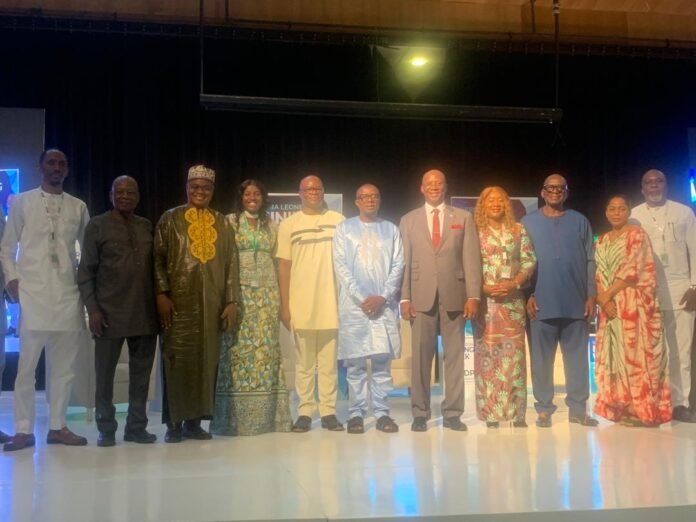
The Minister of Mines and Mineral Resources, Julius Mattai, on Friday, 11th April 2025, officially relaunched the Sierra Leone Chamber of Mines during a high-level event held at the Bintumani Hotel in Aberdeen, Freetown.

The relaunch of the Chamber has ignited fresh optimism in Sierra Leone’s mining sector, setting the stage for enhanced transparency, accountability and significant economic growth.

In his keynote address, the Minister noted that although the Chamber has existed for over 60 years, it became dormant due to disruptions, including the civil war. “Collectively, we are re-emerging this institution with a new vision one that prioritizes transparency, accountability, collaboration and coordination,” he emphasized.

He added, “The relaunch of the Chamber presents numerous opportunities, sustainable mining practices, community development and economic growth. These are not just aspirations but also responsibilities.”

The Minister urged investors and mining companies to embrace this new era of collaboration through the Chamber. “Let us work hand in hand with regulatory agencies like the National Minerals Agency and other Government MDAs to uphold best practices. Today marks the beginning of a brighter future, a new chapter for Sierra Leone’s mining sector written collectively by all mining companies present,” he said.

Lima Sufian-Kargbo, President of the Sierra Leone Chamber of Mines and CEO of Sierra Rutile Limited, described the relaunch as a momentous occasion. “We gather here to affirm our shared belief in responsible mining and the critical role this sector plays in Sierra Leone’s economic and social development. Mining has long been a cornerstone of national revenue, infrastructure and community livelihoods. When guided by good governance and collaboration, it can unlock inclusive growth that touches all layers of society,” she stated.

She further noted that the reconstituted Chamber of Mines will serve as a stronger, unified voice for the industry, fostering strategic engagement with Government, civil society, host communities, regulators and international partners. “Our goal is to strengthen the role of industry players in advancing sustainable mining, investment, innovation and national development,” she added.

Ambassador Sahr Johnny, Chairman of the Mining Advisory Board, highlighted the need for broader understanding of the mining sector. He emphasized that the Chamber must collaborate with all relevant stakeholders to ensure operations benefit not only companies but also the wider society.

Engineer Alhaji Hadji Daboh, Director General of the National Minerals Agency (NMA), described the Chamber as a beacon of hope, alignment and shared value. He praised the mining companies for demonstrating collective ambition and commitment to responsible industry practices.

Saa Emmerson Lamina, Chairman of the Parliamentary Committee on Mines and Mineral Resources, reiterated the vital role mining plays in Sierra Leone, referencing the 1991 Constitution. He applauded the revival of the Chamber and assured stakeholders of Parliament’s full support.

Mohamed Baimba Koroma, National Coordinator of the Sierra Leone Extractive Industries Transparency Initiative (SLEITI), described the initiative as part of a global effort to promote transparency and accountability in the extractive sector. “We aim to strengthen governance, improve resource management and build public trust through open data and informed dialogue,” he explained.

Andrew Keili provided a historical overview of the Chamber, noting that it was established in 1965 to succeed the former Sierra Leone Mining Association. Founding members included Sierra Leone Development Co. Ltd (Delco), Sierra Leone Selection Trust Ltd., Sierra Leone Ore & Metal Co. Ltd. and Sherbro Minerals Ltd. However, the civil war led to its dormancy, as industrial mining operations halted during the mid-1990s.

Following the end of the war in 2002, improved security enabled industrial mining players to resume operations, paving the way for today’s relaunch.

The officially registered and recognized members of the Sierra Leone Chamber of Mines include:

  1. Sierra Rutile Limited
  2. Koidu Limited
  3. Marampa Mines Limited
  4. Meya Mining Limited
  5. Leone Rock Metal Group Limited
  6. FG Gold Limited
  7. CTC Mining (SL) Limited
  8. Metals and Minerals Limited
  9. CEMMATS Group Limited
  10. Leone Mineral Limited
  11. Sierra Diamonds Limited

The ceremony concluded with a cocktail reception for members and guests.


Forbes Africa Recognizes Gento for Unlocking Sierra Leone’s Potential

Africa Undiscovered series, Forbes Africa spotlighted the Gento Group of Companies

By Amin Kef (Ranger)

In its April/May 2025 edition under the Africa Undiscovered series, Forbes Africa spotlighted the Gento Group of Companies for its groundbreaking contributions to Sierra Leone’s infrastructure development and national transformation. Titled: “Pioneering Local Excellence and Shaping National Progress,” the feature highlights the company’s visionary leadership, its flagship projects and its crucial role in reshaping the country’s economic landscape. According to Forbes Africa, Mohamed Gento Kamara, the Chairman and CEO of Gento Group of Companies (SL) Limited, has played a central role in unlocking Sierra Leone’s potential.

Forbes Africa attributes Mohamed Gento Kamara’s success to his journey as a British Sierra Leonean entrepreneur, who began his business career in South London with three mobile phone retail shops and later ventured into real estate investments in Manchester.

However, it was his decision to return to Sierra Leone in the early 2000s that marked a significant turning point. Mohamed Gento Kamara was motivated by a desire to contribute to the national rebuilding efforts following the country’s brutal civil war. As he told Forbes Africa, the then President encouraged him to stay and inspire young people, urging them to see that war was not the only option and that they could better their lives.

Since then, Mohamed Gento Kamara has grown Gento Group into a formidable enterprise with assets exceeding US$150 million, becoming a beacon of local entrepreneurship and development.

Forbes Africa notes that Gento Group’s early landmark projects, including the transformation of Hill Station and Hill Cot Road, solidified the company’s reputation as a trusted local partner in Sierra Leone’s development space. Mohamed Gento Kamara emphasized the profound transformation of those areas, which became symbols of local capability and national pride. Over the past decade, Gento Group has evolved into a key player in the country’s infrastructure drive, taking on projects with transformative potential for the economy. Leading this charge is the ambitious Banana Island Port Project, a strategic venture that Forbes Africa believes could redefine global maritime connectivity in West Africa.

Mohamed Gento Kamara explained that the Port’s natural depth of 22 meters and its prime location along the Atlantic shipping route offer Sierra Leone a competitive edge over regional ports. The project, secured under a 25-year renewable concession agreement with the Government, is set to commence full construction by the end of 2025.

He expressed confidence that the Port would transform Sierra Leone’s economy, creating job opportunities and enhancing trade routes linking Asia, America and Europe. Construction of a logistics hub is already underway and the Port is expected to be operational by 2028.

In addition to its maritime ambitions, Gento Group has also invested in Banana Island’s social infrastructure, building a hospital, community center and secondary school, which reflects the company’s commitment to inclusive development.

Beyond its coastal initiatives, Gento Group is spearheading the Waterloo Township Projects aimed at modernizing urban infrastructure and improving living conditions. The company is also developing rental housing along the Peninsula and has plans to enter the property sales market by 2026. As part of its resource development strategy, Gento Group operates a quarry in Tombo, with plans to export granite to The Gambia, tapping into regional construction material demand.

Forbes Africa underscores that Gento Group’s rise is a testament to what Sierra Leonean companies can achieve. Mohamed Gento Kamara himself noted that the company has brought confidence to Sierra Leone’s economy, transforming a landscape once dominated by foreign interests. He emphasized that Gento Group has changed the narrative, proving that local companies can lead the way in reshaping Sierra Leone’s economic future. The company’s strategic partnerships, collaborations with successive Governments and commitment to job creation are cited by Forbes Africa as key factors in its role as a catalyst for national development.

Looking to the future, Mohamed Gento Kamara sees Sierra Leone as a land of immense promise. He noted that Sierra Leone is a virgin state with untapped potential, highlighting the country’s wealth in minerals, tourism and infrastructure as key drivers of sustainable growth.

Forbes Africa concludes that the Gento Group stands out as a leading light, demonstrating that local companies, backed by vision, determination and patriotism, can shape the future and inspire a new generation of homegrown success.

Banana Island Port Project
Mohamed Gento Kamara, the Chairman and CEO of Gento Group of Companies (SL) Limited

CTC Mining SL Sets New Standards in Bauxite Export with State-of-the-Art Port Facilities

By Amin Kef (Ranger)

Under the dynamic leadership of Chief Executive Officer, CTC Mining SL Limited, Hisham Mackie, continues to make remarkable contributions to the economic and social development of Sierra Leone, particularly within the Port Loko District. Since its incorporation in September 2022, the company has not only focused on efficient bauxite extraction but also on fostering sustainable development and community empowerment.

Operating primarily in Marforki and Marampa Chiefdoms, CTC Mining SL Ltd has made substantial investments in community development projects. Over the past two years, the company has employed and trained 292 Sierra Leoneans, with plans underway to expand its workforce as operations scale up into the next phase.

“Our mission is clear: to extract and deliver high-grade bauxite efficiently, safely and with the utmost respect for the environment and the people who live around us,” said CEO Hisham Mackie.

CTC Mining SL Ltd remains committed to a long-term development strategy that balances economic success with environmental stewardship and social responsibility. The company is implementing advanced mining technologies and infrastructure to improve production efficiency while minimizing environmental impact.

Complementing the mining operations is CTC Ports & Logistics, which operates a state-of-the-art bauxite shipping facility in Maforki Chiefdom. The modern port is equipped with cutting-edge logistics systems, enabling fast, environmentally responsible and cost-effective handling of bauxite shipments.

This seamless integration between mining and logistics ensures that global bauxite demands are met with unparalleled speed and reliability, positioning Sierra Leone as a competitive player in the international mining sector.

At the heart of CTC Mining SL Ltd’s success is a team of seasoned professionals with vast experience in mining operations and management. The company’s technical and administrative teams are composed of industry veterans known for their excellence in delivering innovative solutions and ensuring compliance with international best practices.

“With deep roots in the mining sector and a strong commitment to sustainable practices, our team ensures that CTC Mining SL Ltd remains at the forefront of the industry, consistently exceeding stakeholder expectations,” noted the CEO.

Located on the scenic west coast of Africa, Sierra Leone is home to a population of approximately 8.4 million and is celebrated for its cultural richness and abundant natural resources. The country possesses significant reserves of diamond, rutile and bauxite, with bauxite deposits primarily concentrated in the Western and Northern regions.

Port Loko District, where CTC Mining SL Ltd is based, is particularly rich in bauxite ore, composed mainly of hydrous aluminium oxide minerals, clay and iron oxide. Its proximity to the Atlantic Ocean makes it an ideal location for port and export operations.

With its strategic investments, commitment to local empowerment and adherence to sustainable environmental practices, CTC Mining SL Ltd is playing a pivotal role in powering Sierra Leone’s growth ; creating jobs, supporting communities and positioning the nation as a key player in the global mining industry.

President Bio Inaugurates 10th ADPA Council of Ministers and Sierra Leone Mining Week 2025

By Foday Moriba Conteh

His Excellency Dr. Julius Maada Bio, President of the Republic of Sierra Leone, has called for ethical governance, sustainable development and enhanced regional cooperation in Africa’s diamond industry. He made the remarks during the official opening of the 10th Ordinary Meeting of the African Diamond Producers’ Association (ADPA) Council of Ministers and Committee of Experts, held alongside the Sierra Leone Mining Week and Exhibition 2025 in Freetown.

In his keynote address at the Bintumani Conference Centre on Aberdeen in Freetown, President Julius Maada Bio, emphasized the importance of the meeting in shaping the future of Africa’s diamond sector.

“We stand at a crucial juncture in the history of diamond production on our continent, one where the decisions made today will echo like the radiance of a well-cut diamond for generations to come,” President Bio said.

The President commended the outgoing ADPA Chairman, Hon. Winston Chitando of Zimbabwe and congratulated Sierra Leone’s Minister of Mines and Mineral Resources, Hon. Julius Daniel Mattai, who is assuming the Chairmanship of the Association.

Calling ADPA a beacon for unity and shared prosperity, the President underscored the need for harmonized legal frameworks, mutual technical assistance and transformation of conflict diamonds into instruments of peace and sustainable development.

He highlighted Sierra Leone’s strides in reforming its mining sector through legal and institutional overhaul, including the enactment of the Mines and Minerals Development Act 2022, National Minerals Agency Act 2023 and the Extractive Industries Revenue Act 2018.

“We have strengthened governance in the mining industry through enhanced oversight, community engagement and comprehensive reforms,” he noted.

President Bio reiterated the Government’s commitment to ensuring that Sierra Leone’s diamonds contribute directly to the development of local communities. He referenced the incorporation of the Diamond Area Community Development Fund (DACDF) into national policy as a means of returning mining revenue to the people.

He also called on African countries to go beyond exporting raw diamonds and focus on value-added processes such as cutting, polishing and jewelry manufacturing, which would create jobs, increase revenue and reduce over-reliance on commodity exports.

Addressing recent unrest in Sierra Leone’s diamond-rich Kono District, President Bio acknowledged the complexity of disputes in the mining sector, but emphasized the Government’s dedication to lawful and balanced resolution.

“No one may supplant or bypass our constituted democratic authority,” he stated. “We are engaging all relevant stakeholders with a single purpose: to forge a solution that is both sustainable and just.”

President Bio described the ADPA meeting and Sierra Leone Mining Week as a historic moment, showcasing Sierra Leone’s natural resource potential and its commitment to international mining standards.

“Our natural resources are not burdens, but sacred gifts from God,” he declared. “When managed responsibly, these gifts become the bedrock of prosperity for our people.”

He assured the ADPA Secretariat and participating member states of Sierra Leone’s continued commitment to the Association’s objectives and to building lasting regional and international partnerships that benefit the continent’s people and economies.

Julius Daniel Mattai, Minister of Mines and Mineral Resources reaffirmed Sierra Leone’s commitment to sustainable and inclusive mining practices.

He emphasized that the Sierra Leone Mining Week is more than a symbolic event but a platform to exchange ideas and explore partnerships for transforming the country’s mineral wealth into a sustainable source of growth.

“Sierra Leone refuses to be defined by its past. We are using our mineral sector to create jobs, attract investment and bring development to our people,” he stated. “But this must be done with responsibility. Sustainable mining is the only path forward.”

The Minister acknowledged the country’s vast mineral potential, noting both the well-known resources such as diamonds, gold, rutile and bauxite, as well as untapped or lesser-known minerals including lithium, nickel, graphite and chromite. He encouraged investors and exploration companies to join Sierra Leone in discovering and responsibly harnessing those resources.

He also cautioned against illegal mining practices, warning community members not to exploit information from the exhibition for unauthorized digging. “We have shown you what exists underground not to invite illegal mining, but to call for responsible partnerships and community-focused development,” he said.

Julius Daniel Mattai further addressed the double-edged nature of mining. While the industry can generate revenue, employment and development, if poorly managed, it can also devastate ecosystems, displace communities and deepen inequalities.

“To avoid this fate, we must enforce robust regulations, adopt advanced technologies to minimize environmental impact and ensure mining revenues are transparently invested in education, healthcare, infrastructure and local development,” he added.

He emphasized the need for community engagement and equitable revenue-sharing to ensure that people living in mining areas benefit directly from the country’s mineral wealth.

“Our message is clear: Sierra Leone’s natural resources are a blessing, not a curse but only if we manage them wisely. If we fail to act responsibly today, future generations will inherit barren lands instead of prosperity,” the Minister concluded.

Alhaji Ing. Hadji Dabo, Director General of the National Minerals Agency (NMA), described the gathering as a “pivotal moment” for Sierra Leone and the wider diamond-producing community. He emphasized that the convergence of policymakers, industry leaders and development partners provides a unique platform to foster dialogue, collaboration and shared aspirations for sustainable growth in the mining sector.

“This week’s events are not just ceremonial,” Alhaji Ing. Hadji Dabo stressed. “They are strategic platforms that enhance Sierra Leone’s credibility on the global stage. They demonstrate our commitment to transparency, innovation and inclusive development.”

The NMA Director General said Sierra Leone’s rich endowment of mineral resources presents vast opportunities for economic transformation. He noted that events like the Mining Week allow the country to showcase its mineral wealth, highlight its commitment to sustainable practices and attract global investment.

He also announced the launch of the Sierra Leone Chamber of Mines as a key outcome of the week’s engagements, a new platform designed to foster public-private partnerships and enhance governance in the mining sector.

Alhaji Ing. Hadji Dabo concluded his remarks by urging all participants from Government officials to business executives and technical experts to harness the energy of the event to shape transformative pathways for inclusive growth and shared prosperity across all ADPA member states.

“I am confident that this will be a week of celebration, innovation and enduring partnerships,” he said. “Let us chart a prosperous and sustainable future for Sierra Leone and the continent’s mineral sector.”

The 10th African Diamond Producers’ Association (ADPA) Council of Ministers meeting, held alongside Sierra Leone’s Mining Week 2025, brought  together representatives from diamond-producing countries across Africa  including Guinea, Liberia, Ghana, Côte d’Ivoire and others along with strategic partners like India and Russia.

Vice President Commends Pee Cee Holding for Advancing Agricultural Transformation in Sierra Leone

By Amin Kef (Ranger)

Vice President of the Republic of Sierra Leone, Dr. Mohamed Juldeh Jalloh, has commended Pee Cee Holdings Ltd on the historic signing of a $12 million loan facility with the International Finance Corporation (IFC) to support the company’s large-scale onion farming project in Lokomasama, Port Loko District on April 7, 2025.

Dr. Mohamed Juldeh Jalloh, in an X post, praised the investment as a major stride toward food self-sufficiency and a key milestone in President Julius Maada Bio’s flagship Feed Salone initiative.

“I want to congratulate Pee Cee Holdings Ltd for this historic signing with the IFC at its onion farm in Lokomasama,” Dr. Mohamed Juldeh Jalloh said. “This 500-hectare project will significantly reduce our onion imports and position Sierra Leone to become a net exporter to neighboring countries. Bravo to CEO Mahesh Nandwani for growing local and creating jobs for hundreds of Sierra Leoneans. I am happy to be part of this journey.”

The agreement between the IFC, a member of the World Bank Group, and Pee Cee Holding Ltd marks a new chapter in Sierra Leone’s agricultural development. Under the terms, IFC will provide $12 million in financing to Pee Cee Agriculture, the agribusiness arm of PCH, for the establishment of a modern, irrigated and mechanized farm spanning 500 hectares.

The project is the country’s first of its kind and is expected to produce more than 40,000 tons of onions annually, in addition to maize and other key food crops. The initiative aims to build a climate-resilient and sustainable agricultural ecosystem that fosters job creation, economic empowerment and reduced reliance on food imports.

Madam Dahlia Khalifa, IFC’s Regional Director for Central Africa and Anglophone West Africa, described the investment as a transformative example of sustainable agriculture.
“This is more than a farm; it is a beacon of innovation, resilience and impact,” she noted. “With support from the Government, landowners and local communities, this project could not only end Sierra Leone’s dependence on onion imports but also make the country a regional export hub.”

Representing the company’s CEO, Deputy CEO Ms. Ekta Nandwani expressed her gratitude for IFC’s support and confidence in Pee Cee’s vision.
“From importing goods to cultivating our own food, our journey has been one of growth and transformation,” she said. “This farm represents our commitment to Sierra Leone’s future. It will empower rural women, support the poultry industry through locally grown maize and help build a resilient value chain.”

Ms. Nandwani also highlighted the pivotal role of IFC’s advisory services, which over the last four years helped Pee Cee increase onion yields tenfold during pilot phases of the project.

Minister of Agriculture, Hon. Henry Musa Kpaka, also commended the initiative, linking it directly to the Government’s Feed Salone drive. He recalled an onion crisis just two years ago and praised Pee Cee for transitioning from the country’s largest onion importer to one of its leading producers.

“Thanks to this strategic partnership and the technical support from IFC, we now have locally grown onions sold at lower prices than imported ones,” the Minister said. “This is the kind of transformation our nation needs.”

Pee Cee’s vertically integrated model, which includes farming, storage, distribution and retail extends beyond Sierra Leone to Liberia and Guinea. This structure is expected to reduce post-harvest losses, stabilize prices and ensure consistent food availability.

In partnership with Njala University and the Ministry of Agriculture, the company is also investing in research and capacity-building to modernize farming techniques and train a new generation of agricultural professionals. Plans for contract farming schemes aim to incorporate smallholder farmers and provide them with technical support to increase yields and incomes.

The first phase of an on-site processing facility is slated for completion ahead of the next harvest season. Long-term goals include expanding to new crop varieties, entering export markets and replicating the successful model across other parts of Sierra Leone and West Africa.

This landmark partnership between IFC and Pee Cee Holding Ltd signals a new era in Sierra Leone’s agricultural landscape, aligning public and private efforts to drive food security, economic resilience and national development.

Attorney General Enhances Police Cooperation & Regional Efforts to Combat Domestic Crimes and Trafficking  

Attorney General and Minister of Justice, Alpha Sesay Esq.

The Attorney General and Minister of Justice, Alpha Sesay Esq., along with the Deputy Minister of Justice, Madam Saptieu Elizabeth Saccoh, held a crucial strategic meeting with senior leadership of the Sierra Leone Police on Wednesday, 9 April 2025 at Guma Building in Freetown aimed at strengthening the nation’s response to sexual and drug-related crimes.

The meeting, which brought together key units within the force, focused on refining collaborative mechanisms between the justice sector and law enforcement to ensure faster investigations, timely prosecutions and improved victim protection services.

Attorney General Alpha Sesay Esq. underscored the shared responsibility in tackling these pressing societal issues. “The fight against sexual and drug-related crimes is a collective one. Our commitment to strengthening the justice system is steadfast and we are determined to work hand-in-hand with our partners in law enforcement to ensure swift justice, safeguard victims and bring perpetrators to book,” he stated.

Deputy Minister, Madam Saptieu Elizabeth Saccoh, echoed that sentiment, emphasizing the need to center victims in the justice process. “The justice system is not just about legal procedures; it’s about ensuring that every victim is acknowledged, protected and supported. By addressing internal system gaps and fostering stronger inter-agency collaboration, we can significantly reduce delays and secure meaningful justice outcomes,” she noted.

Discussions also focused on strengthening institutional frameworks, enhancing investigative techniques and ensuring effective case management in handling sensitive crimes. Both leaders stressed that accountability, efficiency and victim-centered approaches must guide every step of the justice process.

The Ministry of Justice reaffirmed its commitment to working closely with the Sierra Leone Police and other relevant agencies to implement reforms that will build a safer and more just society for all.

This engagement marks a significant step in the Government’s ongoing efforts to curb the rise in sexual and drug-related offenses across the country and is expected to yield measurable improvements in how such cases are handled moving forward.

In addition, the Attorney General and Minister of Justice, Alpha Sesay Esq., delivered compelling remarks at the opening of the three-day Working Group Meeting on the ECOWAS Regional Trafficking in Persons Plus Strategy, held on Tuesday, April 8, 2025, at the Atlantic Hotel in Aberdeen, Freetown.

Speaking with unwavering conviction, the Attorney General laid bare the urgent and complex nature of human trafficking, calling it a grave transnational crime that demands a unified and coordinated regional response. He emphasized that trafficking in persons is not confined by borders and that no single nation can effectively confront it in isolation. In his words, a shared threat such as that can only be countered through collective commitment and action among ECOWAS member states.

He further urged that Sierra Leone’s national efforts must be firmly aligned with the broader regional strategy to ensure consistency and impact. Stressing the importance of prevention, he advocated for proactive mechanisms that deter trafficking at its roots, while also insisting on the necessity of strengthening investigative capabilities and enhancing prosecutorial resolve. These, he noted, form the backbone of a comprehensive approach that targets traffickers and dismantles the networks that enable their crimes.

Equally central to his message was the reaffirmation of Sierra Leone’s commitment to a victim-centered approach. Attorney General Alpha Sesay made it clear that the wellbeing of survivors must lie at the heart of every policy and program and that recovery and reintegration must be treated not as afterthoughts but as essential elements of justice. Survivors, he stressed, deserve compassion, support and the opportunity to rebuild their lives in dignity and safety.

Reflecting on the ground realities, the Attorney General shared insights from his recent visit to the Gbalamuya border crossing on March 26, 2025. He described engaging in frank discussions with National Revenue Authority Assistant Commissioner John B. Amara on strengthening border control systems and enhancing inter-agency collaboration. That visit, he said, served as a reminder of how vital well-coordinated border management is in disrupting trafficking networks and safeguarding vulnerable populations.

In his closing remarks, he delivered a poignant reminder that behind every statistic is a human life in need of rescue and restoration. He urged all present to remain steadfast in their pursuit of justice, stressing that each rescued victim represents not just a triumph over crime but the restoration of hope and humanity. His words resonated as a powerful call to action; one that seeks not only to hold perpetrators accountable but also to uphold the dignity of every survivor.

Through his clear-eyed vision and resolute leadership, Attorney General Alpha Sesay reaffirmed Sierra Leone’s deep and unwavering commitment to fighting human trafficking in all its forms. His remarks underscored a collective duty shared by all in the region; to work together, to stand together and to ensure that justice is not merely an aspiration but a lived reality for every victim across West Africa.


Health Ministry Signs Resolution to Strengthen Maternal and Perinatal Death Surveillance in Sierra Leone

By Alvin Lansana Kargbo

In a major stride toward improving maternal and child health outcomes, the Ministry of Health, in collaboration with District Medical Officers (DMOs) and Medical Superintendents, has officially signed a comprehensive resolution on Maternal and Perinatal Death Surveillance and Response (MPDSR). The resolution was unanimously adopted at the two-day MPDSR Steering Committee meeting held on April 8–9 at the New Brookfields Hotel in Freetown.

The meeting brought together key stakeholders from across the health sector, including the WHO, district health leadership, partners and development agencies, to reaffirm national commitment to reducing preventable maternal and perinatal deaths.

The newly adopted resolution places clear emphasis on leadership and accountability at the district level. DMOs and Medical Superintendents are now mandated to take full ownership of the MPDSR process in their districts. This includes the prompt notification of maternal deaths to the Incident Management System and the Chief Medical Officer, along with leading thorough investigations and clinical reviews.

Investigations must now be completed within 72 hours for hospitals and within seven days for Peripheral Health Units (PHUs) and communities. Reviews must follow within a week of any maternal or perinatal death, aiming to identify causes and outline corrective actions.

Under the resolution, weekly national MPDSR discussions will be held with district-level participation to ensure real-time response and data utilization. Quality improvement plans based on MPDSR findings will be implemented and monitored across all districts. Monthly multidisciplinary meetings, including the review of near-miss cases, are now mandatory to encourage learning and the adoption of best practices.

These meetings will adhere to a strict code of anonymity, confidentiality and non-blame to foster open discussion and systemic improvement.

The resolution underscores the efficient use of human, material and financial resources and calls for increased engagement with development partners, district councils, community leaders and civil society to sustain MPDSR activities.

George Ameh, the World Health Organization (WHO) representative in Sierra Leone, praised the initiative and the collaborative spirit of the health leaders present. “It’s my first time witnessing such inclusive participation from all District Medical Officers and I am inspired,” he said. He applauded frontline health workers for their relentless efforts in reducing maternal mortality and emphasized that district-level leadership is crucial to achieving further progress.

He also noted the timeliness of the meeting, coinciding with World Health Day celebration week and recent maternal deaths in one district that underline the urgency of the resolution. He assured the Ministry of continued WHO support in resource mobilization and strategic collaboration with UN agencies to ensure the resolution’s implementation.

The Chief Medical Officer of the Ministry of Health, Dr. Sartie M. Kanneh, in his closing remarks, stressed Sierra Leone’s global role in the child survival agenda. He highlighted the need for improved district-level data reporting to elevate Sierra Leone’s visibility on international platforms.

“Our initiatives are being replicated by other countries but we remain underrepresented due to gaps in data contribution from districts,” Dr. Sartie Kanneh noted. He pointed out that the President is expected to champion the maternal mortality agenda, with Sierra Leone preparing to showcase its achievements at an upcoming high-level event in Maputo.

He also cited practical examples of low-cost but impactful reforms, such as decentralizing antenatal care appointments throughout the week to improve service delivery. The Chief Medical Officer urged unified collaboration among the Ministry, district teams and partners to meet international expectations and the 2030 goals of eliminating preventable maternal and perinatal deaths.

The resolution marks a critical turning point in Sierra Leone’s journey to ending preventable maternal and perinatal deaths. With stronger leadership, improved accountability and a renewed sense of urgency, the Ministry of Health and its partners are setting a clear path toward safer births and healthier communities.

The full implementation of the MPDSR framework will not only enhance the quality of healthcare delivery but also position Sierra Leone as a model for other countries striving to achieve their maternal and child health targets.

ACC Indicts WAEC Examiners for Corruption and Examination Malpractice

Anti-Corruption Commission (ACC)

By Ibrahim Sesay

The Anti-Corruption Commission (ACC) has announced the indictment of Issa Kamara, Chief Examiner of the West African Examinations Council (WAEC) and Ibrahim Kamara, Assistant Examiner, on multiple counts of corruption-related offences. This was disclosed in a Press Release issued by the Commission on Tuesday April 9, 2025.

According to the ACC, both individuals face serious charges stemming from their alleged involvement in manipulating examination procedures to confer unfair advantage to a candidate in the 2024 May/June West African Senior Secondary Certificate Examination (WASSCE).

Issa Kamara, a resident of No. 82 Hanga Road, Jui and Ibrahim Kamara, of No. 15 Kissy Brook, Off Akram Junction, are jointly indicted on five counts each. These include:

  • One count of Abuse of Office, contrary to Section 42(1)
  • One count of Abuse of Position, contrary to Section 43
  • One count of Using Office for Advantage, contrary to Section 44(1)
  • One count of Conspiracy to Commit a Corruption Offence, contrary to Section 128(1)
  • One count of Academic Malpractice, contrary to Section 128(3)

In addition, Issa Kamara faces a sixth count for Influencing a Public Officer, contrary to Section 30 of the Anti-Corruption Act No. 12 of 2008, as amended in 2019.

The ACC revealed that the two officials are accused of using their official positions to provide undue assistance to Foday Fasuluku Mansaray, a candidate in the 2024 WASSCE. It is alleged that Issa Kamara improperly accessed the candidate’s examination script, belonging to his nephew and handed it over to Ibrahim Kamara, who answered a portion of the questions before the script was returned and mixed in with others for official marking.

That act, the Commission noted, constitutes a grave breach of trust and academic integrity, undermining the credibility of national examinations and the education system as a whole.

The ACC emphasized its continued resolve to fight all forms of corruption, particularly those that compromise the future of Sierra Leonean students through examination malpractice.

“The Commission remains steadfast in its mission to tackle academic fraud and corruption at all levels,” the statement concluded.

The accused persons are expected to make their first court appearance in the coming days.


Foreign Minister Markets Sierra Leone as an Investment Hub in Kazakhstan

Sierra Leone’s Minister of Foreign Affairs and International Cooperation, Alhaji Timothy Musa Kabba & His Excellency, Murat Nurtleu, Kazakhstan’s Deputy Prime Minister and Minister of Foreign Affairs

Sierra Leone’s Minister of Foreign Affairs and International Cooperation, Alhaji Timothy Musa Kabba, on April 8, 2025 undertook a significant visit to the Republic of Kazakhstan, signaling a renewed commitment to deepening bilateral relations between the two nations. The historic visit marked the first time a Sierra Leonean Foreign Minister has visited Kazakhstan since diplomatic ties were established.

Alhaji Timothy Musa Kabba met with His Excellency, Murat Nurtleu, Kazakhstan’s Deputy Prime Minister and Minister of Foreign Affairs, in a high-level bilateral meeting held in Astana. He conveyed heartfelt greetings from His Excellency President Julius Maada Bio and the people of Sierra Leone, while expressing appreciation for the warm hospitality extended by the Government and People of Kazakhstan.

The discussions centered around fostering cooperation in key strategic sectors, including agriculture, energy, health, mining, trade, education and infrastructure development. The Minister emphasized that those areas of collaboration are closely aligned with President Bio’s transformative development blueprint, the “Big Five Game Changers”:

  • Feed Salone – Promoting agricultural productivity and food security
  • Human Capital Development – Advancing education and skills for the 21st century
  • Youth Empowerment Scheme – Creating opportunities for young people
  • Public Service Reform – Enhancing Government efficiency
  • Technology and Infrastructure Development – Driving innovation and national growth

The Minister briefed his counterpart on Sierra Leone’s ongoing reform agenda and its vision to transition into a middle-income country. He highlighted Sierra Leone’s investment potential in key sectors such as agriculture, tourism, infrastructure, mining and energy, reiterating the country’s openness to partnerships and sustainable investments.

The two Foreign Ministers signed a non-binding roadmap agreement to accelerate cooperation, laying the groundwork for future engagements and collaborative projects.

Beyond his meeting with Minister Nurtleu, Alhaji Timothy Musa Kabba  held several strategic discussions with high-ranking officials and institutions across Kazakhstan:

  • With Minister of Agriculture, A.S. Saparov, he explored partnerships in mechanized farming, food security and livestock development.
  • In his meeting with Minister of Industry and Construction, E.K. Nagaspayev, the dialogue focused on leveraging shared mineral development goals and inviting Kazakh investors to Sierra Leone’s burgeoning infrastructure sector.
  • Engagements with Minister of Energy, E.K. Akkenzhenov, centered on potential energy collaborations and investment initiatives.
  • A notable meeting with Aryn, Director General of the Islamic Organization for Food Security (IOFS), secured a pledge of support for Sierra Leone’s “Feed Salone” initiative, with a particular focus on empowering women and youth in agriculture.
  • Minister Kabba also held a strategic conversation with Ashimbayev, Chairman of the Senate of Kazakhstan, where both parties affirmed their commitment to strengthening parliamentary diplomacy and intergovernmental relations.

Alhaji Timothy Musa Kabba reaffirmed Sierra Leone’s commitment to ratifying the visa-free entry agreement for holders of diplomatic and service passports, which was initially signed during the 2024 United Nations General Assembly in New York.

Concluding his visit, the Foreign Affairs Minister underscored the strategic parallels between Sierra Leone and Kazakhstan, especially their mutual ambitions for economic transformation through resource-based growth, regional cooperation and sustainable development.

The visit not only marked a milestone in Sierra Leone-Kazakhstan relations but also reaffirmed the Bio administration’s foreign policy strategy of forging mutually beneficial partnerships across emerging global regions.

First Lady of Sierra Leone Steps into Continental Leadership Role with Vision and Purpose

By Amin Kef (Ranger)

In a momentous ceremony held at the Organization of African First Ladies for Development (OAFLAD) Secretariat on April 8, 2025 in Addis Ababa, Ethiopia, Her Excellency Dr. Fatima Maada Bio, First Lady of the Republic of Sierra Leone was officially inaugurated as President of OAFLAD. She will serve alongside Her Excellency Mrs. Ana Dias Lourenço, First Lady of Angola, who was also installed as Vice President of the organization.

The inauguration marks a new chapter in the collective efforts of African First Ladies to champion the rights and welfare of women and children across the continent. Warmly welcomed by the OAFLAD Secretariat and its Executive Secretary, Dr. Nardos Bekele-Thomas, the new leadership was introduced to staff and taken on a tour of the premises where key strategies and goals were discussed.

Dr. Fatima Maada Bio described her new position as “a role far greater than myself,” affirming her commitment to serve not only as First Lady of Sierra Leone but also “as a daughter of Africa, ready to stand in solidarity with women and children across our beloved continent.”

“This is more than a title,” she emphasized. “It is a call to purpose. A commitment to champion the issues that shape our lives and our future—especially the urgent crises of climate change, peace and human security.”

As part of the official engagements surrounding the inauguration, Dr. Fatima Bio hosted and participated in several high-level meetings and events, including a symbolic tour of the Adwa Victory Memorial Museum with Mrs. Ana Dias Lourenço. The historic site, which honors Ethiopia’s victory over colonial forces in 1896, served as a powerful reminder of African resilience and unity.

“Our visit to the Adwa Victory Memorial reminded us of the strength of our ancestors and the enduring spirit of our people,” Dr. Fatima Bio said. “As we take on this leadership role, we do so with a renewed sense of purpose and pride in our heritage.”

Later that evening, Dr. Fatima Bio delivered a stirring keynote address during a working dinner hosted at the Sheraton Hotel in Addis Ababa, organized by the OAFLAD Secretariat to celebrate the new leadership and launch the OAFLAD Strategic Framework 2025–2030. The dinner was attended by dignitaries from the African Union, United Nations, diplomatic corps, NGOs and philanthropic institutions.

In her address, Dr. Fatima Bio praised OAFLAD’s partners for their continued support and highlighted the importance of unity, innovation and collaborative action. “This evening celebrates the partnerships that have brought us this far and the shared responsibility we carry to make a meaningful impact on the lives of Africa’s most vulnerable,” she declared.

The newly launched Strategic Framework outlines bold goals in four key areas—Health, Education, Gender-Based Violence and Women’s Economic Empowerment—alongside cross-cutting themes of climate change, peace and security. Dr. Nardos Bekele-Thomas presented the plan, calling on stakeholders to stay committed to its collaborative implementation.

Chairperson of the African Union Commission, His Excellency Mahmoud Ali Youssouf, who also attended the dinner and delivered a keynote, congratulated the new OAFLAD leadership. “This collaboration is not a favor; it is a recognition of the extraordinary service First Ladies provide to our people,” he said, declaring himself a proud feminist and a committed supporter of OAFLAD’s mission.

In her closing remarks, Vice President Mrs. Ana Dias Lourenço expressed gratitude to her sister Dr. Fatima Bio, calling her speech “inspiring” and pledged her full support during their joint tenure. “We are confident that through unity, partnership and dedication, the goals we have set will become a reality,” she affirmed.

Dr. Fatima Bio’s first official engagement as President of OAFLAD continued with a strategic meeting at the African Union Headquarters, where she and her delegation, including Mrs. Ana Dias Lourenço, were received by AU Chairperson Youssouf. The AU Chair hailed OAFLAD’s alignment with AU priorities and pledged open collaboration going forward.

“We believe that the inclusion of African First Ladies in high-level policy discussions is essential for promoting peace, justice and sustainable development,” Dr. Fatima Bio stated during the meeting, urging the AU to recognize OAFLAD as a key strategic partner.

The meeting concluded on a light note, with Chairperson Youssouf humorously acknowledging the power of First Ladies: “The First Ladies are our bosses,” he quipped, promising to act on OAFLAD’s recommendations with urgency.

Dr. Fatima Maada Bio’s inauguration and her early engagements as OAFLAD President have set a promising tone for a future of impactful leadership, unity and transformation. Her passion, vision and unwavering commitment signal a renewed era for OAFLAD; one grounded in purpose and driven by the belief that Africa’s women and children deserve nothing less than a brighter, more inclusive future.