
Home Blog Page 381

EU Continues to be a Reliable Partner of Sierra Leone -Ambassador Müller Asserts

Ambassador Manuel Alexander Müller.jpg

By Amin Kef (Ranger)

In a recent Press event held on Tuesday, 16th April 2024, Ambassador Manuel Alexander Müller, the Head of the Delegation of the European Union to Sierra Leone, reiterated the EU’s steadfast commitment to its partnership with Sierra Leone. The Press Lunch, which took place at the Country Lodge Conference Room on Hill Station in Freetown, served as a platform to highlight the collaborative efforts between Team Europe and Sierra Leone, focusing on development cooperation initiatives and future aspirations.

Ambassador Müller, along with the German Ambassador Jens Kraus Masse and the Irish Ambassador Aidan Fitzpatrick, emphasized the enduring nature of the EU’s support for Sierra Leone’s development journey over the past two decades, particularly since the end of the war. The partnership, grounded in shared values, has seen significant contributions to peace, stability, security, democracy, governance, human rights, gender equality, inclusive economic growth, and sustainable development in Sierra Leone.

He pointed out that the dialogue between the EU and Sierra Leone during the last EU-Sierra Leone Political Dialogue in October 2023 underscored a mutual commitment to strengthening their partnership across various domains, including governance, democracy, human rights, economic development, and multilateral issues. The EU Ambassador added that the commitment extends beyond bilateral cooperation to active engagement in international organizations, aligning views on global challenges such as inequality, conflict resolution, and climate change.

Ambassador Müller highlighted the EU’s substantial development cooperation with Sierra Leone, focusing on key areas such as education, agriculture and infrastructure. The EU’s support, he said, aims to address development challenges, reduce poverty and promote inclusive and sustainable economic growth, aligning with Sierra Leone’s National Medium Term Development Plan and the Government’s Big 5 agenda.

Specifically, the EU has commended Sierra Leone’s Feed Salone initiative, emphasizing its support for nutrition stability and job creation. Through bilateral agreements and programs like “Boosting Agriculture for Food Security” and “Jobs and Growth,” he revealed that the EU has been actively involved in promoting sustainable agricultural practices and value chain development in Sierra Leone.

Furthermore, he highlighted the EU’s role in the Global Gateway Africa-Europe Initiative, which focuses on infrastructure development to enhance digital, transport and energy networks in Africa.

“This initiative aims to attract public and private funding to support sustainable growth, job creation, and human development in Sierra Leone and across the continent,” he stated.

According to him, the EU’s support is implemented through a collaborative approach, leveraging the expertise and resources of EU Member States under the Team Europe framework.

He said projects are executed in partnership with the Government, Civil Society Organizations and the United Nations, ensuring alignment with local priorities and needs.

Recent initiatives, he intimated, such as the EU-UN Spotlight Initiative to combat violence against women and girls, the Salone Access to Finance project for agricultural value chain production, and the Business Environment and Competitiveness for Salone program, demonstrate the EU’s ongoing commitment to fostering economic growth, gender equality, and youth empowerment in Sierra Leone.

The EU Ambassador said looking ahead, the EU plans to launch new initiatives like Nature Nourishes, which combines environmental protection with local development, and continue its support for agriculture, sustainable energy access, and inclusive growth.

He said additionally, the EU reaffirmed its dedication to engaging directly with Sierra Leonean communities through initiatives like the upcoming two-week bus tour to showcase EU-supported projects across the country.

The visit of Ms. Rita Laranjinha, Managing Director for Africa of the European External Action Service, he said, further underscores the EU’s commitment to strengthening its partnership with Sierra Leone.

Scheduled from the 17th to the 19th of April, he disclosed that the visit will facilitate discussions with Government representatives, opposition leaders, and Civil Society, reaffirming the EU’s enduring support for Sierra Leone’s development agenda.

As Karpowership Reduces Electricity Supply from 65 MW to 5MW…   Freetown to Endure Prolonged Blackout Amidst Challenges Faced by EDSA

Electricity Distribution and Supply Authority (EDSA).jpg

By Amin Kef (Ranger)

Seemingly, residents of Freetown will for a considerable period of time continue to grapple with the frequent electricity outage that has now become the order of the day creating a lot of inconveniences and adversely affecting businesses.

It is very uncertain as to whether the Electricity Distribution and Supply Authority (EDSA) will very soon overcome the challenges it has been claiming are negatively impinging the Western Area network. This assumption could be predicated on the unfilled hopes that the electricity service provider has been giving to its numerous and compliant customers or consumers encapsulated in past Press Releases.

EDSA’s latest Press Release dated the 16th April, 2024 will only be described as heightening the lack of hope that the electricity situation will soon improve. In it EDSA stated that it wishes to inform the general public that due to a number of concurrent unfortunate challenges along the energy supply chain, it is currently challenged in providing adequate electricity to the Freetown network.

The service provider furthered how it would like its customers to know that this unfortunate situation has resulted to a reduced power supply and distribution to residents of Freetown, until the problem is completely resolved.

It continued that together with other key stakeholders they are using all resources within their reach to resolve the issue maintaining that once addressed, more power will be made available for supply and distribution to valued customers in Freetown.

EDSA ended by apologizing to residents of Freetown for the inconvenience that the situation has caused and promised to resolve the problem as soon as possible.

However, juxtaposed with the contents of the aforementioned EDSA Press Release this medium learnt from a very reliable source that Karpowership, a subsidiary of the Karadeniz Energy Group that entered into agreements in 2018 and 2020 with the SLPP led Government, to supply electricity to Sierra Leone’s State power utility, in the recent past, decided to reduce its power supply to only 5MW from 65 MW for the security forces and hospitals.

Also understood was that Karpowership took that decision on the basis of overdue payment on the part of the Government, amounting to over Forrty Million Dollars ($40M) and despite assurances, the Government’s failure to settle those arrears finally culminated in the reduction of power supply to a minimum level.

Indeed, it is an undeniable truth that reliable and constant electricity supply is indispensable for any form of development to flourish.

NMJD, ISODEC Conclude Roundtable to Address Inequalities in Sierra Leone’s Natural Resource Management

Network Movement for Justice and Development (NMJD).jpg

By Foday Moriba Conteh

In a bid to pave the way for enhanced governance in the mining sector to tackle the exacerbated levels of inequality in mining communities across Sierra Leone, the Network Movement for Justice and Development (NMJD), in collaboration with the Integrated Social Development Centre (ISODEC), a Ghanaian-based development and civil society organization, with support from the Ford Foundation through ISODEC, successfully concluded a one-day National Policy Roundtable Dialogue on Natural Resource Governance.

The event, themed “Ending Inequalities in Sierra Leone’s Natural Resource Management,” took place on Tuesday, April 16, 2024, at the Bintumani Hotel on Aberdeen in Freetown.

Addressing the gathering, the Executive Director, Network Movement for Justice and Development (NMJD) Abu A. Brima emphasized the vital role of natural resources, which are not only essential for livelihoods but also for development. He highlighted the widespread interest in the topic, evident from numerous inquiries received prior to the event. He underscored the importance of addressing growing poverty and division, especially in communities affected by resource extraction.

The NMJD, in collaboration with the Integrated Social Development Center (ISO-TEC) in Ghana, shares a commitment to justice, social transformation, and empowerment processes. Despite efforts to engage in natural resource governance at regional and continental levels, Abu A. Brima noted persistent inequalities within the sector, particularly in areas where mining activities take place.

He stressed the need to manage natural resources as assets for development rather than sources of conflict and called for a collective effort to ensure that Sierra Leoneans benefit from their country’s resources, thereby reducing inequalities and promoting sustainable development.

The Executive Director of NMJD said that the roundtable aimed to galvanize stakeholders to address natural resource-related inequalities and explore strategies for inclusive resource management, furthering that expert presentations and discussions sought to foster dialogue on leveraging natural resources for equitable development and societal transformation.

Sam Danse, Executive Director of the Integrated Social Development Centre (ISODEC), underscored the importance of addressing inequalities within the extractive industry and championing a sustainable energy transition highlighting the significant potential of the extractive sector in driving economic growth, creating job opportunities, and reducing poverty in Sierra Leone.

However, Sam Danse emphasized the urgent need to tackle existing disparities, environmental degradation and the marginalization of communities where resources are located.

Recognizing Sierra Leone’s commendable performance in implementing the 2019 Extractive Industries Transparency Initiative (EITI) Standards, he stressed the crucial importance of ensuring that the benefits of natural resource extraction directly benefit local populations, especially in regions such as Kono, Koidu and Koinadugu.

He further underscored the significance of transitioning from fossil fuels to renewable energy sources in addressing historical inequalities and advancing sustainable development.

At ISODEC, Danse emphasized the importance of adopting a multi-stakeholder approach to ensure a fair and equitable transition to renewable energy. He encouraged collaboration between government, civil society, private sector entities, and local communities to address challenges and capitalize on opportunities presented by the energy transition.

He urged collective action at regional and global levels to enhance natural resource governance, promote full disclosure of contracts and establish unified policies on extractives and natural resource management across Africa.

During the roundtable, Sonkita Conteh Esq, among other presenters, presented on “Ending Inequalities in Sierra Leone’s Natural Resource Management,” shedding light on recent legislative changes and ongoing challenges in the country’s natural resource landscape.

He highlighted policy reforms aimed at promoting a more egalitarian future, including the Customary Land Rights Act 2022 and the Mines and Minerals Development Act 2022.

However, Sonkita Conteh also raised concerns regarding inconsistencies between certain laws, such as the divergence between the Customary Land Rights Act and the Mines and Minerals Development Act regarding surface rent to communities. He emphasized the need to make these laws work in practice to effectively address inequality.

In his keynote address, Minister of Mines and Mineral Resources, Julius Mattai, shared his personal connection to mineral resource governance, drawing on his academic background in mining and natural resource management. He acknowledged the presence of esteemed individuals, including mentors and colleagues, and emphasized the importance of collaboration in addressing sectoral challenges.

Commending the organizers, particularly the Network Movement for Justice and Development (NMJD) and its partners, for convening the timely roundtable discussion, Julius Mattai highlighted the significance of the event in fostering professional dialogue and generating ideas to empower communities affected by mining activities.

Underscoring the multidimensional nature of natural resource management, he noted its interconnectedness with various Government Ministries, Departments and Agencies. He stressed the need for sustainable, transparent, and efficient governance to address the diverse challenges facing Sierra Leone’s natural resources.

While primarily focusing on mining-related issues, the Mines Minister acknowledged concerns raised about the negative impacts of mining activities on communities. He urged caution against knee-jerk reactions, emphasizing the importance of thoughtful consideration and responsible decision-making.

He highlighted the importance of recognizing the broader spectrum of natural resources beyond mining urging attendees to consider the potential of other resources such as fisheries, forestry and coastal assets. Drawing a comparative analysis with Nepal, Minister Mattai underscored the significance of holistic resource management.

Addressing concerns about the dominance of mining in discussions, he emphasized the economic significance of the sector, citing substantial export revenues generated from minerals like iron ore and rutile. He also cautioned against calls for a complete ban on mining activities, stressing the sector’s contribution to the country’s GDP and balance of payments.

Furthermore, the Minister highlighted efforts to diversify the mining sector, citing the emergence of new commodities like lithium and heavy mineral sands. He emphasized the importance of effective governance and transparency in maximizing the benefits of resource extraction.

Addressing the debate on resource nationalism, he further advocated for a balanced approach that ensures local participation without hindering foreign investment and stressed the need for innovative strategies to enhance Sierra Leone’s role in the mining sector while maintaining a conducive environment for investment.

In conclusion, the Minister called for collective action to address issues such as illegal mining and environmental degradation, encouraging introspection and proactive engagement in tackling the challenges of natural resource management in Sierra Leone.

Other experts also made presentations on various topics, followed by panel discussions and recommendations on the theme: “Ending Inequalities in Sierra Leone’s Natural Resource Management,” which climaxed the ceremony.

FAO, Solidaridad Commence Training of Trainers  to Empower Rural Women on RAI

 Solidaridad.jpg

By Foday Moriba Conteh

Solidaridad, with support from the Food and Agriculture Organization (FAO), on Monday, April 15th, 2024, commenced a four-day training of trainers’ program aimed at empowering rural women in Sierra Leone to engage in Responsible Agricultural Investment (RAI). Held at the Sierra Palm Hotel on Aberdeen Beach in Freetown, the training titled: “Empowering Rural Women to Engage in Responsible Agricultural Investments (RAI) in Sierra Leone,” marks the third session and brought together participants from four districts: Falaba, Kailahun, Karene and Tonkolili.

The Country Representative of Solidaridad, Andrew Kojo Morrison, described the training session as very important towards the empowerment of rural women to engage in Responsible Agricultural Investments (RAI) in the country.

He said that the overall objective is to strengthen the capacities of future trainers to deliver the RAI training program targeting rural women in  four districts, adding that after the training they will follow up to ensure that it is replicated in those districts.

Andrew Kojo Morrison congratulated the participants for their selection and expressed confidence in the training methodology further encouraging active participation to become skilled trainers capable of delivering RAI training to grassroots rural women in their respective districts.

Dr. Austine Bitek, the International Epidemiologist and Officer-in-Charge of FAOR, highlighted the disparity in opportunities between men and women in Sierra Leone’s agrifood systems. Despite women comprising nearly 80 percent of the sector’s workforce, they encounter obstacles in accessing land, resources, finance, training and leadership roles.

He acknowledged the Government of Sierra Leone’s efforts in advancing women’s rights through legislation of which he added that FAO and its partners are collaborating to promote responsible agricultural investments that foster gender equality and women’s empowerment in the country.

Dr. Austine Bitek said that RAI aims to benefit all stakeholders and contribute to sustainable livelihoods, including smallholder farmers, women, and youth and it encompasses various goals such as enhancing food security, eradicating poverty, promoting gender equality, and sustainable development.

He maintained that since 2020, FAO has been actively involved in promoting responsible agricultural investments in Sierra Leone, through partnerships with key organizations adding that FAO has developed concrete actions to make investments in the country more gender-responsive.

Dr. Austine Bitek maintained that to contribute to the implementation of some priority actions of the roadmap, in particular “Strengthening the Capacity of Rural Women to Engage in RAI and in Decision-Making Processes Related to RAI,” FAO and Solidaridad have designed a specific training program to strengthen rural women’s capacity to participate in decision-making processes related to responsible agricultural investments. The program aims to equip women with the skills and knowledge necessary to voice their concerns and proposals effectively.

He said following successful implementations in nine districts between 2022 and 2023, with more than 280 rural women trained, FAO and Solidaridad plan to expand the training program to reach more rural women in the four additional districts.

“Today and in the days to come, FAO and Solidaridad will equip you with the specific knowledge, skills and innovative training methodology. At the end of the training, you will then be able to deliver the training to the grassroots rural women in your respective districts,” he noted.

Maud Oustry, Capacity Development Expert from FAO/Rome said the training program builds upon previous initiatives, including a participatory multi-stakeholder process in 2020 that outlined a roadmap for enhancing gender-responsive investments in Sierra Leone. In 2022, a specific training tailored to the needs of rural women was designed.

She noted that the overarching goals of the training include strengthening rural women’s capacity to advocate and participate in decision-making processes related to agricultural investments, raising awareness among local leaders about the importance of women’s participation, and promoting gender-responsive investments.

Maud Oustry revealed that the training employs a variety of participatory learning approaches, including audio-visual learning, experiential learning, and storytelling techniques, to engage participants effectively.

In her keynote address, the Minister of Gender and Children Affairs, Dr. Mahoi acknowledged Solidaridad’s significant intervention in supporting women farmers across 12 agricultural districts in Sierra Leone.

Notably, the support extended to women cocoa and oil palm farmers in Kenema, Kailahun and Kono districts resulting in successful harvests within three years, adding that the programme’s focus on empowering over 40% of women in Sierra Leone was highlighted as a commendable effort.

Emphasizing the pivotal role of rural women in ensuring food security, Dr. Isata Mahoi highlighted the challenges they face, including gender biases and discriminatory norms, underscoring the importance of addressing these inequalities to unlock the full potential of women in agriculture.

She maintained that the collaboration between FAO and Solidaridad has begun since 2020 in capacitating rural women and organizations across nine districts, furthering that this initiative aims to empower women to actively engage in policy-making related to agricultural investment, aligning with the Customary Land Rights Act of 2022, which grants women full access and ownership of land.

Dr. Mahoi commended that the Government’s recognition of women’s participation and leadership as integral to sustainable economic growth. She highlighted President Dr. Julius Maada Bio’s endorsement of gender-inclusive policies, emphasizing women’s unique contributions to governance and development.

Addressing the workshop participants, Dr. Mahoi urged them to leverage the training to empower rural women in their respective districts. She stressed the importance of disseminating knowledge and promoting gender-sensitive policies, particularly the Customary Land Rights Act, during their future engagements with rural communities.

Responsible investments in agriculture, Dr. Mahoi noted, are crucial for achieving the SDGs, emphasizing the need for gender equality in these efforts.

Dr. Mahoi concluded by highlighting three critical areas of focus: effective training in Good Agricultural Practices, advocacy for women’s land rights and promotion of women’s participation in decision-making processes at the community level.

The Minister expressed gratitude to FAO for funding the training and commended Solidaridad’s Country Representative, Andrew Kojo Morrison, for his dedication to women’s empowerment.

Following the opening ceremony was the official commencement of the four-day training.

Speaker of Parliament, Dr. Abass Chernor Bundu, Retires

Hon. Dr. Abass Chernor Bundu.jpg

By Amin Kef (Ranger)

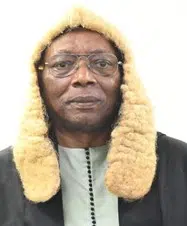
The Rt. Hon. Dr. Abass Chernor Bundu has retired as Speaker of the Sixth Parliament of the Second Republic of Sierra Leone. He stated his intent to retire in a correspondence dated 15th April 2024 addressed to President Julius Maada Bio expressing his profound appreciation for the extraordinary privilege to serve as Speaker of Parliament and thanked the President for the support provided to him throughout his tenure.

According to him, he decided to retire on health/medical grounds and his decision is effective 30th April 2024.

The Rt. Hon. Dr. Abass Chernor Bundu served as Speaker of the Fifth Parliament of the Second Republic from 2018 to 2023 and in this Sixth Parliament since July 2023.

In response to his retirement letter, President Julius Maada Bio stated on Tuesday 16th April, 2024 that he has accepted Dr.Bundu’s retirement also expressing his appreciation and gratitude to him for his leadership in enhancing a strengthened and productive relationship within and outside Parliament.

“We certainly look forward to your continued support and wise counsel during your retirement,” President Bio expressed optimism.

Meanwhile, the President was informed by The Rt. Hon. Dr. Abass Chernor Bundu that until Parliament elects a new Speaker, he shall withdraw from its regular sittings, allowing the Deputy Speaker, the Rt. Hon. Segepoh Solomon Thomas, to preside over all sittings of Parliament, except when the President is present pursuant to Section 79(7) of the Constitution of Sierra Leone, 1991 (Act No.6 of 1991).

However, there is a School of Thought that has expressed the view that there were ongoing discussions and speculation in the media about plans to oust Dr Abass Bundu as Speaker prior to his decision to retire, an assertion that has not been confirmed by this medium.

Young Woman From Sierra Leone Disappears Amidst Controversial Tradition

Patient Fatmata Sannoh

By Fatmata Jengbe

The sudden disappearance of one Patient Fatmata Sannoh, a young woman grappling with the weight of tradition, has left her family and community in a state of shock and concern. Patient’s family members are worried about her whereabouts, unsure of her safety and well-being, while also acknowledging her pursuit of safety and freedom.

Patient’s disappearance comes amidst a backdrop of controversy surrounding her reluctance to assume a traditional role within the bondo society, a secretive and ancient organization deeply entwined with Sierra Leonean customs and rituals. As the designated successor to her grandmother, the former head of the bondo society, Patient faced the daunting prospect of undergoing initiation rites that conflicted with her religious beliefs and her personal values.

The initiation rites of the bondo society, including the abhorrent practice of Female Genital Mutilation (FGM), have long been a source of contention and concern for those within and outside the society. Patient’s aversion to these rituals and her desire to break free from the constraints of tradition have likely played a role in her disappearance, as she sought safety and freedom outside the reach of the bondo society’s influence.

While Patient’s family members are deeply worried about her sudden absence, they also express a degree of understanding and support for her decision to dissapear into thin air.

Despite their concerns, they prioritize Patient’s safety and well-being, hoping that she remains safe wherever she may be.

As the search for Patient continues and her family grapples with the uncertainty of her whereabouts, their message remains one of hope and longing for her safe return.

The disappearance of Patient Fatmata Sannoh serves as a poignant reminder of the complexities surrounding tradition, freedom, and the pursuit of a life unencumbered by the shadows of the past.

As the community waits with bated breath for any news or leads on Patient’s whereabouts, their hearts are filled with a mix of worry, hope, and a deep-seated desire for her safety and well-being.

Patient’s story shines a light on the challenges faced by those who dare to defy tradition in the pursuit of safety and freedom, sparking conversations and reflections on the intricate tapestry of culture, belief, and individual autonomy.

The fate of Patient Fatmata Sannoh remains unknown, but her story resonates far beyond the borders of her community, serving as a symbol of courage and resilience in the face of age-old customs and societal expectations.

Paramount Chief of Tankoro Chiefdom Dispels False Claims of Koidu Limited Mining Operations

By Alpha Sesay

Hon. PC Paul N. Saquee-V, Paramount Chief of Tankoro Chiefdom, convened a stakeholders’ engagement meeting on April 12, 2024, addressing concerns surrounding the underground Kimberlite mining operations conducted by Koidu Limited in Tankoro Chiefdom, Kono District. This initiative sought to address the controversies and apprehensions arising from social media discussions and misconceptions regarding the impact of the mining activities.

Various stakeholders, including representatives from Koidu Limited, community leaders, environmental activists, media personnel, District and City Council members, civil society organizations, women’s and youth groups, traditional and religious leaders, Members of Parliament from Kono District, and Government officials, gathered at the Fillie Faboe Memorial Hall in Tankoro for the meeting.

Hon. PC Paul N. Saquee-V initiated the discussions by recounting the immediate steps taken by stakeholders following the circulation of a misleading video on social media.  He said efforts were made to disseminate accurate information through local radio broadcasts and a press release issued by the National Minerals Agency (NMA) adding that despite those efforts, some individuals, particularly those in the diaspora, continued to fuel tensions by inciting the youth to engage in demonstrations.

He urged restraint and emphasized the importance of verifying information through engagement with local structures and stakeholders before resorting to disruptive actions. According to him, the main purpose for convening the meeting is to foster open dialogue, provide clarity on the situation, and discredit false claims propagated by malicious individuals.

Reflecting on the devastating legacy of the civil war in Kono District, Hon. PC Saquee-V appealed for the use of proper channels to address concerns related to mining activities. He underscored the positive contributions of Koidu Limited to the community through various development projects.

Kai Lebbie, the NMA Regional Manager, reiterated that Koidu Limited is operating within its designated concession area and is complying with regulations. He emphasized the rigorous procedures involved in obtaining mining licenses and the importance of environmental impact assessments.

The Mayor of Koidu City, Komba Mathieu Sam, reaffirmed the company’s adherence to international best practices.

Miles Van Eeden, Acting General Manager of Koidu Limited, highlighted the company’s commitment to responsible mining, environmental preservation and community development initiatives. He assured stakeholders of transparency and collaboration in addressing community concerns.

Political representatives, including Hon. Finda Lucinda Kellie, Hon. Rebecca Yei Sam, and Hon. Musa Fofana, echoed the sentiments of previous speakers.

In his keynote address, Hon. Saa Emerson Lamina emphasized the significance of the gathering in seeking the interests of the State, the people, and the investor.

He urged Diasporians to engage constructively and cautioned against inciting unrest also emphasizing President Bio’s commitment to transparent mining practices and reassured the community of their safety amidst Koidu Limited’s Kimberlite mining operations.

The Tankoro Youth Council, represented by Sahr Octovious Fallah, expressed gratitude to Hon. PC Paul N. Saquee-V for organizing the meeting and encouraged fellow youths to uphold the law and refrain from unlawful behavior.

President Bio Lauds Pee Cee Holdings for Leading Agriculture Revolution in Sierra Leone

By Amin Kef (Ranger)

In a remarkable visit to Pee Cee Agriculture Ltd at Mathen Village, Lokomasama, President Dr. Julius Maada Bio expressed his support and admiration for the agricultural advancements being made by the company. The event, held on Saturday, April 13, 2024, was graced by the presence of the Chief Minister, Dr. David Moinina Sengeh, the Minister of Agriculture and Food Security, Musa Kpaka and other esteemed dignitaries.

Pee Cee Agriculture Limited, under the visionary leadership of CEO Mahesh Nandwani, has been at the forefront of the national initiative to achieve self-sufficiency in food production. Despite Nandwani’s humility, his efforts to bolster food security in Sierra Leone, as well as in neighboring countries like Senegal and Ivory Coast, have not gone unnoticed.

Hon. Musa Kpaka, the Minister of Agriculture and Food Security, offered high praise to the local community and chiefs for their role in expanding the farm from 10 to 20 hectares during a critical period of onion shortage. He said the expansion is a direct reflection of the Government’s commitment to the ‘Feed Salone’ project, championed by Pee Cee Holdings.

On his part, President Julius Maada Bio highlighted the collaborative efforts between the Government, Pee Cee Holdings and local leaders in fostering a robust agricultural sector. He acknowledged the Paramount Chiefs’ support and challenged other regional leaders to emulate the successful Lokomasama project.

President Bio encouraged all Sierra Leoneans to engage in farming, citing the global economic challenges and the need for food security. He proudly endorsed Pee Cee and sons for their significant contributions to the nation’s agriculture.

The President cautioned residents to refrain from thievery emphasizing that the amount of money that has been invested is indeed huge calling on all to safeguard the agricultural farm.

He said he challenged Pee Cee and Sons years back to embark on production stressing that actualizing their efforts into meaningful production is a true testament of hard work maintaining that the amount of monies spent on importation could be drastically reduced if only Sierra Leoneans embark on effective production.  He said no foreigner could feed us unless we do it ourselves.

The President called on other entities to emulate the good work of the Pee Cee and Sons saying its investment alone has saved up to 30 million dollars that should have been invested in the importation of onion also stressing how the company’s agricultural activities have also provided employment for residents of Port Loko District. He stated that other Paramount Chiefs should also engage in productive activities as demonstrated by their counterpart of Port Loko district.

Chief Executive Officer of Pee Cee and Sons, Mahesh Nandwani, delivered a heartfelt vote of thanks. He inspired attendees with a call to action, echoing the President’s message on the importance of farming. Nandwani also reminisced about Sierra Leone’s rich agricultural past in the 1970s, urging the population to return to those prosperous times.

The visit concluded with a tour of the Pee Cee Agriculture Farm and a symbolic harvesting ceremony, marking a day of celebration for the strides made in feeding the nation and a brighter future for Sierra Leone’s self-sustainability.

It also served as an opportunity to witness the success of Pee Cee’s initiative to plant onions, which is set to diversify the market with a variety of agricultural products, including oil and soap, within the next two years. President Bio ceremoniously opened the onion harvest and reaffirmed his support for Pee Cee’s upcoming ventures in rice farming.

Up to 900 smallholder farmers were supported by Pee Cee and Sons Ltd by providing them with inputs, mechanized plowing services and training in sound agronomic practices for onion cultivation.


NP-SL Salvages the Fuel Needs of Residents of Kossoh Town 

By Alpha Sesay (Amb. Penpusher)

NP Sierra Leone Limited (NP-SL), in a landmark event that heralds a new era of development, proudly unveiled a state-of-the-art fuel station within the Kossoh Town Community. The commissioning ceremony, held on April 9th, 2024, was met with an outpouring of gratitude and relief from local stakeholders, who welcomed the initiative as a long-awaited source of hope.

The inauguration of the new NP fuel station marks a watershed moment for residents who have endured the hardships of traveling great distances to meet their fuel needs. Amidst cheers and applause, community leaders and stakeholders voiced their heartfelt appreciation for its establishment.

Abubakarr Farma, Headman of the Kossoh Community, expressed profound thanks to the Management of NP-SL, emphasizing that the station’s commissioning signifies more than mere access to fuel—it represents dignity and convenience for the community.

Cynthia Thorpe, Chairlady of Middle Town Community, echoed similar sentiments, highlighting the station’s potential to spur local business opportunities and foster community development.

Major Ahmed S. Bangura, Artillery Commander of the Armed Forces Training Centre, Benguema Barracks, lauded NP’s initiative and emphasized the station’s significance for the Kossoh Community and neighboring areas, as well as its implications for national security.

In his address to attendees, Hon. Kemokoh Conteh, the Member of Parliament for Western Area Rural District, underscored the importance of collaborative endeavors maintaining how such drives inclusive development and urged local support and patronage for the station.

Ambassador Kobi Walker, the Chief Executive Officer of NP-SL expressed gratitude to residents of the community for their cooperation and highlighted the station’s role in transitioning towards cleaner energy sources in the region. He commended the, Proprietor, Philip Anderson’s determination for investing in the project, recognizing its potential to address fuel accessibility challenges.

The General Manager of NP-SL, Saidu Mansaray, extended thanks to the Kossoh Community and encouraged continued cooperation with the station, emphasizing its national significance.

On his part, the Proprietor, Philip Anderson expressed gratitude to the Management of NP-SL for their unwavering support, acknowledging the transformative impact the company has had on his life. He pledged professionalism in serving the community and urged continued support from residents.

Notably, the fuel station in a unique way has other additional amenities which include a pharmacy and restaurant, further enhancing its utility for the community.

As the ribbon was ceremoniously cut and the station opened its doors, an atmosphere of jubilation and renewed optimism engulfed the surroundings. For the residents of Kossoh Community, the inauguration serves as more than just a practical convenience—it stands as a symbolic triumph, showcasing the transformative potential of collective action and community resilience in shaping a brighter future.

Higher Taxes Could Generate Widespread Smuggling

By Foday Moriba Conteh

In a recent development, concerns have been raised regarding the potential ramifications of proposed tax hikes on the nation’s economy, with experts warning of a possible surge in smuggling activities. This issue has garnered attention due to the significant reliance on imports within the country.

While efforts to bolster local industries remain a priority in the economic agenda, the indispensable role played by importers in Sierra Leone cannot be overlooked. These stakeholders are crucial pillars supporting the nation’s economic framework, contributing substantially to revenue generation, consumer choice, and employment opportunities.

A primary argument in favor of safeguarding importers revolves around revenue generation. Import duties and taxes constitute a significant portion of the government’s income, funding essential public services, infrastructure projects, and social welfare programs. However, excessive taxation risks stifling importer activity, leading to reduced revenue streams.

Consumer choice is also a critical consideration. In a free-market economy, consumers benefit from a diverse range of products, both locally produced and imported. Restrictions on importers can limit this choice, hindering innovation, quality, and competitive pricing.

Moreover, burdensome taxation can inadvertently fuel illicit activities like smuggling. Exorbitant import duties create incentives for black-market operations, depriving the government of revenue and distorting market dynamics.

Additionally, importers play a pivotal role in employment generation and economic vitality. The sector encompasses businesses of all sizes, providing livelihoods for countless Sierra Leoneans across various skill levels and sectors.

Given these concerns, policymakers are urged to prioritize the protection and support of importers. This entails adopting a balanced approach that considers revenue generation, consumer choice, and economic development. Key measures may include tariff rationalization, regulatory streamlining, and enhanced public-private collaboration.

Importers are not merely commercial entities but essential contributors to Sierra Leone’s economic prosperity. By recognizing and safeguarding their interests, the nation can foster a conducive environment for sustainable development and inclusive growth.