
Home Blog Page 9

Pavifort Honoured for Excellence in Building Gambia’s First Data Centre

Woman in a gold sequin dress hands a glass award to a smiling man at an outdoor press event with microphones nearby.

By Amin Kef (Ranger)

A major celebration of private sector excellence and regional collaboration saw Muhammed Jah, Chairman and Chief Executive Officer of QGroup, present prestigious awards to key strategic partners, with Sierra Leone’s Pavifort emerging as one of the standout honourees for its exceptional contribution to infrastructure development in The Gambia.

The awards ceremony, held on Wednesday, April 29, 2026, also recognized the unwavering support of Adama Barrow, alongside leading institutions including Neotec, Huawei, QREC, the Ministry of Transport, Works and Infrastructure and the Ministry of Digital Economy. The recognition formed part of activities surrounding the inauguration of the iconic QGroup House, a transformative project that has redefined The Gambia’s digital and corporate landscape.

Pavifort – AL Associates (SL) Ltd, a proudly Sierra Leonean engineering firm, was honoured with the QGroup Appreciation Award in recognition of its outstanding contribution to the successful delivery of the QGroup House, a state-of-the-art facility that now houses The Gambia’s first data centre. The project, inaugurated in April 2026, represents a bold leap into digital innovation and underscores the growing capacity of indigenous African companies to deliver world-class infrastructure.

Representing the Chairman and Chief Executive Officer of Pavifort, Alimu Sanu Barrie, Mrs Barrie received the award with deep appreciation, expressing gratitude to Muhammed Jah and the people of The Gambia for the recognition and opportunity to contribute to such a landmark national project. She described the honour as a testament to Pavifort’s commitment to excellence and its vision of driving infrastructure-led development across the region.

The QGroup House stands not only as a modern architectural achievement but also as a symbol of economic ambition and technological advancement. Pavifort’s role in delivering the complex structure has further solidified its reputation as a leading civil engineering company within the ECOWAS sub-region, demonstrating its ability to transition seamlessly from traditional road construction to sophisticated corporate and digital infrastructure.

With operations spanning Sierra Leone, Guinea, Liberia, Ghana and The Gambia, Pavifort continues to distinguish itself through its execution of high-impact projects, including major cross-border road developments such as the multi-million-dollar Liberia–Sierra Leone corridor. The company’s use of heavy-duty machinery, coupled with a highly skilled local workforce, has consistently ensured the delivery of projects that meet international standards.

Speaking at the event, Muhammed Jah reflected on the evolution of QGroup from a modest technology training centre into one of The Gambia’s largest conglomerates, emphasizing the importance of partnerships in achieving such milestones. He described QGroup House as a defining moment in the nation’s history, noting that the structure “does not merely occupy space; it declares intent,” symbolizing The Gambia’s readiness to shape its own economic destiny.

Industry stakeholders and observers have widely praised the collaboration between QGroup and Pavifort, highlighting it as a model for regional cooperation and private sector-driven growth. The project also received commendation from global partners, including Huawei, whose Vice President described the facility as a “living showcase” of smart technology and innovation.

For residents and businesses around Kairaba Avenue, the project has already begun to yield tangible benefits, particularly with the development of improved road infrastructure linked to the QGroup complex. Community representatives expressed appreciation for the investment, noting its positive impact on accessibility and local commerce.

West Africa’s ongoing drive toward digital transformation and infrastructure expansion has brought renewed attention to homegrown success stories, with Pavifort’s recognition at the QGroup awards reinforcing a broader narrative of African companies rising to global standards. The firm’s expanding portfolio and regional footprint highlight its evolution into a formidable player, capable of competing with international contractors while maintaining a strong commitment to local content and economic empowerment.

The honour bestowed upon Pavifort not only celebrates its past achievements but also signals a promising future as it continues to lead and shape infrastructure development across the region.

Woman in a gold sequined dress presents an award to a man in a light purple traditional robe at an outdoor ceremony with orange tents in the background. Glass trophy awards labeled 'Appreciation Award' lined up on a table at an award ceremony, with people in blue attire in the background.

SLCAA Honours Aviation Professionals on Labour Day, Receives Civil Society Award for Excellence

Collage of four photos from an awards ceremony: colleagues celebrate around a framed certificate in a conference room.

By Amin Kef (Ranger)

The Sierra Leone Civil Aviation Authority (SLCAA) has paid glowing tribute to aviation professionals across the country in a Labour Day message that underscored their critical role in sustaining safe, secure and efficient air transport operations, while also announcing its recognition with a Certificate of Exemplary Achievement from the Consumer Watch Civil Society Organization.

In a statement marking International Labour Day on May 1, 2026, the Authority commended the dedication and professionalism of workers across the aviation value chain, describing them as the backbone of Sierra Leone’s aviation system. The message highlighted the contributions of regulatory personnel, airport staff, airlines, general sales agents, aviation fuel suppliers and maritime transport operators supporting access to the Freetown International Airport.

According to the SLCAA, regulatory staff continue to play a vital role in ensuring compliance with international aviation standards and strengthening governance frameworks, while airport personnel maintain operational excellence and vigilance necessary for safe airport management. Airlines and their agents were praised for sustaining connectivity and facilitating trade and tourism, even amid operational challenges.

The Authority further acknowledged the role of fueling companies for adhering to strict safety protocols that guarantee uninterrupted flight operations. Water transport services, including Seabird Water Taxi, Seacoach Express and ferry operators such as Mahera and Muzuk, were also recognized for providing essential links between Freetown and Lungi, thereby supporting the country’s multimodal aviation ecosystem.

It emphasized that Ministries, Departments and Agencies, particularly security services, immigration, customs and health authorities, remain indispensable to seamless aviation operations through coordinated inter-agency collaboration.

“Your collective efforts reflect resilience, professionalism and national pride. You are the driving force behind a safe, secure and efficient aviation sector in Sierra Leone,” the statement noted, reaffirming the Authority’s commitment to maintaining high standards under the theme: One Team, One Vision—Safer Skies, Stronger Sierra Leone.

Meanwhile, Director General of the SLCAA, Musayeroh Barrie, disclosed that the Authority was awarded a Certificate of Exemplary Achievement on April 27, 2026 by the Consumer Watch Civil Society Organization. She described the recognition as a testament to SLCAA’s commitment to consumer protection, transparency and ethical service delivery.

Madam Musayeroh Barrie also reflected on her recent participation in the ICAO Global Implementation Support Symposium 2026 held in Marrakech, Morocco, from April 14 to 16. The global forum, organized by the International Civil Aviation Organization, brought together more than 1,400 participants from over 100 countries to deliberate on aviation safety, security, sustainability and capacity development.

She noted that her engagements with international aviation leaders, including the United Kingdom’s safety team, were productive and aligned with Sierra Leone’s efforts to strengthen regulatory compliance and exit the European Union aviation safety list.

The symposium emphasized global priorities such as achieving zero aviation fatalities, advancing net-zero carbon emissions and implementing the “No Country Left Behind” initiative to ensure universal compliance with international aviation standards.

Under Madam Musayeroh Barrie’s leadership, the SLCAA has embarked on reforms aimed at strengthening oversight mechanisms, enhancing inspector training and ensuring adherence to ICAO Standards and Recommended Practices. Those efforts form part of a broader roadmap to improve aviation safety and restore international confidence in Sierra Leone’s aviation sector.

Industry experts believe that addressing regulatory gaps remains key to the country’s removal from the EU safety list, a milestone expected to unlock investment, boost tourism and expand international connectivity.

The Marrakech meeting concluded with the adoption of a global Call to Action, reinforcing commitments to governance reforms, financing and capacity building in aviation.

For Sierra Leone, the convergence of Labour Day recognition and international engagement signals renewed momentum in the aviation sector, driven by a workforce whose contributions continue to keep the nation’s skies safe and its global connections strong.


As SLAJ, Reporters Union React… Sierra Leone Drops Over 20 Places in 2026 Press Freedom Global Index Ranking, Faces Critical Test

Two people stand side by side in front of a World Press Freedom Day poster, with a world map background and press-related props like a camera, notebook, and shackled documents to symbolize censorship.

By Amin Kef (Ranger)

Sierra Leone’s media landscape has come under renewed scrutiny as the country joins the world to commemorate World Press Freedom Day on May 3, against the backdrop of a disturbing decline in global press freedom and a sharp drop in the nation’s standing in the 2026 World Press Freedom Index released by Reporters Without Borders.

The latest index paints a sobering picture of journalism across the world, indicating that press freedom has fallen to its lowest level in 25 years. More than half of the 180 countries assessed are now classified as operating under “difficult” or “very serious” conditions for journalism, reflecting growing threats to independent reporting, the expansion of restrictive laws, political hostility toward the media and the weakening economic foundations of news institutions.

Within that troubling global context, Sierra Leone’s performance has raised serious concern among journalists, media rights defenders and democratic governance advocates. According to the index, Sierra Leone dropped significantly in the global rankings, falling from a relatively strong position in 2025 to approximately 79th place in 2026, with its overall score declining to about 57 out of 100. The fall of more than 20 places represents a major setback for a country that had, in recent years, been widely regarded as one of West Africa’s promising examples of media reform.

Observers say the decline is largely linked to growing concerns over the safety of journalists. The country recorded a worrying drop in the safety indicator, reflecting increased incidents of threats, harassment and intimidation, particularly during politically sensitive periods. For many journalists covering governance, elections, corruption and accountability issues, the operating environment has become increasingly risky, raising fears that self-censorship could take deeper root if stronger protective measures are not urgently introduced.

This development comes despite Sierra Leone’s commendable progress in media law reform. The repeal of Part V of the Public Order Act of 1965, which criminalised libel, was celebrated in 2020 as a historic achievement that decriminalised defamation and opened a new chapter for freedom of expression. That reform significantly reduced the fear of arbitrary arrests and was widely seen as a bold democratic step by the Government.

However, the 2026 index underscores a hard truth: legal reform alone cannot guarantee press freedom. Without a safe, tolerant and economically viable environment for journalists and media houses, the gains achieved through progressive legislation remain fragile and vulnerable to reversal.

Economic pressure continues to weigh heavily on the media sector. Many news organisations in Sierra Leone operate under severe financial constraints, relying largely on advertising revenue from government, political actors or affiliated institutions. Such dependency creates vulnerabilities that can affect editorial independence and weaken the capacity of journalists to pursue critical or investigative reporting without fear of financial consequences.

The political climate has also influenced the media environment. The post-election atmosphere has been marked by heightened tension, increased scrutiny and pressure on journalists perceived to be critical of authority. Although Sierra Leone still maintains a vibrant and pluralistic media space, recent developments suggest a narrowing tolerance for dissenting voices and robust public-interest reporting.

In his message for World Press Freedom Day, United Nations Secretary-General António Guterres stressed the centrality of press freedom to all other freedoms. He stated that without press freedom, there can be no human rights, no sustainable development and no peace. He also highlighted the dangers faced by media workers across the world, including censorship, surveillance, legal harassment and death, while calling for stronger protection for journalists and a world where truth and those who speak it are safe.

In Sierra Leone, the Sierra Leone Association of Journalists (SLAJ), led by its President, Alhaji Manika Kamara, has used the occasion to renew its call for stronger constitutional protection for press freedom. In a statement issued on Sunday, May 3, 2026, SLAJ said the findings of the World Press Freedom Index reinforce the urgent need for a standalone chapter in the Constitution of Sierra Leone that explicitly guarantees freedom of expression, press freedom and the safety and security of journalists and creatives.

SLAJ acknowledged that Sierra Leone has made notable progress over the past five years, particularly through the repeal of criminal libel. However, the association warned that those gains remain incomplete and fragile. It expressed concern over certain provisions in the Cybersecurity and Crime Act, especially Section 44(2), which has been criticised for its potential to criminalise legitimate journalistic expression and dissent in the digital space.

The association also raised concern over the Counter-Terrorism Act, noting that certain provisions could be misapplied in ways that restrict civic space and press freedom if not implemented with adequate safeguards. Beyond legislation, SLAJ said it is increasingly alarmed by rising digital threats, harassment and intimidation targeting journalists, especially those perceived as critical of authority.

Female journalists, according to SLAJ, continue to face gendered online abuse and coordinated attacks, creating a chilling effect on participation and expression within the media landscape. The association maintained that anchoring press freedom in the supreme law of the land would provide stronger and more enduring protection beyond political cycles and legislative ambiguities.

At the same time, SLAJ emphasised that strengthening the media ecosystem is a shared responsibility. It called for enhanced professional training, stronger ethical standards, continued investment in capacity building and improved mechanisms for self-regulation and accountability.

SLAJ further highlighted the importance of the National Fund for Public Interest Media (NaFPIM), describing it as a groundbreaking initiative designed to support independent public-interest journalism. The association commended the Government of Sierra Leone and partners including the International Fund for Public Interest Media, BBC Media Action and the Media Reform Coordinating Group for supporting the fund, while urging Government to fully honour its financial commitments to ensure its sustainability, independence and long-term impact.

The Sierra Leone Reporters Union (SLRU), led by President Yeanor Esther Kabia, also issued a strong World Press Freedom Day statement under the theme, “Shaping a Future at Peace: Promoting Press Freedom for Human Rights, Development and Security.” The union stressed that a free and independent press is indispensable to building peaceful societies, promoting development and protecting democratic values.

SLRU noted that no nation can meaningfully pursue peace, economic recovery or sustainable development where truth is suppressed and reporters operate under fear. It warned that misinformation, manipulation of information through emerging technologies, economic hardship and attacks on media credibility are placing independent journalism under severe strain globally and locally.

For Sierra Leone, the union said the challenge is especially relevant, as the country’s democratic journey depends on an informed public, electoral integrity, social cohesion and accountable governance. While acknowledging progress, SLRU said reporters still face intimidation, threats, poor working conditions, limited access to information and economic vulnerability.

Kabia reaffirmed the union’s commitment to defending the rights, welfare and professional dignity of reporters across the country, stressing that a free press is not an adversary of the state but a constructive partner in nation-building. The union called on Government, public institutions, the security sector and the general public to respect reporters and protect their lawful duties.

The 2026 World Press Freedom Index therefore serves as both a warning and an opportunity for Sierra Leone. The country has laid important foundations for a free press, but those foundations must now be strengthened through constitutional guarantees, safer working conditions, economic support, responsible journalism and genuine national commitment.

At a time when press freedom is under growing threat worldwide, Sierra Leone stands at a decisive crossroads. Whether the country reclaims its upward trajectory or continues to slide will depend on how urgently it protects journalists, defends truth and treats press freedom as a cornerstone of democracy, peace and national development.

ECSL Chairman Declares: “Election Winners Are Decided by the People, Not the Commission”

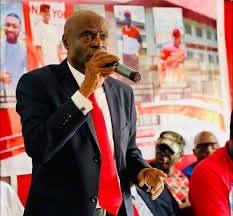
Chairman and Chief Electoral Commissioner of the Electoral Commission for Sierra Leone, Edmond Sylvester Alpha

By Ibrahim Sesay

The Chairman and Chief Electoral Commissioner of the Electoral Commission for Sierra Leone, Edmond Sylvester Alpha, has reaffirmed that the power to determine the outcome of presidential elections rests solely with the electorate, not the Commission, as the institution unveils a comprehensive five-year strategic plan ahead of the 2028 general elections.

Speaking during his inaugural Political Parties Liaison Committee (PPLC) meeting held at the Commission’s headquarters in Tower Hill on April 29, Alpha emphasized that the role of the Commission is strictly to organize, supervise, and ensure the credibility of elections, while the final decision remains with the people.

“The Chairman of ECSL does not determine the winner of presidential elections, nor does the Commission manufacture electoral outcomes. It is the people of Sierra Leone, through their votes, who decide who governs them,” Alpha stated.

His remarks come amid growing public discourse surrounding electoral transparency and institutional independence, as the country gradually shifts focus toward preparations for the next electoral cycle.

At the same engagement, the Commission announced a new five-year strategic plan designed to guide electoral activities leading up to 2028 and beyond. According to Alpha, the plan will undergo an extensive validation process involving all registered political parties at both regional and national levels to ensure inclusivity and stakeholder ownership.

“Your input will be seriously and highly encouraged,” he assured, noting that the document will only be finalized after broad consultations.

The PPLC meeting also reviewed key operational priorities, including a nationwide assessment of voter registration centres to evaluate their accessibility and adequacy, as well as ongoing institutional restructuring recommended by international partners, including the International Moral Guarantors.

Alpha used the opportunity to dismiss widespread claims circulating on social media regarding alleged mass recruitment by the Commission. He categorically denied reports suggesting that the ECSL had opened a recruitment portal or planned to hire 256 staff.

“At no given time have we come up with any portal to state that we have vacancies. It is not true. When the time comes, we will keep the public fully informed,” he clarified, urging citizens and the media to disregard what he described as false information.

Instead, the ECSL Chairman outlined a reform agenda focused on strengthening institutional capacity and improving electoral systems. He disclosed that the restructuring process is already underway in collaboration with key government institutions, including the Human Resource Management Office and the Public Sector Reform Unit, and will be conducted in a transparent and merit-based manner.

The Commission is also working with the Office of the Attorney General and Minister of Justice to advance legal reforms aimed at enhancing the electoral framework. In addition, efforts are ongoing to procure modern voter registration equipment and software to improve efficiency and credibility in future elections.

Reflecting on Sierra Leone’s democratic progress, Alpha noted that since the 2005 institutional reforms, the country has successfully conducted four electoral cycles—in 2007, 2012, 2018, and 2023—thereby sustaining constitutional governance and democratic continuity.

He, however, cautioned that these gains must be protected through collective responsibility, particularly as preparations intensify for the 2028 elections.

“Electoral preparedness requires early planning, timely reforms, adequate financing, institutional cooperation, and sustained stakeholder engagement. ECSL cannot achieve these objectives alone,” he said, calling on political parties, civil society, the media, and the security sector to play their respective roles responsibly.

Also addressing the meeting, Eastern Region Commissioner and PPLC Chairman, Alex Saffa, reassured stakeholders of the Commission’s commitment to delivering credible elections.

“We want to assure you that from 2028, elections will be conducted in a free, fair and transparent manner,” Saffa said.

However, he raised concerns about inconsistent representation at PPLC meetings, urging political parties and institutions to delegate decision-makers who can uphold agreements reached during discussions.

“Most times we come here, we have discussions, we make agreements, but after the boardroom, something else comes up,” he noted, warning that such inconsistencies could fuel misunderstanding and misinformation.

The PPLC continues to serve as a critical platform for dialogue, consultation, and information sharing between the Commission and political parties, especially at a time when preparations for the 2028 general elections are gathering momentum.

Several political parties attended the meeting, including the Sierra Leone People’s Party, while the All People’s Congress was notably absent.

As Sierra Leone moves closer to another electoral cycle, the ECSL’s renewed emphasis on transparency, inclusivity, and institutional reform signals a broader effort to strengthen public confidence in the country’s democratic processes.

Political Parties Liaison Committee (PPLC) meeting

China Extends Zero-Tariff Policy to All African Countries With Diplomatic Ties

China announced a sweeping expansion of its zero-tariff policy to cover all African countries

BEIJING, April 28, 2026 — China has announced a sweeping expansion of its zero-tariff policy to cover all African countries that maintain diplomatic relations with it, in a move aimed at deepening trade ties and boosting economic cooperation across the continent.

Chinese authorities confirmed on Tuesday that the policy will take effect on May 1, 2026, marking a significant shift in Beijing’s trade engagement with Africa. The decision brings an additional 20 African nations under the zero-tariff framework, reflecting what officials described as a strong commitment to high-standard economic opening and mutually beneficial partnerships.

According to a statement issued by the Customs Tariff Commission of the State Council, the zero-tariff treatment will apply to 20 African countries that are not classified as least developed countries but have established diplomatic ties with China. The policy will run for a two-year period, from May 1, 2026 to April 30, 2028.

Under the arrangement, qualifying goods will benefit from a preferential tariff rate of zero. However, authorities clarified that products subject to tariff quotas will only enjoy zero tariffs within the quota limits, while standard rates will continue to apply to out-of-quota volumes.

The latest expansion builds on China’s earlier initiative introduced in December 2024, which granted zero-tariff access on 100 percent of tariff lines to 33 least developed African countries with diplomatic relations with Beijing. With the inclusion of the additional 20 countries, the policy will now cover a total of 53 African nations.

Officials say the move is expected to significantly strengthen China-Africa trade relations, enhance investment flows, and support Africa’s broader development agenda. It also aligns with ongoing efforts to establish the China-Africa Economic Partnership for Shared Development agreement, which is currently under negotiation with several African countries.

China’s Ministry of Commerce described the policy as a “significant measure” that positions China as the first major global economy to offer unilateral, full-coverage zero-tariff treatment to all African countries with diplomatic ties. The ministry noted that the initiative represents an innovative and phased approach toward building a more structured and sustainable trade framework between China and Africa.

At a time when global trade faces increasing pressures from protectionist tendencies, Chinese officials emphasized that the zero-tariff expansion is designed to open wider access to its domestic market, thereby creating new opportunities for African exporters. The policy is also intended to provide long-term, stable and predictable conditions for trade and investment cooperation.

Authorities further indicated that the initiative forms part of China’s broader strategy to deepen economic engagement with developing regions while advancing its own high-level opening-up agenda.

The implementation of the zero-tariff regime is expected to inject fresh momentum into bilateral trade, facilitate greater market access for African products, and strengthen supply chain integration between China and African economies.

The announcement also aligns with the country’s long-term economic blueprint outlined in its 15th Five-Year Plan (2026–2030), which prioritizes institutional openness, improved trade quality, and a transparent investment environment.

As China moves to widen its economic partnerships across Africa, analysts say the expanded zero-tariff policy could play a pivotal role in reshaping trade dynamics, offering African countries increased access to one of the world’s largest consumer markets while reinforcing Beijing’s strategic economic presence on the continent.


Sierra Leone at 65: Mohamed Gento Kamara’s Kent Seaport Sparks Hope for Economic Transformation

Aerial view of a coastal construction site with blue-green water and the overlaid text 'Gento Group 65th' and 'Happy Independence Day.'

By Amin Kef (Ranger)

Sierra Leone’s 65th Independence Anniversary is being marked by a bold and symbolic investment that is reshaping the national narrative; one that bridges the painful echoes of history with the promise of economic transformation. At the historic coastal community of Kent, where enslaved Africans were once held before being shipped across the Atlantic, a new chapter is being written by Sierra Leonean entrepreneur Mohamed Gento Kamara, Chief Executive Officer of the Gento Group of Companies.

In what many observers are describing as both symbolic and strategic, the ongoing construction of a modern seaport at Kent stands as a powerful testament to local investment, resilience and national pride. The site, once associated with the transatlantic slave trade, is now being transformed into a hub for commerce, where goods will be exported and imported to drive Sierra Leone’s economic growth.

The significance of this development cannot be overstated. At a time when concerns persist over capital flight and limited domestic industrial investment, the initiative by Mohamed Gento Kamara represents a deliberate shift toward reinvesting in Sierra Leone’s future. The project is expected to create substantial employment opportunities for Sierra Leoneans, stimulate local businesses and contribute meaningfully to national revenue generation.

Kent’s historical relevance adds a deeper layer of meaning to the project. During the slave trade era, the area served as a holding point for enslaved Africans destined for Europe and the Americas. Today, as Sierra Leone celebrates 65 years of independence, a journey that traces back to the resettlement of freed slaves and the founding of Freetown, the construction of a seaport at this same location symbolizes a reversal of fortunes. Where human lives were once exported under oppression, economic goods will now move freely in pursuit of prosperity.

Analysts view the Kent Seaport project as a potential game-changer for Sierra Leone’s maritime and trade sectors. Once completed, the facility is expected to ease pressure on existing ports, enhance logistics efficiency and position the country as a competitive player in regional and international trade. Beyond infrastructure, the ripple effects of such an investment are likely to be felt across sectors including transportation, fisheries, tourism and small-scale enterprises.

Importantly, the project also reinforces the growing call for increased local participation in national development. Mohamed Gento Kamara’s initiative is being widely praised as a model of patriotism in action; demonstrating that Sierra Leoneans can lead transformative investments capable of shaping the country’s economic destiny.

Stakeholders have emphasized the need for strong Government backing and policy support to ensure the successful completion and sustainability of the project. Calls are mounting for public-private collaboration, regulatory efficiency and national ownership of such strategic ventures.

Reflecting on 65 years of independence, the Kent Seaport project emerges as more than just an infrastructure development; it stands as a symbol of progress, a reclaiming of history and a vision for a self-reliant future. In the midst of national celebrations, it stands out as one of the most meaningful tributes to independence; transforming a site of past suffering into a gateway for national prosperity.

BCSL Installs Rev. Dr. Samuel G.A. Kargbo as New Executive President, Hails Outgoing Leader Rev. Dr. Joseph Fornah

Clergymen in blue robes participate in a ceremony; a man raises a wooden gavel while a speaker with a microphone stands nearby.

By Foday Moriba Conteh

The Baptist Convention Sierra Leone on Sunday, April 26, 2026, held a historic inauguration ceremony at Loko Baptist Church on Circular Road in Freetown, formally installing Rev. Dr. Samuel Gerald Alimamy Kargbo as Executive President and Head of Mission, while marking the end of a decade-long tenure by outgoing President Rev. Dr. Joseph S. Fornah.

The ceremony attracted a cross-section of prominent religious leaders, including Rev. Dr. Francis A.M. Mambu, Bishop Benjamin B. Bangura, Rev. Henry A.A.S. Samuels and Rev. Dr. Samuel Reeves Jr. of Liberia, alongside church members, partners and invited guests who witnessed the formal transition of leadership within the Convention.

In a farewell address, Rev. Dr. Joseph S. Fornah expressed gratitude for the opportunity to serve over a ten-year period, highlighting key milestones achieved under his leadership. Significant investments in human capacity development, pastoral training and medical support for clergy and laypersons were outlined, with over 55 rural pastors benefiting from monthly support, several receiving certificate-level training, nine sponsored for master’s degrees and others supported through partial academic assistance.

Attention was also drawn to welfare interventions that included medical assistance for pastors and lay members, disaster response support, retirement packages for church leaders and funeral assistance for bereaved families. Institutional reforms were equally emphasized, notably the securing of Convention lands, the establishment of a fixed asset register and the valuation of properties as part of efforts to strengthen governance structures.

Infrastructure development formed another pillar of the outgoing administration, with references made to construction and renovation projects, fencing of Convention lands in Lunsar, solarization of the Conference Centre, procurement of generators and the upgrading of the Baptist Eye Hospital. Strengthened local and international partnerships were also credited for enhancing operational capacity and expanding the Convention’s reach.

Spiritual growth, Rev. Dr. Joseph S. Fornah noted, remained central to leadership throughout the tenure, sustained through prayer, fasting, revival programmes and consistent biblical teaching. Appreciation was extended to church boards, committees, clergy, congregations, development partners and family members for their collective support. Reflection on leadership was described as a divine calling requiring humility, resilience and unwavering faith, alongside the announcement of a new leadership selection framework involving a Search Committee and affirmation at the Annual Convention.

Delivering the sermon, Rev. Dr. Samuel Reeves Jr., President of the Liberia Missionary Educational Convention, spoke on the theme: “The Celebration of Titles and Towels: Serving God Faithfully with the Spirit of Grace,” emphasizing that leadership is defined by sustained service and obedience rather than ceremonial recognition. A caution was issued against superficial leadership, with strong emphasis placed on the need for deep spiritual foundations to withstand pressure and maintain public trust.

Encouragement was extended to the incoming leadership to remain steadfast in faith and guided by purpose rather than popularity, while acknowledging that leadership challenges are inevitable but must not derail commitment to service. The role of grace in sustaining ministry, particularly under pressure and limited resources, was also highlighted, alongside a call for unity and support within the Convention.

In an inaugural address, Rev. Dr. Samuel Gerald Alimamy Kargbo described the new role as a divine assignment, recalling an earlier invitation to leadership more than a decade ago which was declined at the time due to a belief that the moment was not divinely appointed. Experience gained as Principal of the Evangelical College of Theology over seven years was cited as preparation for the current responsibility.

Gratitude was expressed for the confidence reposed in the new leadership, alongside a commitment to lead with integrity, humility and prayer. Recognition was also given to the support of family, particularly a spouse, in accepting the responsibility. A four-point leadership agenda centred on Consolidation, Improvement, Expansion and Sustainability was unveiled, with consolidation aimed at strengthening structures, promoting unity and ensuring doctrinal integrity across the Convention.

Tribute was paid to Rev. Dr. Joseph S. Fornah for laying a strong institutional foundation, while the improvement pillar was described as focusing on strengthening leadership capacity, restructuring systems where necessary and enhancing training for pastors and church leaders. Emphasis was placed on grassroots leadership as essential for sustainable growth, alongside a call for unity among members to advance shared goals and secure long-term stability for future generations.

Rev. Dr. Samuel Gerald Alimamy Kargbo concluded by reaffirming a commitment to faith-driven leadership and urged members to support the transformation agenda with dedication and unity. The ceremony signaled the beginning of a new chapter for the Baptist Convention Sierra Leone, with expectations of strengthened cohesion, institutional growth and expanded mission work across the country.

Open Hubb Launches ‘Flot’ Platform to Boost Financial Inclusion in Sierra Leone

Two staff members in turquoise shirts stand behind Flot promotional counters with teal branding on display boards above them.

By Foday Moriba Conteh

Open Hubb, a digital financial technology company, on Friday, 24 April 2026, officially launched its new business platform, ‘Flot Business’, alongside an artificial intelligence Chatbot named “Flot” at Aberdeen in Freetown, in a move aimed at supporting Sierra Leone’s financial modernization drive led by the Bank of Sierra Leone, with a strong focus on expanding financial inclusion and improving digital payments across the country.

The Flot platform enables merchants and enterprises to accept payments from multiple sources, including Flot users, mobile money services and global card networks such as Visa and Mastercard, while providing instant settlement into business accounts through a unified system that supports both local and international transactions.

Fasasi Charles Adeniye, Managing Director and Chief Executive Officer of Sky Bank Sierra Leone, described Flot Business and its artificial intelligence Chatbot as a significant innovation addressing long-standing challenges within Sierra Leone’s fragmented payment systems. Limitations in infrastructure and inefficient payment processes, according to Fasasi Charles Adeniye, continue to constrain business growth and financial inclusion, making integrated solutions increasingly necessary.

The platform, Fasasi Charles Adeniye explained, simplifies those challenges by enabling businesses to accept payments through multiple channels, including Visa, Mastercard, Orange Money and Afrimoney, within a single system, thereby improving efficiency, transparency and scalability for enterprises of all sizes. Regulatory oversight from the Bank of Sierra Leone was also highlighted as critical in ensuring responsible innovation, consumer protection and sustained trust in the financial system.

Commitment by Sky Bank Sierra Leone to supporting digital transformation and financial inclusion was reaffirmed, with the partnership with Open Hubb positioned as part of broader efforts to modernize Sierra Leone’s financial ecosystem. Businesses were encouraged to adopt the platform as a means of simplifying operations and unlocking new growth opportunities, while collaboration among banks, fintech companies, regulators and enterprises was identified as essential for sustainable innovation.

Ugochukwu Irechukwu, Managing Director and Chief Executive Officer of Zenith Bank Sierra Leone, described Flot as a transformative solution capable of modernizing payment systems in a largely cash-driven economy. The continued dominance of cash-based transactions, Ugochukwu Irechukwu noted, has created inefficiencies for both businesses and individuals, underscoring the importance of digital alternatives.

Through the platform, instant fund transfers can be executed across mobile money services and bank cards, while businesses are able to collect payments using simplified tools such as QR codes, aligning with broader continental efforts to modernize financial infrastructure and reduce reliance on cash. Financial institutions, according to Ugochukwu Irechukwu, must deepen collaboration with fintech innovators and regulators to strengthen digital payment ecosystems and expand access to financial services.

Hon. Ing. Fallah K. Tengbeh, Deputy Chairman of the Parliamentary Committee on Information and Communication Technology, described the launch as a milestone in Sierra Leone’s digital transformation journey, reflecting growing national readiness to embrace innovation and deepen financial inclusion. Fintech solutions such as Flot, Hon. Ing. Fallah K. Tengbeh noted, are addressing critical challenges faced by small and medium-sized enterprises, particularly in payment processing and access to finance, while enhancing convenience, expanding market access and supporting job creation through the integration of multiple payment systems.

Emphasis was also placed on the role of fintech as a driver of economic growth and transparency, with the importance of regulatory compliance under the Bank of Sierra Leone highlighted as essential for balancing innovation with consumer protection. Parliament’s role, according to him, remains focused on ensuring accountability while promoting technologies that benefit citizens and support national development.

David Kpakima, Chief Executive Officer of Open Hubb, underscored the central role of businesses in driving inclusive economic growth, noting that Flot was developed to improve operational efficiency and strengthen financial inclusion across Sierra Leone. Persistent challenges in payment collection, settlement and financial accessibility were identified as key barriers, with collaboration between banks and fintech partners described as vital to overcoming these constraints.

Built on open banking principles, the platform functions as an orchestrator within the financial ecosystem by connecting services, reducing barriers and expanding access to financial tools. Recognition was given to the Bank of Sierra Leone’s Regulatory Sandbox Committee for providing an enabling environment that supports the safe testing and scaling of fintech innovations.

David Kpakima further revealed that the development team has previously delivered successful digital financial solutions that reached hundreds of thousands of users, demonstrating the value of data-driven innovation. The significance of remittances to Sierra Leone’s economy was also highlighted, with diaspora inflows identified as a major opportunity for expanding local economic participation. Through Flot, global senders are connected directly to local businesses, enabling faster and more efficient transactions.

The platform has already integrated over 3,000 local businesses, positioning itself not only as a payment solution but also as a digital companion that allows users to locate essential services such as plumbers, electricians and other local providers. Commitment to advancing a cashless economy and driving digital transformation was reaffirmed, with the platform’s gateways, APIs and wallets described as fully open for collaboration, reinforcing the importance of partnerships in sustaining innovation and supporting businesses and communities across Sierra Leone.

NP(SL) Commemorates World Day for Safety and Health at Work with Focus on Psychosocial Wellbeing

Group of workers in yellow and green uniforms with hard hats standing in a line beside a banner that reads World Day for Safety and Health at Work (2026).

By Alvin Lansana Kargbo

NP (SL) on Tuesday, 28 April 2026, joined the global community to commemorate World Day for Safety and Health at Work at its Shell facility on Parsonage Street, Kissy in Freetown, with a strong focus on promoting a healthy psychosocial working environment. The event, held under the theme: “Ensuring a Healthy Psychosocial Working Environment,” brought together Management, Staff and key stakeholders to reflect on workplace safety practices, emerging risks and the growing importance of mental and emotional wellbeing in today’s professional settings.

Delivering remarks, NP(SL)’s  Human Resource Manager, Georgina Williams, highlighted the increasing impact of psychosocial risks within modern workplaces, pointing to factors such as unfair treatment, workplace harassment and poorly defined job roles as key stressors that can undermine productivity, staff morale and overall wellbeing if not effectively addressed. She laid emphasis on the need for proactive strategies to create a supportive and inclusive work culture capable of responding to these challenges.

Georgina Williams outlined measures introduced by NP (SL) to strengthen employee wellbeing, including improved internal communication systems, the placement of suggestion boxes across operational sites and initiatives aimed at promoting work-life balance, such as casual dress Fridays.

Staff welfare programmes, including birthday recognitions at the head office canteen, were also noted by her as part of broader efforts to boost morale and foster a sense of belonging.

The importance of clearly defined roles and structured conflict resolution mechanisms through departmental leadership was underscored, alongside encouragement for open dialogue as a practical means of addressing workplace concerns.

Finance Manager, Consvonne Macrae, described the 2026 theme as both timely and highly relevant, noting that effective teamwork depends on strong interpersonal relationships and coordinated effort. While acknowledging the company’s generally positive working environment, attention was drawn to the reality that employees remain vulnerable to mental stress, reinforcing the need for sustained engagement and robust support systems within the organisation.

Representing the National Fire Force, Musa Kajue affirmed that NP (SL) continues to meet established safety standards. Reference was made to a recent fire incident that prompted Government to mandate comprehensive fire risk assessments across petroleum facilities, including NP (SL) terminals. Those assessments examined the availability and functionality of essential safety equipment such as fire extinguishers and sprinkler systems, ensuring compliance and readiness.

Further insights highlighted the National Fire Force’s expansion of training programmes for institutions seeking to enhance fire safety capacity, with the partnership between the agency and NP (SL) described as mutually beneficial. Ongoing efforts to improve firefighting infrastructure, including the construction of boreholes and installation of water tanks to address limited access to functional hydrants, were also emphasized, with recognition given to NP (SL)’s continued support in strengthening emergency response systems.

In a keynote address, Chief Executive Officer of NP (SL), Dr. Mohamed S. Kanu, commended staff, particularly drivers, for consistently adhering to safety protocols. Reaffirmation was made of NP (SL)’s commitment to maintaining high standards in health and safety, noting that the company remains ISO certified and continues to undergo annual audits to sustain compliance and operational excellence.

He drew attention to the critical role of individual responsibility in sustaining a safe work environment, with professionalism in staff conduct and appearance, especially during customer interactions, highlighted as essential. Collaboration with security agencies was also praised, while Management’s commitment to strengthening psychosocial support systems was reiterated, placing employee mental wellbeing at the centre of productivity, safety and overall organizational success.

Closing the event, NP (SL)’s Operations Manager, Vandi Bockarie, highlighted notable progress in reducing workplace incidents, attributing the achievement to the dedication of the Terminal Controller Operations team. Recognition was given to the vital role of drivers in maintaining safety standards and supporting emergency response efforts, including their ability to operate hydrants and effectively manage terminal risks.

Personal and life challenges were identified as significant factors influencing employees’ psychosocial health and safety performance, with staff encouraged to maintain open communication with Management and the human resources department when facing difficulties. Fatigue and distraction were cited as leading causes of workplace incidents, prompting a strong call for employees to prioritize safety by speaking up when unfit for duty. Plans to introduce daily morning safety briefings were also disclosed as part of ongoing efforts to strengthen awareness and reinforce a culture of safety.

The observance concluded with a renewed commitment by NP (SL) and its stakeholders to sustained dialogue, shared responsibility and continuous improvement in advancing safer, healthier and more resilient workplaces across the organisation.