

By Alvin Lansana Kargbo
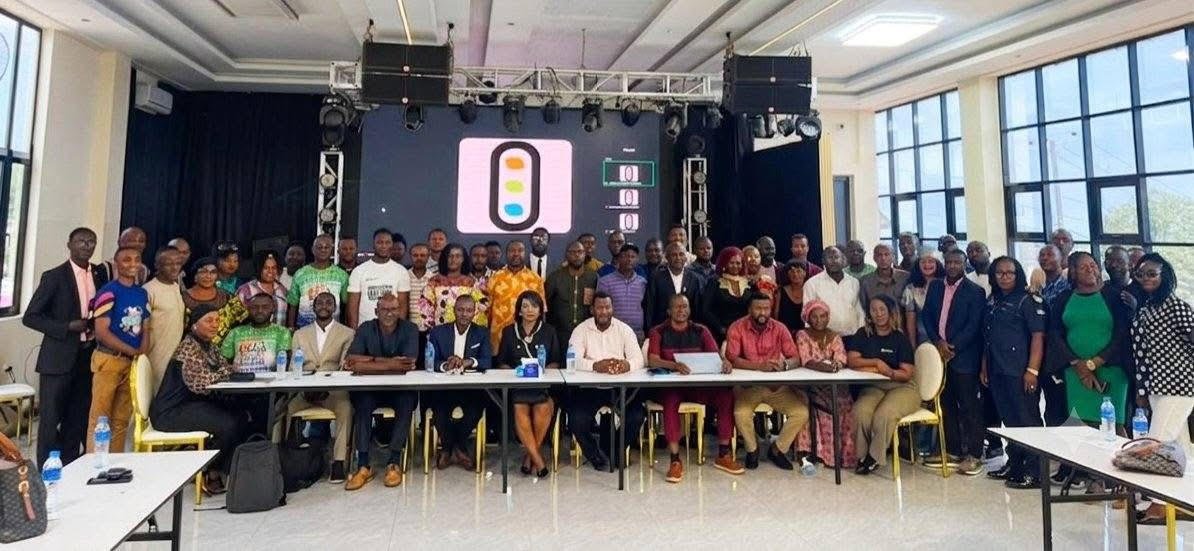
The Ministry of Tourism and Cultural Affairs has taken a significant step towards strengthening sustainable coastal tourism with the validation of the draft Island and Beach Tourism Policy and Management Plan. The stakeholder validation workshop, held on Thursday, 25 June 2026, at Dove’s Nest Hall on Aberdeen Road in Freetown, marked a major milestone in the development of a comprehensive framework aimed at protecting, managing and developing Sierra Leone’s beaches and islands.
The policy, which is the outcome of months of nationwide consultations and extensive field assessments conducted across the country’s coastal areas, seeks to establish a coordinated approach to the sustainable management, conservation and promotion of Sierra Leone’s coastal tourism assets. The validation workshop brought together representatives from Government Ministries, development partners, local councils, community leaders, Civil Society Organisations and other key stakeholders to review the draft policy and provide recommendations before its final adoption.
Chairing the event, Emmanuel A. B. Turay welcomed participants and encouraged them to become ambassadors for the policy within their respective communities. He stressed that the success of the initiative would depend on the collective commitment of all stakeholders in ensuring that Sierra Leone’s beaches and islands are protected while creating opportunities for sustainable economic growth.
Chairman of the National Tourist Board, Allieu Kokobay, described the validation exercise as a major achievement in the country’s efforts to preserve its unique coastal tourism resources. He noted that the policy would provide a strategic roadmap for sustainable tourism development while ensuring that future generations continue to benefit from the country’s natural coastal heritage.
Representatives from the Ministries of Fisheries and Marine Resources, Lands, Housing and Country Planning, and Environment and Climate Change reaffirmed their institutions’ commitment to supporting the implementation of the proposed policy. They emphasized that stronger inter-agency collaboration would be essential in addressing challenges such as unregulated coastal development, environmental degradation, poor waste management and unsustainable land-use practices that continue to threaten Sierra Leone’s beaches and islands.
Delivering the keynote address on behalf of the Minister of Tourism and Cultural Affairs, Nabeela Farida Tunis, Senior Permanent Secretary Judith Jones highlighted the enormous economic potential of sustainable coastal tourism. She observed that coastal and maritime tourism accounts for nearly 80 percent of global tourism and contributes more than US$1.5 trillion annually, making it the largest component of the global ocean economy.
She stated that Sierra Leone possesses some of the world’s most pristine beaches and culturally significant islands, which have the potential to contribute substantially to national economic growth, job creation and community development if effectively managed. However, she cautioned that environmental degradation, uncontrolled human activities and weak institutional coordination continue to pose serious threats to those valuable natural assets.
Judith Jones called on all stakeholders to work together to transform the policy into concrete actions that will preserve Sierra Leone’s coastal heritage while promoting responsible tourism and environmental sustainability.
The workshop also featured a virtual presentation by the international consultants responsible for developing the draft policy and management plan. The consultants explained the methodology adopted throughout the assignment, including nationwide stakeholder consultations, field assessments, technical analyses and data collection processes that informed the development of the draft framework.
Participants were guided through the various stages of the policy development process, demonstrating how technical findings and community perspectives were integrated into the proposed management plans. The presentation was followed by an interactive plenary session during which participants engaged in group discussions, presented recommendations and provided constructive feedback aimed at strengthening the final document.
Closing the workshop, the Director of Tourism, Travel and Exchange Program, Mohamed Jalloh, expressed appreciation to participants for their active participation and valuable contributions during the validation exercise. He noted that the quality of the discussions reflected a shared national commitment to protecting Sierra Leone’s beaches and islands while advancing sustainable tourism development.
Mohamed Jalloh expressed confidence that once finalized, the Island and Beach Tourism Policy and Management Plan would serve as a strong framework for sustainable coastal management, environmental conservation, community participation and responsible tourism investment across Sierra Leone. He urged all stakeholders to maintain their collaboration and support the successful implementation of the policy to ensure that the country’s coastal resources continue to benefit present and future generations.